Practical Steps and Actionable Advice
Read ingredient labels meticulously. Food manufacturers deliberately hide refined sugars under dozens of different technical names. Scan every nutrition label for high-fructose corn syrup, dextrose, maltose, and maltodextrin before placing items in your grocery cart.
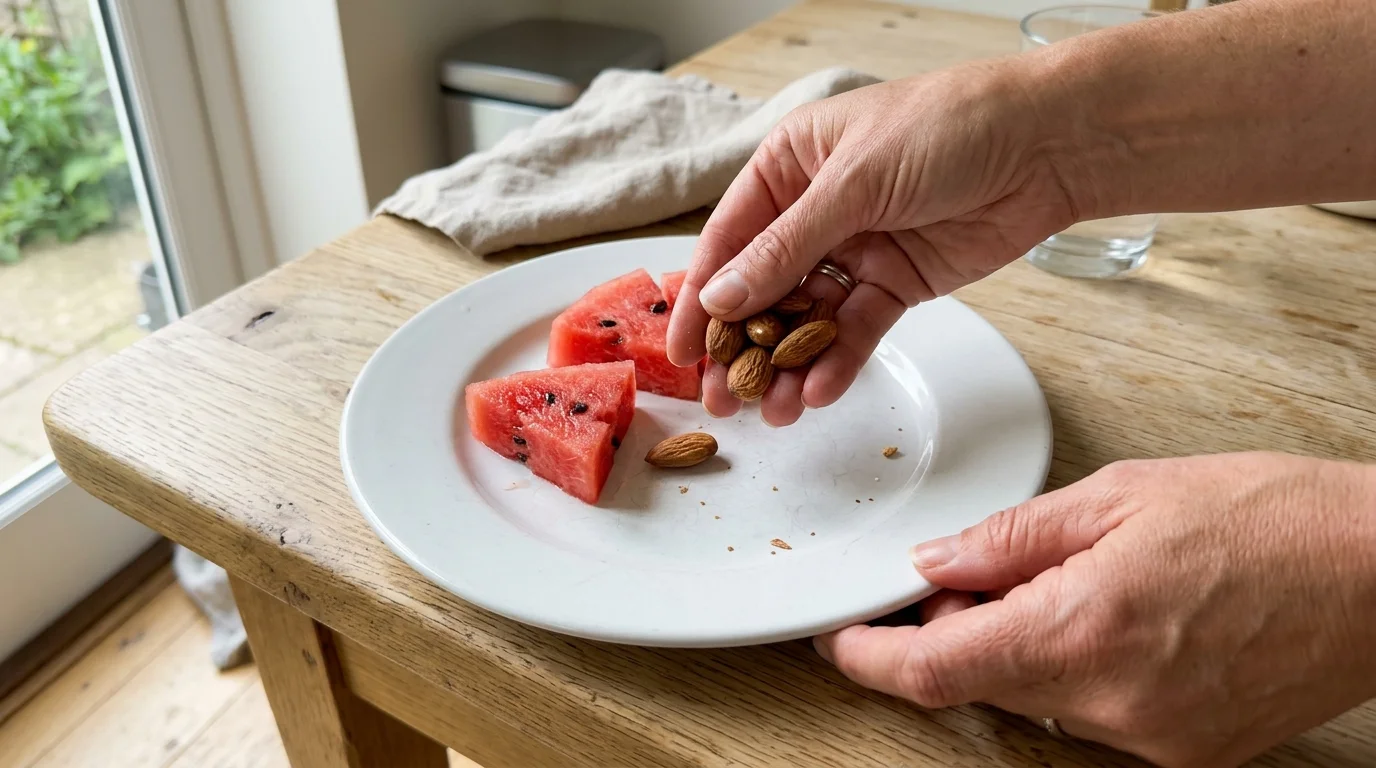
Always pair carbohydrates with protein and fat. When you consume a carbohydrate-heavy food, add a handful of walnuts, a slice of sharp cheese, or a scoop of Greek yogurt. These dense macronutrients significantly slow down the speed of gastric emptying.
Take a brisk walk after your meals. Engaging in light physical activity for just ten to fifteen minutes after dinner forces your muscles to absorb excess glucose from your bloodstream without requiring additional insulin from your heavily taxed pancreas.
Prioritize whole, unprocessed foods. Whenever possible, eat foods in their natural state. Choose a whole apple instead of apple sauce, and select whole oats over the instant packets to retain the natural dietary fiber.
Frequently Asked Questions
Does the cooking method affect blood sugar spikes?
Yes, how you prepare your food changes its internal molecular structure. Boiling, mashing, or heavily processing foods generally breaks down the protective structural fibers, making the carbohydrates digest much faster and spiking your glucose levels.
Can I still eat fruits if they contain natural sugar?
Absolutely. Whole fruits provide essential vitamins, minerals, and structural fiber that slow down sugar absorption. You just need to monitor your overall portion sizes and actively avoid juicing them or eating them entirely dried.
Why do I feel immediately hungry after eating high-carbohydrate meals?
When you consume highly refined carbohydrates, your body releases a massive, immediate surge of insulin. This insulin clears the sugar so rapidly that your blood glucose actually crashes below normal levels, triggering intense physiological hunger pangs.
What is the difference between Glycemic Index and Glycemic Load?
The Glycemic Index simply measures how fast a specific food converts to glucose in a laboratory setting. The Glycemic Load offers a more realistic measurement by factoring in the actual portion size you eat during a normal meal.
Summary and Next Steps
Stabilizing your blood sugar does not require you to completely abandon all the foods you love; it simply requires you to make smarter, more informed choices about how and when you consume them. By intentionally limiting your intake of these fifteen highly refined carbohydrates, you give your pancreas a much-needed rest and protect your blood vessels from chronic inflammation. Take control of your kitchen today, swap out the hidden sugars, and reclaim your metabolic vitality for the decades ahead.
Disclaimer: This article is intended for informational and educational purposes only and is not a substitute for professional medical advice, diagnosis, or treatment. Always consult with a qualified healthcare provider regarding any health concerns or before making any decisions related to your health or treatment.