
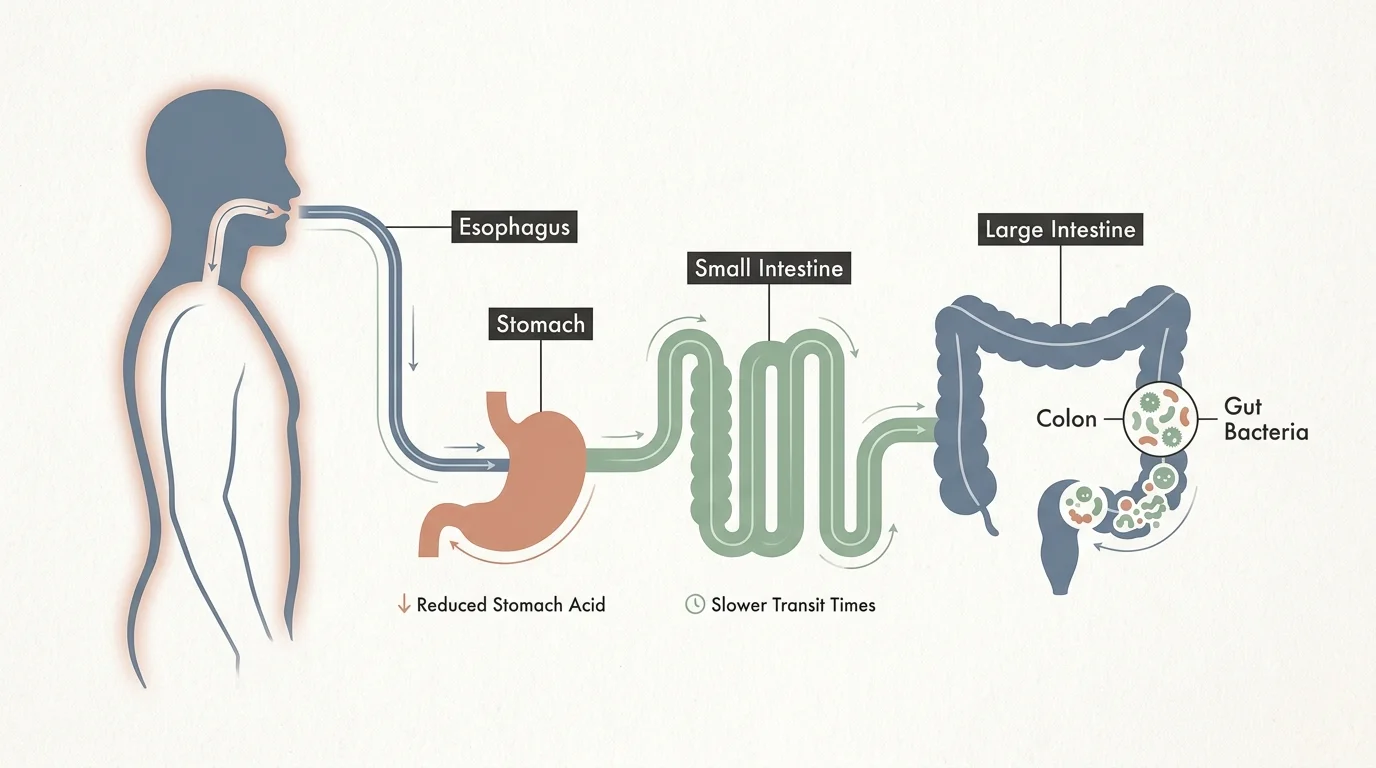
Tracking shifts in your digestive system empowers you to catch serious health issues early and maintain your daily comfort and vitality. Your gastrointestinal tract acts as an early warning system for your overall health, signaling everything from minor dietary intolerances to conditions requiring immediate medical intervention. As adults pass the age of sixty, the natural aging process alters the way the stomach, intestines, and colon function. Reduced stomach acid, slower transit times, and shifts in gut bacteria mean that symptoms you previously ignored now warrant careful evaluation. Recognizing which gastrointestinal symptoms are harmless and which signify a deeper problem allows you to make informed, proactive decisions with your healthcare provider.
Understanding the Basics of Digestive Health
Your digestive system orchestrates a complex symphony of organs working together to convert the food you eat into the energy and nutrients your body needs to survive. This continuous biological process begins the moment food enters your mouth and continues as it travels through the esophagus, stomach, small intestine, large intestine, and colon. For seniors, maintaining the efficiency of this system becomes paramount because your body relies on these extracted nutrients to repair cellular damage, sustain muscle mass, and support immune function.
As decades pass, the microscopic structures within your gastrointestinal tract undergo profound physiological shifts. The stomach lining frequently thins, reducing its ability to produce the robust amounts of hydrochloric acid required to break down proteins. Additionally, the rhythmic muscle contractions that propel food along the digestive tract often slow down considerably. This deceleration allows more water to be absorbed from waste material in the colon, leaving you susceptible to sluggish bowels. Furthermore, your gut microbiome—the diverse ecosystem of trillions of bacteria—plays a pivotal role in overall wellness. These microscopic organisms do far more than aid digestion; they regulate inflammation and communicate directly with your nervous system. Research indicates that the composition of this microbiome shifts significantly as you age. A reduction in beneficial bacteria compromises your immune defenses. Understanding these foundational mechanics ensures you can differentiate between normal aging and actionable symptoms.
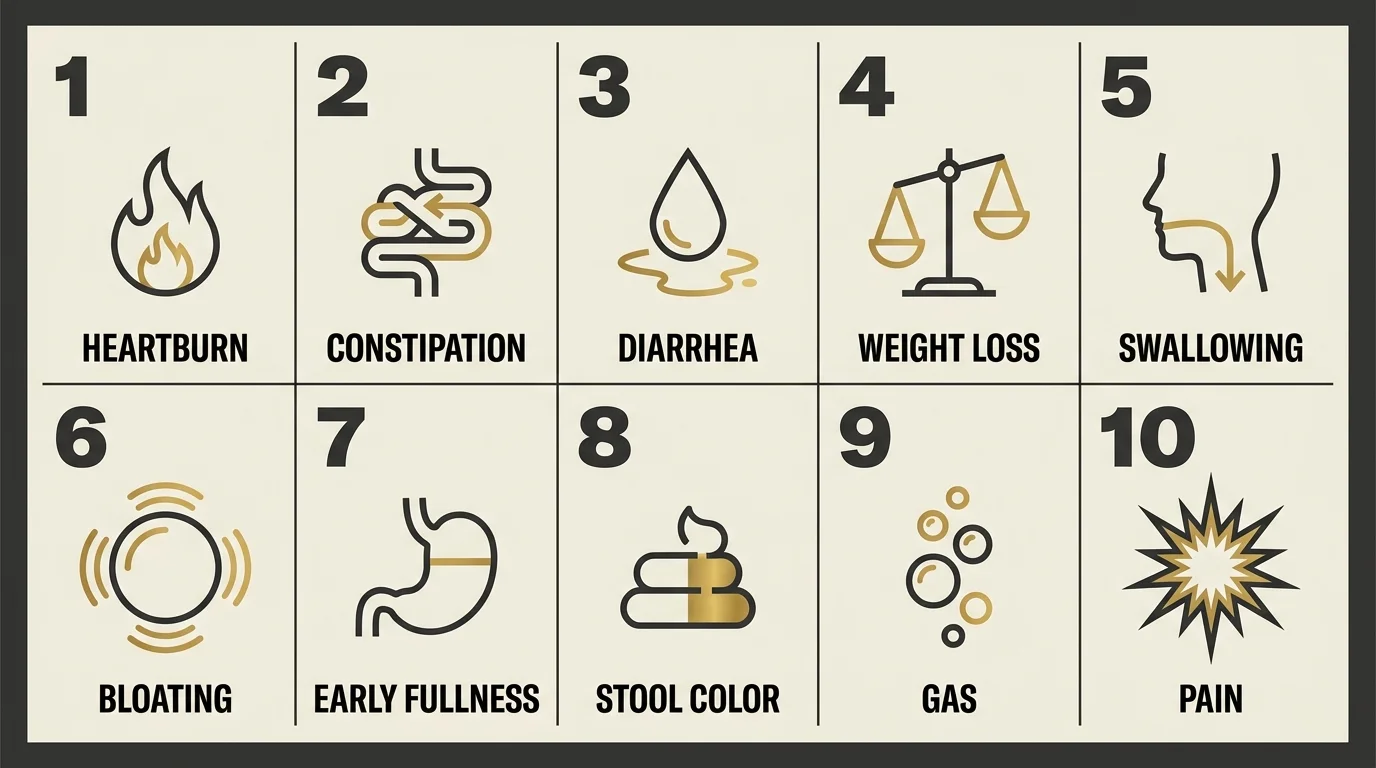
Key Considerations for Seniors: 10 Digestive Changes to Monitor
1. Persistent Heartburn and Acid Reflux
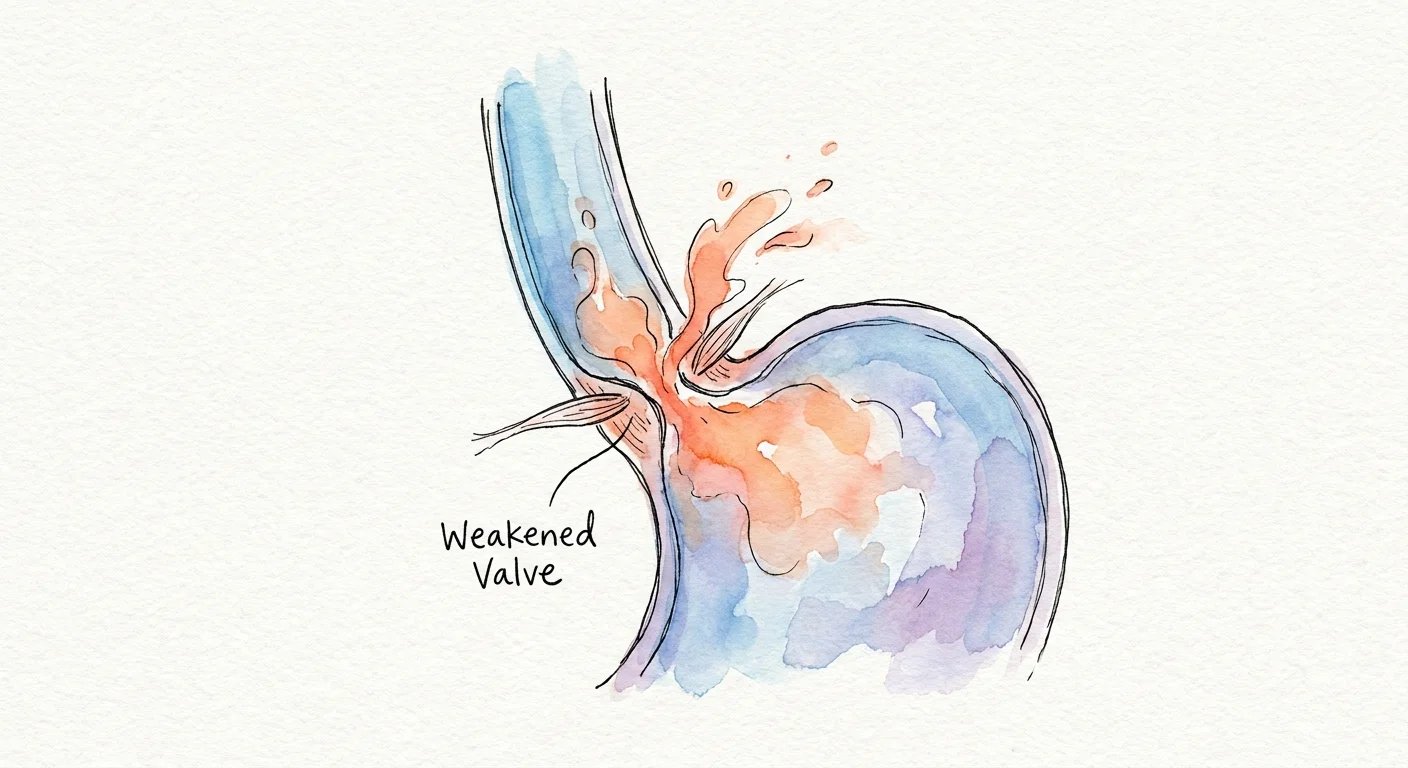
Heartburn occasionally strikes after heavy meals, but persistent acid reflux requires immediate attention. As you age, the muscle separating your esophagus from your stomach weakens. When this valve fails to close tightly, stomach acid splashes upward, creating a burning sensation. Frequent reflux significantly damages the delicate lining of your esophagus. Left untreated, chronic acid exposure increases your risk of precancerous conditions. If you reach for antacids multiple times a week or wake up with a bitter taste, schedule an evaluation with your physician to prevent irreversible damage.

2. The Onset of Chronic Constipation
Chronic constipation plagues many adults over sixty, yet you should never accept it as inevitable. Slower intestinal contractions, decreased physical activity, and side effects from prescription medications frequently cause this frustrating issue. Blood pressure drugs notoriously slow bowel motility. Straining poses hidden dangers, including painful hemorrhoids and diverticular disease. Severe constipation can lead to dangerous fecal impaction. Address sluggish bowels early through enhanced hydration and increased dietary fiber rather than relying on harsh chemical laxatives that paralyze your colon over time.

3. Sudden or Frequent Bouts of Diarrhea
Sudden or frequent bouts of diarrhea present serious medical concerns. Watery stools accelerate fluid loss, placing older adults at high risk for dangerous dehydration. Shifts in your gut microbiome, newly acquired food intolerances, or insidious infections like Clostridioides difficile often trigger acute episodes. Additionally, chronic diarrhea might signal underlying inflammatory bowel diseases or adverse reactions to medications. You lose vital electrolytes such as potassium during these episodes, so any persistent diarrhea lasting more than forty-eight hours warrants immediate professional evaluation to restore intestinal balance safely.

4. Unexplained and Unintentional Weight Loss
Losing a few pounds effortlessly might seem harmless, but unintentional weight loss indicates your digestive system cannot process nutrients correctly. When your gastrointestinal tract suffers from inflammation, malabsorption disorders, or undetected malignancies, your body stops extracting required fuel. You might continue eating normal portions yet notice your clothes fitting loosely. This deprives your immune system of energy and accelerates the loss of crucial muscle mass, increasing fall risks. Always treat sudden weight drops as a major red flag requiring comprehensive blood work and gastrointestinal screening.
5. New Difficulties with Swallowing
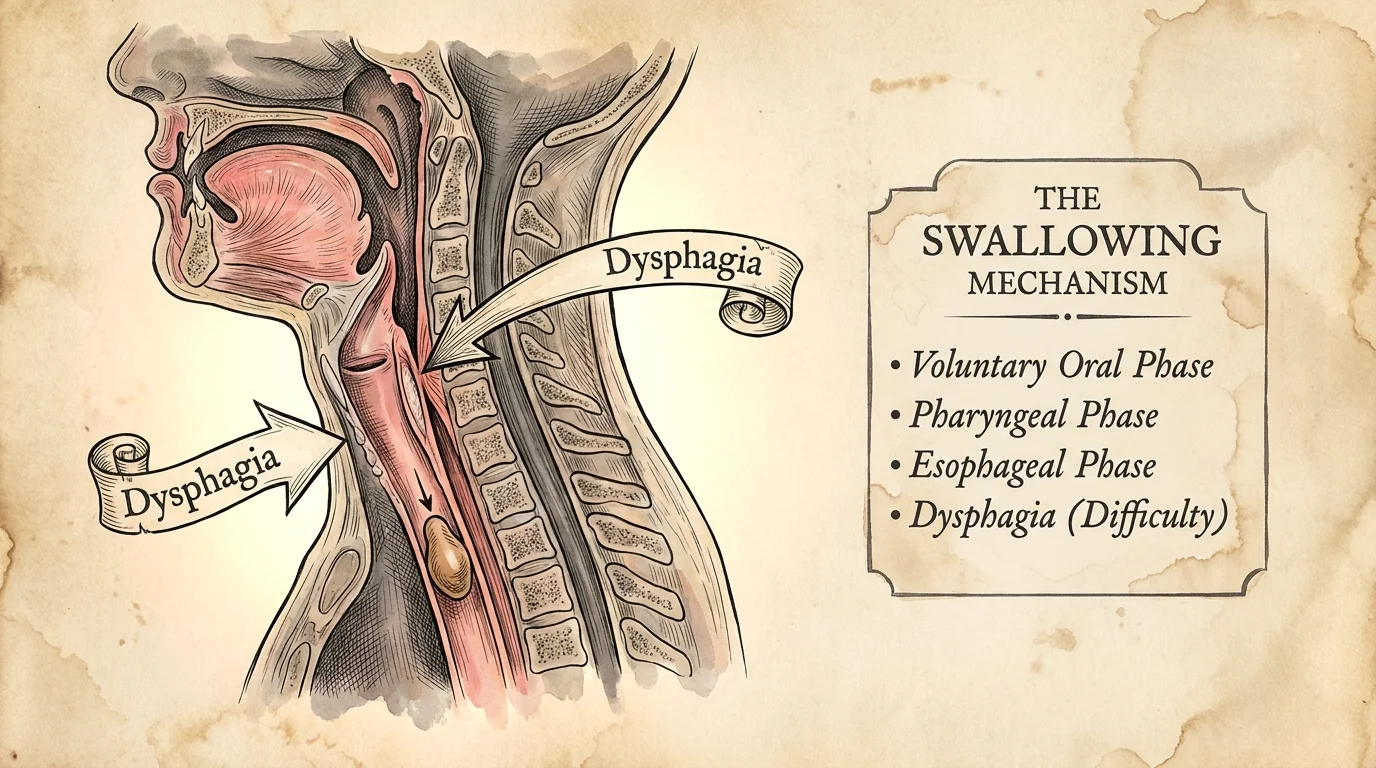
Dysphagia, or difficulty swallowing, represents a critical change you must not ignore. You might feel as though food gets stuck in your chest or experience choking during meals. Aging causes the muscles and nerves responsible for the swallowing reflex to lose their precise coordination. Conditions such as severe acid reflux or neurological disorders frequently disrupt this mechanical process. Ignoring dysphagia exposes you to aspiration pneumonia, which occurs when food accidentally enters your lungs. If you frequently need water to force food down, consult a specialist immediately.

6. Chronic Bloating and Abdominal Distension
Minor bloating after a large meal happens occasionally, but chronic abdominal distension signifies something more complex. When your abdomen feels persistently tight, your digestive system struggles to process trapped gas efficiently. This symptom frequently accompanies small intestinal bacterial overgrowth, where excessive bacteria ferment carbohydrates prematurely. Persistent distension can also serve as an early warning sign for ovarian cancer or indicate partial bowel obstructions. Rather than writing off chronic bloating as a simple cosmetic annoyance, track when it occurs and discuss these specific patterns with a doctor.

7. Feeling Full Prematurely During Meals
Early satiety occurs when you feel completely full after eating only a few bites. This sudden lack of appetite deprives your body of calories and macronutrients required for daily energy. A sluggish stomach that empties too slowly frequently triggers this sensation. Alternatively, early satiety results from physical obstructions, severe stomach ulcers, or tumors pressing against the stomach wall. Because chronic under-eating rapidly leads to severe malnutrition and profound fatigue in older adults, your physician must conduct imaging to determine why your stomach capacity has seemingly shrunk.

8. Unexplained Changes in Stool Color
Routinely inspect the contents of the toilet bowl, as changes in stool color provide critical clues about your internal health. Healthy stool generally appears brown. Pale or clay-colored stools suggest a blockage in your bile ducts or gallbladder dysfunction. Conversely, stool that appears tarry and black strongly indicates bleeding in your upper gastrointestinal tract, such as a stomach ulcer. Finding bright red blood signals bleeding lower in your digestive system. Never assume visible blood is harmless; prompt medical procedures accurately identify the source and rule out severe conditions.

9. Increased Gas and Flatulence
Increased flatulence frequently causes social embarrassment, yet it offers direct insight into how your body digests specific foods. As you age, the production of lactase naturally declines. You might suddenly discover that your favorite cheese triggers severe gas and discomfort. Similarly, an inability to properly digest complex carbohydrates found in beans or artificial sweeteners leads to excessive fermentation in the colon. If passing gas becomes painful or highly disruptive, implementing a temporary elimination diet helps you pinpoint offending foods and modify your eating habits for optimal comfort.

10. Unexplained Abdominal Pain or Cramping
Occasional stomach cramps resolve quickly, but unexplained, localized, or severe abdominal pain demands immediate scrutiny. The exact location provides vital diagnostic clues. Sharp pain in the lower left quadrant frequently points to diverticulitis, an inflammation of small pouches in the colon wall. Pain in the upper right quadrant might indicate a struggling gallbladder. Pay close attention if the pain worsens after eating or wakes you from sleep. Attempting to mask severe abdominal pain with painkillers obscures vital symptoms and delays necessary treatments. Trust your body’s distress signals.
Benefits and Potential Risks of Managing Digestion
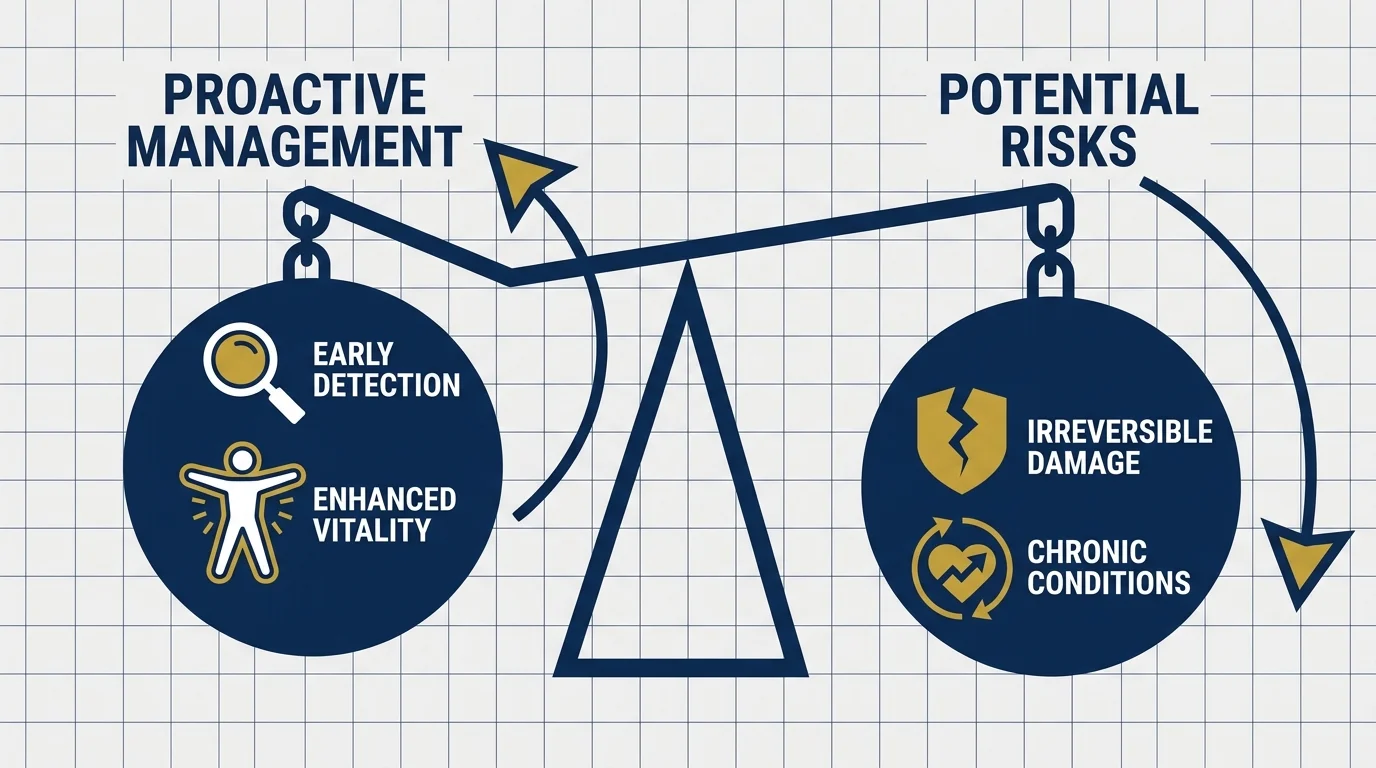
Taking proactive control of your digestive health yields immense benefits that extend beyond simply avoiding stomach aches. When your gastrointestinal tract functions optimally, your body efficiently absorbs the vital nutrients necessary to fuel your brain, preserve bone density, and maintain robust muscle tone. A well-managed digestive system directly enhances your daily energy levels and stabilizes your physical stamina. Since the majority of your immune system resides within your gut tissue, fostering a healthy microbiome actively fortifies your bodily defenses against seasonal infections. Identifying dietary triggers early also grants you the psychological freedom to enjoy social dining experiences without fearing unpredictable stomach upset.
However, navigating these digestive changes carries potential risks, particularly when you attempt to aggressively self-treat your symptoms. Many older adults fall into the dangerous habit of overusing over-the-counter remedies. Relying heavily on chemical laxatives creates severe dependency, ultimately worsening your baseline constipation by paralyzing natural muscle contractions. Similarly, perpetually taking antacids drastically lowers your required stomach acid, leaving you highly vulnerable to foodborne bacterial infections and preventing proper calcium absorption. Dismissing chronic symptoms as trivial byproducts of aging risks allowing silent threats, such as colorectal cancer, to progress beyond easy medical intervention. You must balance proactive lifestyle adjustments with professional medical guidance.

What the Experts Say About Gut Health
Leading medical authorities universally emphasize that digestive health serves as a fundamental pillar of healthy aging. Organizations like the National Institutes of Health highlight that a diverse, plant-rich diet acts as the most effective defense against age-related gastrointestinal decline. Their research underscores the critical importance of dietary fiber in maintaining steady bowel motility and feeding beneficial gut bacteria. Experts warn that standard Western diets, which heavily feature ultra-processed foods, actively destroy the delicate microbiome balance required for robust senior health.
Similarly, researchers at the Mayo Clinic stress the critical necessity of staying properly hydrated to support mechanical digestion. They note that the natural biological sensation of thirst frequently diminishes as individuals grow older. Consequently, many seniors unknowingly exist in a state of chronic, mild dehydration, which severely exacerbates constipation and delayed gastric emptying. Mayo Clinic gastroenterologists advise older adults to establish scheduled drinking routines rather than waiting for thirst to strike.
Global health bodies, including the World Health Organization, continue to advocate for routine preventative screenings. They stress that advancing age remains the primary risk factor for colorectal cancers. The Centers for Disease Control and Prevention echoes this sentiment, urging patients to maintain honest dialogues with primary physicians about any changes in bowel habits. Trusting scientific consensus ensures you base your healthcare decisions on proven practices.

Practical Steps and Actionable Advice
Taking command of your digestive health requires consistent actions that you can easily integrate into your routine. First, prioritize mindful chewing during every meal. Digestion begins in your mouth, and thoroughly breaking down your food reduces the mechanical burden on your stomach while significantly minimizing post-meal bloating. Put your fork down between bites to slow your eating pace naturally.
Next, strategically increase your daily fiber intake, but do so with caution. Suddenly consuming massive amounts of fiber inevitably causes painful gas. Instead, gradually introduce whole grains, fresh berries, and dark leafy greens over several weeks. As you elevate fiber consumption, you must simultaneously increase your daily water intake to soften waste and push it efficiently through your colon.
You should also maintain a detailed symptom journal to identify hidden dietary triggers. Document exactly what you eat, the time you consume it, and any physical sensations experienced afterward. This written record provides invaluable diagnostic data for your healthcare provider. Finally, rigorously review your current medications with your pharmacist. Adjusting your dosage or switching to an alternative medication often resolves chronic nausea or constipation. These steps transform you into a powerful advocate for your own longevity.
Frequently Asked Questions
How often should adults over sixty have a bowel movement?
Normal bowel habits vary significantly from person to person. While some individuals have a bowel movement three times a day, others comfortably pass stool three times a week. The most crucial factor involves the consistency of your routine and the ease of the movement. If your pattern suddenly changes, or if passing stool requires painful straining, consult your healthcare provider.
Can common prescription medications cause unexpected digestive changes?
Yes, pharmaceutical side effects represent a primary driver of gastrointestinal distress in older adults. Nonsteroidal anti-inflammatory drugs frequently irritate the stomach lining, while opioid pain relievers notoriously halt bowel motility and cause severe constipation. If you develop new digestive symptoms shortly after starting a medication, contact your prescribing doctor to explore alternatives.
When should I immediately see a doctor for abdominal bloating?
While occasional bloating tied to a large meal remains harmless, you must seek immediate medical attention if the bloating is accompanied by sudden weight loss, intense localized pain, vomiting, or visible blood in your stool. If the distension makes your stomach rigid or breathing difficult, treat it as a medical emergency.
Why does dairy suddenly upset my stomach?
As your body ages, the production of lactase—the enzyme required to break down lactose in milk—decreases. This leaves sugars undigested, allowing gut bacteria to ferment them and produce excessive gas. Switching to lactose-free products or taking enzyme drops usually resolves this newly acquired intolerance.
Final Thoughts on Digestive Wellness
Protecting your gastrointestinal health demands ongoing vigilance and a willingness to listen closely to the signals your body transmits. The ten changes outlined above serve as critical indicators of your internal well-being. By refusing to dismiss these symptoms as merely the inevitable consequences of getting older, you position yourself to catch easily treatable conditions before they escalate into dangerous medical crises. Committing to a fiber-rich diet, staying properly hydrated, and maintaining open communication with your medical team builds a robust foundation for long-term vitality. You possess the power to advocate for your own comfort and health. Embrace these practical strategies, monitor your body with intention, and step into your senior years with confidence and a thriving digestive system.
This article is intended for informational and educational purposes only and is not a substitute for professional medical advice, diagnosis, or treatment. Always consult with a qualified healthcare provider regarding any health concerns or before making any decisions related to your health or treatment.