Recognizing the early signs of a poorly healing wound can save you from severe infections, prolonged discomfort, and unexpected hospital stays. As your skin naturally ages, it loses elasticity, moisture, and crucial blood flow, transforming minor cuts or scrapes into serious medical vulnerabilities. Normal healing follows a predictable timeline, but an aging immune system and underlying conditions like diabetes or vascular disease disrupt this vital process. Paying close attention to unusual warmth, expanding redness, foul odors, increased pain, or delayed closure ensures you get timely medical intervention before complications escalate. Understanding these critical warning signals empowers you to take charge of your skin health and protect your overall well-being.
Understanding the Basics of Tissue Repair
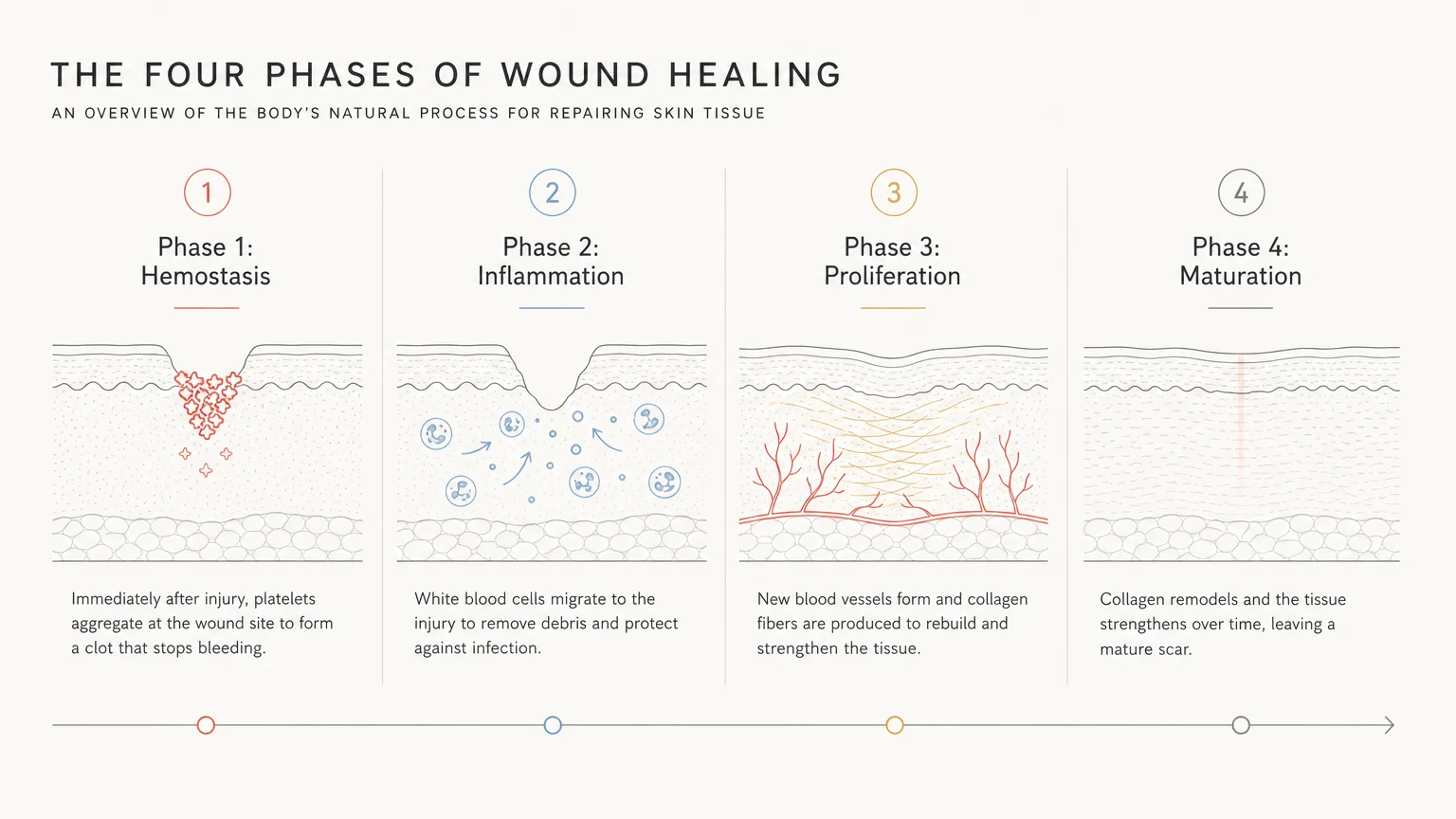
Whenever your skin sustains an injury, your body initiates a complex and highly coordinated biological response to close the gap and restore a protective barrier against the outside world. This process unfolds in four distinct but overlapping phases. Immediately after an injury, your blood vessels constrict and platelets aggregate to form a clot, a phase known as hemostasis. Once the bleeding stops, your body sends specialized white blood cells to the area to clear out debris and bacteria. This inflammatory phase causes the mild, expected redness and swelling that you notice during the first few days.
Following inflammation, the proliferation phase begins. Your body aggressively rebuilds the damaged tissue by generating new collagen and creating a network of tiny blood vessels to supply oxygen and nutrients to the site. Finally, during the maturation or remodeling phase, the newly formed tissue strengthens and reorganizes to resemble your original skin, though it may leave a scar. When your biological systems function optimally, these four steps proceed seamlessly over a period of days or weeks.
Understanding this natural cascade matters immensely because it sets the baseline for what you should expect. When a wound stalls in any of these phases—most commonly getting trapped in a prolonged inflammatory state—it becomes a chronic wound. For older adults, recognizing the difference between the natural inflammatory response and an abnormal, delayed, or infected state represents the first line of defense against severe health crises. You need to know exactly what healthy progress looks like so you can act decisively the moment something goes wrong.
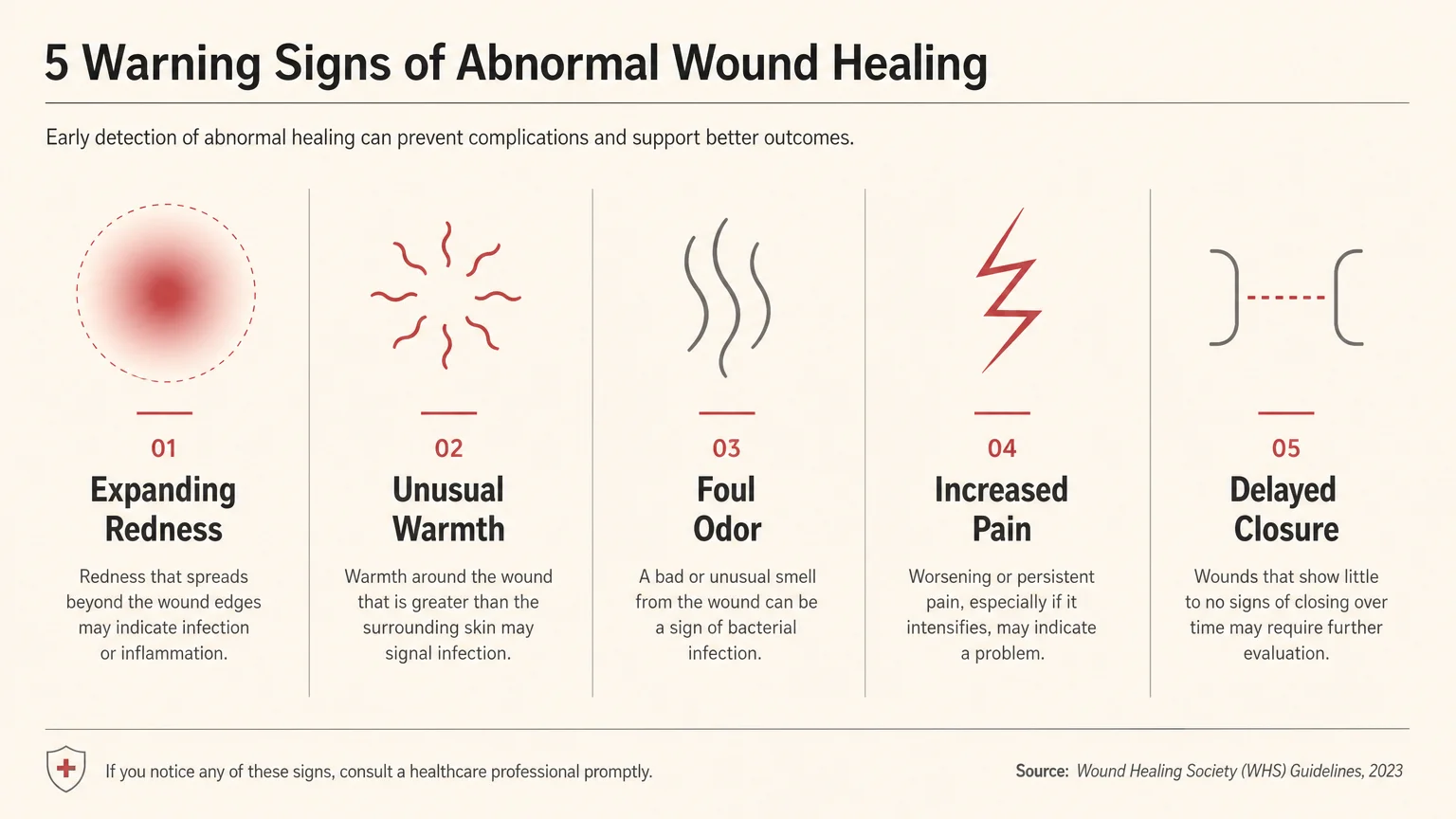
The 5 Critical Warning Signs of Abnormal Wound Healing
Monitoring your skin requires daily vigilance and an understanding of specific symptoms that indicate an underlying problem. If you notice any of the following five signs, your body is sending a clear message that it needs immediate medical assistance to properly close the injury.
Expanding Redness and Unusual Warmth
Some localized redness and mild warmth are perfectly normal during the first two to three days after sustaining an injury. These symptoms indicate that your blood vessels have dilated to deliver white blood cells and healing nutrients to the site. However, if you observe the redness spreading outward from the wound margins like a growing halo, you should take immediate action. This expanding erythema strongly suggests that bacteria have overwhelmed your initial immune defenses and are migrating into the surrounding healthy tissue.
Accompanying this spreading redness is often an intense, radiating heat. If the skin feels significantly hotter to the touch than the surrounding areas, especially after the first few days, it points toward a deeper bacterial infection known as cellulitis. Cellulitis can spread rapidly through the deeper layers of your skin and requires prompt antibiotic therapy. You should never assume that an increasingly red and hot area will simply resolve on its own; it requires professional medical evaluation.
Increasing Pain Instead of Relief
Pain serves as your body’s primary alarm system. When you first cut or scrape yourself, sharp pain is inevitable. Over the subsequent days, as the inflammation subsides and the tissue begins to knit back together, the pain should steadily decrease, transitioning from a sharp ache to a mild, manageable tenderness. A wound that heals normally becomes progressively more comfortable day by day.
Conversely, a wound that grows increasingly painful over time is practically shouting that something is wrong. Escalating pain can indicate an unseen accumulation of fluid or pus exerting pressure beneath the surface, aggressive bacterial multiplication, or inadequate blood supply to the area. If you find yourself needing more pain relief medication, or if the pain suddenly changes from a dull throb to an intense, pulsating agony, you are witnessing a classic sign of abnormal healing that warrants immediate clinical attention.
Foul-Smelling Odor or Unusual Drainage
During the early stages of recovery, a minor amount of clear or slightly yellowish fluid—known as serous drainage—is completely normal. This fluid helps keep the wound bed moist, which facilitates cellular migration and repair. However, the volume and appearance of this drainage should diminish relatively quickly. If the area begins to leak thick, cloudy, green, or dark yellow pus, bacteria have likely colonized the tissue.
An unmistakable indicator of a serious infection is a distinctly foul odor emanating from the bandage or the skin itself. Healthy, healing tissue does not produce a strong, offensive smell. A putrid odor often signals the presence of anaerobic bacteria—bacteria that thrive in oxygen-deprived environments—or decaying tissue. If you detect a bad smell during a dressing change, or if the drainage becomes excessive enough to soak through your bandages repeatedly, your wound requires professional cleaning and targeted antimicrobial treatment.
Dark, Dry, or Leathery Tissue
For new skin cells to grow and bridge a physical gap, they need a healthy, well-oxygenated foundation. A wound bed that appears pink or beefy red is highly vascularized and progressing well. In contrast, if you notice the tissue turning dark brown, grey, or black, you are looking at necrotic, or dead, tissue. This hard, leathery covering is medically referred to as eschar.
Necrotic tissue completely halts the healing process. It acts as a physical barrier that prevents new cells from migrating across the wound surface and serves as an ideal breeding ground for harmful bacteria. This dark, dead tissue usually indicates a severe lack of local blood flow, meaning oxygen and nutrients cannot reach the area to sustain cellular life. Medical professionals must carefully remove, or debride, this dead tissue before any meaningful healing can resume.
Stalled Healing Timeline
Even though older bodies take slightly longer to repair cellular damage, a simple cut, scrape, or blister should still show obvious signs of improvement within two weeks. The edges should draw closer together, the depth should decrease, and new skin should clearly be forming. A wound that shows absolutely no visible progress after a month is officially classified as a chronic wound.
A stalled timeline often points to underlying systemic issues rather than simply a local infection. Your body might be struggling with poorly managed blood glucose levels, insufficient protein intake, or compromised vascular health. When an injury remains open and unchanging week after week, you remain continually exposed to the risk of infection. You must bring any stalled injury to your physician’s attention so they can investigate the root cause preventing cellular regeneration.
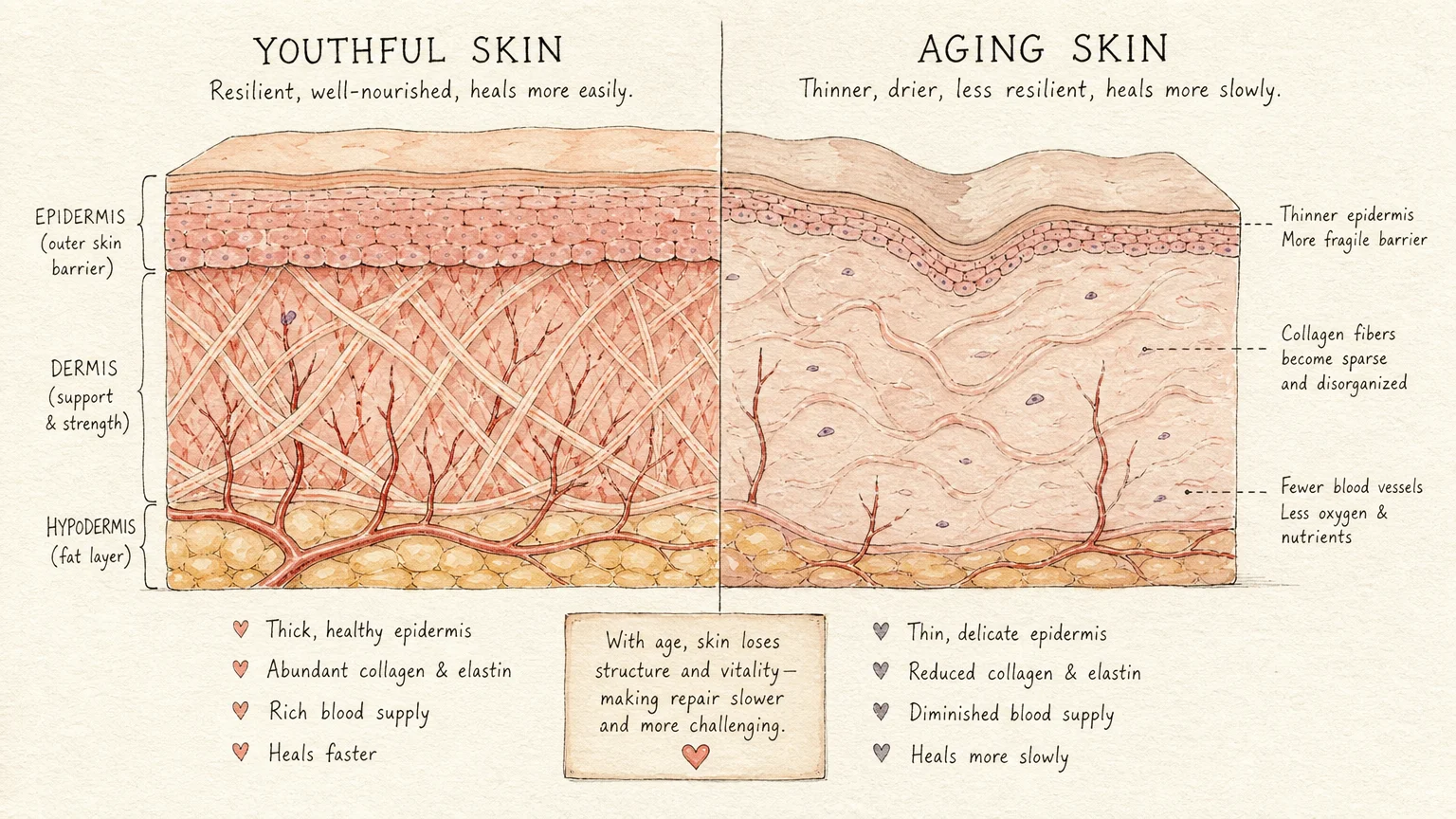
Key Considerations for Seniors and Aging Skin
Aging fundamentally alters the physiological landscape of your skin and circulatory system, creating unique vulnerabilities. As you grow older, your epidermis thins, and the dermal layers lose collagen and elastin, making the skin fragile and susceptible to tearing from minimal friction or trauma. Furthermore, the specialized fatty tissue directly beneath your skin, which usually acts as a protective cushion against bumps and bruises, naturally diminishes with age.
Beyond these structural changes, your circulatory and immune systems undergo significant modifications. Reduced elasticity in your blood vessels decreases the efficiency of blood flow, especially to your lower extremities. Without adequate circulation, white blood cells, oxygen, and vital nutrients struggle to reach an injury site in sufficient quantities to mount an effective repair response. This decreased vascular efficiency is frequently compounded by common chronic conditions prevalent among older adults, such as type 2 diabetes, peripheral artery disease, and venous insufficiency.
Medications routinely prescribed to seniors also play a massive role in tissue repair capabilities. Corticosteroids, commonly used to manage arthritis or respiratory conditions, significantly suppress the immune system and thin the skin. Blood thinners, while essential for preventing strokes and heart attacks, can prolong the initial bleeding phase and delay the formation of a stable clot. You must evaluate any injury through the specific context of your age, chronic illnesses, and daily medication regimen.

Benefits of Early Detection and Potential Risks of Ignoring Symptoms
Catching the signs of abnormal healing early provides tremendous benefits that protect your independence and quality of life. Rapid intervention allows doctors to utilize conservative, non-invasive treatments like oral antibiotics or specialized topical dressings. Addressing an infection quickly stops it from destroying surrounding healthy tissue, ultimately resulting in a much smaller scar and a significantly shorter overall recovery period. Most importantly, early detection prevents a minor nuisance from evolving into a debilitating condition that limits your mobility or forces you into an extended hospital stay.
Conversely, dismissing these warning signs invites severe, potentially life-threatening risks. A localized bacterial infection can easily penetrate deeper into your body, reaching the muscles or even the bone—a devastating condition known as osteomyelitis. Treating bone infections often requires weeks of intravenous antibiotics or surgical intervention. If bacteria enter your bloodstream, you face the catastrophic risk of sepsis, a systemic inflammatory response that can lead to rapid organ failure.
In cases involving severe vascular disease or unmanaged diabetes, an ignored wound on the foot or lower leg can lead to extensive tissue death, or gangrene. Once tissue becomes gangrenous, it cannot be salvaged. In these extreme scenarios, surgeons may have to perform an amputation to stop the spread of necrosis and save your life. Paying attention to early warning signs is not just about avoiding discomfort; it is about preserving your limbs and your life.
What the Experts Say About Senior Skin Health
Leading public health and medical organizations emphasize that proactive management of chronic conditions is inextricably linked to maintaining robust skin health and healing capacity. According to guidance from the Centers for Disease Control and Prevention, individuals with diabetes must inspect their feet daily because neuropathy can completely mask the pain of a developing ulcer. The CDC stresses that managing blood sugar levels is the single most effective way to prevent diabetic wounds from stalling and becoming infected.
The World Health Organization highlights the critical role of nutrition in maintaining immune function and tissue integrity in older populations. Their research underscores that protein malnutrition, a frequent issue among seniors, directly correlates with delayed cellular repair and increased infection rates. Consuming adequate macronutrients is essential for generating the building blocks needed to close wounds.
Clinical experts at the Mayo Clinic warn against the outdated practice of letting wounds “dry out” or form heavy scabs. Their dermatological guidelines confirm that wounds heal significantly faster, with a lower risk of infection and scarring, when kept in a clean, moist environment under an appropriate bandage. Furthermore, the National Institutes of Health funds ongoing research demonstrating that poor peripheral circulation requires specialized, pressure-relieving interventions to allow lower extremity injuries to close properly.
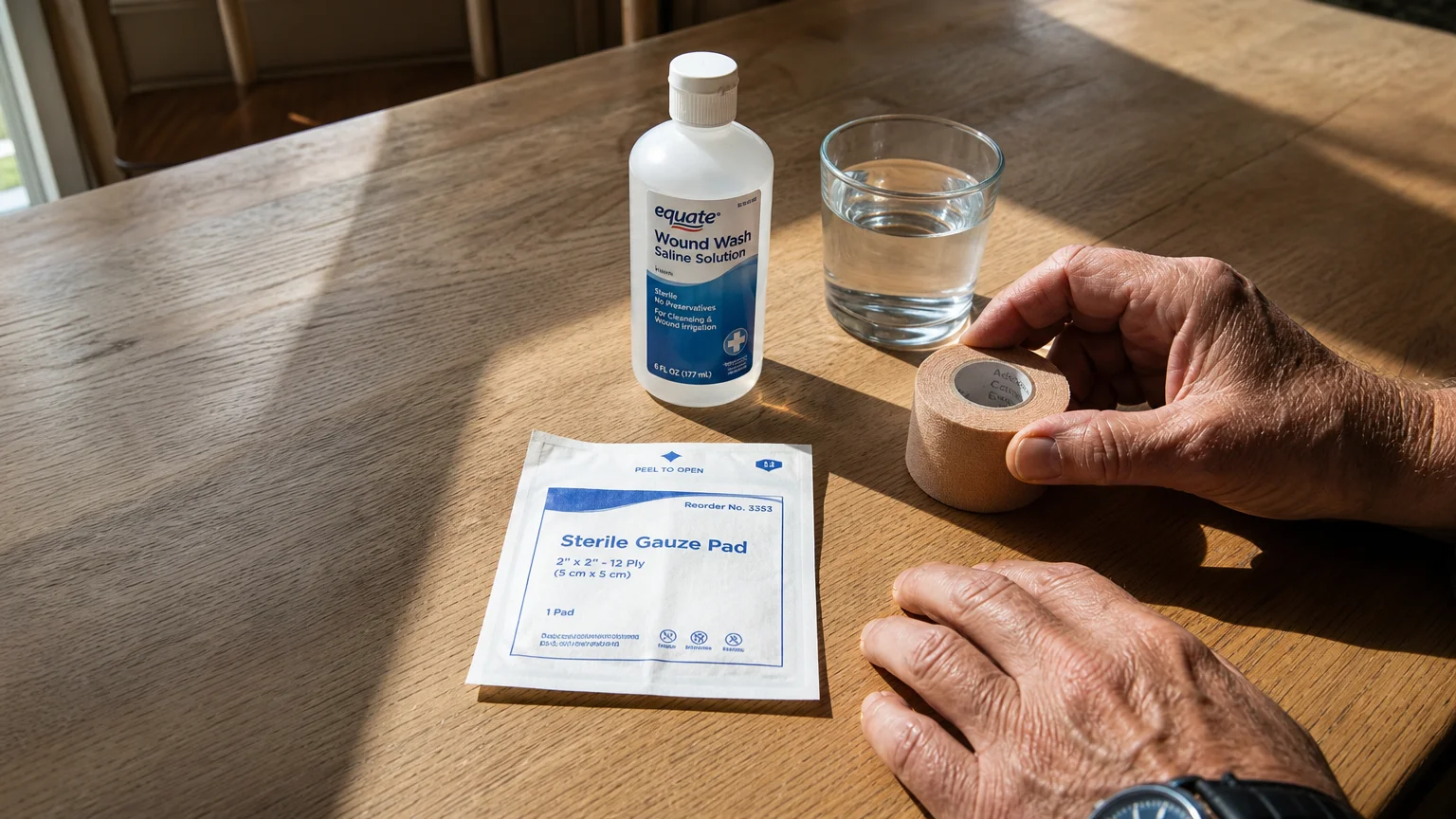
Practical Steps and Actionable Advice for Wound Care
You have the power to optimize your body’s healing potential by adopting practical, evidence-based care strategies at home. First, ensure you clean any new injury gently but thoroughly. Use mild soap and running tap water to flush out dirt and debris. You must absolutely avoid harsh chemical cleansers like hydrogen peroxide, rubbing alcohol, or iodine. While these liquids kill bacteria, they also destroy the delicate new skin cells your body is trying to build, effectively halting the repair process.
Always keep the area covered with a clean, sterile bandage. A moist environment facilitates the rapid migration of new cells across the wound bed. Change the dressing daily, or more frequently if it becomes wet or dirty, and use this opportunity to closely inspect the site for any of the five warning signs discussed earlier. If you have mobility issues or struggle to reach an injury on your foot or lower leg, ask a family member, caregiver, or home health nurse to perform a daily visual inspection for you.
Support your body internally by prioritizing your nutrition. Increase your intake of high-quality proteins such as lean meats, eggs, beans, and Greek yogurt, as your body requires a massive amount of protein to synthesize new collagen. Ensure you consume plenty of foods rich in Vitamin C and zinc, both of which are critical micronutrients for immune function and cellular generation. Finally, if you have diabetes, work diligently with your healthcare provider to keep your blood glucose levels within your target range, as elevated blood sugar heavily impairs your white blood cells’ ability to fight off invading bacteria.
Frequently Asked Questions
How long should a normal cut take to heal in an older adult?
While timelines vary based on the severity of the injury and your underlying health, a minor cut or scrape in an older adult should typically show significant improvement within one to two weeks. The surface should close, and any initial redness or swelling should completely resolve within this timeframe. If a wound shows no noticeable progress after 30 days, medical professionals classify it as a chronic wound that requires specialized clinical intervention to determine what is impeding the cellular repair process.
Can I use rubbing alcohol or hydrogen peroxide to clean my wounds?
You should never use rubbing alcohol, hydrogen peroxide, or iodine to clean an open wound. Although these solutions are highly effective at killing bacteria, they are notoriously cytotoxic, meaning they also destroy your own healthy cells, including the specialized cells needed to build new tissue. Washing the area gently with mild soap and warm tap water is the safest and most effective way to remove debris without damaging the fragile new tissue your body is attempting to generate.
When should I seek immediate emergency care for a wound?
You must seek immediate emergency medical care if you experience a sudden, high fever, chills, or systemic weakness alongside your injury, as these symptoms indicate a dangerous bloodstream infection like sepsis. Additionally, go to an urgent care clinic or emergency room if a wound features rapidly spreading redness, extreme pulsating pain, deep tissue exposure showing muscle or bone, or heavy bleeding that refuses to stop after ten minutes of direct, continuous pressure.
How does diet affect wound healing speed?
Your diet acts as the raw material supply chain for tissue repair. Without adequate protein, your body physically cannot manufacture the collagen required to knit skin edges back together. A diet lacking in essential vitamins, specifically Vitamin C and zinc, drastically weakens your immune system’s ability to fend off local infections and manage inflammation. Eating a nutrient-dense diet rich in lean proteins, fresh fruits, and vegetables provides the essential fuel your cellular machinery needs to operate at maximum efficiency.
Does keeping a wound covered help it heal faster?
Yes, keeping an injury properly covered with a sterile bandage significantly accelerates the healing process. The long-held belief that a wound needs to “breathe” or form a dry scab is scientifically inaccurate. Covered wounds retain a balanced level of moisture, which allows new skin cells to travel easily across the wound bed. A proper dressing also provides a vital physical barrier against environmental contaminants, dirt, and dangerous bacteria, vastly reducing your overall risk of developing a secondary infection.
A Final Thought on Protecting Your Health
Protecting your skin health as you age requires a proactive mindset and a willingness to act at the first sign of trouble. By paying close attention to expanding redness, increasing pain, foul odors, dark tissue, and stalled timelines, you can effectively safeguard yourself against severe infections and prolonged medical complications. Trust your instincts; if an injury looks abnormal or feels intensely uncomfortable, do not hesitate to reach out to your doctor. A quick medical evaluation provides peace of mind and ensures you remain active, healthy, and resilient.
This article is intended for informational and educational purposes only and is not a substitute for professional medical advice, diagnosis, or treatment. Always consult with a qualified healthcare provider regarding any health concerns or before making any decisions related to your health or treatment.