
Securing reliable access to nutritious food directly impacts your physical health, cognitive function, and daily energy levels as you age. You can tap into numerous local and federal food bank programs specifically designed to provide high-quality groceries and prepared meals directly to older adults without straining a fixed budget. Navigating these available resources—ranging from home-delivered meals to neighborhood pantries tailored for seniors—empowers you to maintain your independence and vitality. By understanding the eligibility criteria and the types of nutritional support available right in your community, you can eliminate the stress of rising grocery costs and focus entirely on living an active, fulfilling life.
Understanding the Basics of Senior Food Assistance
Navigating the landscape of nutritional support begins with understanding the specific types of programs operating within your community. Food assistance encompasses a broad network of federal initiatives, state-funded programs, and local nonprofit efforts designed to ensure you never have to choose between paying for essential medications and buying healthy groceries. These programs operate differently depending on their funding sources and specific goals; some provide raw ingredients and pantry staples, while others deliver fully prepared, hot meals directly to your dining table.
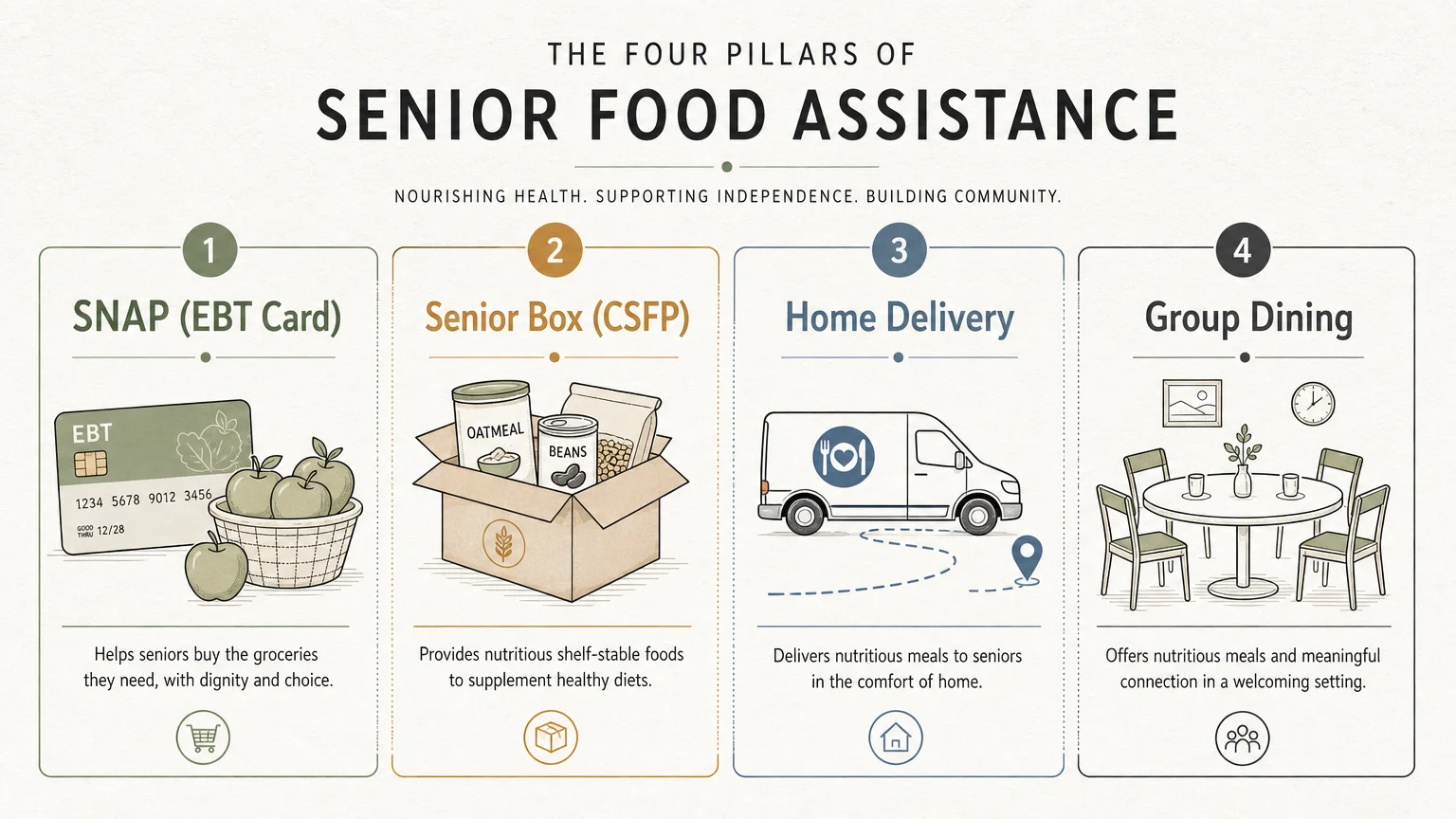
One of the foundational pillars of nutritional support is the Supplemental Nutrition Assistance Program, widely recognized as SNAP. Rather than handing out physical food, this federal program provides eligible individuals with an electronic benefit transfer card. You use this card exactly like a standard debit card at authorized grocery stores, farmers markets, and even some online food retailers. This system grants you the autonomy to select the fresh produce, lean proteins, and whole grains that best fit your personal culinary preferences and medical dietary requirements.
Another crucial resource designed exclusively for older adults is the Commodity Supplemental Food Program, frequently referred to in local communities as the senior box program. Through this initiative, the government purchases high-quality, nutrient-dense foods and distributes them to local agencies and food banks. Once enrolled, you receive a monthly package carefully curated to include items often missing from a restricted budget, such as fortified cereals, canned fruits and vegetables, low-fat dairy products, and plant-based proteins like peanut butter or beans.
Beyond traditional grocery assistance, senior meal programs focus heavily on prepared food delivery and community dining. Organizations operating under the umbrella of Meals on Wheels provide a vital service by bringing hot, ready-to-eat meals directly to the homes of individuals who face mobility challenges or find standing in a kitchen exhausting. Conversely, congregate meal programs host daily or weekly lunches at local senior centers, churches, or community halls. These group settings offer a warm meal alongside the equally important benefit of vibrant social interaction.
Key Considerations for Seniors Seeking Support
Aging introduces unique physical and lifestyle shifts that fundamentally change how you acquire, prepare, and digest your food. When evaluating various food bank programs and senior meal assistance, you must account for these specific age-related considerations. Mobility limitations, for instance, play a massive role in your ability to utilize certain resources. Even if a neighborhood food pantry offers an abundance of fresh produce, the resource remains largely inaccessible if you no longer drive or cannot comfortably carry heavy bags of groceries onto public transportation.
Your digestive health and evolving nutritional requirements also dictate which programs will serve you best. As your body ages, your metabolism naturally slows down, meaning you require fewer total calories to maintain your weight. However, your need for specific micronutrients—such as calcium, vitamin B12, and high-quality protein—actually increases. When selecting a food assistance program, you must carefully consider whether the provided groceries or meals fulfill these concentrated nutritional demands without overwhelming you with empty calories or excessive sodium.
Financial constraints represent another profound consideration for older adults navigating retirement. Living on a fixed income often means that unexpected expenses, such as an emergency home repair or a sudden increase in prescription drug costs, immediately decimate your grocery budget. Inflation continuously erodes the purchasing power of Social Security benefits, transforming food assistance from a temporary emergency measure into a necessary, ongoing strategy for financial stability. Treating these programs as a standard part of your monthly budget planning allows you to allocate your cash resources toward housing and healthcare.
Finally, psychological and emotional barriers often prevent older adults from accessing the nutritional support they genuinely deserve. Many individuals harbor a deep sense of pride or hold onto the misconception that accepting food assistance means taking resources away from young families or those who are entirely destitute. You must reframe this perspective; these programs exist precisely to support community members like you who have contributed to society for decades. Utilizing these available services is a proactive, responsible step toward maintaining your long-term health and independence.
The Meaningful Benefits and Potential Drawbacks
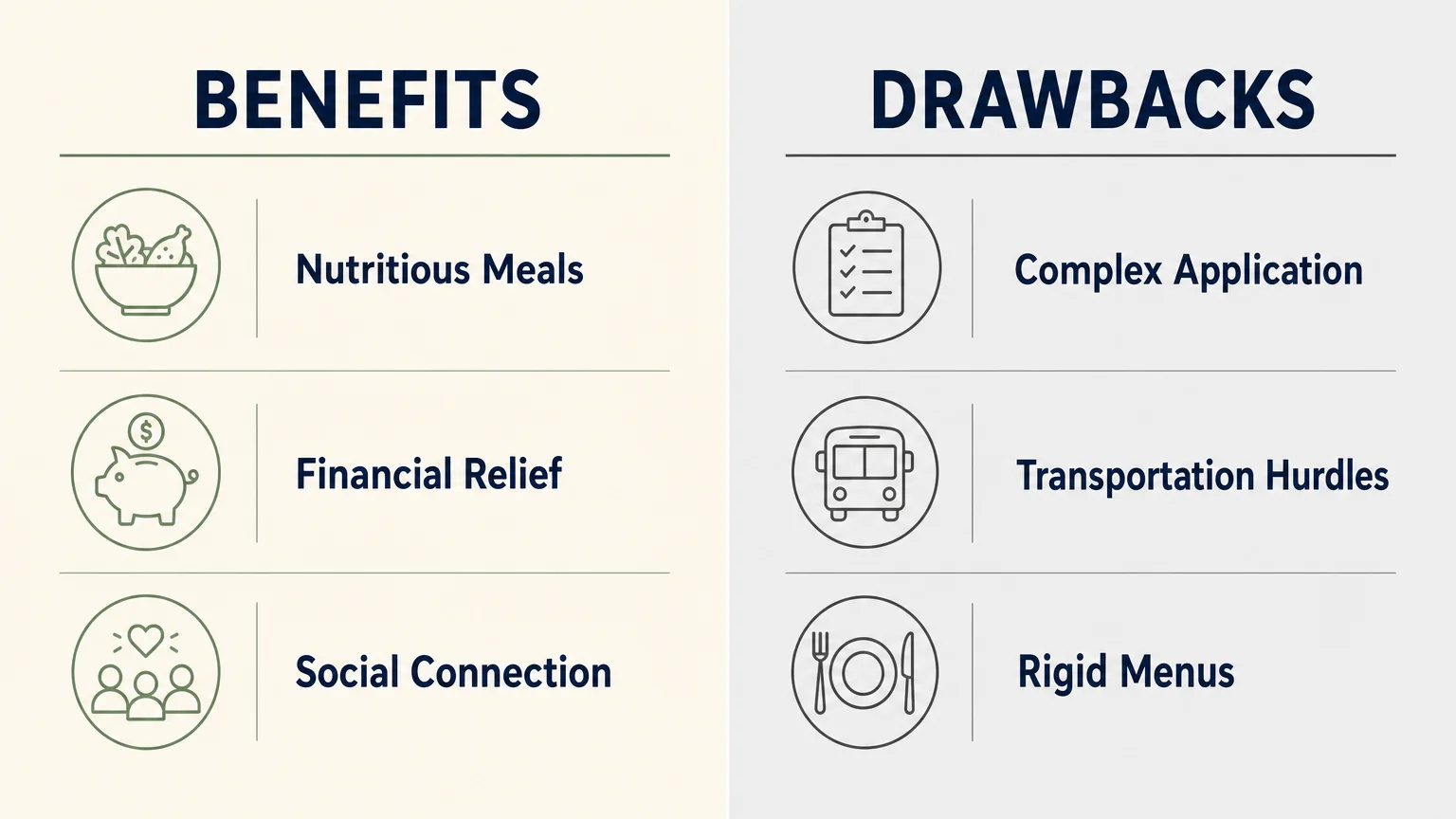
Engaging with food bank programs and senior meal assistance provides immediate, tangible benefits that extend far beyond simply filling a pantry. The primary advantage is the direct improvement of your physical health. Consistent access to balanced, nutrient-dense meals strengthens your immune system, promotes healthy bone density, and supports the maintenance of lean muscle mass. By ensuring your body receives the fuel it requires, you actively reduce your risk of falls, infections, and diet-related chronic conditions like type 2 diabetes or heart disease.
The financial relief generated by these programs constitutes another massive benefit. When you offset a significant portion of your weekly grocery bill through SNAP benefits or a weekly senior food box, you instantly free up capital. You can redirect these preserved funds toward other vital areas of your life, ensuring you never have to skip a needed medication dose or keep your home dangerously cold during the winter months to save money. This financial breathing room significantly reduces daily anxiety and contributes to better overall mental well-health.
Furthermore, meal delivery programs and congregate dining centers offer profound social and emotional advantages. For older adults who live alone, a daily visit from a volunteer driver might be the only face-to-face interaction they experience all day. These brief conversations provide essential companionship and serve as a critical safety check. If a driver notices you are feeling unwell or have suffered an injury, they can immediately alert local emergency services or your family members, providing an invaluable layer of security.
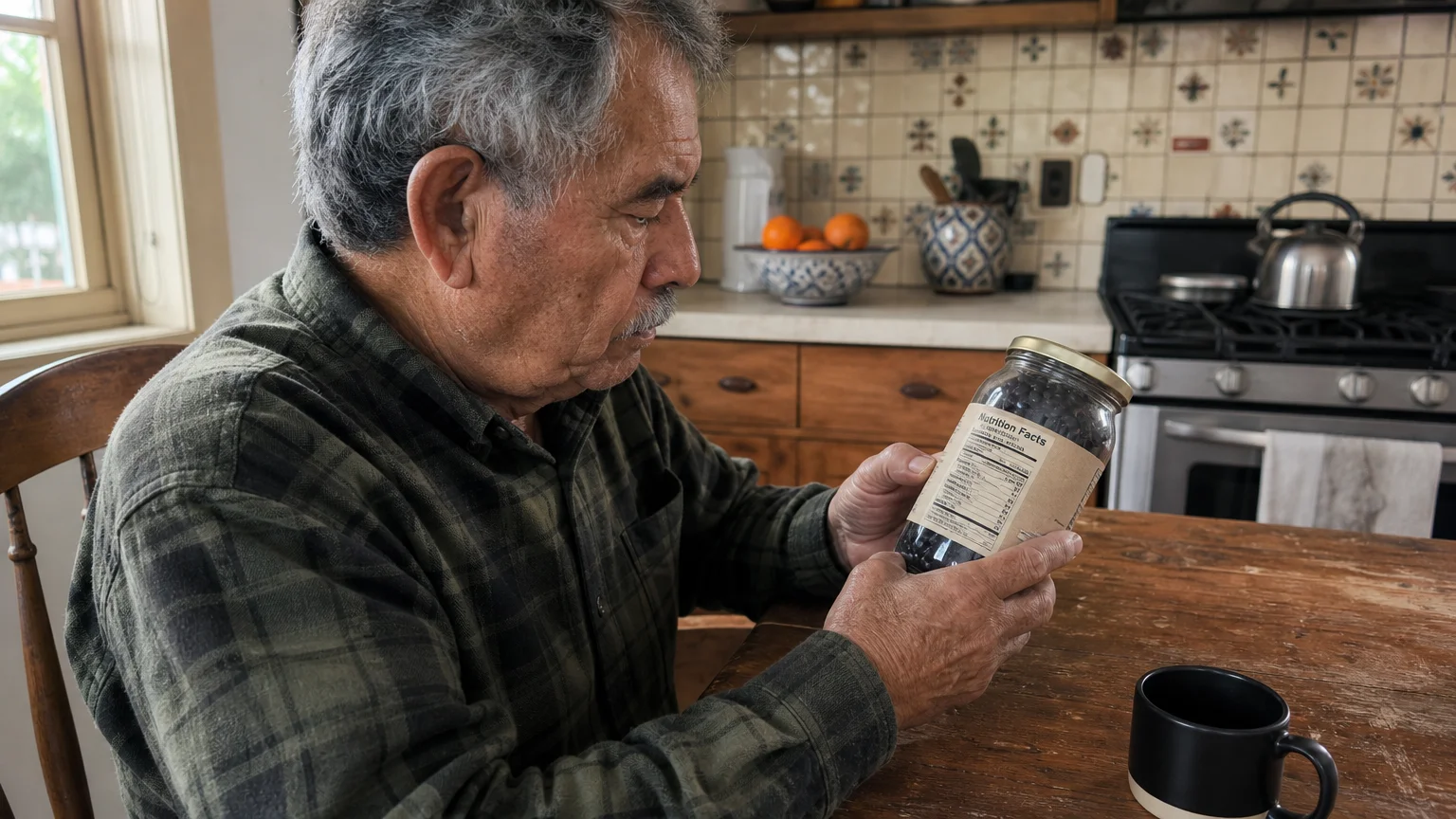
Despite these overwhelming advantages, you must remain aware of a few potential drawbacks and navigational challenges. Many standard food bank boxes rely heavily on processed, shelf-stable goods designed for longevity rather than optimal nutrition. These canned items frequently contain high levels of sodium or added sugars, which can actively conflict with doctor-recommended diets for hypertension or diabetes. You must carefully read nutrition labels and advocate for yourself by requesting low-sodium alternatives or fresh produce whenever those options are available at your local pantry.
Bureaucratic delays and administrative hurdles also present significant challenges. High demand for popular services, particularly home-delivered meals, frequently results in extensive waitlists in certain geographic areas. The application process for federal benefits like SNAP can feel incredibly overwhelming, requiring extensive documentation of your income, assets, and monthly expenses. Gathering this paperwork and navigating automated phone systems requires patience and persistence, which can occasionally discourage individuals who desperately need the assistance from completing their enrollment.
What the Experts Say About Senior Malnutrition
Leading medical authorities unanimously agree that consistent access to high-quality nutrition is a fundamental pillar of healthy aging. The World Health Organization highlights that older adults are particularly vulnerable to malnutrition, a condition that severely accelerates cognitive decline and physical frailty. Their research emphasizes that nutritional interventions are not merely charitable acts but essential public health strategies necessary to support the growing global aging population and reduce the overwhelming burden on emergency healthcare systems.
Medical researchers at the National Institutes of Health point out that aging skin synthesizes vitamin D less efficiently and aging stomachs produce less acid, which severely impairs the absorption of critical nutrients like vitamin B12. Because your body operates less efficiently as you age, the food you consume must be incredibly nutrient-dense. The NIH strongly encourages older adults to utilize community food resources to ensure they maintain a varied diet rich in fortified grains, dark leafy greens, and lean proteins, which are often the first items cut from a tight grocery budget.
The Centers for Disease Control and Prevention focuses heavily on the direct correlation between diet and the management of chronic diseases. According to their guidelines, proper nutrition is a primary defense mechanism against the progression of conditions such as hypertension, osteoporosis, and heart disease. The CDC advocates for older adults to engage with community nutritional programs that provide education alongside food assistance, helping seniors make informed choices about portion control, sodium reduction, and hydration.
Clinical dietitians from leading institutions like the Mayo Clinic frequently observe that malnutrition in older adults often masquerades as other age-related issues. Unexplained fatigue, generalized weakness, sudden cognitive confusion, or an increased susceptibility to common colds are frequently dismissed as normal signs of aging when they are actually direct symptoms of inadequate nutritional intake. These experts strongly recommend proactive enrollment in local food assistance programs long before an older adult reaches a state of critical nutritional deficiency.

Practical Steps and Actionable Advice for Enrollment
Taking the first step toward securing nutritional assistance requires a methodical, organized approach. Your primary point of contact should always be your local Area Agency on Aging. These federally mandated organizations exist in every community across the country specifically to connect older adults with vital resources. You can easily locate your regional office by searching online or by dialing your local 211 community services hotline. When you connect with a representative, clearly explain your current situation and ask for a comprehensive list of all food programs operating in your specific zip code.
Once you identify the programs you wish to pursue, you must gather the necessary documentation to prove your identity, residency, and financial status. Create a dedicated folder containing copies of your state identification card, your most recent Social Security award letter, current bank statements, and a recent utility bill to verify your home address. Having all these documents organized in one place dramatically streamlines the application process, whether you are filling out forms online, mailing them to an agency, or conducting an intake interview over the telephone.
When applying for federal assistance like SNAP, you must advocate fiercely for yourself by maximizing your allowable deductions. Many seniors fail to realize that documenting out-of-pocket medical expenses can significantly lower their calculated net income, thereby increasing the amount of monthly food assistance they receive. Gather every receipt related to your healthcare, including premium payments for Medicare, out-of-pocket costs for prescription drugs, co-pays for doctor visits, and even transportation costs related to medical appointments. Presenting this comprehensive evidence ensures you receive the maximum benefit allowable under the law.
If you choose to utilize local food pantries rather than federal benefits, you should proactively address any logistical barriers before your first visit. Call the pantry coordinators ahead of time to ask about their specific operating hours, as many facilities reserve specific mornings exclusively for senior citizens to shop without the chaos of larger crowds. Furthermore, ask the coordinators if they provide proxy shopper forms. These simple documents allow you to designate a trusted neighbor, family member, or caregiver to pick up your grocery box on days when you feel too fatigued or physically unwell to travel.
Finally, always communicate your specific dietary restrictions clearly and frequently. While large food banks distribute generic boxes by default, many smaller pantries and senior-focused meal deliveries maintain separate inventories for individuals with specific medical needs. If you require a diabetic-friendly box, a gluten-free selection, or a low-sodium meal plan, you must request it directly. Pantry volunteers are generally eager to accommodate these vital health requirements, provided they understand exactly what you need to stay healthy and vibrant.
Frequently Asked Questions
Do I have to be completely out of money to qualify for food assistance?
You absolutely do not need to be impoverished or completely out of savings to qualify for senior meal programs and food bank access. Many community-based food pantries and congregate meal centers operate without any strict income verification at all, relying instead on the honor system to serve anyone who feels they need support. Federal programs like SNAP do possess specific income thresholds, but these calculations incorporate numerous deductions for older adults. High housing costs and out-of-pocket medical expenses are subtracted from your gross income, meaning you can possess a moderate retirement income and still easily qualify for substantial monthly grocery benefits.
Can I get groceries or meals delivered directly to my home if I no longer drive?
Yes, numerous programs specialize entirely in bridging the transportation gap for older adults who no longer drive or have difficulty navigating public transit. Programs modeled after Meals on Wheels utilize vast networks of volunteers to deliver freshly prepared, hot meals directly to your front door on a daily or weekly schedule. Furthermore, many regional food banks now partner with rideshare services or utilize volunteer delivery fleets to bring heavy boxes of pantry staples and fresh produce to homebound seniors. You simply need to mention your transportation barriers when contacting your local Area Agency on Aging so they can match you with the appropriate delivery service.
Will the food provided accommodate my specific medical diet, such as low sodium or diabetic-friendly meals?
The ability to accommodate specific medical diets varies significantly depending on the specific program you utilize. Home-delivered meal programs generally excel in this area, offering customized menus designed by registered dietitians to meet strict low-sodium, heart-healthy, or diabetic-friendly guidelines. Standard community food pantries present more of a challenge, as they rely heavily on donated, shelf-stable goods. However, if you clearly communicate your dietary needs to the pantry director, they can often substitute high-sodium canned goods with frozen vegetables, fresh local produce, or alternative low-sugar items set aside specifically for clients managing chronic health conditions.
Does enrolling in a food assistance program reduce my Social Security or Medicare benefits?
Enrolling in any local, state, or federal food assistance program will never negatively impact your Social Security payments or alter your Medicare coverage. These systems operate entirely independently of one another. The government actively encourages older adults to utilize programs like SNAP specifically to stretch their Social Security dollars further. You never have to worry that accepting a box of groceries from a local pantry or utilizing an electronic benefits transfer card at the supermarket will result in a corresponding deduction from your monthly retirement check.
What should I do if I feel embarrassed about accepting free food?
Feeling hesitant or embarrassed about utilizing community resources represents a very common emotional hurdle for many independent older adults. You must remember that you have paid into these exact community and federal systems through decades of taxation and civic participation. These nutritional programs are not handouts; they are structural safety nets designed by society to ensure older adults can age with dignity, health, and grace. Shifting your mindset to view these programs as a standard healthcare resource—no different than utilizing Medicare to visit a doctor—can help alleviate feelings of stigma and empower you to claim the support you have rightfully earned.
Securing Your Nutritional Future
Taking control of your nutritional health profoundly influences your quality of life, dictating your energy levels, your ability to fight off illness, and your overall physical resilience. You possess the power to eliminate the anxiety of food insecurity by actively engaging with the diverse array of programs operating in your local community. Whether you choose to utilize SNAP benefits at your favorite neighborhood grocery store, enjoy the social atmosphere of a congregate meal setting, or receive the comforting delivery of a hot meal to your doorstep, you are making a proactive choice to prioritize your well-being.
Do not let minor bureaucratic hurdles or misplaced pride prevent you from accessing resources designed specifically to support your independence. Reach out to your local aging agencies, gather your necessary documents, and advocate clearly for your specific dietary needs. By embracing these essential community resources, you secure a foundation of health that allows you to fully enjoy the rewards and experiences of your retirement years with confidence and vitality.
This article is intended for informational and educational purposes only and is not a substitute for professional medical advice, diagnosis, or treatment. Always consult with a qualified healthcare provider regarding any health concerns or before making any decisions related to your health or treatment.