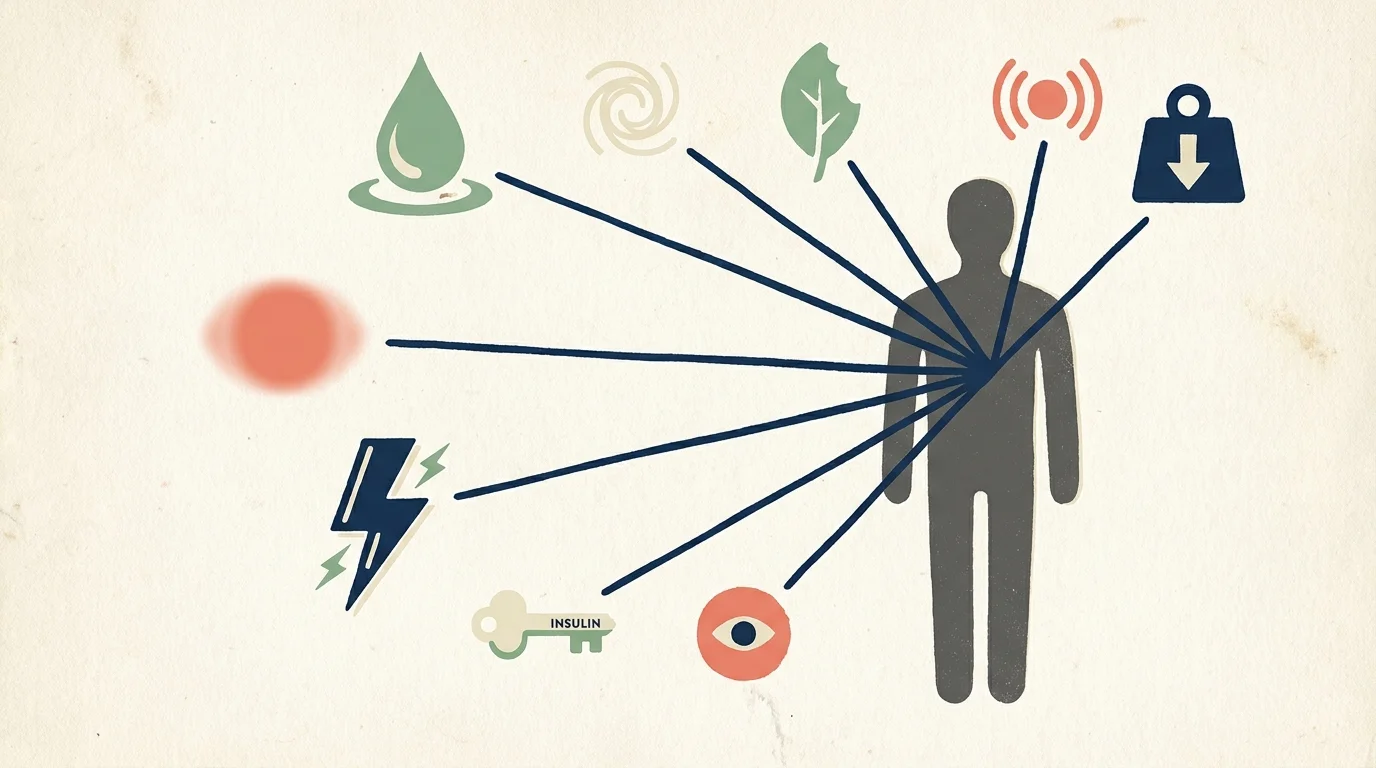
Recognizing the subtle warning signs of glucose imbalance can save your vision, protect your heart, and preserve your independence. When your body struggles to regulate blood sugar, it sends quiet distress signals long before a formal diabetes diagnosis occurs. Catching these diabetes warning signs early allows you to reverse the damage through simple diet adjustments. Adults over sixty face naturally increasing insulin resistance, making it vital to monitor everyday bodily changes that might otherwise seem like ordinary aging. Pay close attention to your daily energy levels, bathroom habits, and visual clarity, as these often serve as the earliest indicators of blood sugar health. Taking prompt action empowers you to maintain vitality and avoid severe complications down the road.
Understanding the Basics
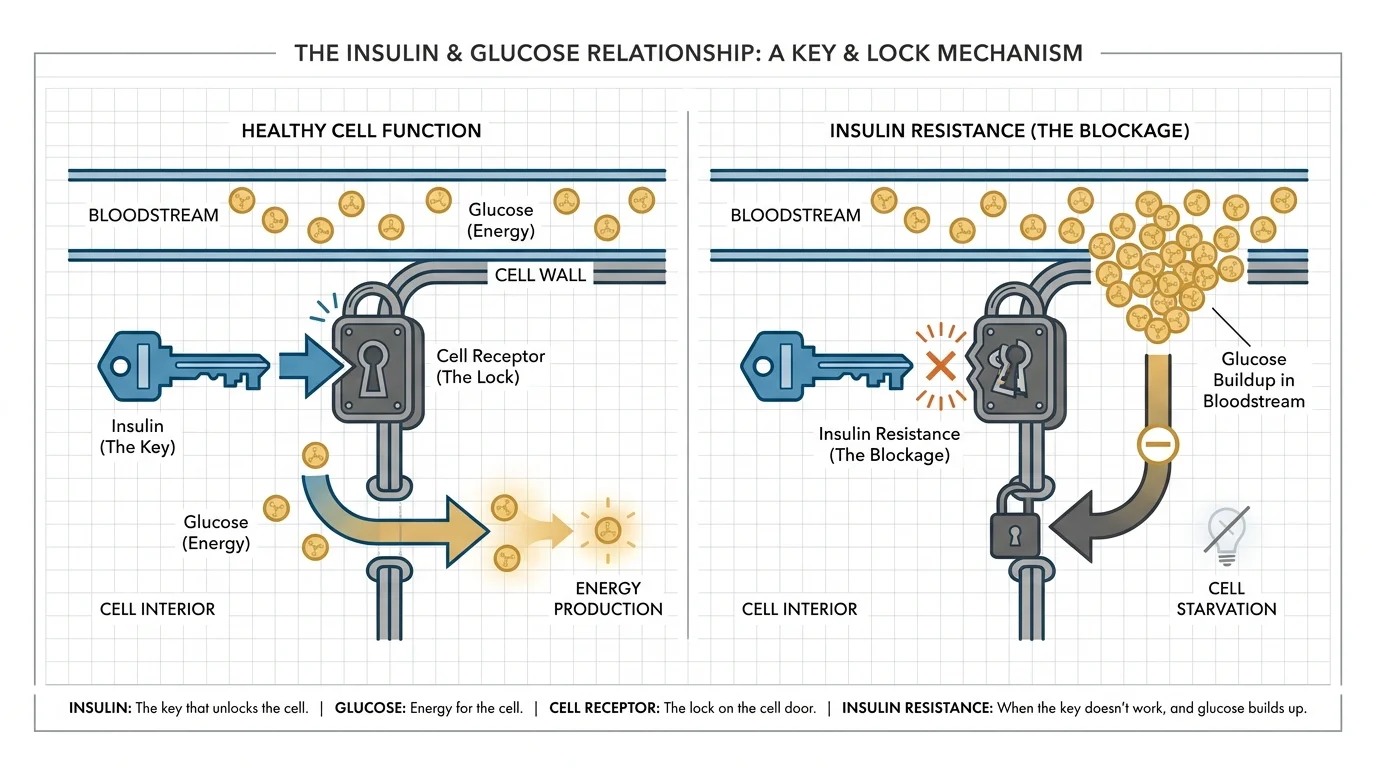
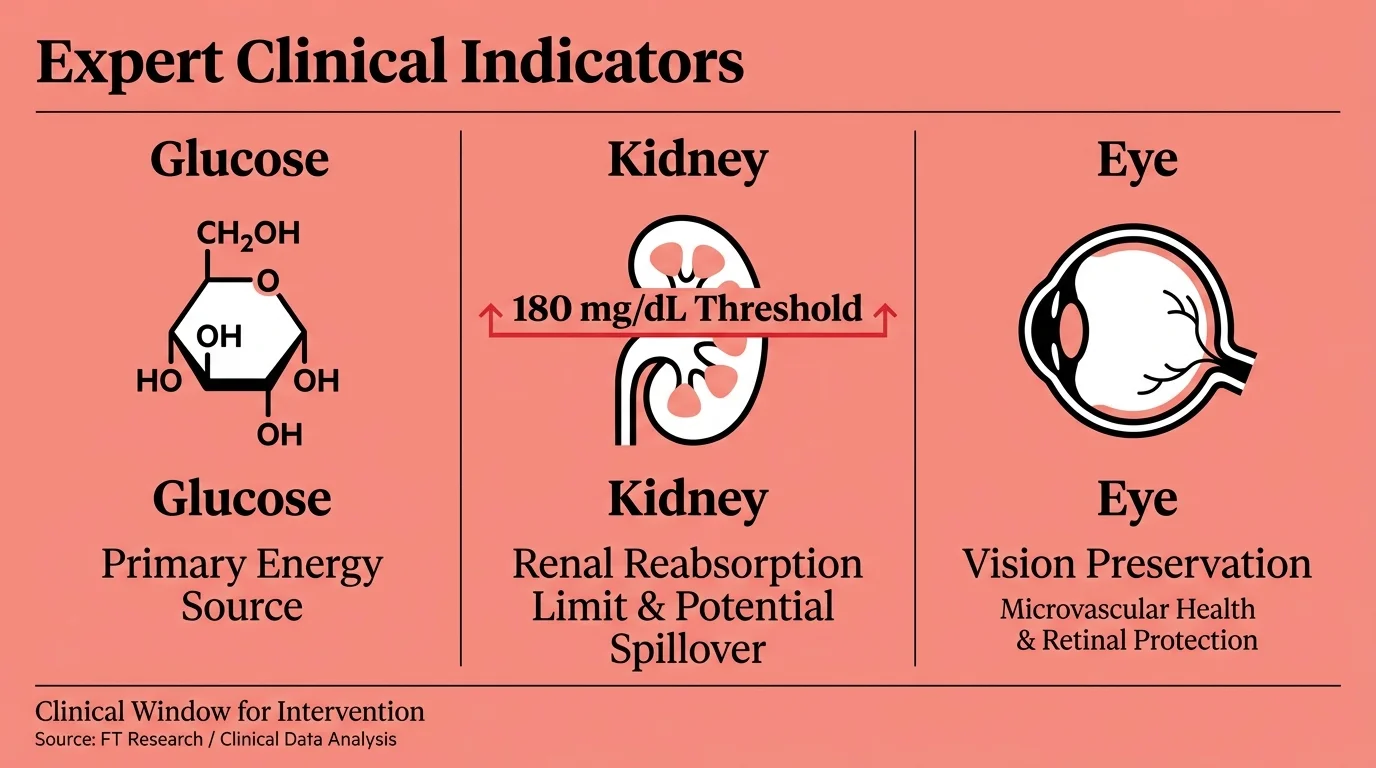
Glucose serves as your body’s primary energy source, derived directly from the carbohydrates you consume. To utilize this energy, your pancreas releases insulin, a hormone that acts as a physical key to unlock your cells and allow glucose to enter. When you develop insulin resistance, your cells stop responding efficiently to this crucial key. Consequently, glucose remains trapped in your bloodstream, elevating your overall blood sugar levels. Your body immediately attempts to correct this dangerous imbalance through various physiological mechanisms, producing noticeable physical symptoms. Recognizing these high blood sugar signs early provides a crucial window of opportunity to intervene and reverse the metabolic damage before it becomes permanent.

1. Frequent Urination (Polyuria)
Your kidneys serve as a sophisticated filtration system, constantly cleaning your blood and reabsorbing essential nutrients, including glucose. When your blood sugar levels exceed approximately 180 milligrams per deciliter, your kidneys can no longer keep up with the overwhelming workload. The excess glucose spills directly into your urine, drawing water along with it through a cellular process called osmosis. Your bladder fills rapidly, forcing you to make significantly more trips to the bathroom throughout the day. This symptom becomes incredibly disruptive at night, an exhausting condition known as nocturia. Waking up multiple times to urinate severely fragments your sleep architecture, leaving you drained the next morning and compounding the physical stress on your metabolic system.

2. Unquenchable Thirst (Polydipsia)
Frequent urination directly triggers the second major warning sign of a glucose imbalance: severe and unquenchable thirst. As your kidneys flush out excess sugar, they take massive amounts of vital bodily fluids with them, leaving you in a state of mild to moderate dehydration. Your brain detects this dangerous drop in fluid volume and immediately signals your hypothalamus to trigger a powerful thirst response. You might drink glass after glass of water, yet your mouth remains dry and your thirst feels impossible to satisfy. Attempting to quench this thirst with sugary beverages like sodas or sweetened iced teas only pours fuel on the fire. The additional sugar causes further spikes, prompting more urination and locking you into an exhausting dehydration cycle.

3. Persistent Fatigue and Weakness
Waking up exhausted despite a full night of rest points toward severe metabolic distress. When you have high blood sugar, your body literally swims in energy that it cannot use. Because your cells resist insulin, the circulating glucose never reaches the muscle and tissue cells that desperately need it to create cellular energy. Consequently, your cells essentially starve in a sea of plenty. This cellular starvation manifests as a profound, heavy fatigue that does not resolve with rest or a strong cup of coffee. You will find your physical stamina dropping rapidly, making routine household chores or your daily neighborhood walks feel like monumental tasks.

4. Sudden Blurry Vision
Changes in your visual acuity occur rapidly when your blood sugar spikes, understandably frightening older adults who worry about permanent vision loss. This acute blurriness does not necessarily indicate long-term retinal damage, but rather a result of rapid fluid shifts inside your eye. High blood glucose alters the delicate osmotic pressure within your eye, drawing fluid into the lens and causing it to swell. This sudden swelling changes the specific curvature of the lens, instantly throwing your vision out of focus. You might struggle to read street signs or thread a needle. Fortunately, this specific type of blurriness often resolves completely once your blood sugar returns to a stable range.

5. Unexplained Weight Loss
While many people associate blood sugar issues strictly with weight gain, sudden and unexplained weight loss represents a massive red flag. If you eat your normal diet but drop pounds rapidly, your body is sounding a loud internal alarm. Because your cells cannot access blood glucose for energy, your brain interprets this metabolic crisis as starvation. To survive the perceived famine, your body aggressively burns through your fat stores and begins metabolizing muscle tissue. This breakdown proves particularly dangerous for older adults who already face age-related muscle loss. Losing vital muscle mass severely compromises your daily mobility and significantly increases your risk of suffering a catastrophic fall.

6. Slow-Healing Wounds and Frequent Infections
Your body’s ability to repair itself relies entirely on healthy circulation and a robust immune system. Elevated glucose levels physically damage the inner linings of your blood vessels, leading to narrowed and stiffened arteries. This impaired circulation prevents oxygen-rich blood from reaching minor cuts or scrapes, drastically slowing the natural healing process. Furthermore, high sugar environments suppress the basic function of white blood cells, the primary soldiers of your immune system. Bacteria and fungi thrive in sugar-rich environments, meaning a simple scratch on your foot can quickly escalate into a dangerous infection. For older adults, monitoring how quickly bruises and cuts resolve remains a critical daily safety measure.
7. Tingling, Pain, or Numbness in Extremities
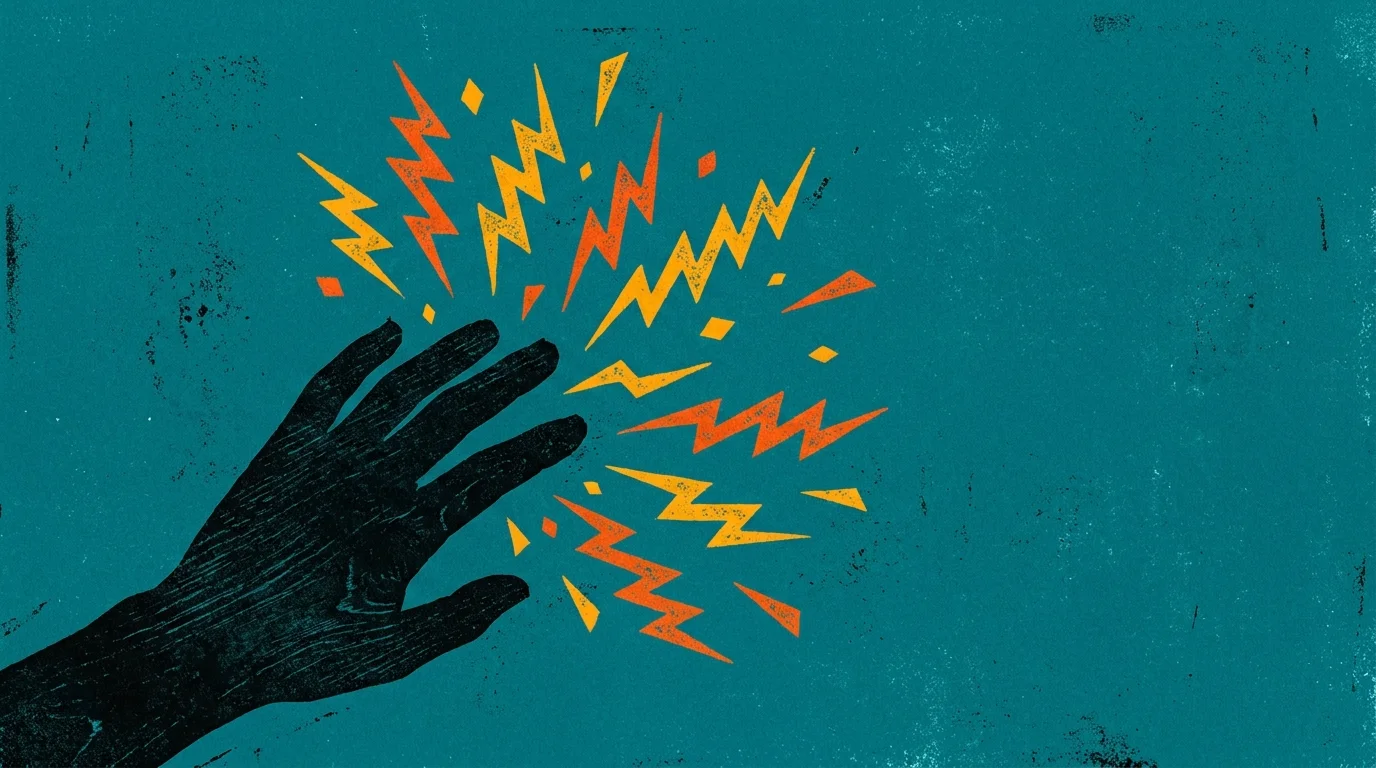
Long-term exposure to high blood sugar functions like a slow-acting toxin on your delicate nervous system. This specific damage, known clinically as diabetic peripheral neuropathy, typically begins at the very ends of your longest nerve fibers. You might experience a frustrating pins-and-needles sensation, a sharp burning pain that flares up at night, or a complete loss of sensation in your toes. This total numbness removes your body’s natural pain-warning system. You could easily step on a sharp object or develop a severe blister from tight shoes without ever feeling it, setting the stage for ulcers and severe localized infections that threaten your physical independence.

8. Darkened Patches of Skin (Acanthosis Nigricans)
Your skin often acts as a highly visible billboard for your internal metabolic health. One reliable external indicator of severe insulin resistance is a dermatological condition called acanthosis nigricans. This manifests as darkened, thick, and surprisingly velvety patches of skin, typically developing in the natural folds and creases of your body. You should routinely check the back of your neck, your armpits, and your groin area for these unusual changes. The excess circulating insulin essentially hyper-stimulates your skin cells, causing them to reproduce at an abnormally rapid rate. These dark patches serve as a glaring sign that your body desperately needs medical intervention to lower its glucose levels.
Key Considerations for Seniors
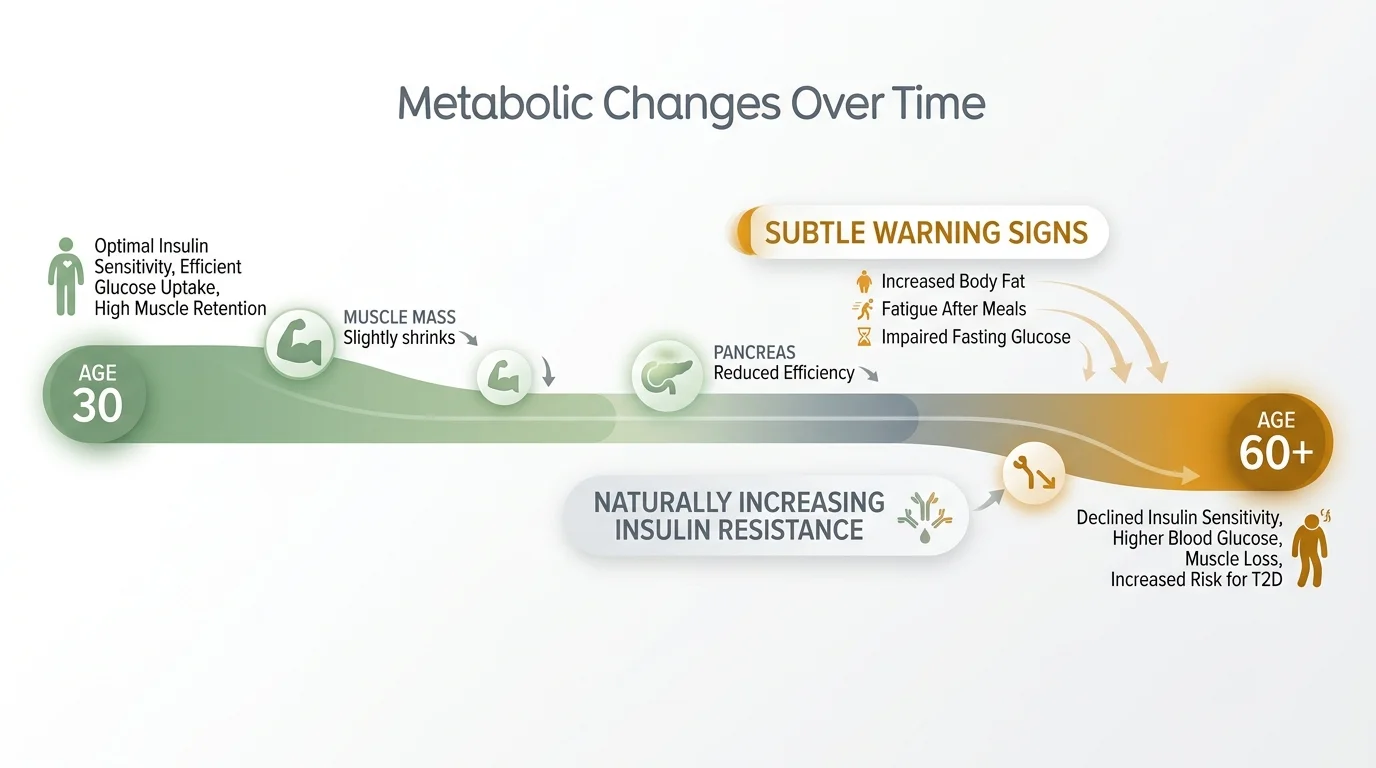
Aging naturally alters your body’s physiological landscape, changing exactly how you process the foods you eat and how you experience physical warning signs. As you cross into your sixties and beyond, your pancreas undergoes natural structural changes that slowly reduce its ability to produce insulin rapidly after a heavy meal. Simultaneously, you naturally lose a significant portion of your metabolically active muscle mass. Because your muscles act as the primary storage units for excess glucose, having less muscle mass inevitably leaves more sugar trapped in your bloodstream.
These age-related shifts frequently mask the traditional symptoms of blood sugar trouble. You might quickly dismiss a sudden drop in energy as merely getting older, rather than recognizing it as true cellular starvation caused by a glucose imbalance. Similarly, frequent trips to the bathroom are routinely blamed on benign prostate enlargement in men or weakened pelvic floors in women, rather than on the kidneys desperately attempting to flush out excess sugar.
You must also carefully evaluate your daily medicine cabinet. Older adults frequently manage multiple overlapping health conditions, requiring various prescription medications that can inadvertently elevate blood glucose. Common drugs—such as thiazide diuretics prescribed for high blood pressure, statins used for cholesterol management, and corticosteroids utilized to reduce joint inflammation—all carry the strong potential to spike your blood sugar. You should schedule a comprehensive medication review with your physician to identify any specific drugs unknowingly contributing to a metabolic imbalance.
Benefits and Potential Risks
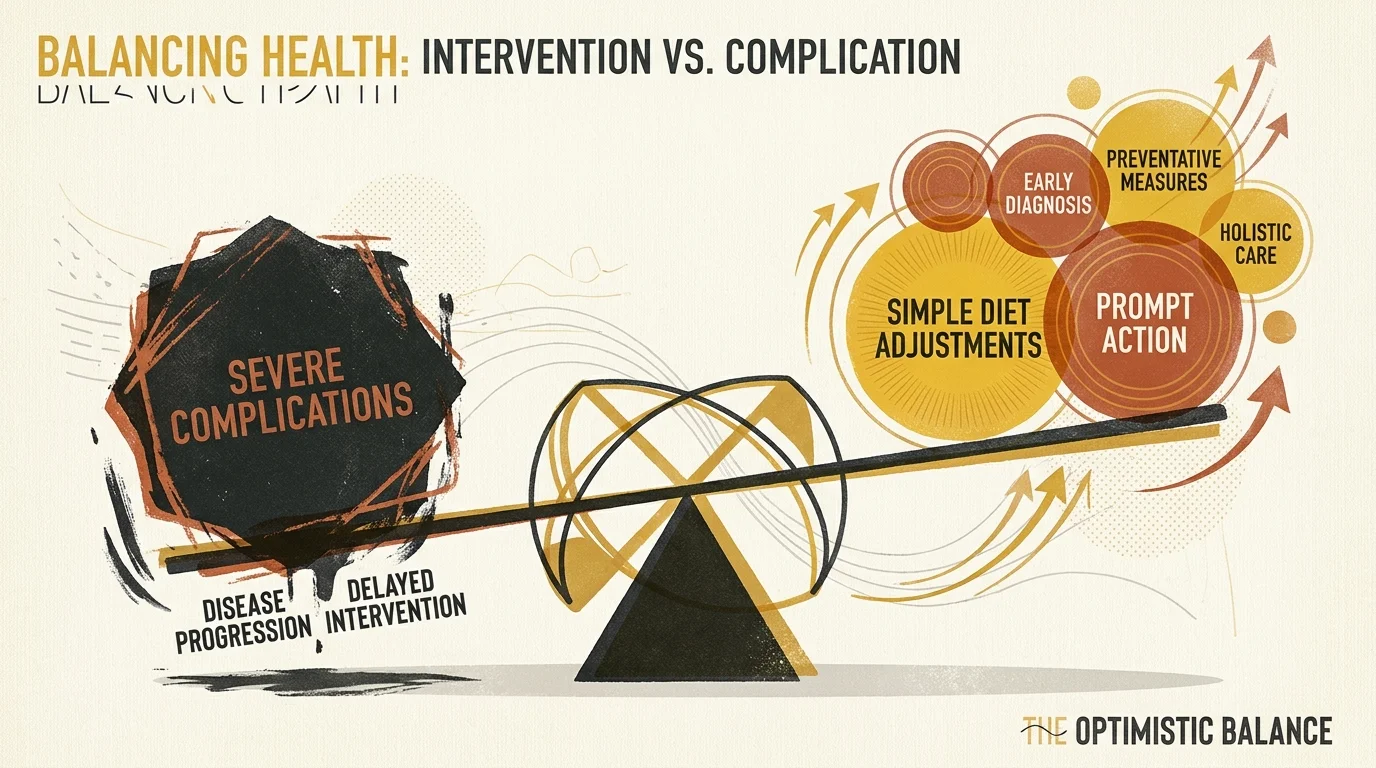
Taking decisive action to manage your blood sugar yields immediate and profound health benefits that extend far beyond a simple laboratory result. When your glucose levels stabilize, you will likely experience a dramatic resurgence in your daily energy levels, allowing you to reclaim an active and engaged lifestyle. Your cognitive clarity will sharpen significantly, lifting the heavy brain fog that frequently accompanies metabolic dysfunction. Furthermore, keeping your blood sugar in a healthy range actively protects the microscopic blood vessels in your retinas and kidneys, preventing long-term vision loss and preserving your essential renal function.
Conversely, ignoring these critical warning signs invites catastrophic health consequences. Unmanaged high blood sugar creates a dangerous environment of systemic inflammation, silently accelerating the accumulation of thick plaque in your arteries and putting you at a remarkably high risk for heart attacks and strokes. For seniors, chronically elevated glucose can also trigger a life-threatening emergency known as Hyperosmolar Hyperglycemic State. This severe condition occurs when blood sugar spikes to extraordinarily high levels, causing massive fluid loss, profound dehydration, and severe mental confusion. The longer you wait to address these quiet symptoms, the more irreversible the physical damage to your nerves and vital organs becomes.
What the Experts Say
Leading global health organizations uniformly agree that early detection and prompt lifestyle modifications serve as the absolute best defense against metabolic diseases. The Centers for Disease Control and Prevention emphasizes that millions of older adults currently live with prediabetes, yet the vast majority remain completely unaware of their condition. The agency strongly advocates for routine preventative blood screening, noting that early intervention successfully halts the progression to type 2 diabetes.
Similarly, the World Health Organization highlights the immense power of simple dietary changes and daily physical activity in combating the global surge of glucose imbalance. Their ongoing research proves that maintaining a healthy body weight and consuming a diet rich in whole foods dramatically improves insulin sensitivity at any age.
Clinical guidance from the Mayo Clinic reinforces the necessity of knowing your specific health numbers. They recommend increased testing frequency for seniors displaying any of the eight primary warning symptoms. Furthermore, extensive clinical trials backed by the National Institutes of Health demonstrate that older adults who lose just five to seven percent of their body weight and engage in moderate daily exercise can reduce their risk of severe blood sugar complications by an astounding seventy-one percent.

Practical Steps and Actionable Advice
Request a Hemoglobin A1c Test. You simply cannot manage what you do not accurately measure. At your next medical appointment, explicitly ask your doctor to run a Hemoglobin A1c blood test. Unlike a standard fasting glucose test that only captures a single fleeting moment in time, the A1c test provides a comprehensive three-month average of your blood sugar levels. This paints a highly accurate picture of exactly how your body handles glucose over time.
Adopt the Practice of Clothing Your Carbohydrates. Eating naked carbohydrates—such as a plain piece of white toast or an isolated bowl of cereal—causes your blood sugar to spike violently. You can successfully blunt this dangerous spike by pairing your carbohydrates with healthy fats and lean proteins. Eating a fresh apple with a small handful of almonds significantly slows down the digestive process, leading to a gentle, manageable rise in glucose rather than a steep peak.
Utilize the Power of the Post-Meal Walk. Taking a brisk, fifteen-minute walk immediately after finishing a meal works absolute wonders for your overall metabolic health. When you actively engage your large leg muscles, they pull glucose directly out of your bloodstream to use for immediate energy, completely bypassing the need for insulin. This simple daily habit drastically reduces post-meal blood sugar surges.
Prioritize Deep, Restorative Sleep. Poor sleeping habits directly sabotage your blood sugar health. When you consistently fail to get adequate rest, your body releases elevated levels of cortisol, a primary stress hormone that aggressively drives up blood glucose and promotes severe insulin resistance. Establish a strict calming bedtime routine, keep your bedroom comfortably cool, and avoid staring at bright screens for at least an hour before you intend to sleep.
Frequently Asked Questions
Can blood sugar spikes happen without any symptoms at all?
Yes, asymptomatic hyperglycemia is incredibly common and represents a highly dangerous aspect of metabolic dysfunction. Your blood sugar can remain dangerously elevated for years, silently damaging your blood vessels, kidneys, and nerves without ever triggering any noticeable physical symptoms. Routine preventative blood work remains the only definitive way to catch rising glucose levels before they cause permanent organ damage.
What is considered a normal blood sugar level for an older adult?
For most healthy adults, a normal fasting blood sugar level sits comfortably below 100 milligrams per deciliter, with an A1c reading below 5.7 percent. However, healthcare providers occasionally adopt slightly looser targets for frail seniors to prevent the immediate dangers of severe low blood sugar, known as hypoglycemia. Always work directly with your personal physician to establish a perfectly safe target range for your unique medical history.
Are fruit juices safe to drink if I am experiencing blood sugar symptoms?
You should avoid fruit juices entirely if you currently struggle with a glucose imbalance. While whole fruits contain highly beneficial fiber that naturally slows down sugar absorption, the commercial juicing process entirely strips away this essential protection. Drinking a standard glass of apple juice delivers a massive, concentrated dose of liquid sugar straight into your bloodstream. Always choose the whole, unblended fruit instead.
How quickly can lifestyle changes improve blood sugar levels?
The human body responds remarkably fast to positive lifestyle interventions. If you implement a low-carbohydrate diet and begin walking immediately after your meals, you will likely see a measurable reduction in your daily blood sugar readings within a matter of days. However, you must maintain these new healthy habits for at least ninety days to see a visible drop in your official A1c laboratory results.
Does psychological stress directly impact my blood sugar readings?
Psychological stress heavily impacts your blood sugar. When experiencing chronic anxiety or acute emotional distress, your adrenal glands flood your system with cortisol and adrenaline. These natural survival hormones immediately prompt your liver to dump stored glucose into your bloodstream for fast energy. Because insulin resistance blocks cellular absorption, this dumped sugar simply pools in your blood, causing a severe spike in your blood sugar levels.
Taking Charge of Your Blood Sugar Health
Your body is remarkably resilient, and it constantly communicates its distress through the subtle physical symptoms discussed above. By paying close attention to your daily energy, your hydration needs, and your visual clarity, you actively equip yourself with the critical knowledge needed to intercept blood sugar trouble before it escalates into full-blown diabetes. Aging does not have to equal an inevitable loss of metabolic control. By committing to regular blood screenings, adopting mindful eating habits, and staying physically active, you actively protect your heart, preserve your independence, and ensure a vibrant, healthy future.
This article is intended for informational and educational purposes only and is not a substitute for professional medical advice, diagnosis, or treatment. Always consult with a qualified healthcare provider regarding any health concerns or before making any decisions related to your health or treatment.