
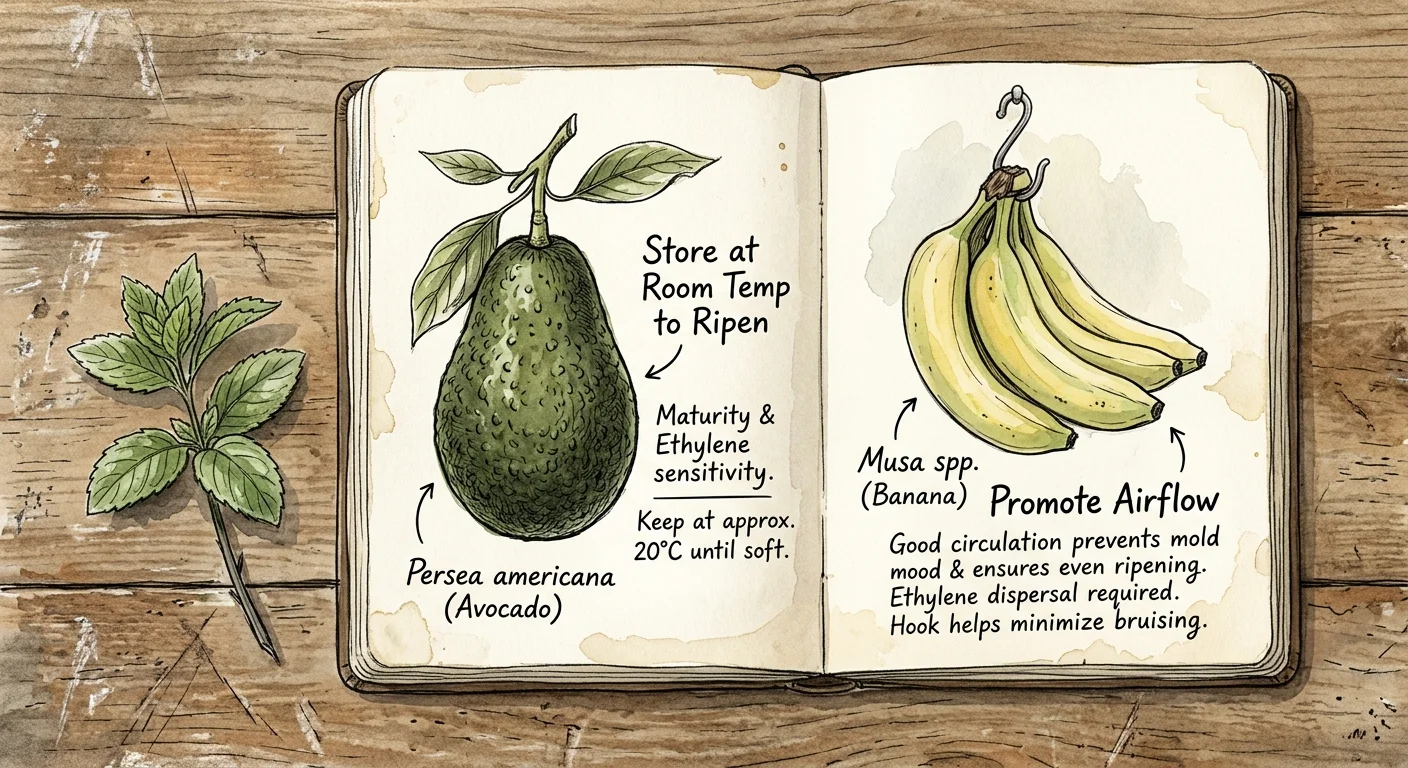
What the Experts Say
Leading health organizations consistently emphasize the importance of eating abundant fresh fruits while adhering to safe handling guidelines. The World Health Organization strongly advocates for diets rich in fresh produce to combat cardiovascular diseases and manage chronic conditions associated with aging. Proper ripening ensures that these recommended foods remain palatable and accessible to older populations who might otherwise avoid them due to poor texture or flavor.
When it comes to the safety and nutritional efficacy of produce, the National Institutes of Health provides extensive literature on how the bioavailability of vitamins changes as fruit ripens. Their data supports the concept that allowing certain fruits to fully mature at room temperature breaks down tough cellular walls, thereby releasing trapped vitamins and antioxidants so your body can absorb them more easily during digestion.
From a food safety perspective, the Centers for Disease Control and Prevention frequently issues guidance on proper produce handling to prevent illness. They emphasize that while whole melons should be kept on the counter for optimal quality, you must thoroughly wash the tough outer rind under running water before slicing into them. This prevents a knife from dragging harmful bacteria from the rind into the sweet, edible flesh. They also mandate that any cut fruit must be refrigerated within two hours to prevent rapid bacterial proliferation.





Please remove my email from all your messages and advertisements. Thank you
If my bananas get too ripe on the counter, I peel them, put them in a produce bag (plastic bag) and put them in the freezer. You can eat them like ice cream.