Understanding the Science of Antioxidants and ORAC Values
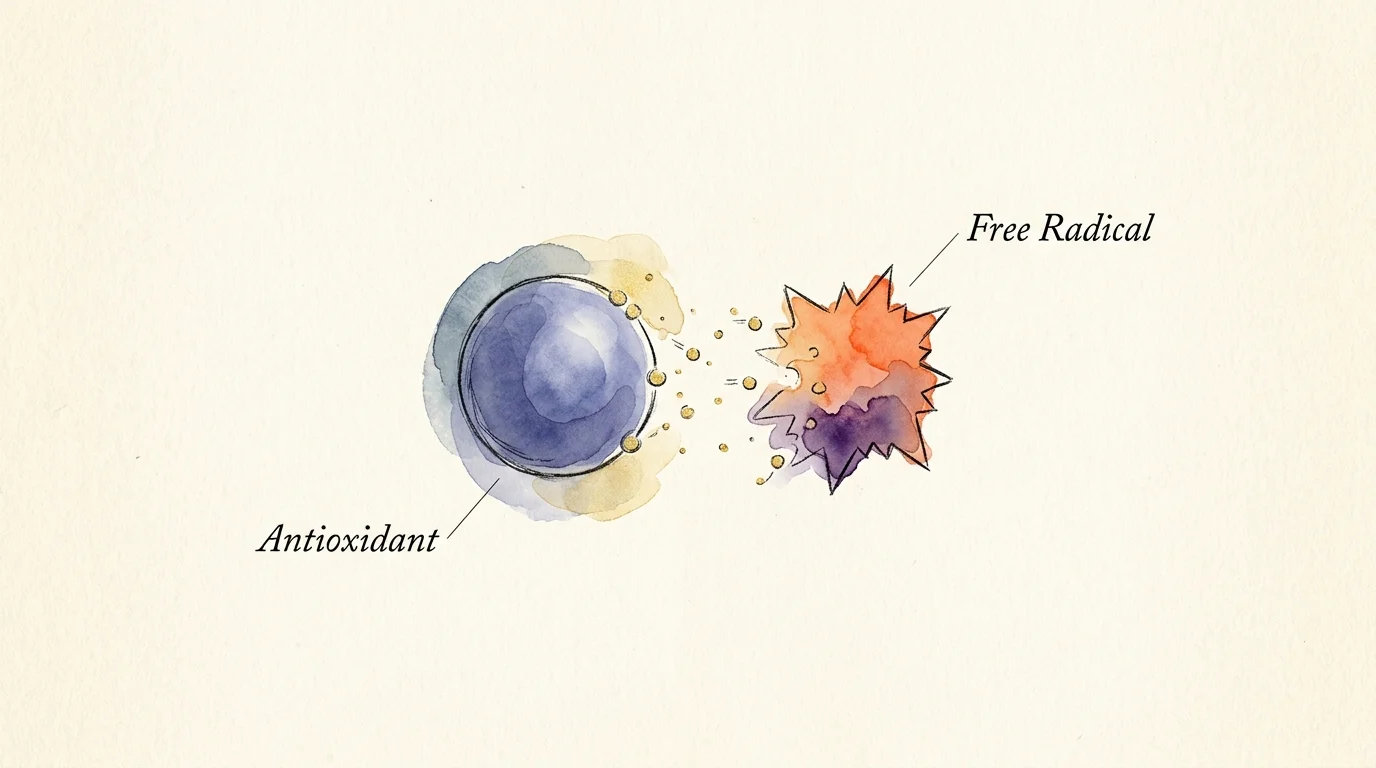
To understand why berries consistently top nutritional charts, you must first examine how oxygen interacts with your cellular biology. Throughout your life, daily metabolic processes generate unstable byproduct molecules called free radicals; these rogue molecules damage delicate cell membranes, cellular DNA, and essential proteins through a destructive process known as oxidation.
External factors like environmental pollution, systemic stress, and ultraviolet light further accelerate this internal wear and tear over time. Antioxidants act as molecular defense shields—they donate electrons to stabilize free radicals without becoming reactive themselves, effectively halting the cascade of cellular damage before it impairs tissue function.
Nutritional scientists assess the radical-fighting power of whole foods using a standardized laboratory protocol known as Oxygen Radical Absorbance Capacity, or ORAC. Developed originally by researchers working with the United States Department of Agriculture, this scientific benchmark measures how efficiently a food neutralizes free radicals per 100 grams of raw weight.
The result is expressed in micromoles of Trolox Equivalents per 100 grams. While your body relies on internal antioxidant enzymes, regularly consuming plant polyphenols, anthocyanins, flavonoids, and ellagic acid dramatically bolsters your systemic defenses.