What the Experts Say: Scientific Consensus
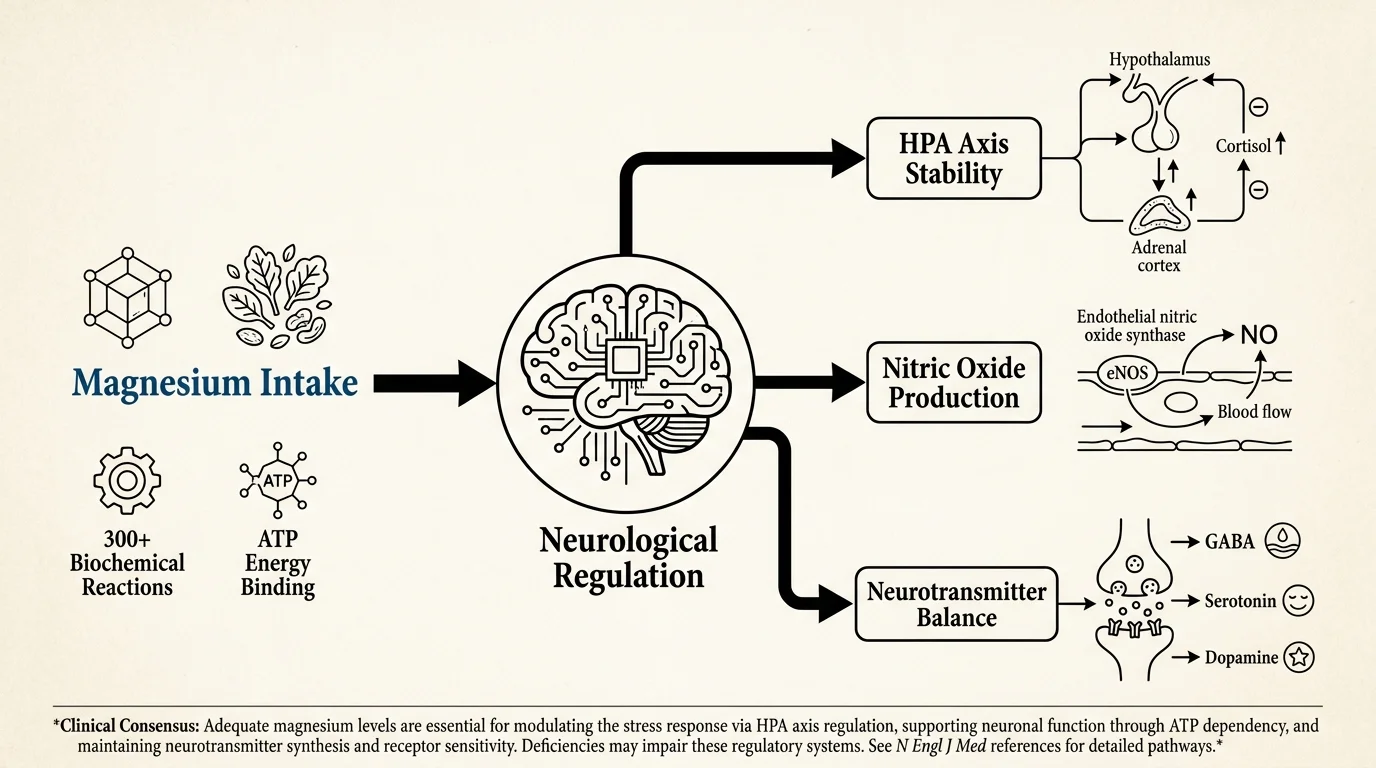
Major global health organizations continually emphasize the critical importance of maintaining adequate magnesium intake, particularly for aging populations. The National Institutes of Health strictly recommends a daily dietary allowance of 320 milligrams for women and 420 milligrams for men over the age of thirty. Despite these clear guidelines, extensive survey data collected by the Centers for Disease Control and Prevention consistently reveals that a staggering percentage of older Americans fail to meet even these basic daily minimums, primarily due to the overconsumption of ultra-processed foods that strip away natural minerals during manufacturing.
Experts at the Mayo Clinic strongly advocate for a “food-first” approach to correcting mineral deficiencies, noting that extracting nutrients from whole foods provides essential co-factors, fibers, and antioxidants that pills simply cannot replicate. They also frequently issue warnings regarding supplement interactions, urging older adults to carefully separate their mineral supplements from their daily heart and bone medications by at least two hours. This cautious, medically supervised approach prevents accidental neutralization of life-saving prescriptions.
On a broader scale, the World Health Organization has highlighted the often-overlooked role of drinking water in achieving daily mineral requirements. Historically, hard tap water provided a steady, highly bioavailable stream of dietary magnesium. However, modern municipal water softening processes and the widespread use of reverse osmosis filtration systems in homes actively strip these beneficial minerals from the water supply. This environmental shift has led researchers to emphasize the need for deliberate, proactive dietary adjustments to replace the minerals we no longer receive from our daily water consumption.