Recognizing a magnesium deficiency early can protect your heart, preserve your bone density, and drastically improve your daily energy levels. As you age, your body naturally becomes less efficient at absorbing essential nutrients from food, making adults over sixty particularly vulnerable to hidden mineral shortfalls.
Magnesium drives over three hundred biochemical reactions in your system, from regulating nerve function to supporting a steady heartbeat. Ignoring early warning signs like unexplained fatigue or sudden muscle cramps can lead to severe health complications.
By understanding exactly what your body is trying to tell you, you can take immediate action to restore your nutrient balance and safeguard your long-term independence.
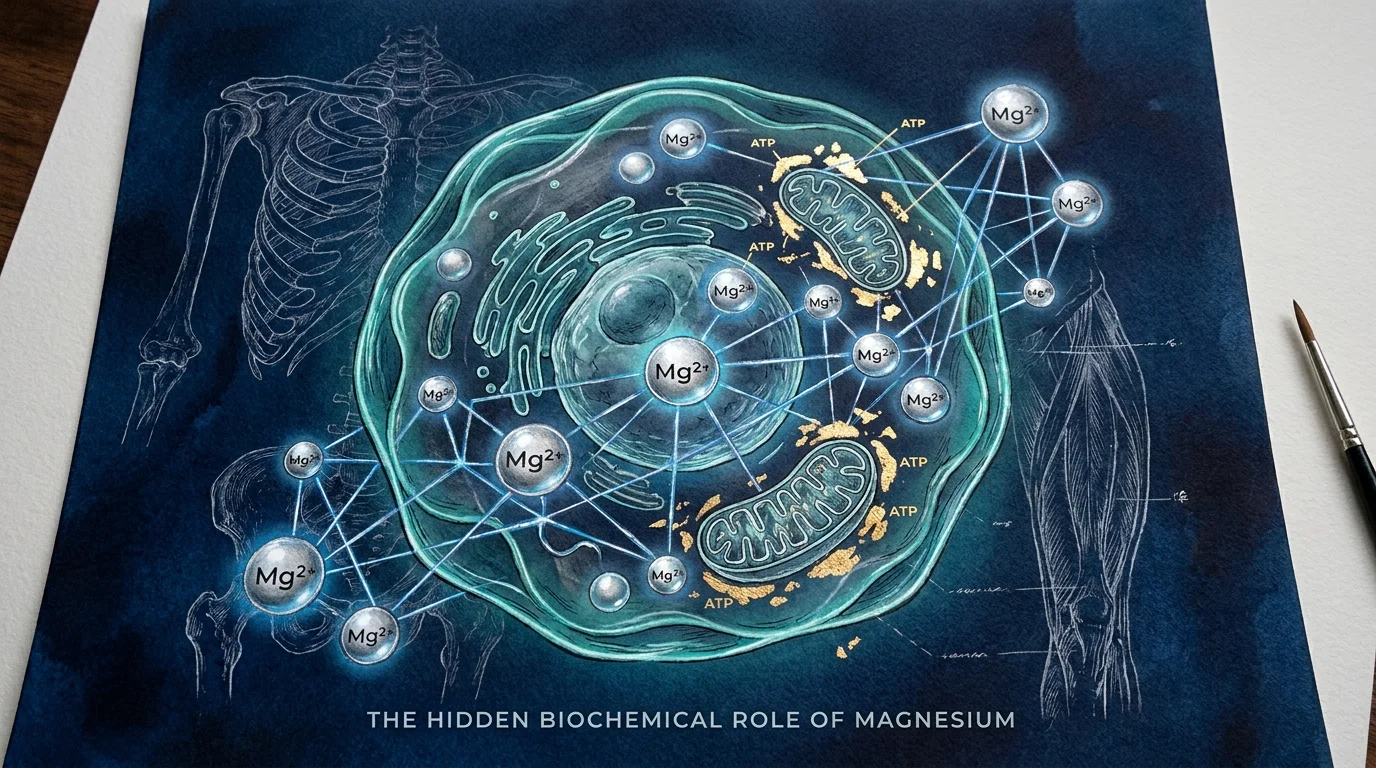
Understanding the Basics: The Hidden Role of Magnesium
Magnesium operates as an essential macromineral, which means your body requires it in relatively large amounts to sustain fundamental life functions. Unlike trace minerals that you only need in microscopic doses, magnesium acts as a major structural component of your bones and a vital catalyst for cellular energy production.
Every single cell in your body contains this mineral and relies on it to function properly. When you fail to consume enough through your diet, your body actively pulls magnesium from your bones to maintain critical levels in your bloodstream, silently compromising your skeletal integrity over time.