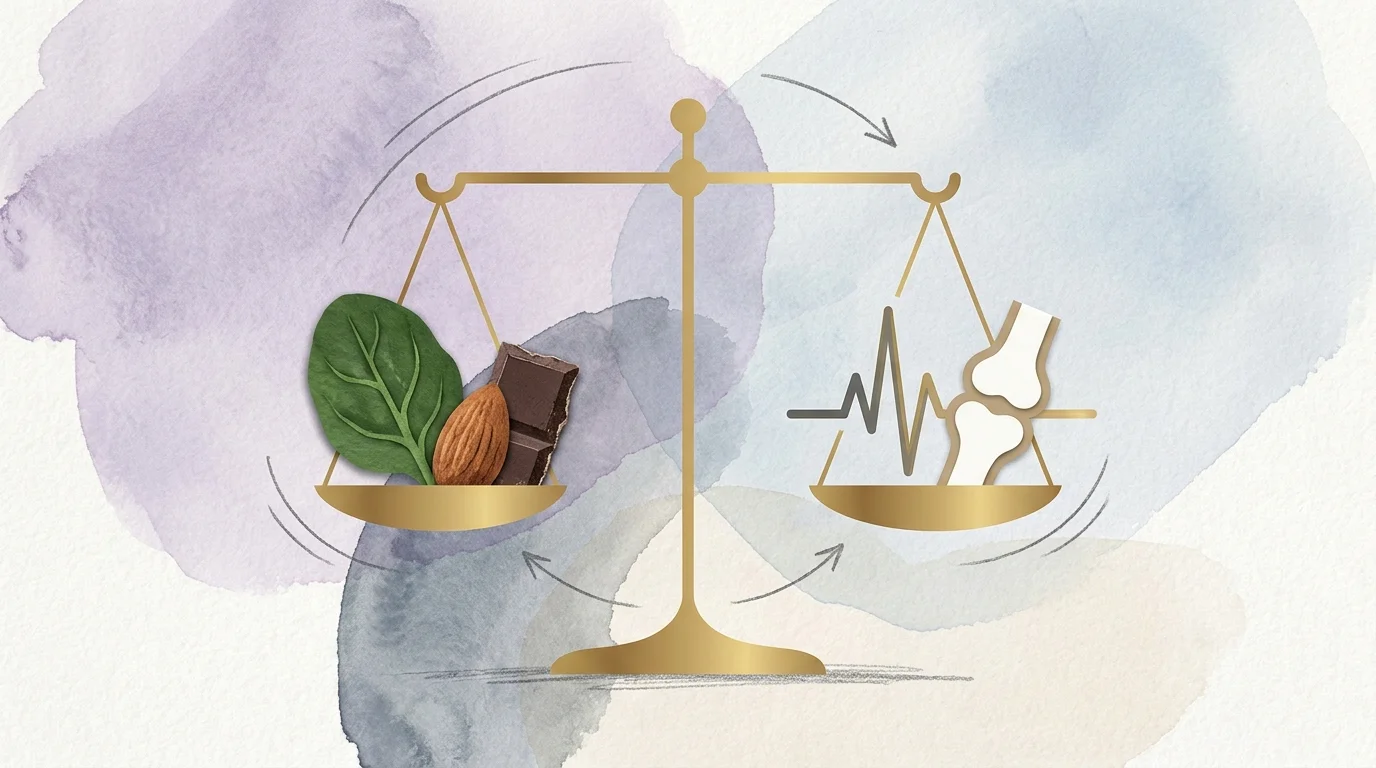
Benefits and Potential Risks: Finding Your Balance
Restoring your magnesium levels offers a remarkable array of therapeutic benefits that can significantly elevate your daily quality of life. Achieving an optimal balance helps regulate your sleep architecture by enhancing the production of melatonin and calming your central nervous system, allowing you to finally experience deep, uninterrupted rest. Additionally, healthy magnesium levels improve insulin sensitivity, meaning your cells can process glucose more effectively, which provides a natural defense against the development of type 2 diabetes. By keeping your blood vessels relaxed and your electrical impulses steady, adequate magnesium also serves as a powerful shield against cardiovascular disease and strokes.
However, you must approach supplementation with a clear understanding of the potential risks and downsides. While it is virtually impossible to overdose on magnesium through dietary sources alone, taking high-dose supplements can push your levels into dangerous territory. Hypermagnesemia—magnesium toxicity—can cause extreme lethargy, severe muscle weakness, dangerous drops in blood pressure, and in extreme cases, cardiac arrest. Your kidneys bear the responsibility of filtering out excess magnesium, meaning any degree of age-related chronic kidney disease dramatically amplifies your risk of accidental toxicity.
Even if you have perfectly healthy kidneys, certain forms of supplemental magnesium carry uncomfortable side effects. Magnesium citrate and magnesium oxide famously draw large amounts of water into the intestines, which can provoke sudden, severe diarrhea and stomach cramping. While doctors occasionally leverage this effect intentionally to treat chronic constipation, experiencing daily digestive distress can lead to dehydration and the loss of other vital electrolytes. Furthermore, magnesium supplements can bind to certain medications, including specific classes of antibiotics and bisphosphonates used for osteoporosis, rendering those expensive prescriptions completely ineffective if taken at the same time.