Recognizing a vitamin B12 deficiency early can protect your cognitive health, preserve your energy levels, and prevent irreversible nerve damage as you age. Your body relies heavily on this essential nutrient to produce red blood cells and maintain a properly functioning central nervous system, yet the aging process makes absorbing it increasingly difficult. Many adults over sixty attribute their sudden exhaustion, memory lapses, or tingling extremities to normal aging when a simple nutrient shortfall is the actual culprit. Catching these subtle red flags allows you to intervene promptly with dietary adjustments or supplementation. Understanding how this critical vitamin operates within your body gives you the power to take control of your long-term vitality.
Understanding the Basics
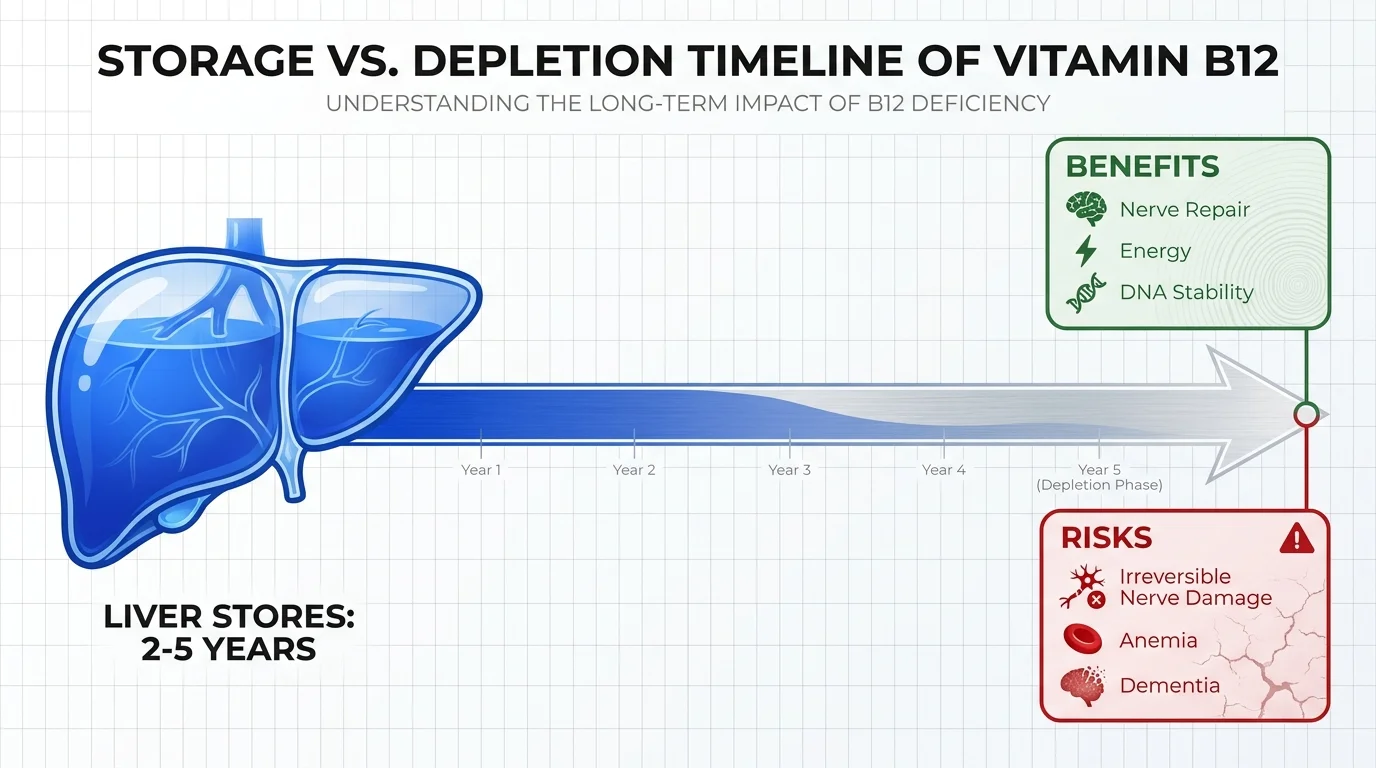
To grasp why this nutrient plays such a monumental role in your health, you must first look at how it operates on a cellular level. Vitamin B12—scientifically known as cobalamin—is a complex, water-soluble vitamin that contains the rare mineral cobalt. Unlike other water-soluble vitamins that your body flushes out rapidly, your liver can store cobalamin for several years. This unique storage capacity means that a deficiency can take a long time to develop, often tricking people into believing their sudden symptoms are entirely unrelated to their dietary intake or digestion.
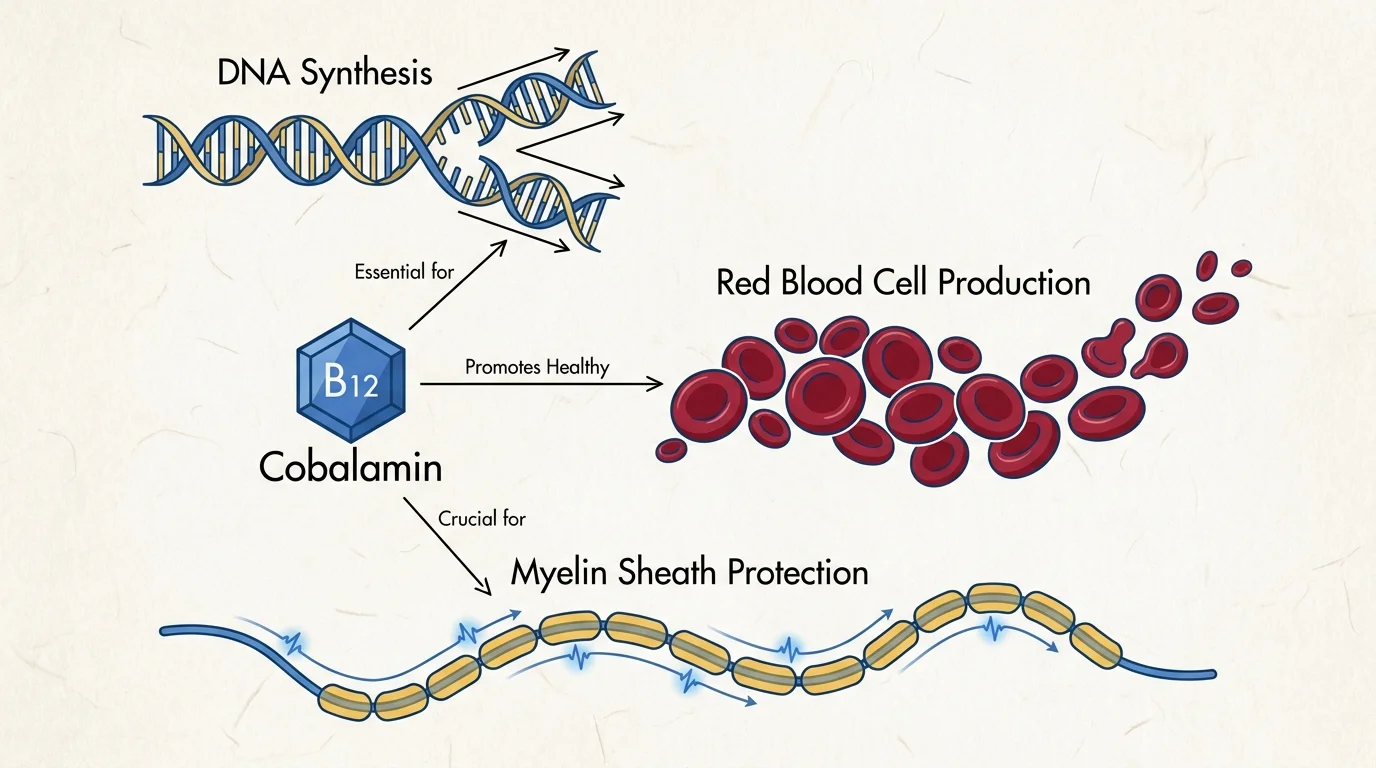
Your body demands cobalamin for three massive biological responsibilities. First, it drives the synthesis of your DNA, the genetic code that dictates how every single cell in your body functions and replicates. Second, it serves as the master architect for your red blood cells, ensuring they develop correctly so they can transport life-sustaining oxygen to your organs. Third, it manufactures and maintains the myelin sheath; this protective fatty coating wraps around your nerves, acting much like the rubber insulation on a high-voltage electrical wire to ensure rapid, uninterrupted brain-to-body communication.
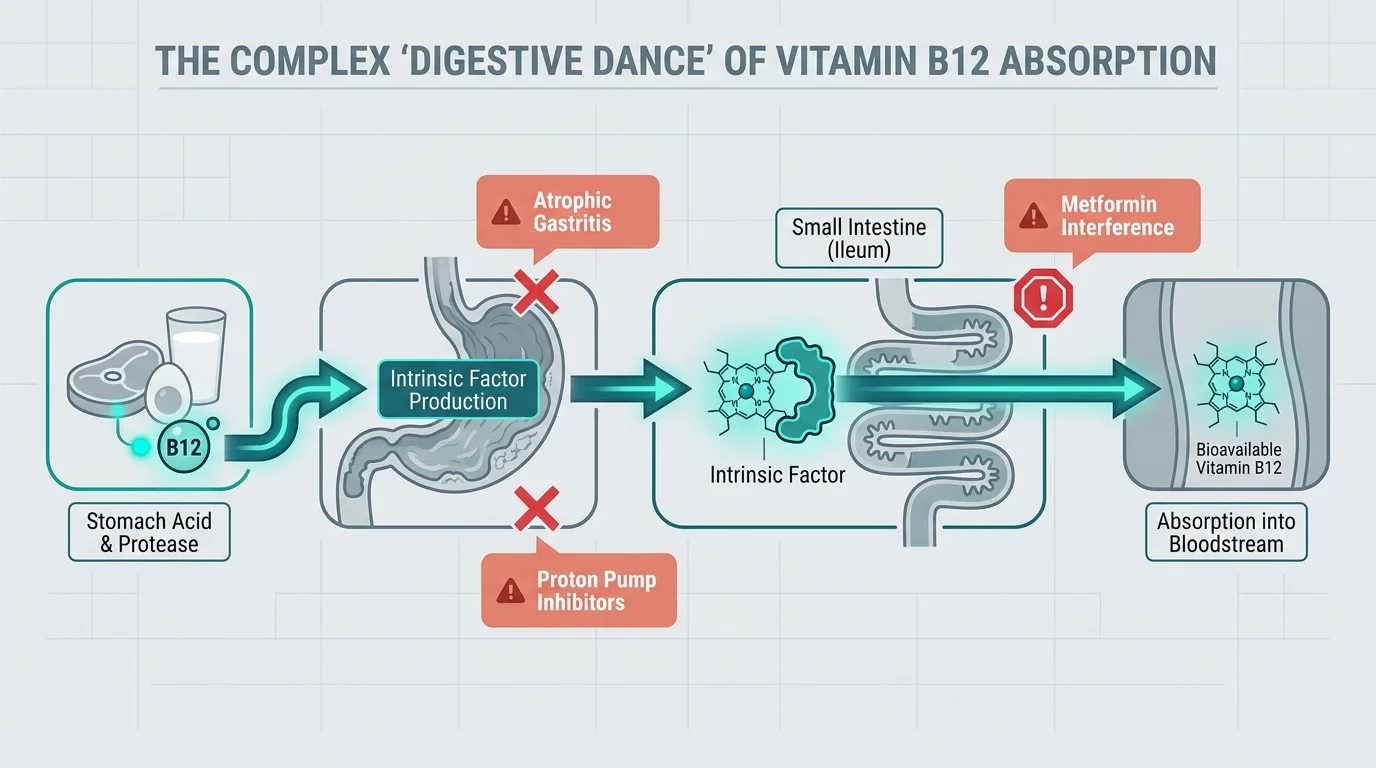
Extracting this nutrient from your food requires a highly synchronized digestive dance. When you eat a meal containing cobalamin, the vitamin arrives tightly bound to the proteins in the food. Hydrochloric acid and gastric protease enzymes in your stomach must break these protein bonds to free the vitamin. Once liberated, the vitamin travels to your small intestine, where it binds to a specialized protein called intrinsic factor. Your stomach lining exclusively produces intrinsic factor, and without it, your body cannot pull the nutrient through the intestinal wall and into your bloodstream. Any disruption in this delicate chain of events leaves you vulnerable to a serious shortfall.
Key Considerations for Seniors
As you accumulate life experience, your digestive system inevitably undergoes structural and functional shifts. A significant portion of older adults develop a condition known as atrophic gastritis, which involves chronic inflammation and thinning of the stomach lining. This condition drastically reduces your stomach’s ability to secrete both the hydrochloric acid needed to separate cobalamin from food proteins and the intrinsic factor necessary for its final absorption.
Furthermore, managing your health in your senior years often requires prescription medications that inadvertently sabotage this digestive process. For example, doctors frequently prescribe proton pump inhibitors and H2 blockers to treat acid reflux or ulcers; these drugs intentionally suppress stomach acid, effectively shutting down the first step of vitamin absorption. Similarly, metformin—a wildly popular and effective medication for managing blood sugar—is known to interfere with calcium-dependent absorption pathways in the gut, further hindering your ability to secure enough of this vital nutrient. Because these age-related changes and medication interactions occur gradually, your liver reserves slowly deplete over time until your body eventually begins to send out warning signals.

Sign 1: Unexplained Fatigue and Persistent Weakness
Feeling incredibly drained despite getting a full night of sleep serves as one of the earliest and most universal warning signs of a depleted cobalamin reserve. When you lack this essential nutrient, your body fails to construct healthy red blood cells. Instead of producing normal, flexible cells that easily navigate your blood vessels, your bone marrow releases abnormally large, fragile, and inefficient cells—a condition medical professionals call megaloblastic anemia. Because these oversized cells cannot carry oxygen efficiently, your tissues and organs begin to suffocate on a microscopic level. You experience this cellular oxygen deprivation as profound, heavy exhaustion that caffeine or extra rest simply cannot cure.
Sign 2: Tingling and Numbness in Your Extremities
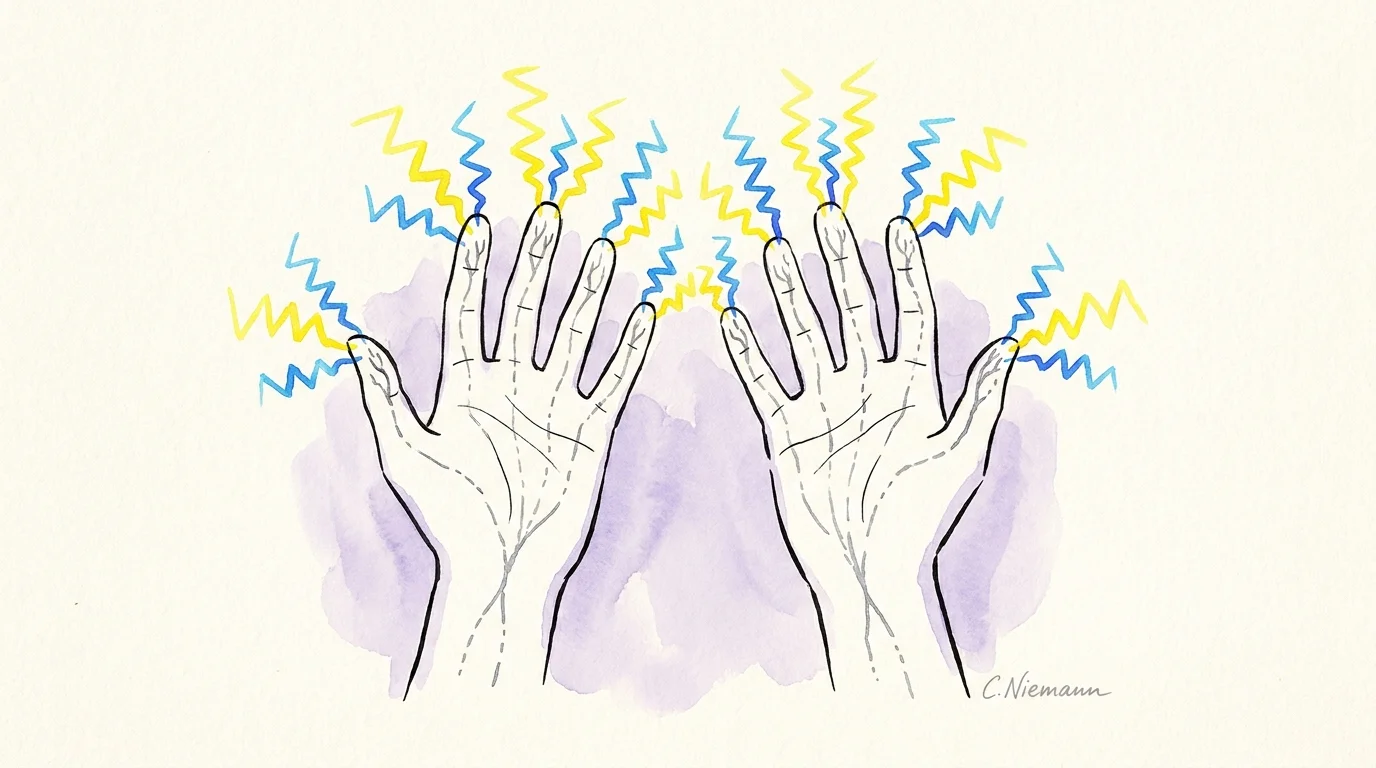
Neurological symptoms often develop insidiously and can easily be mistaken for arthritis or poor circulation. When your cobalamin levels plummet, the protective myelin sheath surrounding your peripheral nerves begins to deteriorate. Without this crucial insulation, the electrical signals traveling from your brain to your hands and feet begin to misfire, scatter, or slow down completely. You might experience a sensation frequently described as pins and needles, a sudden burning feeling, or a deep numbness that creeps up from your toes and fingertips. Addressing this symptom quickly is paramount, as prolonged nerve degradation can eventually become permanent.

Sign 3: Memory Lapses and Cognitive Decline
Your brain requires a steady stream of oxygen and efficient neural pathways to form memories, process complex thoughts, and maintain focus. A severe shortfall in this vitamin starves your brain of both, leading to symptoms that terrifyingly mimic early-stage dementia or Alzheimer’s disease. You might notice yourself frequently losing your train of thought, forgetting familiar names, or struggling to complete tasks that once felt entirely automatic. High-quality scientific data confirms that restoring adequate vitamin levels can halt and often reverse these cognitive disruptions, proving that what looks like permanent age-related mental decline might just be an easily correctable nutritional deficit.

Sign 4: A Swollen, Inflamed Tongue or Mouth Ulcers
Changes in your oral health provide a highly visible window into your internal nutritional status. The cells lining your mouth and tongue possess an incredibly rapid turnover rate, meaning they constantly die and require immediate replacement. Because DNA synthesis stalls without sufficient cobalamin, your body cannot replace these cells fast enough. This failure results in a condition known as glossitis, where your tongue becomes noticeably swollen, painful, and beefy-red. The tiny bumps on your tongue—called papillae—may flatten out completely, leaving the surface looking strangely smooth and glossy. You might also develop recurrent mouth ulcers or a constant burning sensation when you eat acidic or spicy foods.

Sign 5: Noticeable Changes in Mobility and Balance
The neurological damage caused by a depleted myelin sheath extends far beyond simple tingling; it directly attacks your proprioception. Proprioception acts as your body’s internal GPS, a subconscious sense that tells your brain exactly where your limbs are positioned in space without you having to look at them. When the sensory nerves in your spinal cord degrade from a lack of nourishment, this internal GPS goes offline. You might find yourself walking with a wider, more unsteady stance, stumbling frequently in low-light environments, or relying heavily on walls and furniture to navigate your own home. Protecting your balance is critical for preventing catastrophic falls, making this symptom one of the most urgent to address.

Sign 6: Pale Skin with a Yellowish Hue
Your skin tone can visibly reflect the microscopic chaos occurring inside your bloodstream. In the grip of megaloblastic anemia, your bone marrow produces those oversized, deformed red blood cells mentioned earlier. Because these cells are highly fragile, a large percentage of them break down prematurely before they ever leave the bone marrow, or they shatter shortly after entering your circulation. When red blood cells rupture, they release an orange-yellow pigment known as bilirubin. A high concentration of circulating bilirubin, combined with a general lack of healthy red blood cells, strips the healthy pink undertones from your complexion and leaves you looking remarkably pale with a faint jaundiced, or yellowish, tint.
Sign 7: Breathlessness and Frequent Dizziness
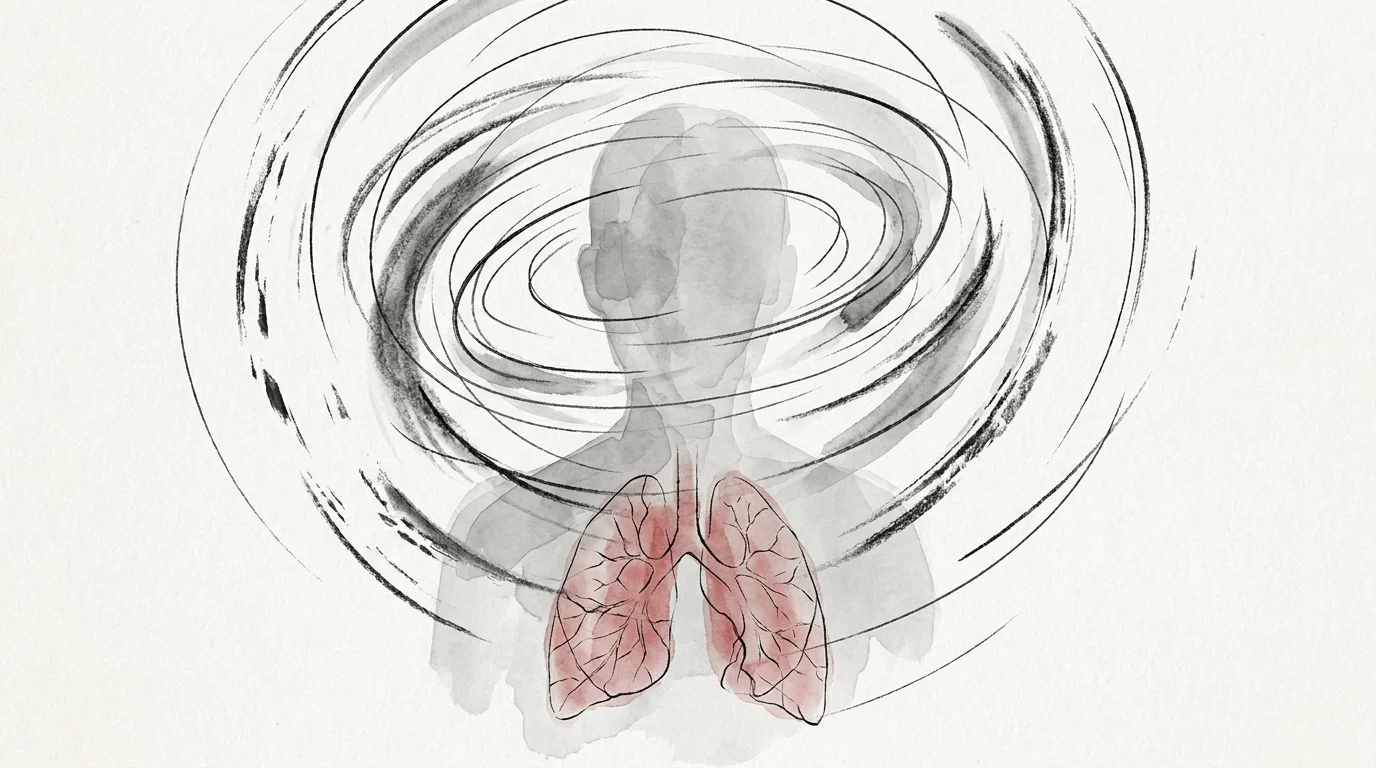
Anemia strikes your cardiovascular system particularly hard. When your blood cannot carry adequate oxygen to your vital organs, your heart attempts to compensate by working much harder and pumping significantly faster. This desperate attempt to deliver oxygen forces your heart to beat at an elevated rate even when you are completely at rest. Consequently, simple physical exertions—like carrying a small bag of groceries or walking up a single flight of stairs—can leave you gasping for air. You might also experience sudden bouts of dizziness, lightheadedness, or the sensation that the room is spinning when you stand up too quickly, as your brain momentarily struggles to secure the oxygen it needs to keep you upright.
Benefits and Potential Risks
Restoring your internal vitamin reserves provides profound, wide-reaching benefits that fundamentally improve your daily quality of life. The most immediate advantage is a massive surge in natural energy; as your bone marrow resumes producing healthy, right-sized red blood cells, oxygen delivery to your muscles and organs normalizes. Neurologically, addressing a shortfall halts the progression of myelin sheath degradation, which protects your brain tissue from premature shrinking and helps sharpen your memory. Furthermore, sufficient cobalamin actively breaks down homocysteine—an amino acid that, when allowed to accumulate at high levels, aggressively damages your blood vessel walls and drastically increases your risk of suffering a heart attack or stroke.
However, navigating nutritional health requires a balanced approach to avoid potential pitfalls. One of the most significant risks involves the masking effect of folic acid. If you consume a high amount of folic acid while secretly suffering from a cobalamin deficiency, the folic acid will actually correct your anemia. While this sounds positive, it is incredibly dangerous; fixing the blood cells masks the primary diagnostic warning sign, allowing the hidden neurological damage to progress silently until the nerve destruction becomes irreversible. Additionally, while water-soluble vitamins are generally safe because your body excretes the excess through urine, taking massively high doses of unneeded supplements can occasionally interact negatively with certain medications, including antibiotics and seizure control drugs. You must proceed with targeted, informed supplementation rather than blind self-medication.

What the Experts Say
Leading health authorities maintain a strong consensus regarding the critical nature of this nutrient for aging populations. Organizations such as the National Institutes of Health explicitly advise that adults over the age of fifty should meet the majority of their daily requirements through fortified foods or dietary supplements. The rationale behind this specific recommendation stems entirely from the widespread prevalence of age-related atrophic gastritis and the resulting inability to absorb the naturally occurring vitamin found in animal proteins.
Medical experts from institutions like the Mayo Clinic also emphasize the importance of early diagnostic vigilance. They warn that waiting for severe hematological changes—like profound anemia—to appear on a standard blood test is a flawed strategy, as debilitating neurological symptoms frequently manifest long before the blood cell count drops to dangerous levels. Global health agencies, including the World Health Organization, continue to push for broader nutritional screenings in older adults to combat the hidden epidemic of micronutrient malnutrition. The overarching message from the scientific community is unified: proactive testing and alternative absorption methods are absolutely non-negotiable for preserving cognitive and physical function in your later years.

Practical Steps and Actionable Advice
Taking control of your nutritional status requires a strategic and informed approach. Your first actionable step is to schedule an appointment with your primary care physician to request a comprehensive blood panel. You must explicitly ask for three distinct tests: a serum B12 test, a methylmalonic acid test, and a homocysteine test. Standard serum tests only measure the total amount of the vitamin floating in your blood, which can appear deceptively normal. Testing your methylmalonic acid and homocysteine provides a highly accurate picture of your true cellular status; if these two compounds are elevated, it definitively proves that your cells are starving for the vitamin, regardless of what the standard serum test shows.
Once you secure an accurate diagnosis, you can adjust your dietary and supplementation habits. If your absorption pathways remain intact, you can boost your levels by consuming rich, natural sources such as clams, beef liver, wild-caught salmon, trout, and pasture-raised eggs. If you follow a plant-based diet, you must actively incorporate fortified nutritional yeast, fortified plant milks, and fortified breakfast cereals into your daily routine.
For those dealing with significant age-related absorption issues or taking interfering medications, diet alone will not suffice. You will need to utilize supplements that bypass the stomach’s broken extraction process. Sublingual tablets, which you dissolve entirely under your tongue, allow the vitamin to enter your bloodstream directly through the rich network of oral mucosal capillaries. Alternatively, oral supplements administered in extremely high doses—usually 1,000 to 2,000 micrograms daily—can force a tiny percentage of the vitamin through the intestinal wall via passive diffusion, entirely bypassing the need for intrinsic factor. In cases of severe deficiency, your doctor will likely prescribe direct intramuscular injections to rapidly bypass the digestive system entirely and refill your liver reserves.
Frequently Asked Questions
How long does it take to feel better after starting treatment?
The timeline for recovery depends heavily on the severity of your symptoms and the specific tissues involved. If you are suffering primarily from anemia-induced fatigue, you might notice a dramatic surge in your energy levels and physical stamina within just a few days to a week of beginning high-dose supplementation or receiving an injection. However, neurological recovery operates on a much slower schedule. Repairing a damaged myelin sheath and regenerating peripheral nerves can take several months, and you may experience a temporary increase in tingling as the dormant nerves finally begin to “wake up” and heal.
Is it possible to take too much of this vitamin?
Because cobalamin is a water-soluble vitamin, your body possesses a highly efficient mechanism for handling excess amounts. Once your liver stores are completely full and your cellular demands are met, your kidneys simply filter out the remaining unabsorbed vitamin and excrete it harmlessly into your urine. Consequently, health authorities have not established a tolerable upper intake level, as toxicity from dietary sources or standard supplementation is exceedingly rare. However, extremely high doses can occasionally trigger minor side effects like mild acne outbreaks or headaches in very sensitive individuals.
Are oral supplements just as effective as injections?
For many years, the medical community believed that intramuscular injections were the only viable treatment for patients lacking intrinsic factor. However, robust modern clinical data demonstrates that high-dose oral supplements can be equally effective for maintaining adequate blood levels. When you consume an incredibly high dose—such as 1,000 micrograms—about one percent of that dose absorbs passively through your intestinal wall without requiring any intrinsic factor. While injections remain the gold standard for rapidly correcting a severe, symptomatic deficiency, high-dose oral or sublingual tablets serve as an excellent, less invasive option for long-term maintenance.
Can a deficiency cause permanent damage?
Yes, ignoring the warning signs for too long carries severe consequences. While the anemia and fatigue are generally entirely reversible, the neurological destruction is far less forgiving. If the myelin sheath degrades completely and the underlying nerve fibers die, the numbness in your extremities, your loss of balance, and your cognitive impairments may become permanent fixtures in your life. This terrifying reality underscores exactly why you must never dismiss chronic tingling or sudden memory issues as just another normal part of getting older.
Do certain medications increase the risk of a shortfall?
Absolutely. A variety of common prescriptions actively wage war on your digestive system’s ability to absorb this nutrient. Proton pump inhibitors and H2-receptor antagonists, used to treat severe heartburn and stomach ulcers, drastically reduce the stomach acid required to separate the vitamin from your food. Metformin, a globally prescribed medication for blood sugar management, specifically alters the way calcium functions in your gut, effectively blocking the final stage of vitamin absorption. If you take any of these medications daily, you must treat annual nutritional screening as a mandatory part of your healthcare routine.
Protecting Your Future Vitality
Your golden years should be defined by vibrant energy, sharp mental clarity, and the physical freedom to enjoy the life you have built. Allowing a completely preventable, highly treatable nutritional deficiency to steal your independence is a tragedy you can easily avoid. By paying close attention to your body’s subtle warning signs—from unexplained exhaustion and tingling toes to a swollen tongue and unexpected memory lapses—you empower yourself to take immediate action. Advocate for comprehensive blood testing, understand the limitations of your aging digestive system, and embrace the dietary or supplemental interventions necessary to keep your cells thriving. You hold the keys to maintaining your cellular health; use them to unlock a stronger, safer, and more vibrant future.
This article is intended for informational and educational purposes only and is not a substitute for professional medical advice, diagnosis, or treatment. Always consult with a qualified healthcare provider regarding any health concerns or before making any decisions related to your health or treatment.