Maximize your bone health, immune function, and daily energy levels by uncovering the hidden roadblocks preventing your body from absorbing vitamin D. As you enter your sixties and beyond, your skin naturally becomes less efficient at synthesizing this vital nutrient from sunlight, making proper dietary absorption absolutely crucial for healthy aging. You might take your daily supplement religiously or spend ample time outdoors, yet still struggle with a stubborn deficiency that leaves you fatigued. Certain common dietary routines, prescription medications, and digestive issues actively interfere with how your body processes this essential vitamin. By identifying and eliminating these five everyday absorption blockers, you can protect your bones, boost your immunity, and maintain your independence throughout your later years.
Understanding the Basics
To fix absorption issues, you first need to understand what vitamin D actually is and how your body processes it. Despite its name, vitamin D functions more like a hormone than a traditional vitamin. Every cell in your body features a receptor for it, meaning it plays a pivotal role in far more than just maintaining strong bones. Your body relies on this nutrient to regulate immune responses, support muscle function, and manage cell growth.
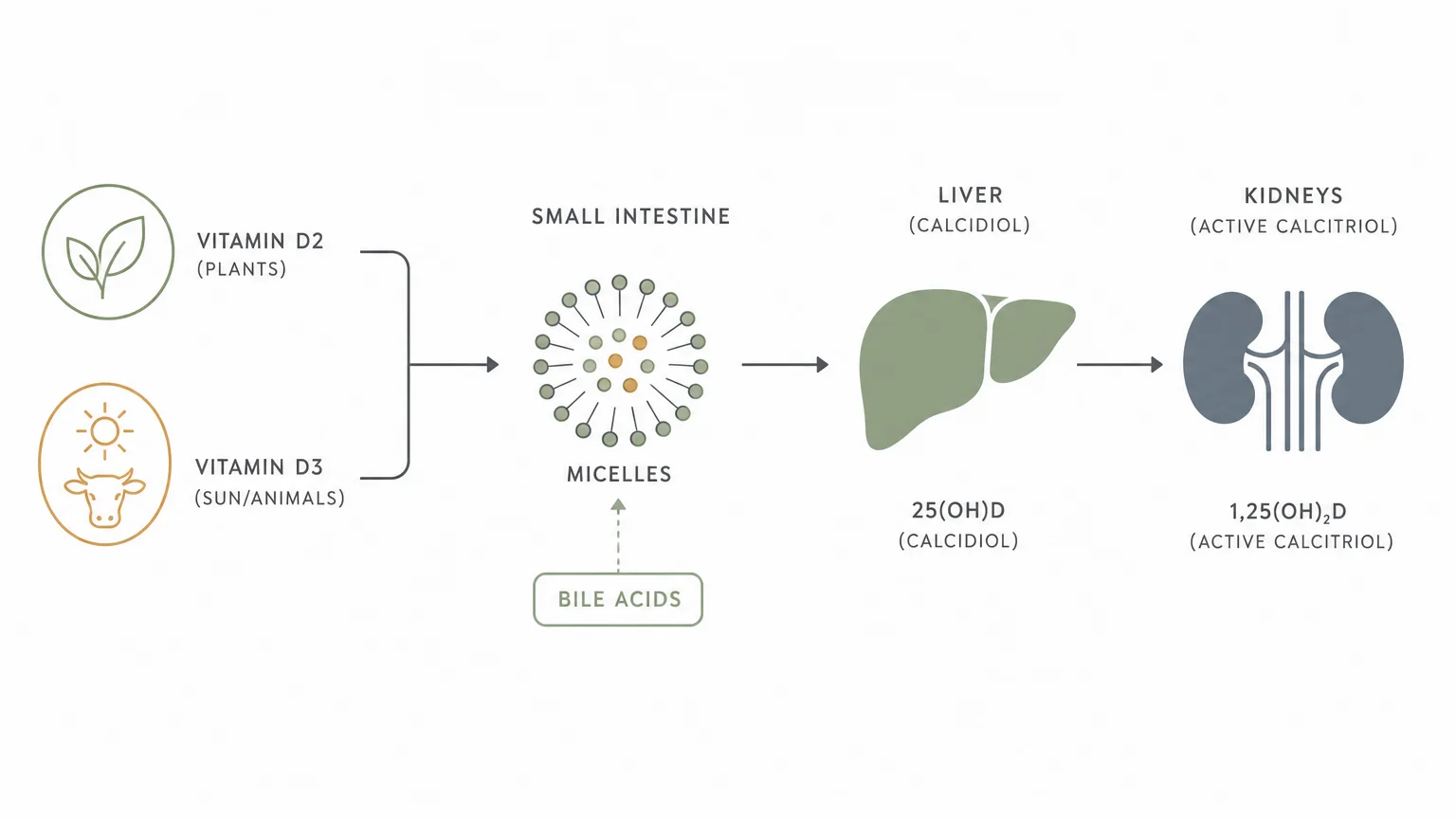
Vitamin D exists in two primary forms. Vitamin D2, known clinically as ergocalciferol, derives primarily from plant sources and fortified foods. Vitamin D3, or cholecalciferol, comes from animal sources and represents the exact form your skin synthesizes when exposed to sunlight. Most medical professionals consider vitamin D3 superior because your body absorbs and utilizes it much more effectively, leading to more stable and sustained blood levels.
Absorption represents the most critical hurdle. Because vitamin D is a fat-soluble nutrient, it does not dissolve in water. When you swallow a supplement or eat a fortified food, the nutrient must travel through your stomach and enter your small intestine. There, it relies on bile acids produced by your liver to break it down into microscopic particles called micelles. These tiny structures transport the vitamin across your intestinal wall and into your bloodstream.
Once absorbed, the vitamin remains inactive. Your liver must first convert it into a substance called calcidiol. After that, your kidneys perform the final conversion, transforming calcidiol into calcitriol—the active, potent form of vitamin D your body actually uses. If any step in this complex journey breaks down, your blood levels will plummet regardless of how much you consume.
Key Considerations for Seniors
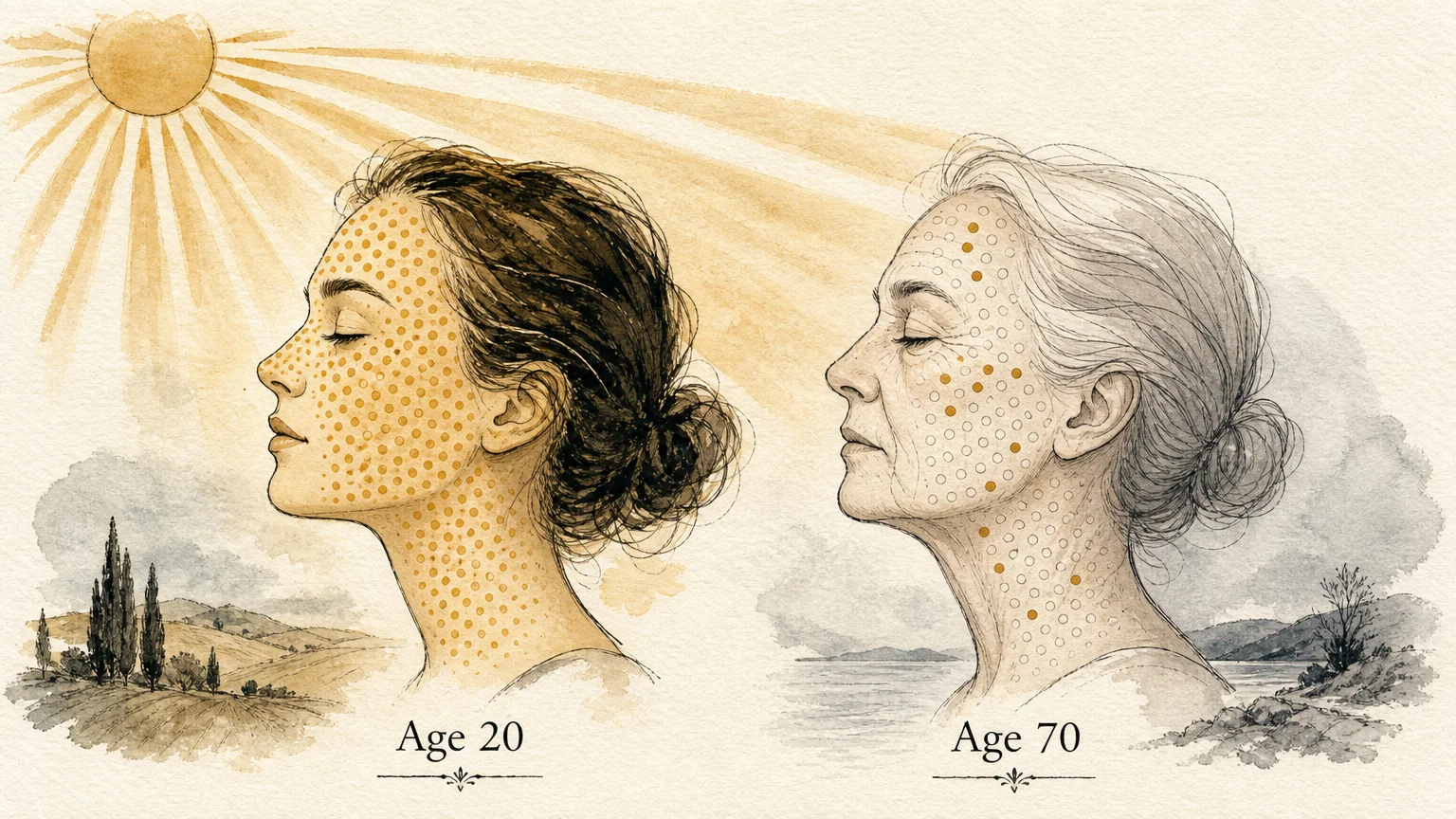
Aging transforms the way your body interacts with nutrients. The physiological changes that accompany getting older create unique challenges for maintaining adequate vitamin D levels. For instance, the concentration of 7-dehydrocholesterol—the chemical precursor in your skin that reacts with sunlight—declines dramatically. An adult over the age of seventy produces roughly a quarter of the vitamin D from the same sun exposure as a twenty-year-old.
Furthermore, kidney function naturally decreases as the decades pass. This decline slows the crucial conversion of inactive vitamin D into its active hormonal state. Many older adults also experience a decrease in stomach acid production and digestive enzyme secretion, making it physically harder to break down food matrices and extract the nutrients trapped inside them.
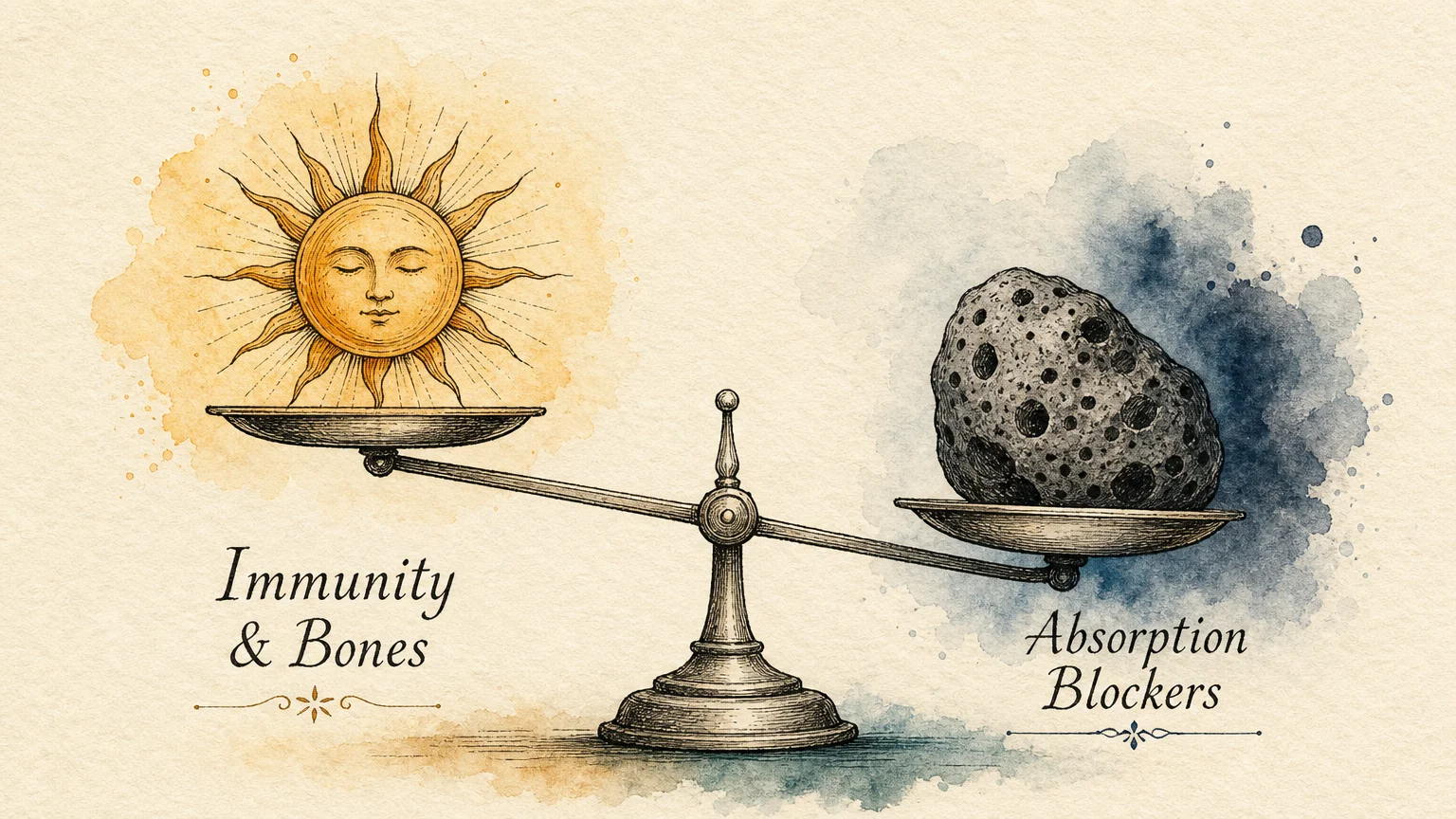
Because your body works less efficiently, the everyday habits you practice take on massive importance. A minor dietary mistake that a young adult easily compensates for can completely halt absorption in a senior. Below are the five everyday habits that regularly block vitamin D absorption in older adults.
Habit One: Adhering to Ultra-Low-Fat Diets
Decades of nutritional advice convinced many older adults that all dietary fat is dangerous. Consequently, you might instinctively reach for fat-free dairy products, avoid cooking oils, and strip the skin off your poultry. While managing saturated fat benefits cardiovascular health, eliminating healthy fats completely sabotages your vitamin D absorption.
As a fat-soluble nutrient, vitamin D absolutely requires the presence of dietary fat to trigger the release of bile from your gallbladder. If you swallow your morning supplement alongside a piece of dry toast and black coffee, the pill passes through your digestive tract largely unabsorbed. Your body simply flushes the expensive supplement down the drain.
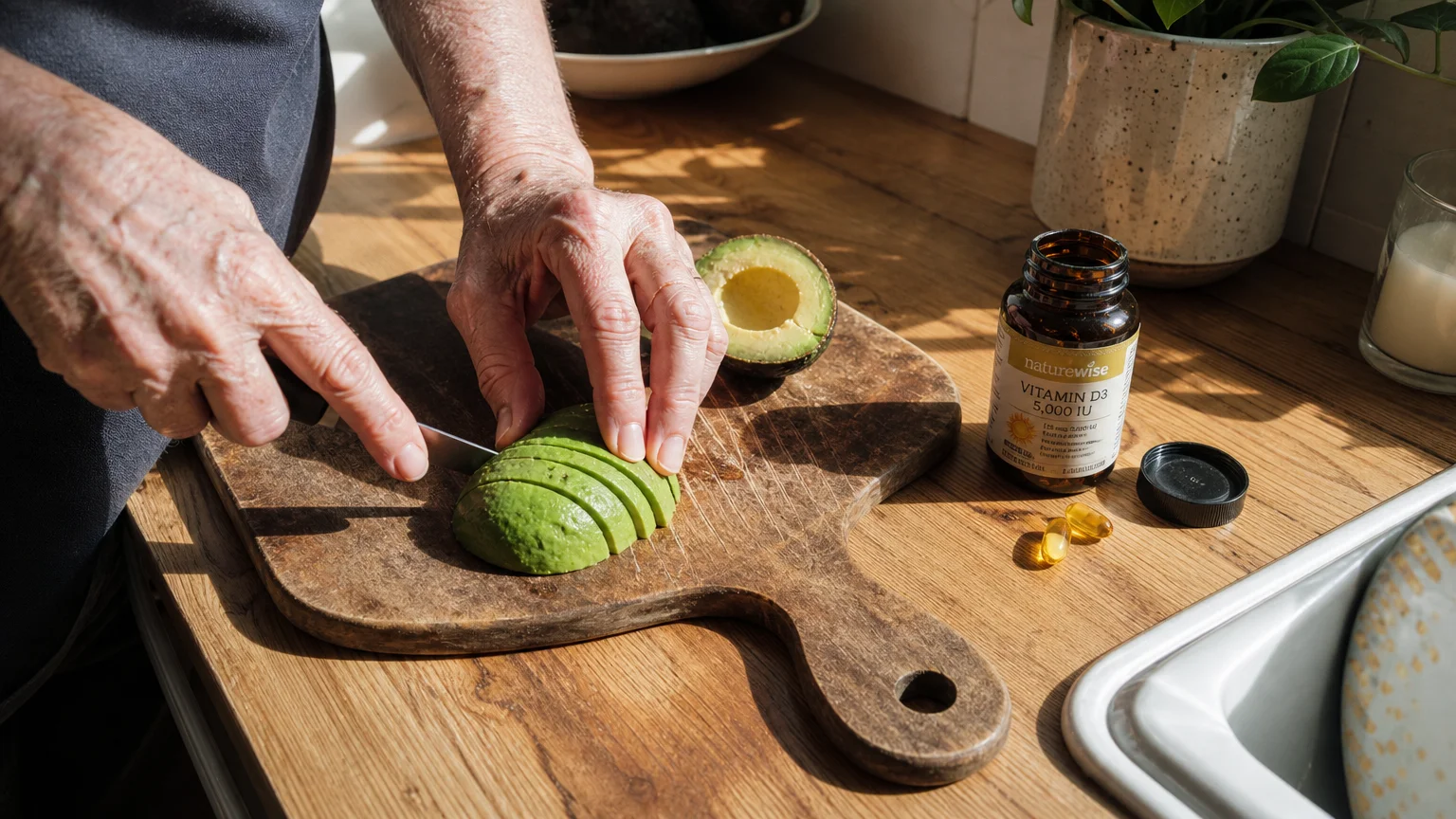
To correct this, you must introduce healthy, unsaturated fats into the meals you eat alongside your supplement. Taking your vitamin D with a slice of avocado, a handful of walnuts, or a meal cooked in extra virgin olive oil creates the perfect environment for bile production. The fat acts as a delivery vehicle, safely carrying the nutrient across your intestinal lining.
Habit Two: Overlooking Your Magnesium Intake
You cannot properly utilize vitamin D without adequate magnesium. Magnesium acts as a necessary cofactor in the metabolism of vitamin D. Specifically, the enzymes in your liver and kidneys that convert vitamin D into its active, usable form completely depend on magnesium to function.
Many older adults fall drastically short of their daily magnesium requirements. Modern agricultural practices have depleted the soil of minerals, meaning even a vegetable-rich diet might lack sufficient magnesium. When your magnesium levels drop, any vitamin D you absorb remains trapped in its inactive storage form. You can take thousands of units of vitamin D daily, but without magnesium, your blood levels will barely budge.
Addressing this habit requires prioritizing magnesium-rich foods in your daily routine. Spinach, pumpkin seeds, almonds, and black beans provide excellent sources of this critical mineral. If you struggle to get enough through your diet, discuss a high-quality magnesium glycinate supplement with your physician.
Habit Three: Relying Exclusively on Window Sunlight
Many seniors believe that sitting in a sunroom or relaxing next to a bright window provides the necessary sunlight for vitamin D synthesis. This represents a fundamental misunderstanding of how light physics interacts with human biology.
The sun emits two main types of ultraviolet rays that reach the earth: UVA and UVB. Only UVB rays trigger the chemical reaction in your skin that produces vitamin D. Unfortunately, standard window glass completely blocks UVB rays while allowing UVA rays to pass through. Sitting behind a sunlit window exposes you to the skin-aging effects of UVA radiation without generating a single drop of vitamin D.
To stimulate natural production, you must step outside. Even ten to fifteen minutes of direct sunlight on your arms and legs during the midday hours can significantly boost your levels. Of course, you must balance this with skin cancer risks. Never stay out long enough to burn, but recognize that glass acts as an impenetrable shield against natural vitamin D production.
Habit Four: Mismanaging Prescription Medication Timings
Older adults frequently take multiple prescription medications to manage various health conditions. Unfortunately, several common drug classes directly interfere with nutrient absorption. If you swallow all your pills together in a single handful each morning, you might be blocking your vitamin D.
Statins, prescribed to lower cholesterol, can occasionally interfere because cholesterol serves as the fundamental building block for vitamin D synthesis. Bile acid sequestrants, another type of cholesterol medication, intentionally bind to bile acids in the gut; because vitamin D requires bile for absorption, these drugs sweep the vitamin out of your digestive tract before it enters your bloodstream.
Over-the-counter antacids and prescription proton pump inhibitors alter the pH balance of your stomach. While this relieves heartburn, a less acidic stomach struggles to break down the capsules and food structures holding your vitamins. Corticosteroids directly impair the way your body processes vitamin D and drastically reduce calcium absorption. You must space your supplements far away from these interacting medications, ideally separated by several hours.
Habit Five: Ignoring Gut Health and Intestinal Inflammation
Your small intestine performs the heavy lifting when it comes to nutrient absorption. The lining of your intestine features tiny, finger-like projections called villi, which maximize the surface area available to pull vitamins into your bloodstream. If your gut lining becomes inflamed or damaged, those villi flatten out, and absorption rates plummet.
Chronic constipation, a sluggish digestive tract, or undiagnosed food sensitivities create a state of low-grade inflammation in your gut. A diet lacking in soluble fiber starves the beneficial bacteria residing in your microbiome. When bad bacteria overtake the good, the resulting dysbiosis inflames your intestinal wall.
Improving gut health directly improves nutrient uptake. Incorporating prebiotic fibers from asparagus, onions, and garlic feeds your healthy bacteria. Fermented foods like yogurt, kefir, and sauerkraut introduce beneficial probiotics. By healing your gut lining, you ensure that the vitamins you consume actually make it into your circulation.
Benefits and Potential Risks
Optimizing your absorption delivers profound, life-changing benefits. Adequate vitamin D ensures your body can absorb calcium from your diet. Without vitamin D, you absorb less than fifteen percent of the calcium you consume, forcing your body to steal calcium directly from your skeleton to keep your heart beating normally. Fixing your absorption protects your bone density, preventing the micro-fractures and structural weaknesses that lead to severe osteoporosis.
Beyond bone health, robust levels supercharge your immune system. Vitamin D helps specialized white blood cells—called macrophages—identify and destroy invading bacteria and viruses. Seniors with optimal levels experience fewer severe respiratory infections and report a notable decrease in general fatigue. Additionally, muscle tissue relies heavily on this hormone. Improving your levels directly enhances muscle strength, significantly reducing your risk of experiencing a catastrophic fall.
However, you must exercise caution. Because vitamin D is fat-soluble, your body cannot easily excrete the excess through urine. If you aggressively over-supplement, the vitamin builds up in your fat tissues, leading to a dangerous condition known as vitamin D toxicity.
Toxicity causes hypercalcemia, a state where too much calcium floods your bloodstream. Instead of strengthening your bones, this excess calcium calcifies your soft tissues. It stiffens your blood vessels, damages your heart valves, and forms painful kidney stones. Symptoms of toxicity include severe nausea, unexplained confusion, frequent urination, and profound weakness. You should never assume that more is always better. Precision and balance remain key to safe supplementation.

What the Experts Say
Leading global health authorities consistently emphasize the critical nature of addressing deficiencies in the aging population. The National Institutes of Health strictly recommends that adults over the age of seventy consume at least 800 International Units of vitamin D daily. However, many prominent endocrinologists argue that seniors suffering from severe malabsorption may temporarily require much higher doses under medical supervision to rebuild their depleted stores.
Experts at the Mayo Clinic echo these concerns, highlighting that routine blood testing represents the only accurate method for diagnosing a deficiency. They stress that relying purely on physical symptoms is dangerous, as the early signs of bone density loss remain invisible until a fracture occurs. They also heavily promote the integration of dietary modifications over relying exclusively on pills, urging older adults to consume fortified milk, fatty fish, and egg yolks.
Data provided by the Centers for Disease Control and Prevention reveals that a staggering percentage of the older population lives with suboptimal levels. The statistics suggest that the combination of indoor lifestyles, changing skin biology, and poor dietary fat intake creates a perfect storm for deficiency. The consensus among these medical bodies remains clear: treating a deficiency requires a holistic approach that fixes the underlying absorption roadblocks rather than simply swallowing larger pills.
Practical Steps and Actionable Advice
Request a comprehensive blood test. Do not guess your levels. Ask your primary care physician to order a 25-hydroxy vitamin D blood test. This specific screening measures the calcidiol circulating in your blood, providing an accurate snapshot of your body’s reserves. Use this number as a baseline before making drastic changes.
Relocate your supplement to your largest meal. Stop taking your vitamin with your light morning coffee. Move your supplement to lunch or dinner—whichever meal typically contains the highest amount of dietary fat. This simple timing shift dramatically increases the amount of the nutrient that actually crosses your intestinal wall.
Audit your medication schedule. Bring a complete list of your prescriptions and over-the-counter medications to your pharmacist. Ask them specifically if any of your drugs interact with fat-soluble vitamins or alter your stomach acid. They can help you design a staggering schedule that separates your supplements from conflicting medications by at least two to four hours.
Introduce safe, direct sun exposure. If your dermatologist allows it, aim for ten to fifteen minutes of midday sun exposure on your unprotected arms or legs two to three times a week. Do this before applying sunscreen, as SPF 30 reduces vitamin D synthesis by over ninety-five percent. After your brief exposure window, apply your broad-spectrum sunscreen to protect against skin damage.
Pair vitamin D with vitamin K2. When you successfully increase your absorption, more calcium enters your bloodstream. Vitamin K2 acts as a traffic director, ensuring that the newly absorbed calcium deposits safely into your bones rather than calcifying in your arteries. Discuss adding a K2 supplement or eating K2-rich foods like hard cheeses and fermented soy with your doctor.
Frequently Asked Questions
How long does it take to correct a severe vitamin D deficiency?
Rebuilding depleted cellular stores takes time. Even with proper absorption and high-quality supplementation, you should expect it to take roughly three to four months of consistent effort to see a significant improvement on a blood test. Vitamin D accumulates slowly in your fat tissues, so patience and daily consistency matter far more than taking massive, infrequent megadoses.
Can I get enough vitamin D from food alone without taking supplements?
For most seniors, relying entirely on food proves incredibly difficult. Very few foods naturally contain therapeutic amounts of the nutrient. Wild-caught salmon, mackerel, and cod liver oil stand out as the best natural sources, but you would need to consume them daily in large quantities to hit your targets. Fortified milk and cereals provide modest amounts, but supplements usually remain necessary to guarantee adequate daily intake for older adults.
Does drinking coffee directly destroy vitamin D?
Coffee itself does not destroy the vitamin, but caffeine acts as a mild diuretic and can increase the rate at which food moves through your digestive tract. If you take your supplement with coffee on an empty stomach, the rapid transit time combined with the lack of dietary fat severely blunts absorption. Enjoy your morning coffee, but save your supplement for a balanced, fat-containing meal later in the day.
What are the hidden physical signs of a severe deficiency?
While often silent in its early stages, a prolonged deficiency presents several subtle physical red flags. You might experience a deep, aching pain in your lower back or pelvis. Muscle weakness, particularly in your thighs and shoulders, makes standing up from a low chair unexpectedly difficult. Unexplained fatigue, a noticeable dip in your mood during winter months, and cuts or bruises that take an unusually long time to heal also serve as common warning signs.
Should I take my supplement in the morning or at night?
The time of day matters less than the contents of your stomach. However, some evidence suggests that taking vitamin D late in the evening might interfere with your natural melatonin production, potentially disrupting your sleep cycle. Therefore, taking your dose alongside a hearty lunch or early dinner offers the best combination of optimal fat absorption and uninterrupted sleep.
Moving Forward with Confidence
Taking control of your nutritional health requires more than just buying a bottle of vitamins off a pharmacy shelf. It demands a mindful approach to how your body actually processes what you consume. By recognizing the powerful impact of healthy fats, prioritizing your magnesium intake, stepping outside the constraints of window glass, managing your medication timings, and healing your gut, you transform your body into an efficient nutrient-absorbing system.
Aging does not have to mean accepting frail bones, chronic fatigue, or weakened immunity. Small, strategic adjustments to your daily routines compound over time, yielding massive improvements in your overall vitality. Armed with this knowledge, you can confidently collaborate with your healthcare team, optimize your daily habits, and secure the strong, resilient foundation your body deserves for the years ahead.
This article is intended for informational and educational purposes only and is not a substitute for professional medical advice, diagnosis, or treatment. Always consult with a qualified healthcare provider regarding any health concerns or before making any decisions related to your health or treatment.