Recognizing the subtle warning signs of fluid loss can protect your kidneys, preserve your cognitive function, and prevent dangerous falls as you age. Your body relies on a delicate balance of water and electrolytes to regulate temperature, lubricate joints, and flush out waste products, but aging diminishes your natural thirst mechanism and changes how your kidneys process fluids. Because these physiological shifts make you more vulnerable to severe fluid deficits, you need to understand exactly how your body signals its need for water. Identifying these critical indicators early allows you to intervene before a minor deficit escalates into a medical emergency requiring hospitalization.
Understanding the Basics
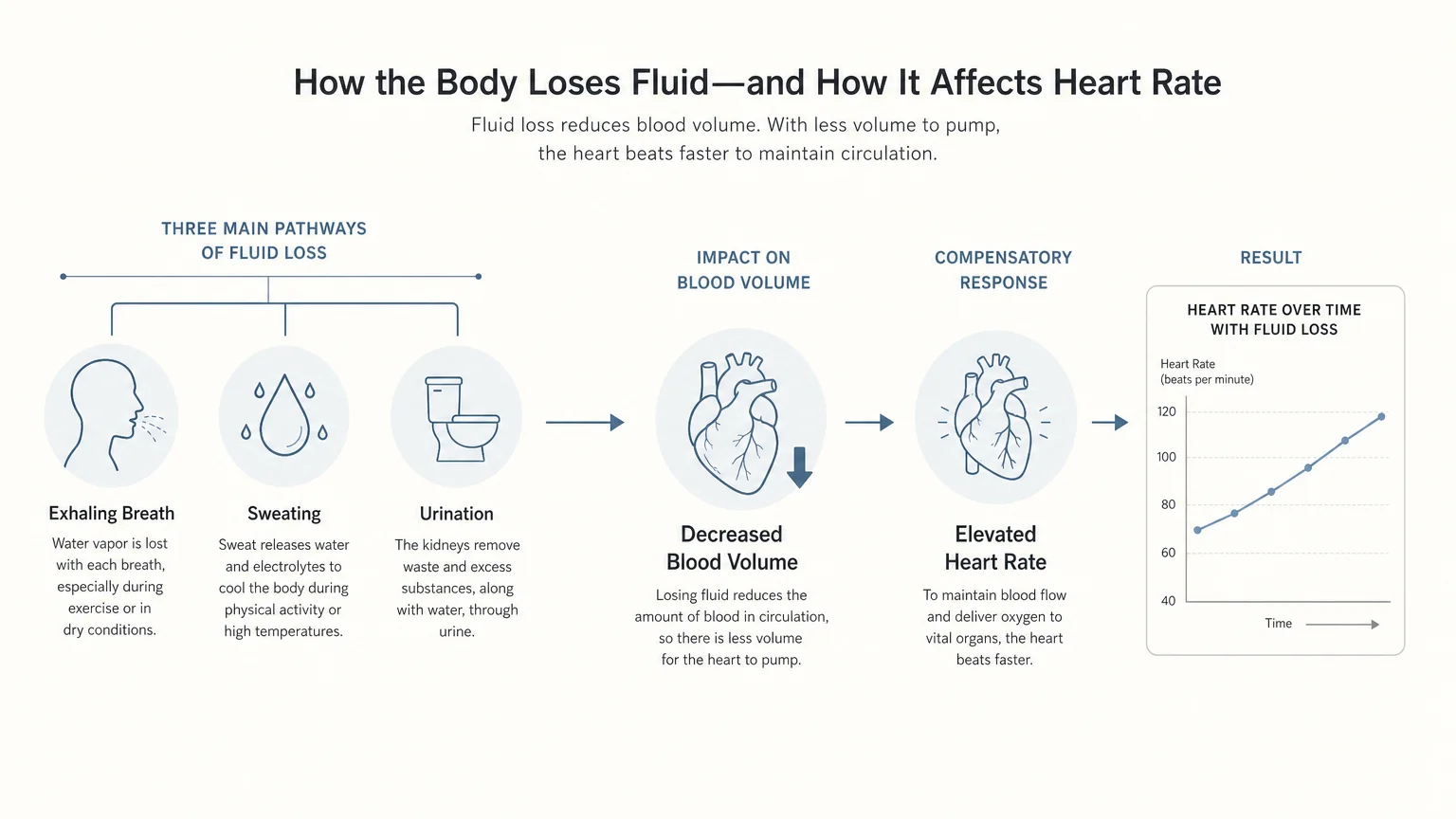
Dehydration occurs when the volume of water leaving your body continuously exceeds the amount of fluid you take in, creating a severe internal deficit that disrupts your normal physiological functions. Your body constantly loses water throughout the entire day via urination, sweating, and even the simple, unavoidable act of exhaling breath. To maintain optimal health and preserve your vital systems, you must replace this lost fluid consistently. Water serves as the foundational transportation network within your body; it actively carries vital nutrients and oxygen to your cellular tissues, flushes toxic metabolic waste products from your bloodstream, and provides the necessary liquid medium for thousands of complex chemical reactions.
When a significant fluid deficit occurs, your overall blood volume actually decreases, forcing your cardiovascular system to work significantly harder just to maintain basic circulation. This increased cardiac strain elevates your heart rate and forces your blood vessels to constrict, attempting to maintain your blood pressure despite the lack of fluid. Maintaining an adequate fluid balance ensures that your joints remain properly lubricated, your digestive tract functions smoothly to prevent bowel blockages, and your internal body temperature remains remarkably stable despite extreme fluctuations in your external environment. Failing to replace lost fluids quickly turns a mild, easily correctable imbalance into a cascading failure of these essential, life-sustaining bodily systems.
Key Considerations for Seniors
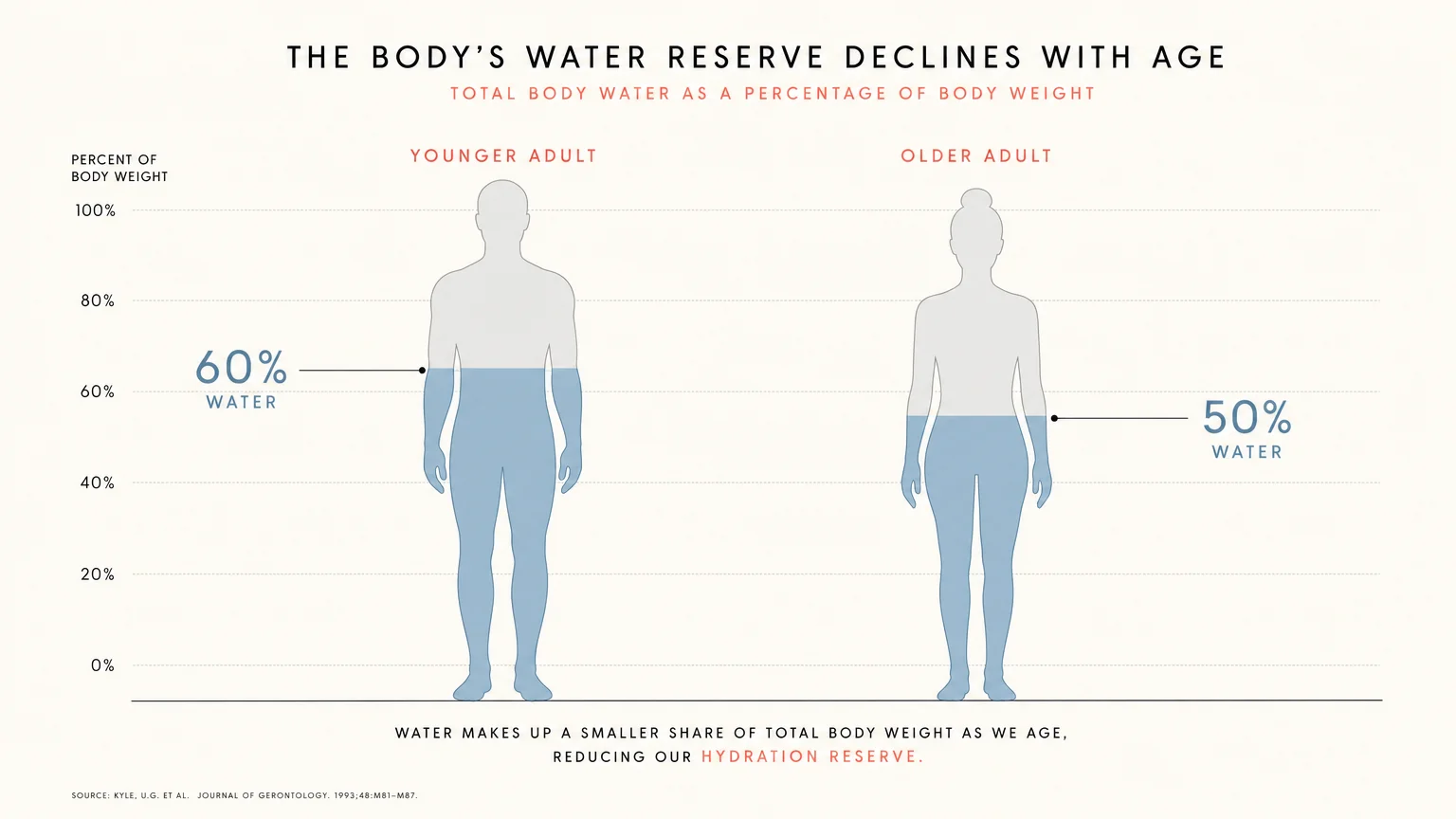
Aging introduces a unique and challenging set of biological variables that dramatically increase your vulnerability to dangerous fluid imbalances. As you grow older, your natural body composition shifts fundamentally; you tend to steadily lose lean muscle mass while gaining fat tissue. Because muscle holds significantly more water than fat, this structural shift means your total body water storage capacity simply drops. A younger adult might carry roughly sixty percent water by body weight, whereas your body might only retain about fifty percent at a healthy baseline. Consequently, you have a much smaller hydration reserve to draw upon when sudden fluid losses occur from illness or heat exposure.
Additionally, the specific neurological center in your brain responsible for triggering the conscious sensation of thirst—the hypothalamus—becomes progressively less responsive over time. You might genuinely not feel thirsty even when your internal organs desperately require water to function. Essential daily medications further complicate this delicate balancing act. Many older adults take daily prescriptions, such as powerful diuretics for hypertension or heart conditions, which purposefully force the kidneys to rapidly expel excess water and sodium from the bloodstream. Furthermore, mobility challenges or deep-seated concerns about urinary incontinence often prompt individuals to deliberately restrict their fluid intake to avoid frequent trips to the bathroom, inadvertently putting themselves at an incredibly high risk for a severe, life-threatening fluid deficit.
Recognizing the Warning Signs: 8 Symptoms That Could Be Linked to Dehydration
Persistent Dry Mouth and Swollen Tongue
When your body lacks sufficient fluid, it immediately begins rationing the limited available water to prioritize critical internal organs like your heart and brain. This automatic conservation process severely limits the moisture available for less vital, secondary functions, including saliva production in your salivary glands. You might abruptly notice a sticky, thick feeling in your mouth, intense difficulty swallowing dry foods like crackers or bread, or a noticeable, unpleasant change in how your food tastes. A persistently dry mouth not only causes immediate physical discomfort but also actively accelerates tooth decay and increases your risk of developing painful oral infections, as saliva plays a crucial physiological role in neutralizing harmful mouth bacteria. Furthermore, you may experience a slightly swollen, deeply grooved, or exceptionally dry tongue, which serves as a highly visible, physical indicator that your body needs immediate and substantial hydration.
Dark-Colored Urine and Reduced Output
Monitoring your daily bathroom habits provides one of the most reliable, immediate indicators of your current hydration status. When you drink plenty of fluids, your kidneys easily flush out metabolic waste, resulting in urine that appears pale yellow or nearly clear. However, when your body lacks adequate water, your kidneys immediately adapt by aggressively reabsorbing fluid to protect your dropping blood volume. This necessary, protective conservation process heavily concentrates the waste products—specifically a natural pigment called urochrome—causing your urine to turn a dark amber, apple juice, or even a brownish color. Furthermore, you will likely notice a significant reduction in how frequently you need to urinate, and the actual volume of urine produced will diminish noticeably. If you go several hours without needing to use the restroom at all, or if your urine carries an unusually strong, concentrated odor, your body is urgently signaling that you need to replenish your fluids immediately to protect your renal function.
Unexplained Fatigue and Lethargy
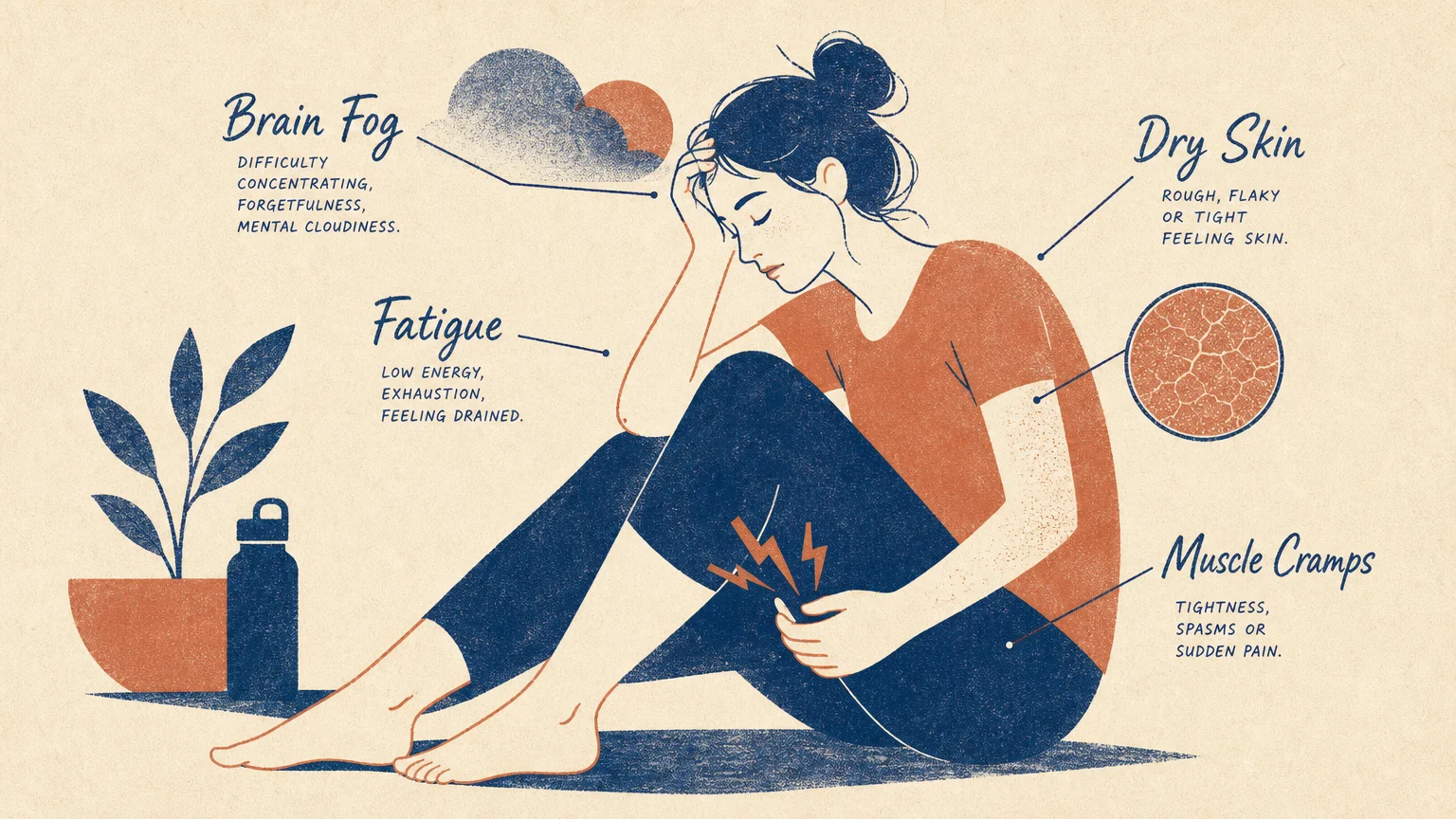
Profound physical exhaustion often serves as a primary, yet frequently misinterpreted, warning sign of a dangerous fluid deficit. When your internal water levels drop, the total volume of your circulating blood decreases accordingly. This reduction in blood volume essentially thickens your blood, forcing your heart muscle to exert significantly more effort to pump it successfully through your vast circulatory system. Consequently, oxygen and vital nutrients travel much more slowly to your muscles, tissues, and major organs. This systemic, microscopic slowdown leaves you feeling unexpectedly drained, heavy, and totally devoid of your usual physical energy. You might find that completing standard daily tasks, such as walking out to the mailbox or preparing a simple meal, suddenly feels overwhelmingly strenuous. Unlike normal tiredness that resolves quickly after a good night of restful sleep, hydration-related fatigue persists heavily and relentlessly throughout the day. If you experience a sudden, uncharacteristic drop in your energy levels, drinking a large glass of water should always be your first line of defense.
Sudden Cognitive Changes and Brain Fog
Your brain contains a remarkably high percentage of water, making it exquisitely and painfully sensitive to even minor fluctuations in your overall fluid balance. When your body loses water, your brain cells literally begin to shrink and lose their structural volume, immediately impairing optimal neurological function and signal transmission. You may suddenly struggle to concentrate on basic conversations, experience intense difficulty recalling simple, everyday words, or feel an overwhelming sense of mental cloudiness often described clinically as brain fog. In older adults, these acute cognitive shifts appear particularly alarming because they closely mimic the early, terrifying signs of dementia or Alzheimer’s disease. A severe fluid deficit can rapidly escalate into profound confusion, acute delirium, or extreme emotional irritability. Healthcare professionals frequently encounter older patients admitted to emergency rooms for sudden memory loss or acute confusion, only to run tests and discover that the underlying culprit is a massive lack of water.
Dizziness and Balance Issues
Feeling severely lightheaded or dizzy when you stand up quickly represents a critical warning sign that your fluid levels have dropped dangerously low. This physiological phenomenon, known medically as orthostatic hypotension, occurs explicitly because dehydration significantly reduces your overall blood volume. When you transition from a seated or lying position to a standing one, your body must quickly and powerfully adjust your blood pressure to fight gravity and pump heavy blood upward to your brain. Without adequate fluid volume circulating in your veins, your cardiovascular system simply cannot make this rapid adjustment, causing a momentary, sharp drop in blood pressure. You will likely experience a spinning sensation, suddenly blurred vision, or a terrifying feeling that you might faint. For older adults, this specific symptom poses an enormous threat to daily physical safety. Acute dizziness dramatically increases your risk of suffering a catastrophic fall, which can easily lead to fractured hips, traumatic head injuries, and a permanent loss of independent living.
Muscle Cramping and Physical Weakness
Your skeletal muscles rely heavily on an optimal, precise balance of water and essential electrolytes—specifically sodium, potassium, calcium, and magnesium—to contract and relax smoothly during movement. When you rapidly lose fluids through heavy sweating, excessive urination, or gastrointestinal illness, you simultaneously flush these critical, microscopic minerals out of your system. This severe chemical imbalance aggressively disrupts the electrical signals traveling rapidly between your nervous system and your muscle fibers. As a result, you might experience sudden, agonizing muscle cramps, most commonly striking the calves, feet, or thighs during the late afternoon or the middle of the night. Beyond acute, painful cramping, a chronic lack of fluid leaves your muscles feeling generally weak, shaky, and highly uncoordinated. You may notice that carrying groceries or climbing a short flight of stairs feels unusually taxing and unsteady. Addressing this symptom requires more than simply stretching the affected muscle; you must actively replenish the missing water to stabilize your internal environment.
Decreased Skin Elasticity
Your skin serves as a highly visible, external barometer for your internal fluid levels. Healthy, well-hydrated skin naturally retains a firm elasticity, allowing it to bounce back immediately when gently pinched or pulled. However, when your body actively redirects available water away from your skin to supply critical internal organs during a fluid shortage, your skin loses this foundational resilience—a diagnostic medical condition referred to as poor skin turgor. You can easily test this yourself by gently pinching the skin on the back of your hand or just below your collarbone and pulling it slightly upward. If the pinched skin remains elevated like a small tent or takes several long seconds to slowly flatten back out, you are likely experiencing a significant fluid deficit. In addition to this noticeable loss of elasticity, chronically dehydrated skin often feels rough to the touch, appears unusually dull, and develops dry, highly irritable, flaky patches.
Frequent Headaches and Visual Disturbances
A persistent, throbbing headache frequently functions as an early and painful alarm bell signaling a severe lack of water. Medical experts believe this phenomenon occurs because a rapid loss of fluid causes the blood vessels in your brain to temporarily narrow, actively restricting vital blood flow and oxygen delivery to your sensitive neurological tissues. Furthermore, severe fluid deficits can cause the fluid-filled, protective membranes surrounding your brain to slightly contract, actively pulling away from the inside of your skull and triggering intense pain receptors. These dehydration-induced headaches often worsen dramatically with physical movement, such as bending over to tie your shoes, coughing, or walking quickly across a room. Alongside the intense head pain, you might also experience highly disruptive visual disturbances, including exceptionally dry, irritated eyes or an inability to focus on reading materials comfortably. Your eyes require constant, abundant moisture to produce lubricating tears and maintain sharp visual focus.
Benefits and Potential Risks
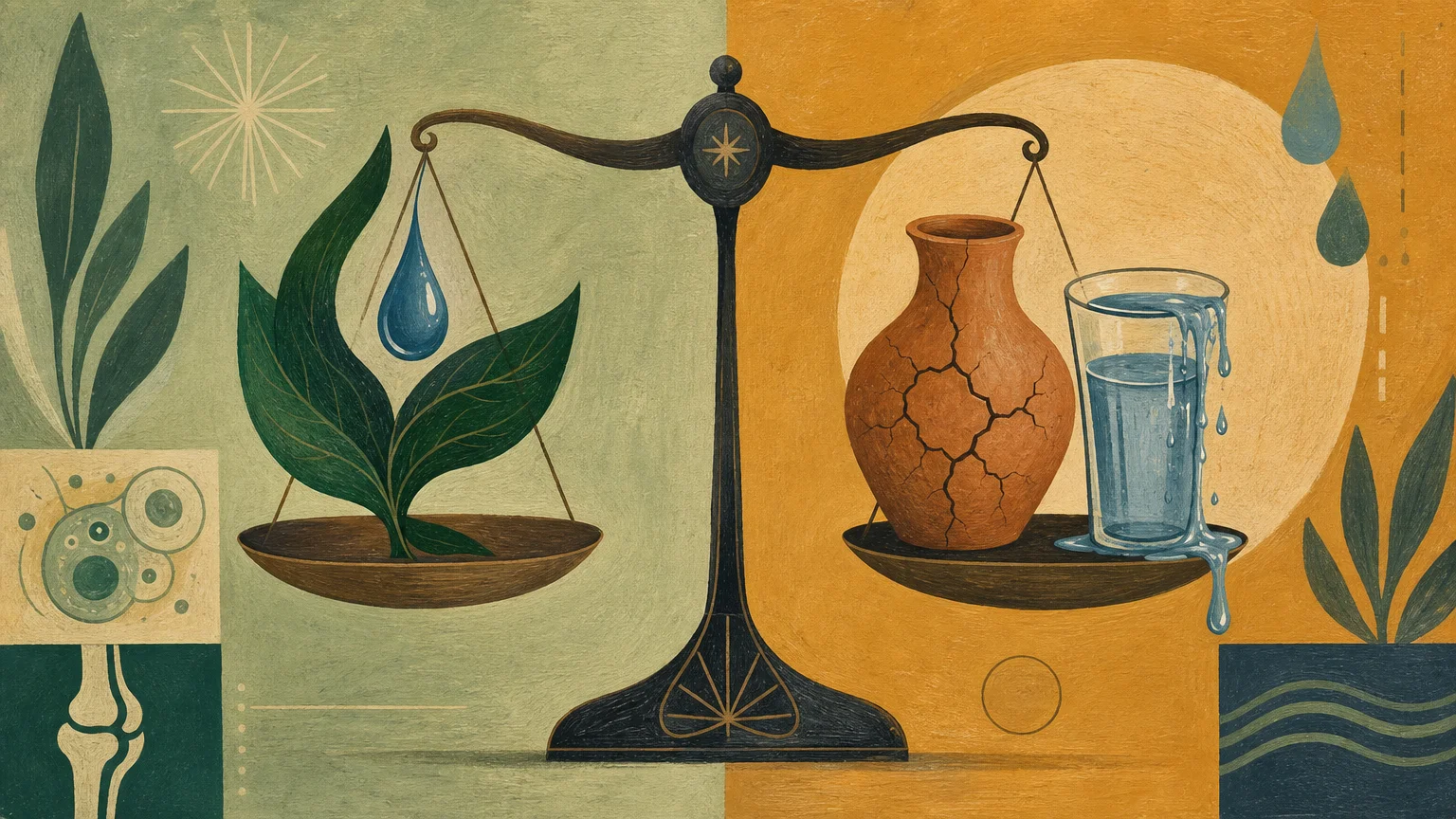
A well-hydrated body consistently operates with remarkable internal efficiency. Maintaining consistent daily hydration delivers incredibly powerful health benefits, including significantly improved digestive health, the complete prevention of painful constipation, and robust kidney function that effectively filters out dangerous bodily toxins. You will likely experience much better joint mobility, reduced arthritis pain, and a noticeably sharper mental focus when your internal fluid levels remain highly stable throughout the day. Your immune system also relies heavily on adequate hydration to produce lymph fluid, which circulates infection-fighting white blood cells throughout your entire body.
However, fluid management also carries potential health risks if grossly misunderstood or aggressively mismanaged. While somewhat rare in older adults, attempting to fix a severe fluid deficit by drinking massive, unnatural quantities of plain water in a very short period can quickly lead to dangerous water intoxication, clinically diagnosed as hyponatremia. This life-threatening condition rapidly dilutes the essential sodium levels in your blood to a critical low, causing your cellular tissues, including your brain cells, to swell rapidly. Symptoms of severe hyponatremia dangerously mimic dehydration and can include acute nausea, pounding headaches, and profound confusion. Therefore, you must deliberately focus on maintaining a steady, moderate fluid intake throughout your entire waking day rather than anxiously guzzling excessive volumes of water all at once.

What the Experts Say
Leading public health organizations consistently and strongly emphasize that relying solely on your physical sense of thirst is a dangerously inadequate strategy for maintaining proper fluid levels as you age. The World Health Organization firmly notes that adequate daily water consumption forms the absolute foundation of metabolic health and proactive chronic disease prevention. Meanwhile, dedicated researchers at the National Institutes of Health highlight that even highly mild fluid deficits can profoundly and measurably impair an older adult’s cognitive performance, short-term memory, and physical coordination.
Medical professionals generally advise firmly against adopting a rigid, one-size-fits-all mathematical approach to your daily fluid intake. The Mayo Clinic explicitly suggests that your ideal daily water requirement depends heavily upon your exact body size, your daily physical activity level, the local climate humidity, and your specific, individual medical history. While the traditional, highly popularized advice of drinking eight glasses of water a day serves as a moderately helpful baseline, top experts now passionately advocate for a highly individualized approach. If you currently suffer from severe congestive heart failure or advanced kidney disease, your physician might actually instruct you to strictly limit your fluid intake to prevent dangerous fluid retention around your heart. The Centers for Disease Control and Prevention strongly recommends that older adults proactively consume water before engaging in any outdoor activities, especially during the sweltering summer months. Always collaborate directly with your primary healthcare provider to establish a safe daily fluid target.
Practical Steps and Actionable Advice
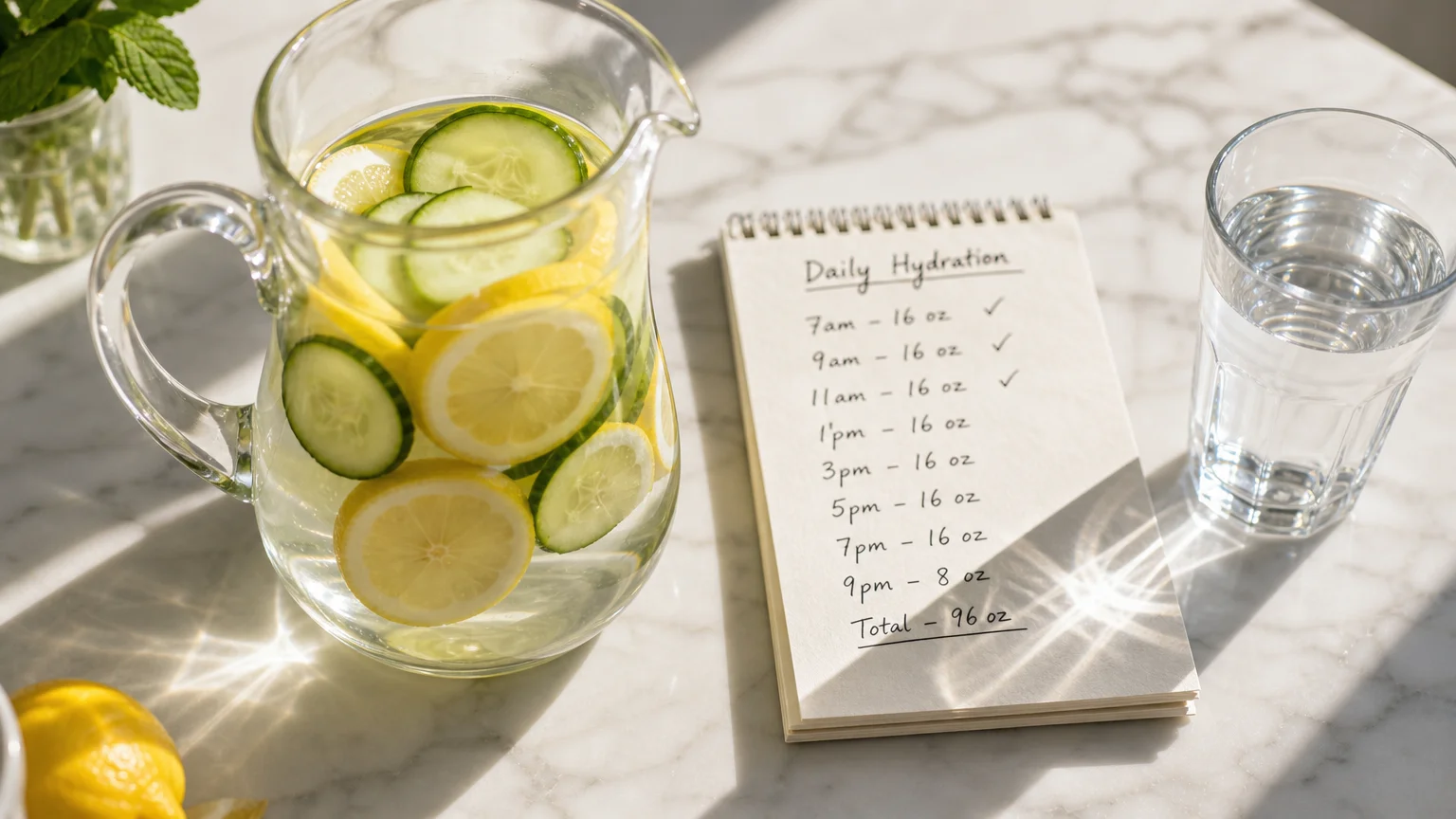
Establishing a highly dependable daily hydration routine requires deliberate, thoughtful planning and a few minor environmental adjustments within your home. Start by keeping a brightly colored, reusable water bottle visibly positioned right on your kitchen counter or next to your favorite living room chair; this simple placement serves as a constant, unavoidable visual cue to take small, frequent sips throughout your entire day. If you find plain, unflavored water deeply unappealing or boring, actively infuse your daily pitcher with natural, sugar-free flavors by adding thick slices of fresh lemon, slightly crushed mint leaves, or crisp cucumber rings to dramatically improve the taste profile.
You should also strategically and aggressively incorporate naturally water-rich foods directly into your daily meals to boost your fluid intake without drinking more liquids. Warm broths, chilled watermelon, crisp celery, and fresh tomatoes contain highly substantial amounts of pure water that contribute significantly to your overall daily hydration goals. To successfully counter a naturally blunted thirst mechanism, firmly tie your drinking habits to established, unbreakable daily routines. Commit firmly to drinking a small, four-ounce glass of water immediately after brushing your teeth in the morning, right alongside every single meal, or exactly whenever you take your daily scheduled medications. If nighttime mobility issues or valid incontinence fears make you highly hesitant to drink in the evening, deliberately consume the vast majority of your targeted daily fluids before mid-afternoon.
FAQ
Does coffee or tea count toward my daily water intake?
Yes, moderate daily consumption of traditionally caffeinated beverages certainly contributes to your overall daily fluid goals. While extremely high doses of concentrated caffeine can act as a mild diuretic and promote slight fluid loss, the actual volume of water contained within a standard, eight-ounce cup of coffee or brewed tea easily and completely offsets this highly minor diuretic effect. You can comfortably and safely enjoy your morning coffee ritual, but you absolutely should not rely on strongly caffeinated drinks as your primary or exclusive source of hydration.
How much water should an older adult truly drink each day?
No single mathematical formula perfectly dictates exactly how much water every older adult requires for optimal health. General medical guidelines often vaguely suggest aiming for roughly sixty to eighty ounces of fluid daily, but your specific biological requirements depend heavily on your exact body weight, your daily prescription medications, and your baseline activity levels. Routinely monitor the color of your urine as a highly practical, visual daily guide; a pale yellow or clear color strongly indicates adequate hydration. You must deeply discuss your exact fluid targets with your primary care physician.
Are specialized sports drinks medically necessary for seniors?
For routine, everyday daily hydration, you absolutely do not need expensive commercial sports drinks. These highly marketed beverages frequently contain wildly excessive amounts of added refined sugars and artificial coloring agents that offer absolutely zero nutritional benefit for the average, moderately active older adult. However, if you recently experienced a severe, prolonged bout of vomiting, intense diarrhea, or incredibly heavy sweating from unusual outdoor exertion in severe heat, a medically formulated electrolyte replacement solution can actively help rapidly restore your essential minerals like potassium and sodium.
How quickly can fluid loss become a serious medical emergency?
Internal fluid levels can drop to critically dangerous levels in a surprisingly short amount of time, especially during sudden summer heatwaves or if you rapidly contract a violent gastrointestinal illness. For an older adult living with a naturally reduced physiological reserve, what barely begins as mild morning fatigue can rapidly and aggressively escalate to severe mental confusion or a highly dangerous drop in resting blood pressure by the late afternoon. You must aggressively treat sudden, exceptionally heavy fluid loss as a highly time-sensitive medical situation that requires immediate replenishment.
Can common daily medications directly cause my body to lose excess water?
Absolutely. Many extremely common daily prescriptions powerfully and directly influence exactly how your body manages both water and critical electrolytes. Diuretics, frequently and aggressively prescribed to safely manage dangerous high blood pressure or congestive heart failure, intentionally force your hardworking kidneys to excrete extra fluid. Some highly modern diabetes medications also actively increase daily fluid output by forcefully flushing excess blood glucose out through your urine. Never abruptly stop taking your critically prescribed medications, but work incredibly closely with your doctor to safely balance your increased fluid output.
Conclusion
Maintaining pristine, proper hydration stands firmly as one of the absolute most vital, yet most frequently overlooked, foundational pillars of healthy, vibrant aging. By actively paying close, daily attention to your body and accurately recognizing the highly subtle physical symptoms of early fluid loss—ranging from relentless, persistent fatigue and terrifying cognitive brain fog to agonizing muscle cramping and severely dark urine—you can take highly immediate, highly effective corrective action. The normal biological process of aging undeniably alters your natural, internal thirst signals and drastically reduces your body’s safe water reserves, making highly proactive, intentional fluid management an absolute daily necessity rather than a casual, occasional afterthought.
Do not simply wait for a feeling of intense, parched thirst to finally prompt you to drink a glass of water. Instead, actively build a highly sustainable, unbreakable daily habit of consistently consuming fresh water and incredibly fluid-rich foods to fiercely protect your physical vitality and cognitive sharpness. You definitively hold the remarkable power to actively safeguard your daily kidney health, naturally enhance your physical energy levels, and completely prevent completely unnecessary medical complications simply by ensuring your aging body remains properly fueled with life-sustaining water every single day.
This article is intended for informational and educational purposes only and is not a substitute for professional medical advice, diagnosis, or treatment. Always consult with a qualified healthcare provider regarding any health concerns or before making any decisions related to your health or treatment.