Your morning meal dictates your daily energy, cognitive function, and blood sugar stability. A nutrient-dense breakfast preserves muscle mass and protects metabolic health, yet many older adults unintentionally sabotage their mornings with outdated dietary choices. You might consider a quick slice of toast or a bowl of cornflakes harmless; however, these choices lack the vital nutrients your aging body demands. Poor morning nutrition accelerates muscle loss, creates sharp glucose spikes, and leaves you fatigued by noon. By identifying and replacing these hidden dietary mistakes, you can immediately improve your physical vitality. We will explore the destructive breakfast routines you need to abandon right now and demonstrate how to build a morning protocol that genuinely supports your longevity.

Understanding the Basics: The Biology of Morning Nutrition
Age brings profound and unavoidable changes to your metabolic rate, digestive efficiency, and muscle retention capabilities. When you cross the threshold of sixty, your body experiences a physiological phenomenon known as anabolic resistance. This means your muscular system demands significantly higher quantities of high-quality protein simply to trigger the synthesis of new muscle tissue. Simultaneously, your cellular response to insulin naturally weakens. If you feed your body a large influx of simple carbohydrates first thing in the morning, your pancreas violently struggles to produce enough insulin to clear the resulting glucose from your bloodstream.
Over time, these daily, exaggerated blood sugar spikes damage your fragile blood vessels, increase systemic inflammation, and dangerously elevate your risk of developing type 2 diabetes. Furthermore, your morning meal sets the crucial circadian rhythm for your entire digestive system. A deeply nutrient-dense breakfast signals your liver, gallbladder, and intestines to begin their necessary daily functions, promoting healthy regularity and optimal nutrient absorption. Ignoring these vital physiological shifts and eating the exact same breakfast you comfortably enjoyed in your thirties sets the stage for gradual, compounding health deterioration. You must actively recognize that food is not merely empty calories; it represents the fundamental biological information that dictates exactly how your body ages.
Key Considerations for Seniors: The 9 Destructive Breakfast Habits
Habit 1: Skipping Essential Morning Protein
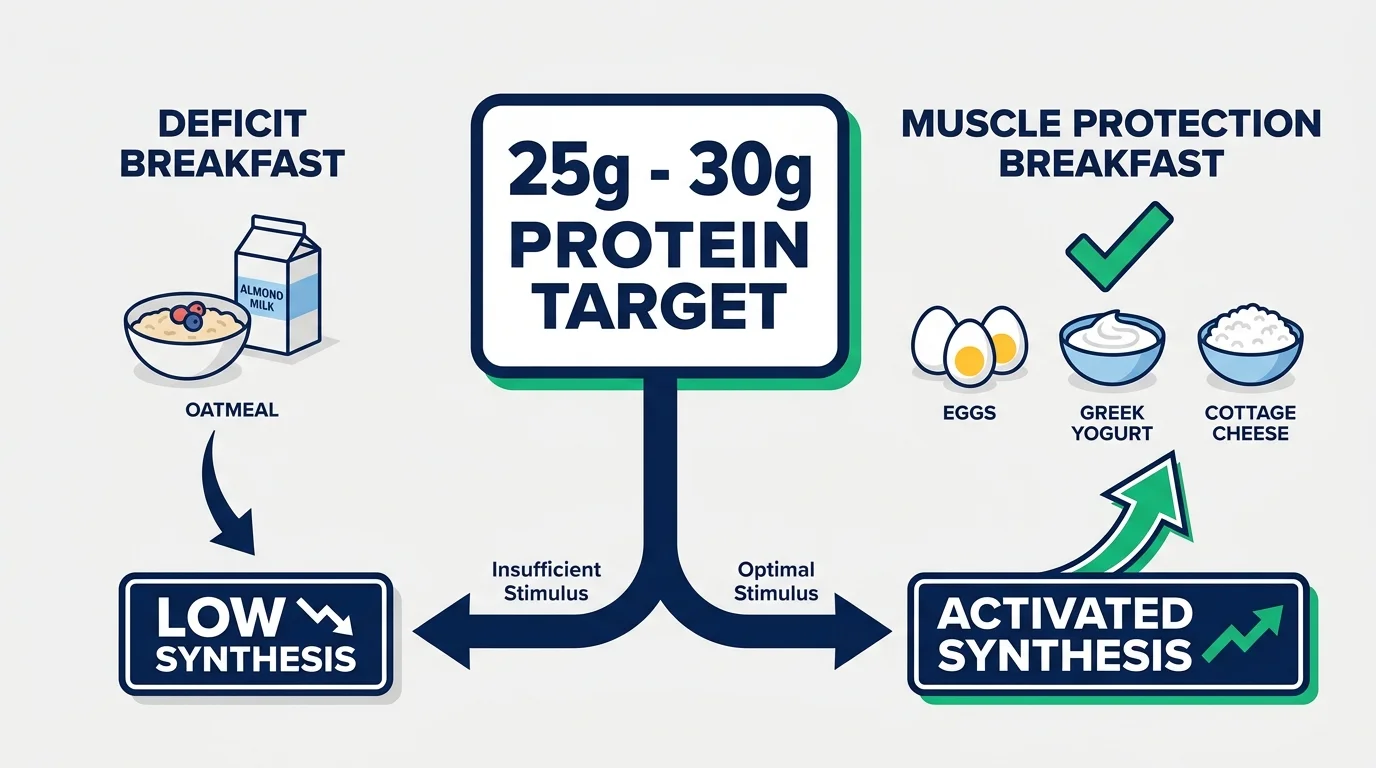
As you age, your muscles undergo the aforementioned shift of anabolic resistance; this means your body becomes noticeably less efficient at converting dietary protein into functional muscle tissue. Eating a standard bowl of oatmeal with a splash of almond milk leaves you drastically short of the necessary amino acids required for basic bodily maintenance. You need approximately twenty-five to thirty grams of high-quality protein at breakfast just to stimulate muscle protein synthesis and combat the natural aging process known as sarcopenia. Without this crucial macronutrient, your body actively breaks down your existing lean muscle tissue to fuel your morning activities and maintain stable blood amino acid levels. You must incorporate protein-dense foods like Greek yogurt, cottage cheese, eggs, or a high-quality whey isolate into your morning routine to vigorously protect your physical strength. Prioritizing protein not only halts dangerous muscle breakdown but also significantly increases your morning satiety, which actively prevents mid-morning cravings and stabilizes your daily energy levels.
Habit 2: Relying on Refined Carbohydrates
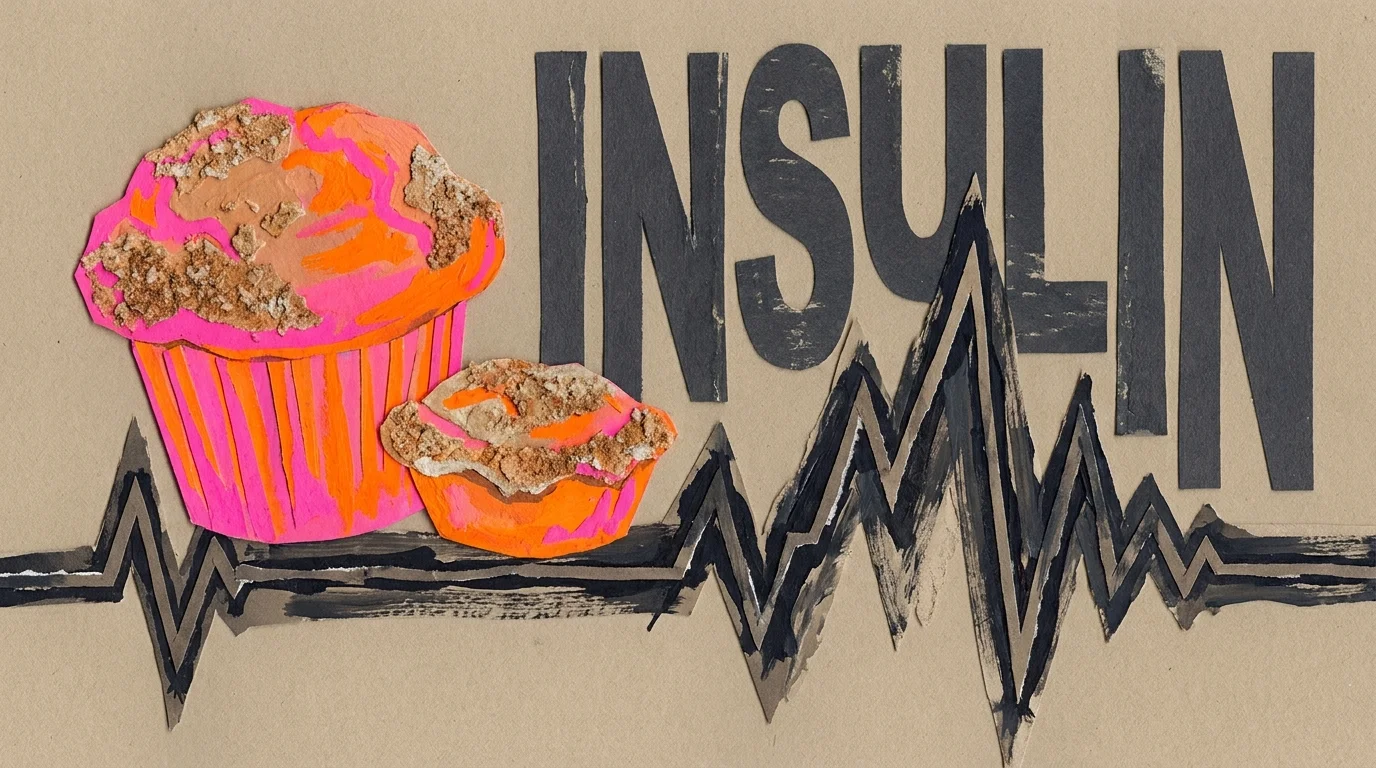
Many older adults reach for convenient breakfast pastries, sugary muffins, or supposedly healthy commercial granolas out of sheer, unexamined habit. These heavily refined carbohydrates flood your bloodstream with simple glucose, forcing your aging pancreas to work incredibly overtime to produce insulin. Because aging naturally decreases your cellular insulin sensitivity, these sudden sugar spikes cause profound metabolic stress and long-term damage to your arterial walls. Once the artificial sugar rush fades, you inevitably experience a rapid energy crash that triggers profound fatigue, cognitive brain fog, and subsequent desperate cravings for more sugar. You can easily and quickly stabilize your morning blood sugar by consciously swapping refined grains for complex, whole-food carbohydrates like steel-cut oats, quinoa, or roasted sweet potatoes. These unrefined, fiber-rich options provide a steady, slow-burning energy source that excellently fuels your brain without exhausting your delicate metabolic reserves.

Habit 3: Drinking Fruit Juice Instead of Eating Whole Fruit
A large glass of orange or apple juice might initially seem like a traditional, wonderfully healthy breakfast staple. Unfortunately, the commercial juicing process completely strips away the highly beneficial dietary fiber found naturally in whole fruits, leaving behind a highly concentrated source of liquid fructose. When you consume liquid sugar without the accompanying fiber matrix to slow your digestion, the fructose swiftly bypasses normal gastric delays and violently spikes your blood sugar almost instantly. You receive a massive load of empty calories and sugar but absolutely none of the physical satiety that whole foods naturally provide. You should consistently choose whole fruits—like a crisp apple, a freshly sliced pear, or a large handful of vibrant fresh berries—to gain the essential vitamins, trace minerals, and antioxidants while keeping your morning digestion remarkably slow and steady.

Habit 4: Ignoring Proper Morning Hydration
Your natural sense of thirst diminishes significantly as you grow older, making you highly susceptible to invisible, chronic dehydration. Many seniors wake up mildly dehydrated after a long night of sleep and immediately reach for a known diuretic like coffee instead of pure, restorative water. Dehydration directly exacerbates morning dizziness, impairs vital kidney function, and deeply negatively affects your cognitive clarity and daily memory retention. Before you consume any solid food or heavily caffeinated beverages, you should firmly commit to drinking a large glass of room-temperature water. Proper morning hydration actively lubricates your aging joints, provides the essential fluid necessary for the smooth digestion of your breakfast, and effectively helps flush out the toxic metabolic waste products that your cells accumulated overnight.
Habit 5: Skimping on Essential Dietary Fiber
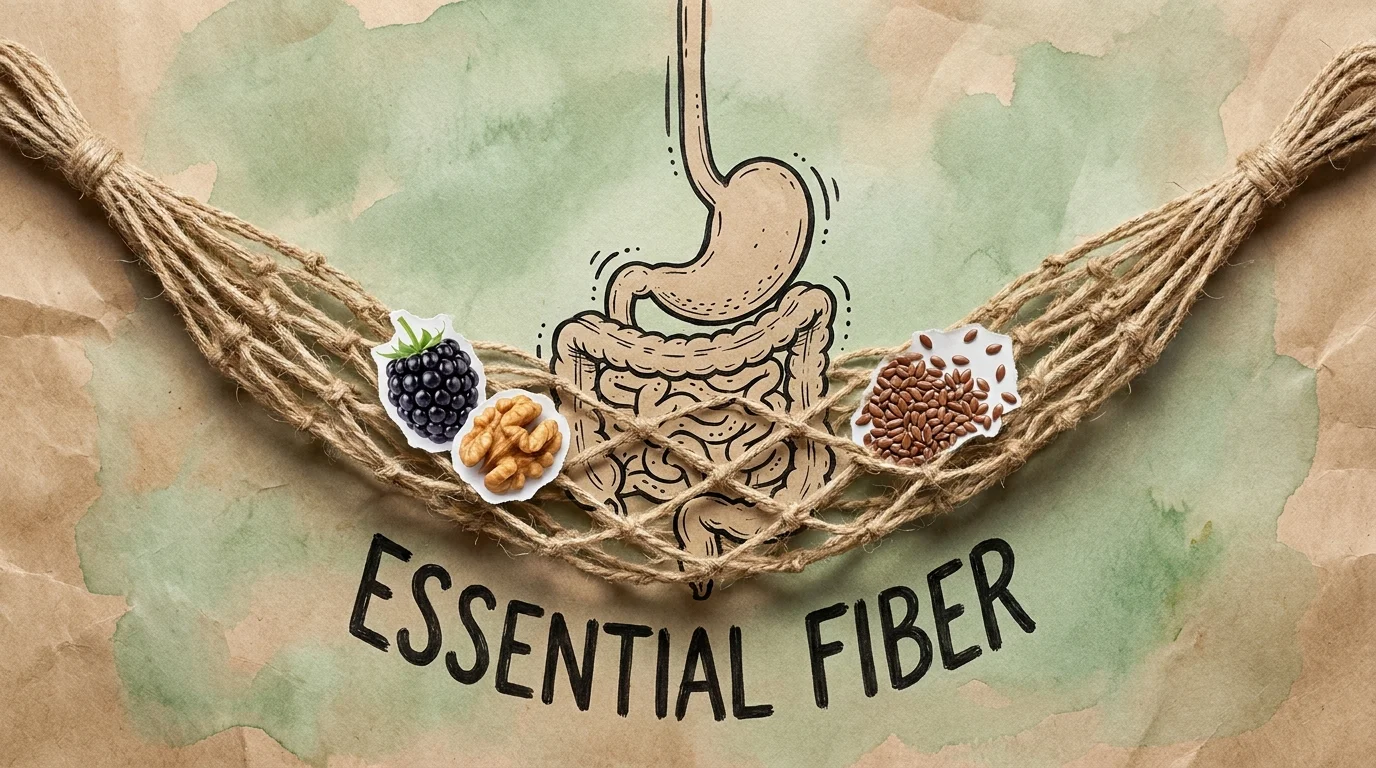
A breakfast lacking in robust dietary fiber contributes directly to sluggish digestion and chronic constipation, which remains a deeply prevalent complaint among older adults. Fiber acts as an indispensable, physical sweeping mechanism for your entire gastrointestinal tract and plays a deeply vital role in safely managing your blood cholesterol levels. If your morning meal consists exclusively of scrambled eggs and white toast, you completely miss a prime daily opportunity to properly feed your beneficial gut microbiome. You critically need soluble fiber to physically bind with excess cholesterol in your digestive tract and safely remove it from your bloodstream before it causes harm. Adding nutrient-dense, high-fiber ingredients like ground flaxseeds, raw chia seeds, or a generous serving of blackberries to your morning routine can profoundly improve both your cardiovascular parameters and your daily gastrointestinal health.

Habit 6: Overloading on Highly Processed Meats
Bacon, sausage links, and cured ham frequently make regular, unquestioned appearances on the traditional senior breakfast plate. These heavily processed, factory-farmed meats contain dangerously high levels of hidden sodium, saturated fats, and heavily harmful chemical preservatives like nitrites and nitrates. For an older adult actively managing hypertension or cardiovascular disease, consuming heavy amounts of sodium in the morning causes immediate, dangerous, and measurable blood pressure elevations. Furthermore, the regular, daily consumption of processed meats promotes deep, chronic systemic inflammation—a primary driving force behind joint pain, severe arthritis flare-ups, and accelerated cellular aging. You can effortlessly achieve a highly savory, protein-rich breakfast by consciously choosing leaner, strictly unprocessed alternatives; fresh ground turkey, wild-caught smoked salmon, or perfectly seasoned tofu scrambles provide excellent, satisfying flavor profiles without carrying the same severe cardiovascular risks.

Habit 7: Eating Too Quickly or While Distracted
Consuming your essential morning meal while intently watching the morning news, mindlessly scrolling through a digital tablet, or deeply reading the newspaper actively distracts your brain from the physical, mechanical act of eating. When you eat quickly and unconsciously, you inevitably fail to chew your food properly, which severely places an enormous, completely unnecessary burden on your entire fragile digestive system. Seniors naturally produce noticeably lower volumes of stomach acid and far fewer pancreatic digestive enzymes; therefore, thorough and highly deliberate chewing becomes completely indispensable for proper, maximum nutrient extraction and absorption. You must intentionally slow down, practice mindful eating techniques, and allow your brain sufficient time to properly register gastric fullness. This incredibly simple behavioral shift dramatically prevents severe indigestion, highly uncomfortable bloating, and the unintentional daily overeating that ultimately leads to stubborn weight gain.

Habit 8: Taking Medications Incorrectly Alongside Breakfast
Countless older adults habitually and dangerously take their daily prescription medications directly alongside their morning coffee or a large bowl of cereal without fully understanding how complex food interactions severely alter drug absorption. Coffee contains highly active chemical compounds called tannins that can significantly block the delicate intestinal absorption of thyroid medications, vital iron supplements, and certain crucial osteoporosis drugs. Similarly, calcium-rich breakfasts—like large glasses of milk or heavily fortified commercial yogurts—can severely interfere with the efficacy of specific classes of antibiotics and common blood pressure medications. You must proactively consult your local pharmacist or primary care physician to determine precisely whether your specific daily medications absolutely require a completely empty stomach or a strictly timed delay before you can safely consume your breakfast and morning beverages.
Habit 9: Eating the Exact Same Meal Every Single Day
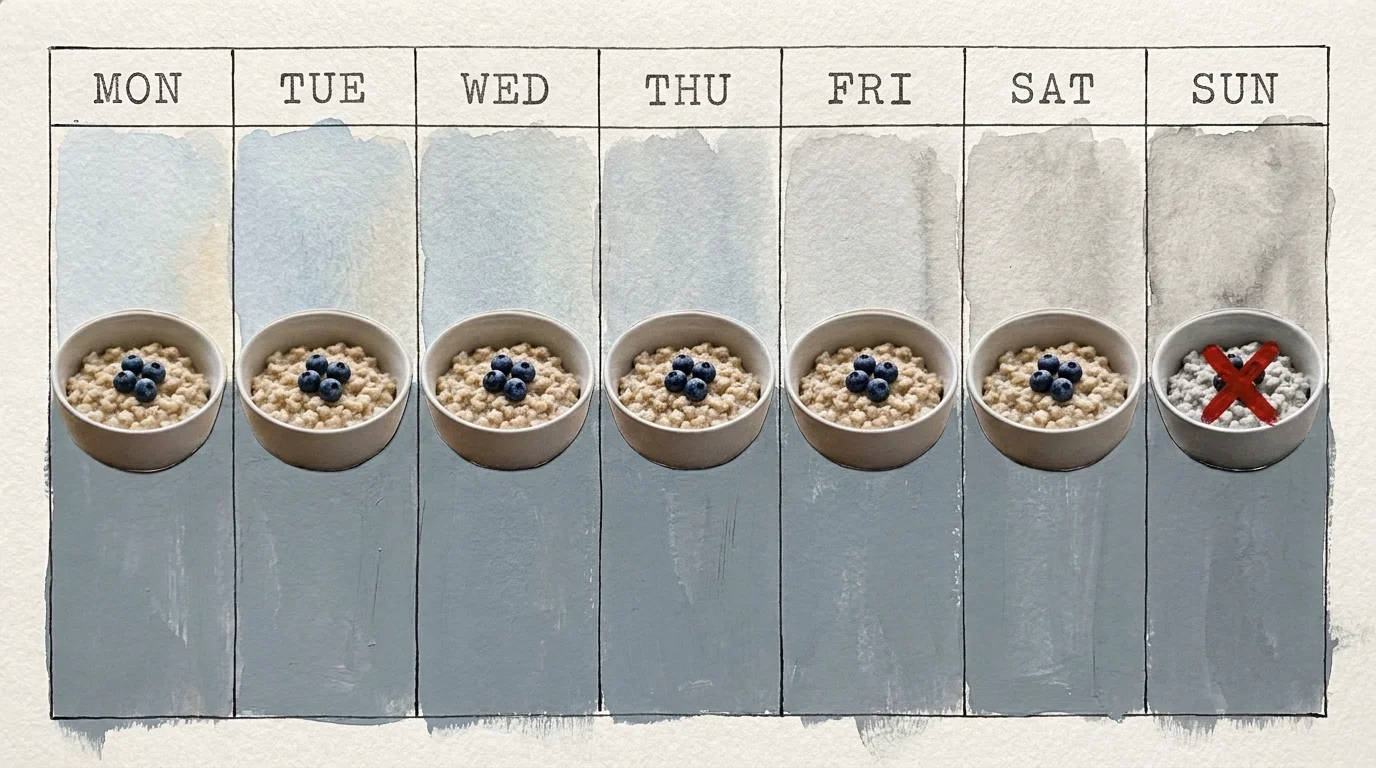
Relying heavily on a deeply monotonous, highly repetitive breakfast routine might feel incredibly convenient, but it ultimately deprives your aging body of a widely diverse and physiologically necessary nutrient profile. Your intestinal microbiome—the vast, living collection of bacteria meticulously governing your immunity and digestion—thrives exclusively on a wide, rotating variety of plant foods, diverse complex fibers, and endlessly fluctuating micronutrients. Eating the exact same bowl of commercial cereal or specific brand of toast every single morning dangerously narrows the biological scope of beneficial bacteria in your delicate digestive tract, which can ultimately profoundly weaken your immune system’s crucial responsiveness. You should actively and consciously rotate your breakfast options throughout the week—seamlessly alternating between nutrient-dense egg dishes, fortified complex oatmeals, and protein-packed green smoothies—to absolutely guarantee you receive a comprehensive, incredibly robust spectrum of essential, life-preserving vitamins and minerals.
Benefits and Potential Risks of Modifying Your Breakfast
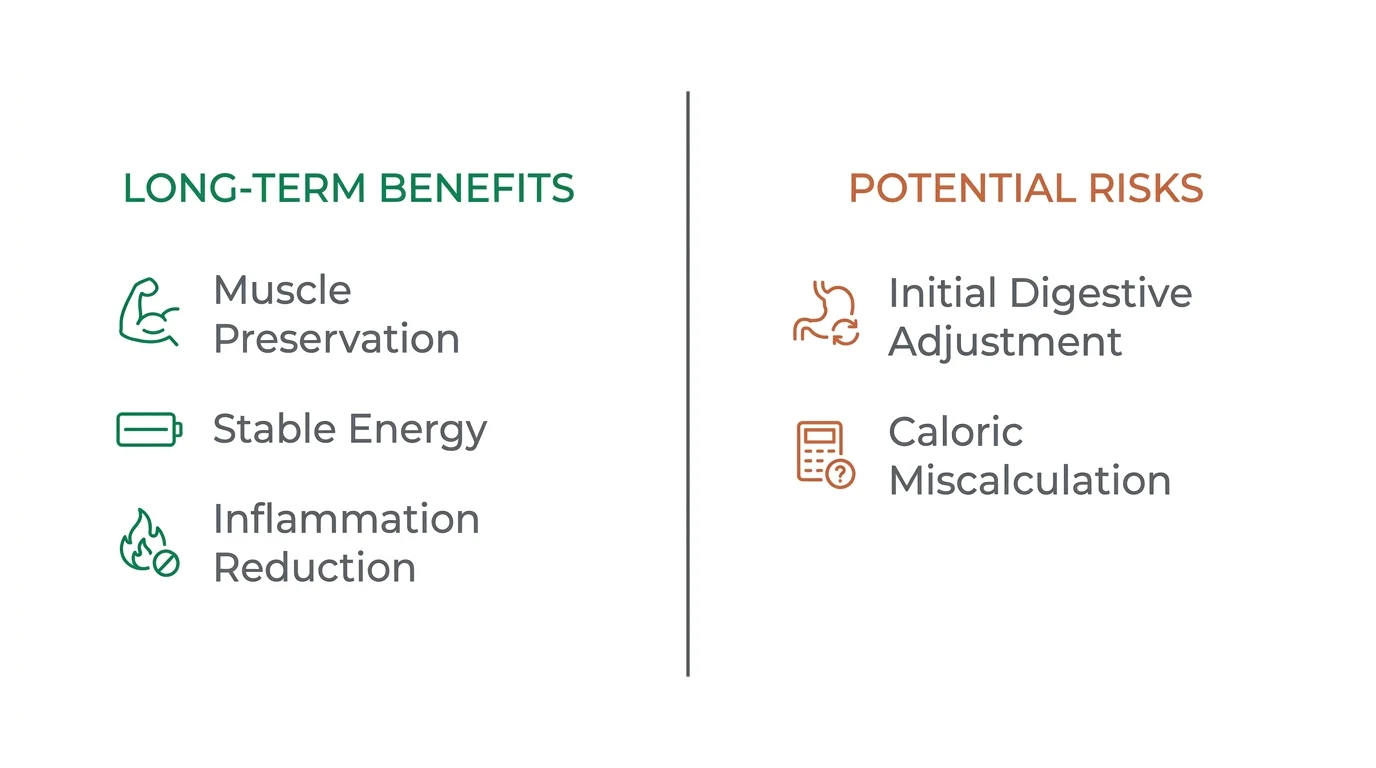
Transforming your morning routine delivers immediate and highly measurable biological benefits that deeply protect your long-term independence. When you actively correct these nine destructive habits, you immediately stabilize your daily blood glucose, which forcefully protects your delicate neural pathways from glucose-induced inflammation and sharply preserves your precious cognitive function. Consuming adequate morning protein directly stimulates muscle synthesis, which profoundly lowers your risk of debilitating falls and drastically improves your daily physical mobility. Furthermore, introducing proper hydration and diverse, complex fibers completely eliminates chronic morning sluggishness, ensuring you feel genuinely vibrant and physically capable throughout the entire day.
Conversely, the immense risks of ignoring these dietary corrections are severely compounding and highly dangerous. Continuing to regularly consume highly refined sugars and heavily processed meats actively accelerates the insidious progression of metabolic syndrome, deep arterial stiffening, and irreversible sarcopenia. If you stubbornly refuse to adapt your morning nutritional intake to match your body’s specific aging requirements, you silently invite a tragic cascade of chronic diseases that will inevitably rob you of your physical autonomy and overall quality of life.

What the Experts Say About Senior Morning Routines
Leading global health authorities explicitly and consistently warn against utilizing traditional, outdated breakfast models for aging adults. Experts at the href=”https://www.mayoclinic.org”Mayo Clinic heavily emphasize that older adults require significantly more protein than younger populations to actively maintain muscle mass and strictly prevent age-related physical decline. Their dedicated researchers highlight that distributing protein evenly across all three daily meals—specifically starting aggressively with breakfast—optimizes your body’s muscle protein synthesis far better than consuming one large protein meal at dinner. Similarly, the href=”https://www.nih.gov”National Institutes of Health provides extensive, peer-reviewed data demonstrating precisely how refined carbohydrates negatively and profoundly impact the aging cardiovascular system. They strongly recommend avoiding highly processed morning foods entirely to maintain remarkably stable blood glucose and forcefully reduce systemic inflammation.
Meanwhile, the href=”https://www.cdc.gov”Centers for Disease Control and Prevention consistently advises seniors to strictly monitor their daily sodium intake, specifically calling out heavily processed breakfast meats like traditional bacon and sausage as primary, dangerous contributors to severe hypertension. Furthermore, the href=”https://www.who.int”World Health Organization strongly advocates for vastly increased daily dietary fiber to properly support gut motility and aggressively reduce dangerous blood cholesterol, suggesting that whole, intact fruits and completely unrefined grains should strongly form the absolute foundation of an older adult’s morning meal. Actively aligning your personal breakfast routine directly with these stringent expert guidelines offers a highly profound, scientifically backed defense against the onset of chronic disease.

Practical Steps and Actionable Advice for a Healthier Start
You can easily and permanently transform your current morning routine by consistently implementing a few highly structured, incredibly effective daily habits. First, you must prioritize absolute hydration the very moment you wake up. Keep a large, visible glass of clean water directly on your nightstand and actively drink it before you ever walk into the kitchen; this incredibly simple act deeply rehydrates your vital tissues and perfectly prepares your digestive tract for incoming food. Next, you genuinely need to completely rethink your morning plate composition. Instead of lazily starting with heavy carbohydrates, purposefully build your breakfast entirely around a strong, core protein source. Identify high-quality, delicious proteins you genuinely enjoy eating—such as rich cottage cheese, wild smoked salmon, or pasture-raised eggs—and absolutely ensure they occupy the main center of your daily meal.
Once your powerful protein foundation is firmly established, immediately add a highly generous serving of complex fiber. You can easily achieve this vital step by thoroughly mixing raw chia seeds into plain yogurt or eating a large, fresh side of vibrant raspberries. Additionally, you absolutely must separate your daily prescription medications from your hot morning coffee. Take your essential prescriptions strictly with water and faithfully wait the exact pharmacist-recommended duration before pouring your first cup of coffee to completely ensure maximum drug absorption. Finally, you should deeply commit to the practice of mindful eating. Sit down formally at a proper dining table, completely turn off the distracting television, and chew your morning food incredibly thoroughly to maximize your nutrient extraction and entirely prevent painful indigestion.
Frequently Asked Questions
What is the ideal time for seniors to eat breakfast?
You should strongly aim to eat your breakfast within one to two hours of initially waking up. This specific timing excellently helps stabilize your crucial blood sugar levels after a long overnight fast and clearly signals your resting metabolism to begin functioning highly efficiently. Delaying your morning meal for too long can unfortunately cause your internal cortisol levels to dangerously rise, which may severely increase invisible stress on your sensitive, aging cardiovascular system.
Can older adults safely practice intermittent fasting by skipping breakfast?
Intermittent fasting certainly offers measurable metabolic benefits for some younger individuals; however, it poses highly specific, severe risks for adults over sixty. Skipping breakfast completely can violently exacerbate dangerous muscle loss, as your aging body will aggressively break down valuable lean tissue for immediate energy during the extended morning fast. Additionally, many seniors absolutely require solid food in the morning to safely take essential medications and completely avoid severe gastrointestinal distress. You must stringently consult your primary physician before attempting any restrictive fasting protocols.
Are eggs safe for seniors struggling with high cholesterol?
Yes, highly moderate egg consumption remains generally safe and incredibly beneficial for the vast majority of older adults. Dietary cholesterol actually has a surprisingly minimal impact on circulating blood cholesterol levels for the vast majority of the general population. Eggs provide incredibly bioavailable protein, vital choline for deep brain health, and essential fatty acids. If you possess severe cardiovascular concerns, you can easily utilize a smart mixture of one whole egg and multiple egg whites to drastically reduce fat intake while effortlessly maintaining high protein levels.
How can I prepare a healthy breakfast if I lack morning energy?
You can effectively overcome severe morning fatigue by actively preparing your nutritious meals the night before. Delicious overnight oats thoroughly soaked in milk with raw chia seeds and high-quality protein powder offer a complete, incredibly nutrient-dense meal that absolutely requires zero active morning preparation. Hard-boiling a large batch of eggs twice a week also excellently ensures you always have immediate, effortless access to high-quality protein without ever needing to turn on the stove.
Is it acceptable to drink coffee concurrently with breakfast?
Coffee genuinely provides valuable, protective antioxidants and can wonderfully boost your morning cognitive function, but you absolutely must time your daily consumption carefully. Drinking hot coffee concurrently with your actual meal can severely inhibit the delicate intestinal absorption of crucial vitamins and trace minerals, particularly essential iron and bone-building calcium. You will successfully absorb far more dietary nutrients if you actively wait to enjoy your hot coffee until at least one full hour after you completely finish eating your food.
Final Thoughts on Morning Nutrition
Your daily breakfast represents the most powerful, highly actionable opportunity you possess to positively dictate your biological aging process. By firmly discarding outdated, heavily sugar-laden routines and actively embracing a morning protocol deeply rich in high-quality protein, complex fiber, and pure hydration, you dramatically fortify your body against physical frailty and cognitive decline. You hold the immediate power to transform your daily health trajectory simply by making smarter, highly intentional choices at the dining table every single morning. Take absolute control of your critical morning nutrition today, and confidently give your aging body the exact profound respect and vital nourishment it genuinely deserves to thrive independently for years to come.
This article is intended for informational and educational purposes only and is not a substitute for professional medical advice, diagnosis, or treatment. Always consult with a qualified healthcare provider regarding any health concerns or before making any decisions related to your health or treatment.