
Start your day with sustained vitality by choosing morning foods that naturally fuel your body without a midday crash. Finding the right balance of complex carbohydrates, healthy fats, and lean proteins keeps you awake and focused all morning long. As you age, your metabolism slows and your digestion shifts, making your first meal critical for steady energy. Relying on sugary pastries or excessive caffeine causes sharp blood sugar spikes followed by exhausting slumps. By strategically incorporating specific, nutrient-dense foods into your breakfast routine, you provide your body with the essential building blocks it needs to thrive. This mindful approach ensures you maintain mental clarity and physical stamina from sunrise straight through to lunchtime.

Understanding the Basics of Morning Energy
To optimize your morning energy, you must first understand the underlying physiological mechanics of sleep inertia. Sleep inertia is the groggy, heavily disoriented feeling you experience right after waking up. Your brain requires a transition period to shift from the slow delta waves of deep restorative sleep to the fast beta waves required for wakeful alertness. What you choose to consume directly influences how quickly and smoothly this vital neurological transition occurs. Food provides the essential calories that your cellular mitochondria continuously convert into adenosine triphosphate, the fundamental energy currency driving every action in your body. However, your digestive system processes different types of calories at vastly different speeds.
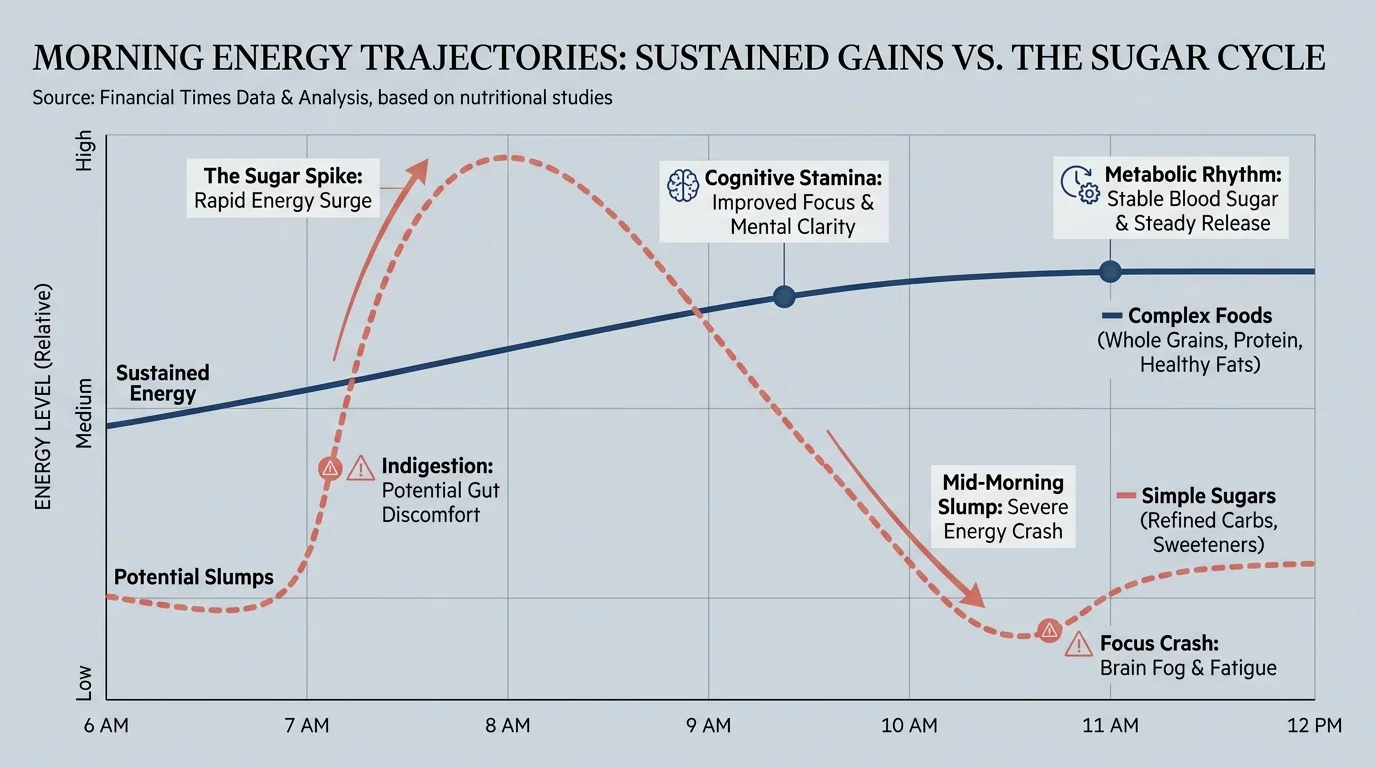
Simple carbohydrates, such as refined white toast and sugary pancake syrups, digest rapidly. They flood your bloodstream with an overwhelming volume of glucose almost instantly. This sudden surge prompts your pancreas to overcompensate by releasing a massive wave of insulin. The insulin rapidly sweeps the glucose out of your bloodstream and forces it into your cells, causing a precipitous plunge in your blood sugar levels. This drastic drop leaves you feeling unexpectedly exhausted, highly irritable, and craving another quick source of sugar. You experience this harsh biological rollercoaster as the dreaded mid-morning crash.
In sharp contrast, complex carbohydrates, healthy fats, and high-quality proteins digest slowly and efficiently. They bypass the chaotic spikes and instead deliver a steady, highly controlled drip of glucose directly to your brain and muscle tissues. Your brain consumes roughly twenty percent of your body’s total energy, meaning it relies heavily on this constant, unwavering fuel supply to maintain sharp focus and fend off persistent morning brain fog. Proper morning nutrition essentially establishes your metabolic rhythm and dictates your cognitive stamina for the entire remainder of the day.
Key Considerations for Fueling an Aging Body
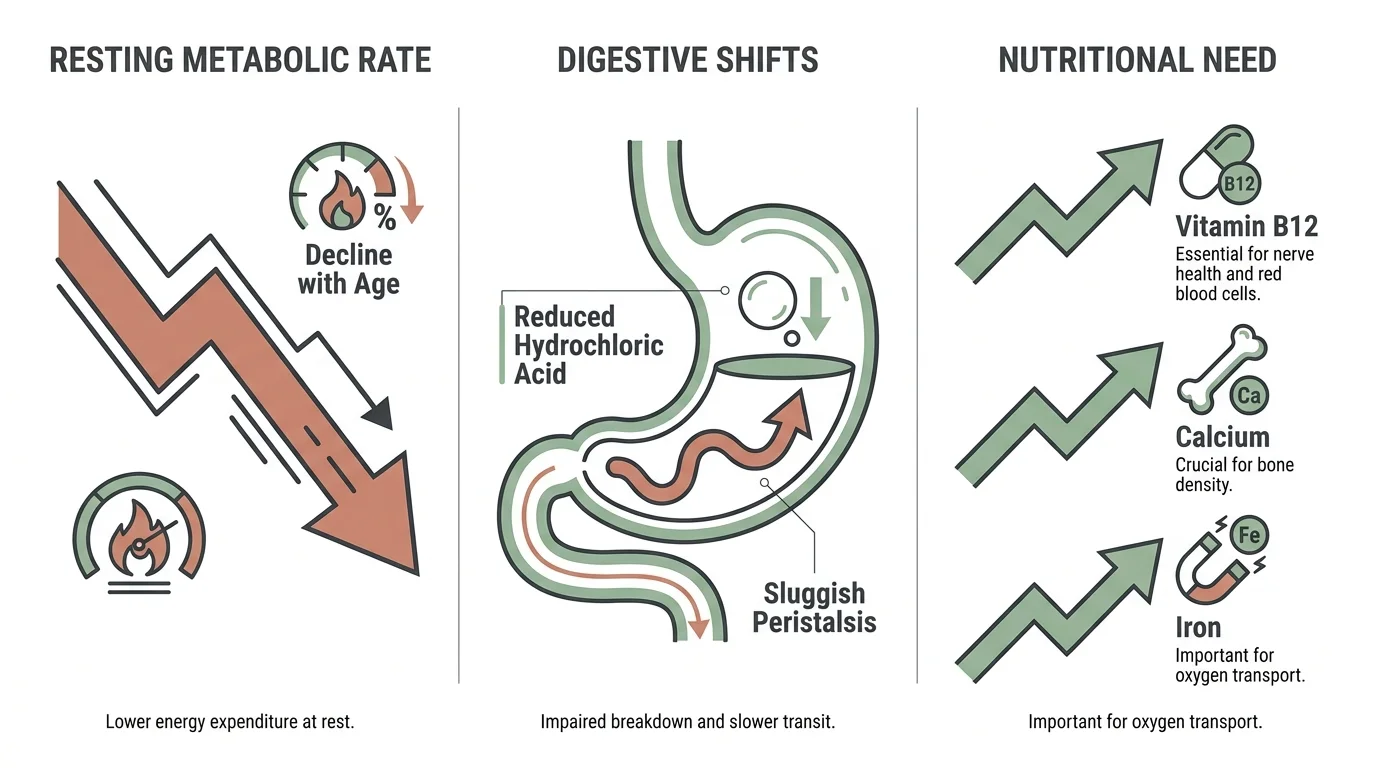
As you navigate your sixties and beyond, your body undergoes subtle yet profound physiological shifts that permanently change how you process and utilize food. Your resting metabolic rate naturally slows down over time. Because you burn fewer calories at rest, you require fewer total calories to maintain your current body weight. However, your biological need for essential vitamins, minerals, and high-quality proteins actually increases. This unique dynamic makes choosing highly nutrient-dense foods absolutely vital; every single calorie you consume must pack a substantial nutritional punch to keep your complex biological systems running smoothly.
Furthermore, the aging process inevitably alters your entire digestive tract. Your stomach produces less hydrochloric acid, and the muscular contractions of your intestines—clinically known as peristalsis—often become increasingly sluggish. These structural changes increase your daily risk of morning indigestion and significantly reduce your ability to absorb crucial micronutrients like vitamin B12, calcium, and iron. Eating easily digestible, whole foods in the morning gently stimulates your digestive tract without unnecessarily overwhelming it.
Hydration presents another prominent and frequently overlooked nutritional concern for older adults. As you age, the specific osmoreceptors in your brain that trigger the sensation of thirst become blunted and less sensitive. You might regularly wake up mildly dehydrated without feeling thirsty in the slightest. Because water acts as the primary biological medium for all cellular energy production, even mild dehydration stands as a leading hidden cause of profound morning fatigue and physical weakness.
Compounding these digestive and hydration challenges is age-related muscle loss, known medically as sarcopenia. You naturally lose muscle mass, strength, and functional capability as the decades pass. Consuming adequate amounts of high-quality protein early in the day actively combats this degenerative process. Morning protein forcefully stimulates muscle protein synthesis, helping you preserve your precious lean tissue. This preservation keeps you physically strong, incredibly stable on your feet, and highly capable of maintaining an independent, active lifestyle. When you evaluate your morning meal options, you must view your breakfast as a strategic daily intervention designed to hydrate your tissues, protect your musculature, and nourish your aging brain.
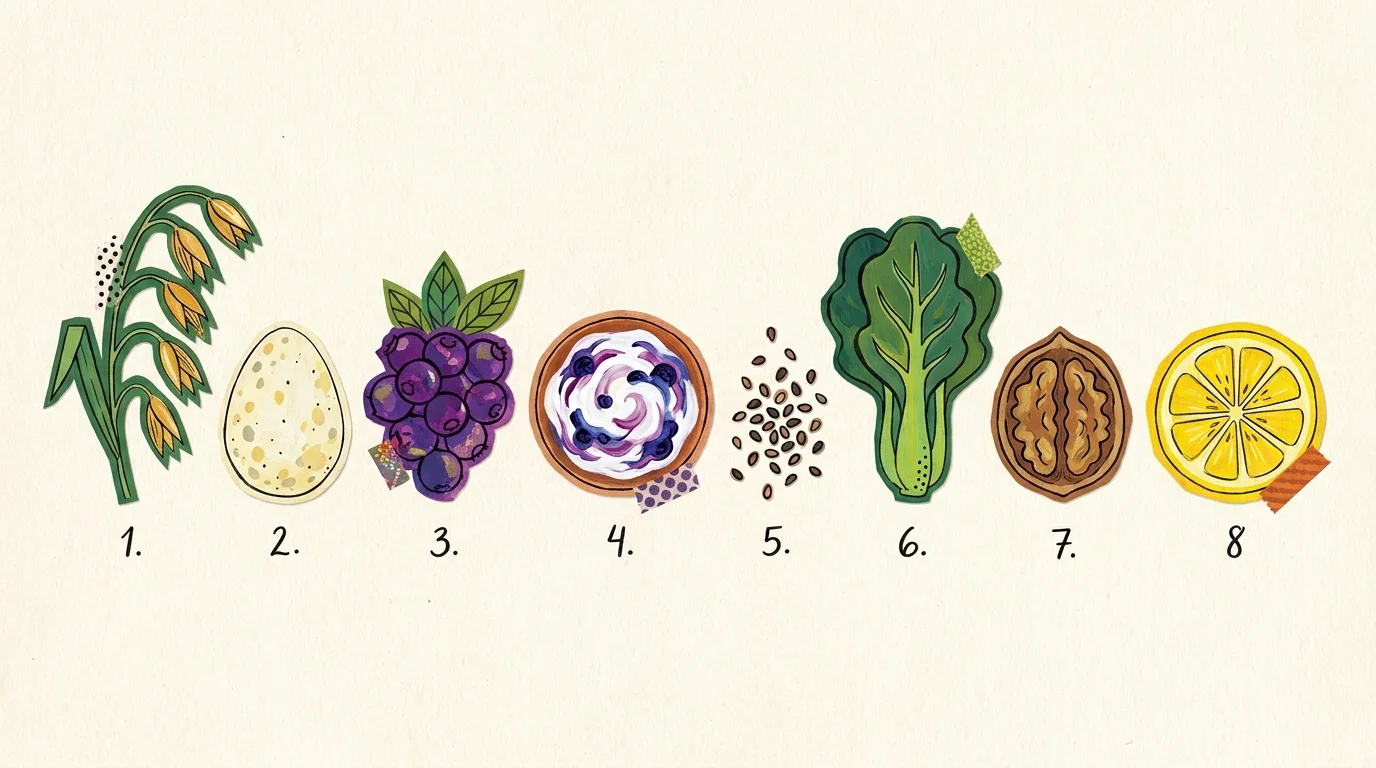
Eight Foods That Naturally Boost Your Morning Alertness

1. Old-Fashioned Oatmeal
Oats stand as a formidable powerhouse of sustained, reliable morning energy. They contain a highly specific type of soluble fiber called beta-glucan, which aggressively absorbs water to form a thick, gel-like substance inside your digestive tract. This gelatinous barrier physically slows down the absorption of carbohydrates into your bloodstream, thereby providing a long-lasting, remarkably steady supply of energy rather than a fleeting, chaotic spike. You avoid the sudden rush and subsequent crash entirely.
For older adults, the robust fiber content found in oats also actively promotes healthy digestion and encourages highly regular bowel movements. You can effortlessly enhance the overall nutritional profile of your morning oatmeal by cooking it with dairy milk or a heavily fortified plant-based alternative. Adding these liquids introduces valuable calcium and vitamin D into your morning routine, providing essential support for your long-term bone density and skeletal health.

2. Eggs
Eggs confidently serve as one of the most complete and bioavailable sources of high-quality protein currently available in the human diet. Starting your morning with a generous serving of protein aggressively helps regulate your blood sugar and keeps you feeling fully satisfied until your next scheduled meal. You bypass the distraction of mid-morning hunger pangs and easily maintain your concentration on the day’s tasks.
Beyond their impressive protein content, egg yolks contain a vital, brain-boosting nutrient called choline. Choline plays an absolutely critical role in maintaining long-term brain health; your body uses it as a primary building block to produce acetylcholine, a crucial neurotransmitter heavily involved in memory retention, mood regulation, and fine muscle control. Maintaining adequate choline levels becomes increasingly important for actively preserving your cognitive sharpness as you advance in age. Additionally, egg yolks provide rich amounts of lutein and zeaxanthin, powerful antioxidants that passionately defend your eyes against age-related macular degeneration.

3. Fresh or Frozen Berries
Blueberries, strawberries, raspberries, and blackberries are practically bursting with natural energy and disease-fighting antioxidants. Unlike highly processed sugary breakfast pastries—which inevitably cause dramatic blood sugar fluctuations—berries naturally possess a very low glycemic index. This means your body absorbs their natural sugars incredibly slowly, treating you to a gentle, sustained energetic lift.
Berries are exceptionally rich in complex plant compounds called anthocyanins, the specific antioxidants that give these fruits their vibrant red, purple, and blue colors. These potent antioxidants cross the blood-brain barrier to passionately protect your neural cells from oxidative stress and chronic inflammation, two of the primary biological drivers of physical aging and cognitive decline. Adding a generous handful of berries to your breakfast provides a bright, refreshing burst of flavor alongside an incredibly potent dose of brain-protecting nutrients.

4. Greek Yogurt
Traditional Greek yogurt undergoes a rigorous straining process that actively removes much of the liquid whey, resulting in an exceptionally thick texture and a significantly higher protein concentration than standard regular yogurt. This densely concentrated protein helps anchor your blood sugar and effortlessly stabilizes your energy levels throughout the entire morning.
Furthermore, unpasteurized Greek yogurt heavily teems with billions of live, active probiotics. These highly beneficial bacteria travel down to tightly populate your gut microbiome, playing a deeply crucial role in optimizing your digestion, bolstering your immune function, and heavily influencing the production of serotonin. Medical science increasingly recognizes the profound strength of the gut-brain axis; a healthy, flourishing gut directly correlates with a much-improved daily mood and sustained mental clarity, making Greek yogurt an undeniably excellent foundational food for your energized morning.

5. Chia Seeds
Do not let their tiny physical size fool you; chia seeds represent a monumental source of morning vitality and profound physical endurance. When exposed to any liquid, chia seeds rapidly expand and absorb up to ten times their own physical weight in water. Consuming them in their soaked state actively helps hydrate your internal tissues from the inside out, directly combating the heavy lethargy caused by mild, hidden morning dehydration.
Additionally, chia seeds continuously provide a robust, easily digestible dose of plant-based omega-3 fatty acids, which powerfully reduce systemic joint inflammation and actively support total cardiovascular health. The dense mucilage created by soaked chia seeds also strongly supports the mucosal lining of your intestines, potentially preventing painful conditions like diverticulitis. You can easily sprinkle these incredibly versatile seeds over your morning yogurt, blend them directly into your fruit smoothies, or let them soak overnight in milk to effortlessly create a highly nutritious, pudding-like morning treat.

6. Leafy Greens
While a hearty green salad might not sound like a traditional or conventional breakfast, strategically incorporating dark leafy greens like fresh spinach or kale into your morning routine offers truly tremendous physiological benefits. These potent greens come densely packed with iron, a vital dietary mineral absolutely essential for the biological production of hemoglobin.
Hemoglobin actively transports fresh oxygen from your lungs straight to the rest of your body, including your highly demanding brain. If your internal iron levels dip even slightly, you will inevitably feel profoundly sluggish, mentally foggy, and easily breathless upon exertion. Tossing a generous handful of fresh spinach directly into a morning fruit smoothie or carefully folding it into your hot scrambled eggs effortlessly boosts your total nutrient intake and massively enhances your cellular oxygenation without overpowering your tastebuds.

7. Walnuts
Walnuts proudly provide a highly superb combination of heart-healthy fats, plant-based protein, and dense dietary fiber. The human brain is composed of nearly sixty percent pure fat, and it actively thrives on the high-quality, unsaturated fats naturally found in hearty tree nuts. Walnuts specifically resemble the physical shape of a human brain, which serves as a fitting visual reminder of their neurological benefits.
They are particularly rich in alpha-linolenic acid, a specific type of omega-3 fatty acid that heavily supports brain health, clears away cellular debris, and fiercely protects your daily cognitive function. The deeply satisfying crunch and robust, earthy flavor of walnuts make them a truly perfect topping for your warm oatmeal or cold yogurt. Because your stomach digests them remarkably slowly, they effortlessly help prevent mid-morning hunger pangs and keep your mental focus razor-sharp right up until the lunch hour.

8. Water with a Squeeze of Lemon
Before you ever consume a single bite of solid food or excitedly pour your first hot cup of morning coffee, you should strongly prioritize drinking a large, refreshing glass of pure water. After successfully completing seven to eight uninterrupted hours of sleep, your body naturally wakes up in a guaranteed state of mild dehydration. Water stands as the absolute most fundamental biological catalyst for all your countless metabolic processes; without highly adequate hydration, your internal cellular energy production simply grinds to a painful halt.
Adding a fresh squeeze of bright lemon juice provides a highly invigorating flavor profile and a valuable, immunity-boosting small dose of natural vitamin C. Furthermore, the gentle acidity of the lemon juice lightly stimulates your liver to produce necessary bile, perfectly preparing your resting digestive tract to optimally break down the breakfast you are about to eat. Rehydrating completely and immediately upon waking is arguably the single most effective, incredibly simple dietary intervention for instantly boosting your morning alertness.
Evaluating the Benefits and Potential Risks
Eating properly for sustained morning energy does much more than just help you wake up. It profoundly and permanently impacts your overall daily quality of life. When you intentionally stabilize your morning blood sugar through complex carbohydrates and rich proteins, you automatically reduce deeply harmful systemic inflammation, successfully lower your long-term risk of developing type 2 diabetes, and strongly protect the delicate lining of your entire cardiovascular system. Mentally, maintaining remarkably steady glucose levels completely prevents the harsh irritability, sudden anxiety, and severe mood swings so often associated with chaotic blood sugar crashes. You will very likely find yourself possessing significantly greater patience, noticeably improved problem-solving skills, and a far more positive, resilient outlook as you navigate your busy day.
However, you must heavily prioritize approaching any new dietary changes thoughtfully and carefully, especially if you actively manage chronic health conditions or take specific prescription medications. For instance, dark leafy greens like fresh spinach and kale contain remarkably high amounts of natural vitamin K. Vitamin K strongly promotes necessary blood clotting, which can directly and dangerously interfere with lifesaving anticoagulant medications like warfarin. If you take prescribed blood thinners, you must strictly maintain a highly consistent daily intake of vitamin K and thoroughly consult your primary doctor before suddenly increasing your morning consumption of greens.
Similarly, drastically increasing your daily fiber intake through heavy portions of raw oats and chia seeds can accidentally cause temporary, highly uncomfortable gastrointestinal distress. If your aging digestive system is not accustomed to processing such heavy, dense fiber loads, you may briefly experience painful bloating, excess gas, and harsh cramping. You absolutely must introduce these high-fiber foods very gradually over several weeks. Additionally, you must actively increase your daily water consumption to help the dense fiber move smoothly and effortlessly through your intestinal tract. Finally, while tree nuts remain incredibly healthy, they are also highly calorically dense. Mindless, continuous grazing on handfuls of walnuts can quite easily lead to frustrating, unintended weight gain, making strict and proper portion control absolutely essential for your long-term success.

What the Experts Say About Morning Nutrition
Leading global health authorities consistently emphasize the critical importance of intentionally breaking your long overnight fast with dense foods that actively promote systemic, whole-body health. The respected researchers at the National Institute on Aging strongly stress that older adults must deliberately adopt dietary patterns that passionately support robust physical and cognitive longevity. Their extensive clinical research clearly indicates that evenly distributing your daily protein intake across all your scheduled meals—starting the very moment you eat breakfast—optimizes necessary muscle protein synthesis far better than simply saving your protein consumption for one large, heavy evening meal.
Similarly, the dedicated medical professionals at the Mayo Clinic frequently and strongly caution against the modern habit of skipping breakfast entirely. Their deep clinical insights reliably demonstrate that individuals who consistently consume a highly balanced, nutrient-dense morning meal exhibit significantly better daytime concentration, noticeably greater physical stamina, and far more stable, healthy cholesterol levels. The Mayo Clinic specifically advocates for a firm breakfast framework built exclusively around unrefined whole grains, lean proteins, and fresh whole fruits. They actively warn the public against the dangerous, hidden added sugars constantly lurking in commercially processed cereals, convenient breakfast bars, and highly sweetened flavored yogurts, all of which aggressively disrupt your morning metabolic stability.
Taking a much broader global perspective, the World Health Organization passionately champions a daily diet rich in whole, completely unprocessed plant foods as a primary, frontline defense against deadly noncommunicable diseases. Their published dietary guidelines prominently highlight the unassailable fact that consuming ample dietary fiber, essential vitamins, and raw minerals from whole foods like natural oats, fresh tree nuts, and dark leafy greens deeply protects your vascular system. This dietary pattern simultaneously and actively defends your aging brain against tragic, age-related cognitive decline. The overwhelming scientific consensus among these incredibly prestigious health organizations remains thoroughly unambiguous: a thoughtfully constructed, whole-food morning meal stands proudly as a fundamental, non-negotiable pillar of lifelong health and deeply sustained daily vitality.

Practical Steps and Actionable Advice for Your Routine
Transitioning to a highly energized, vastly healthier morning diet absolutely does not require you to spend hours cooking incredibly complicated, stressful meals. You succeed by confidently implementing very small, highly manageable daily changes that fit seamlessly and comfortably into your currently existing lifestyle without adding unnecessary friction.
First, explicitly prioritize heavy hydration the exact moment your feet hit the bedroom floor. Keep a clean, full glass of pure water directly on your nightstand so you visually remember to quickly drink it before ever leaving the bedroom. Establishing this one tiny habit instantly resolves morning dehydration and aggressively kickstarts your resting metabolism.
Second, enthusiastically embrace the unparalleled power of evening preparation. If your early mornings consistently feel incredibly rushed, or you simply lack the physical energy to cook early in the day, you should meticulously prepare your morning meals the night before. You can easily mix raw chia seeds, hearty oats, and dairy milk in a small glass jar and leave it resting securely in the refrigerator overnight; by morning, you will confidently possess a delicious, fully hydrated, ready-to-eat meal. You can also efficiently hard-boil a large batch of fresh eggs on Sunday afternoon to absolutely guarantee you have highly accessible, premium protein continuously available throughout your entire busy week.
Third, intentionally rethink your daily relationship with morning caffeine. You absolutely do not need to permanently abandon your beloved morning coffee, but you actively should avoid relying on it as a poor substitute for actual food. Intentionally drink your hot coffee alongside or directly after your breakfast, rather than guzzling it on a completely empty, highly acidic stomach. This simple timing adjustment effortlessly prevents harsh caffeine-induced jitters and strongly guards against painful morning acid reflux.
Finally, heavily prioritize listening very closely to your body’s subtle physical feedback. Pay strict attention to exactly how different whole foods make you feel roughly two hours after eating them. If a specific breakfast item repeatedly leaves you feeling uncomfortably bloated or deeply sluggish, make a firm mental note and confidently adjust your future choices accordingly. Keeping a very simple, honest food journal for just one single week can easily provide you with incredibly invaluable, highly personalized insights into your unique digestive rhythms and precise energy patterns.
Frequently Asked Questions
Does drinking hot coffee provide the same bodily benefits as eating an energizing breakfast?
No, coffee acts strictly as a powerful central nervous system stimulant, successfully but only temporarily masking the heavy chemical signals of deep fatigue in your brain. While it certainly makes you feel remarkably more alert in the short term, it absolutely does not provide your body with any actual cellular energy in the vital form of usable calories. Relying solely on strong coffee without eating whole food is exactly like aggressively pressing the accelerator pedal on a car with a completely empty gas tank; eventually, and inevitably, you will harshly crash. You firmly should view your morning coffee as a highly enjoyable, flavorful supplement to a deeply balanced breakfast, absolutely not as a valid replacement for crucial, life-sustaining daily nutrients.
Can I safely eat fresh fruit instead of complex carbohydrates for my morning energy?
Whole, unpeeled fruits serve as truly excellent, highly bioavailable sources of vital vitamins, raw minerals, and natural plant sugars, making them a remarkably fantastic, healthy addition to your morning meal. However, eating fresh fruit entirely on its own can sometimes accidentally lead to a rapid spike and subsequent harsh drop in your blood sugar, simply because raw fruit digests relatively quickly. To maximize and deeply stabilize your morning energy, you absolutely should pair your fruit directly with a dense source of lean protein or a rich, healthy fat. Eating a sweet handful of berries immediately alongside a hearty serving of thick Greek yogurt or a small handful of crushed walnuts significantly and perfectly slows down the internal digestion process, wonderfully extending your peak energy levels well into the late afternoon.
Is it genuinely better to eat immediately after waking up or wait a few hours?
The truly ideal timing for your breakfast actively varies from person to person based entirely on your natural morning appetite and your underlying medical health conditions. If you consistently wake up feeling genuinely hungry, or if you explicitly need to take specific prescription medications that strictly require solid food, you absolutely should eat shortly after rising from bed. However, if you genuinely lack any real appetite in the early morning hours, forcefully making yourself eat a massive, heavy meal can easily cause severe gastric discomfort. In such cases, starting your day with a large, refreshing glass of water and patiently waiting an hour or two before consuming a highly balanced, nutrient-dense meal remains perfectly and completely acceptable. The actual nutritional quality of your morning food matters far more profoundly than the exact minute you choose to consume it.
How do I reliably know if my morning fatigue requires professional medical attention?
Your daily diet obviously plays a massive, undeniable role in dictating your overall energy levels, but it is certainly not the only contributing factor. If you consistently consume a deeply balanced, highly nutrient-rich breakfast, heavily prioritize your hydration, and reliably get highly adequate nighttime sleep, yet you still frequently experience deeply debilitating morning exhaustion, you firmly should schedule a comprehensive appointment with your primary healthcare provider. Persistent, unyielding fatigue can frequently serve as a quiet symptom of serious underlying medical issues such as hidden thyroid dysfunction, disruptive sleep apnea, chronic anemia, or clinical depression. A qualified doctor can promptly perform necessary diagnostic blood tests to completely rule out hidden nutrient deficiencies or severe hormonal imbalances.
Are convenient store-bought protein bars a genuinely good breakfast option for older adults?
Commercially prepared, heavily packaged protein bars offer truly undeniable, rapid convenience, but their actual nutritional quality vastly and wildly varies. Many highly popular, brightly packaged bars remain heavily ultra-processed and actively contain truly excessive amounts of cheap added sugars, strange artificial sweeteners, and highly questionable chemical preservatives, ultimately making them much closer to unhealthy candy bars than actual health foods. If you occasionally choose to utilize protein bars on particularly chaotic, unusually busy mornings, you absolutely must read the printed nutrition labels incredibly carefully. Actively look for plain options with deeply minimal, highly recognizable ingredients, exceptionally low added sugar, and very substantial dietary fiber content. However, whenever remotely possible, whole, unprocessed foods consistently remain the vastly superior, fiercely recommended choice for supporting your overall systemic health and deeply sustained morning vitality.
Moving Forward With Lasting Vitality
Reclaiming your morning energy firmly begins with exactly what you intentionally choose to put on your plate. By actively transitioning away from highly processed sugars and fiercely embracing the dense nutritional power of complex carbohydrates, rich proteins, and highly hydrating whole foods, you literally provide your aging body with the absolute best possible biological foundation for a deeply successful, highly active day. Adopting these thoughtful, surprisingly simple dietary adjustments firmly serves as a truly profound, highly rewarding daily investment in your long-term physical independence, cognitive sharpness, and overall lasting wellbeing. You hold the remarkable power to naturally energize your brilliant mornings and beautifully elevate the entire trajectory of your daily health.
This article is intended for informational and educational purposes only and is not a substitute for professional medical advice, diagnosis, or treatment. Always consult with a qualified healthcare provider regarding any health concerns or before making any decisions related to your health or treatment.