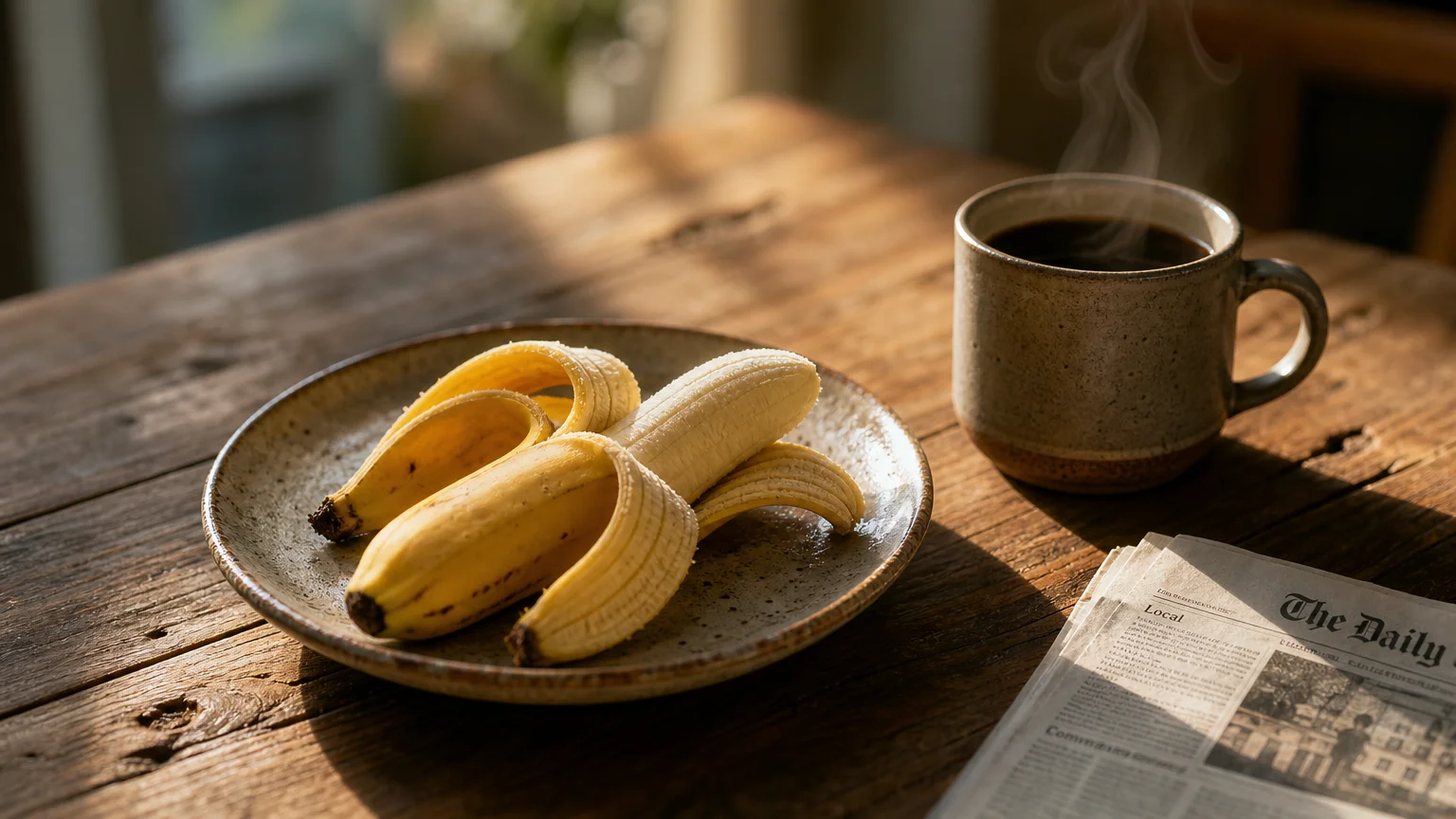
Eating bananas directly supports your cognitive longevity by providing essential nutrients that power neurotransmitter production and enhance blood flow to the brain. For adults over sixty, maintaining cognitive health requires actionable, nutrient-dense dietary choices rather than relying solely on supplements. Bananas deliver a precise combination of vitamin B6, tryptophan, potassium, and antioxidants that protect delicate brain cells from oxidative stress while regulating mood and memory. This accessible, easy-to-digest fruit acts as functional fuel, supplying a steady stream of glucose to sustain mental clarity throughout the day. By understanding the specific biological mechanisms at play, you can strategically incorporate this simple food into your routine to safeguard your cognitive function and preserve your overall independence.
Understanding the Basics: The Biochemical Impact on Your Mind
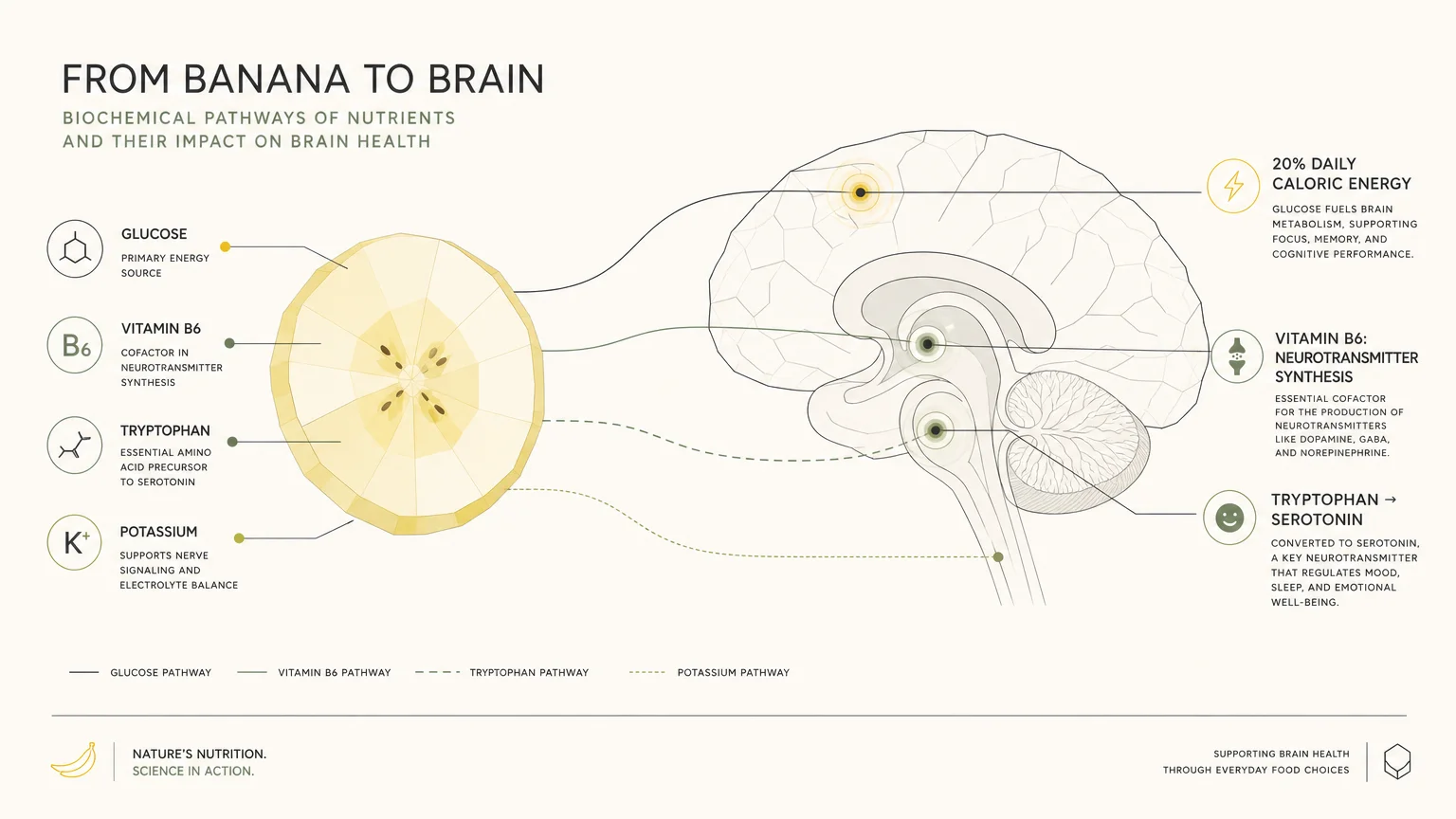
The human brain operates as a highly energy-intensive organ, consuming approximately twenty percent of your body’s total daily caloric intake despite accounting for a relatively small fraction of your physical weight. Bananas supply an optimal, efficient form of complex carbohydrates to meet this relentless metabolic demand. When you digest a banana, your body breaks these carbohydrates down into a steady, reliable stream of glucose. Your brain utilizes this glucose as its primary fuel source to sustain deep concentration, execute complex problem-solving tasks, and maintain rapid recall. Without a consistent supply of high-quality glucose, you quickly experience mental fatigue, brain fog, and a diminished capacity to focus on routine daily activities.
Beyond providing foundational energy, bananas function as a rich delivery system for vitamin B6. This water-soluble vitamin operates as a crucial coenzyme in the synthesis of neurotransmitters; these chemical messengers allow your brain cells, or neurons, to communicate efficiently across synapses. Without adequate levels of vitamin B6, your brain struggles to produce dopamine and serotonin at the required volumes. Bananas also contain high concentrations of tryptophan, an essential amino acid that your body cannot synthesize internally. You must acquire tryptophan entirely through your diet, and bananas offer a readily available source. Once absorbed into your bloodstream, your body converts tryptophan directly into serotonin, the primary neurotransmitter responsible for regulating your daily mood, sleep cycles, and appetite.
Furthermore, bananas are packed with potassium, a vital mineral that functions as an electrolyte to facilitate precise electrical signals throughout your entire central nervous system. Every time you form a complex thought, move your arm, or process a nostalgic memory, potassium helps transmit the necessary electrical impulses between millions of active neurons. This rapid intracellular communication relies entirely on a delicate biological balance of sodium and potassium ions. The exact combination of these specific biological nutrients makes bananas a truly unique food; they target both the structural integrity of your individual neurons and the overarching functional efficiency of your cognitive pathways.

Key Considerations for Seniors: Adapting to an Aging Brain
As you age past sixty, your brain undergoes natural physiological and structural changes, including a subtle reduction in overall volume and a gradual decline in neurotransmitter receptor efficiency. These inevitable systemic shifts make your daily dietary choices exponentially more critical for maintaining long-term mental sharpness. One of the most significant cognitive threats for older adults is vascular dementia, a debilitating condition that often stems from chronic poor blood flow to the brain caused by unmanaged high blood pressure. Bananas offer a profound, scientifically grounded defensive benefit against this condition due to their exceptional potassium content. Potassium naturally relaxes the muscular walls of your blood vessels and actively helps your kidneys excrete excess sodium through your urine. This dual-action process lowers your systemic blood pressure and significantly reduces your overall risk of suffering a stroke, ensuring that your brain continuously receives a robust, uninterrupted supply of highly oxygenated blood.
The aging process also profoundly affects your gastrointestinal tract, subtly shifting nutrient absorption rates and diminishing overall digestive efficiency. Older adults frequently experience decreased stomach acid production and a gradual thinning of the stomach lining, making it noticeably harder to extract vital vitamins and minerals from tough, highly fibrous foods. Bananas resolve this common age-related digestive issue beautifully; their soft texture and high levels of easily digestible pectin ensure that your digestive system can absorb the cognitive-boosting nutrients without enduring undue gastrointestinal stress. The unique pectin in bananas also serves as a soothing agent for the digestive tract, actively preventing common issues like acid reflux that frequently disrupt a peaceful evening.
Additionally, seniors often face frustrating shifts in their natural sleep architecture, repeatedly experiencing fragmented, shallow rest that directly impairs overnight memory consolidation. The unique combination of magnesium and tryptophan found in bananas works synergistically to relax your central nervous system and safely promote the natural production of melatonin. By eating a banana in the early evening, you provide your aging brain with the exact raw biological materials needed to secure the deep, restorative stages of sleep required to clear metabolic waste products and effectively store newly acquired memories.
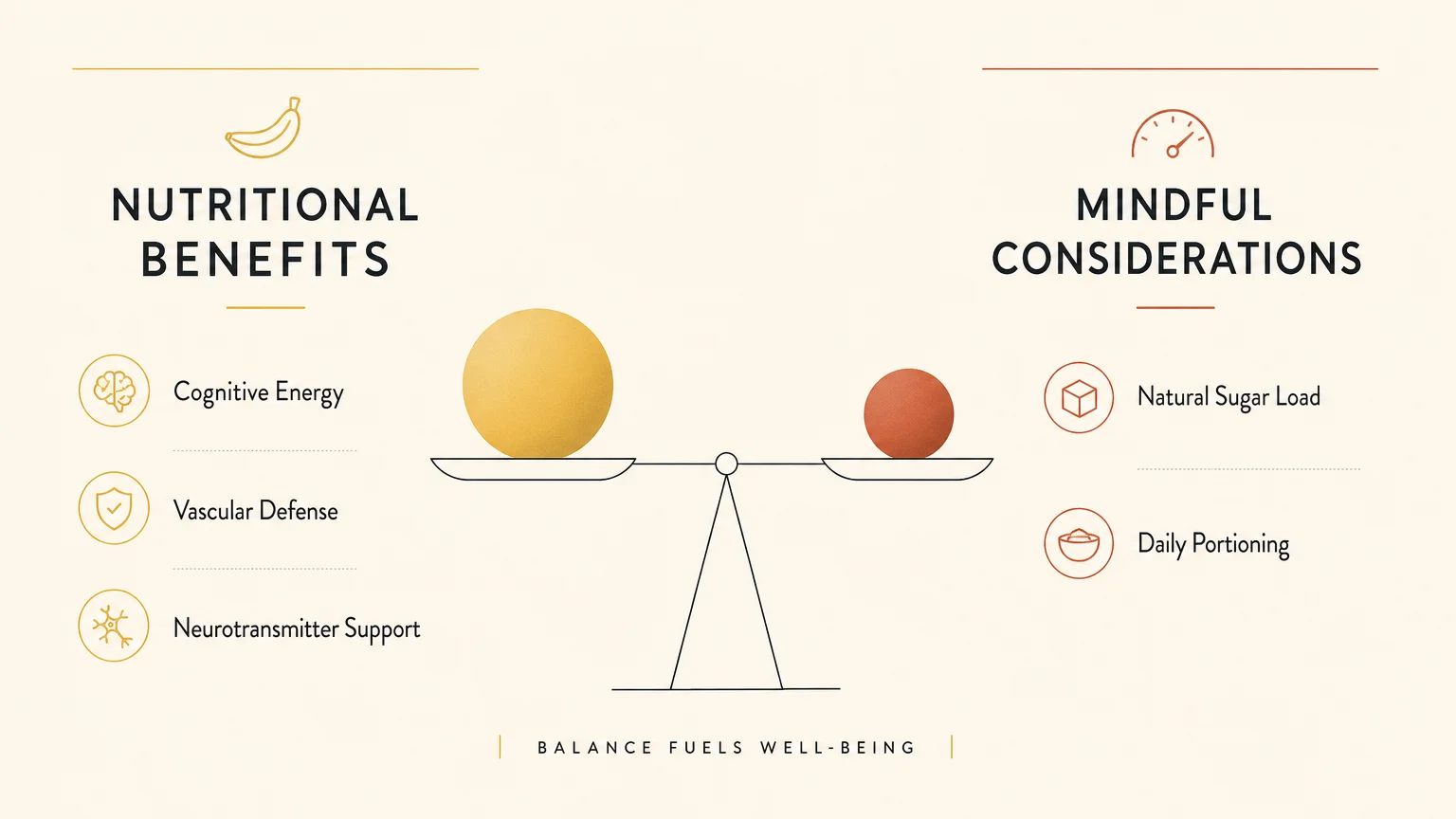
Benefits and Potential Risks: Balancing Your Nutritional Strategy
The immediate benefits of integrating bananas into your daily diet extend far beyond basic caloric nutrition, directly influencing your everyday cognitive performance and long-term emotional well-being. Bananas contain a dense array of powerful antioxidants, specifically including natural dopamine and various catechins, which actively cross the blood-brain barrier to protect your vulnerable neurons from persistent free radical damage. While the specific type of dopamine naturally present in bananas does not directly enter your brain to artificially elevate your mood, it acts as a remarkably potent antioxidant circulating throughout your bloodstream. This specific antioxidant neutralizes systemic oxidative stress, a primary biological contributor to neurodegenerative diseases like Alzheimer’s and Parkinson’s. Regular consumption of these protective compounds helps you maintain robust cognitive reserves, empowering you to recall names, navigate complex driving routes, and process new technical information with considerably greater ease.
However, you must carefully navigate the potential physiological risks associated with frequent banana consumption, particularly if you manage specific, age-related metabolic health conditions. Bananas contain relatively high amounts of natural fructose and complex carbohydrates. If you live with type 2 diabetes or clinical insulin resistance, eating a highly ripe banana on an completely empty stomach can quickly trigger a rapid spike in your circulating blood glucose levels. This sudden chemical surge is almost always followed by an equally sharp crash, leaving you feeling mentally foggy, highly irritable, and physically fatigued. To effectively mitigate this persistent metabolic risk, you should selectively choose slightly green, under-ripe bananas, which contain a substantially higher ratio of resistant starch and boast a significantly lower glycemic index.
Another crucial risk factor involves your baseline kidney function. Healthy, fully functioning kidneys effortlessly filter excess dietary potassium from your bloodstream, automatically maintaining a perfect internal electrolyte balance. However, if you suffer from chronic kidney disease—a highly common condition among older populations—your compromised kidneys may struggle to process heavy potassium loads effectively. A sudden, unchecked accumulation of unexcreted potassium can rapidly lead to hyperkalemia, a highly dangerous medical condition that severely disrupts normal heart rhythms and rapidly impairs vital neurological function. You must honestly evaluate your individual medical profile and consult your primary healthcare team to determine the appropriate, entirely safe portion size that fits your unique physiological needs.
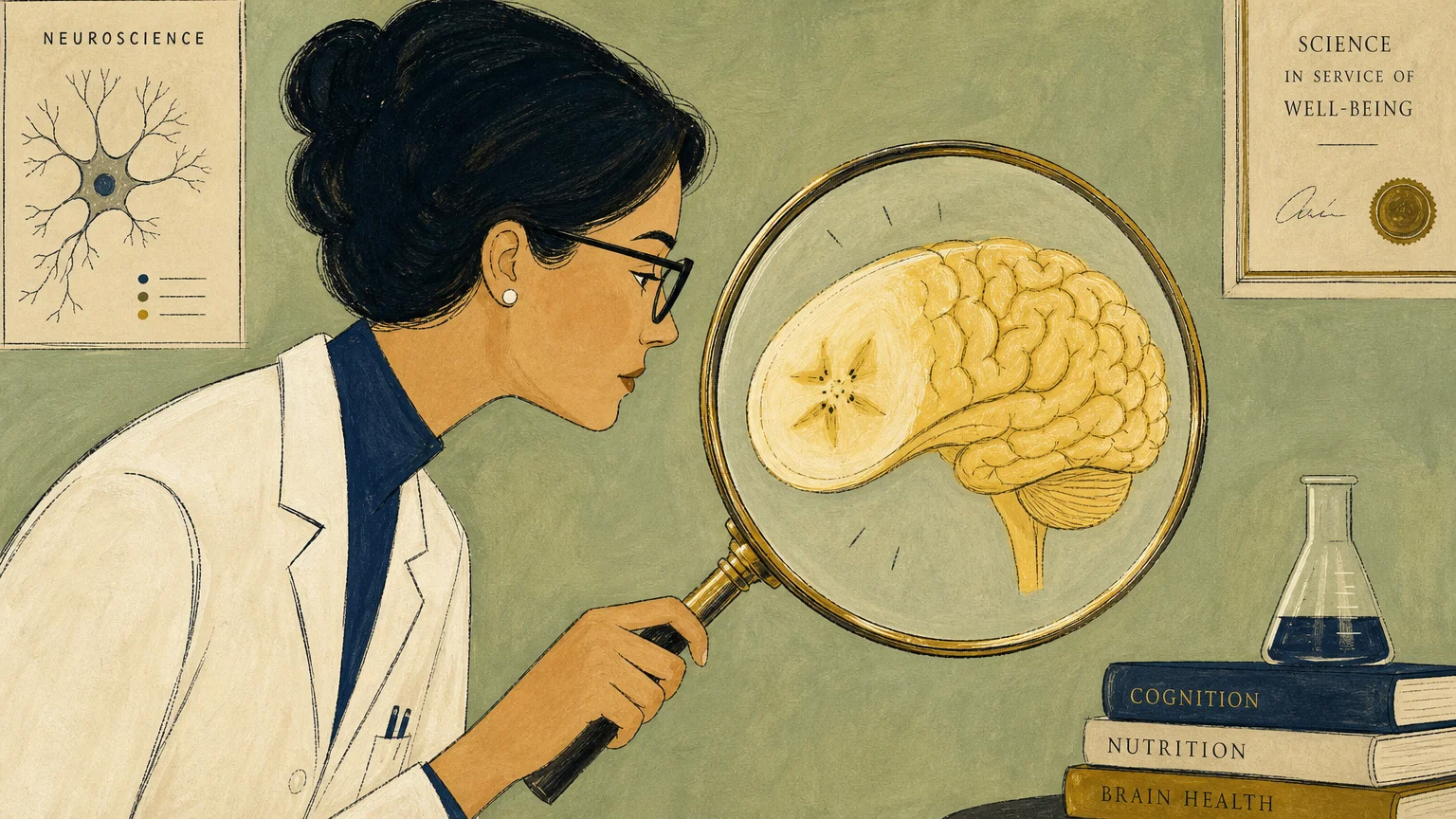
What the Experts Say: Institutional Perspectives on Brain Diet
Leading global health organizations consistently emphasize the direct, undeniable correlation between a nutrient-dense dietary pattern and long-term cognitive preservation. The experts at the National Institutes of Health highlight that diets naturally rich in essential vitamins, trace minerals, and plant-based antioxidants play a fundamental, irreplaceable role in deliberately delaying the onset of age-related cognitive decline. Their extensive clinical research indicates that potassium-rich foods contribute significantly to overall cerebrovascular health by safely maintaining optimal blood pressure metrics, thereby protecting the delicate, microscopic vascular structures located deep within the human brain. When these tiny, fragile blood vessels remain structurally healthy and highly flexible, your brain reliably receives the precise volumes of oxygen and glucose necessary for optimal daily functioning.
Similarly, official nutritional guidance published by the Mayo Clinic underscores the vital importance of strictly maintaining a heart-healthy diet for ultimate brain preservation, frequently pointing mature patients toward the heavily researched Mediterranean and DASH dietary patterns. Both of these scientifically validated diets heavily feature whole, unprocessed fruits like bananas specifically for their high soluble fiber and dense essential mineral content. Experts operating from these prestigious medical institutions explain that dietary fiber—specifically the unique pectin and resistant starch prominently found in bananas—actively supports a highly diverse, incredibly resilient gut microbiome.
The broader scientific community now universally recognizes the vital gut-brain axis as a critical, bidirectional biological pathway for maintaining lifelong cognitive health. A flourishing, well-fed gut microbiome continuously produces short-chain fatty acids that actively reduce systemic body inflammation, a well-documented chemical catalyst for rapid neurodegeneration. Furthermore, established dietary guidance from the World Health Organization strongly advocates for a global increase in daily dietary potassium consumption to drastically reduce the persistent incidence of cardiovascular diseases, which remain intimately linked to the eventual development of vascular dementia. By carefully analyzing this broad, cohesive consensus among the world’s top medical authorities, it becomes undeniably clear that bananas are not merely a convenient afternoon snack; they proudly represent a scientifically supported, integral component of a comprehensive brain-health strategy.
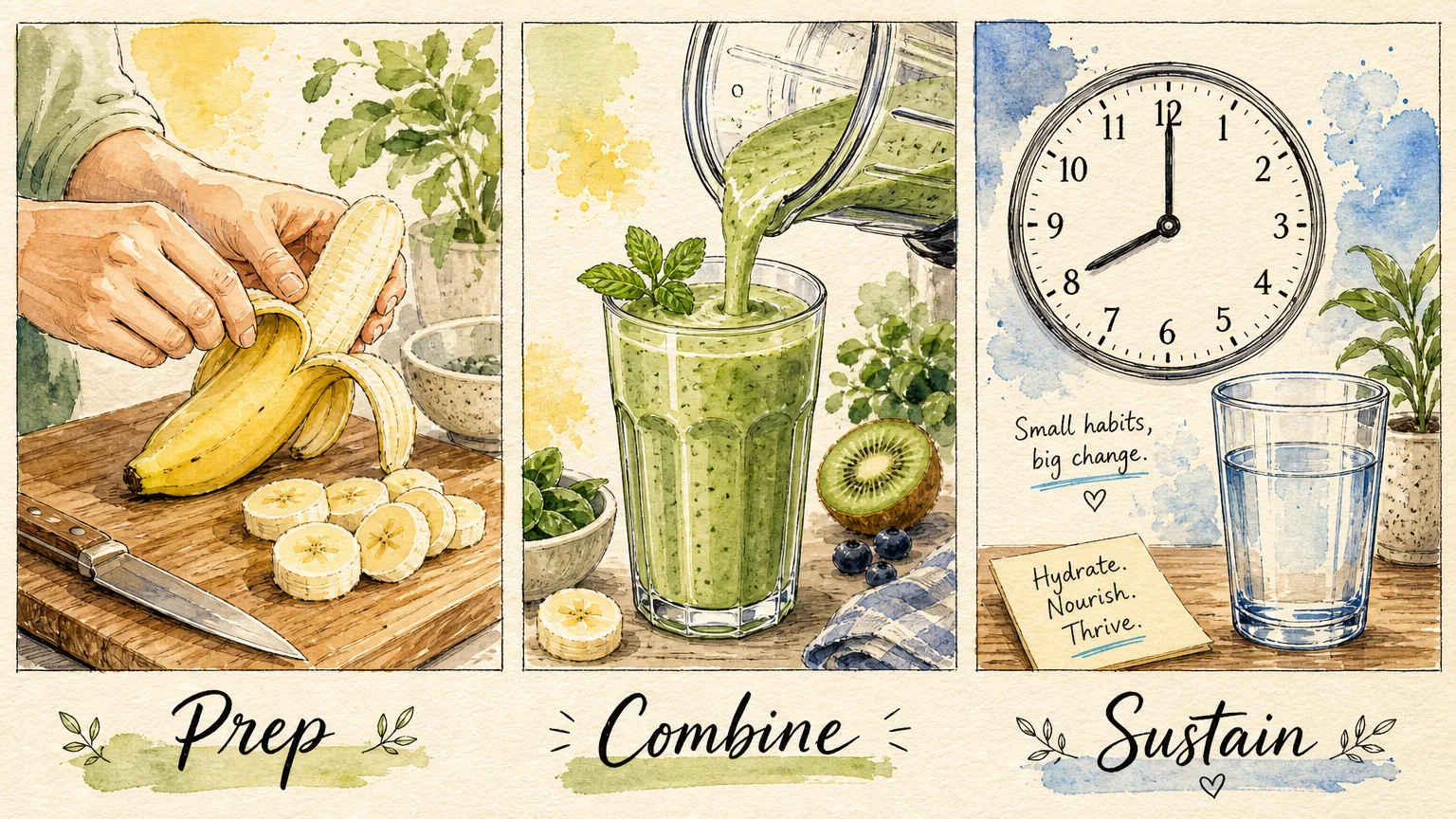
Practical Steps and Actionable Advice: Maximizing Your Cognitive Fuel
Translating complex nutritional science into daily, highly repeatable habits requires practical, sustainable strategies that fit seamlessly into your existing lifestyle. To truly maximize the documented cognitive benefits of bananas while actively minimizing any potential physiological drawbacks, you must carefully consider the timing of your meals, the specific ripeness of the fruit, and your strategic food pairings. First, always make a dedicated effort to pair your bananas with a high-quality source of dietary protein or a healthy, plant-based fat to effectively stabilize your circulating blood sugar. Slicing a fresh banana over a serving of plain Greek yogurt or spreading a generous tablespoon of natural almond butter onto the individual pieces actively slows your overall digestive process. This specific culinary combination ensures a steady, highly sustained release of functional glucose to your brain rather than a sudden, jarring spike. Implementing this simple strategy effortlessly prevents the dreaded mid-morning cognitive slump and keeps your mental focus incredibly sharp for hours.
Second, purposefully tailor the exact ripeness of the banana to strictly match your specific daily health goals. If you require a rapid, easily digestible source of readily available energy just before engaging in a physically or mentally demanding task, choose a fully ripe banana covered with distinct brown spots. These dark spots physically indicate that the complex, rigid starches have fully converted into simple sugars for immediate, highly accessible fuel. Conversely, if you strongly prioritize long-term gut health and strict daily blood sugar management, purposefully select a banana featuring a slightly green peel. The dense resistant starch found heavily in under-ripe bananas actively acts as a powerful prebiotic, feeding the highly beneficial bacteria located in your lower gut that subsequently manufacture critical brain-protecting chemical compounds.
Third, strategically utilize bananas to heavily enhance your daily hydration strategy. Older adults frequently experience a naturally diminished thirst mechanism, ultimately leading to chronic, mild dehydration that severely impacts short-term memory and sustained concentration. Blend a banana into a nutrient-dense morning smoothie featuring a large handful of fresh spinach, a measured scoop of high-quality protein powder, and a full cup of unsweetened almond milk to easily create a highly hydrating, brain-boosting liquid meal. Finally, carefully consider the precise evening timing of your daily consumption. Eating a small banana approximately one hour before securely going to bed allows you to properly leverage its natural magnesium and tryptophan content to actively facilitate the deep, uninterrupted sleep necessary for effectively clearing harmful amyloid plaques from your brain tissue.
Frequently Asked Questions About Bananas and Brain Health
Can eating bananas cure or reverse age-related memory loss?
Bananas absolutely cannot cure, reverse, or completely stop the aggressive progression of diagnosed memory loss, Alzheimer’s disease, or advanced clinical dementia. They provide foundational, highly beneficial nutritional support that actively helps maintain your vascular health and noticeably reduces systemic oxidative stress. While these vital structural benefits may successfully slow certain aspects of typical age-related cognitive decline, you must view bananas strictly as a proactive preventative lifestyle measure rather than a specialized medical treatment.
How many bananas should I eat a day to support my cognitive health?
For the vast majority of fundamentally healthy older adults, eating exactly one medium-sized banana a day provides an excellent, highly balanced intake of essential potassium, vitamin B6, and functional carbohydrates without accidentally overloading your digestive system with excess natural sugar. You must always confidently adjust this generalized amount based specifically on your individual daily caloric needs, your routine physical activity levels, and your unique personal medical history.
Do the dark brown spots on an older banana reduce its nutritional value?
The dark brown spots appearing on an aging banana clearly indicate that its complex, rigid starches have successfully broken down into far simpler sugars, making the fruit noticeably sweeter and significantly easier for an older stomach to effectively digest. While the overall sugar content is definitively higher and the valuable resistant starch is noticeably lower, heavily spotted bananas actually contain substantially higher measured levels of certain powerful antioxidants that directly protect your fragile brain cells from environmental damage.
Is it fully safe to eat bananas if I currently take prescription blood pressure medication?
Certain classes of common blood pressure medications, particularly modern ACE inhibitors and highly specific potassium-sparing diuretics, actively cause your body to artificially retain circulating potassium. Eating high-potassium foods like bananas while simultaneously taking these heavy medications can quickly lead to dangerously high blood potassium levels. You must consult your prescribing physician immediately to accurately determine if bananas dangerously interact with your highly specific pharmaceutical prescriptions.
Will eating bananas late at night cause unwanted weight gain or disrupt my brain health?
Eating a single, appropriately sized banana at night will not inherently cause unwanted weight gain as long as it comfortably fits within your established daily caloric needs. In fact, the concentrated magnesium and naturally occurring tryptophan found within bananas can significantly improve your overall sleep quality. Securing deep, highly restful sleep remains absolutely vital for overnight memory consolidation, extensive cellular repair, and your overarching neurological health.
Empowering Your Cognitive Longevity Through Daily Choices
Protecting your long-term cognitive health requires a highly proactive, thoroughly intentional approach to your daily nutrition, and bananas offer a profoundly accessible, globally affordable way to deeply nourish your aging brain. By consistently supplying essential dietary glucose for immediate mental energy, abundant potassium for optimal cerebral blood flow, and vital vitamin B6 for complex neurotransmitter synthesis, this remarkable, everyday fruit actively addresses multiple distinct facets of your neurological well-being. Whether you purposefully pair a slightly green banana with raw nuts to carefully manage your daily blood sugar or enjoy a fully ripe one to quickly boost your circulating antioxidant intake, you hold the definitive power to successfully tailor this versatile food to your unique physiological needs. Start making highly intentional, well-informed dietary choices today to systematically build a highly resilient mind that actively supports a vibrant, independent lifestyle for decades to come.
This article is intended for informational and educational purposes only and is not a substitute for professional medical advice, diagnosis, or treatment. Always consult with a qualified healthcare provider regarding any health concerns or before making any decisions related to your health or treatment.