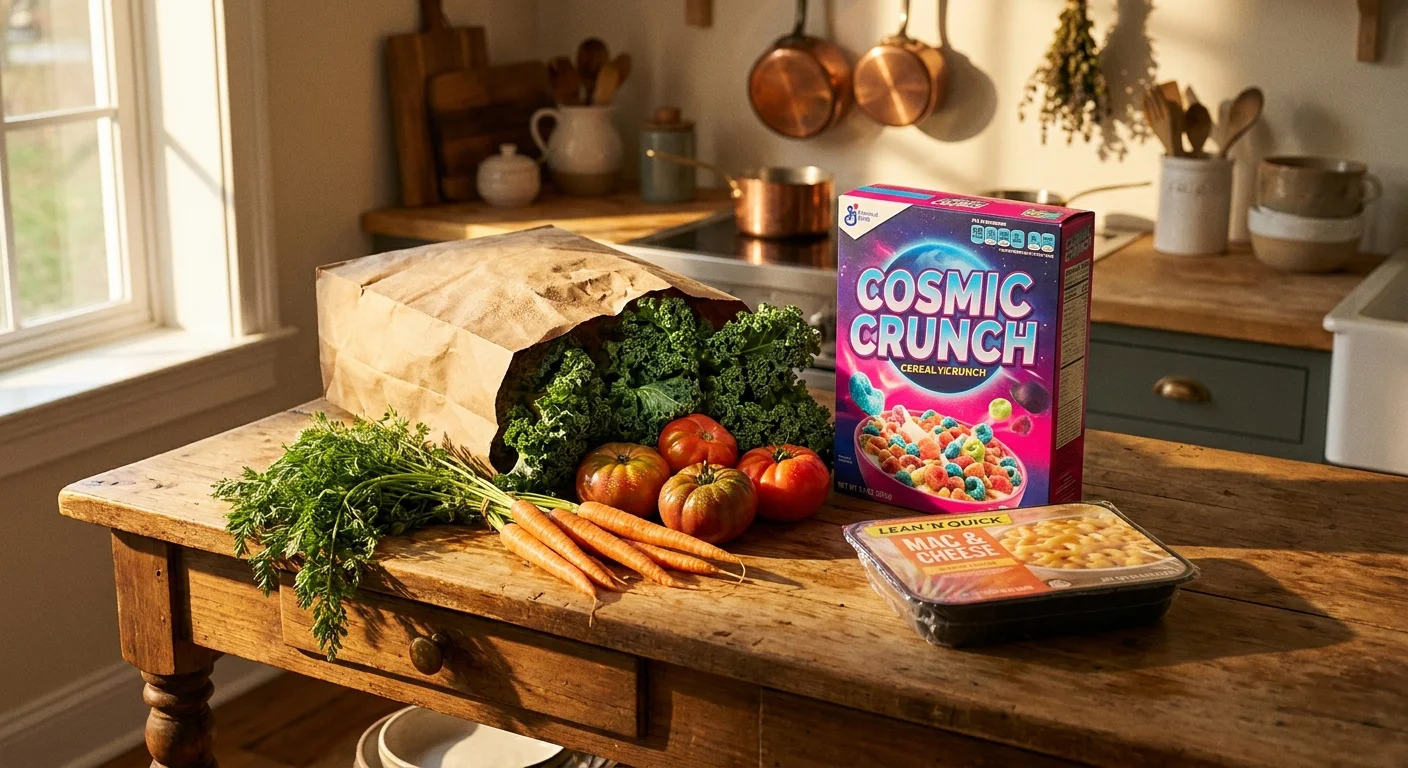
Navigating the grocery aisles effectively directly impacts your energy levels, cognitive function, and immune system health as you age. By identifying and correcting common shopping errors, you can drastically improve your daily nutrition and stretch your grocery budget further. Many older adults unknowingly fall into purchasing habits that sabotage their well-being, such as relying heavily on ultra-processed convenience foods or misinterpreting confusing package labels. Learning to spot these missteps empowers you to make smarter food choices that support healthy aging. This guide breaks down the precise behaviors nutrition experts observe and offers actionable strategies to transform your weekly supermarket trip into a foundation for long-term vitality, ensuring you bring home ingredients that nourish your body completely.

Understanding the Basics
Strategic grocery shopping requires a fundamental shift in how you view the modern supermarket. Retailers design these massive stores meticulously to maximize profit rather than prioritize your physiological well-being; every colorful endcap display, soothing background song, and cleverly positioned promotional sign attempts to guide your hand toward highly profitable, heavily processed items. Recognizing this retail environment represents the first critical step toward mastering your weekly food choices and avoiding pervasive grocery mistakes.
Nutritionists approach the supermarket as a functional landscape divided into distinct zones of health value. The perimeter generally houses the raw building blocks of a vital diet, while the center aisles typically contain ultra-processed items laden with artificial preservatives. When you shop with intention, you essentially build a proactive healthcare plan directly inside your shopping cart. You actively select raw materials that your body uses to repair cellular damage, build strong muscle tissue, and maintain robust cognitive function throughout your senior years.
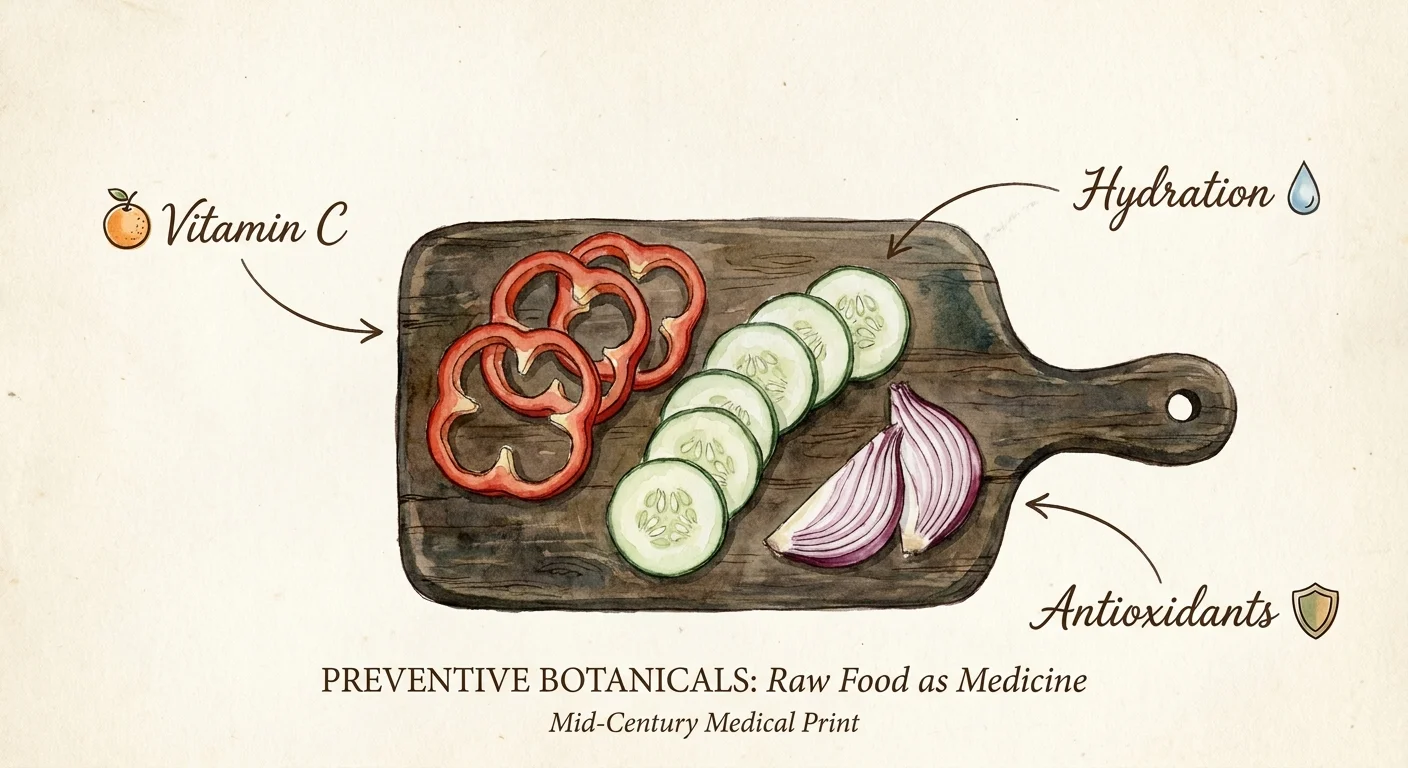
Viewing your shopping list as a medical prescription alters your entire approach to the store. Selecting vibrant vegetables, lean proteins, and complex carbohydrates becomes an empowering act of self-care and preventive medicine. This conscious awareness shields you from impulse buying and prevents you from bringing inflammatory, nutrient-void products into your kitchen. Your pantry ultimately dictates your daily diet, making the initial point of purchase the most crucial moment in your nutritional journey.

Key Considerations for Seniors
As you cross into your sixties and beyond, your physiological requirements undergo significant transformations that demand an updated approach to grocery shopping. Your basal metabolic rate naturally slows down, meaning your body requires fewer overall daily calories to function optimally. However, your requirement for essential vitamins, minerals, and high-quality protein actually increases to combat age-related muscle loss and bone density reduction. This biological paradox means every single item you place in your cart must deliver high nutrient density without excessive caloric baggage.
Physical changes also dictate how you navigate the store environment—diminished visual acuity often transforms the act of reading tiny font on nutrition facts panels into a frustrating ordeal. You might find yourself gravitating toward familiar brands simply because deciphering a new product’s ingredient list feels impossible. Additionally, prolonged walking on hard supermarket floors or maneuvering heavy carts can induce physical fatigue, tempting you to grab whatever convenient, highly processed meal sits nearest to the checkout lane.
Fixed incomes and tightening household budgets add another complex layer to your shopping experience. You must constantly balance the rising cost of fresh produce and quality proteins against the deceptive affordability of boxed, shelf-stable meals. Nutritionists understand these intersecting challenges uniquely affect older adults, which is why identifying specific grocery mistakes remains paramount. Learning to prioritize cost-effective, nutrient-dense staples ensures you protect both your physical health and your financial stability without sacrificing culinary enjoyment.

Benefits and Potential Risks
Mastering your grocery shopping habits unlocks profound physical benefits that extend far beyond simply having a well-stocked pantry. Consistently selecting whole, unrefined foods directly correlates with improved management of chronic conditions such as type 2 diabetes, hypertension, and osteoarthritis. When you fill your cart with antioxidant-rich fruits, leafy greens, and omega-3 fatty acids, you actively lower systemic inflammation and support optimal cardiovascular health. Furthermore, bringing home the right ingredients naturally boosts your daily energy levels, stabilizes your mood, and supports deeper, more restorative sleep cycles.
Conversely, ignoring expert nutritional advice and falling victim to common grocery mistakes poses substantial risks to your longevity and independence. Relying on pre-packaged convenience meals often floods your system with excessive sodium, which quickly elevates blood pressure and forces your aging heart to work dangerously hard. Hidden added sugars, pervasive in everything from seemingly healthy yogurts to standard pasta sauces, wreak havoc on your blood glucose levels and contribute to stubborn visceral fat accumulation.
The danger of poor supermarket choices also involves what you fail to purchase. Missing out on adequate dietary fiber leads to sluggish digestion and negatively impacts your gut microbiome, a critical component of your immune system. Failing to secure enough lean protein accelerates sarcopenia, leaving you physically weaker and more prone to devastating falls. Your weekly shopping trip serves as a double-edged sword; it holds the power to aggressively protect your health or silently undermine your long-term vitality.
What the Experts Say
Leading global health organizations present a unified front regarding optimal dietary strategies for older adults. Experts at the Centers for Disease Control and Prevention consistently emphasize the urgent need to transition away from ultra-processed foods toward diets rich in plant-based whole foods. Their extensive public health research demonstrates that diets high in colorful vegetables, legumes, and whole grains significantly delay the onset of age-related cognitive decline and protect against various forms of severe cardiovascular disease.
Similarly, clinical guidance from the National Institutes of Health underscores the critical nature of reading labels and understanding exactly what ingredients populate your daily meals. They strongly advocate for older adults to monitor their intake of saturated fats and dietary sodium aggressively, as aging blood vessels become highly sensitive to these specific compounds. The agency also encourages seniors to prioritize calcium and vitamin D sources during their grocery runs to maintain skeletal integrity and prevent osteoporosis.
Physicians and dietitians at the Mayo Clinic frequently discuss the psychological and behavioral aspects of grocery shopping. They advise older patients to adopt structured meal planning routines to mitigate the daily stress of dietary management. Their nutritional initiatives stress that successful healthy eating does not rely on rigid, restrictive dieting; rather, it depends entirely on establishing consistent, intelligent purchasing habits at the supermarket level. By aligning your shopping practices with these evidence-based recommendations, you build an incredibly strong foundation for healthy aging.

Practical Steps and Actionable Advice
Nutritionists spend countless hours analyzing the purchasing behaviors of older adults, and they frequently notice the exact same recurring errors happening in supermarket aisles across the country. By recognizing and actively eliminating these eight specific grocery shopping mistakes, you can instantly upgrade your nutritional profile.
Mistake One: Shopping Without a Strategic Plan
Entering a supermarket without a comprehensive list leaves you entirely vulnerable to impulse buying and clever marketing tactics. When you wander aimlessly, you naturally gravitate toward familiar comfort foods and brightly packaged processed snacks that offer little nutritional value. Relying on your memory alone to track complex meal requirements for an entire week almost always results in forgotten ingredients and unplanned purchases.
Write down your planned meals before you leave the house, categorizing your list by supermarket section to minimize backtracking and physical fatigue. Use this inventory to check your pantry first, preventing accidental duplicate purchases. A firm, written strategy acts as an authoritative guide, keeping your budget intact and ensuring only health-promoting items make their way into your home.
Mistake Two: Navigating the Middle Aisles First
Supermarket layouts purposefully draw you toward the center aisles, where highly profitable, heavily processed, and shelf-stable products reside in abundance. Spending your prime physical energy and spatial cart capacity in these rows practically guarantees you will bring home excessive amounts of refined carbohydrates and artificial preservatives.
Always shop the perimeter of the store first. Fill the vast majority of your cart with fresh produce, lean meats, poultry, and dairy before you even consider entering the central aisles. Treat the middle of the store as a targeted destination for specific staples like dry beans, whole grains, and olive oil, rather than a place to browse blindly for meal inspiration.
Mistake Three: Falling for Misleading Front-of-Package Claims
Food manufacturers employ brilliant marketing teams to plaster the front of their boxes with buzzwords like “natural,” “heart-healthy,” and “multigrain.” Nutritionists consistently notice shoppers trusting these colorful claims without investigating the actual nutritional reality hidden on the back panel. A product boasting high fiber might simultaneously contain massive amounts of added sugar—a direct threat to your metabolic stability.
You must build the habit of ignoring front-of-package marketing entirely. Turn the item over and scan the actual ingredient list and the black-and-white nutrition facts panel. Look for short, recognizable ingredient lists and strictly monitor the exact gram count of added sugars and sodium per serving to verify the product’s true health value.
Mistake Four: Overlooking Canned and Frozen Produce
Many older adults hold the persistent misconception that only fresh produce provides adequate nutrition. This mistaken belief often leads to skipping vegetables altogether when fresh options appear too expensive, look severely bruised, or sit out of season. Additionally, fresh produce spoils rapidly, frequently resulting in wasted money and discarded food for single or dual-person households.
Embrace the freezer and canned goods aisles for highly nutritious, budget-friendly alternatives. Companies flash-freeze vegetables at their peak ripeness, effectively locking in essential vitamins and minerals indefinitely. When selecting canned options, simply search for labels indicating low sodium or no added salt to ensure you reap the health benefits without harming your blood pressure.
Mistake Five: Ignoring Sodium Levels in Convenience Foods
Seeking convenience is perfectly natural, especially on days when prolonged cooking feels physically daunting or your joints ache. However, nutritionists frequently watch seniors load up on canned soups, frozen dinners, and pre-marinated meats without checking the critical sodium content. These specific items often hide an entire day’s worth of sodium in a single, modest serving.
Protect your cardiovascular system by scrutinizing the sodium line on every packaged convenience meal you consider buying. Aim for products containing fewer than 400 milligrams of sodium per serving. You can also significantly reduce your sodium intake by purchasing plain frozen vegetables and proteins, then utilizing your own vibrant herb and spice blends to build rich flavors safely at home.
Mistake Six: Purchasing Pre-Cut Fruits and Vegetables Exclusively
Pre-cut produce offers undeniable convenience, particularly if you struggle with severe arthritis or reduced hand strength. While occasionally helpful, relying entirely on these pre-packaged items drains your grocery budget incredibly fast. Furthermore, the moment a commercial knife pierces a fruit or vegetable, the flesh begins oxidizing, slowly degrading its sensitive vitamin C and valuable antioxidant content.
Reserve pre-cut items strictly for the dense root vegetables you genuinely cannot safely chop yourself. For softer items like berries, bananas, leafy greens, and tomatoes, purchase them whole and intact to maximize their nutritional potency and save significant money. Investing in an ergonomic, senior-friendly kitchen knife or a small electric food chopper can comfortably restore your ability to prepare whole foods.
Mistake Seven: Skipping the Dairy Alternatives Label Check
As lactose intolerance becomes increasingly prevalent with advancing age, many seniors transition to plant-based milks like almond, oat, or soy. A major mistake occurs when shoppers grab these trendy alternatives assuming they naturally replicate the exact nutritional profile of standard cow’s milk. Unfortunately, many popular dairy alternatives contain virtually zero protein and completely lack essential bone-building minerals.
If you choose to drink plant-based milks, you must verify that the manufacturer specifically fortifies the product with calcium and vitamin D. Furthermore, always select the unsweetened varieties to avoid drinking empty, sugary calories that spike your blood glucose. Soy milk generally stands out to nutritionists as the closest plant-based equivalent to the impressive protein density found in traditional dairy.
Mistake Eight: Shopping on an Empty Stomach
Walking into a large supermarket with a rumbling stomach profoundly alters your psychological state and overrides your logical purchasing intentions. Hunger triggers your primal brain to seek out immediate, calorie-dense rewards, making the aromatic bakery section and colorful snack aisles nearly impossible to resist. Nutritionists easily spot hungry shoppers by the sheer volume of instant-gratification foods piled high in their carts.
Never leave for the grocery store without consuming a balanced, protein-rich snack first. Eating a handful of unsalted nuts, an apple paired with peanut butter, or a small cup of low-fat cottage cheese stabilizes your blood sugar and empowers your prefrontal cortex to maintain strict discipline. You will navigate the tempting aisles with calm authority, strictly adhering to your list and bypassing unhealthy temptations effortlessly.
Frequently Asked Questions
How can I read nutrition labels when the text is too small?
Struggling with microscopic font sizes on packaging remains a common and deeply frustrating barrier to healthy eating for older adults. Keep a small, dedicated magnifying glass in your purse or pocket specifically tailored for your supermarket trips. Alternatively, utilize the camera or magnification accessibility app on your smartphone to instantly enlarge the text on the back of boxes. If you prefer shopping from the comfort of your home, grocery delivery applications allow you to view the complete, easily readable nutritional profiles of items on a large computer or tablet screen before adding them to your virtual cart.
Are generic store brands as nutritious as name brands?
Yes, generic and store-brand products routinely offer the exact same nutritional value as their heavily advertised, more expensive counterparts. The Federal Drug Administration requires all food manufacturers to adhere to incredibly strict safety and nutritional labeling standards, regardless of the brand name printed on the front. When comparing items like canned black beans, frozen mixed vegetables, or dry whole grains, flip both packages over; you will almost always find identical ingredient lists and macronutrient profiles. Choosing store brands consistently serves as an excellent strategy to stretch your fixed grocery budget without compromising your physical health.
What is the easiest way to add more protein to my cart on a budget?
Securing adequate daily protein does not require purchasing highly expensive cuts of fresh steak or premium, wild-caught seafood. Nutritionists heavily advocate for incorporating plant-based proteins like dry lentils, chickpeas, and black beans, which cost mere pennies per serving and boast incredible pantry shelf lives. Eggs and low-fat cottage cheese also provide exceptionally high-quality amino acids at a fraction of the cost of traditional deli meats. Additionally, canned tuna and canned wild salmon represent potent, budget-friendly sources of both lean muscle-building protein and crucial omega-3 fatty acids.
How do I avoid food waste when shopping for one or two people?
Shopping for a smaller household demands highly strategic planning to prevent expensive fresh ingredients from spoiling rapidly in the crisper drawer. Purchase durable root vegetables, hearty apples, and thick-skinned citrus fruits, as they maintain their structural integrity far longer than delicate berries and soft spring greens. Utilize your freezer aggressively by immediately portioning out large packages of meat into single servings before freezing them. Emphasize frozen vegetables and fruits in your weekly menu; you can pour out exactly what you need for a single dinner and immediately return the rest to the freezer, completely eliminating costly spoilage.
Should older adults buy organic produce exclusively?
Purchasing organic produce represents a personal lifestyle preference rather than a strict nutritional necessity for achieving healthy aging. While organic farming practices successfully reduce your exposure to synthetic agricultural pesticides, the actual foundational vitamin and mineral content remains largely comparable to conventional produce. The most profound health benefits arise from simply eating a significantly higher volume and wider variety of colorful fruits and vegetables, regardless of their official organic status. If your fixed budget forces a difficult choice between a small amount of organic broccoli or a large bounty of conventional vegetables, nutrition experts strongly recommend choosing the larger volume of conventional produce to maximize your fiber and nutrient intake.
Empowering Your Supermarket Strategy
Transforming your grocery shopping habits directly translates into a more vibrant, energized, and fully independent lifestyle. By avoiding these eight common missteps, you take absolute control over the hidden sugars, excessive sodium, and empty calories that quietly sabotage older adults’ physical health. Entering the supermarket with a firm written plan, navigating the perimeter first, and critically analyzing back-of-box ingredient labels equips you to make deliberate decisions that nourish your body comprehensively. Every smart choice you place into your cart represents a proactive, powerful investment in your long-term wellness. Implement these expert strategies during your next grocery trip and experience the profound difference that intentional, nutrient-dense shopping brings to your everyday vitality.
This article is intended for informational and educational purposes only and is not a substitute for professional medical advice, diagnosis, or treatment. Always consult with a qualified healthcare provider regarding any health concerns or before making any decisions related to your health or treatment.