
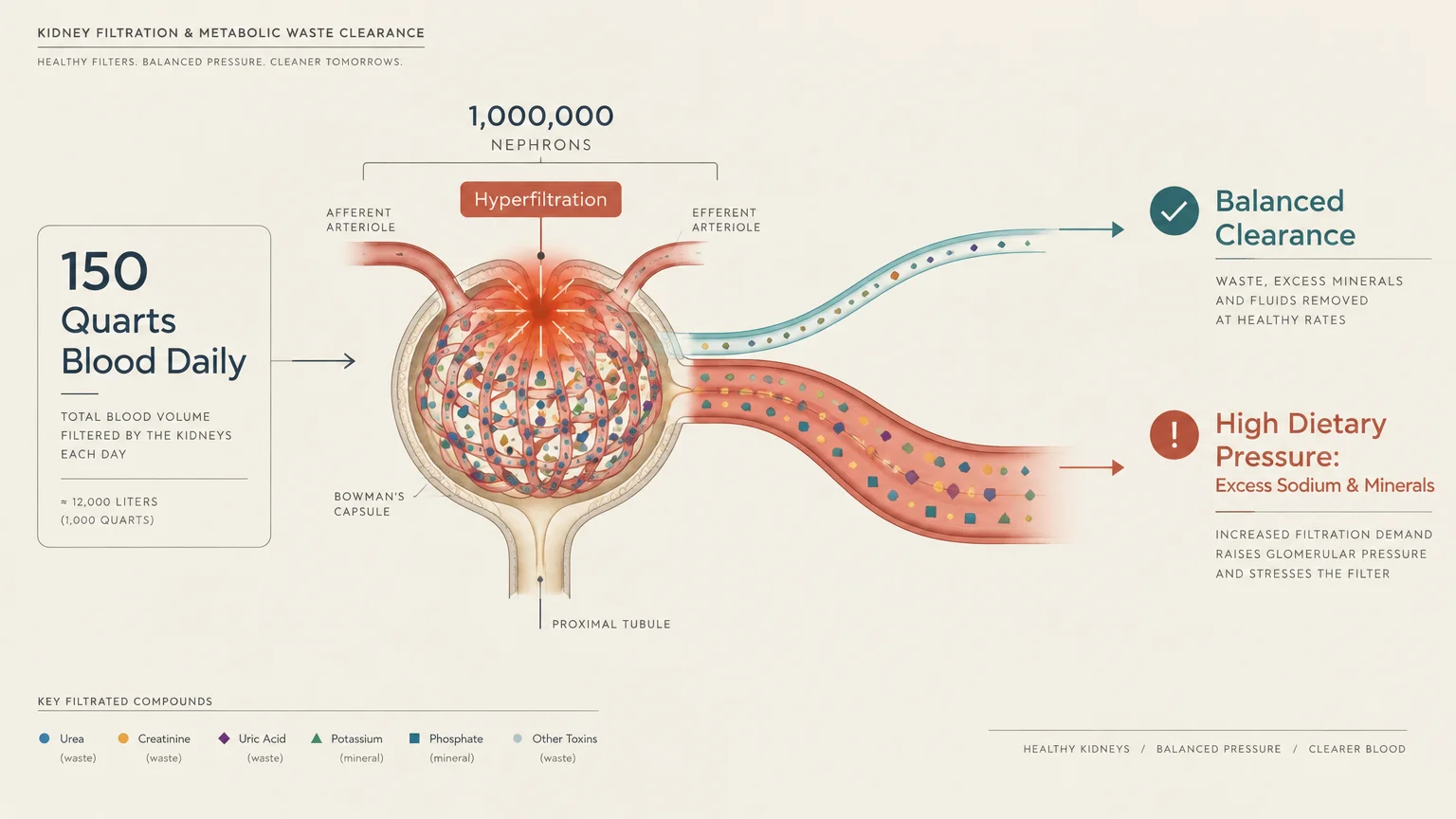
Your kidneys filter roughly 150 quarts of blood every single day, quietly sweeping away metabolic waste and surplus fluid. The meals you enjoy directly influence how hard these vital organs must work.
Making intentional dietary adjustments safeguards your renal filters and preserves your long-term independence. Discovering which foods overtax kidney function allows you to protect your energy and vitality as you age.
Simple grocery swaps lower cardiovascular stress while shielding vulnerable nephrons from progressive damage. Here is what you need to know to navigate your diet for lasting kidney health.
Understanding Kidney Function and Dietary Stress
Your kidneys contain roughly one million microscopic filtering units known as nephrons. These intricate structures regulate systemic blood pressure, stimulate red blood cell production, and maintain mineral balance.
When kidneys function properly, they seamlessly eliminate metabolic byproducts while returning essential nutrients into circulation. Compromised kidneys struggle to clear waste, allowing toxic compounds to accumulate in the bloodstream.
According to data from the Centers for Disease Control and Prevention, approximately 35.5 million adults live with chronic kidney disease. Shockingly, nearly nine out of ten individuals remain completely unaware of their condition.
Kidneys lose operational capacity quietly over decades without presenting noticeable warning signs. Routine blood panels and urine tests remain the only dependable method for detecting early glomerular filtration changes.
Every food you eat breaks down into chemical constituents that pass across renal membranes. Excess sodium, concentrated minerals, and heavy protein loads force nephrons to filter under intense pressure.
This state of overwork, known clinically as hyperfiltration, accelerates scarring within fragile renal tissues. Adjusting your nutritional intake reduces this mechanical burden, effectively protecting your remaining kidney cells.

Key Kidney Health Considerations for Seniors
Renal function naturally declines with age; your filtration rate typically decreases by about one milliliter per minute each year after age forty. This expected shift makes older kidneys far more vulnerable to dietary stress.
Blood vessels supplying renal tissue gradually stiffen over time, reducing overall microvascular blood flow. Consequently, older adults experience a narrower margin of error when processing heavy sodium or mineral loads.
Many seniors also manage coexisting conditions such as hypertension, cardiovascular disease, or type 2 diabetes. These chronic ailments independently damage renal arterioles, compounding the negative effects of harmful foods.
Prescription medications common in retirement years—including blood pressure pills and diuretics—further alter fluid and electrolyte regulation. Your body may retain potassium or excrete water unpredictably because of these essential therapies.
Sarcopenia, the age-related loss of muscle mass, often masks renal decline on standard creatinine blood tests. A lab reading might appear normal even when actual filtration has declined significantly.
Prioritizing kidney-friendly nutrition helps seniors maintain vitality and avoid preventable medical complications. Thoughtful dietary adjustments keep fluid balance stable, which supports mobility and preserves active living.
12 Foods That Can Harm Kidney Function
1. Dark-Colored Colas
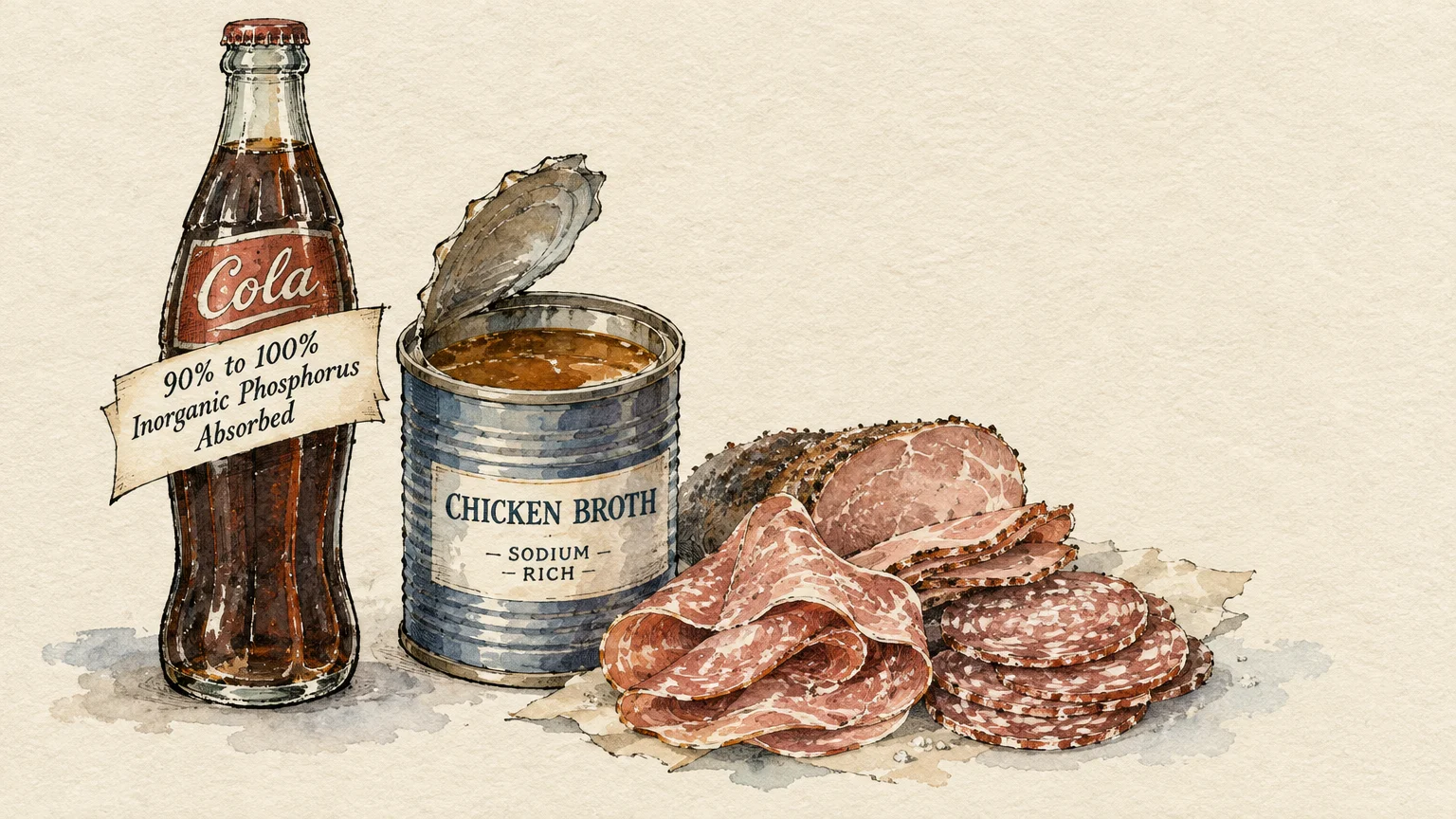
Dark colas contain high levels of inorganic phosphoric acid, which manufacturers add for color and shelf stability. Unlike naturally occurring plant phosphorus, your digestive tract absorbs 90% to 100% of these chemical additives.
Elevated serum phosphorus pulls calcium directly from your bones, leaving your skeleton brittle and weak. This excess mineral binds with circulating calcium, forming dangerous calcifications inside your coronary and renal arteries.
Swap dark sodas for sparkling water with fresh lemon to protect your renal blood vessels.
2. Cured and Processed Meats
Deli ham, bacon, hot dogs, and sausage deliver concentrated doses of both sodium and chemical preservatives. A single serving of cured meat often exceeds half of your recommended daily sodium allotment.
High sodium triggers rapid fluid retention, elevating blood pressure and straining delicate renal capillaries. These processed meats also contain inorganic phosphates and nitrates that worsen vascular inflammation.
Choose lean, freshly prepared poultry or baked fish seasoned with fragrant herbs instead of processed meats.
3. Canned Soups and Prepared Broths
Commercially prepared soups are notorious sodium traps, often packing over eight hundred milligrams per cup. Consuming canned broths can overwhelm your renal filtration capacity before you finish your meal.
Research highlighted by the National Institutes of Health confirms that excessive sodium directly accelerates systemic hypertension. Sustained pressure inside the glomeruli causes microscopic scarring and speeds kidney decline.
Prepare homemade vegetable broths using fresh garlic, onions, and black pepper to control your sodium intake.
4. Star Fruit
Star fruit, also called carambola, presents a severe biological hazard for anyone with compromised kidney function. This fruit contains caramboxin, a potent neurotoxin that healthy kidneys routinely filter and neutralize without issue.
When kidneys fail to clear caramboxin, it crosses into neurological tissue, triggering intractable hiccups, confusion, or seizures. Severe toxicity can produce life-threatening complications even after consuming small amounts of fruit or juice.
Avoid star fruit entirely if your kidney function is impaired; enjoy sweet blueberries or grapes instead.
5. Commercial Salt Substitutes
Many older adults turn to commercial salt substitutes to reduce their daily sodium intake. However, manufacturers routinely replace sodium chloride with concentrated potassium chloride to deliver a familiar salty flavor.
Impaired kidneys cannot efficiently excrete surplus potassium, causing blood levels to rise above safe thresholds. Serum potassium exceeding 5.0 mmol/L creates an immediate danger of life-threatening cardiac arrhythmias.
Season your food with citrus juices, garlic powder, onion flakes, or dried herbs rather than chemical substitutes.
6. Excessive Red Meat
Beef, lamb, and pork contain dense concentrations of purines and acid-forming animal proteins. Digesting heavy animal proteins releases substantial nitrogenous waste, forcing kidneys into an exhausting state of glomerular hyperfiltration.
Clinical guidelines recommend that adults with stages 3 to 5 kidney disease limit protein to 0.8 grams per kilogram daily. Exceeding this threshold floods renal tissues with metabolic acids that accelerate functional nephron loss.
Balance your protein intake by incorporating plant-based options like lentils and tofu alongside modest animal portions.
7. Ultra-Processed Cheeses
American cheese slices, processed cheese spreads, and canned dips contain heavy doses of sodium and inorganic phosphate additives. The human digestive system absorbs these industrial phosphates at rates between 90% and 100%.
This rapid influx spikes blood phosphorus levels, disrupting calcium balance and stiffening renal microvessels. Natural cheeses contain phosphorus bound organically to proteins, which is absorbed far less efficiently.
Choose modest servings of fresh mozzarella or Swiss cheese, which naturally contain far less sodium and chemical phosphorus.
8. Pickles and High-Sodium Condiments
Pickles, green olives, soy sauce, and commercial barbecue glazes undergo heavy brine curing. Eating just one large dill pickle spear can introduce more than eight hundred milligrams of sodium into your system.
Concentrated brine draws water into your bloodstream, causing immediate volume expansion and vascular strain. This sudden pressure spike stresses weakened glomerular membranes and counteracts the effects of blood pressure medications.
Flavor your meals with fresh lemon juice, apple cider vinegar, or crushed herbs to protect your kidneys.
9. Whole Wheat Bread and Bran Cereals in Advanced CKD
While whole grains provide excellent dietary fiber, advanced kidney impairment alters your specific nutritional requirements. Whole wheat flour and bran retain higher amounts of phosphorus and potassium than refined grain products.
If laboratory tests reveal elevated serum phosphorus or potassium, your nephrologist may suggest refined grains temporarily. Balancing mineral intake becomes paramount when your glomerular filtration rate drops significantly below normal levels.
Consult a registered renal dietitian to determine whether white sourdough or whole grains best fit your stage.
10. Potato Chips and Packaged Pretzels
Packaged snacks combine heavy sodium with concentrated potassium from dehydrated potato starches. Commercial snack processing strips away protective fiber while adding shelf-stabilizing mineral preservatives.
Snacking through a large bag of chips delivers an unmeasured sodium payload that rapidly expands blood volume. This sudden fluid shift elevates arterial pressure against fragile renal filters and worsens lower-extremity swelling.
Enjoy air-popped popcorn lightly seasoned with nutritional yeast or smoked paprika for a kidney-friendly alternative.
11. High-Potassium Dried Fruits
Dried apricots, raisins, prunes, and dates lose their water during dehydration, concentrating their natural minerals. A small handful of dried fruit delivers multiple times the potassium found in a fresh fruit serving.
When kidneys cannot clear surplus minerals, potassium accumulates in the blood, triggering severe muscle weakness. Monitoring potassium intake prevents dangerous cardiac irregularities while supporting healthy neuromuscular function.
Substitute dried fruit with fresh low-potassium options like crisp apples, blueberries, or sweet strawberries.
12. Frozen Dinners and Commercial Pizzas
Frozen entrees rely on heavy sodium, chemical phosphates, and saturated fats to preserve flavor during months of storage. A single frozen dinner frequently exceeds your entire daily recommended sodium allowance.
Clinical guidelines recommend keeping total daily sodium below 2,000 milligrams to slow chronic kidney disease progression. Consuming prepackaged frozen meals makes staying beneath this vital therapeutic ceiling nearly impossible.
Batch-cook fresh meals on weekends and freeze individual portions in glassware to maintain full control over seasonings.
Balancing Dietary Adjustments: Benefits and Risks
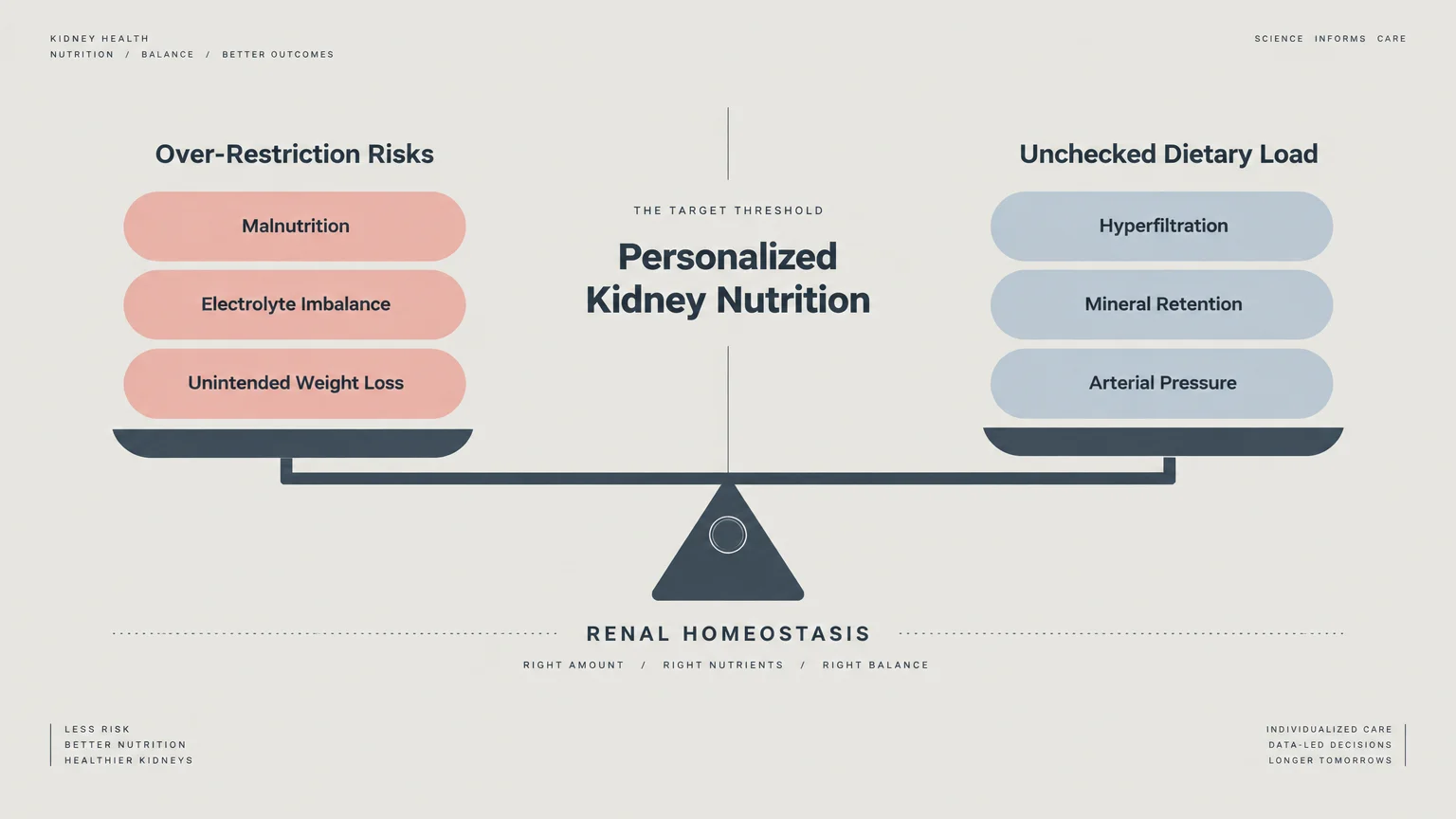
Adopting a kidney-protective diet delivers substantial rewards, including lower blood pressure and preserved filtration capacity. Many seniors discover that cutting sodium quickly relieves stubborn ankle swelling and boosts daytime energy.
Lowering dietary phosphorus also preserves bone density and prevents dangerous calcium deposits in your blood vessels. These proactive choices enhance cardiovascular vitality while significantly delaying the need for renal replacement therapy.
However, overly restrictive diets create serious health hazards for seniors that require careful medical oversight. Eliminating too many foods can cause unintended weight loss, micronutrient deficiencies, and rapid muscle wasting.
Drastically cutting potassium-rich produce may deprive your digestive system of essential fiber and vital antioxidants. You should never eliminate entire plant categories without verified lab results showing elevated serum potassium levels.
Successful kidney management requires aligning your daily food choices with your latest laboratory metrics. Tailoring your nutritional plan ensures you safeguard your kidneys without sacrificing your overall nutritional wellbeing.
Partnering with a specialized renal dietitian helps you enjoy satisfying meals while protecting long-term organ health.

What Leading Health Experts Recommend
Global kidney specialists from Kidney Disease: Improving Global Outcomes (KDIGO) strongly recommend limiting dietary salt. Their guidelines suggest consuming less than five grams of salt per day, which translates to under 2,000 milligrams of sodium.
The Mayo Clinic underscores that moderating protein intake shields residual nephrons in non-dialysis chronic kidney disease. Clinicians recommend an intake of 0.8 grams of protein per kilogram of body weight each day.
Researchers caution that synthetic phosphorus additives pose unique biological risks compared to natural organic phosphorus. Because chemical phosphates are absorbed almost completely, expert guidelines urge patients to inspect ingredient labels vigilantly.
Nephrologists recommend keeping blood potassium between 3.5 and 5.0 mmol/L to protect normal cardiac rhythm. Targeted potassium restrictions should be implemented only when routine blood tests demonstrate elevated serum concentrations.
Leading medical authorities agree that early dietary modifications offer the most effective defense against kidney disease progression.
Practical Daily Steps for Kidney Protection
Audit your kitchen pantry and refrigerator for hidden sources of sodium and synthetic phosphorus additives. Read ingredient labels carefully and avoid items listing sodium phosphate, calcium phosphate, or phosphoric acid.
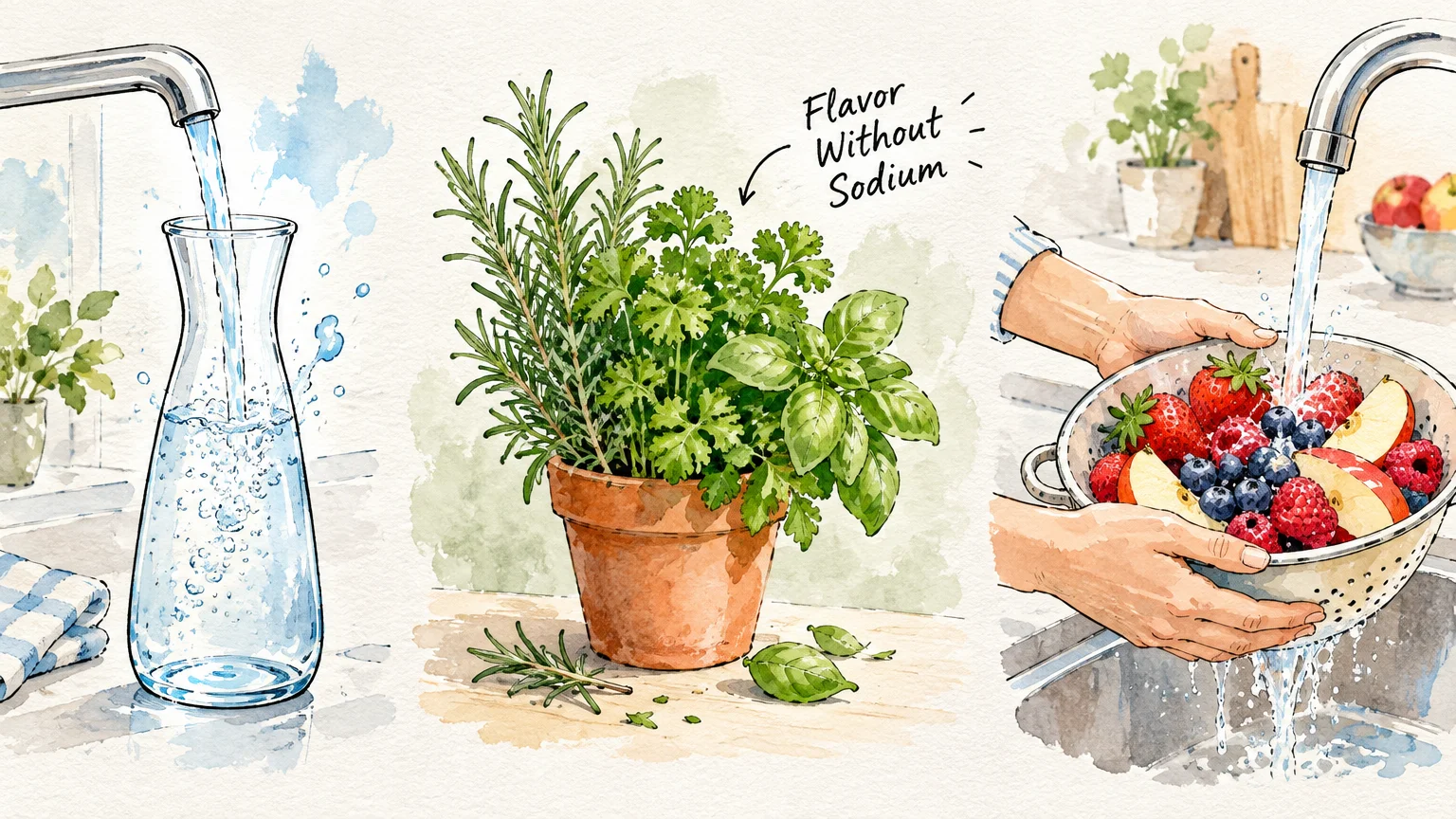
Rinse canned vegetables and beans under cool running water before cooking to remove significant amounts of added sodium. This quick habit allows you to enjoy convenient pantry staples without overloading your kidneys.
Request a comprehensive metabolic panel and urine albumin test during your annual primary care visit. Knowing your estimated glomerular filtration rate helps you choose dietary boundaries that match your exact stage of health.
Experiment with fresh citrus zest, garlic, onion, and aromatic herbs to create vibrant flavor without salt. Culinary herbs introduce protective anti-inflammatory compounds that benefit both your heart and your kidneys.
Hydrate consistently by choosing water over sweetened drinks, commercial sports beverages, and dark colas. Consult your physician to establish an appropriate daily fluid target based on your health status.
Maintain an organized list of all prescriptions, over-the-counter pain relievers, and botanical supplements you take. Reviewing this list with your pharmacist protects against unexpected drug-induced renal complications.
Frequently Asked Questions
Can dietary changes reverse existing kidney damage?
Dietary adjustments cannot heal permanently scarred nephrons, but they significantly slow the progression of chronic kidney disease. Eating kidney-friendly foods reduces hyperfiltration, allowing your remaining filtration units to function efficiently for years.
Working closely with your care team helps stabilize your lab values and prevents sudden metabolic complications.
How much water should I drink daily for kidney health?
Fluid requirements depend on your personal cardiovascular status, body size, activity level, and climate. While active adults often require two liters daily, advanced kidney impairment may necessitate fluid restrictions to avoid dangerous edema.
Always consult your physician to establish a safe daily fluid goal tailored to your medical history.
Are all plant-based proteins safe for damaged kidneys?
Plant proteins such as lentils, beans, and tofu produce fewer acid byproducts than animal meats, reducing kidney strain. Furthermore, your digestive tract absorbs less than 40% of the natural phosphorus found in unprocessed plant foods.
However, you should monitor your total potassium intake if your doctor identifies stage 4 or 5 kidney disease.
Why do doctors warn against over-the-counter pain relievers?
Nonsteroidal anti-inflammatory drugs (NSAIDs) such as ibuprofen and naproxen constrict the microscopic blood vessels supplying your kidneys. This sudden drop in perfusion can provoke acute renal injury, especially in older adults with reduced baseline function.
Discuss kidney-safe pain alternatives, including acetaminophen or non-pharmacological therapies, with your primary care provider.
Is coffee safe to drink if I have kidney disease?
Moderate coffee consumption—one to three cups daily—is generally safe and may even offer mild cardiovascular benefits. However, you should avoid coffee drinks loaded with artificial creamers containing phosphate additives or high-potassium dairy.
Black coffee or coffee with a splash of unsweetened almond milk delivers a satisfying morning routine safely.
Summary and Next Steps
Protecting your kidney function relies on thoughtful everyday choices rather than extreme dietary deprivation. By avoiding inorganic phosphates, curbing sodium intake, and choosing quality proteins, you shield vulnerable nephrons from progressive harm.
Regular communication with your doctor ensures your diet accurately reflects your current blood tests and filtration rate. Small nutritional shifts create substantial long-term benefits for your vitality, mobility, and independent lifestyle.
Take charge of your renal wellness today by stocking your kitchen with nourishing, kidney-friendly foods.
Medical Disclaimer
This article is intended for informational and educational purposes only and is not a substitute for professional medical advice, diagnosis, or treatment. Always consult with a qualified healthcare provider regarding any health concerns or before making any decisions related to your health or treatment.