5. Sudden Loss of Hair on the Feet and Toes
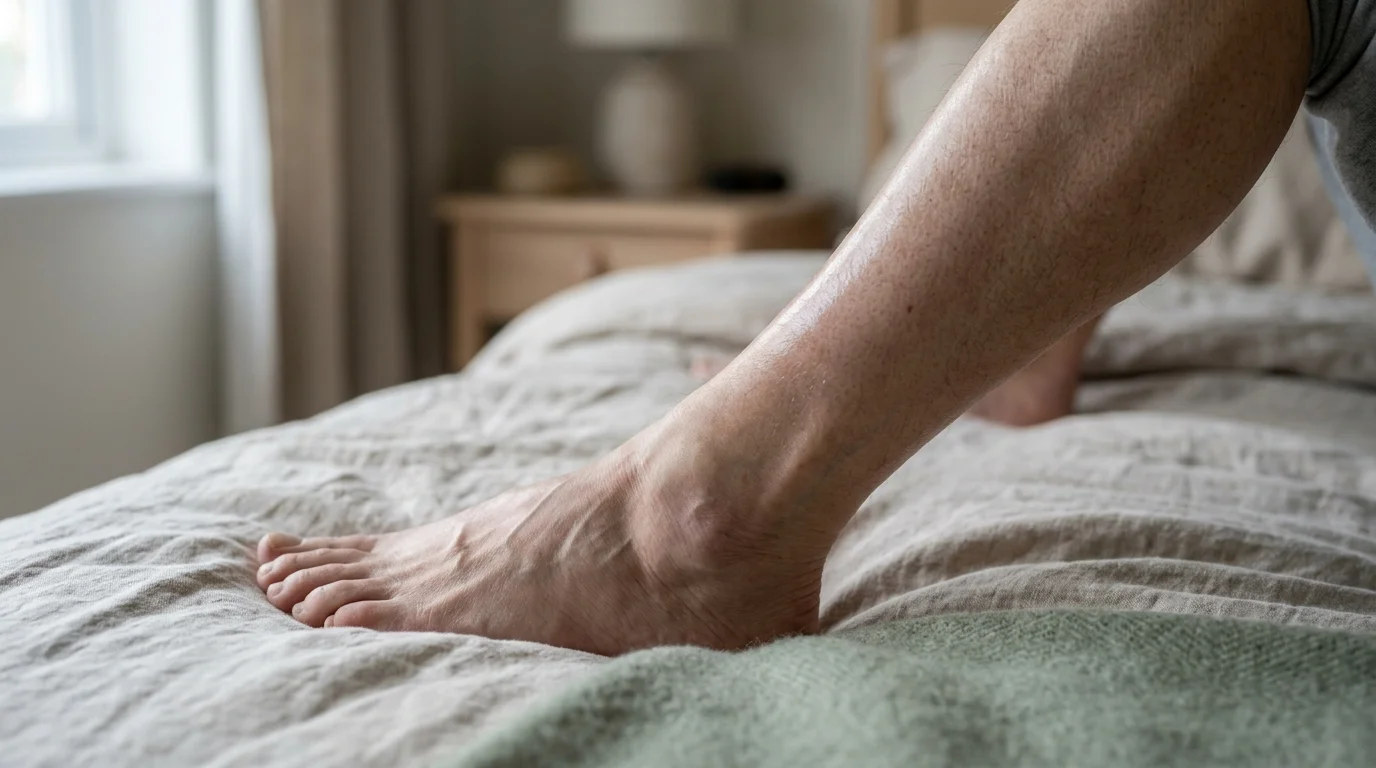
Human hair follicles represent highly active, incredibly demanding biological structures that constantly require vast amounts of fresh nutrients and steady oxygen to sustain the active hair growth cycle. When peripheral arterial disease severely diminishes the microscopic capillary flow reaching the uppermost layers of your skin, these delicate hair follicles simply shut down and die. You will typically notice a completely smooth, hairless patch developing across the tops of your toes, the top of your foot, and potentially extending up your shin and lower calf.
Many older adults incorrectly assume their tight socks, heavy winter boots, or everyday trousers physically rubbed the hair off their lower legs through repetitive friction. While localized friction can cause minor, temporary hair breakage, a stark, glossy, completely hairless appearance stretching across the foot serves as a classic textbook indicator of advanced vascular disease. Alongside the profound hair loss, the surrounding skin often radically changes its core texture. Without the nourishing blood supply required to maintain healthy collagen and elastin production, the skin stretching over your feet becomes unnaturally tight, extremely thin, and noticeably shiny. This tight, parchment-like skin loses all its natural elasticity, making it highly susceptible to spontaneous tearing and massive environmental injury.