Understanding the Basics of Peripheral Arterial Disease
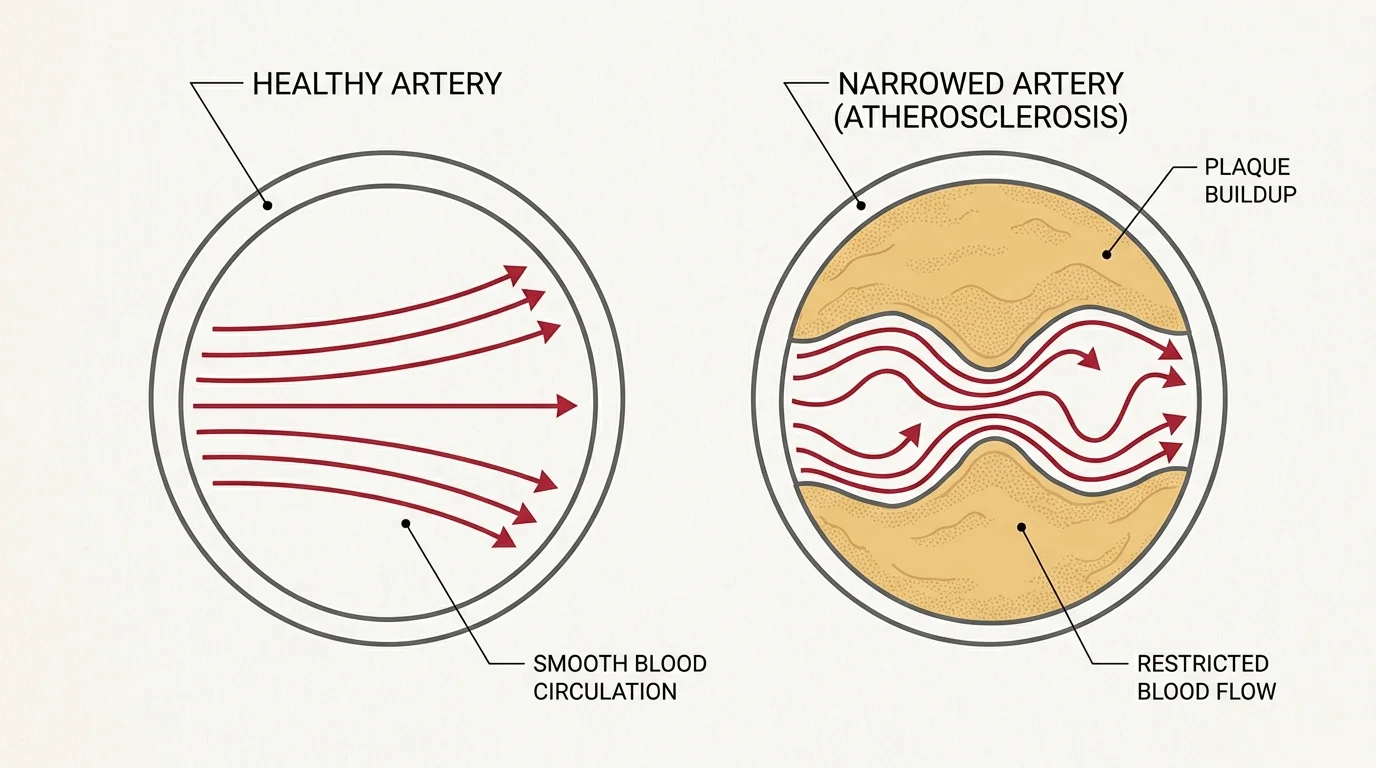
Peripheral arterial disease occurs when plaque aggressively builds up within the walls of the arteries carrying blood from your heart to your head, internal organs, and limbs. This plaque consists of circulating fat, cholesterol, calcium, fibrous tissue, and other cellular debris found in your blood. Over years and decades, this buildup hardens and significantly narrows your arteries. Medical professionals refer to this hardening and narrowing process as atherosclerosis. When atherosclerosis affects the arteries supplying blood to your legs and feet, you develop peripheral arterial disease.
Your arteries act as vital biological highways delivering oxygen-rich blood and crucial nutrients to your bodily tissues. When plaque narrows these highways, the traffic slows to an absolute crawl. The muscles, nerves, and skin cells in your feet demand a constant, uninterrupted supply of oxygen to function correctly and repair daily microscopic damages. Without this steady supply, your lower extremities begin to suffocate at a cellular level. Because your feet represent the absolute furthest point from your heart, they routinely become the very first area of your body to physically manifest the symptoms of systemic vascular starvation.
Understanding these mechanisms remains crucial because peripheral arterial disease rarely exists in a vacuum. The identical plaque buildup choking the arteries in your legs almost certainly affects the arteries supplying blood to your heart and your brain. Identifying the early warning signs in your feet gives you a unique, non-invasive window into the internal health of your entire cardiovascular system. By learning how to read the signals your body sends through your lower limbs, you can intercept potentially fatal heart attacks and strokes well before they strike.