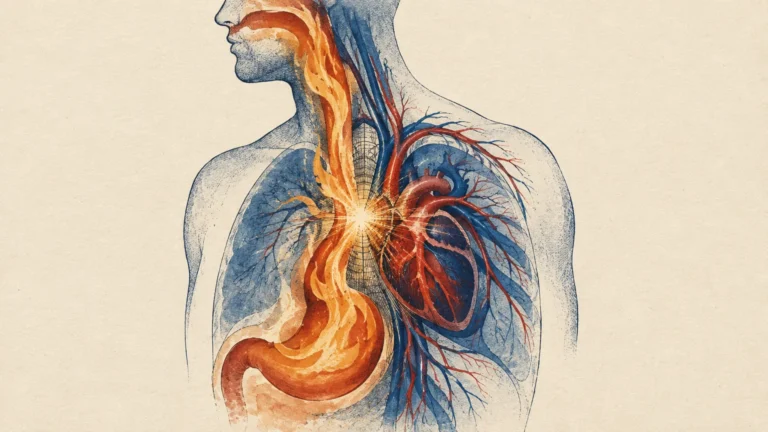
Persistent exhaustion and shifting moods do not have to define your later years. Uncovering the signs of male hormonal decline helps you reclaim your daily vitality and mental clarity.
While women experience a sudden drop in hormones during menopause, men encounter a slow and gradual decline known as andropause. Recognizing these subtle physical and emotional signals gives you the power to take charge of your aging process.
Understanding these hormonal changes in aging men allows you to seek targeted medical solutions early. You can protect your long-term health, strength, and overall quality of life with the right knowledge.

Understanding the Basics of Andropause
Andropause refers to the gradual decline of circulating testosterone levels in men as they advance in age. Clinicians often call this condition late-onset hypogonadism or age-related androgen deficiency.
Unlike female menopause, which halts reproductive capacity abruptly, male hormonal changes develop slowly over decades. Your testosterone levels drop naturally by approximately one percent each year after you reach age thirty.
Testosterone serves as a primary driver for many vital bodily functions throughout your lifespan. It regulates bone mineral density, fat distribution, skeletal muscle mass, red blood cell production, and emotional balance.
As you age, your liver also increases its production of sex hormone-binding globulin, commonly known as SHBG. This protein binds to circulating testosterone, leaving less active hormone available for your tissues to use.
When free hormone levels dip significantly below normal thresholds, your body signals distress through various systemic symptoms. Recognizing male menopause signs enables you to differentiate expected aging from treatable hormone depletion.
Clinical resources like the National Institutes of Health emphasize that low hormone levels warrant proper medical evaluation rather than passive acceptance.

Key Considerations for Older Adults
Aging alters how your body processes and responds to chemical messengers like hormones. When you pass age sixty, systemic changes can amplify the impact of declining androgen levels.
Many older adults assume that chronic fatigue, loss of stamina, or low motivation simply accompany growing older. This assumption frequently causes men to dismiss treatable low testosterone symptoms as inevitable realities of advanced age.
Furthermore, chronic health conditions can interact directly with your endocrine system. Cardiovascular disease, type 2 diabetes, and obesity frequently coexist with reduced testosterone levels in older men.
Metabolic issues often create a difficult cycle with androgen deficiency. Excess visceral fat accelerates the conversion of testosterone into estrogen, depressing your hormone levels even further.
Because aging bodies metabolize medications differently, managing andropause in men over sixty requires careful clinical precision. You must collaborate with a healthcare professional to identify the exact source of your symptoms.
Addressing hormonal imbalance safeguards your functional independence and lowers the risk of physical frailty. Preserving strength and mental agility improves your quality of life well into your golden years.
Nine Symptoms of Andropause in Men
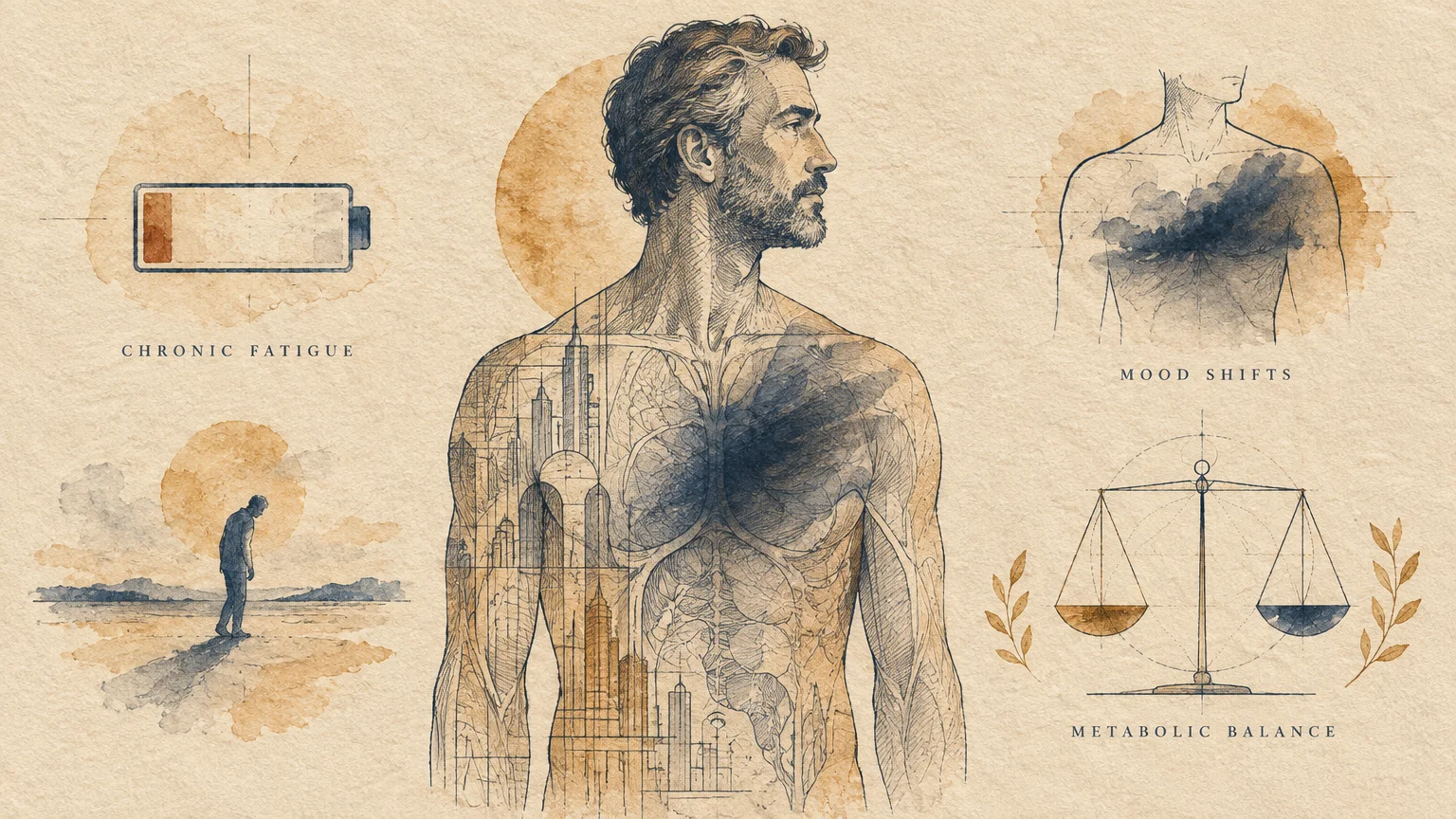
Because andropause develops gradually, its symptoms often creep up without clear notice. Here are nine critical signs of andropause in men that you should watch for.
1. Chronic Fatigue and Low Energy
A sustained lack of energy stands as one of the most frequent andropause symptoms. You might wake up feeling completely drained despite getting eight full hours of uninterrupted sleep.
This deep exhaustion persists throughout the day and interferes with your normal hobbies, social outings, and chores. It differs dramatically from typical tiredness because physical rest fails to restore your vigor.
Testosterone supports cellular energy production within mitochondria and stimulates the creation of red blood cells. When your levels drop, your tissues receive less oxygen, leading to persistent physical lethargy.
2. Reduced Libido and Sexual Changes
A noticeable decrease in sexual desire often alerts men to potential hormonal shifts. You may observe less interest in intimacy or experience fewer spontaneous thoughts regarding sex.
Beyond reduced desire, andropause can also contribute to erectile dysfunction or softer erections. Testosterone stimulates receptors in the brain to produce nitric oxide, a chemical that triggers healthy vascular dilation.
While occasional performance shifts can stem from stress, persistent challenges usually signal underlying biological changes. Restoring balance to your hormones often revitalizes sexual wellness and self-confidence.
3. Loss of Lean Muscle Mass and Physical Strength
Testosterone acts as a major anabolic hormone responsible for building and maintaining skeletal muscle tissue. As androgen levels decline, you may notice your muscles shrinking or feeling softer.
You might find routine tasks increasingly difficult—carrying groceries, opening stubborn jars, or working in the yard. This progressive muscle loss, known clinically as sarcopenia, accelerates when testosterone drops below optimal ranges.
Maintaining muscle strength protects your joints, enhances balance, and reduces the likelihood of accidental falls. Addressing hormone deficiency helps preserve your physical resilience and functional autonomy as you age.
4. Increased Body Fat and Weight Gain
Hormonal changes in aging men frequently trigger unexpected weight gain, especially around the midsection. You may notice an expanding waistline even if your diet and exercise habits remain unchanged.
Testosterone deficiency slows your resting metabolic rate and encourages your body to store visceral fat. Visceral fat surrounds vital abdominal organs and secretes inflammatory compounds that further disrupt your endocrine system.
Some men also develop gynecomastia, which refers to swollen or tender breast tissue. This condition occurs when the delicate ratio between estrogen and testosterone shifts out of balance.
5. Mood Fluctuations, Irritability, and Sadness
Hormones exert a profound influence on your brain chemistry, emotional equilibrium, and outlook on life. Low androgen levels can leave you feeling unusually irritable, pessimistic, or quick to anger over minor issues.
Many men report losing their characteristic drive, enthusiasm, and competitive spirit. Over time, these emotional changes can evolve into persistent feelings of sadness, emotional numbness, or clinical depression.
Because society often views depression through a purely psychological lens, hormonal causes frequently go unexamined. Evaluating your hormone status provides valuable clarity regarding unexpected emotional turbulence.
6. Cognitive Shifts and Mental Fog
You may encounter moments of forgetfulness, decreased concentration, or a frustrating sensation of mental fog. Focusing on complex tasks or recalling names might require significantly more mental effort than before.
Testosterone receptors inhabit key regions of the brain responsible for memory formation, processing speed, and spatial awareness. When hormone levels fall, neurological processing efficiency can decline as well.
While subtle cognitive variation occurs with normal aging, pronounced brain fog should prompt an endocrine evaluation. Protecting your hormonal health supports sharp cognition and long-term mental performance.
7. Poor Sleep Quality and Insomnia
Hormonal imbalance can severely disrupt your natural circadian rhythms and nighttime rest. You may struggle to fall asleep, wake up repeatedly throughout the night, or experience restless sleep.
Low testosterone also correlates with an increased risk of obstructive sleep apnea, a condition marked by interrupted breathing. Fragmented sleep creates a vicious cycle that depletes your daytime alertness even further.
Because your body produces the majority of its testosterone during deep rapid eye movement sleep, poor rest exacerbates hormonal deficits. Breaking this destructive pattern is essential for your systemic recovery.
8. Decreased Bone Density and Height Loss
Osteoporosis is not exclusively a female health concern; it affects older men substantially. Testosterone plays an indispensable role in stimulating bone mineralization and maintaining skeletal architecture.
When testosterone levels decline, bone reabsorption outpaces bone rebuilding, leading to weaker and more porous bones. You may lose height over time or suffer unexpected fractures from minor impacts.
Leading authorities like the Mayo Clinic recommend evaluating bone density when men display classic low testosterone symptoms. Protecting bone integrity preserves your mobility and long-term physical independence.
9. Hot Flashes and Night Sweats
Though less recognized in men, vasomotor symptoms like hot flashes can accompany andropause. You may suddenly feel an intense sensation of heat spreading across your neck, chest, and face.
These episodes often culminate in heavy sweating followed by sudden, uncomfortable chills. Night sweats can soak your clothing and bedsheets, severely compromising your sleep quality.
These sudden thermal shifts occur because plummeting hormone levels confuse the hypothalamus, which regulates your body temperature. Recognizing vasomotor episodes prevents unnecessary anxiety and helps guide accurate clinical diagnosis.
Weighing the Benefits and Risks of Treatment
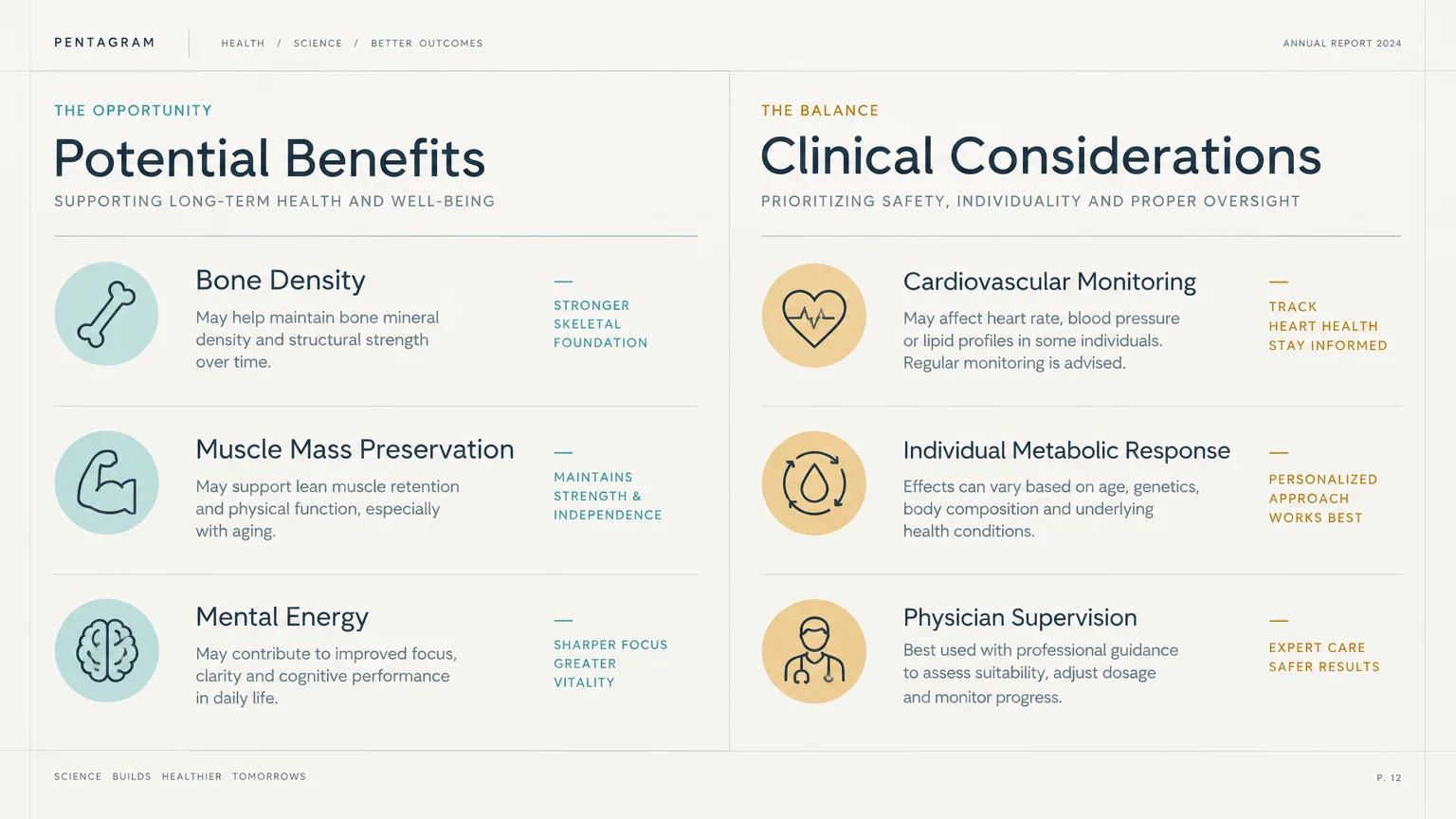
Addressing andropause through medical therapies or targeted lifestyle modifications offers meaningful advantages. Restoring balanced hormone levels can revitalize your physical vitality, improve lean muscle mass, and sharpen mental clarity.
Many men report substantial improvements in mood, self-confidence, and intimate relationships after addressing low testosterone. Furthermore, healthy androgen levels support metabolic health and protect against progressive bone loss.
However, therapeutic interventions such as testosterone replacement therapy carry potential risks that require careful medical consideration. Exogenous testosterone can stimulate an overproduction of red blood cells, which thickens your blood.
This condition, known as erythrocytosis, elevates your risk for blood clots, stroke, or heart complications. Men with underlying cardiovascular disease must proceed under close physician supervision.
Therapy can also worsen existing sleep apnea and cause fluid retention in your lower extremities. Additionally, while testosterone does not cause prostate cancer, it can accelerate the growth of existing tumors.
Balancing these benefits and risks requires an individualized evaluation with your healthcare provider. Thorough diagnostic screening ensures that any chosen therapy matches your personal health profile safely.

Expert Perspectives and Clinical Evidence
Major medical organizations advocate for a measured, evidence-based approach to diagnosing and treating andropause. Guidelines from the Endocrine Society emphasize that clinicians should only treat men with confirmed biochemical deficiency.
This standard means your doctor must document both low serum testosterone levels and persistent clinical symptoms. Routine blood testing must take place in the morning when testosterone concentrations naturally peak.
Organizations like the Centers for Disease Control and Prevention emphasize holistic lifestyle factors in healthy aging. Experts consistently agree that exercise, nutrition, and stress management form the foundation of endocrine care.
The World Health Organization highlights the significance of functional capacity in older adults. Maintaining balanced hormonal health contributes directly to sustained independence and physical resilience throughout late adulthood.
Medical experts also advise against purchasing unverified over-the-counter supplements that claim to boost testosterone quickly. These products often lack scientific verification and can interact adversely with your prescription medications.
Actionable Steps to Manage Your Hormonal Health
Taking control of your hormonal wellness begins with proactive, intentional choices each day. You can take concrete steps right now to protect your vigor and optimize your vitality.
First, schedule a comprehensive health assessment with your physician to discuss your symptoms openly. Request a total and free testosterone blood panel, along with tests for thyroid and liver function.
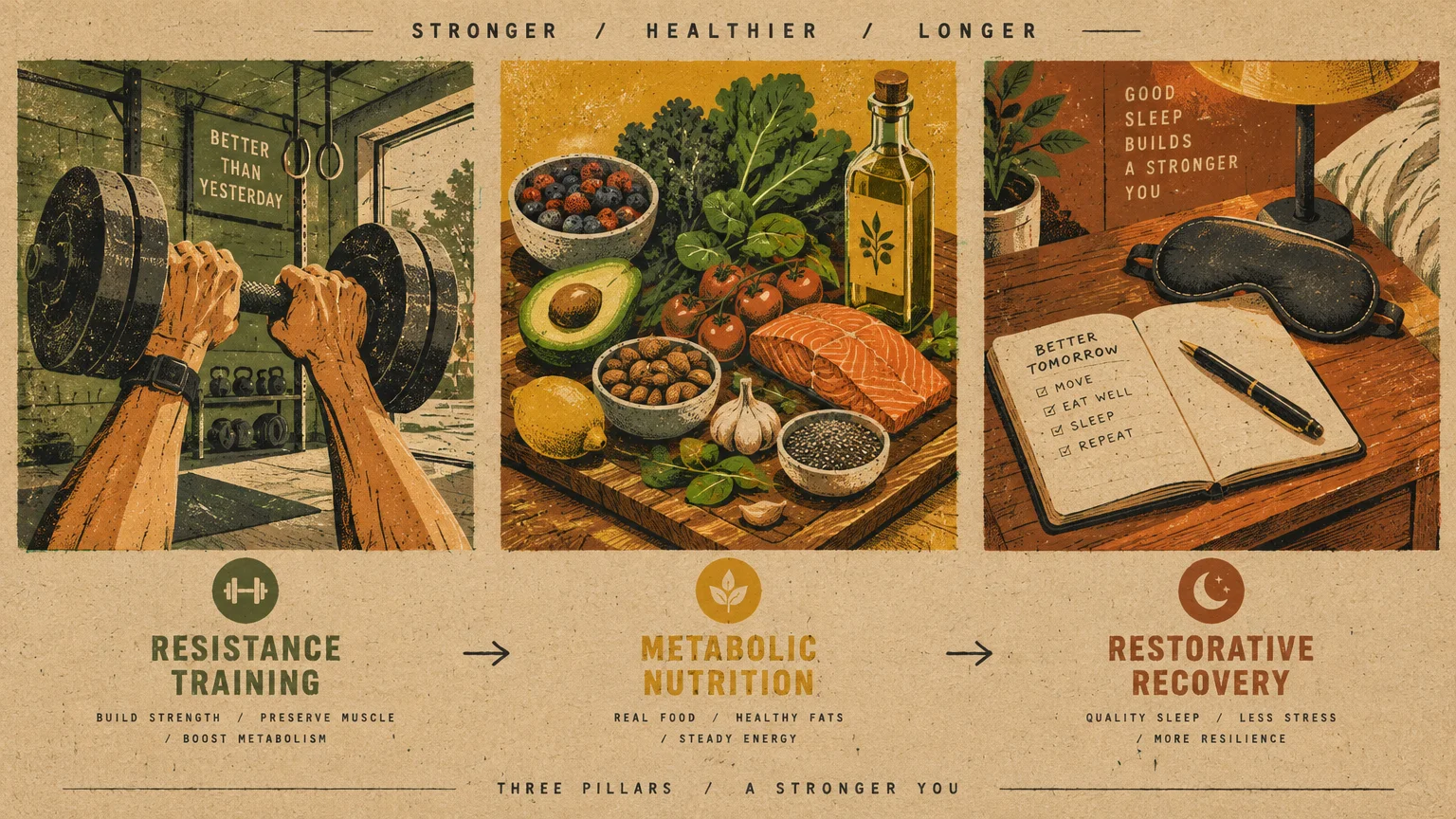
Incorporate regular resistance training into your weekly routine at least two or three times. Lifting weights and performing bodyweight exercises stimulate natural androgen release and preserve your lean muscle mass.
Prioritize nutrient-dense foods that support endocrine balance and cardiovascular function. Focus on consuming lean proteins, healthy fats like olive oil and nuts, and a colorful array of antioxidant-rich vegetables.
Establish strict sleep hygiene habits to ensure you obtain seven to eight hours of sound rest nightly. Keep your bedroom cool, dark, and free from blue light emitting screens before bedtime.
Minimize your intake of alcohol and eliminate tobacco products completely. Excessive alcohol consumption accelerates the conversion of testosterone into estrogen, further exacerbating hormonal imbalances.
Manage emotional stress through mindfulness, leisurely walks outdoors, or breathing exercises. Chronic psychological stress elevates cortisol levels, a hormone that actively suppresses testosterone production.
Frequently Asked Questions
At what age does andropause typically begin?
Most men experience a gradual decline in testosterone starting around age thirty. However, recognizable symptoms usually become more apparent after age fifty or sixty as levels drop further.
The rate of decline varies widely depending on your genetics, general health, and daily habits. Maintaining an active lifestyle helps slow the progression of hormonal depletion significantly.
How does andropause differ from female menopause?
Female menopause occurs abruptly, causing an absolute cessation of ovulation and reproductive ability within a few years. Andropause unfolds very slowly over decades, and men often retain fertility into advanced age.
Furthermore, not every man experiences severe hormonal drops, whereas all women transition through menopause. Male hormonal changes represent a progressive decline rather than a complete shutdown.
Can lifestyle modifications reverse andropause symptoms?
Healthy lifestyle adjustments can significantly improve hormone levels and alleviate mild symptoms. Engaging in regular strength training, losing abdominal fat, and getting adequate rest naturally enhance your body’s hormone production.
Is testosterone replacement therapy safe for seniors?
Testosterone therapy can be safe and beneficial when administered under careful medical supervision. Your doctor must monitor blood counts, prostate health, and cardiovascular wellness regularly to avoid unwanted complications.
How do doctors officially diagnose andropause?
Physicians diagnose andropause by evaluating your specific symptoms alongside multiple morning blood tests. Morning tests ensure accurate results because testosterone levels naturally fluctuate and reach their daily zenith early.
Your physician will also assess your medical history and perform a physical exam to rule out conditions like thyroid disorders. This comprehensive diagnostic process guarantees targeted and effective care.
Moving Forward with Confidence
Navigating the symptoms of andropause can feel challenging, but you do not have to accept exhaustion and low stamina as inevitable. Recognizing the signs gives you the power to make informed decisions about your health.
By pairing healthy daily habits with expert clinical guidance, you can restore your energy, protect your muscle strength, and brighten your mood. Proactive care ensures that your later years remain active, purposeful, and fulfilling.
This article is intended for informational and educational purposes only and is not a substitute for professional medical advice, diagnosis, or treatment. Always consult with a qualified healthcare provider regarding any health concerns or before making any decisions related to your health or treatment.