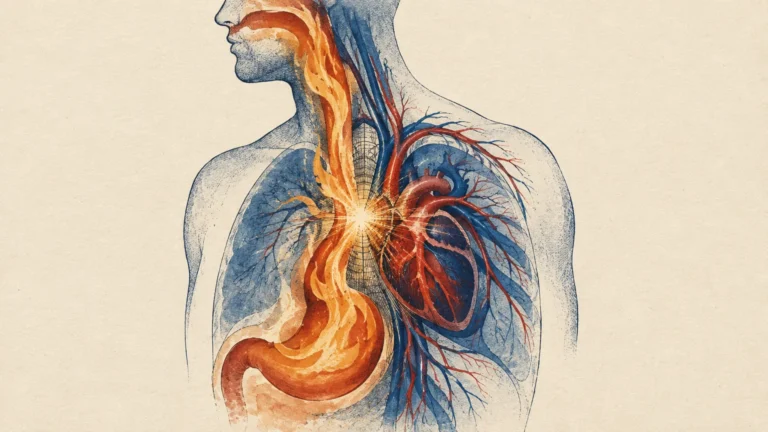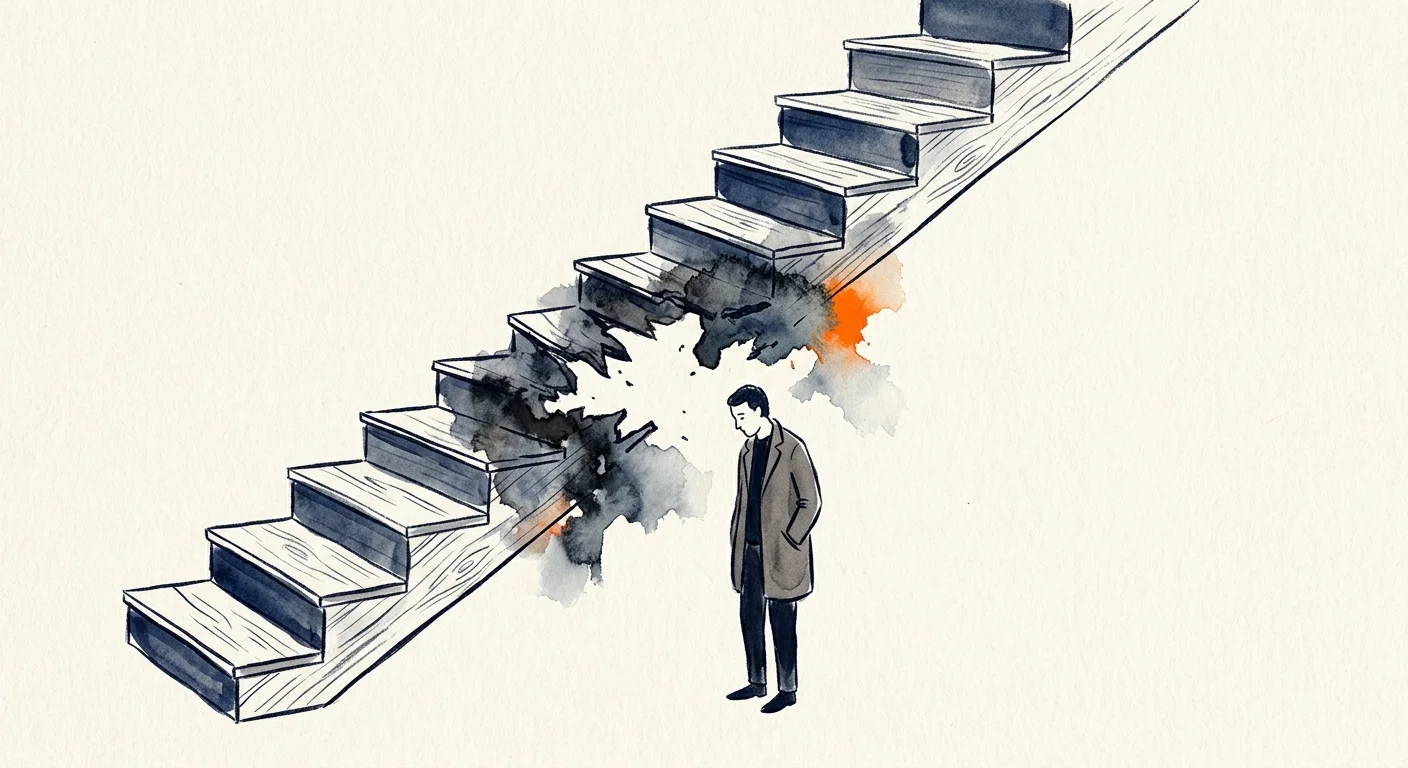
A sudden loss of coordination—such as stumbling while walking across a flat room, dropping utensils without warning, or experiencing sudden clumsiness—demands immediate medical evaluation. While gradual changes in mobility often accompany the aging process, an abrupt disruption in your motor control frequently signals an acute neurological emergency, such as an ischemic stroke or cerebellar event. Because your brain loses approximately 1.9 million neurons every minute during an untreated stroke, recognizing these red flags instantly can save your life and preserve your long-term independence. Knowing when sudden coordination problems require emergency room care empowers you and your family to act decisively when every single second counts.
Understanding Sudden Coordination Loss and Neurological Health
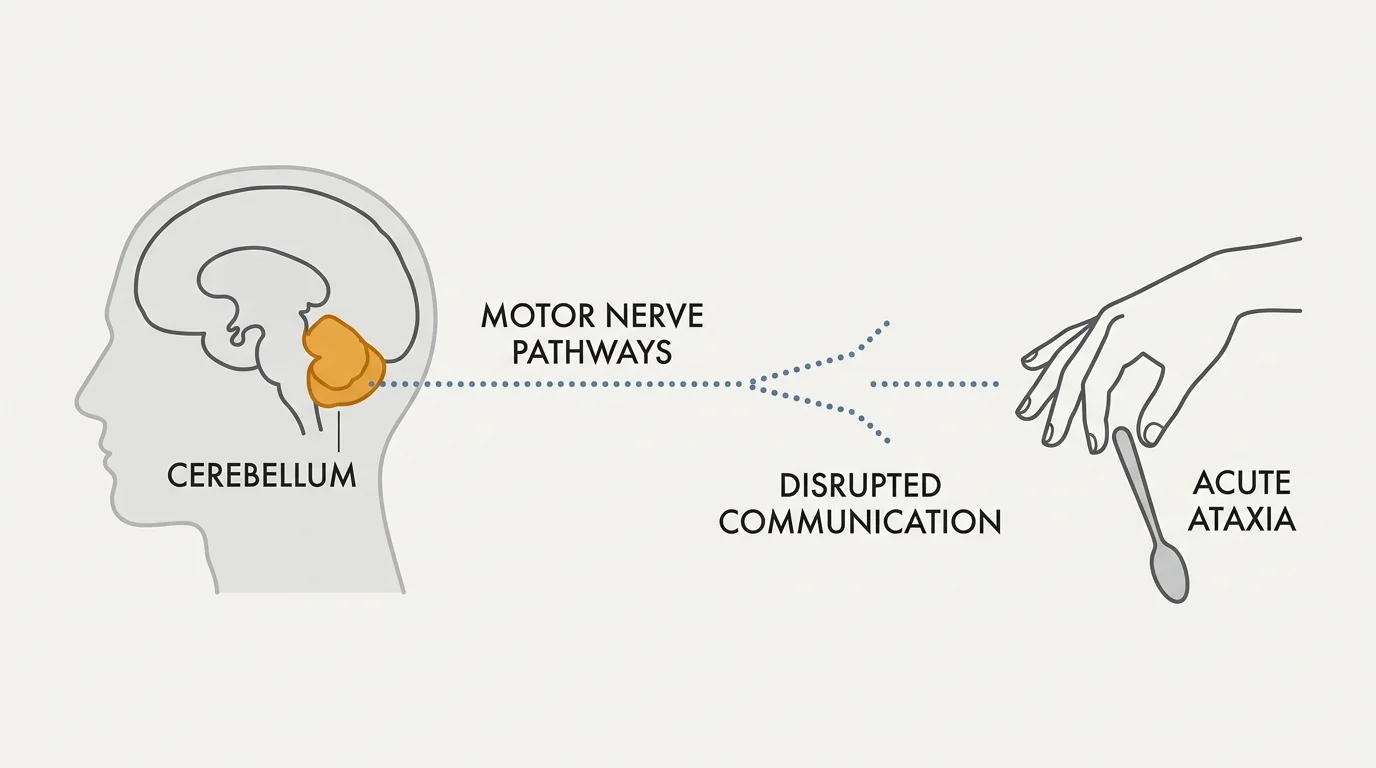
Your brain relies on a complex network of nerve pathways to coordinate every physical movement you make. At the heart of this network lies the cerebellum, located at the base of your brain. The cerebellum regulates balance, fine motor control, and spatial orientation. When blood flow to this vital structure is disrupted by a clot or hemorrhage, or when acute inflammation strikes, the result is sudden incoordination, known medically as ataxia.
Unlike progressive motor decline caused by conditions like arthritis or nerve degeneration, acute ataxia strikes without warning. You might feel as though your limbs no longer belong to you or that your legs cannot support your body. Because acute ataxia represents a breakdown in central nervous system communication rather than physical muscle weakness, it requires rapid neurological evaluation. Understanding that sudden clumsiness stems from an active cerebral disruption helps you recognize why immediate medical intervention is essential to prevent irreversible neurological damage and preserve your physical function.

Key Considerations for Adults Over 60
As you age, vascular changes naturally affect how efficiently blood circulates throughout your central nervous system. Chronic conditions such as high blood pressure, diabetes, high cholesterol, and atrial fibrillation increase your risk for sudden cerebrovascular disruptions. Unfortunately, many older adults and their caregivers mistakenly attribute abrupt physical clumsiness, staggering, or dropped items to normal aging, fatigue, or minor joint stiffness.
Dismissing sudden motor changes as normal aging is a dangerous mistake. Biological aging produces gradual physical changes over years, never sudden, dramatic incoordination overnight. Furthermore, seniors often manage multiple prescription medications, which can complicate symptoms or obscure early warning signs. When an older adult experiences a sudden loss of balance or hand coordination, treating the event as an immediate emergency ensures quick clinical assessment. Recognizing the distinct difference between gradual physical changes and acute neurological warning signs allows you to seek life-saving care before permanent loss of mobility or independence occurs.
8 Signs Sudden Coordination Problems Warrant Emergency Care
Recognizing the specific warning signs that accompany sudden motor loss can mean the difference between full recovery and permanent disability. If you or a loved one notice any of the following eight symptoms alongside unexpected clumsiness, seek emergency medical care immediately.
1. Sudden Loss of Balance or Unexplained Stumbling
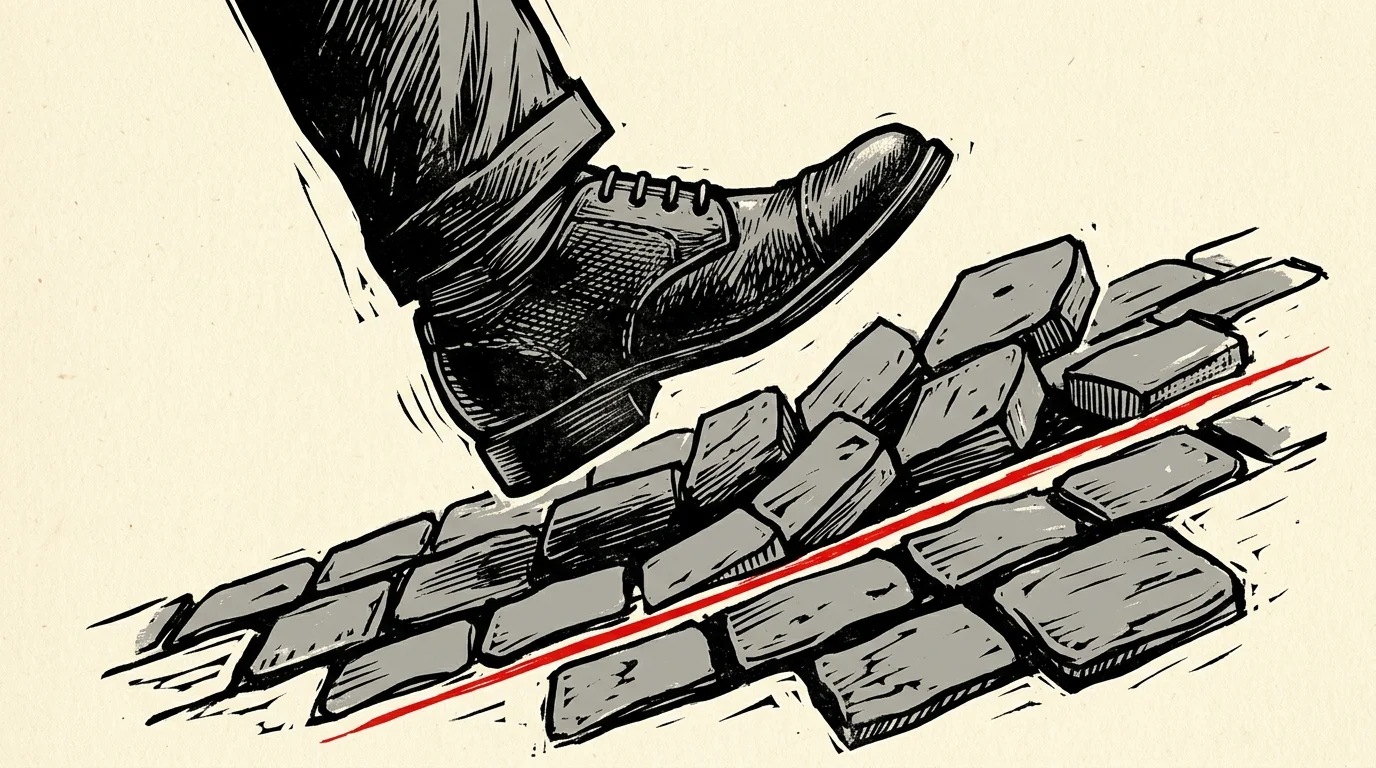
If you are walking normally and suddenly begin veering to one side, stumbling over your feet, or struggling to stay upright, you are experiencing acute postural instability. This sudden loss of equilibrium often points to a stroke in the cerebellum or brainstem. Unlike chronic balance issues that worsen slowly, emergency balance loss happens instantly. You might feel the floor tilting beneath you. Because posterior circulation strokes manifest primarily through balance loss, this symptom demands immediate emergency department care.
2. Acute Onset of Severe Dizziness or Vertigo
While mild lightheadedness can stem from dehydration, sudden severe vertigo—the intense sensation that your environment is spinning rapidly—is a severe warning sign. When acute vertigo hits alongside motor clumsiness, your brain’s balance center is suffering acute distress. You may find it impossible to sit upright without swaying, accompanied by severe nausea or vomiting. Emergency doctors evaluate sudden vertigo to rule out cerebellar strokes, which can easily mimic benign inner ear conditions if not assessed promptly.
3. Unilateral Arm or Leg Clumsiness
Experiencing sudden motor incoordination on only one side of your body is a classic hallmark of a focal neurological event. You might discover that your right hand cannot grasp a coffee cup or that your left foot drags while walking. Unilateral motor dysfunction indicates interrupted blood flow to the cerebral hemisphere controlling that side of your body. Even if you retain muscle strength, an inability to target movements accurately signals severe neurological breakdown requiring immediate emergency room evaluation.
4. Slurred Speech Combined with Hand Incoordination
When sudden hand clumsiness appears alongside difficulty speaking, the combination points directly to a major central nervous system event. You may notice your tongue feels thick, your words sound garbled, or you struggle to select the right words. Simultaneously, your fingers struggle with basic fine motor tasks like buttoning a shirt or holding a pen. Because brain regions controlling speech and hand coordination share blood supply pathways, this paired presentation is a high-priority red flag for stroke.
5. Sudden Double Vision or Eye Movement Disturbances
Your visual system works closely with your cerebellum to coordinate physical movement and spatial orientation. If you suddenly experience double vision, blurred vision in one eye, or rapid, involuntary eye movements, your spatial awareness collapses. You might reach several inches away from an object because your eyes give incorrect positioning data to your brain. Visual disruptions coupled with sudden physical clumsiness indicate that critical nerve pathways in the brainstem or visual cortex are compromised.
6. Rapidly Progressing Muscle Weakness or Numbness
A sudden onset of numbness, tingling, or heavy weakness in your face, arm, or leg—especially on one side—compounds coordination failure. You might feel a strange pins-and-needles sensation in your hand, followed by an inability to lift objects or grip items securely. This loss of sensory feedback prevents your brain from knowing where your limbs are in space, leading to severe clumsiness. Any sudden loss of sensation that impairs limb movement requires immediate hospital transportation.
7. Sudden Apraxia and Inability to Perform Familiar Tasks
If you suddenly cannot execute routine, highly practiced physical tasks—a condition known as apraxia—you are experiencing a severe cognitive and motor breakdown. For example, you might pick up eyeglasses and fail to understand how to put them on, or struggle helplessly to tie shoes you have tied for decades. When sudden confusion or disorientation accompanies physical clumsiness, extensive regions of your brain are struggling due to acute vascular or metabolic distress.
8. Sudden Severe Headache Accompanying Incoordination
An excruciating headache—often described as a sudden “thunderclap” or the worst headache of your life—that coincides with sudden incoordination signals a potential hemorrhagic stroke or ruptured aneurysm. Unlike tension headaches that build gradually, an emergency headache strikes within seconds. Leaking blood creates rapid intracranial pressure, directly disrupting cerebellar function and causing immediate ataxia, dizziness, and motor control loss.

Understanding Clinical Risks and Emergency Time Windows
When an acute stroke or neurological crisis causes sudden coordination failure, every minute without care drastically affects your outcome. According to the Centers for Disease Control and Prevention, over 795,000 Americans suffer a stroke each year, with approximately 87 percent classified as ischemic strokes caused by blocked blood vessels. Worldwide data from the World Health Organization indicates stroke is the second leading cause of death globally, causing nearly 7 million deaths annually.
The damage from an ischemic stroke rapidly accumulates. Medical research from the American Heart Association shows that an estimated 1.9 million neurons die every minute an ischemic stroke goes untreated. Emergency physicians administer clot-dissolving medications, such as alteplase or tenecteplase, to restore blood flow. However, clinical guidelines mandate administering these thrombolytic treatments within a strict 3 to 4.5-hour window from symptom onset.
Traditional screening relies on the FAST acronym (Face, Arms, Speech, Time). Yet studies show FAST misses up to 14 percent of acute strokes, particularly posterior circulation strokes that present mainly with sudden balance loss, dizziness, and coordination problems. Utilizing the expanded BE-FAST protocol—adding Balance loss and Eyesight changes—ensures rapid detection of cerebellar and brainstem strokes.
What the Medical Research and Experts Say
Leading organizations like the National Institutes of Health and the Mayo Clinic stress that sudden ataxia must be treated as a medical emergency. Neurological research shows that transient ischemic attacks (TIAs), often called mini-strokes, can cause brief episodes of sudden clumsiness that resolve on their own within minutes. However, experts warn against ignoring temporary symptoms. A TIA is a severe warning sign; roughly one in three people who experience a TIA suffer a major stroke within a year if untreated.
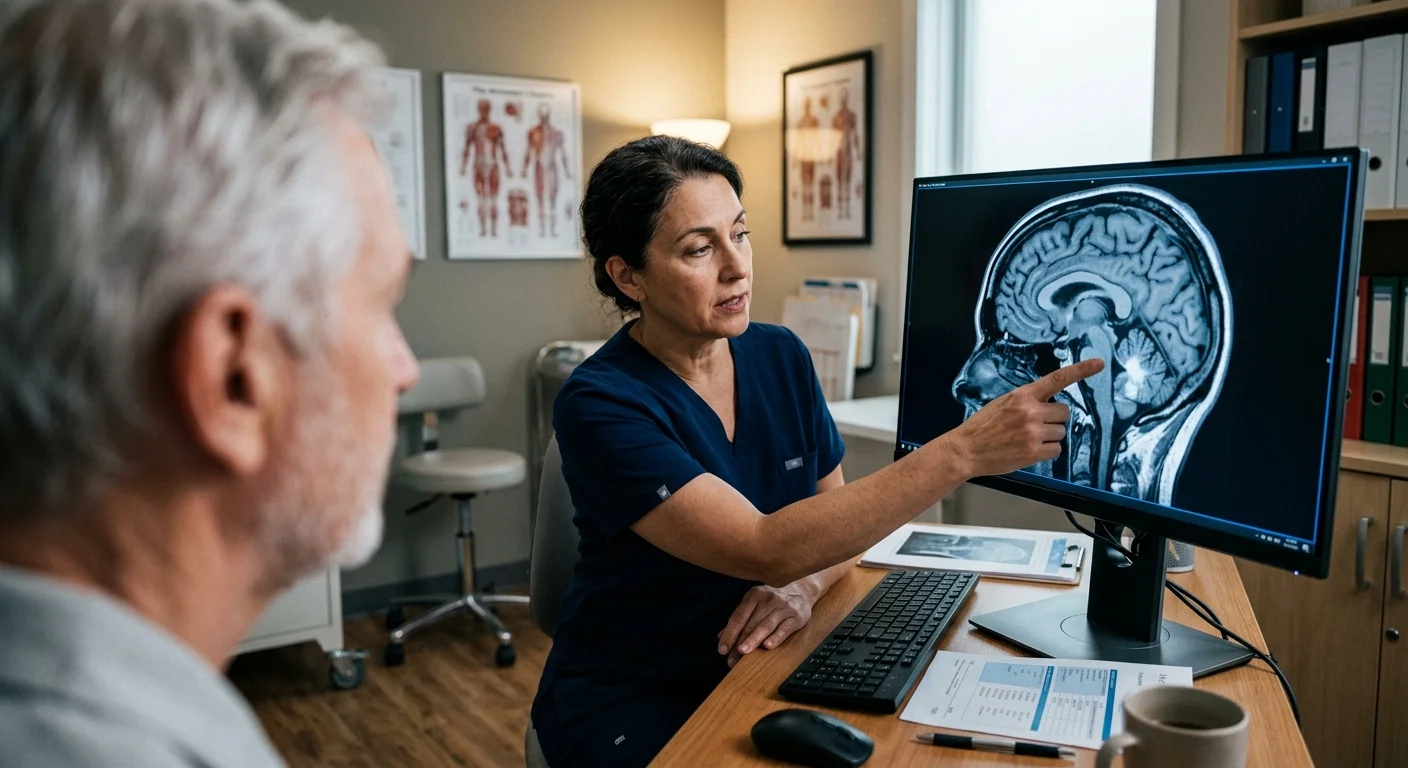
Emergency protocols require rapid neuroimaging, such as CT scans or MRIs, for anyone presenting with acute motor incoordination. These imaging tools allow doctors to distinguish between ischemic strokes, brain hemorrhages, tumors, or central nervous system infections. Prompt clinical evaluation guarantees that doctors initiate appropriate treatments immediately, maximizing your potential for full recovery.

Practical Steps to Take During a Coordination Crisis
If you notice sudden coordination problems in yourself or a family member, taking quick, organized steps will streamline emergency medical intervention and save vital brain tissue.
First, call 911 immediately. Do not attempt to drive to the hospital or wait for a doctor’s office callback. Paramedics can begin diagnostic evaluations, monitor vital signs, and alert the hospital emergency team while in transit, accelerating access to life-saving treatments upon arrival.
Second, record the exact time symptoms began or when the person was last seen functioning normally. Emergency physicians require this timeline to determine if clot-busting medications or advanced clot-retrieval procedures are safe options.
Third, keep the individual comfortable, seated, or resting safely on the floor to prevent fall injuries. Do not offer food, water, or oral medications like aspirin. Neurological events often impair swallowing reflexes, creating severe risks of choking or aspiration. Stay with the person until emergency medical technicians arrive, observing any new symptoms so you can report them accurately to the medical team.
Frequently Asked Questions
What is the difference between age-related clumsiness and emergency coordination loss?
Age-related clumsiness develops gradually over months or years due to joint stiffness or slow muscle loss. Emergency coordination loss strikes suddenly within seconds or minutes. If you abruptly stumble, drop items, or lose balance on flat ground, you are experiencing an acute medical emergency requiring immediate evaluation.
Why does the BE-FAST acronym matter more than the traditional FAST test?
The traditional FAST acronym misses up to 14 percent of strokes because it focuses primarily on facial drooping and arm weakness. Adding Balance and Eyes to form BE-FAST captures posterior circulation strokes that present mainly with sudden clumsiness, severe vertigo, and visual disturbances.
Can a transient ischemic attack cause temporary coordination issues?
Yes. A transient ischemic attack occurs when blood flow to the brain is briefly blocked. Even if clumsiness resolves completely on its own, you must seek emergency care. A transient ischemic attack signals high risk for a major, permanent stroke in the near future.
What tests do emergency doctors perform for sudden ataxia?
Emergency physicians conduct immediate neurological exams testing your reflexes, balance, and eye movements. They order urgent brain imaging, such as CT or MRI scans, to look for blockages or bleeding, alongside blood tests and heart evaluations to identify the underlying cause.
How long is the treatment window for stroke clot-busting drugs?
Intravenous clot-busting medications must generally be given within 3 to 4.5 hours of symptom onset. Because 1.9 million neurons die every minute during an ischemic stroke, arriving at the emergency room immediately is vital for receiving these treatments.
Protecting Your Neurological Health and Independence
Sudden loss of balance, uncharacteristic clumsiness, and acute motor breakdown are urgent signals from your nervous system that require immediate attention. By recognizing the critical warning signs, using the BE-FAST protocol, and calling emergency services without delay, you protect yourself and your loved ones from catastrophic brain damage and permanent disability. Never ignore an abrupt change in physical control or wait to see if symptoms improve. Taking decisive action during a coordination emergency safeguards your long-term independence, protects your brain health, and ensures you receive time-sensitive, life-saving care.
This article is intended for informational and educational purposes only and is not a substitute for professional medical advice, diagnosis, or treatment. Always consult with a qualified healthcare provider regarding any health concerns or before making any decisions related to your health or treatment.