
Living with persistent skin redness, scaling, or itchiness can drain your energy and disrupt your daily peace. Adjusting what you put on your plate provides a direct, drug-free way to soothe irritated skin from within.
Eczema and psoriasis stem from immune responses that flare up when chronic inflammation spikes throughout your body. Certain common foods actively accelerate this internal fire, triggering painful outbreaks on your skin.
Removing these dietary culprits protects your skin barrier and eases daily discomfort. Discover the eight primary foods that worsen symptoms and learn how smart swaps restore lasting relief.
Understanding Eczema and Psoriasis in Older Adults
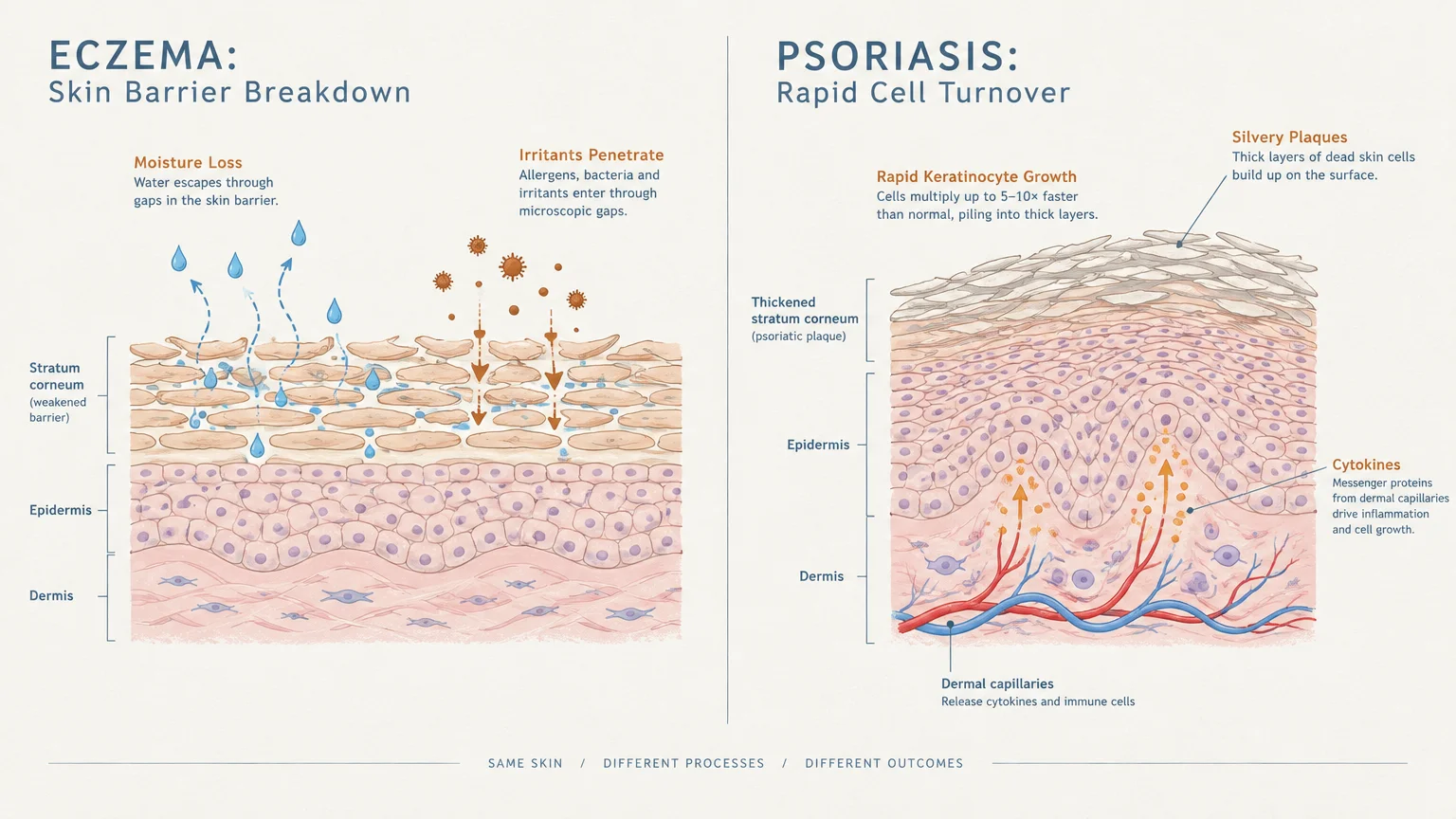
Eczema and psoriasis often look similar on the surface, but they develop through different biological pathways. Understanding these unique mechanisms helps you make informed choices about your daily nutrition.
Eczema compromises your outer skin barrier, allowing vital moisture to escape while letting external irritants penetrate. This barrier breakdown causes intensely itchy, red patches that frequently crack or bleed.
Psoriasis operates as an autoimmune condition that accelerates your skin cell life cycle. Your body produces skin cells too quickly, creating thick, silvery plaques on your elbows, knees, or scalp.
Both conditions respond aggressively to biochemical changes in your bloodstream. When you digest pro-inflammatory foods, your body releases messenger proteins known as cytokines.
These circulating cytokines travel through your bloodstream and reach delicate skin tissue. There, they intensify localized swelling, redness, and severe itching.
Managing your food intake directly lowers this systemic inflammatory burden. Consequently, your skin enjoys a calmer biological environment to repair and regenerate itself.

Key Considerations for Aging Skin and Digestion
Aging changes how your body processes nutrients and shields itself from external harm. Recognizing these physical shifts allows you to tailor your diet for optimal skin health.
Mature skin produces less natural oil and hyaluronic acid over time. This natural decline leaves your moisture barrier thinner, drier, and far more vulnerable to inflammatory irritation.
Your digestive tract also experiences notable changes as birthdays accumulate. Stomach acid levels decline, and your intestines produce fewer enzymes to break down dense meals efficiently.
When your digestive system struggles to process proteins, unabsorbed particles can disrupt your gut microbiome. This imbalance triggers immune responses that quickly show up on your skin.
Immunologists refer to age-related immune changes as immunosenescence; this baseline chronic inflammation is known as inflammaging. Eating pro-inflammatory foods adds fuel to this existing internal fire.
Many seniors also take prescription medications for cardiovascular or metabolic health. Certain inflammatory foods can interact with these prescriptions, complicating your skin management even further.
8 Foods That Can Trigger Flare-Ups
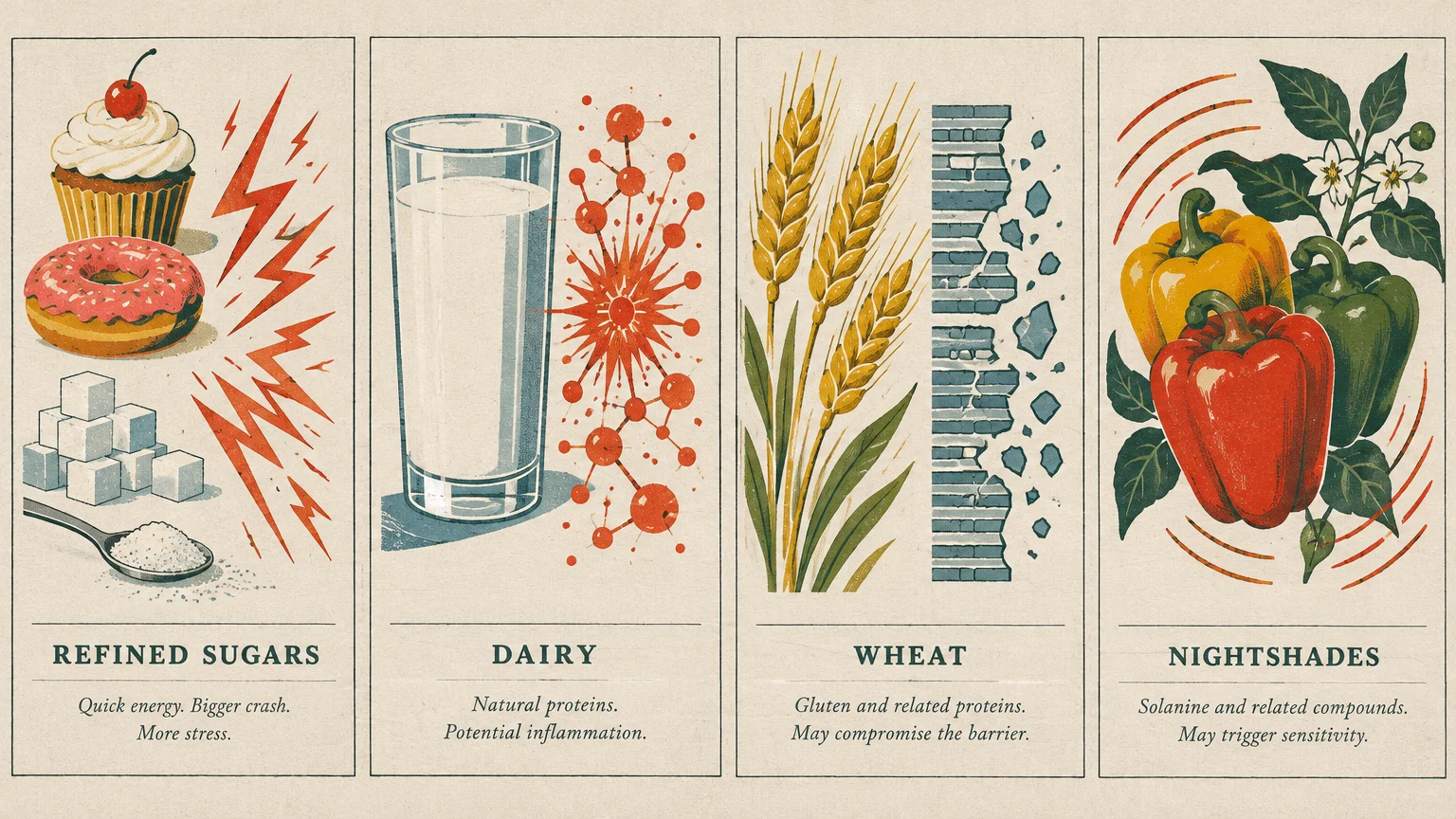
Your dietary choices influence cellular inflammation every single day. Eliminating or reducing the following eight foods can significantly calm your skin and prevent painful flare-ups.
1. Refined Sugars and Sweets
Pastries, candies, and sweetened beverages cause rapid spikes in your blood glucose levels. When your blood sugar surges, your pancreas releases large amounts of insulin to clear the excess glucose.
This insulin surge activates nuclear factor-kappa B, prompting your cells to generate inflammatory cytokines. These circulating compounds degrade collagen fibers and aggravate both eczema and psoriasis plaques.
Swap out candy and sugary baked goods for fresh berries or baked apples. These whole fruits deliver natural sweetness alongside protective antioxidants and gentle dietary fiber.
2. Dairy Products from Cows
Conventional cow’s milk contains casein and whey, two proteins that commonly provoke immune reactivity. Many older adults also lose the lactase enzyme needed to digest milk sugars comfortably.
When your immune system reacts to dairy proteins, it releases histamine into surrounding tissues. This reaction dilates blood vessels, causing sudden skin flushing, prickly heat, and intense itching.
Replace traditional cow’s milk with unsweetened almond milk, flax milk, or oat milk. These plant-based options provide smooth textures without triggering inflammatory immune cascades.
3. Ultra-Processed Meats
Bacon, sausage, hot dogs, and deli slices contain high concentrations of saturated fats, sodium, and chemical preservatives. Manufacturers add nitrates and nitrites to prolong shelf life and preserve color.
Processed meats also supply abundant arachidonic acid, an omega-6 fatty acid that fuels inflammatory pathways. Your body converts this compound into leukotrienes, which intensify skin swelling and plaque thickness.
Choose lean, anti-inflammatory proteins instead, such as wild-caught salmon, sardines, or pasture-raised poultry. Cold-water fish provides soothing omega-3 fats that actively calm irritated skin.
4. Gluten and Refined Grains
Gluten is a dense protein found in wheat, barley, rye, and many commercial baked goods. Even without celiac disease, many older adults experience non-celiac gluten sensitivity that disrupts digestion.
Gluten stimulates zonulin release, a protein that loosens the tight junctions within your intestinal wall. This permeability lets dietary toxins enter your bloodstream, triggering systemic immune flares on your skin.
Opt for naturally gluten-free whole grains like brown rice, quinoa, millet, and buckwheat. These nutrient-dense alternatives provide steady energy without compromising your gut lining integrity.
5. Nightshade Vegetables
The nightshade family includes white potatoes, tomatoes, eggplants, bell peppers, and cayenne pepper. While packed with vitamins, these plants contain natural chemical compounds known as alkaloids.
Solanine is the primary alkaloid in nightshades; it can irritate the intestinal lining in sensitive seniors. This gut irritation often amplifies joint stiffness and triggers severe psoriasis outbreaks.
If you suspect nightshades trigger your flares, substitute them with sweet potatoes, carrots, and yellow squash. These colorful alternatives supply rich antioxidants without irritating alkaloid compounds.
6. Industrial Seed Oils
Corn, soybean, canola, and sunflower oils appear extensively in commercial dressings, baked goods, and fried foods. These refined oils undergo intensive industrial refining and high-heat processing.
Industrial seed oils contain excessive omega-6 fatty acids relative to protective omega-3 fats. This extreme imbalance encourages your cells to produce pro-inflammatory compounds that break down skin barrier lipids.
Prepare your home meals with extra-virgin olive oil or avocado oil instead. Extra-virgin olive oil delivers powerful polyphenols that protect cellular membranes and soothe systemic inflammation.
7. Alcohol and Sugary Cocktails
Alcohol places heavy metabolic demands on your liver, which serves as your primary detoxification organ. When liver function is taxed, inflammatory waste products circulate longer throughout your vascular system.
Alcohol also dilates peripheral blood vessels, causing noticeable skin flushing, intense heat, and worsening itchiness. Furthermore, alcohol dehydrates skin tissues, making eczema cracks deeper and more painful.
Replace evening drinks with sparkling water infused with fresh mint, cucumber slices, or lime peel. Staying thoroughly hydrated keeps your skin supple, resilient, and better protected.
8. Citrus Fruits and Histamine-Rich Foods
Oranges, grapefruits, lemons, and aged fermented foods contain significant amounts of histamine or prompt its release. Many older adults produce lower levels of the enzyme needed to break down histamine.
When histamine builds up in your body, it provokes localized allergic reactions in your skin. You may experience sudden hives, burning sensations, and intense scratching fits that damage delicate tissue.
Substitute citrus fruits with blueberries, sweet pears, and honeydew melon for your daily fruit intake. These nourishing options provide vital vitamins without triggering uncomfortable histamine reactions.
Benefits and Potential Risks of Dietary Changes
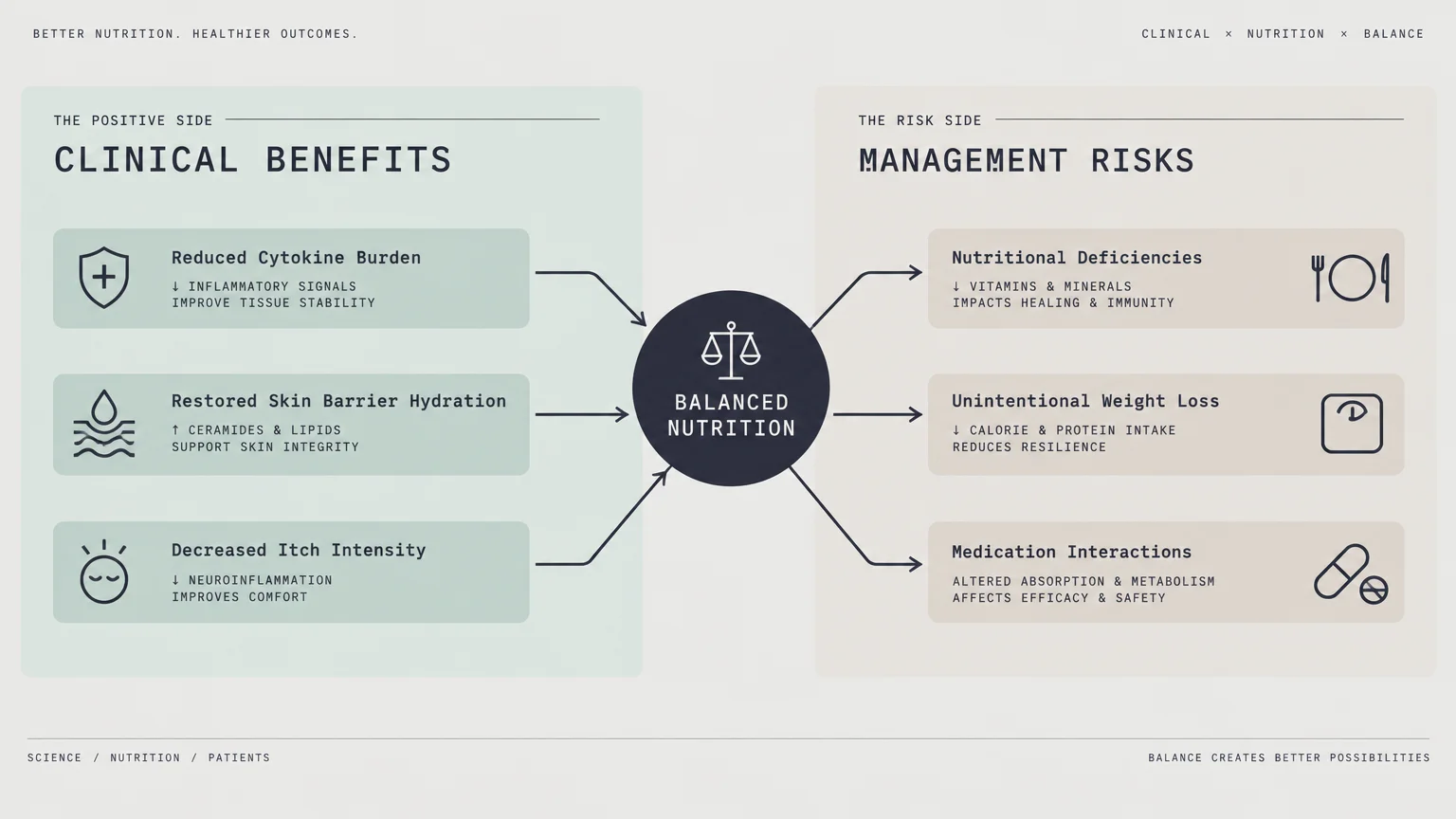
Rethinking your daily nutrition offers powerful relief, but you must approach dietary adjustments with balance and care. Weighing the advantages against potential pitfalls ensures safe, sustainable progress.
Removing inflammatory trigger foods directly lowers circulating inflammatory markers like C-reactive protein. As internal inflammation subsides, your skin can heal, producing fewer scales, less redness, and reduced itching.
Many seniors discover that anti-inflammatory eating also improves secondary health conditions. You may experience reduced joint stiffness, improved cardiovascular health, and more restful nighttime sleep.
However, eliminating multiple food groups too quickly presents distinct nutritional risks for older adults. Overly restrictive diets can lead to unintentional weight loss, muscle wasting, and dangerous nutrient deficiencies.
Cutting out dairy, for example, can deplete your dietary calcium and vitamin D, threatening bone density. Similarly, avoiding whole grains without suitable replacements can reduce essential dietary fiber.
Social isolation presents another subtle risk when dietary restrictions prevent you from enjoying family meals. Maintaining nutritional balance and social connection requires thoughtful planning rather than extreme deprivation.

What the Medical Experts and Science Say
Leading medical authorities emphasize the profound connection between dietary patterns and inflammatory skin conditions. Mainstream dermatological research increasingly validates nutritional intervention as a complement to standard therapies.
Organizations like the National Institutes of Health fund clinical research exploring the gut-skin axis. Emerging studies confirm that your intestinal microbiome regulates systemic immune responses that manifest on your skin.
Clinicians at the Mayo Clinic note that while food allergies rarely cause psoriasis directly, anti-inflammatory eating often reduces symptom severity. Their specialists highlight weight management and reduced saturated fat intake as valuable therapeutic targets.
Public health experts at the Centers for Disease Control and Prevention stress that chronic inflammation underlies numerous age-related conditions. Controlling inflammation through diet protects multiple organ systems simultaneously.
Dermatologists agree that no single universal diet cures eczema or psoriasis for every individual. Instead, scientific consensus supports personalized dietary modifications guided by careful observation and clinical supervision.

Practical Steps and Actionable Advice
Transforming your eating habits does not require radical, overnight overhauls. Taking deliberate, measured steps allows you to identify your unique triggers while safeguarding your overall nutritional status.
Maintain a dedicated food and symptom journal for at least three consecutive weeks. Record everything you eat and drink, noting any subsequent itching, redness, or scale formation within forty-eight hours.
Execute a temporary elimination trial targeting only one or two suspect food categories at a time. Remove the chosen foods for three weeks, then reintroduce them slowly while monitoring your skin for reactions.
Focus on crowding out inflammatory items with abundant, anti-inflammatory whole foods. Fill your plate with leafy greens, colorful non-nightshade vegetables, wild fish, and healthy monounsaturated fats.
Review your planned dietary changes with your primary care physician or a registered dietitian before starting. Professional guidance ensures your new eating plan meets your specific caloric, protein, and micronutrient requirements.
Cook simple meals at home using fresh ingredients to avoid hidden additives and industrial oils. Preparing your own food gives you complete control over every ingredient you ingest.
Frequently Asked Questions
Can changing my diet cure eczema or psoriasis permanently?
Dietary changes cannot cure eczema or psoriasis because both conditions involve underlying genetic and immune mechanisms. However, eliminating trigger foods can dramatically reduce flare frequency and symptom severity.
Combining skin-healthy nutrition with prescribed medical treatments offers the most reliable path to clear skin. Think of diet as a powerful management tool rather than an outright cure.
How quickly will my skin improve after removing trigger foods?
Skin cell turnover and systemic inflammation reduction take time to reflect externally. Most older adults notice subtle improvements in itching and redness within two to four weeks.
Significant clearance of thickened psoriatic plaques or deep eczema cracks often requires eight to twelve weeks of consistent dietary changes. Patience and consistency remain essential throughout this healing phase.
Should seniors take supplements like vitamin D or fish oil?
Omega-3 fatty acids and vitamin D provide well-documented anti-inflammatory benefits that support skin barrier health. Many older adults produce less cutaneous vitamin D from sunlight, making supplementation beneficial.
However, you should always consult your physician before starting new supplements. High-dose fish oil, for instance, can thin your blood and interact with anticoagulant medications.
Are commercial food sensitivity blood tests accurate?
Commercial immunoglobulin G tests often yield false positives and lack rigorous scientific validation. They frequently reflect foods you eat regularly rather than genuine inflammatory triggers.
A structured elimination diet guided by a healthcare professional remains the gold standard for identifying true triggers. This hands-on method delivers far more reliable insights than mail-in blood kits.
Can increasing my water intake counteract inflammatory foods?
Drinking adequate water supports cellular hydration and kidney function, helping your body flush metabolic waste. Hydrated skin maintains a more pliable barrier that resists external irritants.
However, drinking water cannot neutralize the biochemical inflammation generated by refined sugars, processed meats, or trans fats. You must combine proper hydration with wholesome food choices for genuine relief.
Building a Resilient Skin Routine
Managing eczema and psoriasis in your senior years requires a compassionate, whole-body approach. Your skin mirrors your internal health, responding directly to the fuel you provide each day.
By identifying and minimizing inflammatory triggers like refined sugars, processed meats, and industrial oils, you regain control over your comfort. Small, deliberate dietary adjustments can yield profound improvements in your daily quality of life.
Pair your skin-conscious nutrition with gentle moisturizers, stress reduction, and guidance from your healthcare team. Empower yourself with thoughtful food choices, and give your skin the nourishing care it deserves.
Disclaimer: This article is intended for informational and educational purposes only and is not a substitute for professional medical advice, diagnosis, or treatment. Always consult with a qualified healthcare provider regarding any health concerns or before making any decisions related to your health or treatment.