7. Noticeable Changes in Urine and Stool Color
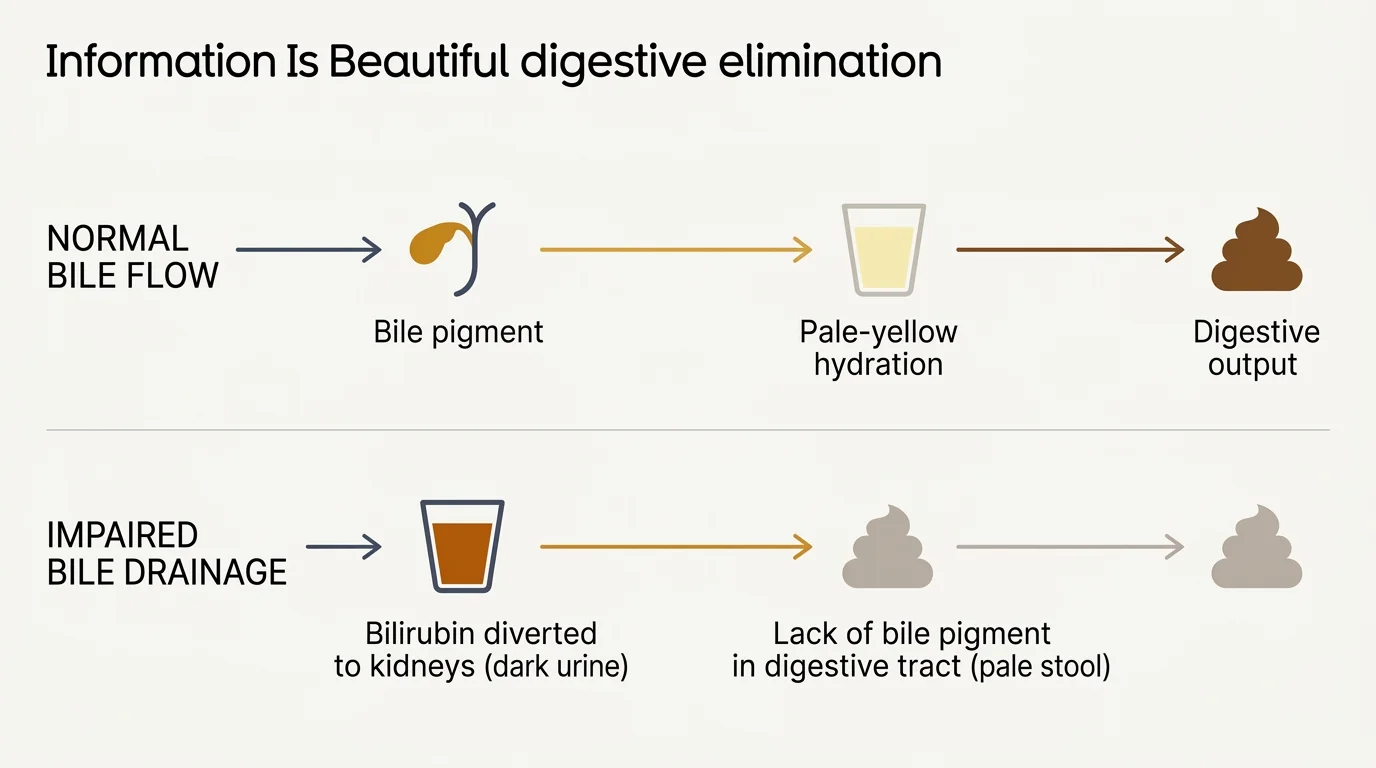
Paying close attention to your bathroom habits offers surprisingly accurate insights into your liver function. The same bilirubin backup that causes jaundice also drastically alters the color of your bodily waste. High levels of bilirubin filtered through your kidneys will turn your urine a dark, concentrated amber or brownish color, resembling dark tea or cola, even when you drink plenty of water. Conversely, because a damaged liver struggles to release the bile necessary to digest fats, your stool may lose its normal brown coloring. Passing pale, clay-colored, or excessively greasy stool serves as a major red flag for impaired bile flow and liver dysfunction.