Practical Steps and Actionable Advice
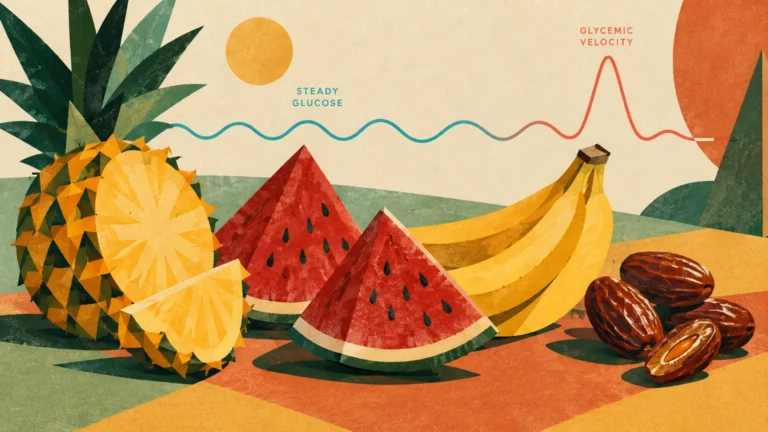
First, immediately focus your efforts on intentional nutritional adjustments to support your liver’s natural healing process. You must systematically eliminate high-fructose corn syrup, refined white breads, and sugary beverages from your daily routine, as your liver rapidly converts these simple sugars directly into stubborn fat. Instead, fill your plates with high-fiber vegetables, dark leafy greens, and foods rich in omega-3 fatty acids, such as wild-caught salmon and walnuts. These specific nutrients actively cool down internal inflammation and provide your liver with the essential building blocks required for rapid cellular regeneration.
Next, prioritize consistent, purposeful physical activity to burn away the dangerous fat stored inside your organs. You do not need to engage in intense, exhausting workouts to see massive benefits; instead, aim for one hundred and fifty minutes of brisk walking or swimming each week to improve your metabolic function. Crucially, you must incorporate light resistance training—using resistance bands or small dumbbells—two to three times a week. Rebuilding your lost muscle mass gives your body a healthy place to store circulating blood sugar, effectively keeping it out of your vulnerable liver.
Furthermore, establish a transparent, collaborative relationship with your primary care physician regarding your liver health. Request a comprehensive medication review to ensure none of your current prescriptions or over-the-counter pain relievers are inadvertently stressing your liver. You should also explicitly ask your doctor to order a standard liver enzyme blood panel or a specialized ultrasound known as a FibroScan. These painless, non-invasive tests provide a clear, accurate baseline of your liver fat and tissue stiffness, allowing you to track your healing progress over time.
Finally, fiercely protect your sleep hygiene and daily hydration levels. Your liver performs its most intense detoxification and cellular repair work while you sleep deeply at night. Aim for seven to eight hours of uninterrupted rest by keeping your bedroom cool and avoiding glowing screens before bed. Complement this rest by drinking plenty of clean, filtered water throughout your day. Proper hydration keeps your blood thin and easily manageable, drastically reducing the overall workload placed on your liver’s delicate filtration systems.