Key Considerations for Seniors
Aging introduces a unique set of physiological challenges that directly influence how your body handles fatty liver disease. As you cross into your sixties and beyond, your liver naturally loses up to forty percent of its overall volume, and the vital blood flow directed to the organ gradually decreases. This age-related physical reduction means your liver possesses less functional capacity to metabolize fats and filter daily toxins compared to your younger years. Consequently, a volume of liver fat that might remain manageable for a younger adult can rapidly trigger severe inflammation and aggressive scarring in an aging liver.
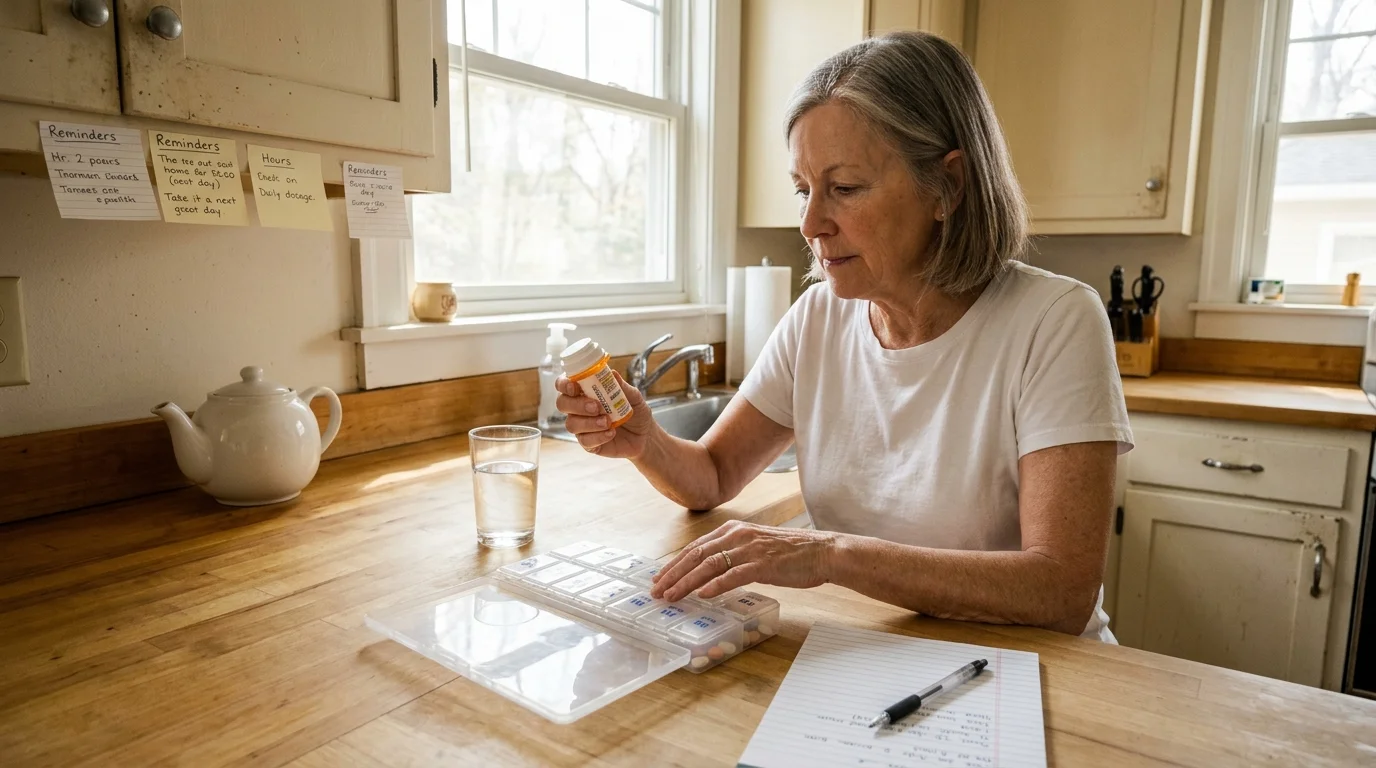
Furthermore, muscle loss—medically known as sarcopenia—plays a massive, often overlooked role in liver health for older adults. Healthy muscle tissue acts as your body’s primary sink for absorbing excess glucose from your bloodstream. As you naturally lose muscle mass with age, that unabsorbed glucose diverts straight to your liver, where it rapidly converts into newly stored fat. This vicious cycle exacerbates insulin resistance and accelerates liver fat accumulation. You must also consider the reality of polypharmacy; seniors frequently take multiple daily prescription medications to manage blood pressure, cholesterol, or chronic pain. A fatty, inflamed liver processes these drugs much slower, significantly increasing your risk of accidental medication toxicity and dangerous drug interactions.