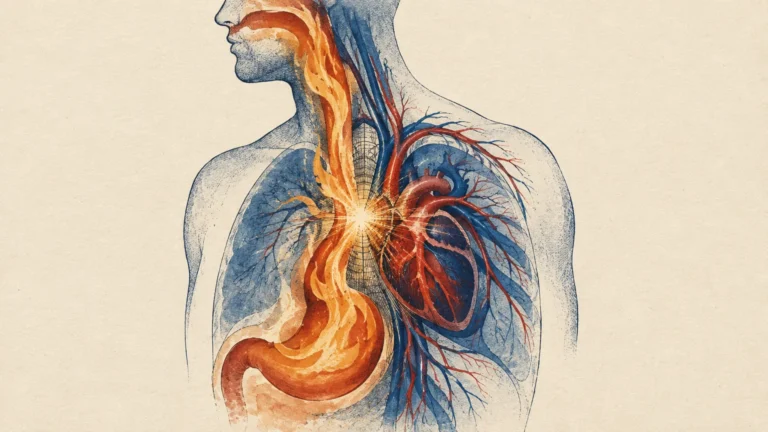
Your liver quietly performs over five hundred vital tasks every single day. Recognizing the earliest signs of liver fat accumulation can prevent permanent organ damage and protect your long-term vitality.
Recent global research indicates that nearly thirty-eight percent of adults live with non-alcoholic fatty liver disease. For adults over sixty, identifying these subtle early signals offers the best opportunity to safeguard metabolic health.
Learning what to look for allows you to take decisive control before silent liver inflammation progresses into advanced disease.
Understanding the Basics of Fatty Liver Disease
Your liver acts as your body’s primary metabolic engine and chemical processing center. It continuously balances blood sugar, filters harmful toxins, and processes dietary fats into usable fuel.
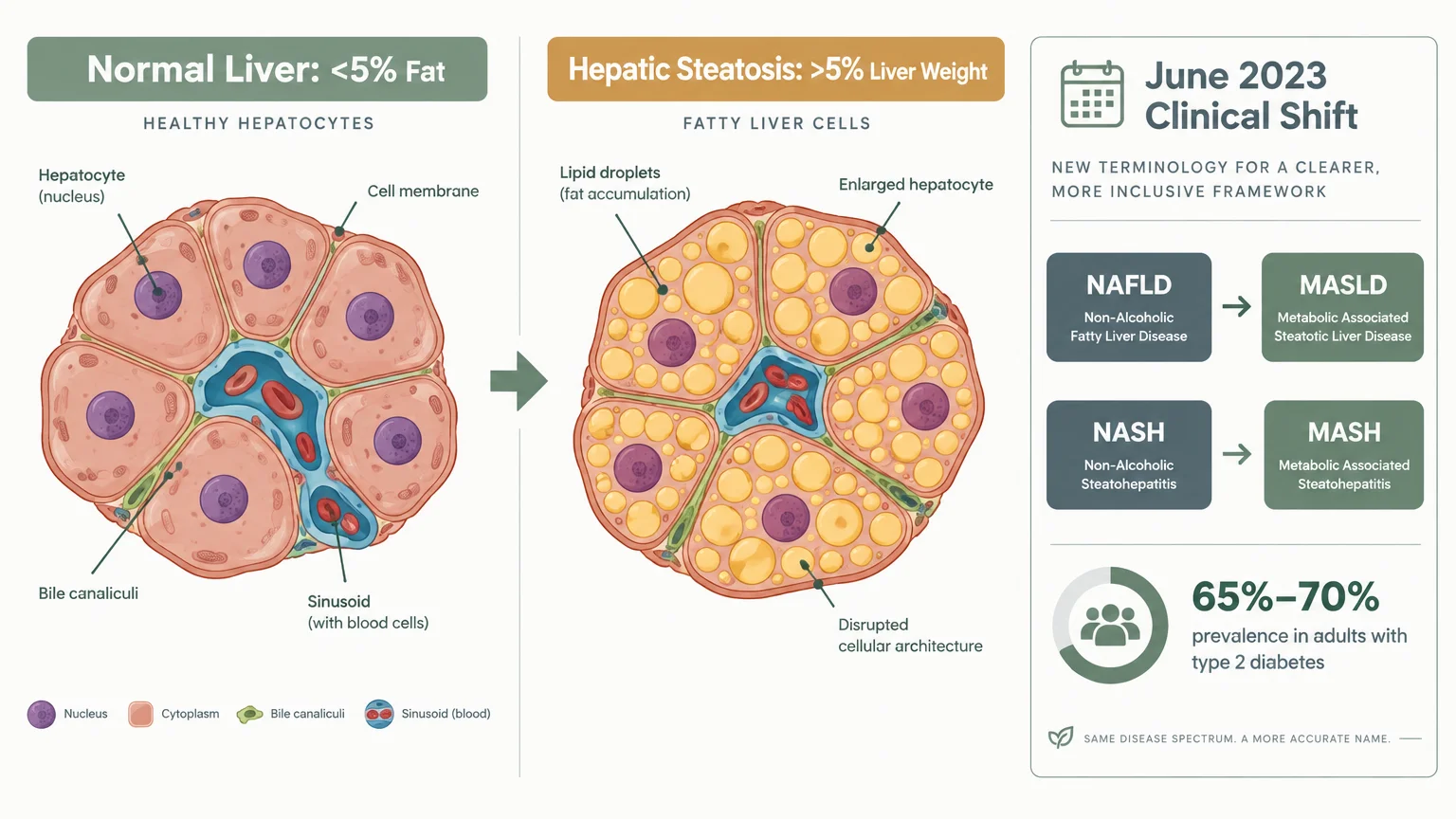
Fatty liver disease develops when excess fat molecules accumulate inside your primary liver cells, known as hepatocytes. Doctors diagnose hepatic steatosis whenever fat accounts for more than five percent of total liver weight.
In June 2023, international hepatology organizations formally renamed non-alcoholic fatty liver disease (NAFLD) to metabolic dysfunction-associated steatotic liver disease (MASLD). This updated terminology removes stigmatizing language while emphasizing underlying metabolic drivers.
Medical authorities also updated the clinical term for the progressive, inflammatory form of this illness. They now refer to non-alcoholic steatohepatitis (NASH) as metabolic dysfunction-associated steatohepatitis (MASH).
Why does this clinical shift matter so much? Global health data indicates that roughly thirty-eight percent of all adults worldwide currently live with MASLD.
The prevalence surges dramatically among adults who manage chronic metabolic conditions. Between sixty-five and seventy percent of adults diagnosed with type 2 diabetes live with excessive liver fat.
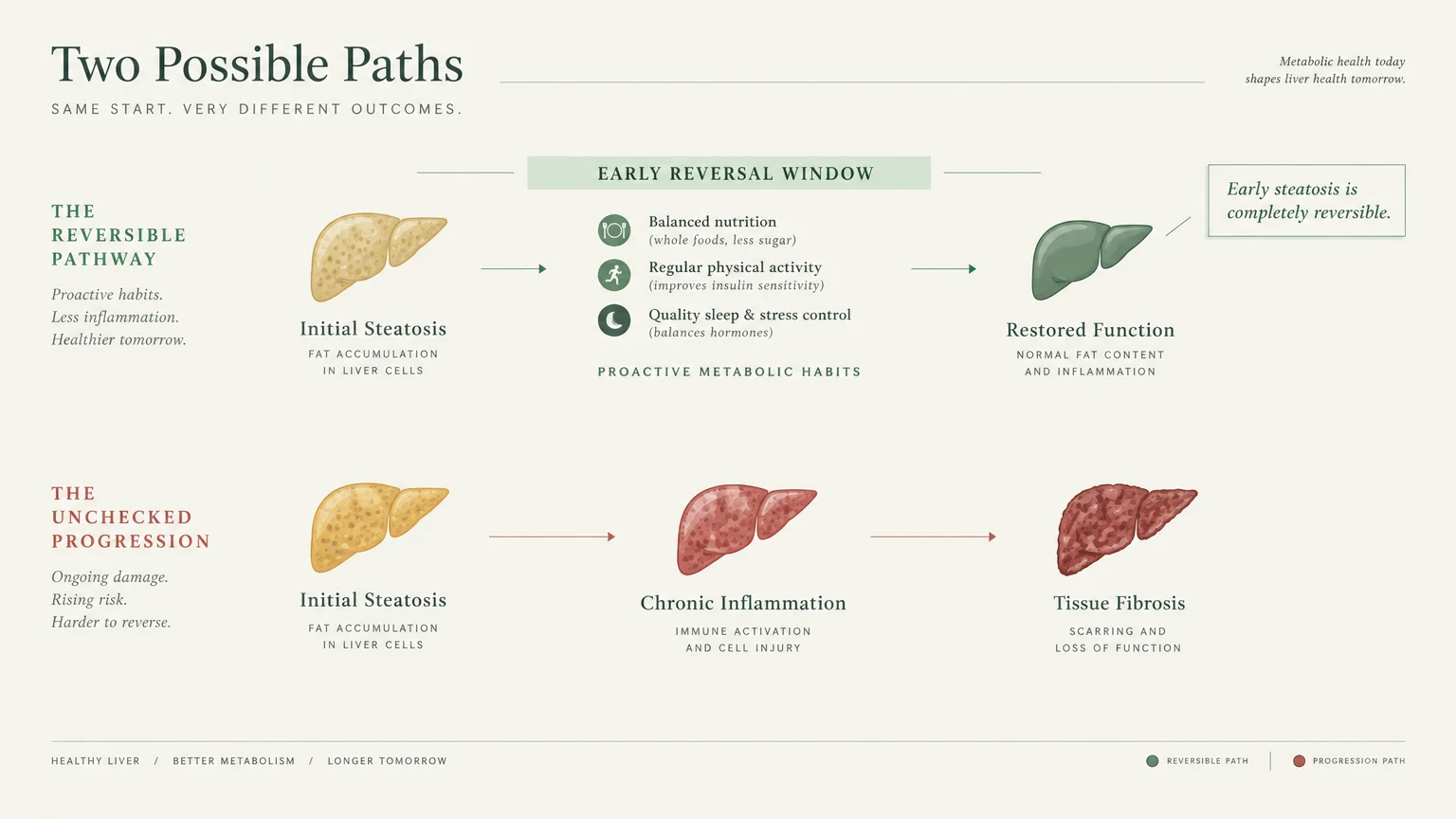
When liver cells become packed with fat, they experience persistent biochemical stress. Over time, this cellular distress triggers immune responses that cause chronic inflammation and gradual tissue scarring.
Fortunately, early steatosis is completely reversible when you take proactive steps. Catching the condition in its initial stages allows you to restore normal cellular function before permanent fibrosis occurs.

8 Warning Signs of Early Non-Alcoholic Fatty Liver Disease
Early fatty liver disease rarely triggers severe symptoms right away. Instead, it produces subtle physical warnings that older adults often mistake for normal signs of aging.
1. Unexplained, Persistent Fatigue and Low Energy
Persistent fatigue represents the most frequent subjective complaint reported by people living with early steatotic liver disease. You might experience a profound lack of physical stamina that sleep does not relieve.
When fat overloads your liver cells, cellular powerhouses called mitochondria struggle to generate energy. Furthermore, stressed liver cells continuously release low-level inflammatory cytokines into your bloodstream, draining your daily vitality.
2. Fullness or Dull Discomfort Under Your Right Rib Cage
Your liver resides in the upper right quadrant of your abdomen, sheltered behind your lower ribs. While interior liver tissue lacks sensory pain fibers, a fibrous envelope called Glisson’s capsule encloses the entire organ.
As triglycerides accumulate within liver cells, the entire organ gently expands in size, stretching this external sheath. You may feel a persistent dull ache, a sensation of fullness, or localized pressure beneath your right rib cage.
3. Unexplained Insulin Resistance and Blood Sugar Shifts
Your liver serves as your body’s chief glucose warehouse, balancing energy release between meals. When hepatocytes become clogged with fat, their normal responsiveness to the hormone insulin breaks down.
Consequently, your liver releases glucose unchecked, causing your fasting blood sugar to creep above one hundred milligrams per deciliter. This subtle metabolic shift often provides the earliest clinical clue of underlying liver fat accumulation.
4. Velvety Skin Patches and Skin Tags
Excess liver fat and systemic insulin resistance frequently leave distinct physical clues on your skin. When circulating insulin remains high, the hormone stimulates epidermal cell growth and dermal fibroblasts.
This cellular stimulation causes dark, velvety hyperpigmentation known clinically as acanthosis nigricans, commonly appearing around the neck folds, armpits, or groin. Many older adults also notice small, newly formed skin tags across their upper torso.
5. Mental Sluggishness and Mild Brain Fog
Many seniors dismiss afternoon sluggishness or cloudy thinking as inevitable consequences of growing older. However, subtle cognitive changes frequently reflect low-grade metabolic inflammation originating in your liver.
When steatosis impairs hepatic efficiency, inflammatory messengers cross the blood-brain barrier and irritate neural tissues. You may experience difficulties with sustained concentration, slower mental processing speeds, or persistent daytime mental fatigue.
6. Expanding Waist Circumference and Abdominal Weight
The way your body stores fat provides a window into your internal metabolic health. Accumulating deep visceral fat around your internal organs directly mirrors the fat accumulating inside your liver tissue.
Medical guidelines warn that waist measurements exceeding forty inches for men or thirty-five inches for women signal elevated risk. An expanding waistline indicates significant visceral fat accumulation, even if your overall scale weight appears relatively stable.
7. Borderline or Mildly Elevated Liver Enzymes
Because early liver disease rarely produces dramatic physical distress, routine lab screenings provide essential diagnostic evidence. Stressed or damaged liver cells leak internal enzymes directly into your bloodstream.
Doctors look specifically for elevations in alanine aminotransferase (ALT) and aspartate aminotransferase (AST) levels. Even enzyme readings hovering near the upper boundary of normal reference ranges warrant careful medical attention.
8. Subtle Fluid Retention in Your Ankles and Feet
Severe fluid retention typically accompanies late-stage cirrhosis, but subtle swelling can surface much earlier. Early metabolic dysfunction often triggers low-level microvascular changes and altered sodium regulation.
As fluid balance shifts, mild edema can accumulate in your lowest extremities throughout the day. You might notice that your socks leave deep, indented rings around your ankles by evening.

Key Considerations for Seniors
Aging changes your liver’s anatomical structure and physiological performance in profound ways. After your sixtieth year, total liver volume naturally decreases by twenty to thirty percent.
Simultaneously, hepatic blood flow decreases by more than one-third over your later decades. These physiological reductions diminish your liver’s natural regenerative reserve and slow its capacity to neutralize metabolic toxins.
Polypharmacy represents an especially critical safety concern for seniors managing multiple chronic conditions. Because your liver processes the vast majority of prescription medications, preexisting steatosis impairs drug clearance significantly.
Sluggish drug breakdown increases the concentration of active pharmaceuticals in your bloodstream. This metabolic delay heightens your risk of dangerous adverse drug interactions and unintended toxicities.
Age-related changes in body composition also complicate liver health for older adults. Many seniors experience sarcopenia, a gradual loss of skeletal muscle mass accompanied by increases in visceral fat.
Because muscle tissue consumes substantial amounts of circulating glucose, losing muscle directly worsens insulin resistance. This biological shift drives extra fat storage into your liver cells, even without visible changes on your bathroom scale.
Benefits of Early Action and Risks of Delay
Your liver maintains an unmatched capacity for biological healing when you intervene early in the disease process. Prompt action yields profound benefits for your metabolic, cardiovascular, and overall physical health.
Clinical practice guidelines confirm that losing just five to seven percent of your total body weight dramatically cuts liver fat. Achieving this modest target resolves simple steatosis and halts progressive cellular damage.
If you achieve a weight reduction of ten percent or greater, you can successfully reverse active liver inflammation. This level of weight reduction can even stabilize or regress early-stage fibrosis scarring.
Conversely, allowing fatty liver disease to progress unchecked invites severe long-term medical consequences. Chronic hepatic inflammation can advance into MASH, sparking extensive fibrous tissue growth and irreversible liver cirrhosis.
Cirrhosis permanently compromises liver function, eventually leading to liver failure or hepatocellular carcinoma. Hepatocellular carcinoma represents the fastest-growing cause of cancer-related mortality among older adults across the globe.
Moreover, cardiovascular disease remains the primary cause of death among people diagnosed with metabolic liver disease. Steatosis accelerates arterial plaque accumulation, dramatically increasing your risk of experiencing heart attacks or strokes.

What the Experts Say
Leading medical organizations, including the National Institutes of Health, emphasize that metabolic dysfunction forms the foundation of fatty liver development. Researchers urge physicians to screen high-risk patients proactively rather than waiting for obvious symptoms to emerge.
According to the Mayo Clinic, fatty liver disease clusters tightly with specific cardiometabolic risk markers. Diagnostic criteria require hepatic steatosis paired with at least one metabolic abnormality, such as elevated blood pressure or dyslipidemia.
Key metabolic thresholds include fasting blood glucose at or above one hundred milligrams per deciliter and blood pressure exceeding 130/85. Fasting triglyceride levels reaching one hundred fifty milligrams per deciliter also indicate elevated metabolic vulnerability.
On March 14, 2024, the United States Food and Drug Administration granted accelerated approval to Rezdiffra (resmetirom). This landmark event delivered the first-ever targeted medication for adults suffering from progressive MASH with moderate-to-advanced fibrosis.
Rezdiffra works by activating thyroid hormone receptors located specifically within liver cells, stimulating fat breakdown and reducing inflammation. While this pharmaceutical represents a historic medical breakthrough, hepatologists emphasize that lifestyle modification remains the foundation of treatment.

Practical Steps and Actionable Advice
Taking proactive steps today protects your vital liver function and enhances your daily vitality. You can begin implementing several practical, evidence-based adjustments immediately.
Shift your daily meals toward a nutrient-rich Mediterranean dietary pattern. The World Health Organization highlights this balanced eating style as an exceptional framework for preventing chronic metabolic illness.
Focus your grocery cart on fresh vegetables, wild-caught fish, legumes, walnuts, and extra-virgin olive oil. These nutrient-dense whole foods supply powerful antioxidants and anti-inflammatory monounsaturated fats that shield liver cells from oxidative stress.
Eliminate sugar-sweetened beverages and ultra-processed snacks containing high-fructose corn syrup. Your liver converts liquid fructose directly into hepatic fat molecules far more rapidly than any other nutrient.
Incorporate regular physical activity into your weekly routine to burn through stored glycogen. The Centers for Disease Control and Prevention recommends at least one hundred fifty minutes of moderate aerobic exercise weekly.
Add gentle resistance exercises twice each week using light dumbbells, resistance bands, or bodyweight movements. Building skeletal muscle improves insulin sensitivity, drawing excess glucose out of your bloodstream before your liver stores it as fat.
Request a complete metabolic panel during your annual checkup to track your liver enzyme trends over time. Ask your physician to calculate your FIB-4 score, a simple formula using your age, platelet count, and enzyme levels to estimate fibrosis risk.
Discuss your full medication list with your doctor or pharmacist to identify drugs that stress your liver. Never begin taking new dietary supplements, including herbal remedies, without first confirming their safety with your healthcare team.
Frequently Asked Questions
Can you develop fatty liver disease if you never drink alcohol?
Yes, non-alcoholic fatty liver disease develops completely independently of alcoholic beverage consumption. It stems primarily from metabolic factors like insulin resistance, poor nutrition, and abdominal adiposity rather than alcohol intake.
Even individuals who have abstained from alcohol their entire lives can develop significant liver fat accumulation if they experience underlying metabolic dysfunction.
Why did medical organizations rename NAFLD to MASLD?
In June 2023, international hepatology societies officially renamed the condition to metabolic dysfunction-associated steatotic liver disease. This update eliminated the stigmatizing term “non-alcoholic” and placed the medical focus squarely on metabolic health.
The updated name provides clearer diagnostic criteria, helping clinicians identify metabolic drivers and initiate preventative care much earlier.
Can early fatty liver disease be completely reversed?
Yes, early-stage hepatic steatosis is entirely reversible when you address its underlying metabolic causes. Making sustainable nutritional improvements and increasing daily physical activity helps your liver process and clear trapped fat.
Clinical trials demonstrate that shedding five to ten percent of your body weight can resolve inflammation and halt structural tissue damage.
How do doctors detect fatty liver disease if there are no obvious symptoms?
Physicians usually discover fatty liver disease incidentally during routine blood panels that show borderline or elevated liver enzymes. They confirm the diagnosis using non-invasive imaging methods such as an abdominal ultrasound or a transient elastography scan.
Your physician also reviews your broader metabolic health profile, including your fasting glucose, blood pressure, cholesterol levels, and waist measurement.
Does having fatty liver disease raise my risk for cardiovascular problems?
Yes, cardiovascular disease represents the primary cause of mortality among individuals living with steatotic liver disease. The systemic inflammation and lipid imbalances driving liver fat also accelerate arterial plaque buildup.
Taking proactive steps to reverse your liver fat provides powerful, direct protection for your heart and blood vessels.
Does drinking coffee provide any real benefit for liver health?
Substantial medical research indicates that moderate, regular coffee consumption offers genuine protective benefits for your liver. Bioactive compounds in coffee reduce liver enzyme levels, dampen inflammation, and lower your risk of progressing to advanced fibrosis.
Drinking two to three cups of black or lightly sweetened coffee daily supports overall liver health, provided you tolerate caffeine well.
Taking Control of Your Liver Health
Your liver possesses an extraordinary capacity to regenerate, adapt, and heal when you provide it with the right metabolic support. Recognizing the quiet early signals of liver fat accumulation empowers you to intervene long before permanent complications develop.
Prioritizing nourishing whole foods, daily physical movement, and routine clinical screenings gives your liver the resources it needs to thrive. Small, consistent lifestyle upgrades create massive dividends for your long-term vitality, cognitive clarity, and physical strength.
Partner openly with your healthcare team to monitor your metabolic numbers and tailor an effective liver wellness plan. Taking proactive ownership of your liver health today ensures you enjoy an energetic, active, and fulfilling life tomorrow.
Disclaimer: This article is intended for informational and educational purposes only and is not a substitute for professional medical advice, diagnosis, or treatment. Always consult with a qualified healthcare provider regarding any health concerns or before making any decisions related to your health or treatment.