
Pouring a fresh cup of coffee before eating breakfast delivers an immediate mental lift, but it alters your digestive physiology within minutes. Understanding these rapid physiological shifts helps you protect your stomach lining, stabilize your energy, and preserve long-term vitality.
As your body matures past age 60, your digestive tract produces less protective mucus and processes caffeine differently. What felt harmless decades ago can quietly trigger indigestion or disrupt morning blood sugar balance.
You do not need to abandon your morning ritual to safeguard your health. Simple adjustments to your daily routine will allow you to enjoy your favorite brew while supporting comfortable digestion and steady vitality all day long.
Understanding the Basics: How Coffee Interacts with an Empty Stomach
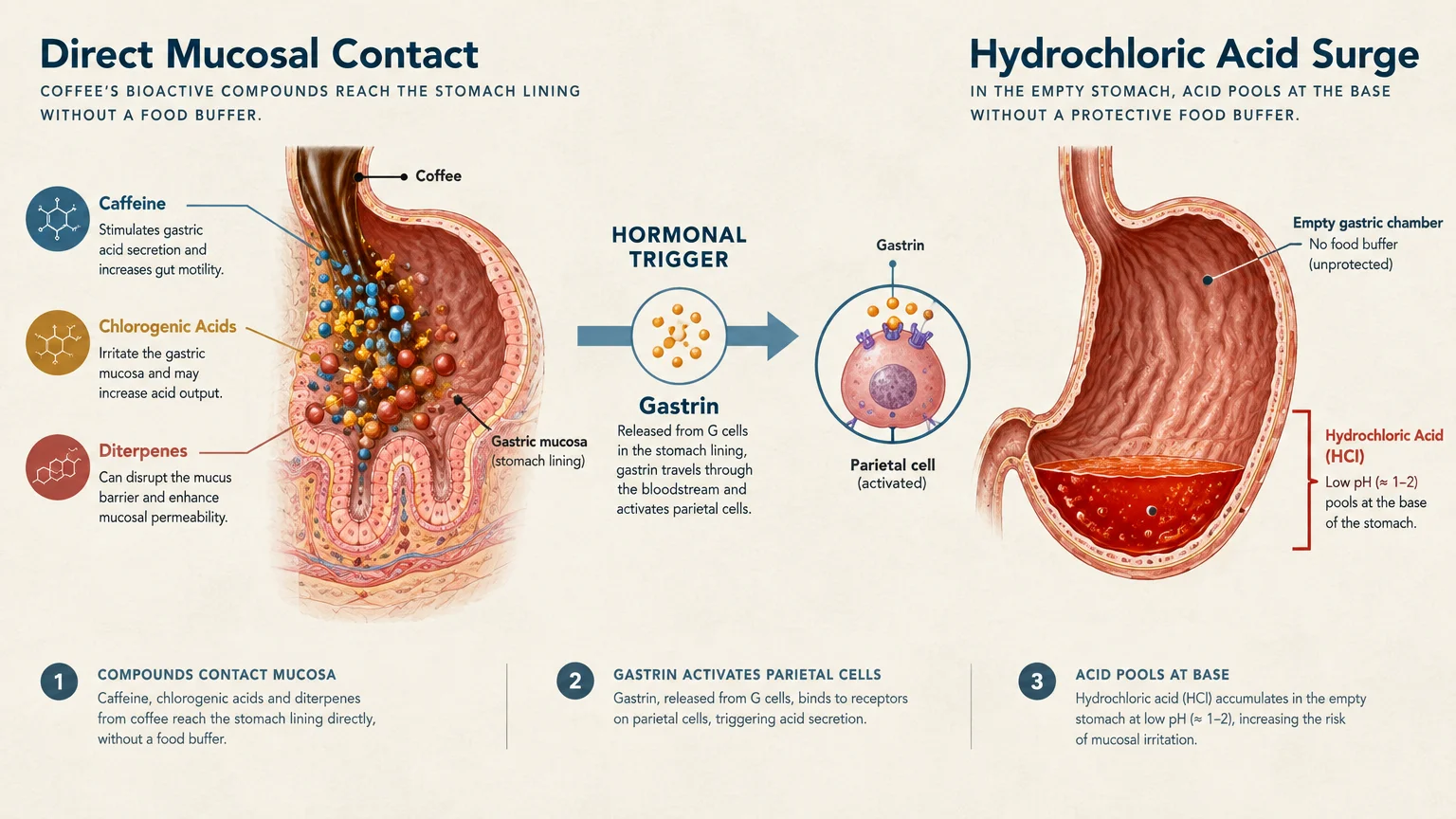
When you drink coffee on an empty stomach, the liquid reaches your gastric lining without any food barrier. Your stomach treats this arrival as an immediate prompt to begin active digestion.
Coffee contains bioactive compounds, including caffeine, chlorogenic acids, and diterpenes. These chemical compounds stimulate specialized cells in your stomach wall to produce gastric acid.
The Surge in Gastric Acid Production
Your stomach produces hydrochloric acid to break down complex dietary proteins. When you drink coffee without food, this acidic fluid pools in an empty organ.
Gastric acid possesses an exceptionally low pH that helps sterilize meals and activate enzymes. Without food present to absorb these fluids, the acid can irritate your sensitive mucosal tissue.
Specialized hormone signals, particularly gastrin, accelerate this digestive secretion. Gastrin tells your stomach to pump additional hydrochloric acid into the gastric chamber, accelerating potential tissue irritation.
Over time, repeated acid exposure in an empty gastric chamber can inflame your delicate epithelial tissues. This ongoing chemical stress can lead to localized discomfort or a chronic burning sensation in your midsection.
Rapid Caffeine Absorption
Food acts as a natural buffer that slows down the passage of fluids into your intestines. When your stomach is completely empty, coffee moves rapidly through the pyloric sphincter into your small intestine.
Your intestinal walls absorb caffeine with extraordinary speed when meals are absent. This rapid entry creates a steep spike in circulating caffeine levels throughout your bloodstream.
A sudden caffeine surge places swift demands on your central nervous system and liver. You may experience a sudden burst of alertness followed closely by tension or restlessness.
Without protein, dietary fiber, or healthy fats to modulate transit speed, your body processes the stimulant all at once. This rapid peak often produces an equally swift drop in mental energy later in the morning.

Key Considerations for Adults Over 60
Aging introduces subtle but meaningful changes to your digestive anatomy and metabolic rate. Your stomach produces less protective gastric mucus today than it did in your younger years.
A thinner mucosal barrier leaves your delicate stomach lining more vulnerable to harsh acidic secretions. Consuming black coffee on an empty stomach amplifies this vulnerability over time.
Changes in Esophageal and Muscle Tone
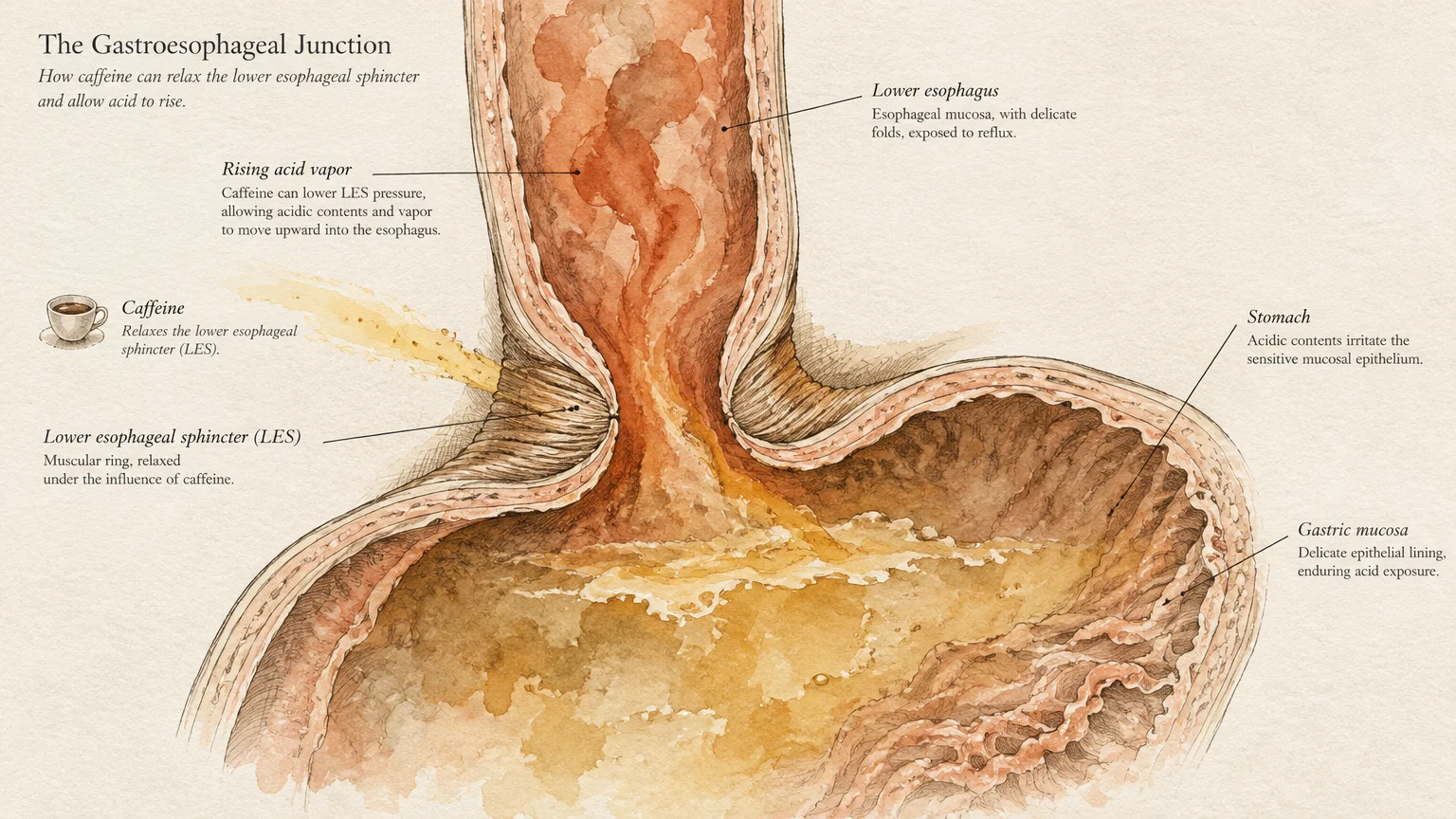
The lower esophageal sphincter serves as a muscular one-way valve between your esophagus and stomach. As you age, this muscular ring naturally loses some of its resting tone and elasticity.
Caffeine relaxes smooth muscle tissue, which further weakens the seal of your lower esophageal sphincter. This mechanical relaxation invites gastric acid to travel upward into your throat and chest.
Older adults frequently experience silent reflux, where acidic vapors irritate the vocal cords without classic burning sensations. Morning coffee without food can accelerate these subtle respiratory and throat symptoms.
If you routinely clear your throat or experience morning hoarseness, your empty-stomach coffee habit may be an overlooked contributor. Protecting your esophageal tissues becomes increasingly important with each passing decade.
Prescription Medication Timing
Many adults over 60 take daily morning prescriptions for thyroid balance, blood pressure regulation, or bone density. Drinking coffee on an empty stomach can severely interfere with how your intestines absorb these medications.
Thyroid medications like levothyroxine require an empty stomach with plain water to absorb properly. Coffee can bind to the medication molecules and reduce therapeutic absorption by significant margins.
Similarly, oral bisphosphonates for osteoporosis demand careful administration with plain water only. Introducing coffee before breakfast can neutralize drug efficacy and irritate your esophageal lining simultaneously.
Even water-soluble cardiovascular prescriptions can interact unfavorably when caffeine alters your gastric blood flow. Spacing your medications apart from morning beverages safeguards your clinical treatments.
Hydration Status and Kidney Function
You naturally lose fluids overnight through respiration and perspiration as you sleep. Waking up in a mild state of dehydration is common for adults over 60.
Caffeine exhibits mild diuretic properties that encourage your kidneys to flush fluid through urine. Reaching for coffee before drinking a glass of water worsens early morning dehydration.
Dehydration impairs joint lubrication, thickens blood consistency, and can cause sudden lightheadedness upon standing. Prioritizing pure water before your morning coffee protects your circulatory system.
Digestion, Acid Reflux, and Gastrointestinal Health
Your digestive tract relies on a delicate balance of enzymes, acids, and protective secretions. Drinking coffee before breakfast disrupts this balance by triggering chemical processes out of sequence.
When hydrochloric acid enters an empty stomach, it can erode the epithelial layer over extended periods. This chronic irritation can foster gastritis or aggravate existing peptic ulcers.
Understanding Heartburn and GERD
Gastroesophageal reflux disease, commonly known as GERD, affects millions of mature adults nationwide. Medical experts at the Mayo Clinic identify caffeine as a frequent dietary trigger for reflux symptoms.
The combination of high acidity and sphincter relaxation allows digestive fluids to burn esophageal tissue. You may feel a painful burning sensation in your chest or a bitter taste in your mouth.
Drinking coffee alongside a meal allows solid food to absorb and buffer these active fluids. Fasting with coffee removes that essential protective shield entirely.
Repeated exposure to acidic reflux can inflame delicate esophageal tissues over time. Managing your dietary triggers early helps prevent chronic inflammation and promotes lasting digestive comfort.
Stimulation of Gut Motility
Coffee acts as a powerful stimulant for your colon and lower gastrointestinal tract. It triggers peristalsis, which is the coordinated muscular contraction that moves matter through your intestines.
This rapid gastrocolic reflex explains why many people feel an immediate urge to use the restroom after drinking coffee. On an empty stomach, this stimulation can become excessive and uncomfortable.
You might experience abdominal cramping, bloating, or loose stools when caffeine acts on an empty gut. Giving your digestive system solid food first moderates these sudden contractions.
Individuals living with irritable bowel syndrome often report heightened sensitivity to morning caffeine. Introducing a gentle digestive buffer ensures smooth and predictable bowel regularity.
Bile Production and Gallbladder Activity
Coffee consumption prompts your gallbladder to contract and release stored bile into your upper small intestine. This biochemical process occurs even when no dietary fats are present to digest.
Circulating bile without food can cause mild intestinal irritation or a queasy stomach sensation. Consuming a small morning meal harmonizes bile release with actual digestive needs.
Blood Sugar Regulation and Metabolic Response
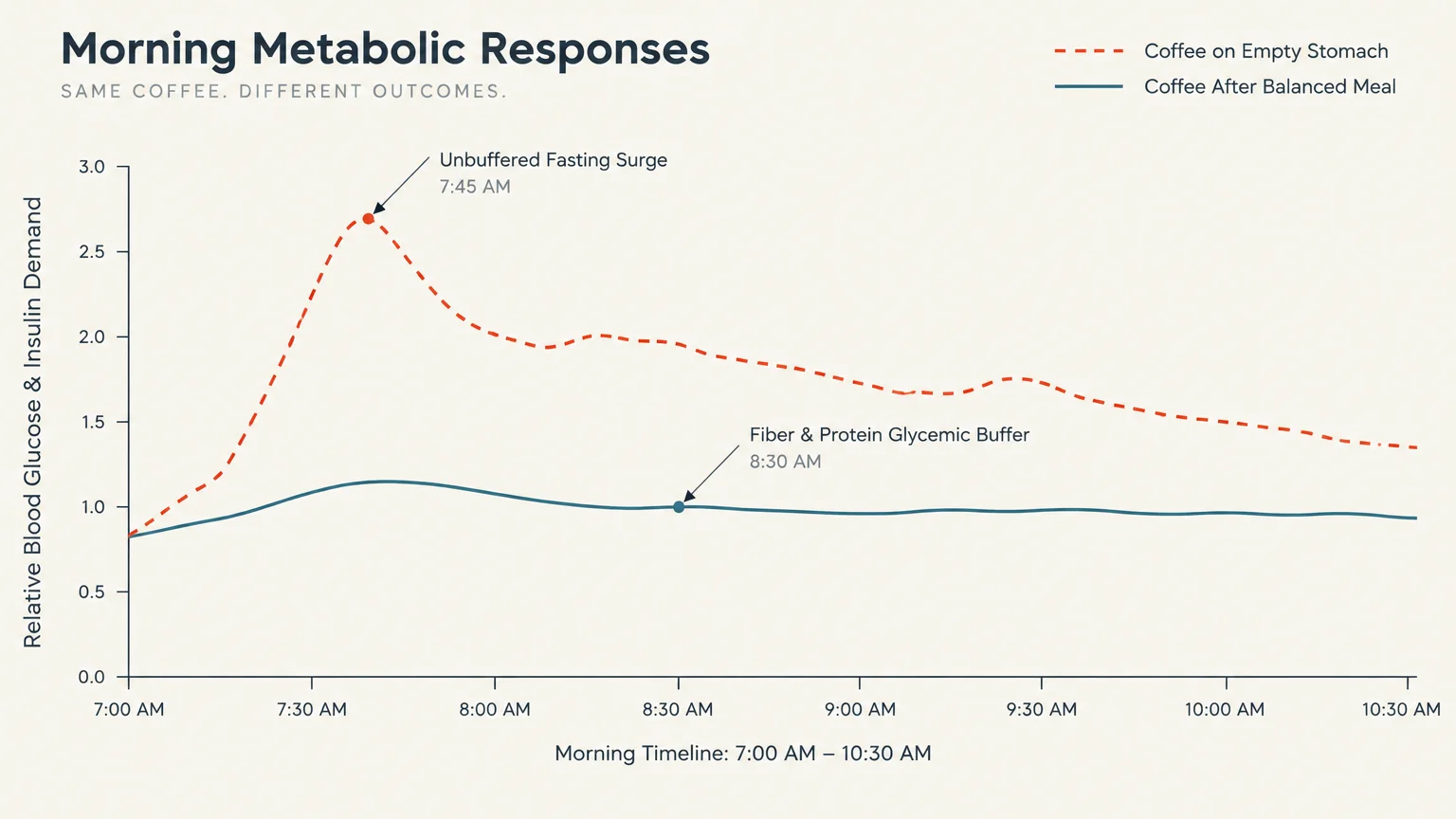
Many people assume that black coffee has zero impact on metabolic markers because it contains virtually no calories. However, scientific evidence indicates that coffee strongly influences how your cells manage blood glucose.
Drinking coffee before breakfast can impair your body’s ability to process carbohydrates effectively later that morning. This metabolic friction occurs primarily when morning coffee follows a night of poor sleep.
The Groundbreaking University of Bath Study
A landmark clinical trial conducted by researchers at the University of Bath investigated this precise physiological phenomenon. Their findings were published in the British Journal of Nutrition in 2020.
The researchers studied 29 healthy adults to examine the interplay between broken sleep, morning coffee, and metabolic control. The participants experienced disrupted sleep across separate experimental nights.
In one trial condition, participants drank strong black coffee 30 minutes before consuming a carbohydrate-rich morning drink. The researchers then monitored their immediate glycemic responses.
The results revealed that drinking black coffee before the meal increased the blood glucose response by around 50%. This striking increase demonstrated an acute impairment of short-term insulin sensitivity.
When participants consumed their breakfast without prior coffee, their glucose levels remained significantly more stable. The study clearly proved that fasted morning coffee alters subsequent carbohydrate metabolism.
Implications for Senior Metabolic Health
Insulin sensitivity naturally declines as adults grow older, making blood sugar management a critical priority. Impairing insulin sensitivity before your first meal can create exaggerated post-meal glucose spikes.
Repeated morning glucose spikes place undue burden on your pancreas and cardiovascular vessels. Over time, these spikes may complicate the management of prediabetes and type 2 diabetes.
Eating your breakfast before enjoying your morning coffee helps stabilize your glycemic response. This simple reversal ensures that your metabolism handles morning carbohydrates with greater biological efficiency.
Stable glucose control also supports consistent mental energy, healthy mood regulation, and fewer mid-morning cravings. Aligning your coffee intake with food gives your metabolism a distinct advantage.
Morning Cortisol Rhythms and Nervous System Stress
Your body operates on a natural 24-hour internal clock known as your circadian rhythm. One of the central hormonal drivers of this daily rhythm is cortisol.
Cortisol helps regulate your immune function, blood pressure, and wakefulness throughout the day. Your adrenal glands naturally produce a sharp surge of cortisol right after you wake up.
The Cortisol Awakening Response
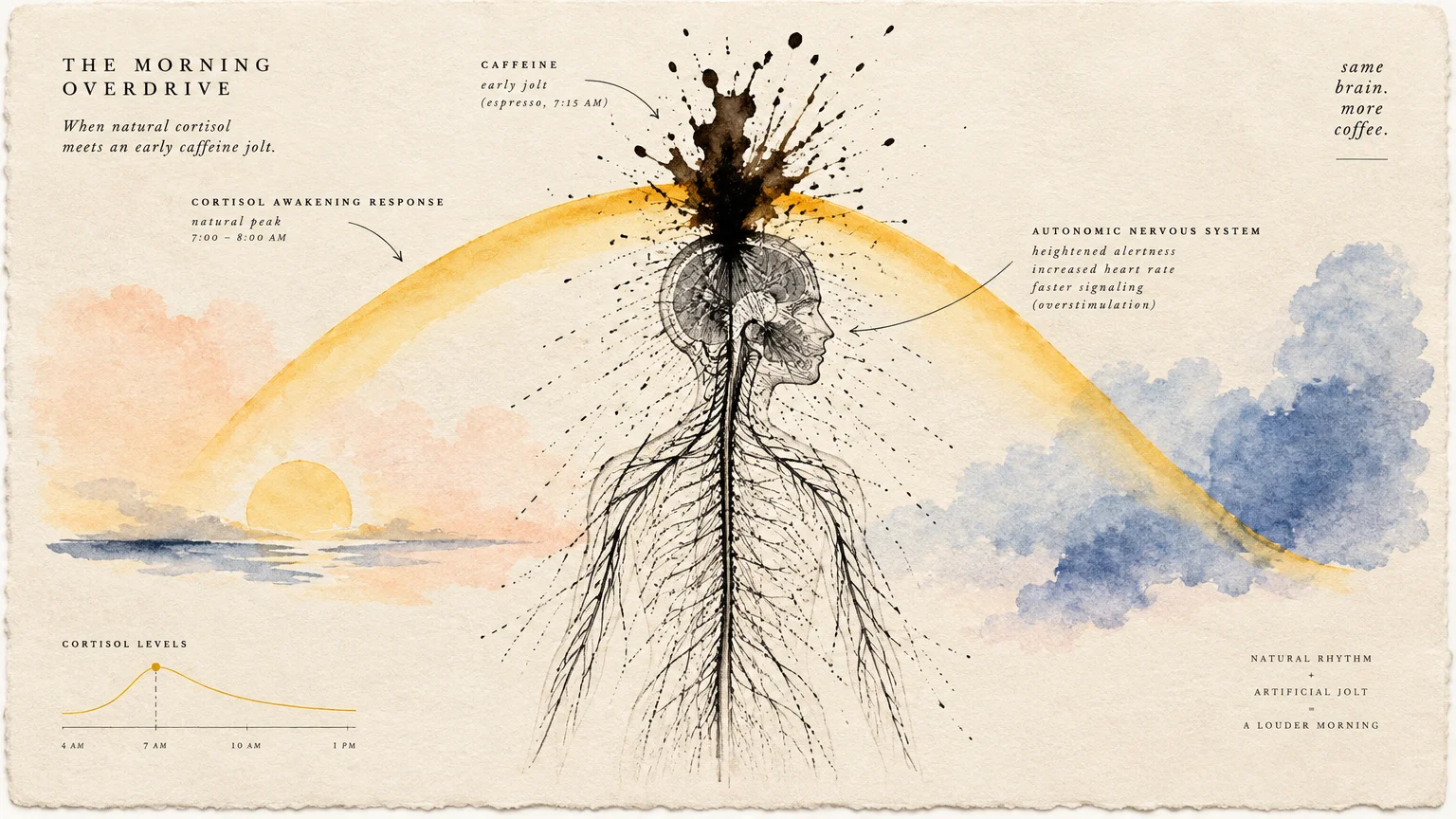
Scientists refer to this natural morning surge as the Cortisol Awakening Response. Your cortisol levels peak approximately 30 to 45 minutes after you first open your eyes.
This natural hormone spike is designed to mobilize energy reserves and help you feel fully awake. Introducing caffeine on an empty stomach during this biological peak creates an exaggerated hormonal spike.
Excessive cortisol stimulation can elevate your heart rate, spike blood pressure, and generate internal nervousness. It can also disrupt your natural hormonal rhythm for the remainder of the day.
When you rely on fasted caffeine to replace natural awakening mechanisms, your body can become dependent on external stimulation. Supporting your internal biology allows your adrenal glands to function smoothly.
Preventing Jitters and Morning Fatigue Crashes
When you consume coffee alongside food, nutrients slow the physiological stress response. On an empty stomach, caffeine can overstimulate your sympathetic nervous system, commonly known as fight-or-flight mode.
This acute nervous stimulation often triggers hand tremors, muscle tension, and feelings of unease. You may find yourself feeling mentally frantic rather than pleasantly focused.
Furthermore, an artificially high cortisol spike is frequently followed by a precipitous hormonal drop. This rapid decline triggers the familiar mid-morning crash that leaves you feeling exhausted before lunchtime.
Spacing your coffee intake past the initial waking window protects your nervous system from unnecessary stress. You will enjoy sustainable alertness without the uncomfortable accompanying physical jitters.
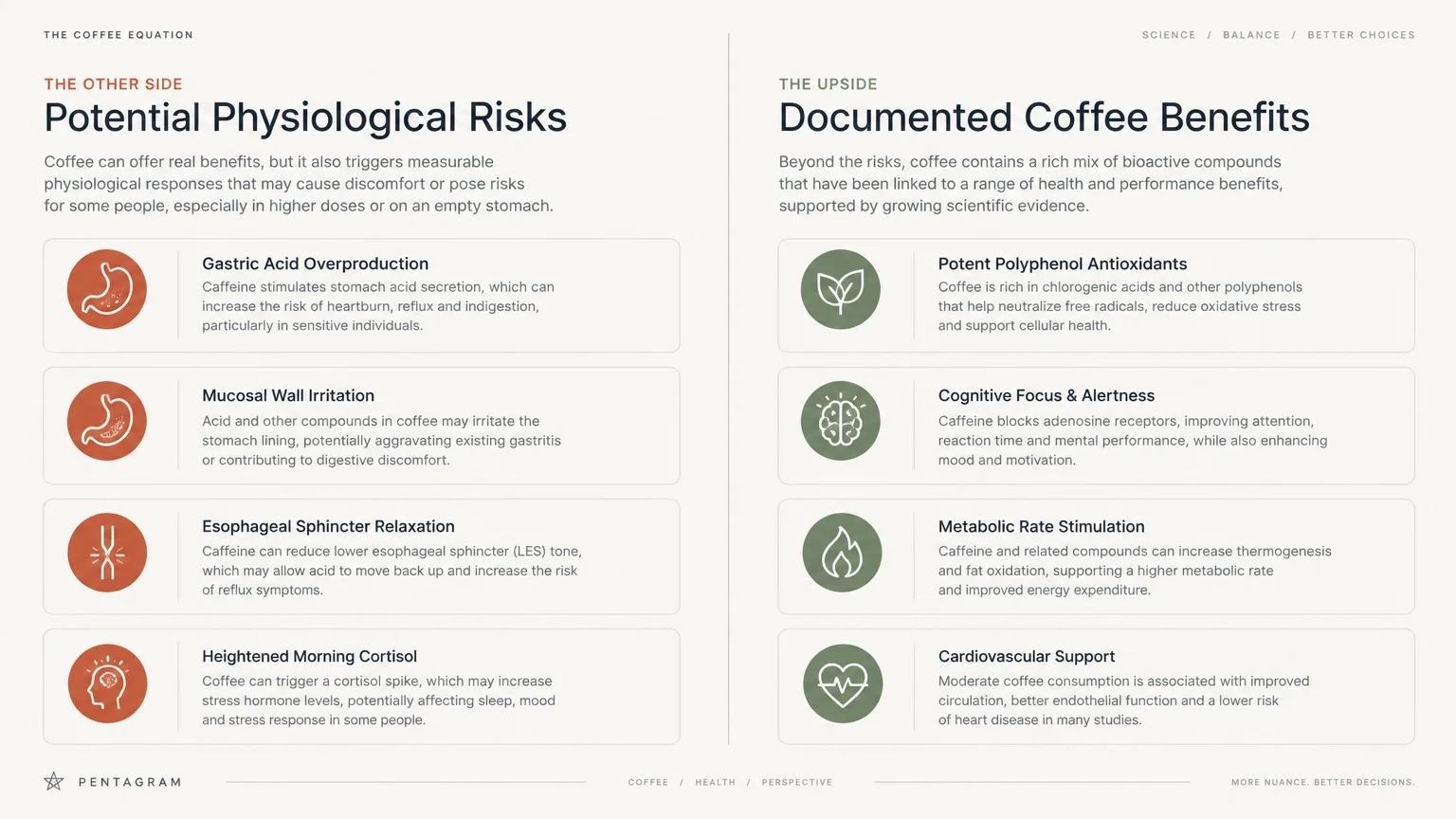
Benefits and Potential Risks: A Balanced Perspective
Coffee remains one of the most widely consumed beverages across the world, offering both profound advantages and genuine risks. Evaluating these factors helps you tailor your daily consumption habits wisely.
Your individual response to morning coffee depends on your genetics, gut health, and overall nutritional habits. Balanced knowledge empowers you to enjoy the drink without unnecessary discomfort.
Health Advantages of Regular Coffee
Coffee delivers a potent supply of plant-based polyphenols and protective chlorogenic acids. These dietary antioxidants help combat cellular inflammation throughout your tissues and organs.
Regular coffee consumption supports long-term cognitive focus and helps preserve healthy neurological function as you age. It also supports liver health and promotes metabolic longevity when consumed appropriately.
Public health institutions, including the Centers for Disease Control and Prevention, recognize that moderate dietary habits contribute significantly to healthy aging. Coffee fits comfortably within an active, health-conscious lifestyle.
The key to enjoying these benefits lies in supporting your digestive tract rather than drinking coffee in isolation. Pairing antioxidants with nourishing foods enhances total nutrient bioavailability.
Cardiovascular Safety and Established Limits
The U.S. Food and Drug Administration has established that 400 milligrams per day is a safe daily caffeine limit for most healthy adults. That amount corresponds roughly to four to five 8-ounce cups of brewed coffee.
On July 20, 2026, the American Heart Association published a definitive scientific statement in Circulation titled “Caffeine and Cardiovascular Disease.” Their experts reaffirmed that consuming up to 400 mg of caffeine daily from unsweetened coffee does not increase cardiovascular risk.
Unlike high-dose energy drinks, moderate coffee consumption supports cardiovascular health in the general adult population. The critical factor lies in your timing and whether you nourish your stomach first.
Maintaining moderate daily consumption within this established 400 mg threshold protects your heart rhythm and blood vessels. Moderation ensures you capture coffee’s cardiovascular protections without straining your nervous system.
Potential Downsides of Fasted Coffee
Drinking coffee without food can irritate the lining of your digestive tract and exacerbate acid reflux. It may also interfere with regular bowel comfort by overstimulating the lower intestines.
Furthermore, fasted coffee can hinder the absorption of vital micronutrients like calcium and non-heme iron. For mature adults working to preserve bone density, safeguarding mineral absorption is paramount.
Finally, the amplified jitteriness and blood sugar volatility can undermine your morning focus. Shifting your coffee consumption until after a small meal eliminates most of these undesirable risks.

What Medical and Scientific Experts Recommend
Leading medical researchers and clinical health organizations have examined caffeine consumption across various demographics for decades. Their consensus highlights moderation, smart scheduling, and individualized digestive care.
The National Institutes of Health frequently emphasizes that nutritional timing plays a pivotal role in gastrointestinal health and hormonal balance. Fasted stimulant consumption often creates avoidable digestive friction.
The View from Gastroenterology
Gastroenterologists consistently caution patients with sensitive stomachs against drinking black coffee first thing in the morning. They point out that food stimulates protective saliva and provides a physical cushion against gastric acids.
When you chew solid food, your salivary glands release bicarbonate, an alkaline compound that neutralizes acid. Chewing breakfast before your first sip provides your upper digestive tract with immediate chemical protection.
Clinical specialists also emphasize that coffee accelerates gastric emptying in some individuals while delaying it in others. Listening to your personal gastrointestinal responses remains the gold standard for clinical care.
If you experience abdominal cramps or acid reflux, clinical guidelines suggest modifying your coffee timing before resorting to antacid medications. Simple dietary adjustments often resolve symptoms entirely.
Endocrine and Circadian Guidance
Endocrinologists suggest working alongside your body’s natural hormonal rhythms rather than overpowering them with early stimulants. Allowing your natural waking cortisol to rise and fall unassisted promotes stable long-term energy.
Delaying your first cup of coffee allows your natural adenosine clearance to occur without pharmacological interference. This practice leads to smoother energy patterns and prevents late-afternoon fatigue slumps.
Medical professionals also encourage adults to stop caffeine consumption by early afternoon. Preserving restful overnight sleep protects your morning insulin sensitivity and daytime vitality.
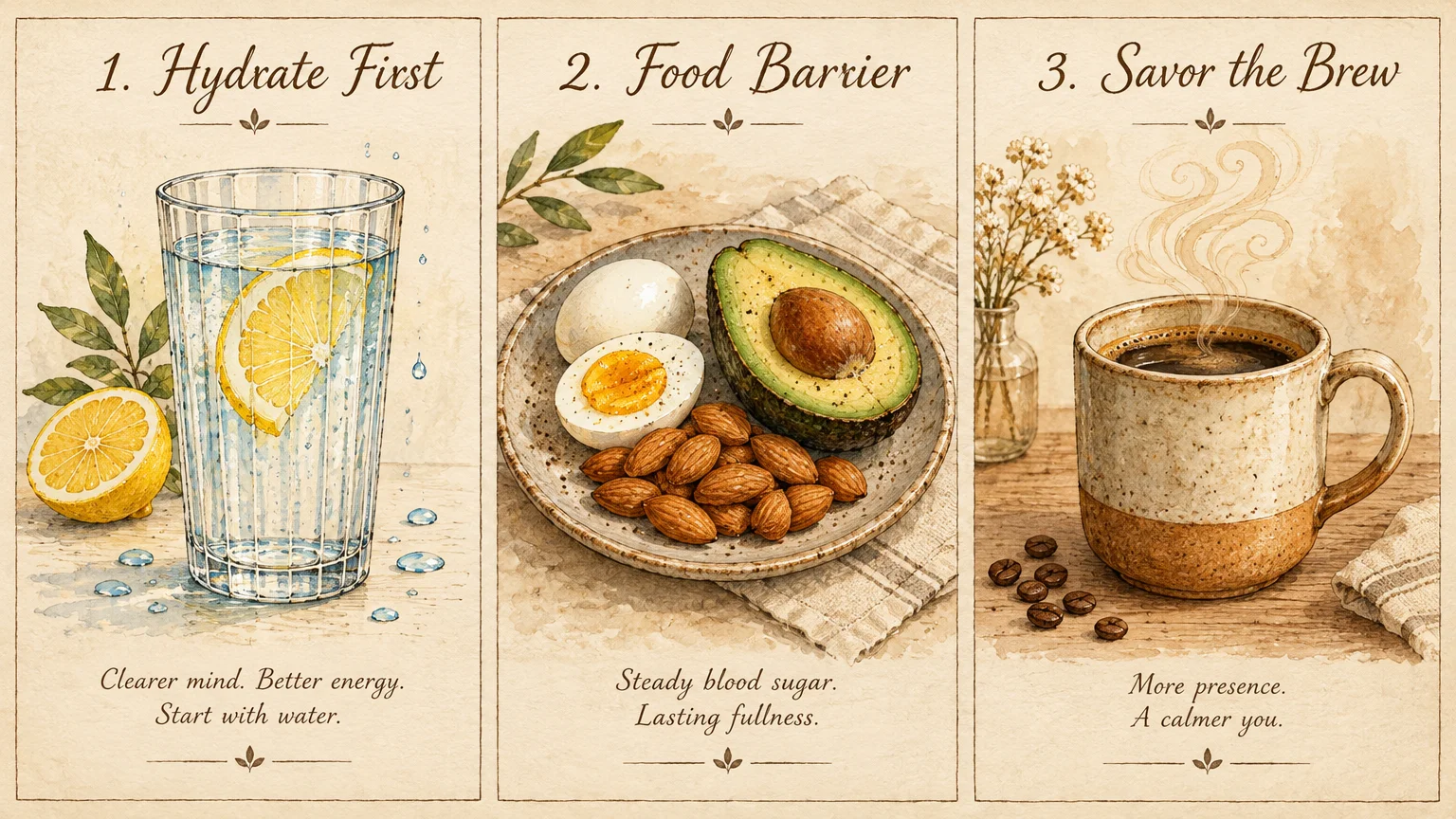
Practical Steps and Healthier Morning Coffee Habits
You can easily upgrade your morning coffee routine without sacrificing your beloved daily ritual. Small, strategic modifications will protect your stomach lining and enhance your daily energy.
Adopting practical habits ensures you gain coffee’s rich antioxidant benefits while preventing acid reflux, blood sugar surges, and nervous tension. Consider the following targeted adjustments to your morning routine.
Rehydrate Before You Caffeinate
Place a tall glass of plain or lemon-infused water on your nightstand or kitchen counter each evening. Drink that water immediately upon getting out of bed before touching your coffee maker.
Hydrating first recharges your cellular fluid levels, lubricates your esophagus, and stimulates natural peristalsis gently. This single habit protects your kidneys and softens the initial impact of morning coffee.
Aim to finish at least one full glass of water before brewing your morning roast. Your circulatory system and joints will benefit immediately from this simple morning reset.
Pair Your Cup with Quality Protein and Fats
You do not need to prepare an elaborate morning banquet to protect your stomach lining. A small serving of protein or healthy fat creates an effective digestive cushion.
Enjoy a hard-boiled egg, a spoonful of nut butter, or a serving of Greek yogurt before your first sip. These nutrient-dense foods slow down gastric acid secretion and steady your blood glucose.
The presence of dietary fat also slows caffeine absorption into your bloodstream. This steady release prevents the rapid heart rate and jittery sensations associated with fasted coffee.
Adjust Your Morning Schedule
Try postponing your coffee consumption until approximately 60 to 90 minutes after you wake up. This delay allows your natural cortisol awakening spike to complete its cycle peacefully.
When your natural cortisol begins to decline mid-morning, coffee steps in as a gentle, complementary pick-me-up. You will achieve sustained mental clarity without shocking your adrenal glands.
Use your first waking hour to stretch, hydrate, and prepare a balanced breakfast. By the time you sit down with your coffee, your body will be prepared to process it smoothly.
Select Lower-Acid Brewing Styles
If you suffer from regular acid indigestion or heartburn, your brewing method makes a significant difference. Cold brew coffee is brewed with chilled water over extended hours, extracting significantly fewer acidic compounds.
Dark roast coffee beans also tend to be gentler on your stomach lining than light roasts. The extended roasting process develops a compound called N-methylpyridinium, which helps suppress gastric acid secretion.
Protect Your Prescription Timing
Never take critical morning medications with coffee instead of water. Keep your medications on a strict schedule separated from your coffee consumption by at least 60 minutes.
Always consult your primary care physician or pharmacist about specific food and beverage interactions. Protecting drug bioavailability ensures your therapies deliver their intended health protections.
Frequently Asked Questions
Does adding milk or cream prevent stomach irritation?
Adding a splash of milk or heavy cream can buffer some of coffee’s acidity by binding with tannins. However, dairy also stimulates stomach acid production in its own right.
If you are lactose intolerant, dairy can trigger additional intestinal cramping and bloating. Plant-based milks like unsweetened oat or almond milk provide a creamy texture without lactose-related distress.
Is decaffeinated coffee safer on an empty stomach?
Decaffeinated coffee eliminates the rapid stimulant surge that spikes cortisol and triggers nervous jitters. This makes decaf a superior option for protecting your heart rate and adrenal balance.
However, decaffeinated coffee still contains natural chlorogenic acids that trigger gastric acid production in your stomach. While gentler on your nerves, decaf can still cause reflux on a completely empty stomach.
Can morning coffee interfere with thyroid or osteoporosis medication?
Yes, drinking coffee close to taking these medications can drastically reduce how much active ingredient your body absorbs. Coffee binds directly to thyroid hormone replacement tablets and disrupts intestinal absorption.
Similarly, osteoporosis medications require a completely empty stomach with pure water to work safely. You should wait at least 30 to 60 minutes after taking these medications before drinking coffee.
Does cold brew coffee cause less acid reflux than hot brewed coffee?
Cold brew coffee is made using cool water and an extended steeping duration of 12 to 24 hours. This gentle extraction process leaves behind many of the harsh aromatic acids found in hot coffee.
Many adults who struggle with traditional hot coffee find that cold brew digests comfortably without burning sensations. Warming up cold brew concentrate gives you a soothing, low-acid hot beverage.
How long should you wait to drink coffee after waking up?
Waiting approximately 60 to 90 minutes after waking provides the best physiological results for your body. This window permits your natural cortisol awakening response to peak and taper naturally.
Delaying your cup also gives you ample time to rehydrate with water and consume a nutritious breakfast. You will experience steady, lasting energy throughout your morning without an uncomfortable crash.
What should you eat first if you have no morning appetite?
You do not need a heavy breakfast to protect your stomach from morning coffee. A tiny snack containing healthy protein or soluble fiber will provide adequate mucosal defense.
Consider eating a few walnuts, a small banana, or two bites of whole-grain toast. These gentle foods absorb excess gastric acids and prepare your system for smooth digestion.
Final Thoughts on Morning Coffee and Longevity
Coffee is a nutrient-rich, antioxidant-dense beverage that has enriched morning routines across generations. Drinking it on an empty stomach, however, introduces unnecessary friction to your digestive tract and metabolic health.
By making minor adjustments—drinking a glass of water first, eating a light protein snack, and waiting an hour after waking—you protect your gut. These intentional habits ensure that your morning coffee fuels your health rather than compromising it.
Small lifestyle refinements compound over time to support healthy digestion, balanced blood sugar, and vibrant energy. Take control of your morning ritual today to keep feeling your best for years to come.
Your daily habits should serve your long-term vitality, bringing both joy and physiological nourishment. With thoughtful timing, your morning cup can remain a comforting, life-affirming ally in your wellness journey.
This article is intended for informational and educational purposes only and is not a substitute for professional medical advice, diagnosis, or treatment. Always consult with a qualified healthcare provider regarding any health concerns or before making any decisions related to your health or treatment.