
Your tongue serves as a powerful, real-time mirror for your internal health, revealing hidden signs of nutritional deficiencies, systemic infections, and early-stage diseases long before other symptoms appear. As you age, monitoring these subtle oral changes becomes one of the most effective strategies for protecting your overall well-being. From painless color shifts to unexpected texture changes, your oral tissue offers immediate clues about your cardiovascular system, immune function, and metabolic balance. Inspecting your tongue daily allows you to catch emerging health issues early, empowering you to seek prompt medical intervention when treatments prove most effective and life-saving.
Understanding the Basics of Tongue Health
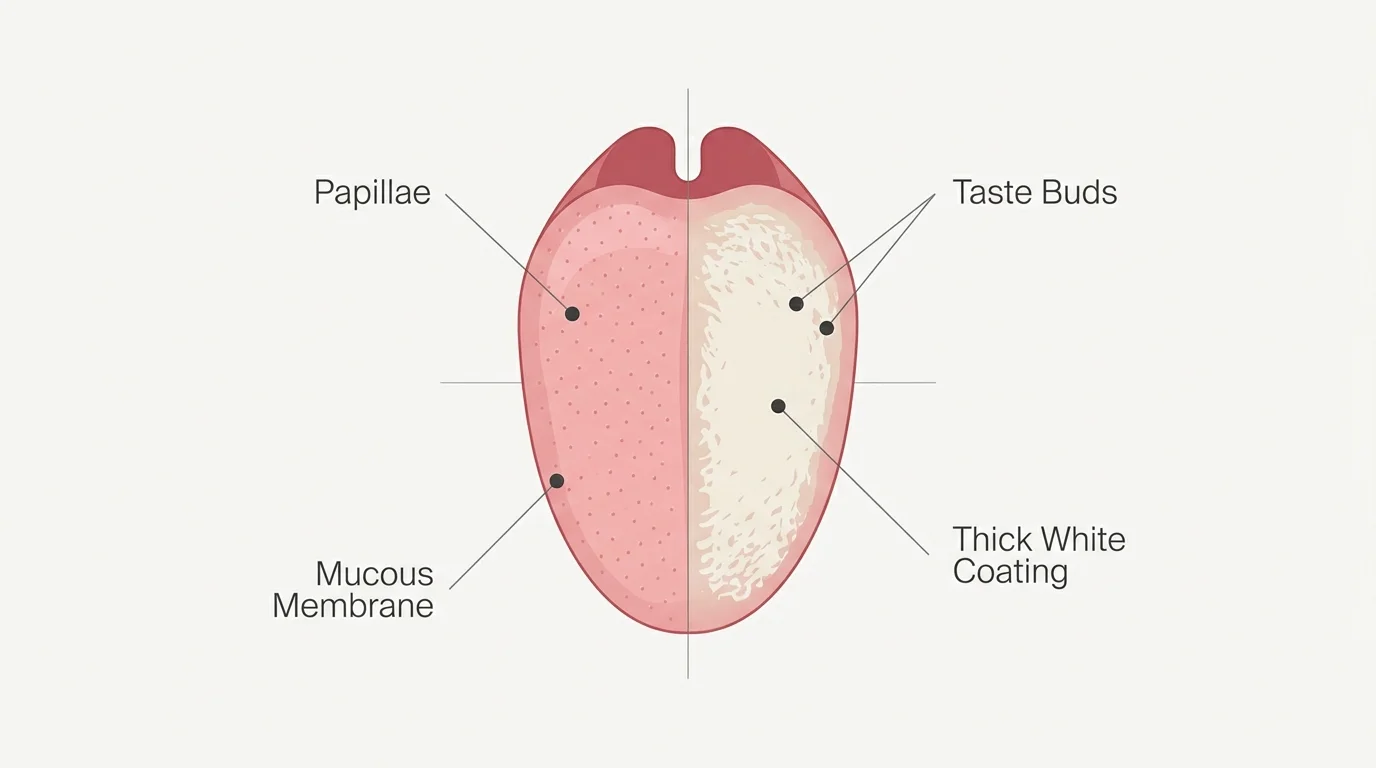
A healthy tongue displays a pink, vibrant color covered by tiny, hair-like projections known as papillae. These microscopic structures house your taste buds and help you chew, taste, and swallow food efficiently. Because the mucous membranes of your mouth possess a rich network of blood vessels and undergo rapid cellular regeneration, your tongue often reflects internal bodily changes far quicker than outer skin or remote tissues.
When unexpected color variations or surface changes develop, your body is usually signaling an underlying health disturbance. A thick white coating across the dorsal—or top—surface of your tongue frequently indicates oral candidiasis, commonly called thrush, which is a fungal infection caused by an overgrowth of Candida yeast. Conversely, persistent, firm white patches that cannot be scraped away may represent leukoplakia; this condition stems from chronic tissue irritation and occasionally carries a risk of precancerous transformation.
Color changes extend well beyond pale coatings. A deep red, glossy, or swollen appearance—often referred to as a strawberry tongue or atrophic glossitis—frequently signals a significant deficiency in essential nutrients like vitamin B12, folate, or iron. When papillae shrink and vanish due to poor nutrition, the surface loses its normal velvety texture, leaving the tongue smooth, raw, and highly sensitive to spicy or acidic foods. Dark, dark-brown, or black discoloration, medically termed black hairy tongue, occurs when keratin proteins accumulate on elongated papillae, trapping oral bacteria, food particles, and yeast over time.
Texture modifications offer equally crucial diagnostic clues about your well-being. Geographic tongue, known scientifically as benign migratory glossitis, creates smooth, reddish patches bordered by raised white lines that shift location over days or weeks, giving the surface a map-like pattern. While geographic tongue is benign, structural anomalies such as deep, inflamed fissures, firm nodules, or non-healing open ulcers require prompt clinical assessment to rule out localized tissue disease or malignant growth.

Key Considerations for Seniors and Aging Adults
As you navigate your 60s and beyond, physiological changes directly impact your oral health and alter how your body manifests disease. Age-related reductions in salivary gland function often lead to xerostomia, commonly known as chronic dry mouth. Saliva plays a crucial defensive role; it washes away food debris, neutralizes destructive acids, and controls microbial populations. When saliva flow decreases, harmful bacteria and fungal organisms multiply rapidly, raising your susceptibility to oral thrush and painful tongue inflammation.
Medication side effects compound this challenge for millions of older adults. Common prescription drugs—including blood pressure medications, antihistamines, diuretics, muscle relaxants, and antidepressants—frequently suppress saliva production. Furthermore, broad-spectrum antibiotics and inhaled corticosteroids can disrupt the natural microbial balance in your mouth, directly triggering secondary fungal infections on your tongue’s surface.
Nutritional absorption pathways also shift significantly as you age. Conditions like atrophic gastritis, which reduces stomach acid, diminish your ability to extract vitamin B12 from protein foods. Over time, this malabsorption manifests directly on your tongue as atrophic glossitis, causing persistent burning, redness, and loss of papillae. Seniors who wear partial or full dentures face additional risks, as ill-fitting oral prosthetics create chronic friction, micro-tears, and inflamed tissue known as denture stomatitis beneath the prosthetic base.
Furthermore, immune system aging—a process known as immunosenescence—weakens your body’s response to minor infections and abnormal cell growth. Minor tongue lesions that a younger body might clear easily can linger longer in older tissue, increasing the likelihood of secondary bacterial invasions or delayed healing. Recognizing these age-specific vulnerabilities empowers you to monitor your mouth actively rather than dismissing subtle changes as mere signs of getting older.
Changes in taste perception, known as dysgeusia, also occur more frequently as taste buds decrease in sensitivity with age. Older adults often compensate by altering their diets, sometimes consuming excess salt or acid, which further irritates delicate oral tissues. Understanding how age-related vascular changes affect microcirculation in your tongue allows you to identify subtle tissue pale spots or localized swelling early, ensuring that underlying cardiovascular or systemic metabolic conditions receive prompt medical attention.
Benefits and Potential Risks of Oral Monitoring
Regular self-examination of your tongue offers incredible health advantages, serving as an accessible, cost-free screening tool for early disease detection. Spotting subtle white patches, unusual red spots, or small painless bumps early allows healthcare providers to diagnose systemic conditions long before major health crises emerge. For instance, detecting nutritional deficiencies early prevents peripheral neuropathy and cognitive decline associated with severe vitamin B12 depletion. Similarly, identifying chronic oral thrush can prompt early testing for undiagnosed type 2 diabetes or underlying immune system vulnerabilities.
Prompt detection of localized oral abnormalities dramatically improves clinical outcomes. Identifying precancerous leukoplakia or early-stage oral lesions enables simple, minimally invasive treatments that protect your long-term health and speech function. Regular oral checks also encourage better daily oral hygiene habits, reducing overall bacterial loads in your mouth and safeguarding your cardiovascular health, as chronic oral inflammation links directly to systemic vascular stress.
However, self-monitoring also carries potential psychological and practical risks if performed without proper guidance. Misinterpreting harmless, benign conditions can trigger unnecessary anxiety and stress. For example, discovering geographic tongue or a naturally fissured surface might cause unwarranted fear of malignancy. Conversely, assuming a dangerous, non-healing ulcer is merely a minor aphthous sore or denture scrape can lead to dangerous treatment delays.
Attempting harsh self-treatments represents another risk of misdiagnosis. Scrubbing your tongue aggressively with hard-bristled brushes, applying harsh chemical antiseptics, or using over-the-counter antifungal creams without a proper diagnosis can severely damage sensitive mucosal tissues, exacerbate inflammation, and destroy healthy oral flora. To balance these factors, practice gentle, consistent visual monitoring and consult a qualified healthcare professional whenever persistent or unexplained changes occur.
Ultimately, the objective of oral monitoring is empowering proactive healthcare, not creating worry. By combining careful daily observations with regular professional evaluations, you establish a safe, balanced routine that protects your health without provoking unnecessary panic over benign tissue variations.

What the Experts and Clinical Data Say
Leading medical organizations and clinical researchers emphasize that early identification of oral lesions drastically improves health outcomes, particularly regarding oral cancers. According to landmark epidemiological data from the American Cancer Society, approximately 60,480 new cases of oral cavity or oropharyngeal cancer will be diagnosed in the United States in 2026 alone, resulting in roughly 13,150 deaths. The tongue remains one of the most common physical sites for these malignancies to develop.
Clinical statistics underscore the life-saving impact of early detection. When oral cancers—which frequently begin as subtle, persistent red or white patches or non-healing sores on the lateral borders of the tongue—are caught at an early, localized stage, the five-year survival rate exceeds 80 percent. However, if diagnosis is delayed until the cancer spreads to regional lymph nodes or distant tissues, overall five-year survival drops dramatically to between 40 percent and 57 percent.
Demographic data from major public health studies reveals that age remains a primary risk factor for oral pathosis. Research analyzed by the Centers for Disease Control and Prevention indicates that the average age of an oral cancer diagnosis is 64 years old, though roughly 20 percent of cases occur in individuals under age 55. Gender disparities also exist across populations; men face a significantly higher lifetime risk of developing oral cavity cancers than women, with lifetime odds standing at 1 in 59 for men compared to 1 in 139 for women.
A 2026 retrospective study examining multi-decade mortality data from the CDC WONDER database demonstrated that annual U.S. oral cancer deaths rose from 7,451 in 1999 to 12,368 in 2024—a striking 65.99 percent increase driven primarily by population aging and human papillomavirus (HPV) trends. Meanwhile, global meta-analyses published in medical journals like Oral Diseases confirm that harmless conditions such as geographic tongue affect approximately 3 percent of the worldwide adult population, proving that while many tongue changes require clinical evaluation, many remain entirely benign. Major medical resources like the National Institutes of Health and the Mayo Clinic advise older adults to undergo annual oral health screenings to distinguish harmless variations from serious disease.

Practical Steps to Check and Care for Your Tongue
Taking proactive, practical steps to inspect and care for your tongue ensures early detection of potential problems and maintains your daily oral comfort. Performing a self-exam takes less than two minutes and requires only a well-lit mirror and clean hands.
Step 1: Perform a Weekly Visual Self-Examination
Position yourself in front of a bright mirror. Stick out your tongue fully and examine the top surface for unusual color changes, dense white coatings, or smooth, shiny patches. Next, turn your tongue to the left and right to inspect the lateral borders, as early oral cancers frequently manifest on the side edges. Finally, touch the tip of your tongue to the roof of your mouth to examine the underside and the floor of your mouth for firm lumps, swelling, or unexplained red areas.
Step 2: Clean Your Tongue Surface Gently
Incorporate gentle tongue cleaning into your daily brushing routine. Use a soft-bristled toothbrush or a specialized rubber tongue scraper to clean from the back of your tongue forward toward the tip. Apply light pressure to sweep away lingering food particles, dead cellular debris, and surface bacteria. Avoid aggressive scrubbing or harsh metallic scrapers, which can damage delicate papillae and cause painful micro-abrasions.
Step 3: Stimulate Saliva Flow and Maintain Hydration
Combating dry mouth is crucial for protecting your tongue tissue. Sip fresh water throughout the day to keep your oral mucous membranes moist and resilient. If prescription medications suppress your saliva production, chew sugar-free gum containing xylitol or suck on sugar-free lozenges to stimulate natural salivary flow. Consider using alcohol-free oral rinses or moisturizing mouth gels designed specifically for dry mouth relief.
Step 4: Communicate Effectively with Your Healthcare Team
Maintain regular routine visits with your dentist and primary care physician. During appointments, ask your provider to perform a thorough soft-tissue oral cancer screening. Inform your doctor about any burning sensations, persistent taste changes, dry mouth difficulties, or lesions that have failed to heal within two weeks.
Frequently Asked Questions About Tongue Health
Why is my tongue covered in a white coating, and can I scrape it off?
A temporary white coating often results from accumulated dead cells, debris, and bacteria trapped between inflamed papillae, which you can easily gently brush away. However, if the white material forms cottage-cheese-like patches that wipe off to reveal raw, red tissue underneath, you likely have oral thrush (fungal candidiasis). If the white patches are thick, firm, and impossible to scrape off, you may have leukoplakia, which requires evaluation by a doctor or dentist to rule out precancerous changes.
Is a red, smooth tongue a serious medical concern?
A smooth, bright red tongue—known medically as atrophic glossitis—indicates that your papillae have lost their normal velvet-like texture. This condition frequently points to underlying nutritional deficiencies, particularly lack of vitamin B12, folate, iron, or zinc. Because severe B12 deficiency can cause neurological damage and anemia, you should schedule a routine blood test with your primary care provider to identify and correct the specific nutritional deficit.
What causes a burning sensation on the tongue in older adults?
A persistent burning sensation on the tongue can stem from several factors, including chronic dry mouth (xerostomia), oral thrush, vitamin deficiencies, acid reflux, or ill-fitting dentures. When medical tests reveal no underlying infection or systemic disease, doctors may diagnose Burning Mouth Syndrome (BMS). BMS involves complex nerve sensitivity changes in the mouth, and healthcare providers can manage symptoms through specific targeted treatments and protective oral rinses.
Should I worry if my tongue has deep cracks or grooves?
Deep grooves or cracks along the top or sides of the tongue usually represent a benign condition called a fissured tongue. While these grooves are generally harmless and become more pronounced with age, food debris and bacteria can collect inside deep cracks, leading to localized irritation or fungal growth. Maintain good hygiene by gently brushing your tongue surface and rinsing with warm water to keep the grooves clean and free of debris.
When should I immediately schedule a medical appointment for a tongue symptom?
You should schedule a prompt medical appointment if you notice a sore, lump, ulcer, or color patch on your tongue that persists for more than two weeks without healing. Immediate evaluation is also essential if you experience unexplained tongue pain, bleeding when touched, difficulty chewing or swallowing, or numbness in any part of your mouth. Early intervention by a professional ensures prompt treatment and peace of mind.
Summary of Essential Takeaways
Your tongue provides invaluable early indicators of your overall physiological health, reflecting nutritional status, immune function, and oral tissue integrity. By taking two minutes each week to visually inspect your tongue and practicing gentle daily cleaning, you can catch emerging health issues early when treatments are most straightforward and successful. Pay close attention to persistent color changes, non-healing sores, and dry mouth symptoms, and work closely with your physician and dentist to maintain optimal oral health as you age.
This article is intended for informational and educational purposes only and is not a substitute for professional medical advice, diagnosis, or treatment. Always consult with a qualified healthcare provider regarding any health concerns or before making any decisions related to your health or treatment.