What the Regulators and Healthcare Experts Say
Federal Regulatory Priorities at CMS
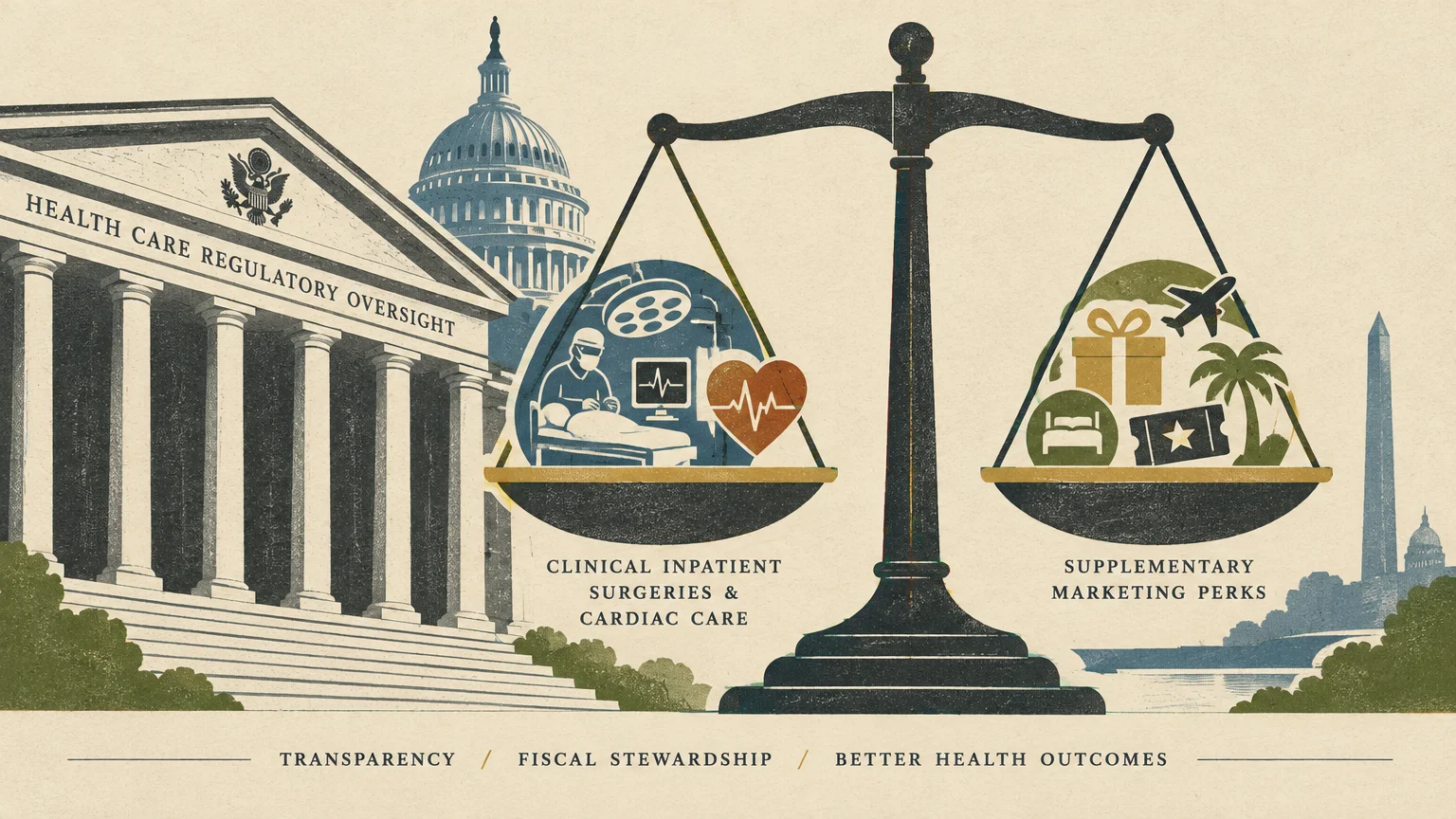
Federal officials at the Medicare agency maintain that taxpayer funding must support medically necessary care first. Regulators established the 2027 rate adjustments to safeguard the long-term solvency of the Medicare Trust Fund.
CMS leadership emphasizes that supplemental perks must deliver measurable health improvements rather than serving as commercial marketing inducements. Tighter rules ensure federal dollars support validated clinical treatments rather than unverified lifestyle bonuses.
Perspectives from Healthcare Policy Researchers
Independent health analysts note that supplemental benefits expanded rapidly without adequate clinical oversight. Many carriers introduced rich flex cards primarily to lure healthy enrollees away from competitors.
Public health experts at the Centers for Disease Control and Prevention emphasize that targeted preventive care remains essential. However, policy researchers conclude that social support dollars must target documented medical needs rather than general consumer incentives.
Clinical Guidance from Medical Specialists
Geriatric specialists at the Mayo Clinic encourage older adults to protect their personal wellness routines despite benefit cuts. Physicians note that maintaining regular physical movement and social engagement remains crucial for cognitive health.
Clinicians advise patients to discuss economic hurdles openly during routine medical appointments. Your physician can often connect you with regional social programs, food pantries, or pharmaceutical manufacturer assistance to replace lost benefits.