You can actively protect your memory and sharpen your thinking as you age. Landmark global research reveals that nearly half of all dementia cases stem from modifiable everyday habits that you can change today.
While genetics play a role in brain health, daily lifestyle choices exert a profound influence over cognitive decline. Emerging studies show that addressing six core routines builds lasting resilience against memory loss.
Whether you want to preserve your independence or support an aging loved one, simple shifts in your daily habits yield substantial protection. Science proves that taking charge of your brain health is possible at any age.
Understanding the Basics of Dementia and Lifestyle
Dementia is not a single disease; rather, it describes a collection of symptoms that impair memory, communication, and daily functioning. Alzheimer’s disease represents the most common form, alongside vascular dementia and Lewy body dementia.
These conditions arise when brain cells suffer progressive damage and lose their ability to communicate effectively. Over time, this cellular damage leads to cognitive decline that interferes with your everyday autonomy.
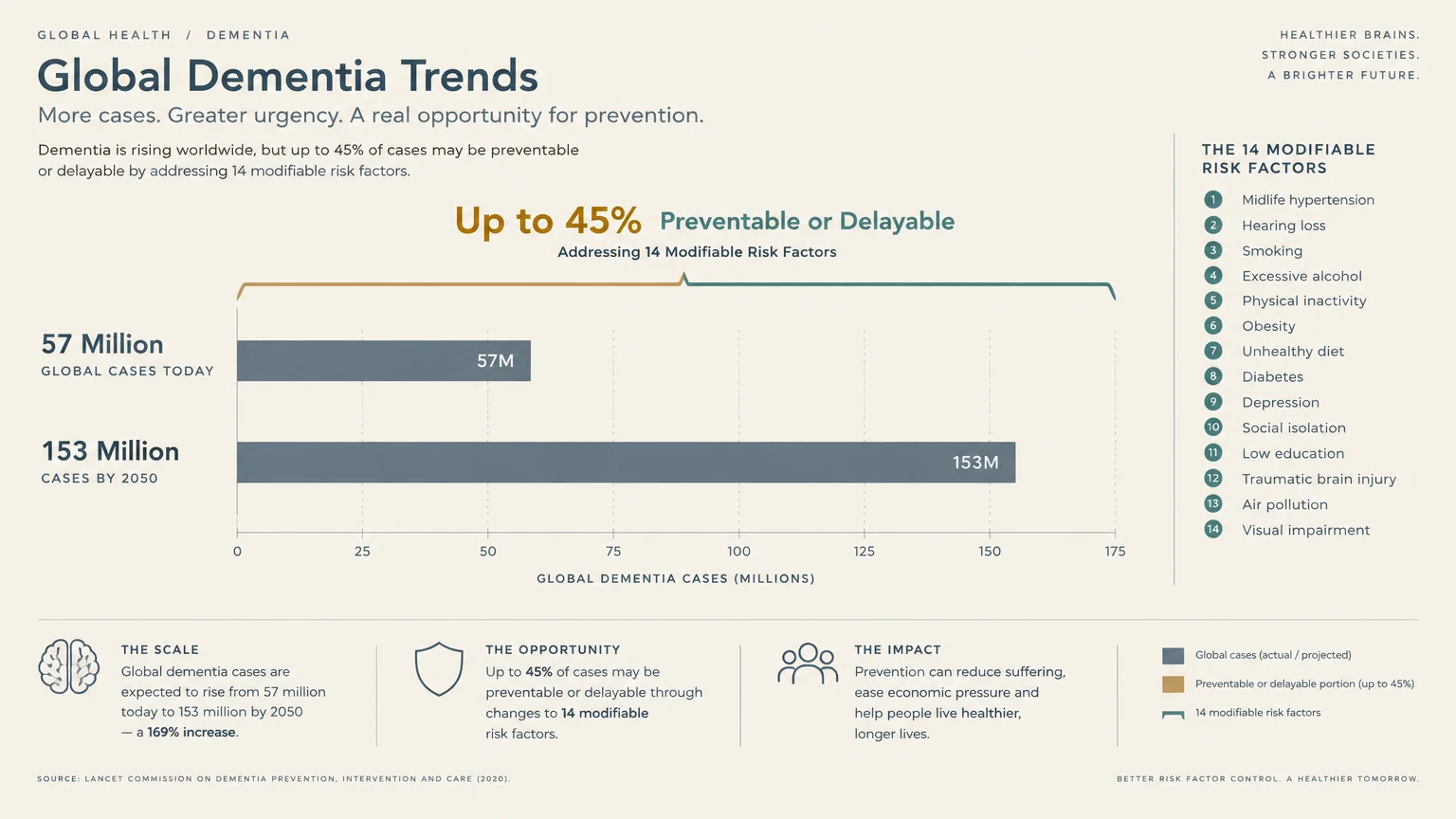
According to the World Health Organization, dementia currently affects more than 57 million people worldwide. Furthermore, clinicians diagnose nearly 10 million new cases every year.
Global projections indicate that total diagnoses could nearly triple to 153 million by 2050. This surge highlights the urgent necessity of personal and public health prevention strategies.
For decades, many people assumed that dementia was an unavoidable consequence of aging or an immutable genetic fate. Modern neuroscience has completely dismantled this pessimistic view.
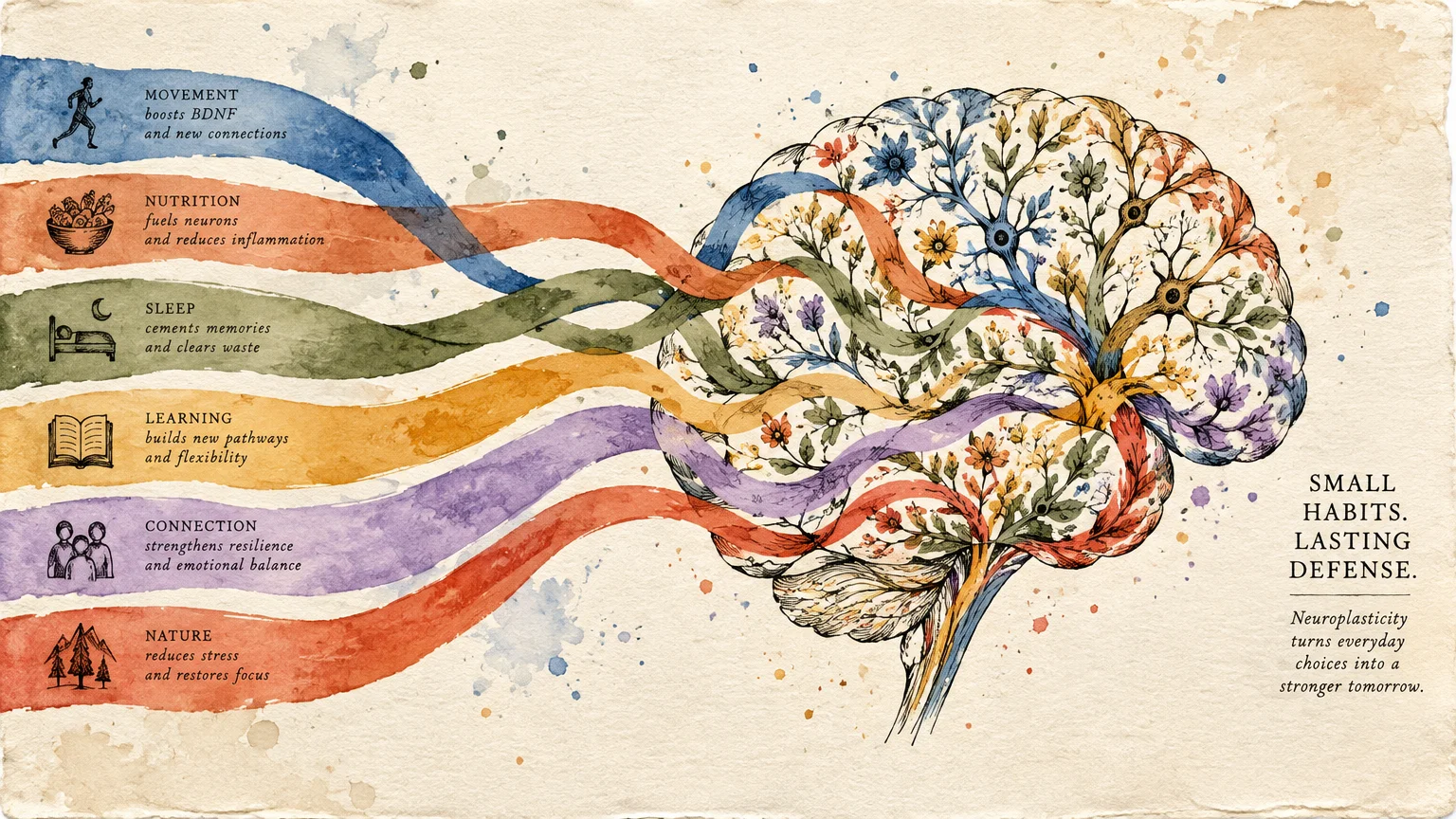
Your brain possesses neuroplasticity—the continuous ability to adapt, reorganize neural pathways, and form new synaptic connections. Every positive lifestyle choice directly supports this vital structural resilience.
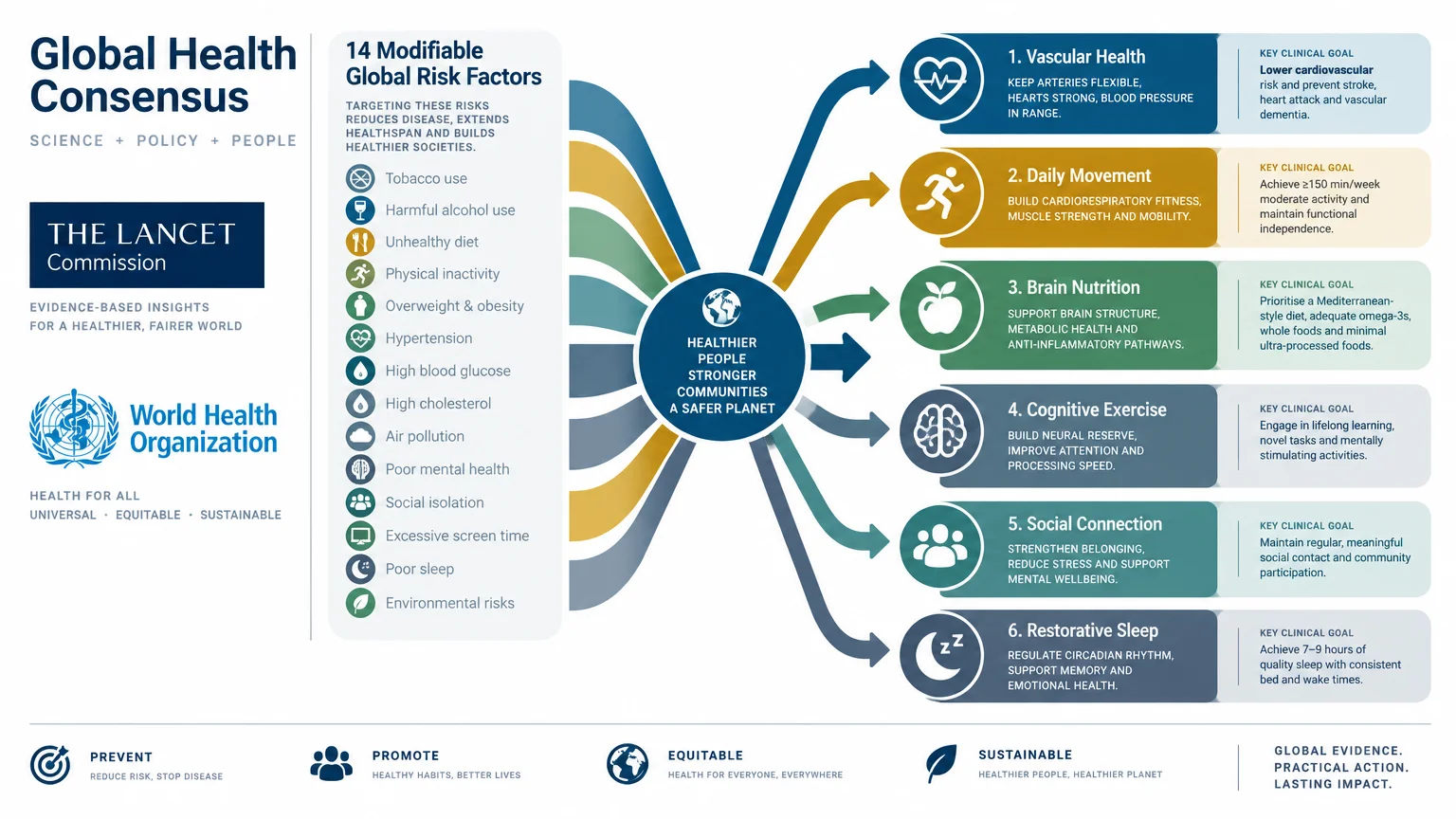
The landmark Lancet Commission on Dementia Prevention, Intervention, and Care reported in July 2024 that modifiable factors drive nearly half of global dementia cases. Specifically, addressing 14 modifiable risk factors can prevent or delay up to 45% of diagnoses.
Updated global guidelines in July 2026 confirmed these findings, reinforcing that your daily environment and habits dictate how your brain ages. Prevention is not merely a theoretical concept; it is an accessible daily practice.
The Landmark Studies on Modifiable Risk Factors
Multiple rigorous clinical investigations clarify how specific lifestyle patterns defend brain tissue against neurodegeneration. In July 2026, the World Health Organization and analysis in TIME highlighted six core modifiable habit areas derived from the 14 broader risk factors.
These six areas represent daily behaviors that you can actively manage to preserve cognitive function. They translate complex epidemiological findings into direct, tangible routines for older adults.
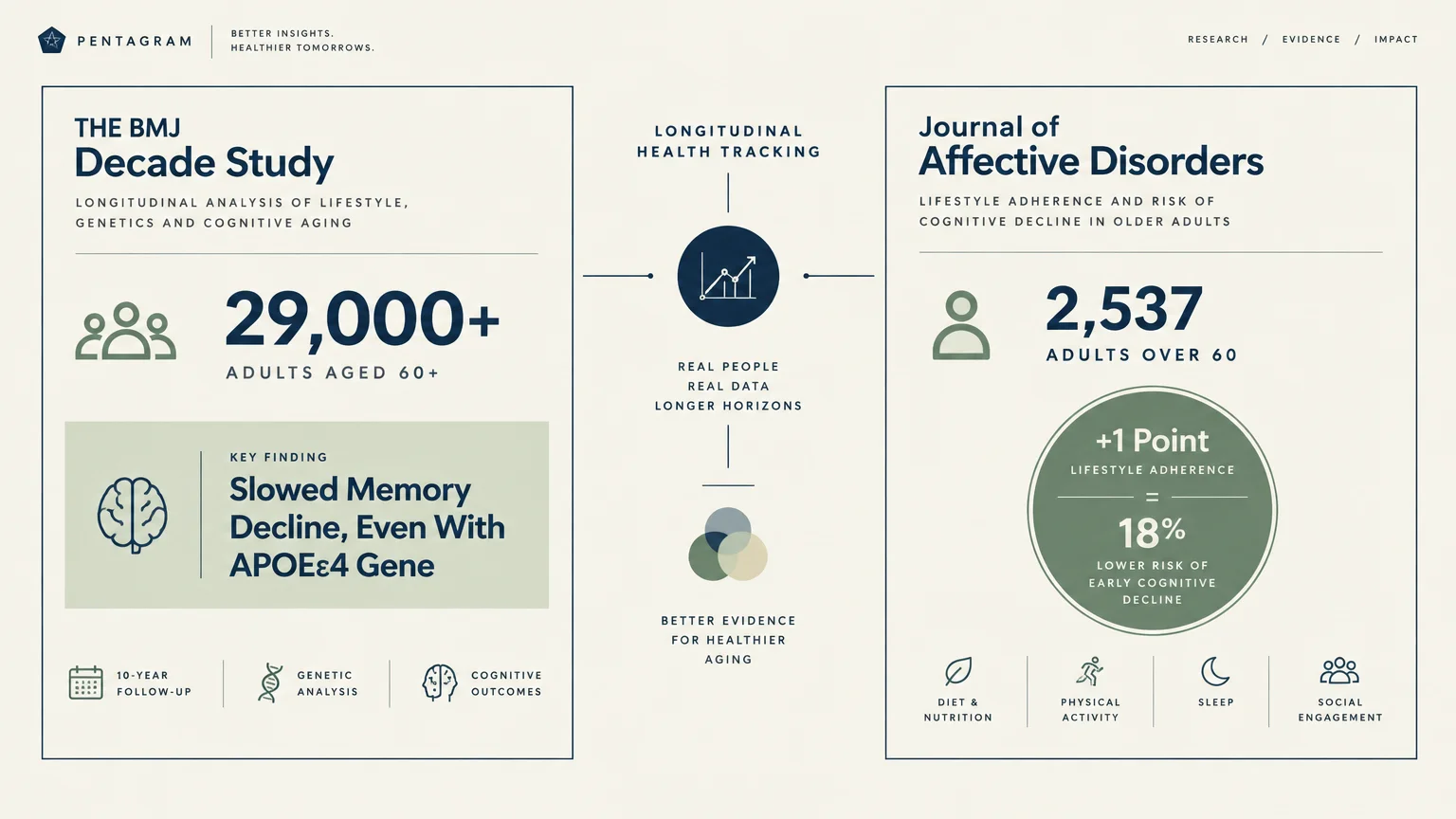
A major decade-long study published in The BMJ in January 2023 tracked over 29,000 older adults aged 60 and older. Researchers evaluated six healthy lifestyle habits over ten years to measure their influence on memory performance.
The BMJ researchers found that participants who adhered to these positive habits experienced significantly slower rates of memory decline. Remarkably, this protective effect remained robust even among individuals carrying the high-risk APOEε4 gene.
Another key study published in the Journal of Affective Disorders in February 2024 examined 2,537 adults over age 60. The authors evaluated six foundational lifestyle habits to measure their impact on early neurocognitive decline.
The researchers discovered that each one-point increase in lifestyle adherence reduced the risk of early cognitive decline by 18%. Small, consistent modifications yielded immediate and measurable compounding benefits.
Vascular damage plays an equally decisive role in cognitive impairment. In August 2026, a long-term study from Lund University demonstrated how everyday modifiable habits directly preserve cerebral blood flow.
The Lund University researchers found that smoking, elevated blood lipids, hypertension, alcohol misuse, and physical inactivity directly accelerate white matter changes. These vascular disruptions trigger white matter lesions that hasten both Alzheimer’s disease and vascular dementia.
Public health researchers at Curtin University expanded these insights in July 2026 through a review published in The Lancet Healthy Longevity. Analyzing dementia prevention across eight nations, they discovered that active, personalized interventions improved modifiable risk factor status by 26% over three years.
In an accompanying ten-year study of nearly 500,000 adults, Curtin University researchers verified that preserving muscle strength provides exceptional protection against dementia. Maintaining strength combats sarcopenic obesity, shielding your nervous system from chronic systemic inflammation.
Clinical trials reinforce these observational studies. The landmark U.S. POINTER clinical trial, published in JAMA in 2025, demonstrated that combining multiple lifestyle interventions produces measurable cognitive improvements within two years among high-risk older adults.
Habit 1: Prioritize Cardiovascular Health and Sensory Protection
What protects your heart directly shields your brain. Your brain relies on an intricate network of microscopic blood vessels to supply oxygen and glucose to billions of active neurons.
Hypertension exerts constant mechanical stress on these delicate cerebral vessels, causing stiffening and microscopic infarcts. Maintaining blood pressure below recommended thresholds prevents the silent vascular injury that often precedes cognitive impairment.
Managing your blood lipids is equally essential for long-term neural preservation. The updated Lancet Commission data revealed that high low-density lipoprotein (LDL) cholesterol accounts for 7% of modifiable dementia risk.
Excessive circulating LDL cholesterol accelerates arterial plaque formation, restricting blood flow and inflaming sensitive brain tissues. Routine lipid screenings and appropriate medical therapies help you maintain clean, flexible blood vessels.
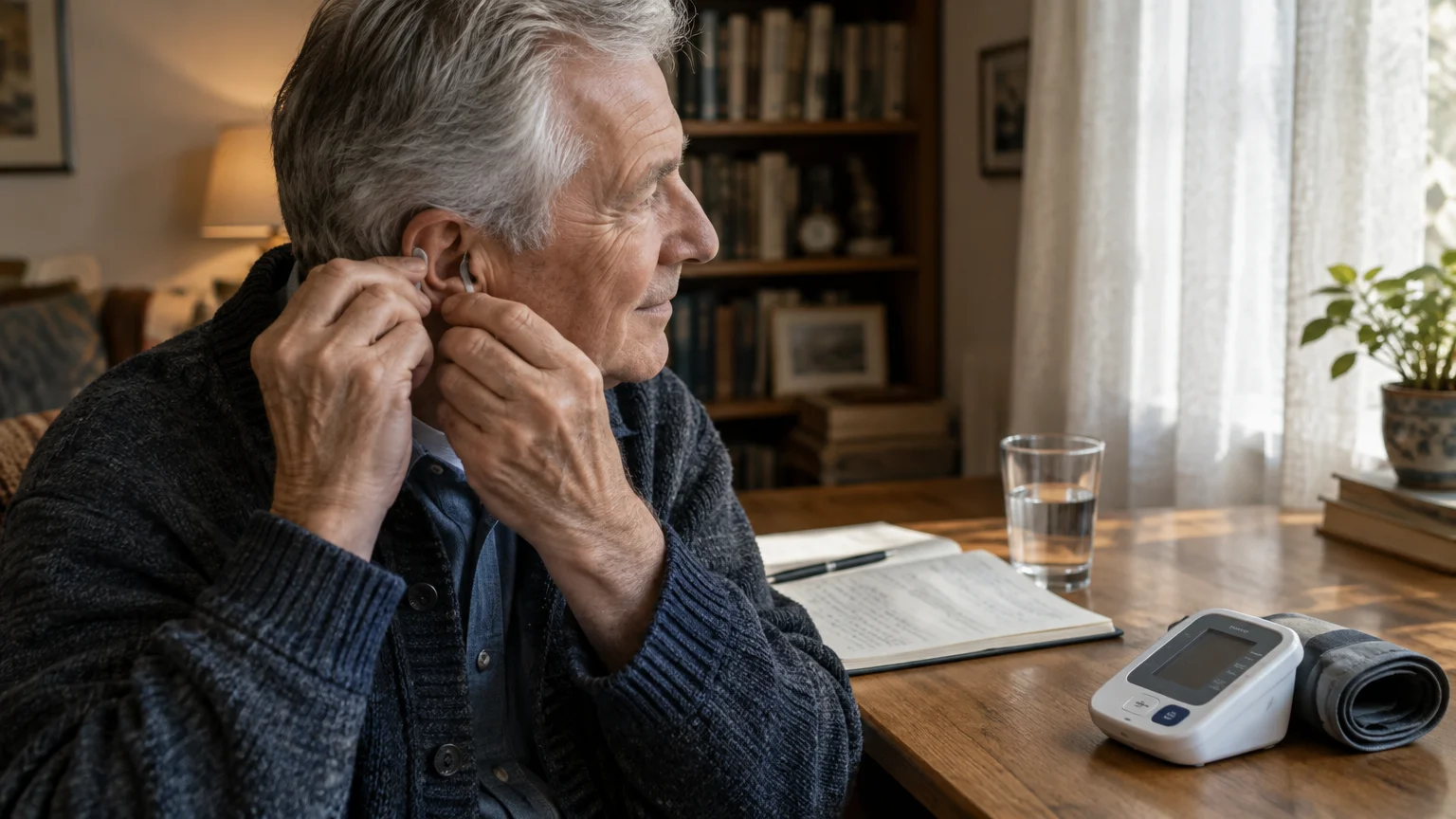
Sensory protection forms the second vital pillar of this foundational habit. Untreated hearing loss is responsible for 7% of modifiable dementia risk, representing one of the single largest individual risk factors identified by researchers.
When hearing declines, your brain must redirect precious cognitive resources toward deciphering degraded auditory signals. Over time, auditory deprivation starves the temporal lobes of stimulation and accelerates cerebral atrophy.
Using hearing aids restores auditory clarity and frees your brain to focus on comprehension and memory storage. Consistent hearing correction dramatically mitigates the cognitive decline often associated with age-related hearing loss.
Vision health requires the same proactive diligence. The Lancet Commission recognized untreated vision loss as an independent risk factor accounting for 2% of modifiable dementia cases worldwide.
Visual deficits limit your ability to navigate your physical environment, read, and engage in stimulating hobbies. Regular eye exams, cataract removal, and updated corrective lenses protect both your sight and your cognitive reserve.

Habit 2: Maintain Daily Physical Activity and Muscle Strength
Physical movement serves as powerful natural medicine for your brain. Engaging in regular physical activity stimulates the release of brain-derived neurotrophic factor, a specialized protein that nurtures existing neurons and encourages new connections.
Aerobic exercise enhances cerebral blood flow, delivering vital nutrients while clearing metabolic waste products from brain tissue. Brisk walking, swimming, cycling, or water aerobics all provide robust protection for aging neural circuits.
Cardiovascular fitness alone, however, tells only half the story. The Curtin University study of nearly 500,000 adults demonstrated that preserving muscle strength is critical for lowering dementia risk.
Aging often brings sarcopenia—the gradual loss of skeletal muscle mass and functional strength. When declining muscle coincides with gaining fat, known as sarcopenic obesity, systemic inflammation surges and disrupts metabolic balance.
Skeletal muscle functions as an endocrine organ that regulates glucose metabolism and insulin sensitivity throughout your body. Maintaining healthy muscle mass prevents insulin resistance, a metabolic disorder that damages delicate brain structures like the hippocampus.
You do not need to lift massive weights to achieve meaningful benefits. Incorporating resistance bands, bodyweight squats, chair exercises, or light hand weights twice weekly reinforces your muscular and neurological stability.
Strength training also improves balance and spatial awareness, reducing your risk of falls and traumatic head injuries. Protecting your physical frame directly preserves your cognitive longevity and personal independence.

Habit 3: Fuel Your Brain with Balanced Nutrition
Your brain demands a steady supply of high-grade nutrients to repair cellular membranes and manage oxidative stress. What you consume each day directly influences the neurochemical environment within your central nervous system.
Decades of nutritional research highlight the Mediterranean-DASH Intervention for Neurodegenerative Delay, widely known as the MIND diet. This dietary pattern combines elements of the Mediterranean diet with the blood-pressure-lowering DASH framework.
The MIND diet emphasizes brain-protective foods rich in polyphenols, carotenoids, and omega-3 fatty acids. Green leafy vegetables, berries, nuts, olive oil, whole grains, and fatty fish form the cornerstone of this approach.
Dark leafy greens such as spinach and kale provide folate, lutein, and phylloquinone, which slow cognitive deterioration. Berries supply potent anthocyanins that cross the blood-brain barrier to neutralize free radicals.
Conversely, consuming highly processed foods filled with refined sugars, trans fats, and excess sodium accelerates neuroinflammation. These inflammatory foods damage the endothelial lining of cerebral blood vessels and promote vascular stiffness.
Adhering to a balanced dietary pattern does not require rigid deprivation. Prioritizing fresh, whole ingredients while limiting packaged snacks creates a sustainable routine that steadily defends your cognitive faculties.

Habit 4: Engage in Lifelong Learning and Cognitive Activity
Your brain thrives on novelty, challenge, and intellectual exploration. Regularly challenging your mind builds cognitive reserve—the brain’s capacity to improvise and find alternative ways of getting a job done when damaged.
People with greater cognitive reserve tolerate more neuropathological changes before displaying overt symptoms of memory impairment. Continuous learning acts as an insurance policy against the functional impacts of neurodegeneration.
The BMJ ten-year study highlighted cognitive activities like reading, writing, and playing strategic games as critical determinants of memory preservation. These activities force diverse neural circuits to collaborate and stay responsive.
Passive entertainment rarely provides sufficient cognitive stimulation to build reserve. Watching television for hours engages minimal mental effort, whereas solving complex puzzles or learning a foreign language demands active focus.
Explore creative endeavors that push you slightly outside your intellectual comfort zone. Learning to play a musical instrument, enrolling in a community lecture series, or studying genealogy invigorates neural connectivity.
Consistency matters far more than intensity when exercising your brain. Dedicating thirty minutes every day to purposeful mental engagement maintains mental sharpness throughout your retirement years.

Habit 5: Foster Rich Social Connections
Human brains are wired for complex social interaction. Meaningful communication activates widespread neural networks involved in memory retrieval, emotional regulation, attention, and executive reasoning.
Conversely, chronic loneliness and social isolation pose grave threats to cognitive wellbeing. Isolation triggers elevated cortisol levels, accelerates arterial hypertension, and promotes systemic inflammation throughout the central nervous system.
Research consistently shows that socially isolated seniors face a substantially higher risk of developing dementia compared to connected peers. Losing touch with friends and community members diminishes daily mental stimulation.
Conversations require real-time cognitive processing, including interpreting vocal tone, tracking narrative structure, and responding appropriately. These interpersonal dynamics provide a rigorous and enjoyable workout for aging neural networks.
Cultivating active relationships requires deliberate intention, especially following life transitions like retirement or the loss of a spouse. Joining local civic clubs, volunteering for community organizations, or attending religious services builds resilient social networks.
Even brief daily interactions with neighbors, shopkeepers, or family members offer meaningful psychological reinforcement. Staying socially anchored protects your emotional stability while providing vital cognitive scaffolding.

Habit 6: Prioritize Restorative Sleep and Eliminate Toxins
Sleep is not passive downtime; it is an active period of neurological maintenance. During deep slow-wave sleep, your brain’s glymphatic system clears away toxic metabolic waste products, including amyloid-beta and tau proteins.
Chronic sleep disruption or untreated obstructive sleep apnea impairs this vital cleansing cycle. Over time, the failure to flush out metabolic debris permits neurotoxic proteins to accumulate inside delicate cerebral structures.
While quality nighttime sleep defends your brain, abnormal daytime sleeping patterns warrant careful scrutiny. A longitudinal study from the Johns Hopkins Bloomberg School of Public Health tracked nearly 1,000 older adults over ten years.
Published in The Journals of Gerontology in late 2026, the study revealed surprising links between daytime sleep and cognitive decline. Researchers found that frequent daytime napping on most days or daily was tied to a 48% higher risk of developing dementia.
Furthermore, unintentional daytime napping—nodding off unexpectedly during quiet activities—was linked to a 39% higher risk. Unplanned daytime sleep often signals disrupted nighttime architecture, underlying neurodegenerative changes, or occult sleep apnea.
If you experience persistent daytime drowsiness or unintended nodding off, consult your physician for a comprehensive sleep evaluation. Treating sleep apnea with continuous positive airway pressure stabilizes oxygen delivery and restores restorative nighttime rest.
Eliminating harmful substances forms the remaining essential component of this protective habit. Smoking tobacco damages the vascular endothelium, reduces cerebral oxygenation, and accelerates cortical thinning.
The Lund University findings confirmed that smoking directly accelerates damaging white matter changes linked to vascular dementia. Quitting smoking halts this ongoing vascular trauma, allowing cerebral blood vessels to regain healthier tone at any age.
Alcohol consumption also requires strict moderation or complete elimination. Chronic alcohol intake acts as a direct neurotoxin, shrinking brain volume and impairing thiamine absorption critical for memory retention.
The BMJ decade-long study noted that individuals who avoided alcohol experienced significantly superior memory preservation over ten years. Limiting or eliminating alcoholic beverages protects your brain tissue from chronic oxidative damage and shrinkage.

Key Considerations for Seniors Over 60
As you age, your body undergoes specific physiological changes that alter how lifestyle factors interact with brain tissue. Understanding these biological dynamics allows you to implement preventative habits safely and strategically.
The aging blood-brain barrier becomes naturally more permeable, leaving neural tissue vulnerable to circulating inflammatory molecules. Consequently, managing systemic conditions like diabetes and high blood pressure becomes far more urgent after age 60.
Genetic vulnerability often causes unnecessary anxiety among older adults with a family history of Alzheimer’s disease. Many individuals assume that carrying the APOEε4 allele makes cognitive decline an absolute certainty.
The BMJ decade-long study delivered profoundly encouraging news on this front. Researchers demonstrated that maintaining healthy everyday habits significantly slowed memory decline even among verified APOEε4 carriers.
Lifestyle choices actively modify the expression of genetic risk. Your DNA may influence your biological predisposition, but your daily habits retain immense power over your cognitive destiny.
Sensory changes also accelerate after age 60, making timely intervention essential. Because age-related hearing and vision loss occur gradually, many older adults fail to recognize how much input their brains have lost.
Schedule routine sensory evaluations even if you feel your senses remain adequate. Addressing sensory deficits early removes excessive cognitive strain and keeps your neural networks fully activated.
Physical safety requires thoughtful adaptation as well. Exercise routines should prioritize joint integrity, postural stability, and fall prevention alongside cardiovascular exertion and muscle strengthening.
Benefits and Potential Risks: A Balanced Perspective
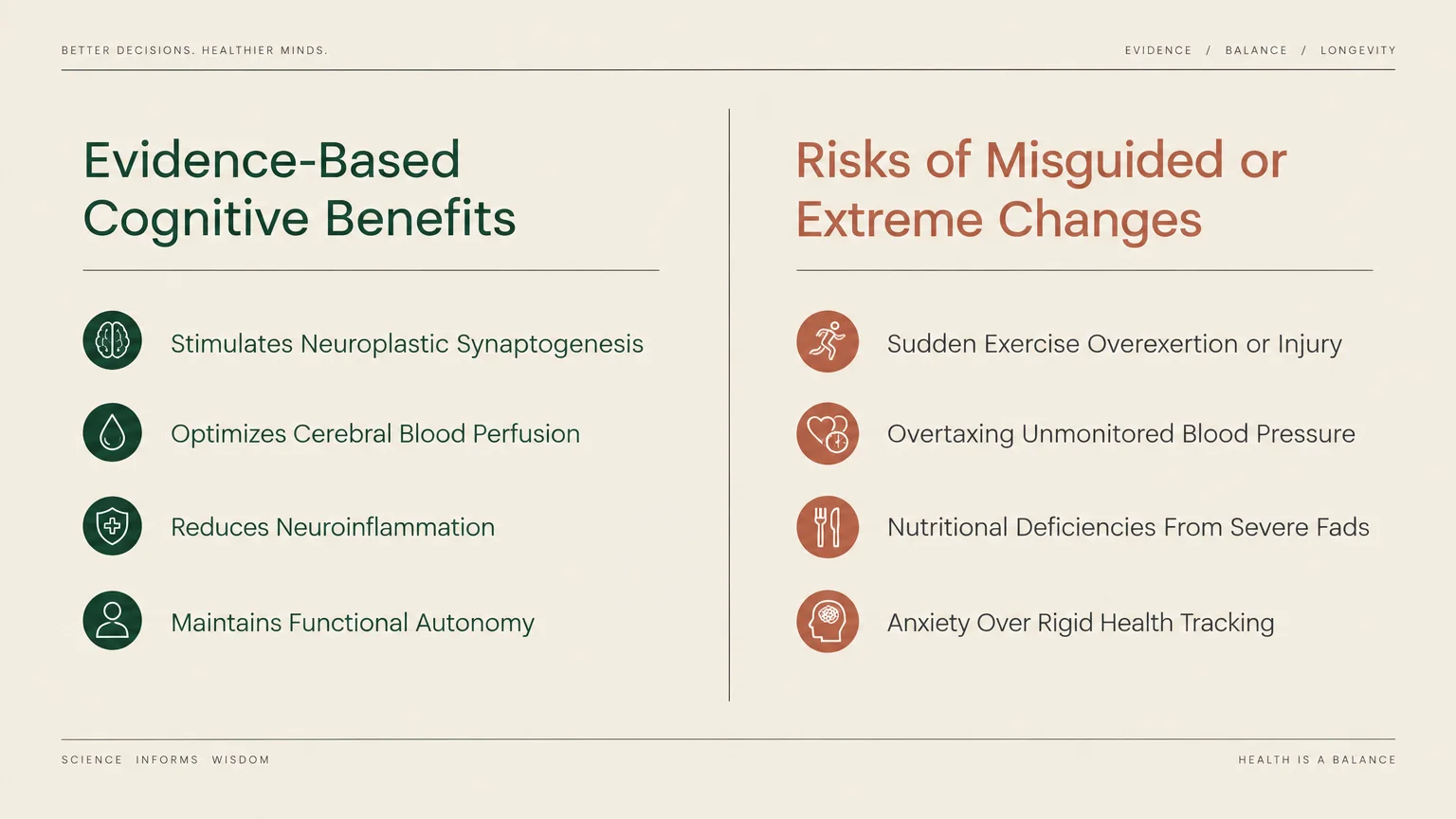
Embracing a brain-healthy lifestyle delivers advantages that extend far beyond preventing memory loss. These six everyday habits enhance your mood, boost daily physical vitality, and preserve your personal autonomy.
Optimizing cardiovascular metrics protects against heart attacks, kidney disease, and peripheral artery disease. Simultaneously, physical exercise and wholesome nutrition support joint flexibility, digestive health, and metabolic balance.
Strong social bonds and intellectual pursuits alleviate anxiety and protect against late-life depression. You achieve a higher quality of life today while constructing a durable physiological shield for your future.
Nevertheless, adopting lifestyle changes requires practical discernment and balanced execution. Older adults must avoid overexertion or hazardous workout regimens that could trigger musculoskeletal injuries or severe falls.
Always advance exercise intensity gradually, consulting physical therapists or qualified trainers when initiating resistance routines. Proper form and safety precautions preserve your physical capability without unnecessary orthopaedic setbacks.
Be equally cautious of unproven supplements, questionable brain boosters, and aggressive commercial marketing. High-dose vitamins and unregulated herbal extracts rarely produce scientific benefits and may interact dangerously with prescribed medications.
Avoid extreme dietary restrictions that could cause nutritional deficiencies, involuntary weight loss, or dangerous electrolyte imbalances. Work closely with registered dietitians or your primary physician to tailor nutritional goals safely.
Finally, avoid undue guilt or stigma surrounding cognitive disorders. Dementia is a multifaceted medical syndrome, and lifestyle modification reduces risk without offering an absolute, unconditional guarantee.
What Leading Health Organizations Recommend
Leading medical institutions worldwide present a remarkably unified consensus regarding cognitive health. The National Institutes of Health emphasizes that multimodal lifestyle intervention provides the most effective defense against age-related neurodegeneration.
The NIH actively funds longitudinal research exploring how cardiovascular management, physical activity, and dietary quality interact to preserve cerebral architecture. Their clinical guidelines advocate aggressive early control of midlife and late-life vascular risk factors.
Guidance from the World Health Organization aligns seamlessly with these conclusions. The WHO’s global action plans strongly encourage primary healthcare systems to prioritize smoking cessation, physical activity, and hearing screenings for older populations.
The WHO emphasizes that addressing modifiable factors represents the most cost-effective and globally scalable strategy to curtail the dementia epidemic. Public health initiatives must support individuals in establishing accessible, community-based wellness routines.
Clinicians at the Mayo Clinic reinforce the principle that cardiovascular health mirrors cognitive vitality. Mayo Clinic experts advise patients to monitor their blood pressure, blood glucose, and cholesterol numbers with unwavering consistency.
Mayo Clinic specialists also stress the importance of social integration and cognitive stimulation as standard components of comprehensive preventive care. They recommend that seniors view mental workouts with the same priority as physical exercise.
Similarly, the Centers for Disease Control and Prevention highlights brain health as an urgent public health imperative. The CDC emphasizes that managing chronic health conditions directly protects cognitive function across your lifespan.
The CDC’s Healthy Brain Initiative provides clear frameworks for incorporating physical activity, balanced nutrition, and sensory health into routine primary care visits. Science from these esteemed organizations validates that your daily choices carry enormous biological weight.

Practical Steps and Actionable Advice
Translating scientific research into your personal routine does not require an overwhelming lifestyle overhaul. Focus on small, sustainable adjustments that seamlessly integrate into your current lifestyle.
Collaborate with Your Healthcare Team
Begin by scheduling a comprehensive physical examination focused specifically on cognitive and vascular risk factors. Ask your physician to check your blood pressure, lipid panel, and hemoglobin A1c levels.
Discuss your current prescription medications with your doctor or pharmacist to identify any drugs that cause cognitive blunting. Request baseline hearing and vision evaluations to detect subtle sensory declines before they impair daily communication.
Design a Realistic Movement Plan
Establish a consistent weekly physical activity schedule that blends aerobic exercise with targeted strength training. Aim for brisk walking or swimming for thirty minutes on five days each week.
Incorporate resistance bands or bodyweight exercises twice weekly to preserve lean muscle mass and support metabolic health. The Curtin University findings prove that maintaining muscular power provides essential neurological protection as you grow older.
Upgrade Your Daily Nutrition
Stock your kitchen with nutrient-dense foods aligned with the MIND diet framework. Replace refined cooking oils with extra virgin olive oil, and incorporate leafy greens into your daily meals.
Keep fresh or frozen blueberries, walnuts, and almonds readily accessible for convenient snacks. Minimize ultra-processed packaged meals, sugary desserts, and high-sodium processed meats to protect your cerebral blood vessels.
Optimize Your Sleep Routine
Maintain a consistent sleep-wake schedule by going to bed and rising at the exact same times every day. Keep your bedroom cool, dark, and free from television screens or electronic devices.
Pay close attention to daytime drowsiness, keeping in mind the Johns Hopkins findings regarding frequent or unintended napping. If you struggle to stay awake during the day, seek a medical evaluation for underlying sleep apnea.
Enrich Your Social and Mental Life
Dedicate time each week to connecting with friends, family members, or local community groups. Share meals, join walking clubs, or volunteer for local charitable programs to maintain vibrant personal relationships.
Challenge your mind daily with novel cognitive tasks rather than passive media consumption. Learn a new digital skill, read complex non-fiction literature, or master a new card game to stimulate fresh neural pathways.
Frequently Asked Questions About Dementia Prevention
Can lifestyle habits really overcome a genetic predisposition to dementia?
Yes, robust scientific evidence confirms that lifestyle habits exert a powerful protective effect regardless of genetic risk. The BMJ decade-long study tracked over 29,000 older adults, including carriers of the high-risk APOEε4 allele.
Carriers who maintained healthy daily habits experienced significantly slower memory decline than carriers with unfavorable lifestyles. Healthy habits build cognitive reserve and lower vascular damage, dampening the physiological impact of your genetics.
Is it too late to start these habits if I am already over 70?
It is never too late to make meaningful changes that protect your brain tissue. Research published in The Lancet Healthy Longevity demonstrated that personalized interventions improved modifiable risk factor status by 26% over three years.
Your brain retains neuroplasticity and the capacity to build new synaptic connections well into your 70s, 80s, and beyond. Starting aerobic exercise, addressing hearing loss, and improving nutrition yield tangible cognitive benefits at any age.
Why does untreated hearing loss have such a high impact on dementia risk?
Untreated hearing loss accounts for 7% of modifiable dementia risk because it strains cognitive processing and promotes brain atrophy. When auditory signals degrade, your brain expends immense mental effort merely trying to decode muffled sounds.
This cognitive reallocation robs your brain of resources needed for memory encoding and executive reasoning. Furthermore, hearing loss often leads to social withdrawal, which compounds cognitive isolation and accelerates brain tissue loss.
How does daytime napping influence my overall dementia risk?
A 2026 study from Johns Hopkins Bloomberg School of Public Health found that frequent daytime napping is tied to a 48% higher risk of dementia. Unintentional napping was tied to a 39% higher risk.
Frequent daytime sleep often reflects fragmented nighttime sleep, untreated sleep apnea, or early neurodegenerative changes in arousal centers. If you experience overwhelming daytime sleepiness, discuss your sleep patterns with a physician to address underlying causes.
Do crossword puzzles and brain-training apps provide enough cognitive stimulation?
While crossword puzzles and digital games engage certain mental faculties, they often rely heavily on familiar skills rather than novel learning. Repeating identical tasks builds familiarity rather than creating robust new neural pathways.
To build maximum cognitive reserve, choose challenging activities that force you to acquire entirely new competencies. Learning to play a musical instrument, speaking a new language, or mastering complex crafts provides far superior neural stimulation.
What single habit provides the greatest overall cognitive protection?
Science shows that no single habit works in isolation; rather, their true power emerges from their combined, synergistic effects. The U.S. POINTER trial in JAMA demonstrated that combining multiple interventions yields the most measurable cognitive gains.
Managing cardiovascular risk factors while staying physically active and socially connected creates an optimal environment for brain longevity. Integrating all six habits produces a multiplicative shield that defends your brain from every angle.
Take Control of Your Cognitive Longevity
Dementia is not an inevitable consequence of advancing age. Scientific research from the world’s leading medical institutions confirms that nearly half of all dementia cases remain within your personal power to influence.
By prioritizing cardiovascular metrics, preserving muscle strength, eating nourishing foods, challenging your mind, staying socially connected, and protecting restorative sleep, you build lasting neurological resilience. Each positive choice directly strengthens your brain’s cellular defenses.
Start by choosing one or two habits to improve today, whether scheduling a hearing test or adding resistance exercises to your morning routine. Small, consistent actions taken today will safeguard your memory, vitality, and independence for years to come.
This article is intended for informational and educational purposes only and is not a substitute for professional medical advice, diagnosis, or treatment. Always consult with a qualified healthcare provider regarding any health concerns or before making any decisions related to your health or treatment.