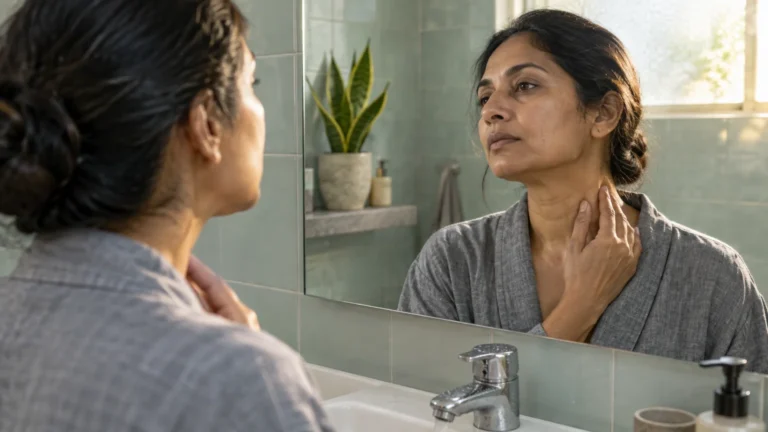
You probably take pride in your daily grooming routine, yet subtle missteps can quietly undermine your health. Simple adjustments to your everyday habits protect your vitality and guard your immune system as you age.
Many routine hygiene practices seem completely harmless on the surface. However, microscopic bacteria and lingering moisture often turn familiar household items into silent health hazards.
Exploring these overlooked hygiene traps empowers you to take control of your daily wellness. By eliminating these common errors, you shield your body from unnecessary infections and support your longevity.

Understanding Hidden Hygiene Habits and Why They Matter
Personal hygiene involves far more than scrubbing visible dirt from your skin. It represents an active biological defense system designed to block harmful pathogens from entering your body.
Invisible microbes thrive in environments that appear clean to the naked eye. Consequently, many people mistake aesthetic tidiness for genuine microbial sanitation.
Bad hygiene habits develop easily because daily grooming rituals run on automatic pilot. You might follow practices learned decades ago without realizing that medical research has evolved.
When these blind spots persist, bacterial colonies multiply undisturbed on personal items. Recurring exposure strains your immune system and invites avoidable infections.
A safe routine does not require obsessive scrubbing or harsh chemical cleaners. Instead, it relies on strategic habits that eliminate the primary breeding grounds of harmful pathogens.
Understanding proper hygiene protects your skin barrier while reducing infectious risks. Small, intentional modifications produce profound improvements in your overall well-being.

Everyday Hygiene Mistakes in Your Daily Routine
The Aerosol Threat of Flushing Toilets
Most people never think twice about leaving the toilet lid open during a flush. Yet this simple oversight generates an airborne phenomenon known as a toilet plume.
Aerosol studies prove that flushing an open toilet propels microscopic droplets up to six feet into the air. These airborne jets disperse rapidly across your bathroom counters within seconds.
Pathogens floating in these aerosols easily settle on exposed toothbrushes, hand towels, and skin creams. Closing the lid before you flush eliminates this aerial contamination instantly.
The Toothbrush Storage Trap
Storing your toothbrush inside a closed plastic travel case seems like a protective measure. In reality, trapping moisture against damp bristles creates a thriving incubator for bacteria.
The American Dental Association warns against using closed covers for daily toothbrush storage. Bristles require circulating air to dry completely between daily brushings.
Furthermore, you must replace manual toothbrushes and electric brush heads every three to four months. Frayed, bent bristles lose cleaning efficacy and harbor dense bacterial colonies.
Damp Bath Towels and Aging Loofahs
Reusing your bath towel for weeks exposes your skin to multiplying bacterial colonies. Damp towels trap shedding skin cells and moisture, cultivating staphylococcal bacteria and fungi between showers.
Hygiene guidelines from the Mayo Clinic recommend washing bath towels after every three to five uses. If you have sensitive skin or eczema, wash them after three uses.
Similarly, bathroom loofahs and shower poufs present severe microbiological hazards. Their moist, tightly packed fibers trap dead skin cells and cultivate dangerous bacteria like Pseudomonas aeruginosa.
Dermatologists advise replacing natural loofahs every three to four weeks without exception. If you prefer synthetic plastic mesh poufs, discard and replace them every two months.
Smartphone Contamination and Digital Cleanliness
You probably wash your hands frequently throughout the day, but you touch your phone constantly. Carrying mobile devices into the bathroom transfers intestinal bacteria directly to your fingertips.
Microbiologists at the University of Arizona discovered that smartphones carry ten times more bacteria than typical toilet seats. Handling devices during meals transfers these pathogens directly into your mouth.
Disinfecting your smartphone daily with an alcohol-based wipe breaks this cycle of recontamination. Treat your personal digital devices with the same sanitation vigilance as your eating utensils.
Critical Flaws in Handwashing Technique
Handwashing seems completely elementary, yet nearly everyone executes the process improperly. Subtle errors in scrub duration and drying nullify your efforts to remove disease-causing microbes.
A study by the U.S. Department of Agriculture revealed that consumers fail to wash their hands properly 97 percent of the time. Most individuals scrub for mere seconds rather than the recommended duration.
Skipping the twenty-second friction scrub allows viral particles and bacteria to cling tenaciously to skin folds. Drying your hands on a soiled hand towel immediately recontaminates clean skin.

Key Hygiene Considerations for Adults Over 60
The Fragility of the Aging Skin Barrier
As you age, your skin undergoes structural changes that alter your personal hygiene needs. Dermal layers thin over time, while natural sebum production declines substantially after age sixty.
Over-washing with scalding water and harsh antibacterial soaps strips your protective lipid barrier. This breakdown creates micro-fissures in your skin, providing direct entry portals for infectious pathogens.
Gentle, fragrance-free cleansers protect your skin integrity far better than abrasive deodorizing soaps. Shorter, lukewarm showers preserve vital hydration while effectively eliminating body odor and sweat.
Immunosenescence and Infection Vulnerability
Aging naturally alters immune responsiveness through a biological process known as immunosenescence. Consequently, your body mounts a slower, less vigorous defense against bacterial and viral invaders.
What caused minor irritation in your thirties can trigger serious cellulitis today. Hidden hygiene mistakes carry elevated stakes because secondary infections develop much faster in older adults.
Mobility Changes and Neglected Areas
Changes in joint flexibility and balance can make thorough bathing physically difficult. As reaching becomes harder, areas like the lower back, between toes, and behind ears get neglected.
Fungal infections thrive in warm skin folds beneath breasts and within groin creases. Failing to dry these areas completely after bathing allows fungal colonies to ignite painful dermatitis.
Oral Hygiene and Systemic Health Links
Oral hygiene becomes critical for older adults managing dry mouth from prescription medications. Saliva serves as your mouth’s natural cleanser; when flow drops, oral bacteria flourish unchecked.
Neglecting proper brushing along the gumline invites periodontal disease, which drives chronic systemic inflammation. Researchers connect periodontal pathogens to cardiovascular complications and worsened glycemic control in diabetes.
Cleaning dentures daily and replacing soft-bristle brushes regularly shields your lungs from aspirated oral microbes. Sound dental hygiene directly protects your internal organs as you grow older.

Benefits and Potential Risks of Routine Adjustments
Direct Health Risks of Poor Cleanliness
Lingering hygiene mistakes produce cumulative health risks that slowly degrade your daily comfort. Chronic skin irritation, recurring urinary tract infections, and persistent fungal overgrowth often stem from overlooked habits.
Contaminated phone screens pressed against your face contribute to localized bacterial folliculitis. Similarly, unwashed pillowcases collect facial oils, dead skin cells, and allergens that inflame sensitive eyes.
Cross-contamination during meal preparation can provoke severe gastrointestinal distress. For older adults, foodborne illnesses carry elevated risks of dangerous dehydration and hospitalization.
The Unexpected Risks of Over-Sanitizing
Achieving optimal hygiene does not mean attempting to sterilize your entire living environment. Overusing aggressive sanitizers can disrupt your skin’s beneficial microbiome, leaving you vulnerable to resistant strains.
Constant exposure to harsh chemical cleansers also inflames respiratory passages and triggers contact dermatitis. Striking a mindful balance between targeted cleanliness and protective natural barriers remains essential.
The Compounding Rewards of Smart Habits
Correcting hidden hygiene errors delivers immediate improvements to your vitality and personal comfort. You will experience noticeably calmer skin, fewer respiratory annoyances, and enhanced resistance against common illnesses.
Maintaining a clean personal environment also bolsters cognitive clarity and emotional well-being. Knowing your daily habits actively protect your physical health provides deep peace of mind.

What the Medical Experts and Scientific Studies Reveal
Evidence-Based Hand Hygiene Guidelines
Medical authorities consistently identify handwashing as the single most effective barrier against communicable disease. The Centers for Disease Control and Prevention establishes strict parameters for proper hand hygiene.
You must vigorously lather all hand surfaces with soap for at least twenty full seconds. Scrubbing the backs of hands, under fingernails, and between fingers mechanically removes stubborn pathogens.
When running water is unavailable, use alcohol-based hand sanitizer meeting verified federal standards. The CDC mandates that sanitizers must contain at least 60 percent ethyl alcohol or 70 percent isopropyl alcohol.
Microbiological Research on Household Surfaces
Public health research sponsored by the National Institutes of Health highlights high-touch surfaces in domestic disease transmission. Everyday objects accumulate complex bacterial biofilms that resist passive dusting.
Studies tracking domestic microbial spread reveal that kitchen sponges and bathroom towels harbor the greatest bacterial densities. These items transfer enteric bacteria across household surfaces within a single contact event.
Global Consensus on Bathroom Sanitation
The World Health Organization maintains rigorous guidelines regarding domestic environmental sanitation to prevent cross-contamination. Environmental health experts advise physically separating wet hygiene items from storage areas.
Keeping toothbrushes away from toilet plumes dramatically reduces domestic infection cycles. Peer-reviewed investigations confirm that basic physical barriers, such as closed toilet lids, reliably intercept aerosolized pathogens.
International clinical guidelines affirm that modest environmental adaptations yield substantial personal health dividends. Aligning your bathroom routines with these published scientific insights protects your entire household.

Practical Action Steps to Upgrade Your Personal Cleanliness
Revising Your Daily Washing Rituals
Transform your handwashing by timing your lathering routine to reach the twenty-second benchmark. Hum the chorus of a favorite song or count deliberately from one to twenty while scrubbing.
Pay specific attention to your thumbs, the webs between your fingers, and your nail beds. Dry your hands thoroughly using clean paper towels or dedicated hand towels laundered frequently.
Optimizing Your Bathroom Space
Establish a firm habit of lowering the toilet lid before you activate the flush handle. This single physical action stops aerosolized plumes from coating your personal toiletries and countertops.
Relocate toothbrushes into an open, well-ventilated cabinet away from the toilet bowl. Store brushes upright in an open container that allows excess moisture to evaporate freely.
Retire your traditional shower loofah and transition to soft cotton washcloths that you wash after each use. If you choose synthetic mesh poufs, replace them every eight weeks without fail.
Sanitizing Personal and Household Accessories
Disinfect your mobile phone every evening using an electronics-safe wipe containing 70 percent alcohol. Let the surface air-dry naturally for thirty seconds before handling it again.
Clean your reading glasses and sunglasses daily under warm water with a drop of mild dish soap. Dirt and facial oils collect on nose pads and transfer directly to your skin.
Wash your bed linens and pillowcases once each week in hot water exceeding 130 degrees Fahrenheit. High wash temperatures eradicate dust mites, sloughed skin cells, and microbial residues.
Questions to Ask Your Healthcare Provider
During your next wellness visit, ask your doctor to examine your skin integrity and hydration levels. Inquire whether your current moisturizing routine effectively guards against cracks and fungal infections.
Ask your dentist whether specialized fluoride toothpaste or dry mouth rinses suit your dental health profile. Medical professionals provide targeted advice tailored to your prescription medications and personal history.
Frequently Asked Questions About Daily Hygiene
How often should I realistically wash my bath towel?
You should launder your bath towel after every three to five uses under normal household conditions. If you have sensitive skin, eczema, or active rashes, wash it after three uses.
Always hang towels fully spread out on a wide towel bar rather than bunched on a hook. Spreading the fabric accelerates drying and suppresses fungal multiplication between your daily showers.
Is it truly harmful to shower with hot water every day?
Yes, hot water strips away essential natural lipids that protect delicate mature skin. Hot showers accelerate dehydration, driving severe itching, flaking, and microscopic cracks that invite bacterial infection.
Switch to comfortably lukewarm water and keep your total bathing time under ten minutes. Your skin will maintain its natural suppleness while retaining vital defenses against bacterial invasion.
Does using hand sanitizer replace traditional soap and water?
Hand sanitizer acts as a valuable backup, but it cannot fully replace washing with soap and water. Sanitizer fails to remove visible dirt, heavy grease, or stubborn pathogens like norovirus.
Always prioritize running water and soap whenever hands are visibly soiled or before eating meals. Reserve alcohol-based sanitizers containing at least 60 percent alcohol for situations when sinks are inaccessible.
Why should I avoid covering my toothbrush with a travel cap at home?
Plastic travel caps trap residual moisture inside the bristle pack, preventing normal air-drying between brushings. This dark, damp microclimate provides the perfect conditions for opportunistic bacteria and mold to flourish.
The American Dental Association recommends allowing your toothbrush to air-dry completely in an upright position. Keep brush heads exposed to open room air, safely separated from other family members’ brushes.
How often should I clean high-touch items like remotes and phones?
You should sanitize high-touch electronic devices daily using alcohol-based surface wipes. Television remotes, smartphone screens, and landline handsets gather intense microbial contamination from constant daily handling.
Regular disinfection breaks the transmission chain, especially when family members or grandchildren visit your home. A quick daily wipe-down substantially reduces your exposure to circulating seasonal viruses.
Empowering Your Daily Routine for Lifelong Wellness
Revamping your personal hygiene does not require strenuous effort or an overwhelming lifestyle overhaul. Simple, conscious adjustments to your regular daily rituals produce powerful shields against invisible biological threats.
Closing the toilet lid, changing towels promptly, and mastering handwashing technique yield substantial health dividends. These modest modifications protect your fragile skin barrier and preserve your body’s immune energy.
Celebrate the positive steps you take today to secure a cleaner, safer living environment. Your body deserves the thoughtful protection that science-backed daily hygiene habits consistently deliver.
This article is intended for informational and educational purposes only and is not a substitute for professional medical advice, diagnosis, or treatment. Always consult with a qualified healthcare provider regarding any health concerns or before making any decisions related to your health or treatment.