Cold winter mornings often bring persistent aches and stiffness to your knees, hips, and hands. Adding targeted anti-inflammatory foods to your daily meals can soothe that seasonal discomfort and keep you moving freely.
When temperatures plummet, your body directs more blood inward to protect your vital organs. This natural survival response leaves your extremities cooler, tightening muscles and aggravating vulnerable joints.
Fortunately, you can use your kitchen to push back against the cold. Nourishing your cartilage with the right nutrients provides powerful daily relief throughout the harshest winter months.
Understanding Joint Pain and Cold Weather
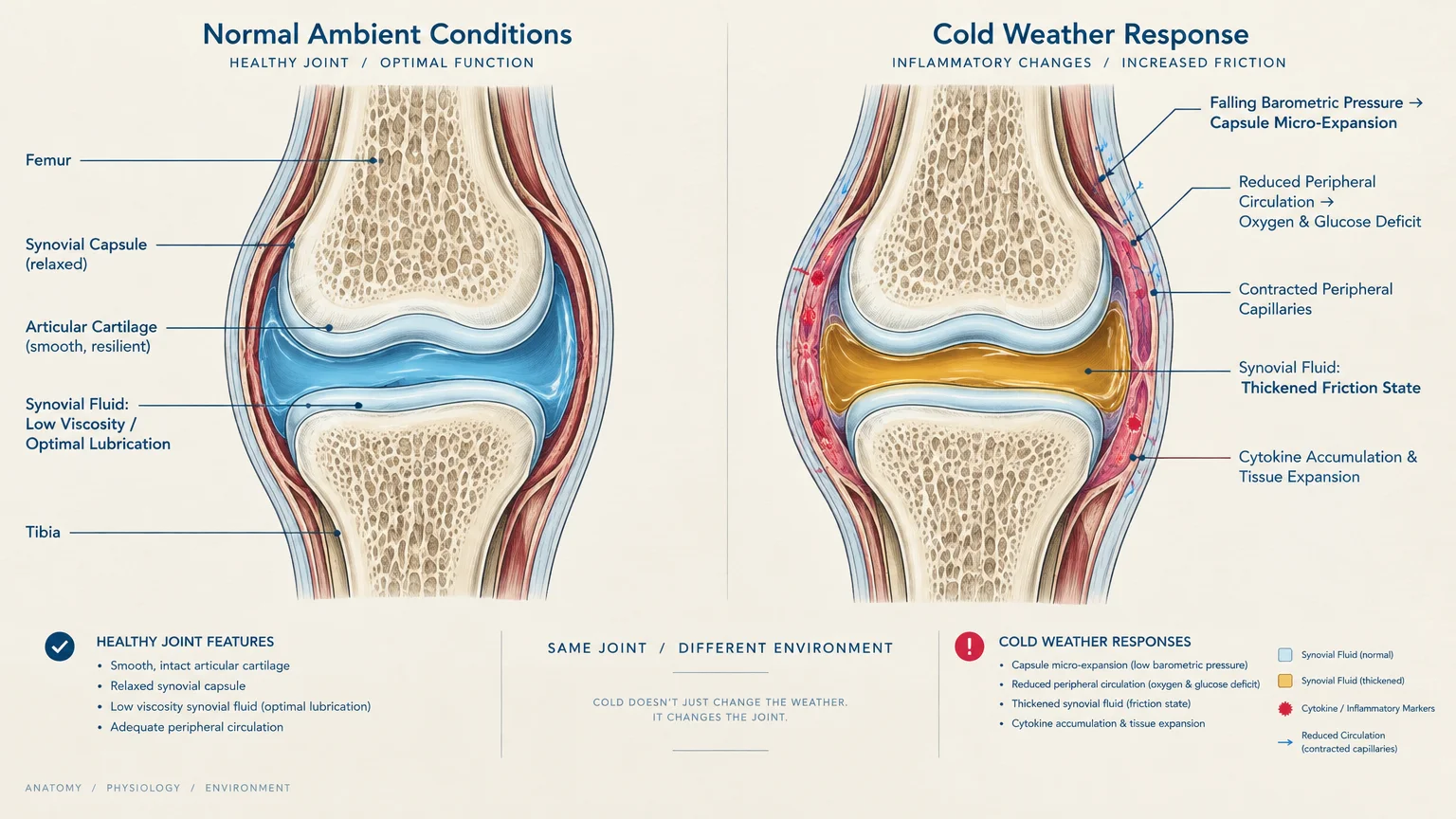
You likely notice that your knees or finger joints ache more intensely when a winter front arrives. Falling barometric pressure allows tissues around your joints to expand, irritating sensitive nerve endings.
Even slight shifts in atmospheric pressure can stretch joint capsules that already suffer from wear. This micro-expansion stimulates pain receptors in the surrounding tendons and ligaments.
Low temperatures also thicken the synovial fluid that lubricates your joints. When this internal lubricant becomes sluggish, your cartilage faces greater friction during routine movements.
Healthy synovial fluid behaves much like motor oil in an engine; in warm conditions it flows effortlessly, but cold air causes it to thicken and resist smooth joint gliding.
Cold air prompts your blood vessels to constrict, prioritizing core warmth over your arms and legs. Reduced peripheral circulation leaves your tendons stiff and slows the delivery of vital nutrients.
When circulation diminishes, your tissues struggle to receive the continuous oxygen and glucose they need. This temporary deprivation leaves connective tissues tight, fragile, and prone to muscle spasms.
Systemic inflammation often increases when physical activity slows down during cold spells. Without regular movement, inflammatory chemicals linger around cartilage plates instead of clearing away efficiently.
Pro-inflammatory signaling molecules called cytokines accumulate in dormant synovial spaces. Over time, these cellular messengers erode cartilage matrices and perpetuate joint hypersensitivity.
The resulting cycle of friction, stiffness, and chemical irritation creates the familiar deep ache of winter joint pain. Addressing these internal triggers through targeted nutrition helps break that seasonal cycle.

Key Considerations for Older Adults
Aging naturally alters the structural integrity of your connective tissue over time. Cartilage loses water content and natural elasticity, leaving your joints more susceptible to weather-induced stress.
Chondrocytes, the cells responsible for repairing cartilage, become less active as the decades pass. Consequently, everyday micro-damage accumulates faster than your body can rebuild it during cold weather.
Older adults also experience slower metabolic clearance of inflammatory byproducts. What might cause mild stiffness in a younger person can lead to pronounced immobility in your sixties and beyond.
Slower renal and hepatic clearance allows circulating inflammatory proteins to linger in your bloodstream. This prolonged exposure keeps joint tissues in a state of low-grade, simmering irritation.
Winter often keeps you indoors, which reduces natural exposure to essential sunlight. Lower vitamin D levels weaken bone health and heighten musculoskeletal pain sensitivity during the dark months.
Vitamin D receptors exist directly on sensory nerve endings throughout your joint capsules. When your vitamin D reserves drop, those nerve endings amplify pain signals to your brain.
Cold weather dulls your natural thirst sensation, raising the likelihood of mild chronic dehydration. Dehydrated cartilage cannot absorb everyday impacts smoothly, accelerating joint soreness.
Since cartilage lacks direct blood vessels, it relies on surrounding fluids to absorb nutrients. Inadequate hydration starves joint pads of the moisture required to cushion your daily steps.
Decreased daily movement creates muscular weakness around your hips and knees. When supporting muscles lose tone, your joints absorb greater physical shock with every step you take.
Prioritizing anti-inflammatory nutrition gives your body the biochemical building blocks necessary to defend aging cartilage. Targeted dietary choices act as daily maintenance for your structural health.
Nine Foods That Support Winter Joint Health
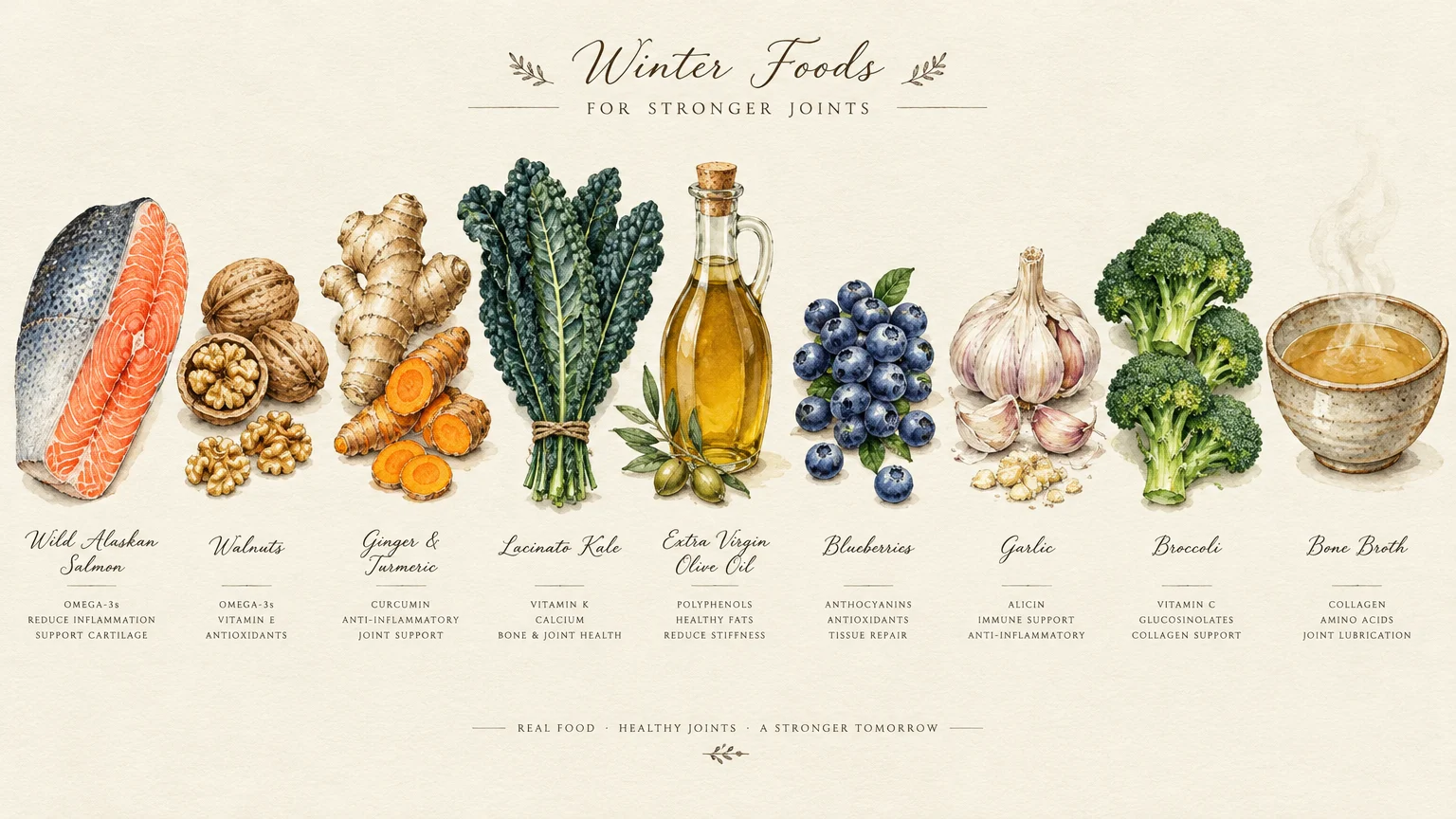
You can transform your kitchen into a powerful ally against seasonal stiffness. These nine nutrient-dense foods combat inflammation, support connective tissue, and restore comfortable winter mobility.
Incorporating these whole foods into warm, comforting meals provides continuous biochemical defense against cold weather aches. Each ingredient delivers specific phytonutrients that protect your joints from cellular stress.
1. Wild Salmon and Fatty Cold-Water Fish
Fatty cold-water fish like wild salmon, sardines, and mackerel deliver potent omega-3 fatty acids. These healthy fats inhibit the cellular production of inflammatory cytokines that aggravate winter joint pain.
Eicosapentaenoic acid and docosahexaenoic acid actively convert into specialized pro-resolving mediators. These compounds extinguish chronic swelling around worn cartilage and cushion your movement.
Eating fatty fish twice each week provides noticeable relief for morning joint stiffness. You can bake salmon fillets with lemon or stir canned sardines into warm, comforting lunchtime dishes.
Cold-water fish also provide bioavailable vitamin D, which reinforces the subchondral bone beneath your cartilage. Strong underlying bone prevents microscopic fractures that accelerate joint deterioration.
Choose wild-caught varieties whenever possible to maximize beneficial fats while minimizing environmental contaminants. Regular consumption keeps cell membranes flexible and helps shield your joints against freezing temperatures.
2. Extra Virgin Olive Oil
Extra virgin olive oil contains oleocanthal, a natural phenolic compound with remarkable soothing properties. Oleocanthal inhibits the same inflammatory enzymes targeted by over-the-counter pain medications like ibuprofen.
This golden oil also supplies heart-healthy monounsaturated fats that improve overall vascular circulation. Better blood flow delivers warmth and restorative nutrients directly to cold, stiff extremities.
Drizzle cold-pressed extra virgin olive oil over warm roasted root vegetables or hearty winter soups. Avoid high-heat frying, which can degrade the fragile polyphenols responsible for its joint-protecting benefits.
The antioxidants in unrefined olive oil also protect synovial fluid from oxidative breakdown—shielding this fluid preserves joint lubrication, preventing bone-on-bone friction during brisk winter walks.
Replace refined cooking oils and butter with authentic olive oil to lower systemic inflammation. Look for dark glass bottles labeled with a harvest date to guarantee freshness and potency.
3. Tart Montmorency Cherries
Tart Montmorency cherries owe their deep red hue to powerful plant pigments called anthocyanins. These antioxidants neutralize destructive free radicals and lower inflammatory markers such as C-reactive protein.
Clinical research links tart cherry consumption to reduced gout flare-ups and decreased osteoarthritis discomfort. Their unique compounds help clear excess uric acid crystals before they irritate sensitive joints.
You can drink warm, unsweetened tart cherry juice before bed as a soothing evening ritual. The natural melatonin within tart cherries also encourages restful sleep, during which your cartilage repairs itself.
Quality deep sleep allows your pituitary gland to release growth hormones that rebuild connective tissues. Sleeping well also reduces pain sensitivity, making cold mornings far more manageable.
Keep bags of unsweetened frozen tart cherries in your freezer during the cold months. Simmer them lightly with cinnamon to create a warm, antioxidant-rich topping for your morning oatmeal.
4. Raw Walnuts
Walnuts stand out among tree nuts as an exceptional plant source of alpha-linolenic acid. This plant-based omega-3 fatty acid fights vascular inflammation and supports healthy cartilage metabolism.
These hearty nuts also supply copper and manganese, essential mineral cofactors for collagen production. Collagen provides the tensile strength your joints require to withstand routine weight-bearing activities.
Enjoy a small handful of raw walnuts as an afternoon snack with warm herbal tea. You can also crush them over winter grain bowls or roast them gently into savory butternut squash.
Walnuts contain ellagitannins, complex polyphenols that your gut bacteria transform into anti-inflammatory urolithins. These bioactive compounds circulate throughout your body to dampen joint swelling.
Store your walnuts in the refrigerator to protect their delicate polyunsaturated oils from rancidity. Eating them regularly delivers steady nutritional support that keeps connective tissues resilient in cold weather.
5. Dark Leafy Greens
Dark leafy vegetables like kale, collard greens, and spinach are nutritional powerhouses for aging joints. They deliver high concentrations of vitamin C, an indispensable nutrient for synthesizing joint cartilage.
These greens also provide sulforaphane and beta-carotene, compounds that block enzymes responsible for cartilage destruction. Their rich calcium and vitamin K content simultaneously reinforces underlying bone density.
Cold weather naturally sweetens hardy greens like kale and collards, making them especially delicious in winter. Wilt them into hearty bean soups or sauté them with garlic and olive oil.
Magnesium found abundantly in dark greens relaxes the tense muscles surrounding arthritic joints. Relaxed muscles take pressure off inflamed tendons, relieving chronic winter tightness.
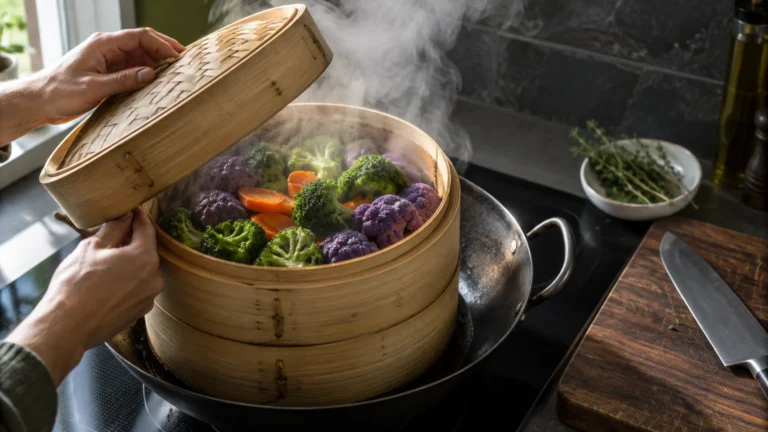
Steaming or gently braising greens breaks down tough fibers, ensuring easy digestion for mature digestive systems. This simple cooking method makes beneficial micronutrients readily accessible to your body.
6. Blueberries and Deep-Hued Berries
Blueberries, blackberries, and elderberries pack an immense concentration of joint-protective polyphenols. These dark pigments suppress inflammatory gene expression, helping you maintain comfort during drastic weather shifts.
The high flavonoid content in berries strengthens collagen fibers and reinforces delicate capillary walls. Healthy microcirculation ensures that oxygen and immune cells reach colder joint capsules without delay.
Frozen berries retain their complete antioxidant profile and offer an affordable winter kitchen staple; warm a cup of frozen blueberries on the stove to create a sweet, soothing compote.
Regular berry intake also counters advanced glycation end-products that stiffen connective tissues with age. Preventing this tissue cross-linking preserves natural flexibility in your knees and fingers.
Pairing berries with protein-rich Greek yogurt provides the amino acids needed for continuous connective tissue repair. This combination stabilizes blood sugar while soothing irritated joints throughout chilly mornings.
7. Simmered Bone Broth
Traditional bone broth yields an abundance of gelatin, glucosamine, chondroitin, and hyaluronic acid. These bioavailable compounds mirror the exact structural elements of your own joint cartilage and lubricating fluid.
Glycine and proline, the primary amino acids in bone broth, reduce systemic inflammation and support gut health. A resilient digestive tract absorbs anti-inflammatory nutrients more efficiently, benefiting your entire body.
Sip a hot mug of bone broth on brisk afternoons to warm your body from within. You can also use it as a nourishing base for vegetable soups and whole grain dishes.
Chondroitin sulfate in the broth draws water into the cartilage matrix, maintaining critical shock absorption. This hydration helps protect your knees from pounding impacts when walking on hard winter sidewalks.
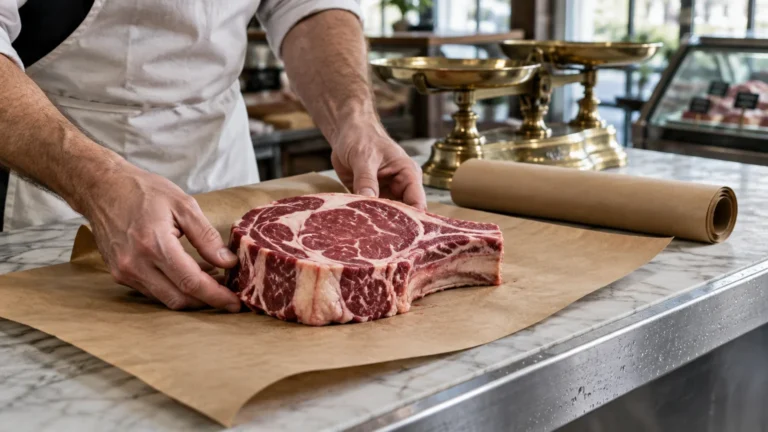
Simmer poultry or beef bones slowly with a splash of apple cider vinegar to draw out minerals. This simple kitchen practice creates an inexpensive, soothing remedy for winter stiffness.
8. Garlic and Allium Vegetables
Garlic, onions, and leeks contain diallyl disulfide, an organic sulfur compound with extraordinary anti-inflammatory properties. This active ingredient limits the enzymes that break down human cartilage matrix.
Sulfur is also a vital structural building block for glycosaminoglycans, which give cartilage its shock-absorbing capacity. Eating allium vegetables regularly reinforces your joint tissue against cold-weather stress.
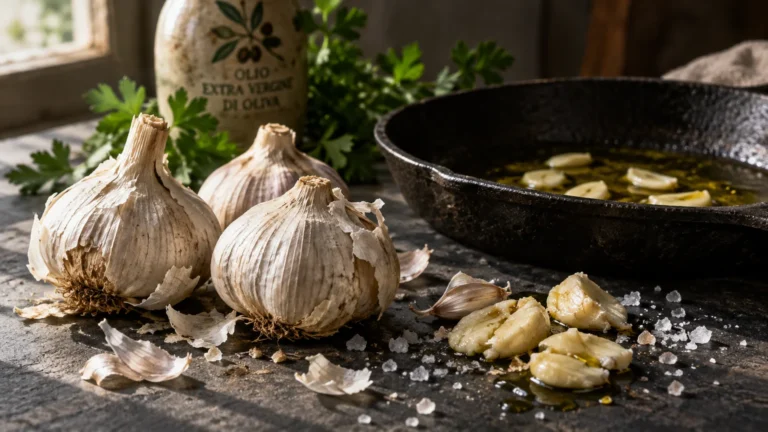
Crush fresh garlic and let it rest for ten minutes before cooking to maximize allicin production. Stir plenty of minced garlic and yellow onions into your favorite winter stews and roasts.
Allium vegetables provide quercetin, an antioxidant bioflavonoid that suppresses histamine and inflammatory prostaglandins. Quercetin prevents seasonal joint swelling from escalating when weather fronts roll in.
These savory vegetables also bolster your immune defenses against seasonal winter viruses. A robust immune system prevents the widespread inflammatory spikes that frequently exacerbate chronic joint tenderness.
9. Fresh Ginger and Turmeric Root
Ginger and turmeric are legendary rhizomes renowned for calming chronic musculoskeletal discomfort. Gingerols in fresh ginger and curcumin in turmeric disrupt major biochemical pathways that trigger joint swelling.
Ginger enhances peripheral blood circulation, helping deliver warming blood flow to cold fingers, wrists, and knees. Turmeric works simultaneously to ease joint stiffness and enhance overall functional mobility.
Always pair turmeric with a pinch of black pepper and healthy dietary fat to maximize absorption. Piperine in black pepper dramatically boosts the bioavailability of curcumin in your bloodstream.
Fresh ginger also inhibits leukotrienes, inflammatory lipids that contribute to chronic joint stiffness. This dual action gives you comprehensive relief without relying solely on synthetic medications.
Grate fresh ginger and turmeric root into hot water with a slice of fresh lemon. This warming tonic brightens gray winter days while actively calming tender, aching joints.
Benefits and Potential Nutritional Risks
Adopting an anti-inflammatory dietary pattern delivers comprehensive health advantages beyond simple pain relief. You cultivate sustained energy, support cardiovascular resilience, and protect your cognitive health simultaneously.
Nourishing your cartilage with whole foods reduces your reliance on over-the-counter pain relievers. Limiting nonsteroidal anti-inflammatory drugs shields your stomach lining and kidneys from long-term side effects.
Nutrient-dense foods also enhance digestive microflora, which regulate approximately seventy percent of your immune response. A balanced microbiome prevents rogue inflammatory cascades from damaging healthy joint linings.
Improved circulation from healthy dietary fats ensures that extremities stay noticeably warmer throughout cold snaps. Warmer muscles and tendons stretch more easily, substantially decreasing your risk of painful winter strains.
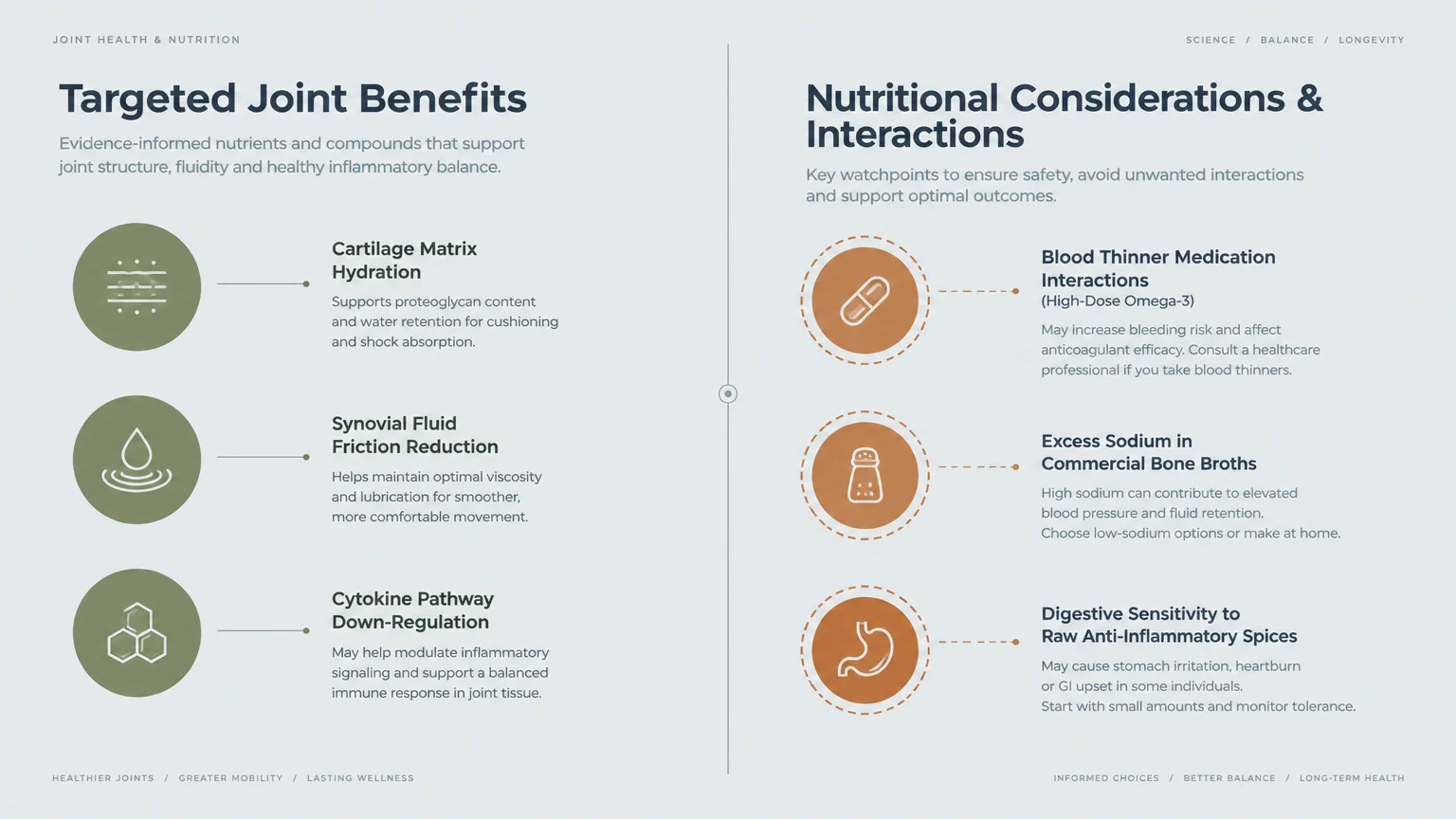
However, dietary changes require mindful moderation and careful awareness of potential drug interactions. Many joint-supportive foods possess potent physiological properties that may interact with prescription medications.
Dark leafy greens contain substantial amounts of vitamin K, which plays a central role in blood clotting. If you take blood-thinning medications like warfarin, maintain consistent vitamin K intake rather than making drastic adjustments.
High doses of omega-3 fatty acids, garlic, and ginger can also exhibit mild natural blood-thinning properties. Discuss significant dietary increases with your prescribing physician to maintain safe therapeutic blood levels.
Individuals susceptible to kidney stones must exercise caution with oxalate-rich foods like raw spinach and walnuts. Cooking greens thoroughly or pairing them with calcium-rich foods reduces intestinal oxalate absorption.
If you struggle with gout, monitor purine-dense foods such as sardines and concentrated bone broths. Balancing these foods with plenty of fresh water and tart cherries helps prevent painful crystal formation.
Mindful planning allows you to capture the tremendous therapeutic benefits of whole foods safely. Personalizing your anti-inflammatory diet protects your overall wellness without triggering unintended physiological complications.

What Health Authorities and Medical Research Say
Leading medical institutions emphasize that nutrition serves as a cornerstone of long-term joint health. Organizations like the Arthritis Foundation endorse whole-food eating patterns over restrictive fad diets.
Clinical reviews supported by the National Institutes of Health confirm the powerful anti-inflammatory effects of the Mediterranean diet. This eating pattern consistently lowers circulating markers of systemic inflammation in older adults.
Observational trials demonstrate that individuals adhering to nutrient-dense, plant-forward diets report fewer mobility limitations. Their joints exhibit lower inflammatory cytokine concentrations during seasonal weather transitions.
Experts at the Mayo Clinic note that dietary choices cannot reverse advanced cartilage loss. However, wholesome nutrition significantly reduces chronic pain and improves functional mobility for people with osteoarthritis.
The Centers for Disease Control and Prevention highlights physical activity alongside balanced nutrition for joint care. Low-impact movements help distribute protective joint nutrients throughout your cartilage matrix.
Physical movement works synergistically with nutrient-dense foods to circulate vital fluids through your joints. Without gentle daily activity, even the most nourishing foods cannot reach dormant cartilage cells.
Global health guidance from the World Health Organization highlights healthy aging through balanced, nutrient-dense nutrition. Managing chronic musculoskeletal conditions early preserves personal independence and enhances quality of life.
Researchers agree that dietary synergy matters far more than any isolated single ingredient. Consuming a diverse variety of colorful plant compounds creates an additive shield against seasonal joint deterioration.
Practical Daily Habits for Healthy Winter Joints
Translating nutritional science into enjoyable daily routines does not require complicated meal plans. Simple, consistent kitchen habits yield cumulative benefits that keep your joints flexible through winter.
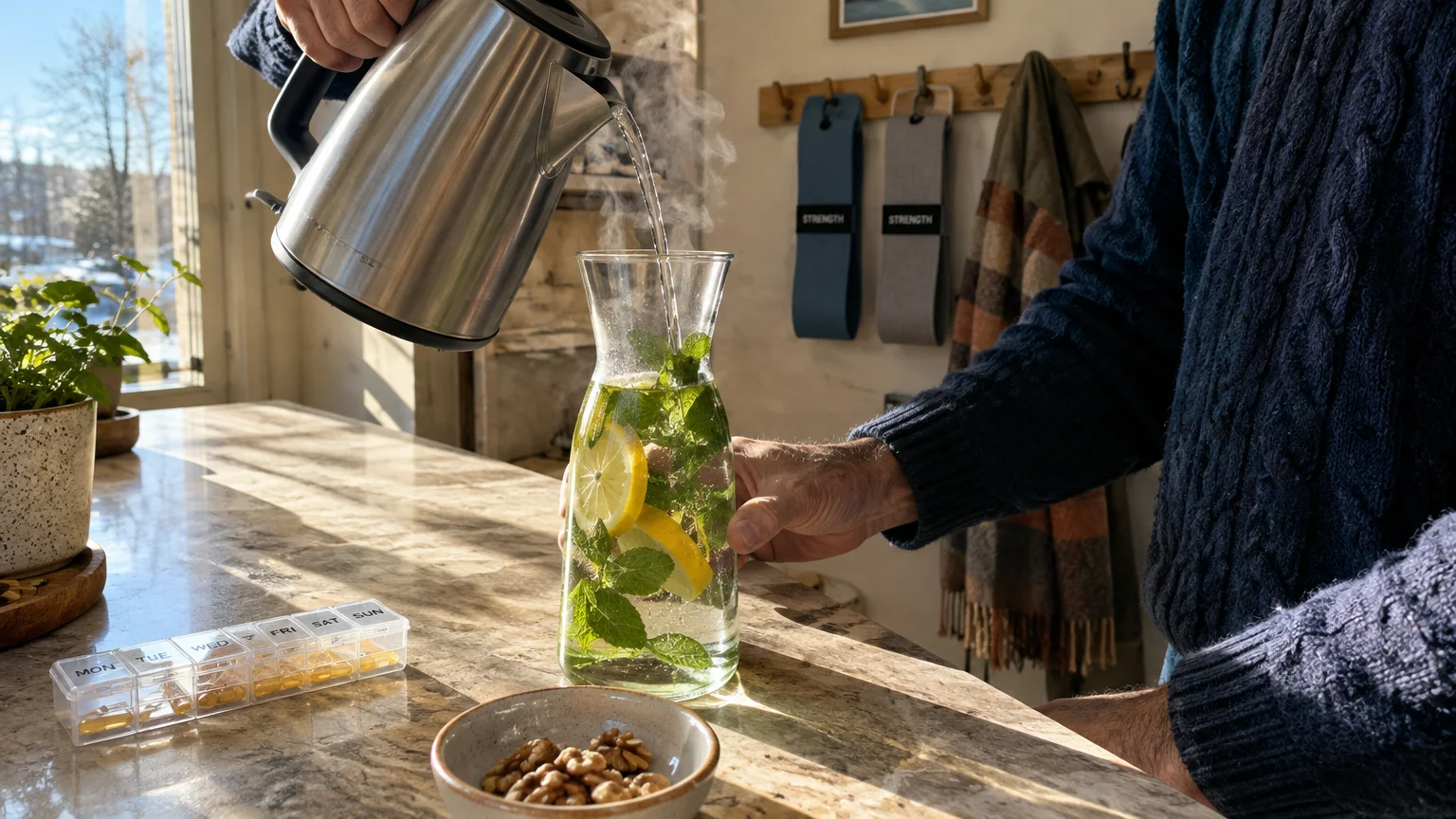
Begin your mornings with a mug of warm water infused with fresh lemon and sliced ginger. This simple ritual rehydrates dry cartilage and stimulates blood circulation before you step out into chilly air.
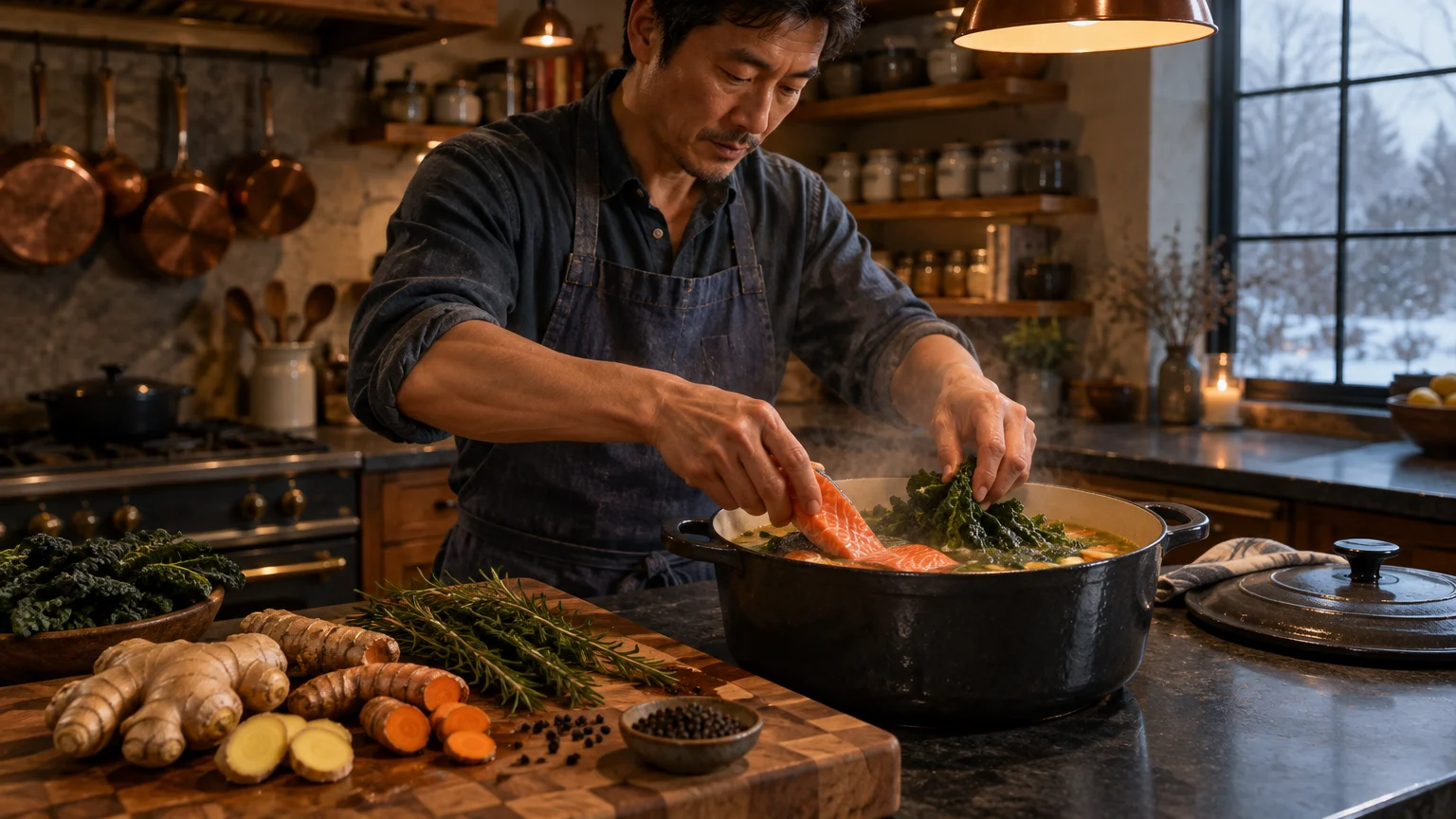
Prepare large pots of warming vegetable and bean soups on unhurried weekend afternoons. Incorporating kale, garlic, onions, and turmeric into warm broths ensures you have anti-inflammatory lunches ready all week.
Simmering your meals gently in slow cookers breaks down dense plant cell walls, improving nutrient bioavailability. Warm, moist foods are especially comforting to older digestive systems during freezing winter weeks.
Keep a small dish of raw walnuts and pumpkin seeds on your kitchen counter. Reaching for nutrient-dense nuts instead of processed snacks delivers steady mineral support to your connective tissues.
Keep track of your daily water intake, as indoor heating systems dry out respiratory tracts and tissues. Sip warm decaffeinated teas throughout the afternoon to keep your cartilage supple and well-hydrated.
Schedule regular indoor movement sessions to help circulate anti-inflammatory compounds through your joint capsules. Gentle chair yoga or indoor walking after a wholesome meal prevents post-dining stiffness.
Dress in warm layers when venturing outdoors, paying extra attention to your knees and wrists. Keeping your extremities insulated preserves peripheral blood circulation and reinforces the soothing effects of your meals.
Keep an open dialogue with your healthcare provider or a registered dietitian. Reviewing your nutritional strategy together ensures that your food choices complement your personal medical history safely.
Frequently Asked Questions About Winter Joint Health
Does cold weather cause permanent damage to your joints?
Cold weather does not cause permanent structural damage or erode cartilage on its own. It simply heightens pain perception by tightening muscles and contracting joint capsules.
Keeping warm and consuming anti-inflammatory foods effectively counteracts this seasonal discomfort. Once ambient temperatures rise or your body warms up, cold-induced stiffness naturally subsides.
How soon can you expect relief after changing your diet?
Dietary improvements gradually calm systemic inflammation rather than acting as an instantaneous painkiller. Most adults notice meaningful reductions in morning stiffness within three to six weeks of consistent eating.
Sustained adherence produces the most dramatic improvements in your daily mobility. Think of wholesome foods as ongoing cellular maintenance rather than a temporary quick fix.
Are frozen fruits and vegetables as effective as fresh produce?
Frozen produce is just as nutritious as fresh produce, and sometimes even superior in winter. Processors freeze berries and greens at peak ripeness, locking in fragile antioxidants and vitamins.
Frozen options also provide convenient, affordable access to nutrient-dense foods during off-season months. They simmer easily into warming winter recipes without spoiling in your crisper drawer.
Can you take fish oil capsules instead of eating whole fish?
Quality fish oil supplements offer concentrated omega-3 fatty acids, but whole fish provides broader nutritional value. Whole seafood delivers protein, selenium, vitamin D, and essential trace minerals in a bioavailable food matrix.
If you dislike seafood, consult your physician before starting an omega-3 dietary supplement. A healthcare provider will help you select a purified product and a safe daily dosage.
Should you avoid tomatoes and peppers during winter joint flare-ups?
Popular myths suggest that nightshade vegetables worsen arthritis pain, yet robust scientific evidence does not support this claim. Tomatoes and bell peppers supply valuable vitamin C and antioxidants that support joint cartilage.
Unless you possess an individual allergy or confirmed personal sensitivity, you do not need to eliminate nightshades. Focus instead on eliminating refined sugars and ultra-processed foods that genuinely fuel inflammation.
Does drinking hot coffee help soothe cold morning stiffness?
While a hot mug of coffee feels warming in your hands, excessive caffeine can act as a mild diuretic. Mild dehydration impairs the fluid retention necessary for cartilage to cushion your joints effectively.
Enjoy your morning coffee in moderation, but balance it with a large glass of pure water. Switching to ginger tea or bone broth later in the day offers far superior joint hydration.
Moving Forward with Comfort and Confidence
Winter weather may bring plummeting temperatures, but it does not have to dictate your comfort or mobility. Choosing the right foods empowers you to protect your joints from the inside out.
Simple additions like wild fish, golden olive oil, and warm ginger tea create a powerful defense against stiffness. Each wholesome meal supports your cartilage, calms inflammation, and fuels active winter days.
Take gradual steps toward upgrading your winter pantry with these nine anti-inflammatory powerhouses. Small, daily dietary choices add up to significant long-term protection for your structural independence.
Listen to your body and celebrate small improvements in your daily physical ease. Consistent, nourishing habits allow you to embrace the winter season with vibrant energy and renewed independence.
Medical Disclaimer
This article is intended for informational and educational purposes only and is not a substitute for professional medical advice, diagnosis, or treatment. Always consult with a qualified healthcare provider regarding any health concerns or before making any decisions related to your health or treatment.