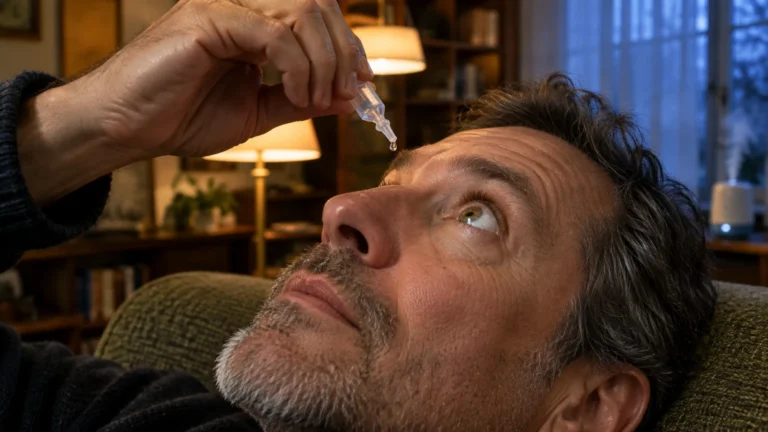
Getting your annual flu vaccine protects your independence and shields you from dangerous hospital stays this winter. Planning your appointment now guarantees your immune system peaks right as seasonal viral activity climbs.
Community transmission expands rapidly once cold weather settles across the country. Waiting too long leaves your body defenseless during sudden early autumn surges.
Discover the key indicators that show your body needs its seasonal booster without delay. Reviewing these vital signals ensures you schedule your appointment at the ideal moment.

Understanding the Basics of Seasonal Influenza Protection
Influenza is a contagious respiratory virus that infects your nose, throat, and lungs. It spreads through microscopic droplets dispersed when an infected person speaks, coughs, or sneezes.
Unlike a standard cold, influenza strikes quickly and attacks your entire physical system. You might suffer from sudden high fevers, heavy muscle aches, severe chills, and persistent exhaustion within a single day.
Influenza viruses constantly alter their outer proteins through rapid genetic mutations. Because the virus changes shape every year, previous immunity cannot fully recognize newly emerging strains.
Medical researchers track these seasonal transformations across the globe to formulate updated annual vaccines. Your annual shot re-trains your immune defenses against the exact virus variants circulating in your community.
For the 2026–2027 season, all distributed influenza vaccines in the United States use a trivalent formulation. This standard design protects you against three specific influenza viruses.
A trivalent vaccine includes defenses against two distinct influenza A strains and one influenza B strain. The B component specifically targets the B/Victoria lineage.
Vaccine manufacturers eliminated the B/Yamagata strain because global surveillance confirmed it has completely vanished from human circulation. Removing this obsolete component focuses your immune response exclusively on active threats.
In March 2026, the Food and Drug Administration updated all three virus strains compared to the previous season. This thorough update ensures your immune system stays synchronized with emerging viral variations.
The updated formulation includes an A/Missouri/11/2025 (H1N1)-like virus and an updated B/Victoria lineage component. It also incorporates an A/Darwin (H3N2)-like virus.
This new H3N2 component specifically confronts the H3N2 subclade K virus that circulated widely last winter. This precise match provides stronger resistance against aggressive influenza A strains.
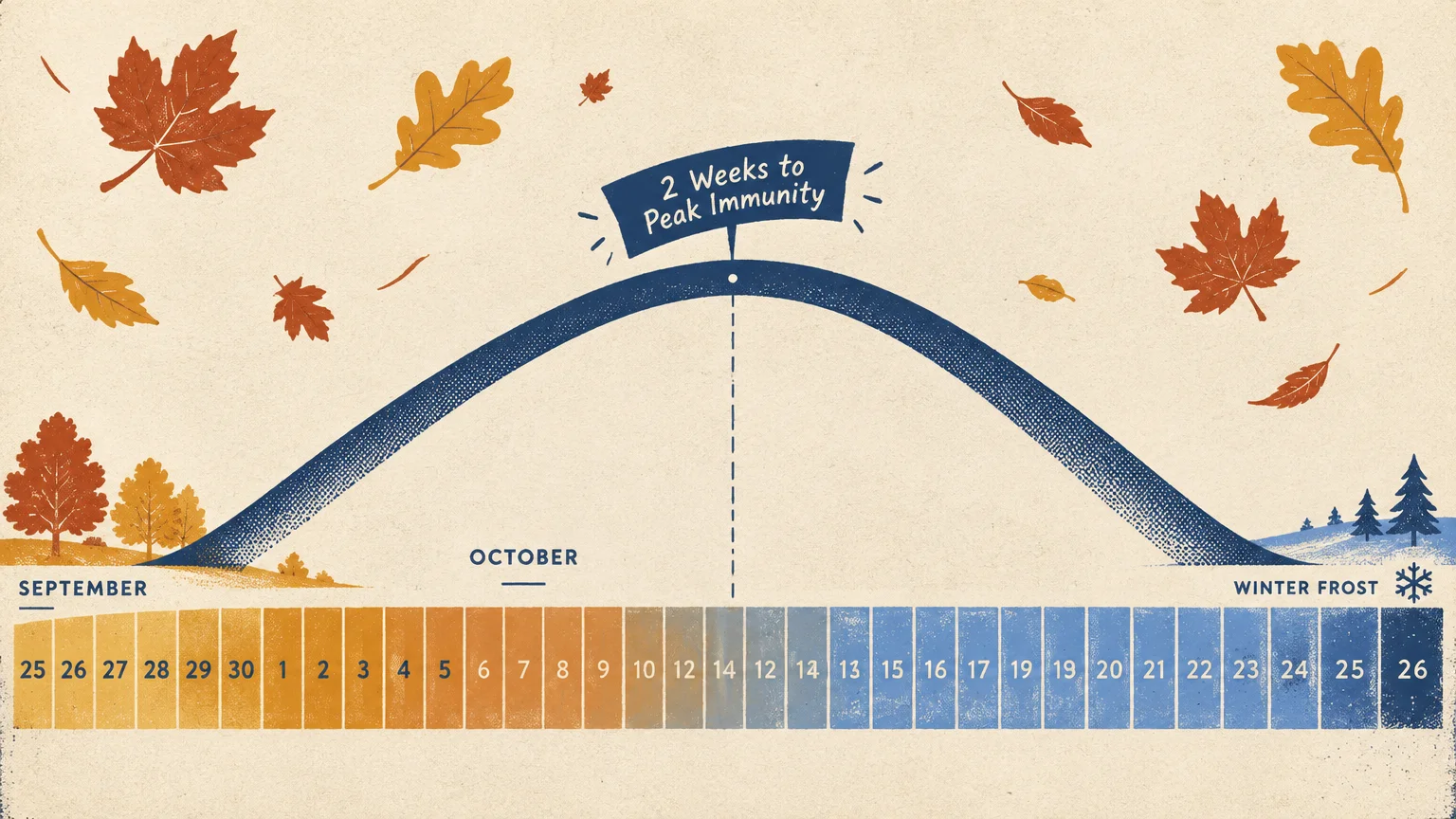
After your appointment, your body requires approximately two weeks to develop protective antibodies. Scheduling your visit ahead of seasonal viral surges guarantees robust defense before local exposure occurs.
On September 1, 2026, federal health authorities confirmed that seasonal clinical recommendations from the July 2025 schedule remain in effect. Annual vaccination remains strongly advised for all individuals aged six months and older.
Key Considerations for Seniors and Aging Immune Systems
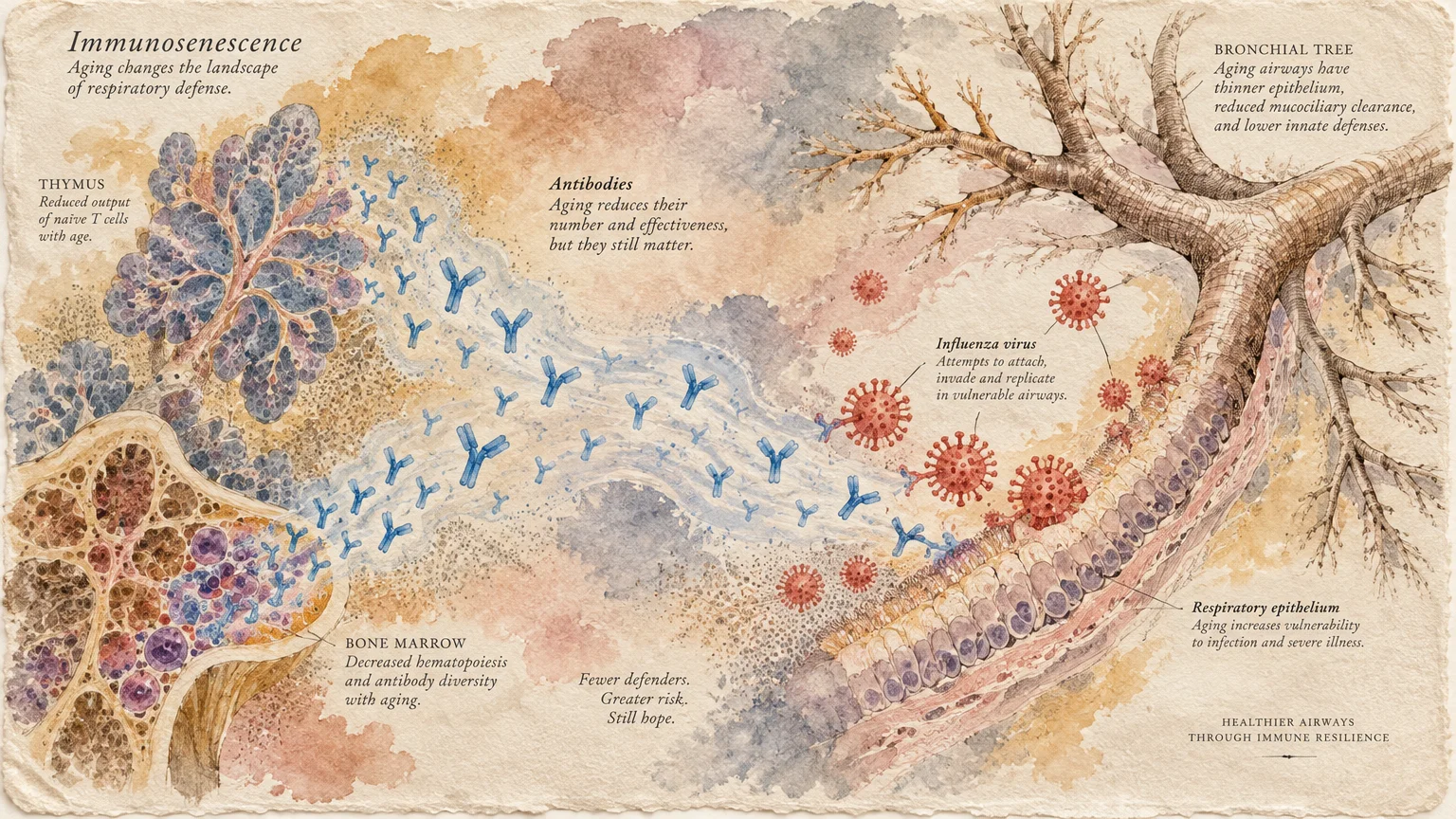
Aging naturally reshapes the way your immune cells recognize and fight off microbial infections. Medical researchers refer to this gradual weakening of natural body defenses as immunosenescence.
Over time, your thymus shrinks and your bone marrow produces fewer fresh, naive defensive cells. Consequently, your body responds more slowly when novel viral invaders enter your respiratory tract.
This delayed defense allows the influenza virus to multiply rapidly within delicate lung tissue. Unchecked viral growth often triggers severe complications, including acute bronchitis and life-threatening secondary bacterial pneumonia.
As a result of this immune shift, older adults face the greatest threat from seasonal influenza every year. National health data confirms that seniors suffer disproportionately from severe respiratory complications.
According to federal data, adults aged 65 and older account for 70% to 85% of seasonal flu-related deaths. Furthermore, this age group makes up 50% to 70% of all flu-related hospitalizations.
Standard-dose flu shots may fail to produce sufficient antibody concentrations in older bodies. To counter immunosenescence, seniors require an enhanced formulation that provokes a significantly stronger immune response.
The CDC preferentially recommends three advanced vaccines for individuals aged 65 and older over standard options. These preferred vaccines are Fluzone High-Dose, Flublok, and Fluad.
Fluzone High-Dose contains four times the antigen amount found in a standard influenza shot. This concentrated antigen load compels your body to produce significantly more neutralizing antibodies.
Flublok utilizes modern recombinant technology to supply three times more viral antigen without requiring chicken eggs. It offers an effective, potent choice for seniors seeking robust immune stimulation.
Fluad combines standard antigen levels with an organic oil-based adjuvant called MF59. This adjuvant stimulates your immune cells at the injection site, creating broader, longer-lasting defense.
High-dose and adjuvanted vaccines are also approved options for solid organ transplant recipients aged 18 through 64 years. These younger patients require enhanced stimulation because immunosuppressive medications weaken their natural responses.

The 7 Signs Your Flu Shot Is Worth Scheduling Now
Determining the right week to get vaccinated can protect you from seasonal delays and clinic shortages. Recognizing key environmental, physical, and medical signals ensures you schedule your appointment with complete confidence.
Sign 1: The Calendar Has Turned to September or October
Public health guidelines emphasize September and October as the ideal vaccination window for older adults. Completing your immunization before Halloween provides full antibody protection before winter viruses peak.
Vaccinating too early during July or August is not recommended for older adults. Antibody titers decline steadily over several months, which could leave you vulnerable to late winter outbreaks.
Since your immune system requires two weeks to build antibodies, scheduling now prepares you for early seasonal clusters. Acting promptly ensures you stay protected before viral circulation accelerates in your neighborhood.
If winter arrives before you receive your shot, booking an appointment remains valuable. Viral transmission frequently extends through February, March, and April, making late vaccination genuinely beneficial.
Sign 2: You Are Sixty-Five or Older and Need an Enhanced Vaccine
Reaching your sixty-fifth year changes how your body processes standard preventative immunizations. It officially qualifies you for enhanced vaccines engineered to overcome the natural effects of immunosenescence.
Enhanced options like Fluzone High-Dose, Flublok, and Fluad deliver significantly better protection against hospitalization than standard vaccines. Securing these specialized formulations requires advance planning at your local pharmacy.
Community pharmacies receive finite allocations of these enhanced doses during early autumn. Scheduling your visit now guarantees your healthcare provider reserves your preferred vaccine before local supplies run low.
If your pharmacy temporarily runs out of enhanced vaccines, public health experts recommend taking an available standard-dose shot. Receiving any approved flu vaccine provides far better defense than skipping vaccination entirely.
Sign 3: You Manage Chronic Health Conditions
Long-term medical issues such as heart failure, asthma, diabetes, and kidney disease increase your risk of severe complications. Contracting influenza places intense physiological stress on compromised organ systems.
Flu-induced inflammation strains your blood vessels and significantly elevates your short-term risk of a heart attack. In fact, heart attack risk multiplies substantially during the first week of an acute flu infection.
Diabetes hampers your body’s ability to clear viral infections, while viral illness causes dangerous blood sugar swings. Vaccination stabilizes your baseline health by preventing these disruptive metabolic crises.
Chronic lung conditions like COPD leave your respiratory tissues fragile and prone to secondary infections. An early autumn vaccine shields your airways from inflammatory damage that could trigger acute respiratory failure.
Sign 4: You Have Upcoming Family Gatherings or Holiday Travel
The approaching holiday season brings multi-generational dinner parties, crowded airports, and cherished family visits. Unfortunately, these joyous social occasions also create ideal conditions for viral transmission.
Grandchildren and younger relatives often transmit respiratory viruses without exhibiting severe symptoms themselves. Close contact indoors with enthusiastic young family members exposes your respiratory tract to high viral loads.
Because protective antibodies take two full weeks to develop, last-minute immunization before an event leaves you vulnerable. Scheduling your vaccine now guarantees maximum biological defense before you sit down for holiday celebrations.
Navigating airports, train stations, and bus terminals exposes you to enclosed spaces with travelers from across the country. An updated vaccine ensures your holiday memories remain joyful rather than interrupted by medical emergencies.
Sign 5: Local Pharmacies Have Stocked Fresh 2026 Formulations
Walk-in clinics, supermarkets, and community pharmacies begin advertising fresh flu vaccine shipments every September. Seeing these announcements indicates that the newly updated 2026 formulations are finally ready for administration.
All available doses for the 2026–2027 season feature the updated trivalent strains matched to current global mutations. Receiving this newly manufactured shot equips your immune system with current molecular recognition tools.
Booking your slot immediately after pharmacies stock their shelves helps you avoid chaotic clinic crowds later. Early appointments offer shorter waiting periods and allow for more attentive consultations with your pharmacist.
Contacting your local provider early also lets you confirm that they carry senior-specific formulations. A quick phone call ensures you receive the precise vaccine product recommended for your age group.
Sign 6: You Plan to Receive Other Autumn Immunizations
Autumn healthcare visits offer an efficient chance to consolidate your essential seasonal immunizations into one trip. You can safely receive your flu shot alongside your updated COVID-19 and RSV vaccines.
Clinical studies confirm that receiving these respiratory vaccines simultaneously does not reduce your immune response. Your adaptive immune system successfully processes multiple antigens at once without reducing antibody strength.
Bundling your preventative shots into a single appointment saves precious time and eliminates unnecessary travel. You undergo the vaccination routine once, handle mild side effects together, and achieve comprehensive seasonal security.
Request that your provider administer the injections into different arms to reduce localized muscle soreness. This thoughtful technique minimizes injection site irritation and lets you move your arms comfortably the next day.
Sign 7: Past Winter Infections Knocked You Off Your Feet
Surviving a severe bout of influenza leaves a lasting impression on anyone who has endured it. Recovering your strength, stamina, and energy after severe respiratory illness takes much longer as you grow older.
A week spent confined to bed rest can trigger significant muscle wasting and diminished balance in seniors. This sudden loss of physical conditioning increases your vulnerability to debilitating falls and loss of independent mobility.
Flu vaccination substantially weakens the severity of illness even if you experience a breakthrough infection. Vaccinated older adults who catch the flu experience milder symptoms and avoid dangerous intensive care admissions.
Remembering past physical setbacks should motivate you to take proactive protective action today. Scheduling your flu shot empowers you to protect your hard-won physical independence throughout the upcoming winter.
Benefits and Potential Risks of Seasonal Immunization
Evaluating any healthcare choice involves carefully balancing established clinical benefits against potential side effects. Influenza vaccination delivers profound medical advantages while maintaining an exceptional safety profile across millions of recipients.
The previous 2025–2026 flu season demonstrated the severe physical toll of seasonal influenza across the United States. Federal data estimates that the virus caused between 31 million and 54 million illnesses nationwide.
Those infections led to 14 million to 24 million medical visits and 380,000 to 780,000 hospitalizations. Tragically, between 23,000 and 78,000 Americans lost their lives to influenza complications during that single season.
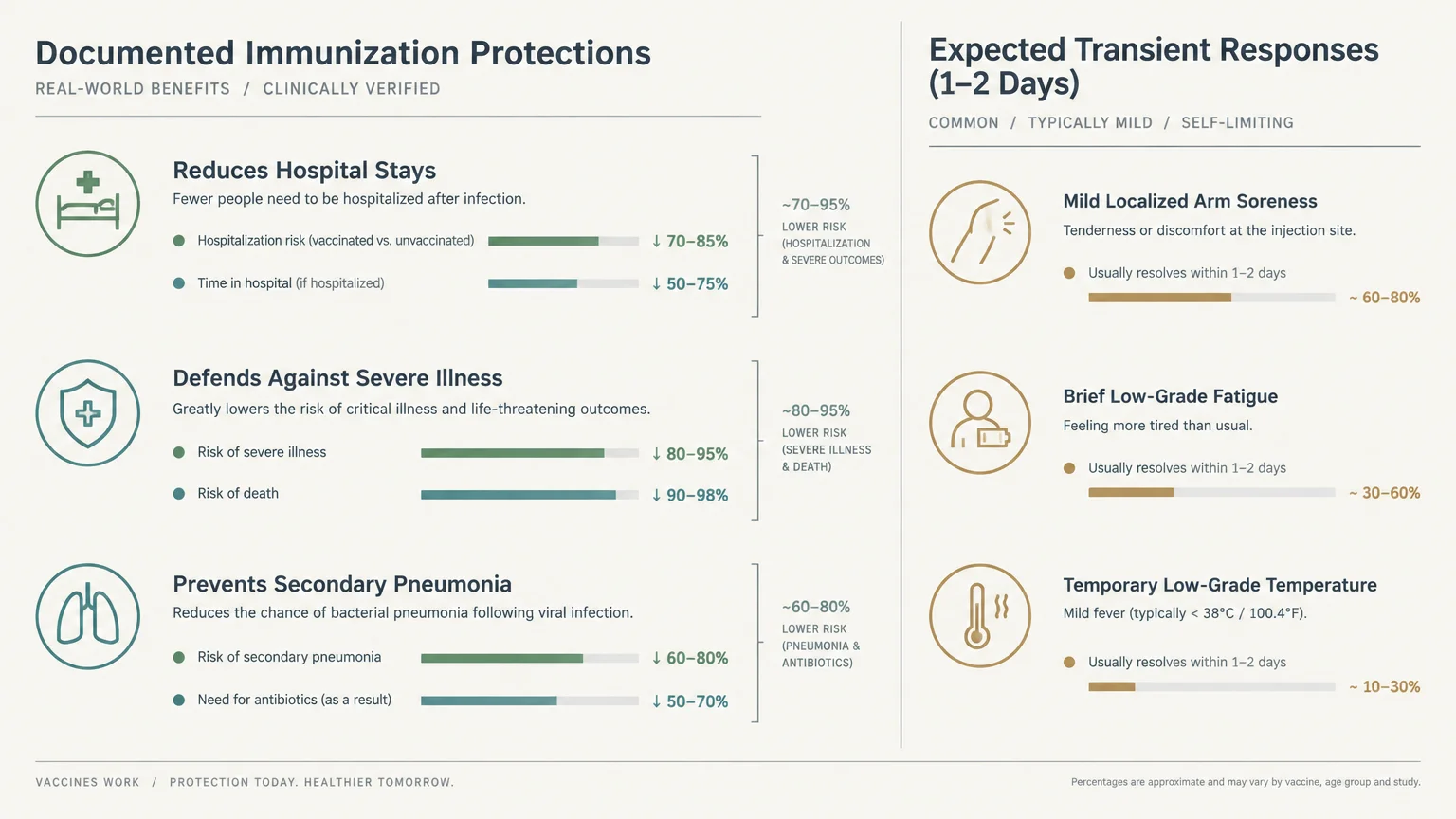
Getting vaccinated provides direct individual defense against these severe, life-altering health outcomes. It significantly lowers your chances of requiring emergency room care, mechanical ventilation, or extended intensive care stays.
Vaccination also yields significant cardiovascular benefits by reducing the severe systemic inflammation triggered by viral infections. By protecting your heart from acute stress, the flu shot shields you against secondary cardiovascular crises.
Most common side effects from the vaccine are mild, localized, and vanish within 48 to 72 hours. You might feel minor tenderness, swelling, or redness where the needle entered your arm.
A small percentage of recipients experience mild systemic reactions like low-grade fevers, slight fatigue, or mild muscle stiffness. These temporary symptoms indicate that your immune cells are actively building protective antibodies against the virus.
You cannot contract influenza from a flu shot because the vaccine contains killed or recombinant viral fragments. These non-living components teach your immune system to recognize the pathogen without causing an active infection.
Severe allergic reactions such as anaphylaxis occur extremely rarely following influenza vaccination. Healthcare professionals who administer vaccines are fully trained to identify and manage rare allergic events safely.
If you have experienced severe allergic reactions to previous vaccines, consult with an allergist before your appointment. Many modern formulations, including egg-free recombinant options like Flublok, provide safe options for sensitive patients.
What the Experts Say About Flu Season Timing
Leading medical institutions and international health authorities provide consistent, evidence-based recommendations regarding seasonal flu prevention. Clinical consensus from the NIH highlights timely vaccination as an indispensable cornerstone of senior health.
Medical specialists at the Mayo Clinic advise scheduling your appointment in September or October. This window ensures that antibody levels reach their peak before cold-weather social gatherings and indoor confinement accelerate viral transmission.
The World Health Organization monitors circulating flu strains continuously across international laboratories to anticipate seasonal viral shifts. Their genetic surveillance guided the FDA’s decision to update all three vaccine components in March 2026.
These expert updates ensure that current vaccines precisely target emerging threats like the H3N2 subclade K virus. Aligning seasonal vaccines with circulating viral strains maximizes real-world protection against severe illness and hospitalization.
On September 1, 2026, the CDC released interim clinical considerations reinforcing earlier guidance from the July 2025 immunization schedule. These guidelines emphasize that annual flu vaccination remains essential for everyone aged six months and older.
Expert panels strongly discourage seniors from waiting until mid-winter to receive their seasonal shot. Procrastinating exposes your body to the dangerous early wave of influenza that frequently causes widespread hospitalization.
Practical Steps and Actionable Advice for Booking Your Shot
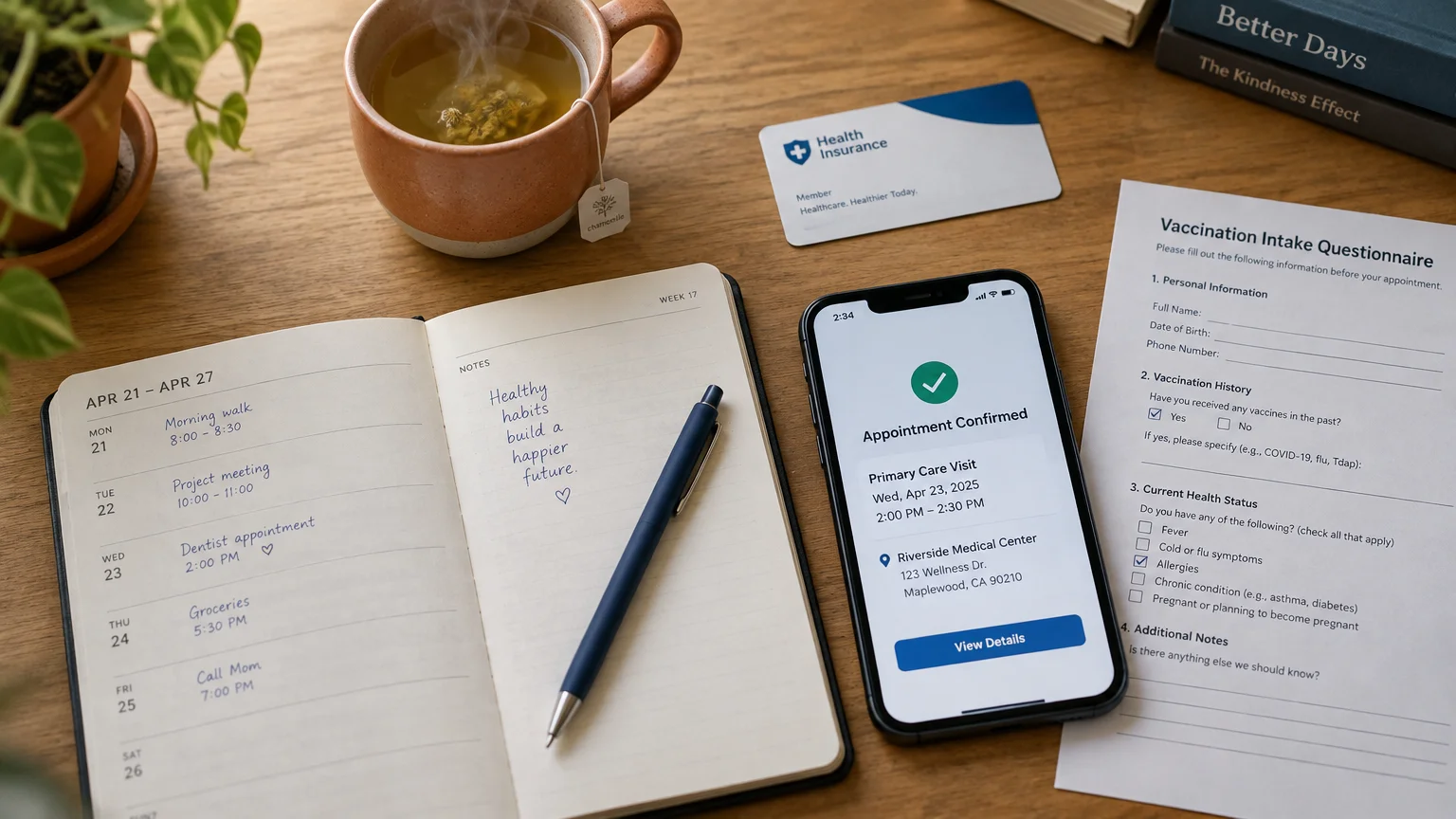
Taking charge of your seasonal immunization requires only a few minutes of practical planning. Following simple, organized steps ensures you receive the most effective vaccine formulation with minimal hassle.
Contact your physician’s office or neighborhood pharmacy to ask about their current senior vaccine inventory. Specifically request Fluzone High-Dose, Flublok, or Fluad to ensure you obtain an enhanced formulation.
Confirm that your clinic accepts Medicare Part B or your private insurance for full coverage. Under standard healthcare guidelines, preventative annual flu vaccines are covered at 100% without co-pays or deductibles.
Schedule your injection during morning hours when you feel well-rested and clinics are less crowded. Morning appointments often experience fewer administrative delays, allowing for a relaxed and unhurried consultation.
Wear a short-sleeved shirt or loose-fitting clothing to facilitate quick and easy access to your upper arm. Relaxing your arm completely during the injection significantly reduces post-shot muscle soreness.
Bring a current list of your medications and medical conditions to share with the administering clinician. Informing your immunizer about blood thinners or immune-suppressing treatments ensures they use appropriate clinical precautions.
Plan light physical activities after your shot, and drink plenty of water throughout the afternoon. Gentle arm movement encourages blood circulation, which helps disperse the vaccine and alleviates localized tenderness.
Apply a cool, damp cloth to your shoulder if you notice minor soreness later in the evening. Rest assured that minor tenderness simply confirms your immune system is hard at work.
Frequently Asked Questions About Senior Flu Shots
Can I get my flu shot and COVID-19 vaccine at the same appointment?
Yes, you can safely receive your seasonal flu shot and updated COVID-19 vaccine during the same medical visit. Clinical studies confirm that receiving both immunizations together produces strong antibody responses without safety concerns.
Medical professionals recommend receiving the injections in separate arms to minimize localized injection discomfort. This practical step keeps both arms functional and lets you distinguish which shot caused any localized soreness.
What is the difference between Fluzone High-Dose, Fluad, and Flublok?
Fluzone High-Dose contains four times the standard antigen dose to stimulate higher antibody levels in aging bodies. Fluad includes an organic adjuvant ingredient that amplifies your immune system’s recognition of the antigen.
Flublok is a recombinant, egg-free vaccine containing triple the standard antigen load. The CDC considers all three enhanced options equally acceptable and preferable over standard unadjuvanted shots for seniors.
Why did flu vaccines switch to a trivalent formula for the 2026 season?
The B/Yamagata virus lineage has not been detected globally since March 2020. Public health authorities removed it because retaining a nonexistent viral component in vaccines offers no medical benefit.
The trivalent formulation concentrates your immune response exclusively against active influenza A and influenza B/Victoria strains. This refined approach delivers targeted, robust protection against real-world respiratory threats.
Will receiving the vaccine in September wear off before spring?
Vaccines administered in September and October maintain protective antibody levels throughout the entire winter season. While antibody concentrations decline slowly over several months, significant immune defense endures well into the spring.
Delaying vaccination until late winter leaves you completely unprotected during early outbreaks when viral circulation first accelerates. Getting vaccinated in early autumn provides the best balance between timely defense and seasonal durability.
What should I do if my local clinic only has standard-dose shots?
If an enhanced vaccine is unavailable in your area, take the standard-dose vaccine rather than delaying. A standard-dose shot provides substantial clinical protection against severe illness and hospitalization.
You can also call alternative local pharmacies or community health centers to locate senior formulations. Many independent pharmacies stock high-dose and adjuvanted shots throughout September and October.
Are there special flu shot guidelines for transplant recipients?
Yes, high-dose and adjuvanted vaccines are acceptable options for solid organ transplant recipients aged 18 through 64 years. These individuals often take immunosuppressive medications that reduce standard vaccine effectiveness.
Enhanced vaccines stimulate higher antibody levels in immunocompromised patients, helping bridge the gap caused by immunosuppression. Consult your transplant specialist to determine the ideal vaccination schedule for your personal treatment plan.
Taking Action for a Healthy Winter
Prioritizing your seasonal flu immunization is an effective way to safeguard your personal health and independence. Scheduling your shot now ensures your immune system peaks before aggressive winter viruses spread through your community.
Recognizing the vital signs that demand vaccination empowers you to take decisive control of your wellness. Protecting your physical resilience shields you from severe complications, hospitalizations, and prolonged physical setbacks.
Take a moment today to contact your doctor or neighborhood pharmacy and book your trivalent vaccination. Investing a few minutes in prevention guarantees you can enjoy a vibrant, active, and healthy winter season.
This article is intended for informational and educational purposes only and is not a substitute for professional medical advice, diagnosis, or treatment. Always consult with a qualified healthcare provider regarding any health concerns or before making any decisions related to your health or treatment.