
Canned fish delivers potent nutrition directly to your kitchen pantry, offering an effortless way to protect your long-term vitality. Tinned salmon, sardines, and mackerel supply essential fats and minerals that preserve your cardiovascular and brain health.
Many older adults bypass these convenient seafood options because they overlook their exceptional nutritional density. In reality, a single serving can dramatically improve your daily micronutrient intake without straining your monthly grocery budget.
You can transform your wellness routine by adding these versatile staples to your regular meal rotation. Discovering the vital compounds packed inside these tins helps you maintain strength, energy, and independence.
Understanding the Basics of Canned Fish Nutrition
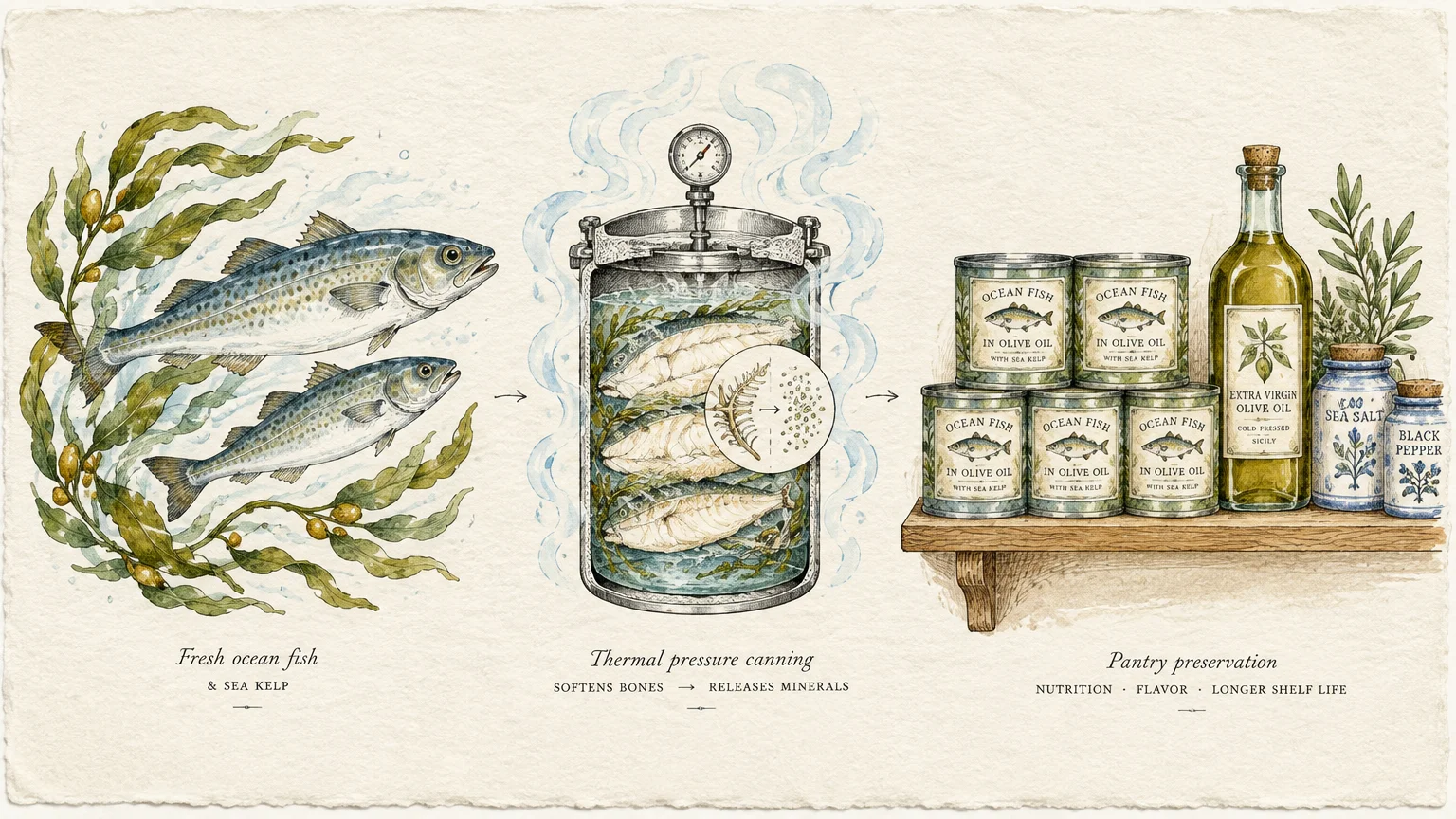
Canned fish represents fresh seafood sealed in airtight tins and preserved through carefully controlled thermal pressure cooking. This commercial canning technique halts bacterial growth while locking in essential amino acids and healthy fatty acids.
Manufacturers typically pack seafood in extra virgin olive oil, spring water, tomato sauce, or natural brine. Each packing medium subtly alters the caloric density and mineral profile of the finished product.
Unlike delicate fresh fillets that spoil rapidly, canned varieties remain nutritionally viable in your pantry for several years. This extended shelf stability ensures you always have immediate access to wholesome protein and minerals.
The high heat used during pressure canning softens fish bones until they become completely edible; this transformation creates an extraordinary whole-food source of bioavailable skeletal minerals.
12 Nutrients in Canned Fish Worth Knowing About
1. Omega-3 Fatty Acids (EPA and DHA)
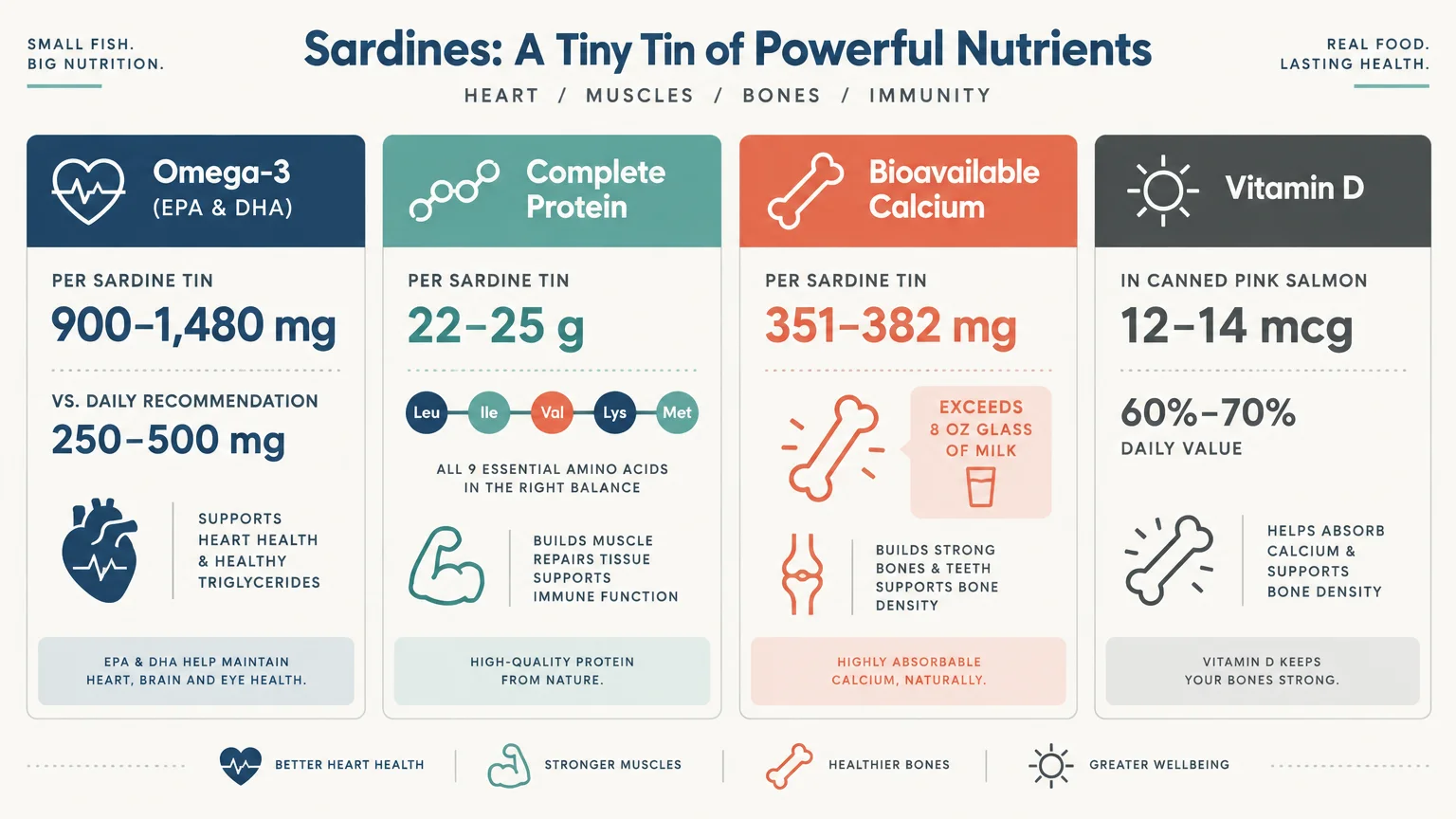
A single 3.75-ounce can of sardines provides 900 to 1,480 milligrams of combined EPA and DHA—far exceeding the daily 250 to 500 milligrams recommended by leading international health authorities. Similarly, canned pink salmon delivers 800 to 1,400 milligrams per serving.
These marine-derived fatty acids soothe vascular inflammation, support arterial elasticity, and promote healthy blood flow. Regular consumption also shields your aging brain against cognitive decline and protects your central memory centers.
2. Complete High-Quality Protein
Canned fish supplies complete protein containing all nine essential amino acids needed to rebuild declining muscle tissue. One 3.75-ounce tin of sardines yields 22 to 25 grams of protein, while canned pink salmon provides 17 to 21 grams per serving.
Maintaining adequate protein intake protects you against age-related muscle loss and preserves your physical balance. This steady supply of amino acids repairs body tissues and fuels your daily mobility.
3. Vitamin D
Canned pink salmon provides 12 to 14 micrograms of vitamin D per 3-ounce serving, supplying 60% to 70% of your daily value. Sardines deliver 4.4 to 4.8 micrograms per can, offering another rare non-fortified, whole-food source.
This vital nutrient facilitates intestinal calcium absorption to keep your skeletal framework structurally sound. Adequate vitamin D status also sharpens your immune response against seasonal viral infections.
4. Bioavailable Calcium
Pressure canning softens fish bones until they become chewable and fully digestible, creating an exceptional calcium reserve. A 3.75-ounce can of bone-in sardines provides 351 to 382 milligrams of calcium, supplying roughly 30% of your daily value.
This single serving exceeds the calcium found in an eight-ounce glass of milk. Canned pink salmon with bones contributes an additional 213 to 240 milligrams, helping you ward off osteoporosis.
5. Vitamin B12 (Cobalamin)
A standard can of sardines delivers 8.2 to 8.9 micrograms of vitamin B12, providing over 340% of your daily value. Canned pink salmon supplies 4.2 micrograms per serving, which comfortably covers 175% of your daily requirement.
This essential vitamin supports healthy nerve insulation, stimulates red blood cell production, and prevents megaloblastic anemia. Since aging often reduces natural stomach acid, consuming highly absorbable B12 from fish safeguards your nervous system.
6. Selenium
Sardines supply 48.5 micrograms of selenium per can, meeting roughly 88% of your daily value, while canned salmon provides 33 to 34 micrograms. This essential trace mineral powers antioxidant enzymes that shield your cells from oxidative stress.
Selenium also regulates thyroid hormone production and binds safely with marine trace metals. This synergistic mineral activity promotes balanced metabolic rates and cellular longevity as you grow older.
7. Choline
Canned salmon and sardines offer dense concentrations of choline, an under-consumed nutrient essential for synthesizing acetylcholine. This crucial neurotransmitter regulates memory formation, cognitive focus, and voluntary muscular contractions.
Choline also supports liver function by facilitating the healthy transport and metabolism of circulating lipids. Incorporating canned seafood into your weekly lunches keeps your neurological pathways robust and nourished.
8. Phosphorus
Working in direct partnership with calcium, phosphorus builds structural hydroxyapatite crystals to harden your bones and teeth. A single can of bone-in sardines supplies over 400 milligrams of phosphorus, fulfilling half of your daily requirement.
Phosphorus also drives the production of adenosine triphosphate (ATP), your body’s universal cellular energy molecule. Consistent intake ensures you maintain optimal muscular power and stamina throughout everyday activities.
9. Potassium
Canned fish delivers over 300 milligrams of potassium per serving, providing an essential electrolyte that regulates cellular hydration. Potassium prompts your blood vessels to relax, which counterbalances dietary sodium and encourages optimal blood pressure control.
This mineral also prevents painful nighttime muscle cramps and supports regular cardiac rhythm stability. Pairing potassium-rich canned seafood with colorful vegetables optimizes your cardiovascular wellness.
10. Heme Iron
Canned seafood delivers bioavailable heme iron, which your digestive tract absorbs far more effectively than plant-derived non-heme iron. A single can of sardines supplies nearly 2.5 milligrams of this oxygen-carrying mineral.
Adequate iron intake ensures your red blood cells transport fresh oxygen efficiently to your heart, brain, and muscles. Keeping your iron reserves topped off prevents age-related fatigue and sharpens physical endurance.
11. Zinc
Zinc directs hundreds of enzymatic reactions that stimulate tissue repair, maintain immune defenses, and preserve cellular function. Canned fish provides easily absorbed zinc that counteracts the natural decline in senior digestive efficiency.
Consuming adequate zinc preserves your taste and smell sensitivity, which helps maintain a healthy appetite. It also reinforces your skin barrier and accelerates minor wound healing.
12. Niacin (Vitamin B3)
Canned tuna and salmon supply between 5 and 10 milligrams of niacin per serving, fulfilling up to 60% of your daily need. Niacin acts as an indispensable coenzyme that converts carbohydrates, proteins, and fats into usable cellular fuel.
This B vitamin supports cellular DNA repair and promotes healthy circulating lipid profiles. Adding canned fish to your diet ensures your body maintains efficient energy metabolism.

Key Considerations for Older Adults
Aging introduces subtle physiological shifts that alter how your gastrointestinal tract processes and absorbs essential nutrients. Diminished stomach acid production often impedes the breakdown of dense meats, leaving you vulnerable to subtle micronutrient deficiencies.
Canned fish offers a tender, flaky texture that eliminates chewing difficulties associated with dental work or sensitive teeth. You can enjoy rich, satisfying animal protein without exerting mechanical strain during meals.
Diminished appetite frequently prevents older adults from preparing elaborate meals from scratch every evening. A single tin provides concentrated nourishment without the burden of peeling, chopping, or scrubbing greasy cookware.
Preserving muscle mass and bone density directly dictates your ability to live independently at home. Eating nutrient-dense canned seafood provides the structural building blocks necessary to prevent debilitating falls and fractures.

Benefits and Potential Risks
Adding canned fish to your diet yields measurable cardiovascular, neurological, and musculoskeletal benefits. The synergistic combination of omega-3 fats, bioavailable calcium, and vitamin D fortifies your body against common chronic conditions.
Nevertheless, you must evaluate certain potential drawbacks before increasing your weekly intake. Processing methods and natural marine chemistry introduce variables that warrant thoughtful management.
Sodium content represents the most prominent concern for adults managing hypertension or congestive heart failure. Standard canned fish packed in brine can contain 280 to 450 milligrams of sodium per serving.
You can minimize sodium intake by choosing varieties labeled with no added salt, which contain as little as 65 milligrams. Rinsing canned fish under cold running water for one minute also removes up to 40% of surface sodium.
Heavy metal accumulation, particularly methylmercury, requires attention when selecting your fish varieties. Sardines, wild salmon, and skipjack light tuna fall under the lowest mercury categories and pose negligible risk.
Conversely, large predatory fish like albacore tuna accumulate higher mercury levels over their longer lifespans. Individuals susceptible to gout must also monitor intake, as the concentrated purines in seafood can trigger joint flare-ups.
What the Health Authorities Say
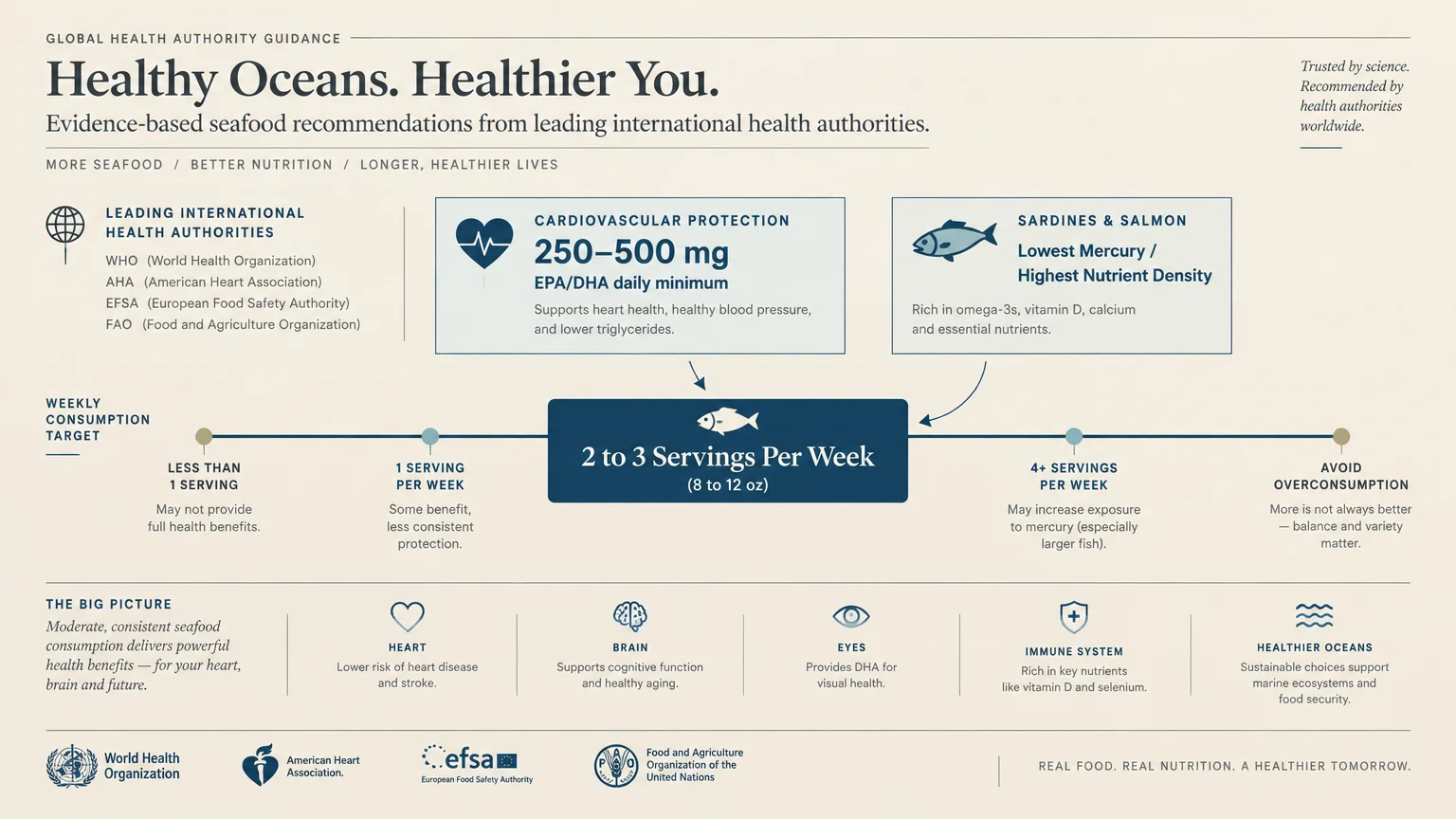
Major global health institutions consistently endorse seafood consumption as a pillar of preventative health. The World Health Organization highlights dietary seafood for its ability to lower cardiovascular mortality rates worldwide.
According to the Dietary Guidelines for Americans, adults should consume at least 8 ounces of seafood each week. That intake supplies roughly 20% of your total dietary protein while delivering crucial long-chain omega-3 fatty acids.
Research published through the National Institutes of Health demonstrates that marine omega-3 fatty acids preserve brain volume as you grow older. Clinical trials link regular fish consumption to slower cognitive decline and reduced systemic inflammation.
The U.S. Food and Drug Administration categorizes sardines, canned salmon, and light tuna as “Best Choices.” The agency advises consuming two to three servings of these low-mercury options every week.
Experts at the Mayo Clinic emphasize that dietary fish provides superior health protection compared to isolated fish oil supplements. Eating whole canned seafood ensures you receive the full matrix of complementary minerals and proteins.
The Centers for Disease Control and Prevention similarly recommends regular fish intake to combat preventable heart disease across aging populations. Clinical consensus confirms that the benefits of low-mercury fish overwhelmingly outweigh the theoretical risks.
Practical Steps and Actionable Advice
Making smart purchases at the grocery store ensures you maximize the nutritional advantages of canned seafood. Examine product labels carefully to identify fish packed in water or extra virgin olive oil rather than refined vegetable oils.
Select cans certified as BPA-free to minimize your exposure to synthetic compounds used in can linings. Look for options labeled “no salt added” if your physician has instructed you to restrict your sodium intake.
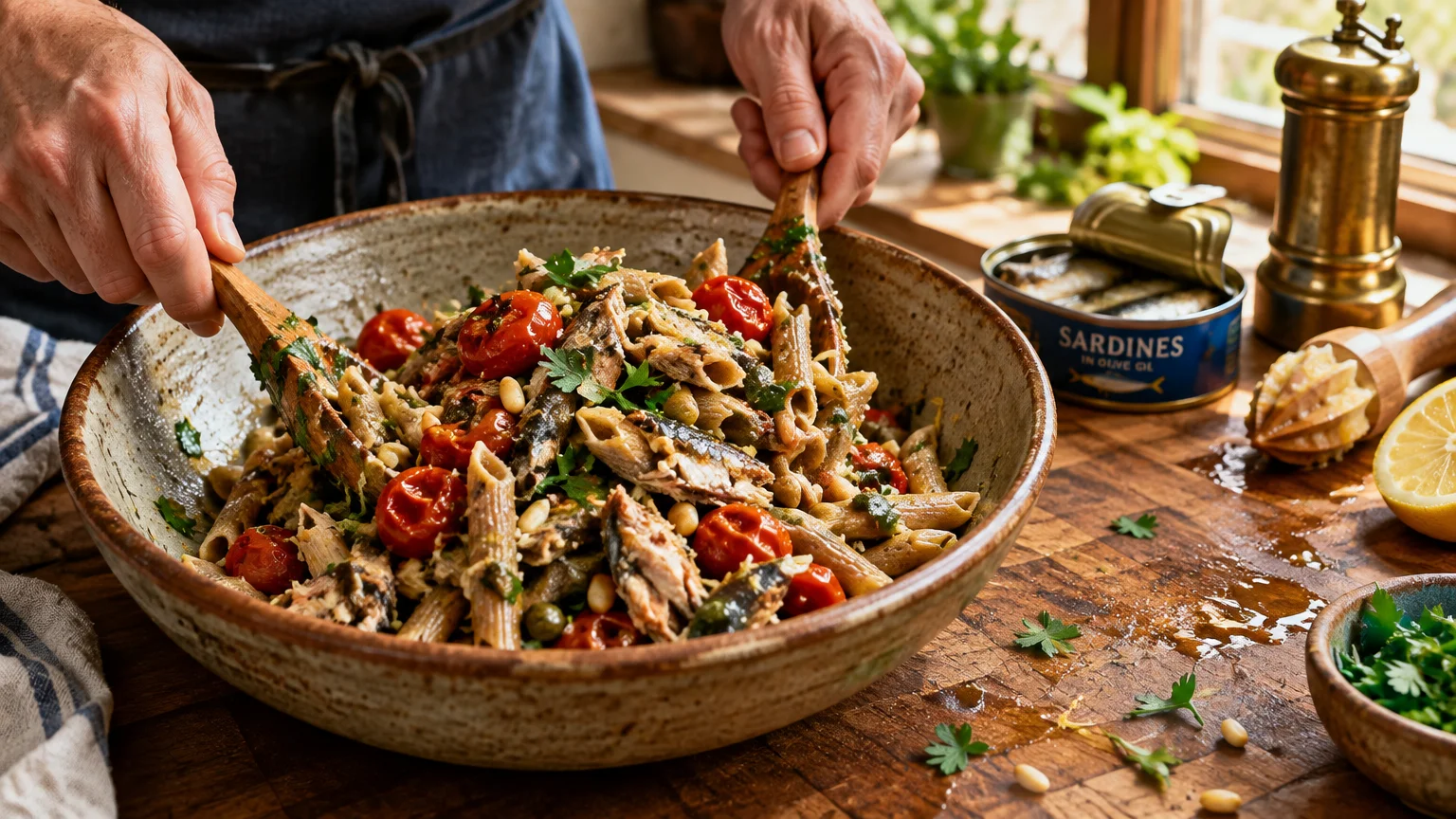
You do not need complex cooking techniques to turn canned seafood into flavorful, satisfying meals. Mash sardines with ripe avocado and lemon juice to spread over toasted whole-grain sourdough bread.
Flake wild pink salmon into fresh garden salads or blend it with eggs and herbs to pan-sear simple salmon patties. Toss chunk light tuna with olive oil, white beans, and chopped parsley for a fast Mediterranean lunch.
Consult your doctor or registered dietitian before making dramatic changes to your weekly seafood intake. This discussion is especially vital if you take prescription blood thinners or manage chronic kidney disease.
Frequently Asked Questions
Should you eat the soft bones found in canned fish?
Yes, you should consume the softened bones found inside canned sardines and canned salmon. Thermal pressure canning makes these delicate bones completely chewable, safe to swallow, and exceptionally rich in bone-building calcium and phosphorus.
How does canned tuna compare to canned salmon or sardines?
Canned tuna provides lean complete protein, but it supplies fewer omega-3 fats, less calcium, and minimal vitamin D compared to sardines or salmon. Albacore white tuna also carries higher methylmercury levels, making salmon and sardines superior choices for frequent meals.
How often can you safely consume canned fish each week?
Most healthy adults can safely consume two to three servings of low-mercury canned fish like sardines, wild salmon, and light tuna each week. If you choose albacore white tuna, limit your intake to one six-ounce serving weekly to manage mercury exposure.
Is canned fish packed in olive oil better than fish in water?
Olive oil enhances the absorption of fat-soluble vitamin D and adds healthy monounsaturated fats, though it increases total calories. Water-packed fish provides a lower-calorie alternative while preserving identical concentrations of protein, calcium, and essential minerals.
Does rinsing canned fish reduce its sodium content?
Yes, draining and rinsing canned fish under cold running water for one minute effectively removes up to 40% of surface sodium. Alternatively, you can purchase convenient “no salt added” tins to keep your daily sodium intake completely under control.
Embracing Canned Fish for Lifelong Vitality
Stocking your pantry with canned fish provides a reliable, cost-effective pathway toward optimal everyday nutrition. These humble tins deliver an extraordinary concentration of omega-3 fats, bone-building calcium, and complete proteins.
Prioritizing low-mercury varieties like sardines and wild salmon protects your heart, supports your memory, and sustains your muscular vitality. With zero cooking required, canned seafood removes the friction from healthy, nourishing eating.
Taking control of your nutritional health begins with simple, sustainable adjustments to your weekly grocery shopping. Open a tin of sardines or salmon this week and provide your body with the deep nourishment it deserves.
Disclaimer: This article is intended for informational and educational purposes only and is not a substitute for professional medical advice, diagnosis, or treatment. Always consult with a qualified healthcare provider regarding any health concerns or before making any decisions related to your health or treatment.