Cold winter temperatures force your blood vessels to narrow, reducing warmth and oxygen delivery to your extremities. Recognizing the early warning signs of circulation issues helps you protect your vitality and independence throughout the freezing months.
When blood struggles to reach your fingers, legs, and toes, your body sends distinct physical signals. Paying close attention to these subtle changes shields you from serious vascular complications.
Discover how winter conditions challenge your cardiovascular system and learn the ten essential symptoms you should never ignore. Taking proactive steps today keeps your blood moving smoothly all season long.
Understanding the Basics of Winter Blood Flow
Your circulatory system functions as an intricate network of blood vessels delivering oxygen, vital nutrients, and warmth to every organ. When functioning smoothly, this internal highway sustains your cellular energy and supports efficient organ function.
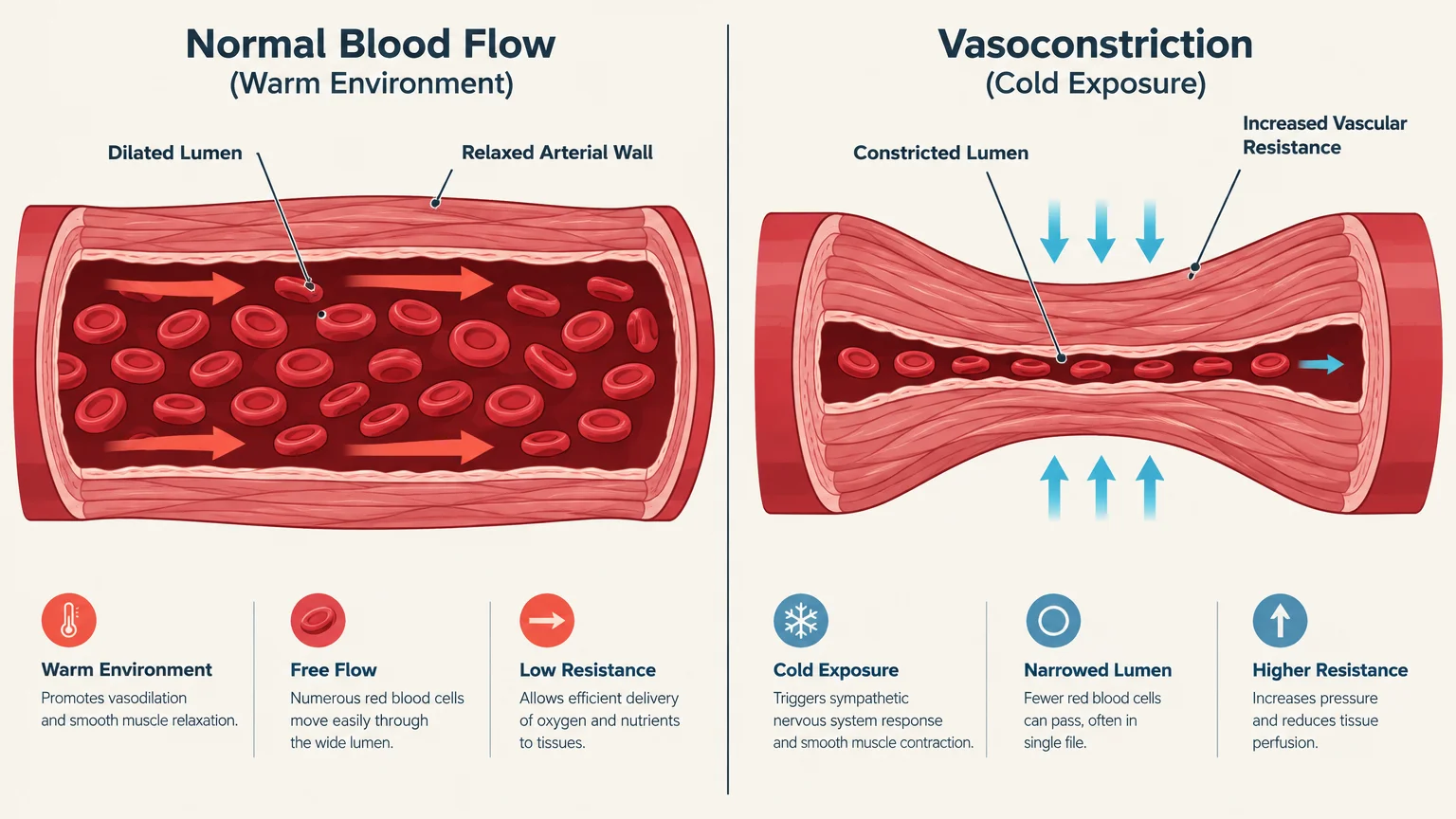
In cold weather, your body initiates a natural survival reflex known as vasoconstriction. This process narrows peripheral blood vessels to draw warm blood away from your skin and toward your core organs.
While vasoconstriction protects vital organs like your heart and brain, it substantially reduces blood flow to your extremities. Healthy blood vessels dilate once you re-enter warm spaces, restoring standard blood volume to your limbs.
Poor circulation occurs when your vascular network struggles to restore this balanced flow. Blockages, stiffened arterial walls, or weakened venous valves can prevent adequate blood from circulating back through your tissues.
Arterial circulation carries oxygen-packed blood away from your heart, while your venous system pumps deoxygenated blood back upward. Problems can develop in either system, and winter weather places unique stress on both pathways.
When blood flow slows significantly, your tissues become deprived of the oxygen and essential nutrients they need to thrive. Cellular repair slows down, leading to uncomfortable physical symptoms and heightened sensitivity to drops in outdoor temperatures.
Cold temperatures also cause your blood pressure to rise slightly as narrowed vessels increase resistance against blood flow. This added resistance forces your heart to work harder to maintain steady circulation throughout your body.
Key Circulation Considerations for Adults Over Sixty
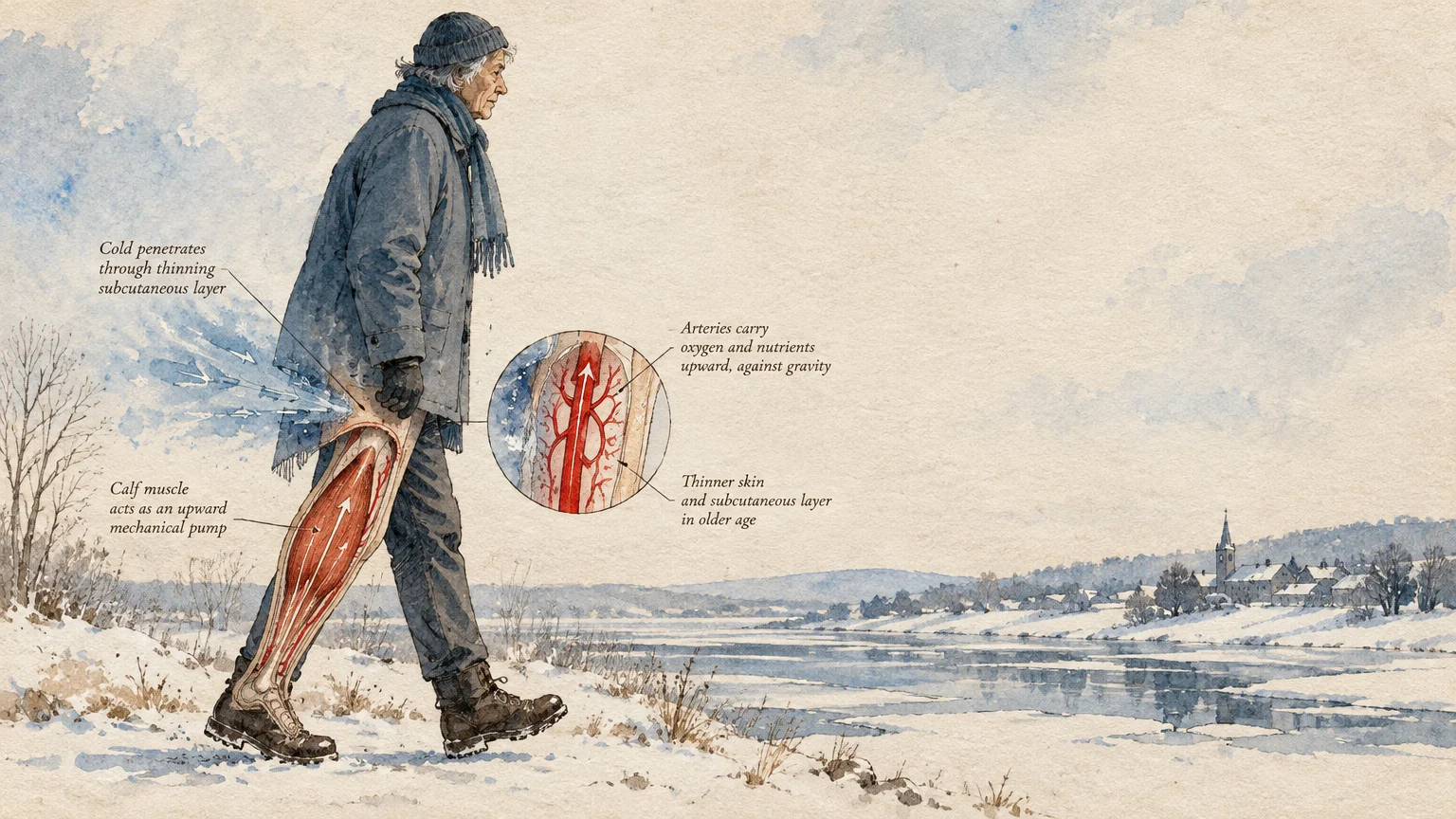
As your body ages, your vascular system experiences structural shifts that alter how blood moves through your veins and arteries. Arterial walls naturally lose some of their youthful elasticity and become stiffer over time.
Stiffer arteries create greater resistance against blood flow, making it harder for your heart to pump warmth to distant extremities. Consequently, seniors experience cold fingers and toes far more frequently than younger individuals.
Aging also thins the protective subcutaneous fat layer located beneath your skin. Because this fat layer acts as internal thermal insulation, its reduction makes you feel ambient temperature drops much more acutely.
Your autonomic nervous system responds more slowly as you grow older. This delayed reaction means your body takes much longer to dilate blood vessels and warm your extremities after cold exposure.
Winter weather often encourages a more sedentary indoor routine. Spending prolonged periods sitting reduces the natural calf muscle pumping action that propels venous blood upward toward your heart.
In addition, seniors frequently experience a blunted biological thirst response. Heated indoor air accelerates fluid loss, leading to mild chronic dehydration that makes your blood thicker and harder to circulate.
Common prescription medications can also influence your peripheral blood vessels. Medications such as beta-blockers for high blood pressure intentionally slow your heart rate and can reduce blood flow to your hands and feet.
Underlying chronic conditions like diabetes or high cholesterol further heighten your vulnerability to winter vascular challenges. These conditions damage fragile blood vessels over time, magnifying the restrictive effects of cold weather.
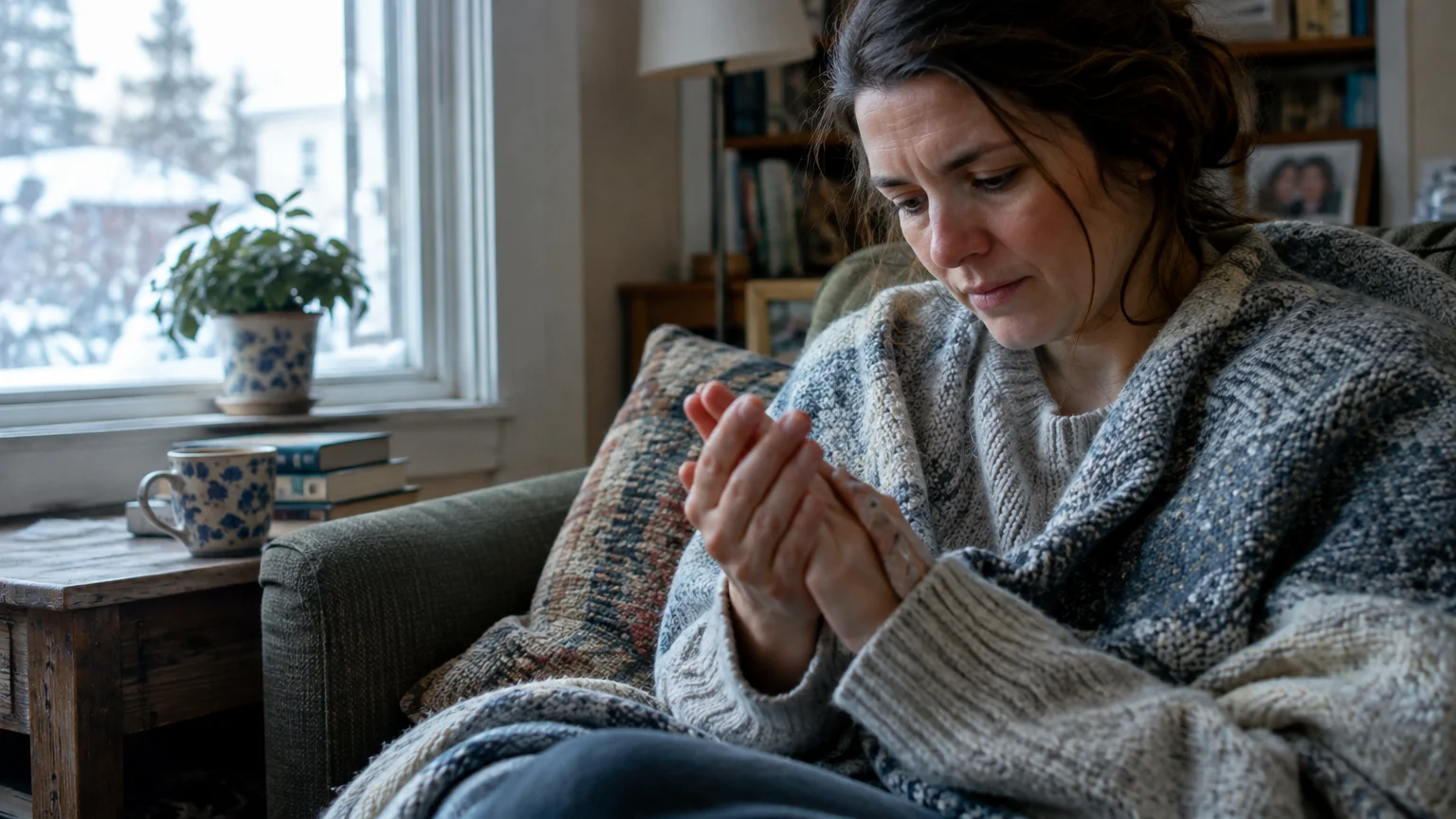
Ten Signs of Poor Circulation in Winter
Recognizing the distinct warnings your body produces empowers you to intervene before circulatory complications worsen. Here are the ten primary indicators that your blood flow may be compromised during the winter months.
1. Persistently Frigid Hands and Feet
While occasional cold extremities are normal in freezing weather, hands and feet that stay icy indoors signal reduced arterial perfusion. If thick wool socks and heavy mittens fail to warm your digits, your blood flow is likely restricted.
This persistent chill occurs because narrowed arteries cannot transport enough warm blood to reach your skin surface. Take note if your extremities feel cold to the touch even while your torso feels comfortably warm.
Sustained cold sensations often point toward underlying conditions like peripheral artery disease or exaggerated vascular spasms. You should never dismiss extremities that refuse to warm up after hours spent in a heated room.
2. Color Changes in Your Fingers and Toes
Watch your fingers and toes carefully when transitioning between cold outdoor air and heated indoor environments. A rapid shift in color from pale white to bluish-purple indicates that blood vessels have temporarily collapsed or clamped shut.
This phenomenon frequently characterizes Raynaud’s syndrome, a disorder causing excessive vascular spasms in response to cold. When oxygen-rich arterial blood cannot enter the digits, the skin turns stark white or deep blue.
As blood finally rushes back into the rewarming tissues, your fingers may turn bright red and throb uncomfortably. Persistent or uneven mottling on your legs and feet also indicates poor microvascular blood distribution.
3. Frequent Numbness and Pins-and-Needles Sensations
Reduced blood flow deprives peripheral sensory nerves of the continuous oxygen they require to transmit signals correctly. When nerves lack adequate circulation, they produce sensations of tingling, burning, or complete sensory numbness.
You might feel a crawling “pins-and-needles” sensation in your feet after sitting in a cold room for an hour. While temporary limb numbness from sitting awkwardly is common, persistent prickling indicates restricted capillary blood flow.
Numbness poses a severe danger for seniors because it diminishes your ability to sense temperature burns or skin injuries. Protect your extremities by monitoring whether sensory loss happens repeatedly during chilly days.
4. Fluid Accumulation and Swelling in Lower Limbs
When blood encounters difficulty circulating back up from your legs, fluid can pool within your lower tissues. This condition, medically known as peripheral edema, manifests as noticeable puffiness in your ankles, calves, and feet.
Winter inactivity exacerbates this problem because your leg muscles are not contracting enough to push blood upward against gravity. You may notice deep indentations left behind by your sock elastic at the end of the day.
Swollen tissues feel uncomfortably tight and heavy, limiting your joint flexibility and stability. Chronic swelling indicates that your venous valves may be struggling to maintain one-way blood flow toward your heart.
5. Leg Cramping and Aching During Activity
Do your calves, thighs, or buttocks ache or cramp when you walk briskly through the cold air? This cramping discomfort, referred to as claudication, occurs when working muscles demand more oxygenated blood than narrowed arteries can supply.
The pain typically subsides within a few minutes once you pause to rest and let oxygen levels stabilize. However, cold temperatures cause additional arterial narrowing, making this cramping trigger much faster than it does in summer.
Ignoring claudication is unwise because it serves as a hallmark warning sign for peripheral artery disease. If walking short distances consistently brings on leg fatigue or severe cramping, consult your doctor promptly.
6. Extremely Dry, Flaking, and Cracking Skin
While low indoor humidity certainly dries out your skin, poor microcirculation strips your outer tissues of vital moisture from within. Healthy blood circulation delivers the nutrients, hydration, and natural oils necessary to maintain strong dermal barriers.
When skin capillaries constrict, your lower legs and feet may become shiny, excessively flaky, or parchment-thin. Even high-grade topical moisturizers may fail to resolve this profound flaking if your capillary blood flow remains poor.
Cracked, poorly nourished skin creates microscopic openings that invite bacterial infections during the winter. Maintaining adequate internal blood flow is just as essential for skin integrity as applying daily barrier creams.
7. Wounds and Bruises That Refuse to Heal
Healing minor scrapes, winter paper cuts, or shoe blisters requires a robust surge of oxygen-rich blood and immune cells. If your circulatory network is compromised, small skin injuries on your feet and shins take weeks or months to mend.
Without adequate blood delivery, white blood cells cannot reach damaged tissues efficiently to clear debris and prevent infection. Minor friction sores can rapidly escalate into chronic, open ulcers that resist conventional treatment.
Inspect your lower legs and feet daily for lingering scabs, unexplained bruises, or red marks that linger unusually long. Slow-healing sores represent a clear clinical red flag requiring professional vascular assessment.
8. Sudden Changes in Toenails and Leg Hair
Hair follicles and nail beds rely heavily on consistent microvascular nourishment to sustain normal cellular growth. When circulation diminishes significantly, your toenails may turn thick, brittle, discolored, or stop growing altogether.
Similarly, you might observe a sudden thinning or total loss of hair across your toes, shins, and ankles. This hair loss occurs because dormant follicles starve when restricted blood flow fails to supply vital proteins.
These structural changes often develop quietly over several months before becoming obvious in winter. Recognizing nail and hair changes provides valuable physical clues regarding the long-term status of your peripheral circulation.
9. Persistent Heaviness and Unexplained Muscle Fatigue
Inadequate circulation forces your heart and muscles to work significantly harder during basic everyday activities. If your legs constantly feel heavy like lead weights when climbing stairs, poor blood flow could be the culprit.
Without regular oxygen perfusion, metabolic waste products like lactic acid accumulate rapidly within your muscle tissues. This waste buildup triggers a pervasive sense of physical exhaustion even after minimal physical exertion.
Do not simply write off heavy, sluggish limbs as a natural, unavoidable byproduct of aging. Restoring proper vascular volume often relieves that weighed-down feeling, returning spring to your daily step.
10. Cold-Induced Dizziness and Cognitive Sluggishness
Your vascular system must continuously adapt to pressure shifts when moving between warm indoor rooms and frigid outdoor breezes. If stiff arteries cannot adjust quickly, blood flow to your brain can temporarily drop, inducing dizziness.
You might feel momentarily lightheaded or unsteady when stepping outside into freezing air. Some older adults also report mild cognitive fog or sluggish thinking when cold weather stresses their cardiovascular system.
Because sudden dizziness dramatically increases your risk of dangerous winter falls on icy walkways, take this symptom seriously. Mention any episodes of cold-weather lightheadedness to your physician right away.
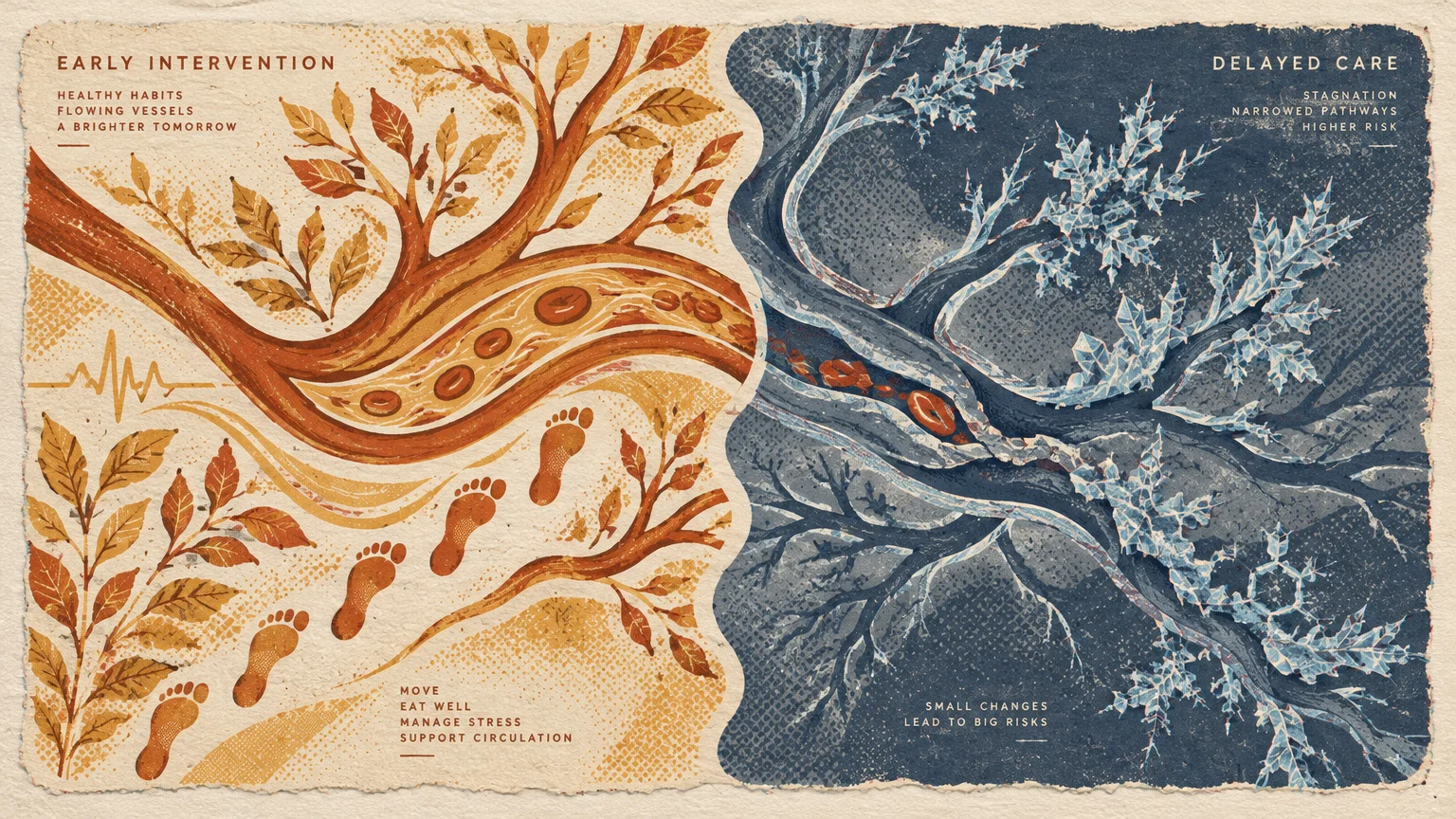
Benefits of Early Action and Risks of Delay
Addressing circulation warning signs promptly offers immense rewards for your overall health, vitality, and longevity. Restoring healthy blood flow revitalizes your daily energy levels, improves joint comfort, and preserves your physical mobility.
Enhanced vascular function also safeguards your balance by preserving sensation in your feet, directly lowering your risk of fall-related fractures. Furthermore, well-perfused skin heals quickly, drastically reducing your vulnerability to dangerous bacterial infections.
Taking early action allows you to maintain your cherished lifestyle independence throughout the colder months. You can continue enjoying neighborhood strolls, family gatherings, and hobbies without battling constant physical fatigue or numbness.
Conversely, ignoring persistent circulation problems carries substantial medical risks that can severely impair your quality of life. Left unchecked, chronic arterial narrowing can advance into severe peripheral artery disease or critical limb ischemia.
Sluggish venous flow creates a breeding ground for deep vein thrombosis, where dangerous blood clots form in deep leg veins. These clots can detach and travel toward your lungs, causing a life-threatening pulmonary embolism.
Untreated vascular insufficiency can ultimately result in non-healing ulcers, severe tissue necrosis, and even amputation. Recognizing early warning signals allows you to implement simple lifestyle changes long before invasive treatments become necessary.
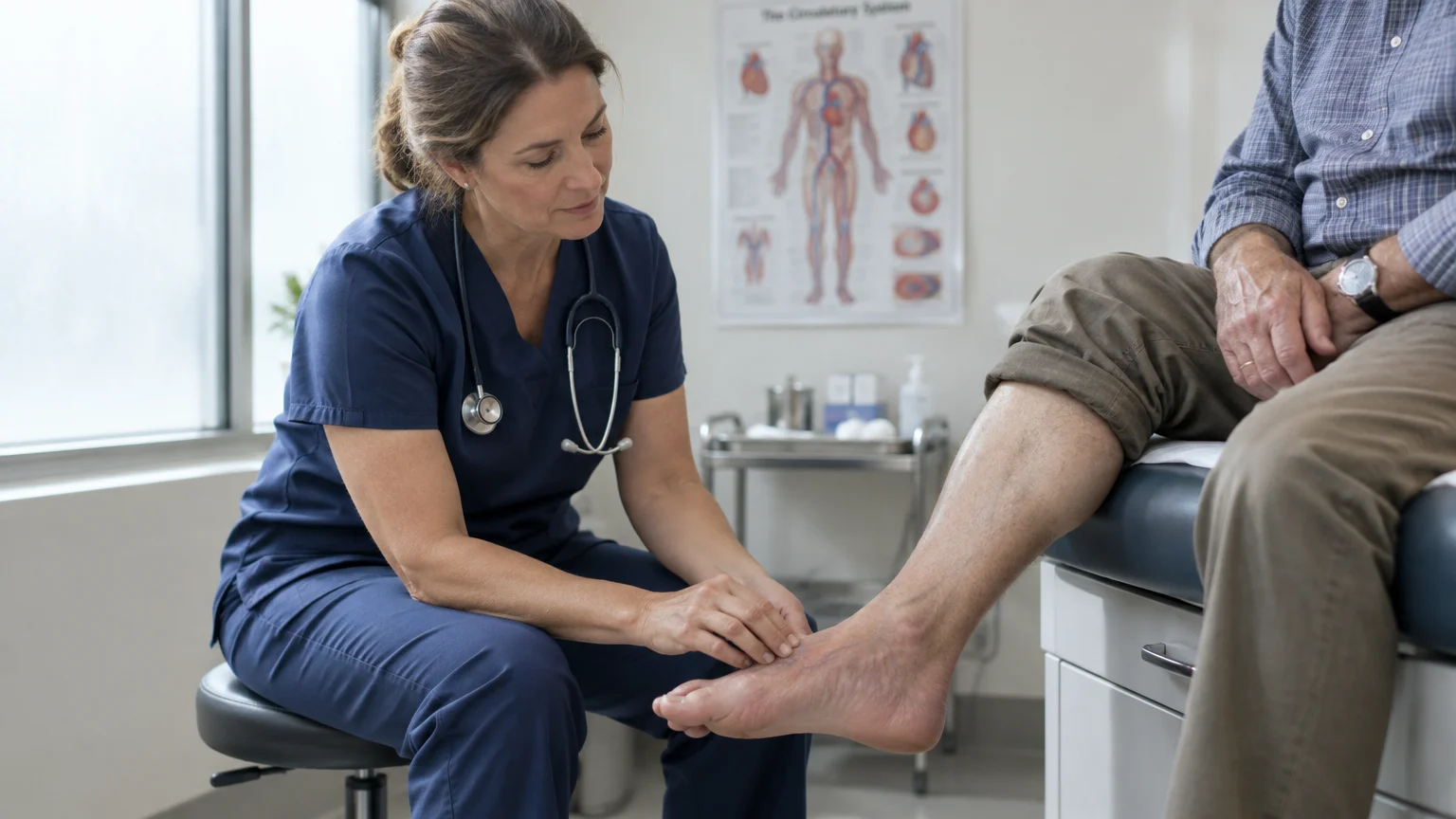
What the Experts Say About Cold Weather Blood Flow
Leading global health institutions emphasize that cold weather imposes unique cardiovascular and vascular demands on older adults. The American Heart Association cautions that low temperatures cause blood vessels to constrict, elevating blood pressure and cardiac workload.
According to researchers at the National Institutes of Health, maintaining vascular elasticity is essential for preserving physical independence in your senior years. Their findings highlight how regular physical movement supports endothelial function and prevents arterial stiffening.
Vascular specialists at the Mayo Clinic stress the importance of protecting your extremities from extreme temperature fluctuations. They recommend wearing layered, breathable clothing and avoiding rapid transitions into harsh freezing air without proper extremity coverage.
Clinical evidence demonstrates that shielding your core temperature prevents reflex vasoconstriction in distant fingers and toes. When your chest and back remain warm, your brain permits blood vessels in your limbs to stay open.
Furthermore, guidelines from the Centers for Disease Control and Prevention remind older adults that impaired circulation dramatically speeds the onset of hypothermia. They urge seniors to monitor indoor home temperatures carefully and stay dry during winter activities.
Medical consensus strongly confirms that poor peripheral circulation is not a harmless cosmetic quirk of aging. Expert organizations unanimously advise early clinical screening to detect vascular narrowing before serious cardiovascular complications develop.
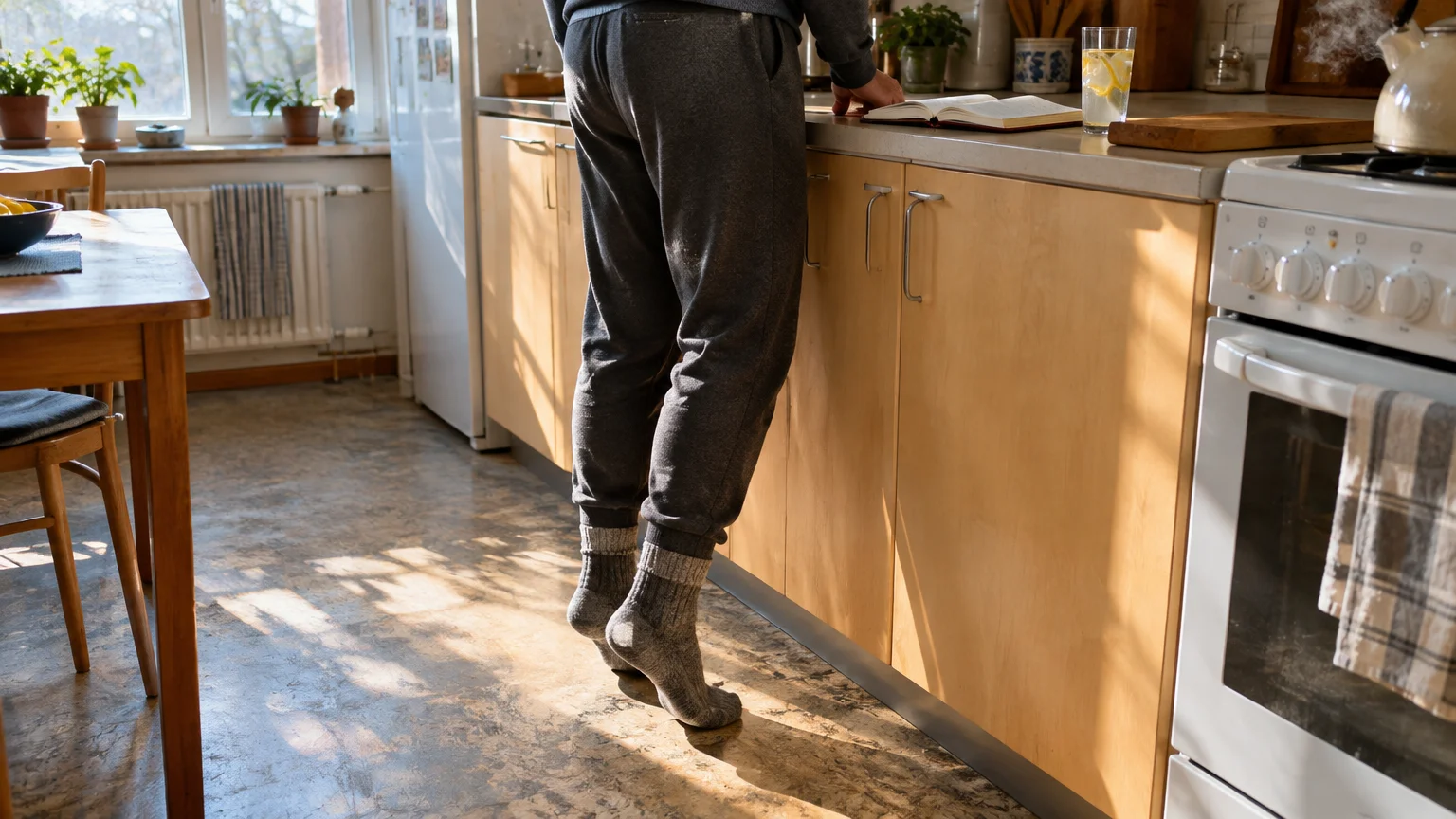
Practical Steps and Daily Habits for Better Flow
You can implement several evidence-based daily habits to stimulate your circulation and safeguard your vascular wellness this winter. Small, consistent behavioral adjustments produce meaningful improvements in blood flow and physical comfort.
Begin by staying active throughout the day, even when freezing outdoor conditions keep you confined indoors. Perform simple seated calf raises, gentle ankle circles, and indoor hallway walking for ten minutes every two hours.
These gentle repetitive movements activate your calf muscle pump, forcing pooled venous blood back toward your heart. Consistent light movement keeps your blood vessels pliable and prevents fluid stagnation in your ankles.
Elevate your legs above the level of your heart for fifteen minutes each afternoon while resting. This simple elevation relies on gravity to drain pooled venous fluid and relieve swelling in your lower limbs.
Dress strategically by wearing multiple breathable layers rather than a single bulky, heavy coat. Trapped air between thin layers acts as superior insulation, keeping your core warm and preventing reactive vasoconstriction.
Invest in high-quality thermal moisture-wicking socks made from merino wool or synthetic blends. Ensure your shoes and boots fit comfortably without pinching, as tight footwear compresses peripheral capillaries and worsens cold feet.
Prioritize intentional hydration by drinking plenty of water, warm herbal teas, and clear broths throughout the day. Adequate fluid intake prevents your blood volume from dropping and stops blood from thickening into a sluggish consistency.
Avoid direct, intense heat sources like scalding foot baths, direct heating pads, or hot radiator grates. Because reduced circulation often numbs skin sensation, intense direct heat can cause severe contact burns before you feel pain.
Consult your doctor to determine whether graduated compression socks are suitable for your specific vascular needs. Properly fitted compression stockings gently squeeze leg tissues, supporting venous valves and dramatically reducing lower-leg swelling.
Prepare a focused list of questions for your healthcare provider regarding your winter circulation symptoms. Ask whether your current medications could be constricting blood vessels or if an ankle-brachial index test is warranted.
Frequently Asked Questions About Winter Circulation
Are cold feet always an indicator of a severe circulatory disease?
Not necessarily, as temporary cold feet can result from normal bodily adaptation to a chilly room. However, if your feet remain icy despite warm surroundings and socks, you should request a medical evaluation.
A doctor can perform simple non-invasive tests to determine whether your cold feet stem from benign sensitivity or underlying arterial narrowing. Getting checked provides peace of mind and identifies treatable issues early.
Can soaking my frozen feet in hot water improve blood flow safely?
Soaking numb, cold feet in very hot water is dangerous and not recommended by vascular experts. Numb skin cannot accurately gauge extreme water temperature, creating a high risk for accidental scalds and tissue burns.
Instead, warm your extremities gradually by slipping into dry thermal socks and wrapping yourself in a warm fleece blanket. Gradual rewarming allows blood vessels to dilate naturally without causing sudden skin damage or throbbing pain.
How does drinking water help improve my blood flow during winter?
Water constitutes a major component of your total blood plasma volume. When you become dehydrated from dry indoor winter air, your blood becomes more viscous and resistant to smooth flow.
Drinking sufficient water keeps your blood volume optimal, allowing your heart to pump warm blood through tiny capillaries effortlessly. Staying well-hydrated ensures your peripheral tissues receive a continuous supply of vital nutrients and heat.
When should I contact a doctor immediately regarding poor circulation?
Seek prompt medical attention if you notice sudden, severe pain, coldness, or pale discoloration confined to a single limb. These acute signs may signal a sudden arterial blockage or blood clot that requires immediate clinical intervention.
You should also contact a physician promptly if you develop open skin sores that show signs of infection, such as redness, warmth, or drainage. Rapid medical treatment prevents minor circulatory ulcers from progressing into dangerous deep-tissue infections.
Does wearing tighter, thicker socks keep my feet warmer in freezing weather?
Tightly fitting socks can actually restrict capillary blood flow and make your feet feel much colder. Socks that squeeze your ankles or toes tightly cut off vital microcirculation, defeating the purpose of the thermal fabric.
Choose comfortably loose, moisture-wicking wool or thermal socks that allow your toes to wiggle freely. Maintaining adequate space inside your footwear preserves the warm insulating air layer that keeps your feet cozy.
Protecting Your Vascular Health This Season
Winter places genuine physiological demands on your cardiovascular system, but you possess the power to protect your vascular health. By learning to identify the subtle signs of poor circulation, you can address potential issues before they restrict your lifestyle.
Incorporate simple daily movement habits, stay well-hydrated, and dress in warm, non-constrictive layers to support steady blood flow. Taking proactive care of your veins and arteries ensures you stay active, comfortable, and independent throughout the winter months.
Listen attentively to the signals your body sends when the mercury drops outside. Small lifestyle modifications implemented today yield substantial benefits for your comfort, vitality, and mobility all winter long.
Never hesitate to speak with your physician if persistent numbness, color changes, or leg aches arise. Partnering with your healthcare team keeps your circulation strong, allowing you to enjoy the winter season with complete confidence.
Disclaimer: This article is intended for informational and educational purposes only and is not a substitute for professional medical advice, diagnosis, or treatment. Always consult with a qualified healthcare provider regarding any health concerns or before making any decisions related to your health or treatment.