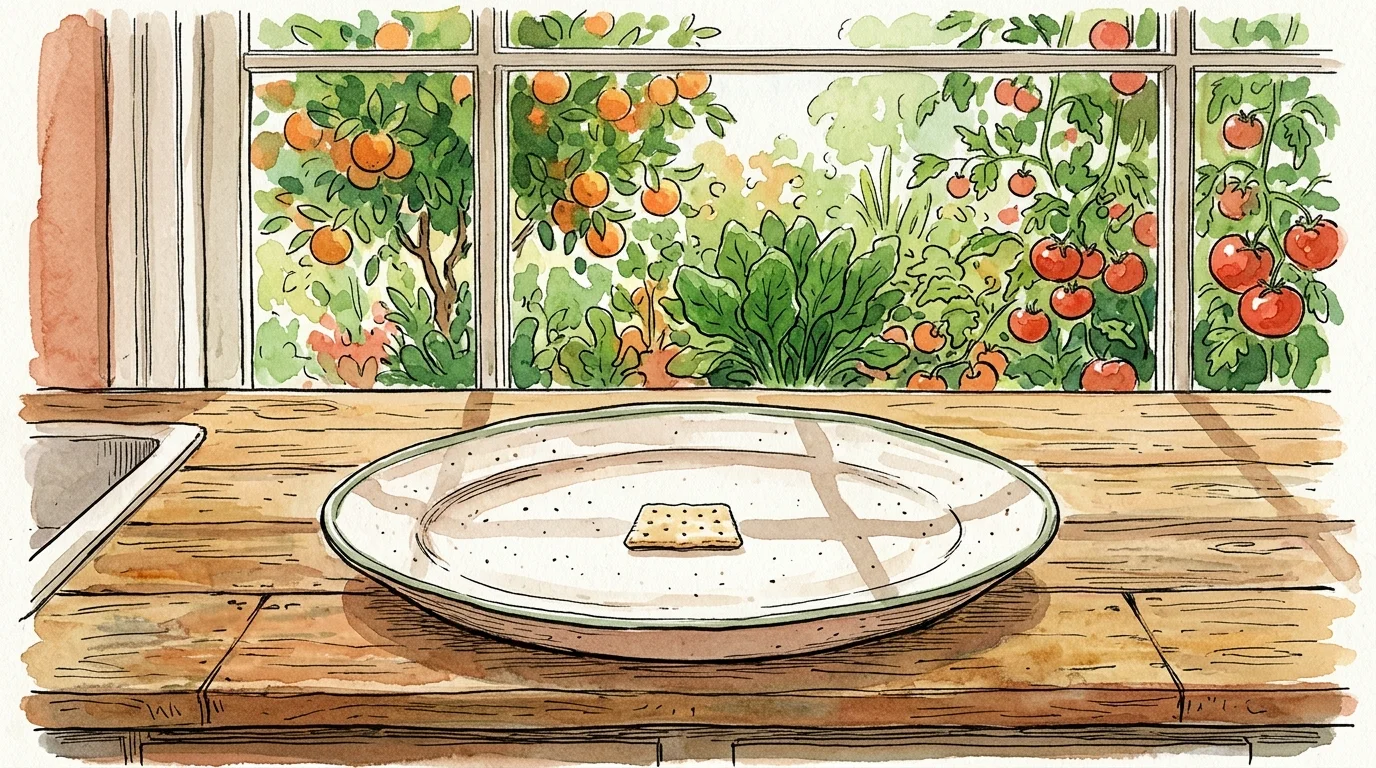
Cutting back on calories or eliminating entire food groups can quietly strip your body of vital nutrients, leaving you vulnerable to fatigue, muscle loss, and weakened immunity. While managing your weight or following dietary guidelines is often beneficial, overly restrictive diet warning signs can signal that your eating plan is doing more harm than good. Recognizing these red flags early helps you protect your vitality, maintain your independence, and ensure your daily meals genuinely nourish your body. Evaluating your current habits allows you to balance strict health goals with the essential vitamins, minerals, and proteins your body requires every day as you age.
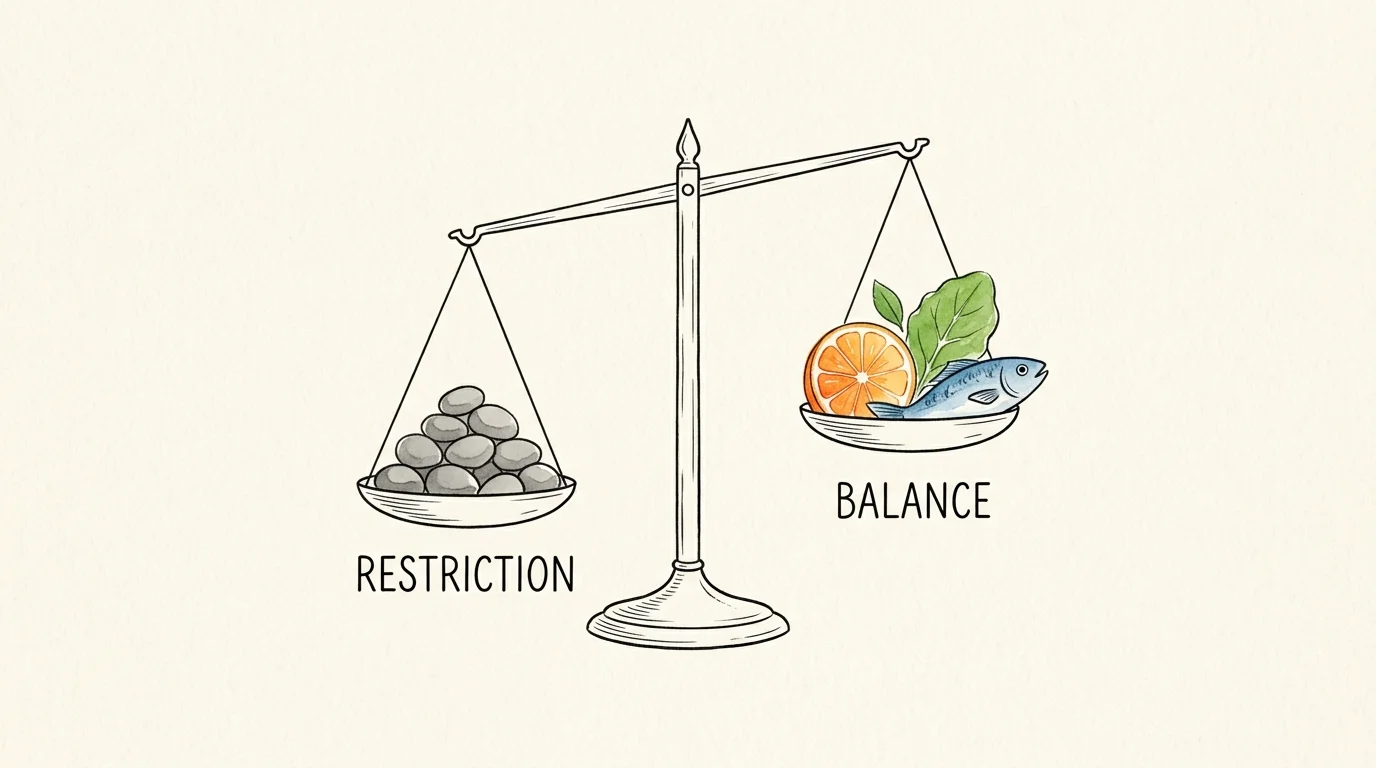
Understanding Overly Restrictive Diets and Nutritional Balance
An overly restrictive diet occurs when your daily food intake fails to supply the calories, macronutrients, or micronutrients needed for optimal physiological function. Carbohydrates, proteins, and healthy fats form the core macronutrients that fuel daily activity, preserve vital muscle tissue, and regulate essential hormone production throughout life. Meanwhile, micronutrients—comprising essential vitamins and trace minerals—act as indispensable catalysts for thousands of complex metabolic processes taking place across your body every second.
When you severely restrict calories or cut out complete food groups without proper substitutions, your body shifts from a state of healthy nourishment into a protective survival mode. Many individuals initiate strict diets to manage blood pressure, lower cholesterol, or lose weight; however, pushing these restrictions too far creates severe nutritional shortfalls. A healthy eating balance requires consuming sufficient energy to sustain vital organs while supplying the cellular building blocks needed for continuous tissue repair. Distinguishing between thoughtful, health-conscious meal planning and harmful metabolic deprivation is essential for maintaining your physical resilience. If your current eating routine produces ongoing physical discomfort, persistent hunger, or cognitive sluggishness, your diet has likely crossed the boundary into excessive restriction.

Why Nutrient Intake Matters More as You Age
Aging naturally alters how your body processes, absorbs, and utilizes basic nourishment from the food you consume. As you pass age 60, natural physiological changes in digestive health—such as reduced stomach acid production and decreased gut enzyme secretion—make it progressively harder to extract vital nutrients like vitamin B12, calcium, magnesium, and iron from whole foods. Simultaneously, your baseline metabolic rate slows down, while your body’s specific biological demand for high-quality protein and protective antioxidants actually increases.
Age-related muscle loss, known medically as sarcopenia, accelerates dramatically when your caloric or protein intake drops below optimal physiological thresholds. Restricting your intake too aggressively forces your metabolic system to break down lean skeletal muscle tissue for fuel, directly impairing your mobility, joint stability, and physical independence. Furthermore, chronic health conditions and long-term prescription medications can impair nutrient absorption, making strict dietary limitations particularly hazardous for mature adults. Rather than focusing primarily on reducing calorie volume, older adults benefit far more from prioritizing nutrient density—ensuring that every meal delivers rich vitamins, essential minerals, and restorative energy without creating severe nutrient deficits.

10 Warning Signs Your Diet Is Too Restrictive
Identifying nutritional deficiency from dieting requires paying close attention to subtle physical, mental, and emotional changes in your daily well-being. When asking yourself, “is my diet too strict?”, your body frequently provides clear warning signals that demand immediate adjustments to your daily nutrition.
1. Persistent Fatigue and Chronic Low Energy
If you experience continuous exhaustion despite sleeping well, your body is likely lacking adequate caloric energy or essential metabolic fuel. Carbohydrates provide readily available glucose for cellular energy, while B-complex vitamins assist in converting dietary fuel into biological energy. Cutting intake too low forces your cellular metabolism to slow down, leaving you sluggish throughout the afternoon and struggling with routine household tasks.
2. Unintended Muscle Loss and Physical Weakness
Losing weight without intention often means you are burning valuable muscle tissue rather than excess body fat. Adequate dietary protein sustains muscle mass, bone matrix density, and functional mobility as you age. When protein or total energy intake falls below baseline needs, your body breaks down skeletal muscle to source essential amino acids, ultimately compromising your physical strength, stability, and balance.
3. Frequent Illnesses and Slow Wound Healing
Your immune system relies heavily on continuous supplies of zinc, vitamin C, high-quality protein, and antioxidants to repair damaged tissue and fight off pathogens. If minor skin cuts take weeks to heal or you catch frequent seasonal colds, your restrictive diet may be suppressing your immune defenses. Without basic nutritional raw materials, immune cells cannot multiply or function effectively to keep you healthy.
4. Brain Fog, Memory Issues, and Mental Sluggishness
The human brain consumes roughly twenty percent of your daily caloric energy and relies on essential fatty acids to maintain nerve health. Skimping on healthy fats or overall energy intake directly impairs cognitive processing, resulting in frequent forgetfulness, difficulty concentrating, and persistent mental sluggishness. Proper nutritional support keeps neural pathways firing efficiently so you remain mentally sharp and engaged.
5. Constant Chills and Unexplained Sensitivity to Cold
Feeling unusually cold—even inside comfortable, warm rooms—is a classic physiological sign of prolonged caloric restriction. Your body requires calories to fuel thermogenesis, the internal heating process that maintains stable core body temperature. When energy supplies run critically low, your brain deliberately turns down metabolic heat production to conserve remaining energy for vital organs.
6. Hair Thinning, Brittle Nails, and Dry Skin
Dermatological changes offer clear visual proof of inner nutritional deficits. Your body prioritizes vital organs like the heart and liver over external structures like hair, skin, and nails. Missing key nutrients like biotin, iron, essential fatty acids, and zinc causes hair to thin, nails to crack easily, and skin to lose its natural moisture and barrier function.
7. Severe Digestive Issues and Persistent Constipation
Drastically restricting food volume or eliminating major food groups like whole grains, fruits, and legumes deprives your gut of dietary fiber. Fiber adds necessary bulk to digestive waste and nourishes beneficial gut bacteria; without it, intestinal movement slows dramatically. This frequently leads to uncomfortable abdominal bloating, painful cramping, and severe chronic constipation.
8. Mood Swings, Irritability, and Heightened Anxiety
Nutritional deprivation alters brain chemistry by disrupting key neurotransmitters like serotonin and dopamine, which govern mood and emotional stability. Skimping on essential nutrients or experiencing frequent blood sugar crashes triggers stress hormone spikes, leaving you feeling anxious, irritable, and emotionally fragile throughout the day. Nourishing your brain with steady fuel restores emotional balance.
9. Dizziness, Lightheadedness, and Unsteadiness
Feeling lightheaded when standing up quickly can indicate low blood sugar levels, electrolyte imbalances, or low blood pressure caused by inadequate food and fluid intake. Depriving your body of essential minerals like sodium, potassium, and magnesium compromises circulation and fluid balance, creating dangerous postural instability and increasing your risk of accidental falls.
10. Sleep Disturbances and Persistent Insomnia
Going to bed on an empty stomach triggers your adrenal glands to release stress hormones like cortisol and adrenaline to maintain baseline blood sugar overnight. These elevated stress hormones disrupt natural circadian rhythms, causing frequent nighttime waking, restless tossing and turning, and poor overall sleep quality that leaves you feeling drained the next morning.
Weighing the Risks and Benefits of Dietary Changes
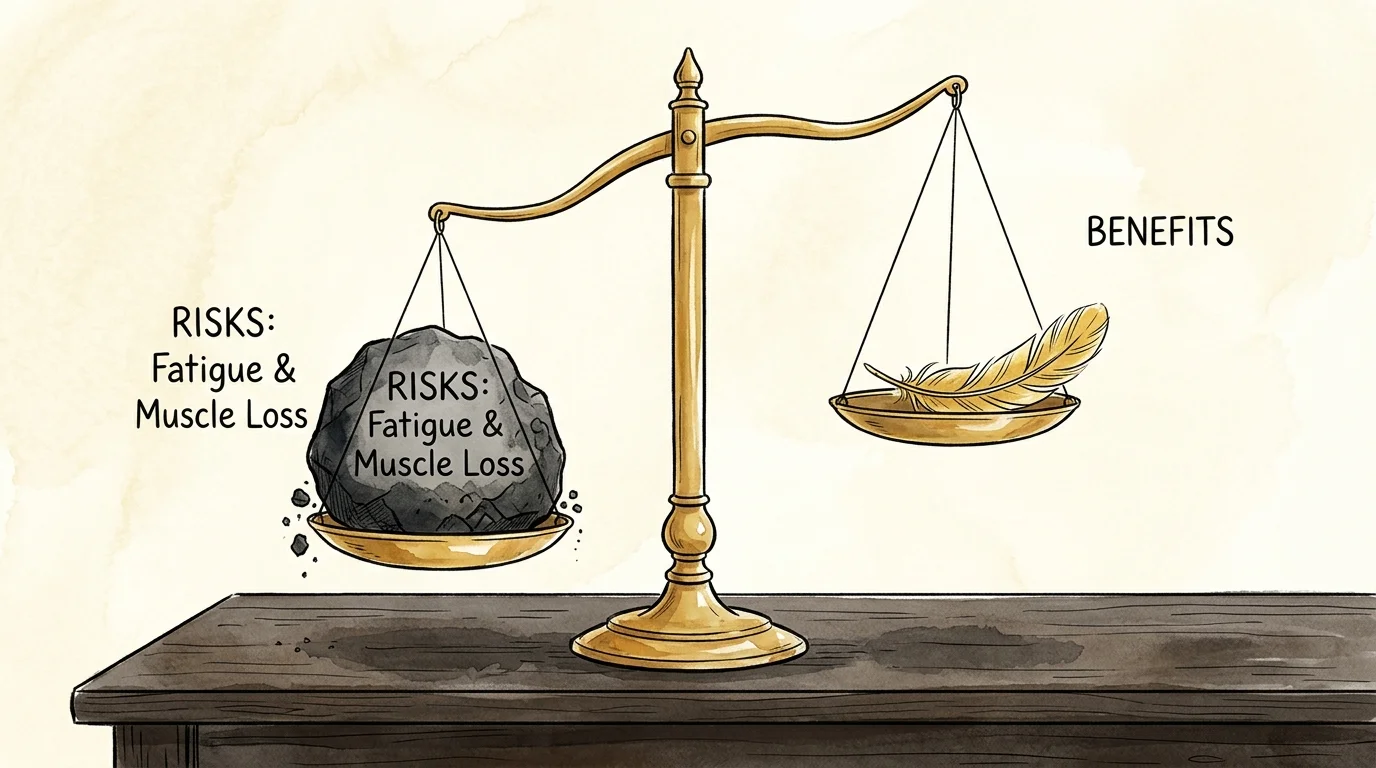
Modifying your eating habits under structured medical supervision can yield distinct health benefits for managing specific medical conditions. For example, limiting dietary sodium helps manage elevated blood pressure, while controlling refined carbohydrates assists in regulating blood glucose levels for individuals with type 2 diabetes. However, when dietary restriction becomes overly rigid or self-imposed without professional guidance, the potential physical and psychological hazards far outweigh any initial benefits.
The primary danger of severe restriction is the rapid onset of subclinical nutritional deficiencies that silently erode your health over time. Micronutrient shortages can lead to accelerated bone density loss, elevated osteoporotic fracture risks, cardiovascular strain, and severe metabolic slowdown. Psychologically, an overly strict eating plan often fosters an unhealthy obsession with food rules, elevated mealtime anxiety, and unnecessary social isolation when dining out with loved ones. Establishing a healthy eating balance means adopting flexible, sustainable nutritional patterns that protect your physical longevity while enhancing your daily quality of life.

What Health Experts and Research Recommend
Leading medical organizations continuously emphasize that restrictive dieting in older adulthood carries significant health risks. According to clinical guidance supported by the National Institutes of Health, older adults should focus on consuming nutrient-dense whole foods rather than pursuing aggressive caloric deficits or eliminating major nutrient classes. Nutrient-dense foods deliver robust quantities of essential vitamins, minerals, and lean protein per calorie, providing complete metabolic support without triggering weight loss that endangers lean muscle mass.
Clinical research highlighted by the Mayo Clinic demonstrates that restrictive eating patterns in mature adults significantly elevate the risk of osteopenia, iron-deficiency anemia, and impaired cognitive resilience. Furthermore, the Centers for Disease Control and Prevention advises that maintaining balanced nutrition and consistent physical activity protects physical independence far better than restrictive weight-loss protocols. Global health guidance from the World Health Organization reinforces these conclusions, noting that dietary diversity is the single most effective safeguard against chronic disease and functional decline as you age.

Actionable Steps to Restore Nutritional Balance
Reversing the negative impacts of an overly strict eating plan requires practical, gentle steps that restore genuine nourishment to your daily routine. You can transition toward a sustainable, nutrient-dense diet by implementing these expert-backed strategies today.
Consult with your primary care physician or a registered dietitian to review your current dietary habits. A comprehensive blood panel can evaluate your levels of vitamin D, vitamin B12, iron, and key electrolytes, allowing you to address specific nutrient shortfalls safely and precisely under professional medical supervision.
Shift your daily mindset from food elimination to strategic food addition. Instead of removing ingredients from your plate, ask yourself what nourishing components you can add—such as adding a handful of fresh spinach into a soup, topping oatmeal with crushed walnuts, or drizzling extra virgin olive oil over roasted vegetables.
Prioritize high-quality protein at every single meal to protect your functional muscle mass and skeletal health. Incorporate versatile, easily digestible sources such as eggs, Greek yogurt, poultry, wild-caught fish, beans, and organic tofu into your daily meal planning to ensure a continuous supply of essential amino acids.
Keep a gentle daily journal of your physical symptoms, appetite levels, and overall energy. Tracking how you feel after eating varied, complete meals will help you recognize which foods make you feel vibrant and strong while easing anxiety surrounding dietary flexibility.
Frequently Asked Questions
Is my diet too strict if I rely heavily on daily multivitamin supplements?
Yes, relying on multivitamin supplements to replace whole foods often indicates that your diet lacks natural balance. Dietary supplements cannot replicate the complex dietary fiber, healthy fats, and protective phytonutrients found naturally in real food, which your body needs for optimal nutrient absorption and health.
How do I know if I am getting enough protein as an older adult?
Most older adults require approximately 1.0 to 1.2 grams of protein per kilogram of body weight daily. If you experience unexpected muscle weakness, slow recovery after routine physical activity, or hair thinning, your daily protein intake may be falling short of your body’s baseline repair needs.
Can an overly restrictive diet cause permanent physical damage?
Prolonged severe restriction can lead to lasting bone loss or cardiovascular strain; however, most common symptoms—such as chronic fatigue, digestive distress, and skin changes—reverse rapidly once you restore complete, balanced nutrition to your daily lifestyle.
What should I do if my doctor prescribed a strict medical diet?
Always adhere to medically prescribed diets for health conditions like heart disease or renal illness, but report any distressing physical symptoms to your doctor promptly. Your physician can adjust your meal plan or recommend specialized oral supplements to ensure your medical protocol meets all your nutritional needs.
How quickly can I expect energy levels to improve after expanding my diet?
Many individuals notice improvements in mood, mental clarity, and digestive comfort within a few days of increasing energy and complex carbohydrate intake. Rebuilding lost muscle mass and fully restoring iron or vitamin stores typically takes several weeks to months of consistent, balanced nutrition.
Restoring Vitality and Nourishing Your Future
Nourishing your body with a balanced, varied diet remains one of the most effective ways to preserve your vitality, physical strength, and independence as you grow older. Pay close attention to the warning signals your body sends when food intake falls short of your true physiological needs. Rather than adhering strictly to rigid diet rules that drain your daily energy and mood, embrace flexible eating patterns centered on whole, nutrient-dense foods. By nourishing yourself adequately today, you empower your body to stay vibrant, active, and resilient for many healthy years to come.
This article is intended for informational and educational purposes only and is not a substitute for professional medical advice, diagnosis, or treatment. Always consult with a qualified healthcare provider regarding any health concerns or before making any decisions related to your health or treatment.