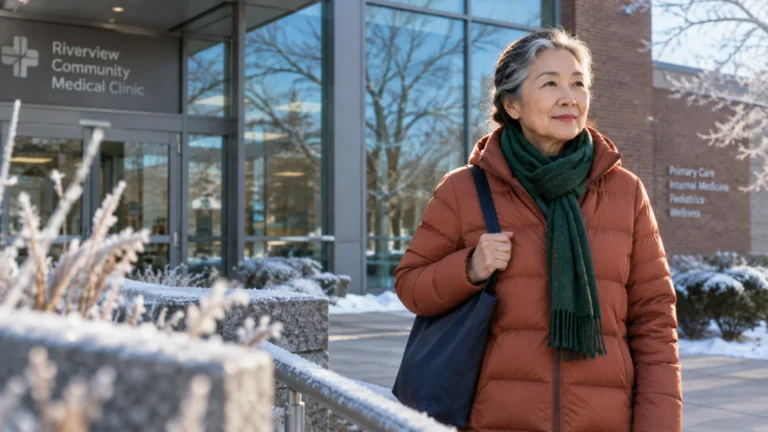
Reaching your 65th birthday marks a transformative chapter where focused daily routines yield immediate, profound improvements in your vitality, cognitive clarity, and physical independence. By tailoring your habits to match your body’s changing biological needs, you actively protect your health span and reduce your risk of chronic illness. Medical research demonstrates that simple, targeted adjustments to your diet, movement, sleep, and preventative care routine can offset age-related physical decline and significantly enhance your overall quality of life. Embracing proactive wellness habits after 65 empowers you to remain vibrant, mobile, and fully engaged with the activities and loved ones that bring joy to your daily journey.
Understanding Healthy Aging After 65
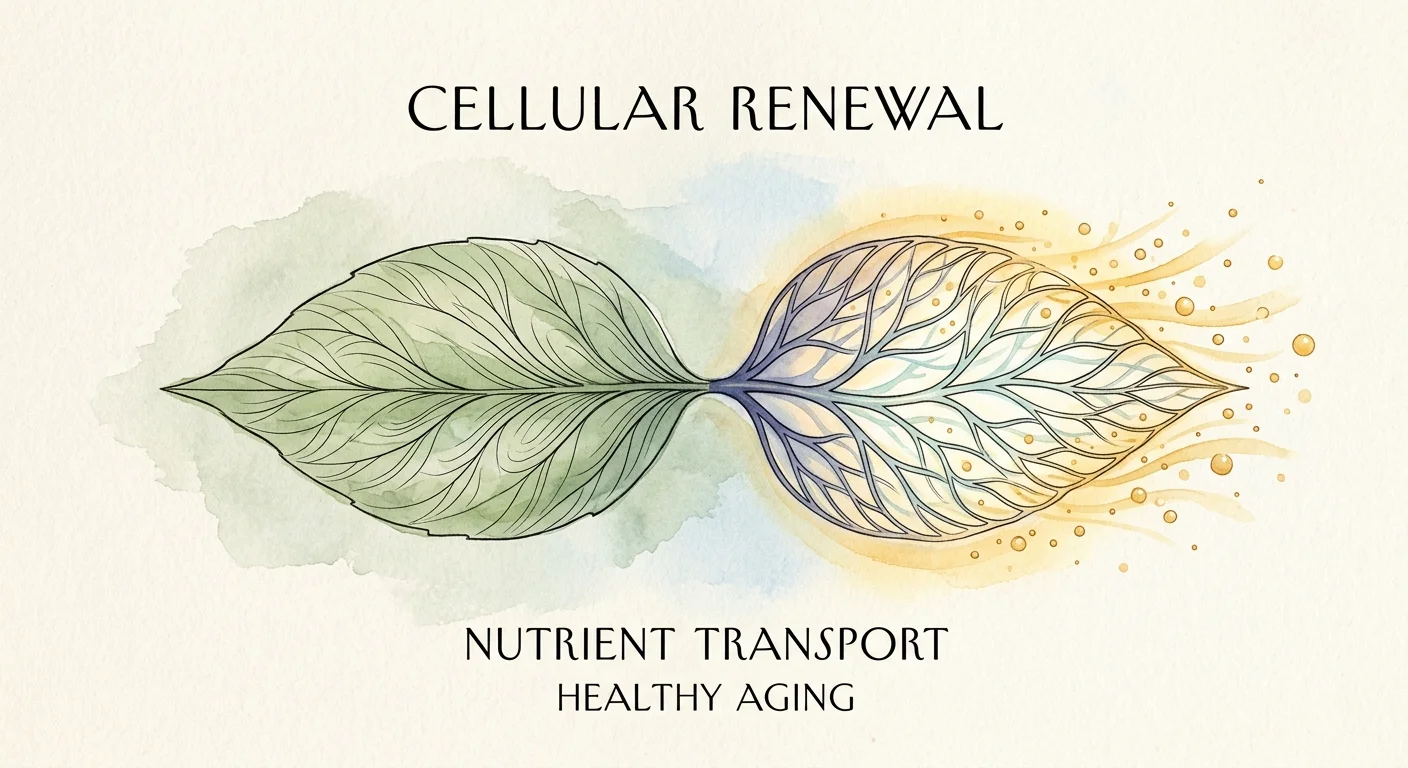
Healthy aging focuses on maximizing physical strength, mental sharpness, and emotional well-being as your body evolves over time. Beyond age 65, cellular renewal naturally slows down, metabolic efficiency decreases, and tissue repair mechanisms alter. However, chronological age represents only one dimension of your long-term health. Your daily choices, environmental exposures, and routine lifestyle practices exert a far greater influence on your functional independence and lifespan than genetic inheritance alone.
Understanding the internal mechanics of aging enables you to make informed, proactive wellness decisions. For instance, arterial walls gradually lose elasticity over time, requiring your heart to work slightly harder during everyday activities. Simultaneously, natural reductions in stomach acid production can hinder the efficient absorption of essential nutrients like vitamin B12 and calcium. Recognizing these normal physiological shifts allows you to view daily health habits as vital investments that directly preserve your energy, cognitive performance, and personal freedom.
Key Considerations for Seniors
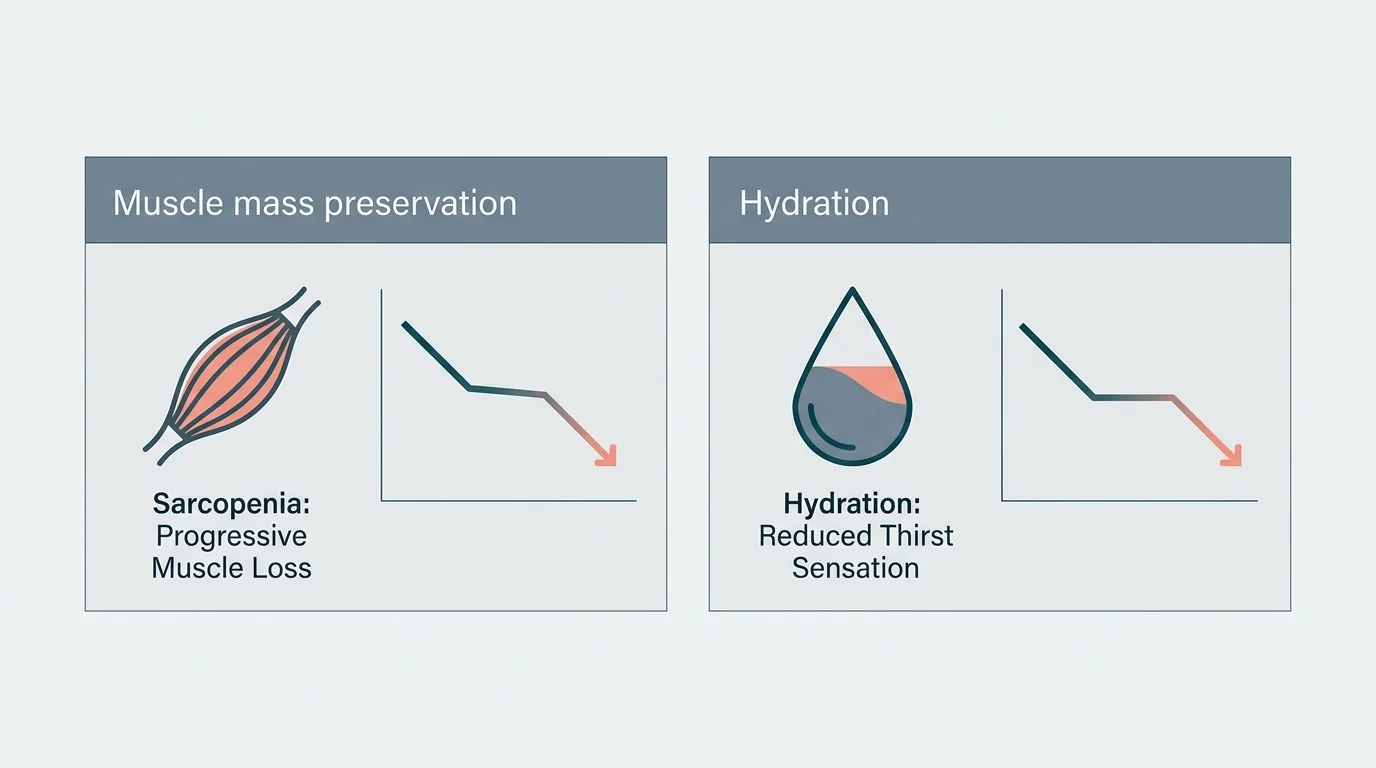
Aging introduces distinct biological changes that require a specialized, thoughtful approach to daily self-care. A primary consideration involves sarcopenia—the progressive loss of skeletal muscle mass and functional strength that accelerates after age 60. Without targeted dietary intervention and structured physical resistance work, older adults lose valuable muscle tissue each decade, increasing frailty and mobility challenges. Additionally, your body’s natural thirst sensation becomes less sensitive with age, leading to subtle cellular dehydration that strains kidney function and impairs brain performance.
Immune senescence further weakens your defenses as immune cells respond less dynamically to emerging pathogens. This biological shift increases susceptibility to severe viral infections and lengthens recovery periods after common illnesses. Furthermore, gradual reductions in bone mineral density heighten fracture risks from minor stumbles. Recognizing these natural vulnerabilities enables you to adapt your daily routines to protect your skeletal structure, bolster immune resilience, and maintain robust daily energy.
Benefits and Potential Risks
Adopting evidence-based health habits after 65 yields profound benefits across every area of your daily life. Consistent exercise and targeted nutrition drastically reduce the incidence of major chronic conditions, including type 2 diabetes, ischemic heart disease, hypertension, and cognitive decline. Maintaining physical strength allows you to perform routine daily tasks with ease, whether carrying heavy groceries, climbing stairs, or traveling comfortably. Mentally, establishing structured wellness routines improves mood, lowers systemic inflammation, and enhances sleep quality, fostering long-term emotional resilience.
Conversely, failing to adapt habits to your changing biology carries notable health risks. Undertaking high-intensity physical routines without balance training or proper warm-up periods increases your risk of joint injury or severe falls. Relying on unverified dietary supplements without medical consultation can trigger dangerous interactions with prescribed medications. Furthermore, neglecting routine preventive screenings allows asymptomatic conditions, such as early-stage glaucoma or silent hypertension, to progress unchecked. A balanced, doctor-guided approach ensures maximum health rewards while eliminating avoidable safety hazards.
What Clinical Guidelines and Experts Say
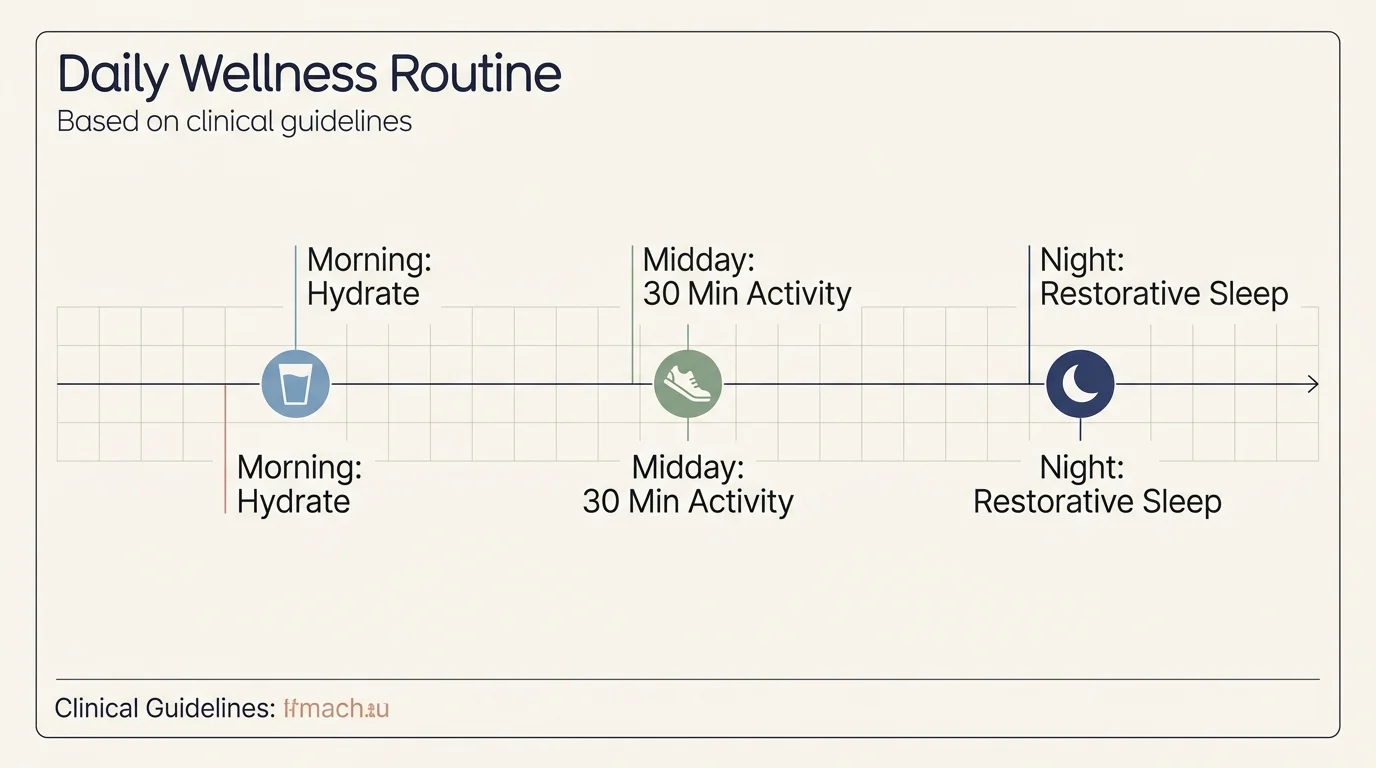
Leading health organizations stress that preventative medical care becomes increasingly vital during your senior years. The Centers for Disease Control and Prevention and the World Health Organization consistently highlight regular physical activity and balance training as essential tools for preserving independent living. Clinical guidelines confirm that simple daily interventions yield major compounding benefits when maintained consistently over long periods.
Experts from top medical institutions, including the Mayo Clinic and the National Institutes of Health, emphasize that senior health guidelines rest on solid scientific evidence. Observational studies demonstrate that increasing protein intake while engaging in regular resistance training effectively reverses age-related muscle loss. Sleep research confirms that restorative sleep clears metabolic waste products from brain tissue, protecting cognitive health. Medical consensus remains clear: daily lifestyle choices made after 65 directly shape your functional longevity and overall quality of life.
The 10 Essential Health Habits Doctors Recommend
Physicians specializing in geriatrics emphasize that prioritizing specific key habits yields the highest return on investment for adults over 65. Focusing on these evidence-based practices allows you to optimize your physical strength, mental sharpness, and long-term vitality.
1. Elevate Protein Intake to Preserve Muscle Mass
To counteract sarcopenia, clinical nutrition guidelines from the ESPEN and PROT-AGE study groups recommend that healthy adults over 65 consume 1.0 to 1.2 grams of protein per kilogram of body weight daily. This exceeds the standard adult recommendation of 0.8 grams per kilogram. During acute or chronic illness, guidelines suggest increasing intake to 1.2 to 1.5 grams per kilogram daily to prevent muscle wasting. Incorporating protein-dense foods like eggs, poultry, wild fish, Greek yogurt, tofu, and legumes into every meal preserves functional strength and physical stamina.
2. Accumulate 150 Minutes of Aerobic Movement and Balance Work
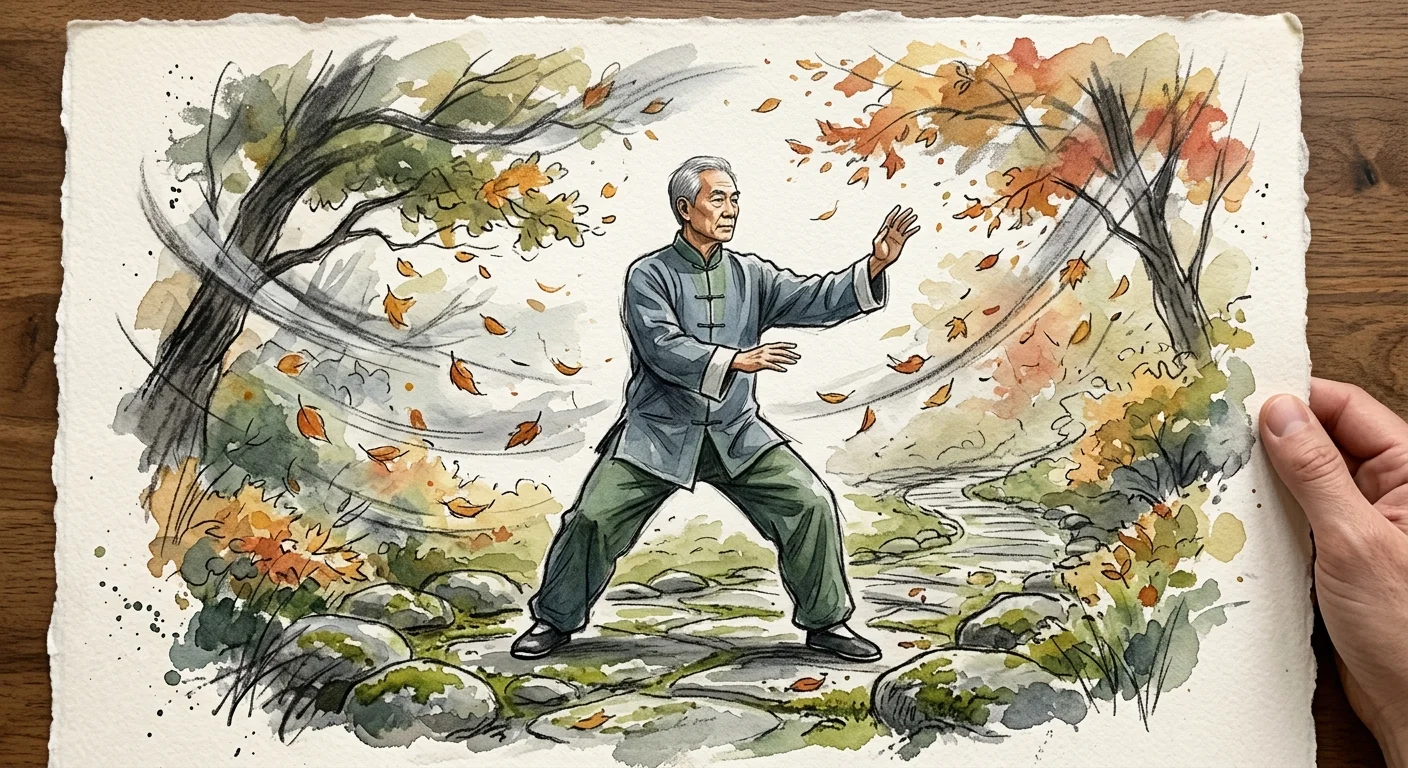
Physical activity remains vital for longevity and movement. Guidelines from the CDC and WHO advise adults aged 65 and older to complete at least 150 minutes of moderate-intensity aerobic exercise weekly, such as brisk walking or swimming, along with muscle-strengthening activities on two or more days. Furthermore, incorporating dedicated balance exercises—such as single-leg stands, heel-to-toe walking, or Tai Chi—helps prevent sudden falls and maintains physical stability in daily life.
3. Protect 7 to 8 Hours of Restorative Nightly Sleep
While sleep architecture shifts with age, total sleep requirements remain steady. The National Sleep Foundation specifies that adults aged 65 and older require 7 to 8 hours of sleep per night for optimal cognitive function, metabolic health, and immune support. Chronic sleep deprivation increases systemic inflammation and elevates cardiovascular risk. Maintain a consistent sleep schedule and keep your bedroom cool, quiet, and dark to promote restorative rest every night.
4. Perform Annual Fall Prevention Hazards and Risk Assessments
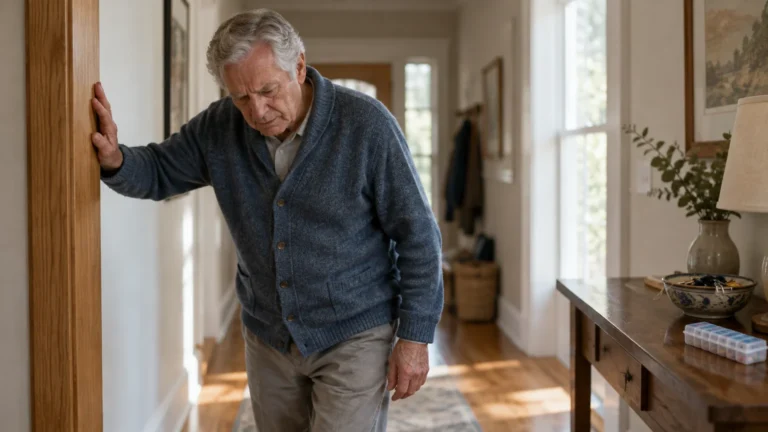
Falls represent a major risk to senior independence and mobility. Official CDC data indicates that over one in four (more than 14 million) U.S. adults aged 65 and older fall each year, making falls the leading cause of senior injury hospitalizations. Schedule annual fall risk assessments with your doctor to evaluate balance and gait. Additionally, review home safety by removing loose rugs, installing bathroom grab bars, securing stair handrails, and improving lighting.
5. Maintain Up-to-Date Immunizations and Specialized Vaccines
As immune function naturally declines with age, vaccinations provide essential defense against severe illness. The CDC recommends specific vaccines for adults 65 and older, including an annual high-dose or adjuvanted flu vaccine, an RSV vaccine, a two-dose Shingrix series for shingles prevention, pneumococcal vaccines, and updated COVID-19 immunizations. These targeted shots reduce hospitalization rates and lower severe complications significantly.
6. Schedule Comprehensive Vision and Eye Exams Every 1 to 2 Years
Clear vision is crucial for maintaining balance, mobility, and spatial orientation. Clinical guidelines from the American Academy of Ophthalmology recommend comprehensive eye exams every 1 to 2 years for adults aged 65 and older. Regular exams detect asymptomatic conditions like glaucoma, age-related macular degeneration, diabetic retinopathy, and cataracts early, protecting visual sharpness and independent living.
7. Hydrate Intentionally Throughout the Day
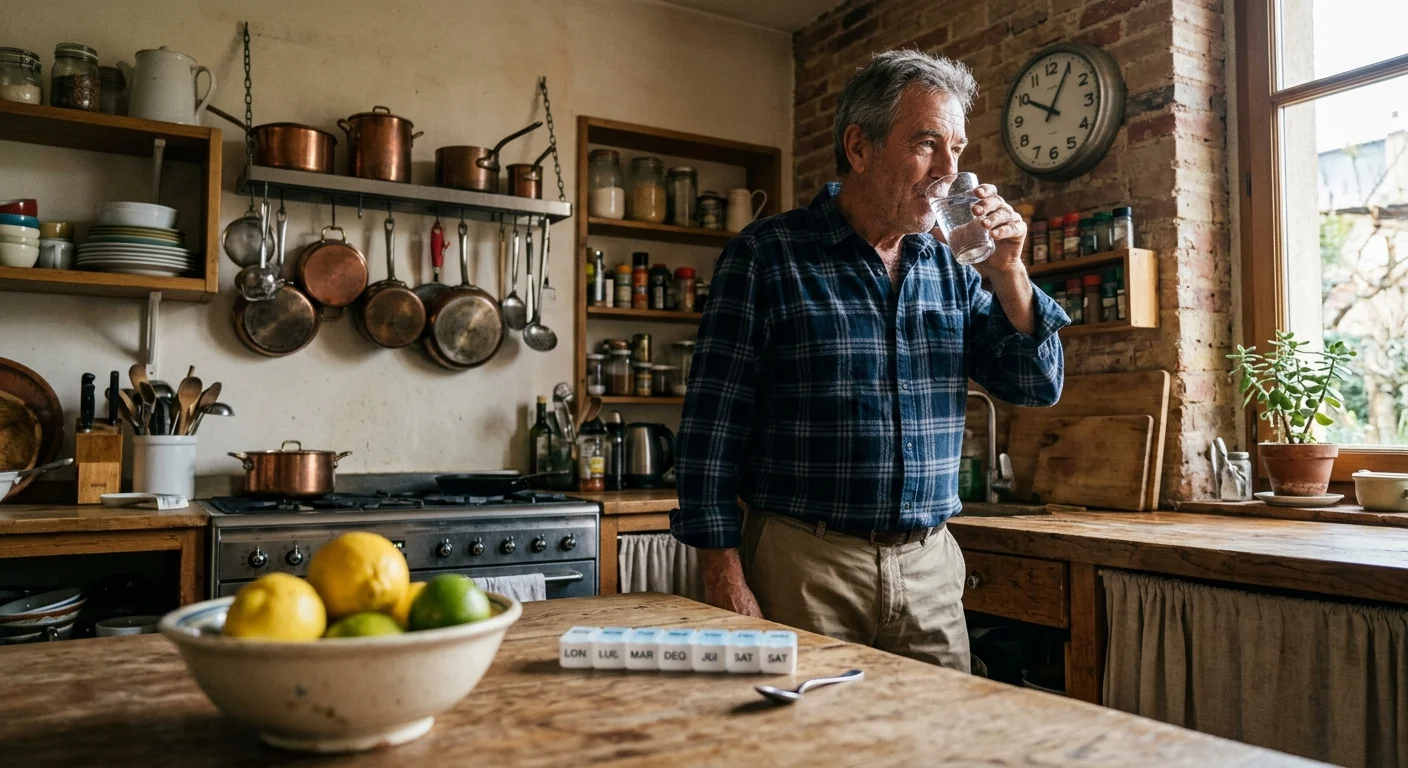
Because the physiological sensation of thirst declines with age, relying on thirst alone can lead to unintended dehydration. Subtle dehydration causes fatigue, dizziness, joint stiffness, constipation, and kidney stress. Drink water continuously throughout the day, enjoy herbal teas, and eat water-rich foods like soups, cucumbers, oranges, and melons to maintain optimal cellular hydration effortlessly.
8. Maintain Active Social Connections and Mental Stimulation
Social isolation poses severe risks to cognitive and emotional health in older adults. Doctors emphasize that maintaining strong social ties protects brain function and emotional resilience. Participate in community groups, volunteer work, or family gatherings. Combine social interaction with brain exercises like learning a language, playing board games, or reading to build cognitive reserve that shields against neurodegenerative changes.
9. Conduct Comprehensive Medication Reviews
Managing multiple medications increases the risk of unexpected side effects, drug interactions, and dizziness. Schedule an annual medication review with your primary care physician or pharmacist. Bring all prescription drugs, over-the-counter medicines, vitamins, and supplements to ensure appropriate dosages, avoid harmful interactions, and eliminate unnecessary treatments safely.
10. Practice Daily Joint Mobility and Core Flexibility
Maintaining joint mobility keeps everyday physical movements smooth and comfortable. Aging thins cartilage and stiffens ligaments, reducing flexibility over time. Dedicate 10 to 15 minutes daily to gentle stretching or mobility drills to lubricate joints with synovial fluid. Strengthening core muscles improves balance, supports lower back health, and makes rising from chairs easier.
Practical Steps for Integrating Longevity Habits
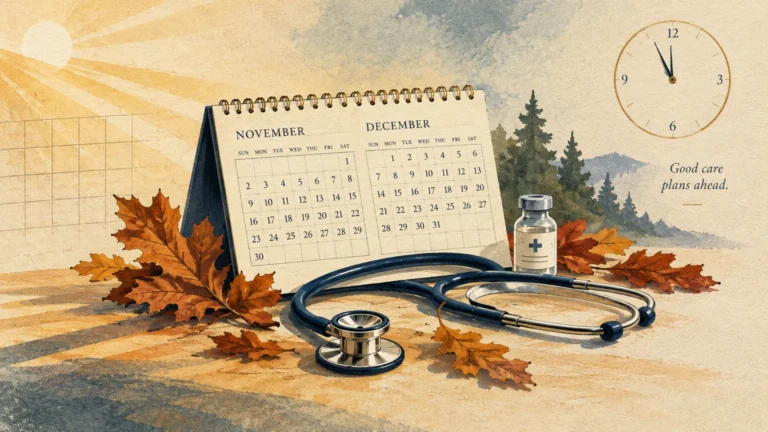
Integrating new health habits into your daily life does not require a dramatic, stressful overhaul. Start by choosing two or three manageable habits, such as adding extra protein to breakfast or taking a daily brisk walk. Once these behaviors become natural, gradually layer in additional healthy practices. Using visual trackers, such as a refrigerator checklist or calendar reminders, helps reinforce your routines and track progress.
Partnering with your medical provider ensures safe, effective progress. Before starting new exercise programs or dietary changes, consult your physician to establish a baseline and identify personal risk factors. Share your health goals with family members or friends to build an encouraging support system that maintains your motivation and accountability over time.
Frequently Asked Questions
Is it safe to start a new exercise routine after age 65 if I have been inactive for years?
Yes, starting an exercise program after age 65 is highly beneficial and safe when approached gradually. Medical research demonstrates that adults of any age build valuable muscle, improve cardiovascular fitness, and enhance balance through tailored exercise. Begin with low-impact activities like gentle walking, water aerobics, or stationary cycling, and consult your primary care doctor before starting.
How can I easily determine if I am consuming enough daily protein?
Calculate your daily protein target by dividing your weight in pounds by 2.2 to find your weight in kilograms, then multiply by 1.0 to 1.2. For instance, a healthy 150-pound adult weighs roughly 68 kilograms, requiring 68 to 82 grams daily. Achieve this by including protein sources like eggs, poultry, fish, Greek yogurt, or legumes in each meal.
Why do seniors require specialized formulations for flu and shingles vaccines?
Aging weakens antibody responses to standard vaccines, a process known as immune senescence. Specialized high-dose flu shots contain higher antigen levels to generate stronger protection in older adults. Similarly, the Shingrix series provides over 90 percent protection against shingles and painful nerve complications for seniors.
How does poor vision increase fall risks in older adults?
Vision provides vital spatial cues that your brain uses for balance and depth perception. Age-related visual changes make it difficult to spot floor obstacles, steps, or uneven ground clearly. Regular eye exams ensure accurate prescriptions and early treatment of visual conditions, helping maintain stability.
What items should I bring to an annual medication review with my doctor?
Bring all current prescription bottles, over-the-counter medicines, pain relievers, vitamins, and supplements to your appointment in a bag. Include a written list describing how often you take each item and any side effects or dizziness you experience. This complete picture allows your provider to optimize your prescriptions safely.
Empowering Your Longevity Journey
Advancing beyond age 65 offers a unique opportunity to take active control of your physical health, mental clarity, and independent lifestyle. Prioritizing core health habits—such as eating sufficient protein, exercising regularly, prioritizing sleep, staying vaccinated, and receiving routine screenings—creates a sturdy foundation for long-term vitality. Small, consistent daily choices compound over time, ensuring you remain active, energetic, and fully empowered to enjoy the years ahead.
This article is intended for informational and educational purposes only and is not a substitute for professional medical advice, diagnosis, or treatment. Always consult with a qualified healthcare provider regarding any health concerns or before making any decisions related to your health or treatment.