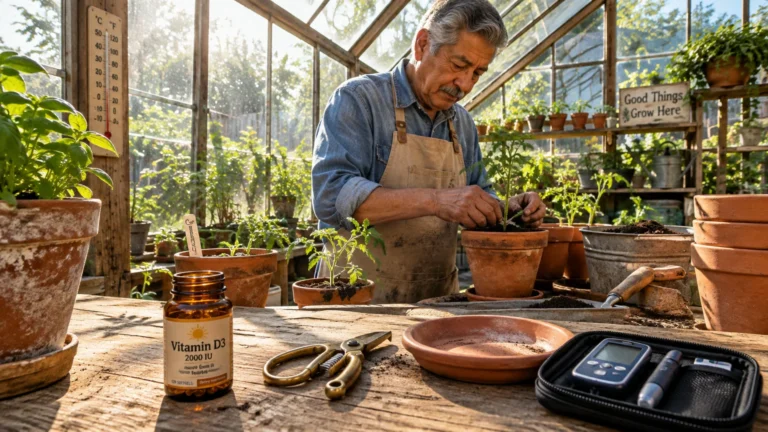
You can maintain fluid, pain-free physical mobility well into your seventies, eighties, and beyond by practicing proactive daily joint routines. These proven habits protect your functional independence and keep you fully engaged in your favorite activities.
Aging naturally alters your cartilage, tendons, and natural lubricating fluid over time. However, debilitating stiffness and daily aches are not inevitable consequences of getting older.
Implementing deliberate habits for healthy joints protects your cartilage, reinforces stabilizing muscles, and keeps your body moving with confidence. Consistent care today prevents unnecessary physical limitations tomorrow.

Understanding the Basics of Joint Health
Joints are the dynamic junctions where two or more bones connect to facilitate fluid movement. They allow your skeletal framework to bend, pivot, stride, and carry weight through daily life.
Articular cartilage forms a smooth, rubbery layer of protective tissue capping the ends of these connecting bones. This resilient substance functions as an essential shock absorber, preventing bone-on-bone friction during movement.
A specialized connective tissue called the synovial membrane encloses each movable joint capsule. This membrane continuously produces synovial fluid, a viscous biological lubricant that nourishes cartilage cells and minimizes friction.
Ligaments bind your bones together, creating a tough capsule that prevents abnormal joint displacement. Tendons bridge your muscles to your bones, translating muscular contractions into physical motion.
When these interconnected components remain healthy, your joints carry physical loads effortlessly. Caring for every component clarifies why joint pain prevention requires a proactive lifestyle approach.

Key Joint Health Considerations for Seniors
Biological aging brings noticeable physiological shifts to your connective tissues and musculoskeletal system. Over time, your cartilage naturally loses water content, reducing its elasticity and shock-absorbing capacity.
Cellular changes also slow the natural renewal of synovial fluid within your joint capsules. Diminished lubrication frequently causes morning stiffness and a temporary sensation of tightness when you start moving.
Age-related muscle loss, known clinically as sarcopenia, compounds joint strain by weakening stabilizing structures. When your surrounding muscles weaken, excessive physical force transfers directly onto vulnerable joint surfaces.
Tendons and ligaments also undergo collagen remodeling, becoming stiffer and less pliant over time. This structural stiffness reduces your overall range of motion and elevates your vulnerability to accidental strains.
Low-grade systemic inflammation frequently increases with age, accelerating the degradation of cartilage proteins. Prioritizing aging and joint care helps manage these physiological vulnerabilities before they compromise your functional independence.

10 Daily Habits for Lifelong Joint Support
1. Prioritize Low-Impact Aerobic Exercise
Low-impact aerobic activities stimulate synovial fluid production without subjecting cartilage to harsh impacts. Swimming, cycling, and brisk walking gently compress cartilage, circulating vital nutrients throughout the joint space.
Water aerobics offers buoyant support that relieves up to ninety percent of your body weight off hips and knees. This buoyancy allows you to build cardiovascular endurance without post-exercise soreness.
Strive for thirty minutes of moderate low-impact movement five days each week. Consistency matters far more than intense exertion when preserving your joint function.
2. Build Surrounding Muscle Strength
Strong muscles act as internal shock absorbers that shield joint capsules from excessive force. Strengthening surrounding muscles relieves mechanical stress on underlying cartilage.
Focus on targeted exercises for joint health that reinforce your quadriceps, hamstrings, glutes, and core. Gentle movements like chair squats, wall push-ups, and seated leg extensions deliver substantial protective benefits.
Perform resistance exercises two to three days per week using light weights or resistance bands. Always execute each movement with controlled motions through a comfortable, pain-free range of motion.
3. Maintain an Optimal Body Weight
Carrying excess body weight multiplies pressure across your weight-bearing joints. Every pound of body weight places roughly four pounds of force on your knees with every stride.
Losing just ten pounds removes forty pounds of compressive load from your knees during routine daily walking. Over thousands of daily steps, this pressure reduction preserves your remaining cartilage.
Visceral body fat also functions as active tissue, continually releasing pro-inflammatory molecules called cytokines. Achieving a balanced weight quiets this biochemical inflammation, directly reducing systemic joint pain.
4. Eat an Anti-Inflammatory Diet
Your daily dietary choices significantly impact systemic inflammation and joint cartilage integrity. Incorporating whole, nutrient-dense foods suppresses cellular inflammatory pathways, soothing joint discomfort from within your body.
Consume fatty fish like salmon, sardines, and trout twice weekly to obtain powerful omega-3 fatty acids. These healthy fats inhibit inflammatory enzymes that degrade cartilage proteins over time.
Fill your plate with deeply colored berries, leafy greens, extra virgin olive oil, and walnuts. These foods deliver abundant antioxidants that neutralize free radicals before they damage joint tissues.
5. Stay Consistently Hydrated
Healthy cartilage consists of nearly eighty percent water, providing essential shock-absorbing capability. Inadequate fluid intake robs cartilage of moisture, making it stiffer and prone to mechanical damage.
Synovial fluid requires abundant water to maintain its slippery, gel-like consistency between moving bones. When you become dehydrated, this fluid thins out, increasing friction and causing joint irritation during movement.
Drink pure water steadily throughout your day rather than waiting until you feel thirsty. Enjoying herbal teas and water-rich produce like cucumbers and melons also supports your hydration targets.
6. Practice Joint-Friendly Posture
Proper postural alignment evenly distributes body weight, preventing uneven joint strain. Chronic slouching forces your spinal joints and neck to bear unnatural mechanical loads.
Maintain a neutral spine by drawing your shoulders back and balancing your head over your neck. When standing, distribute your body weight evenly across both feet rather than leaning into one hip.
Choose ergonomic seating that supports the natural inward curve of your lower back. Avoid crossing your legs at the knees, which twists your pelvis and strains your hip joints.
7. Warm Up and Cool Down Thoroughly
Starting activity with cold muscles invites joint injuries and tendon strain. A deliberate warm-up elevates muscle temperature, loosens tissues, and stimulates protective synovial fluid flow.
Spend five to ten minutes engaging in dynamic movements like gentle arm circles and marching in place. These fluid motions prepare your joints for physical exertion without overtaxing your cartilage.
Conclude your physical sessions with gentle static stretching to release muscular tightness. Elongating warm muscles prevents tight bands of tissue from pulling your joints out of proper alignment.
8. Wear Supportive, Shock-Absorbing Footwear
Your shoes form the primary foundation for your skeletal system during movement. Footwear lacking cushioning or arch support forces your knees and hips to absorb jarring impacts.
Select walking shoes equipped with firm heel counters, arch support, and resilient, shock-absorbing midsoles. Avoid completely flat shoes, worn-out sneakers, or elevated heels that distort your natural walking gait.
Replace your walking shoes every three hundred to five hundred miles, or when midsoles show permanent creases. Maintaining fresh cushioning protects your lower joints from repetitive stress injuries.
9. Incorporate Daily Range-of-Motion Exercises
Joint mobility declines rapidly when you fail to move your limbs through their full physical range each day. Performing gentle mobility drills keeps your joint capsules elastic and prevents progressive joint contractures as you age.
Practice shoulder sweeps, seated spinal twists, and ankle circles every morning to banish stiffness. Moving each joint through a pain-free range distributes synovial fluid across every square millimeter of cartilage.
Explore restorative practices such as gentle yoga or tai chi to improve balance and flexibility simultaneously. These calm disciplines promote functional coordination while protecting your joints from abrupt impacts.
10. Respect Early Pain Signals
Pushing through acute joint pain is a mistake that accelerates joint deterioration. You must distinguish between mild muscle fatigue and the warning signals of joint distress.
Sharp, stabbing, or hot pain indicates that you are overloading cartilage, ligaments, or joint capsules. When you encounter these sensations, halt your current activity immediately to avoid inflicting damage.
Modify problematic movements by reducing resistance, shortening your range of motion, or switching exercises. Respecting your physical boundaries keeps minor irritations from snowballing into chronic joint impairment.

Benefits and Potential Risks of Joint Interventions
Adopting proactive joint habits produces wide-ranging physical benefits that extend far beyond simple pain reduction. Preserving joint mobility supports steady balance, reduces accidental fall risks, and maintains your ability to live independently.
Consistent movement routines also enhance mood, improve cardiovascular health, and reduce reliance on oral pain medications. These positive outcomes foster a vibrant, self-reliant lifestyle throughout your retirement years.
Nevertheless, joint preservation strategies carry potential risks if you approach them without sensible moderation. Embarking on aggressive workouts or using faulty exercise form can provoke bursitis, tendinitis, or cartilage tears.
Overtraining without sufficient rest deprives your joints of the recovery time necessary to rebuild connective tissues. Always balance challenging physical days with gentle restorative sessions to prevent chronic overuse syndromes.
Consult your medical provider before introducing new dietary supplements or high-intensity exercise programs into your routine. Informed medical guidance ensures that your joint preservation plan remains both safe and effective.

What the Experts Say About Joint Longevity
Leading medical authorities agree that staying physically active is the single most effective defense against age-related joint decline. According to the National Institutes of Health, consistent low-impact exercise stimulates cartilage nourishment and prevents functional impairment in older adults.
Public health guidelines from the Centers for Disease Control and Prevention indicate that physical activity reduces arthritis-related pain by roughly forty percent. The agency strongly urges seniors to combine low-impact aerobic exercise with regular muscle-strengthening routines.
Orthopedic specialists at the Mayo Clinic emphasize that maintaining a healthy body weight directly relieves mechanical joint stress. Their published clinical guidance notes that weight control significantly reduces both mechanical wear and systemic inflammatory biomarkers.
Modern rheumatologists firmly reject the outdated notion that resting painful joints indefinitely is an effective healing strategy. Clinical evidence demonstrates that prolonged rest weakens supporting muscles and accelerates joint stiffening over time.
Orthopedic experts underscore that early intervention yields dramatically better functional outcomes than delaying treatment until severe damage occurs. Proactive care keeps minor joint complaints from progressing into disabling mobility loss.

Practical Steps and Actionable Advice for Daily Living
Translating health principles into tangible actions requires making small, sustainable adjustments. Start by evaluating your living space to eliminate unnecessary physical strain on your knees and hips.
When lifting laundry baskets or groceries, hinge at your hips and bend your knees rather than rounding your spine. Hold heavy objects close against your torso to minimize torque on your shoulder and spinal joints.
Break up prolonged sitting by standing, stretching, or walking for two minutes every thirty minutes. Setting a gentle recurring alarm on your phone helps reinforce this beneficial habit throughout the day.
Organize your kitchen cabinets and pantry so that everyday cooking essentials remain stored between waist and eye level. Utilizing adaptive tools like jar openers and reachers protects your hands and shoulders from painful strain.
Schedule an annual joint health review with your primary care doctor or a licensed physical therapist. Ask your clinician to evaluate your walking gait and muscular strength to identify early movement imbalances.
Request guidance on joint-friendly exercises suited to your medical history, and ask if bone density screening is advisable. Reviewing your daily medications ensures that none are contributing to joint aches or muscle weakness.
Frequently Asked Questions About Joint Care
Can damaged joint cartilage repair itself naturally?
Articular cartilage has virtually no direct blood supply, which severely limits its capacity to regenerate once damaged. However, dedicated joint care habits can strengthen surrounding tissues and stop further cartilage erosion from taking place.
Early lifestyle intervention optimizes synovial fluid circulation, helping your remaining cartilage function smoothly for decades without requiring invasive surgery.
Is walking safe and beneficial for arthritic knees?
Walking is one of the safest, most beneficial exercises for individuals coping with mild to moderate knee arthritis. Regular walking stimulates natural joint lubrication, reinforces supporting leg musculature, and relieves persistent morning stiffness.
Always wear supportive, shock-absorbing footwear and choose forgiving surfaces like rubberized tracks or level grass rather than hard asphalt.
Do glucosamine and chondroitin supplements actually work?
Scientific studies evaluating glucosamine and chondroitin have yielded mixed results across diverse clinical patient groups. While some individuals report noticeable improvements in joint comfort, clinical trials show benefits comparable to placebo treatments for others.
Speak with your physician before beginning these supplements to verify safety and ensure they will not interact with prescription drugs.
Why do joints pop and crack, and is it harmful?
Benign joint popping, known clinically as crepitus, usually results from harmless gas bubbles bursting in synovial fluid or tendons sliding over bone. If these popping sounds occur without pain, heat, or swelling, they are entirely harmless.
Conversely, if your joint cracking accompanies sharp pain, sudden swelling, or joint instability, consult an orthopedic specialist promptly.
How do I know when joint pain requires medical attention?
You should seek medical evaluation if joint discomfort follows a traumatic fall, causes rapid swelling, or produces visible deformity. Immediate professional care is also necessary if you cannot bear body weight on the affected limb.
In addition, schedule an appointment if persistent joint pain disrupts your sleep or fails to improve after several days of rest.
Does cold or wet weather truly worsen joint pain?
Many seniors experience heightened joint stiffness when barometric pressure drops ahead of cold fronts or heavy rainstorms. Lower atmospheric pressure can cause inflamed joint tissues to expand subtly, irritating sensitive sensory nerves.
Wearing warm layers, applying moist heat, and staying active indoors can effectively counteract these weather-induced joint aches.
Final Thoughts on Preserving Your Mobility
Protecting your joint health is an empowering, lifelong commitment that preserves your physical independence and active lifestyle. You do not need extreme fitness regimens or complicated protocols to achieve lasting joint comfort.
Consistent everyday habits like drinking adequate water, practicing low-impact exercise, and maintaining an optimal weight produce extraordinary protective dividends. These sustainable routines safeguard your cartilage and keep your joints moving freely.
Commit to joint wellness today by selecting two or three protective habits to incorporate into your daily schedule. Your dedicated efforts will reward you with vibrant mobility, fluid comfort, and lasting vitality for years to come.
This article is intended for informational and educational purposes only and is not a substitute for professional medical advice, diagnosis, or treatment. Always consult with a qualified healthcare provider regarding any health concerns or before making any decisions related to your health or treatment.