
Cutting through supplement aisle marketing can save your hard-earned budget and protect your health. Focusing on targeted nutrients backed by solid evidence delivers real vitality; taking random pills often creates expensive waste.
While older bodies absorb certain vitamins less efficiently, not every bottled promise delivers results. Knowing which supplements preserve physical strength and which ones you should discard gives you complete control over your daily wellness routine.
Clear medical evidence shows that smart, selective choices provide genuine health protection. Here is how you can separate essential daily nutrients from useless formulas.
Understanding the Basics of Dietary Supplements
Dietary supplements include vitamins, minerals, herbs, amino acids, and concentrated plant compounds designed to augment your daily nutritional intake. Manufacturers produce these products in capsules, powders, liquids, and chewable tablets.
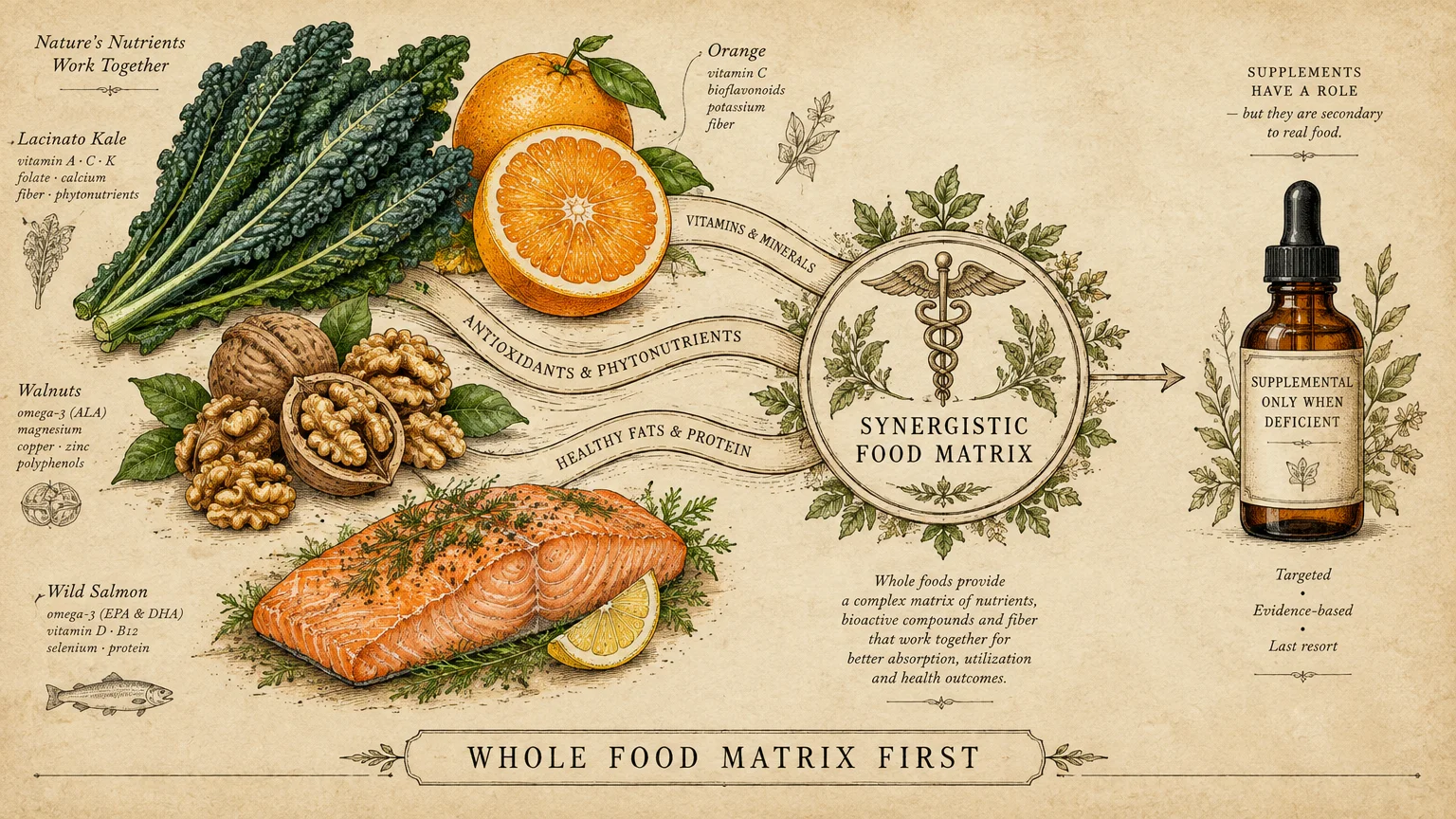
Supplements do not replace real food. Whole foods supply complex combinations of dietary fiber, natural antioxidants, and trace elements that work synergistically inside your body.
Isolated laboratory extracts cannot duplicate the intricate biochemical matrix found in whole fruits, vegetables, and whole grains. You absorb nutrients far more effectively when you ingest them in their natural dietary forms.
Many consumers assume federal regulators rigorously screen these commercial formulas before they reach store shelves. However, federal oversight operates under an entirely different set of standards than prescription pharmaceutical controls.
The Dietary Supplement Health and Education Act of 1994 dictates how the United States governs these products. Under this framework, the U.S. Food and Drug Administration does not approve dietary supplements for safety or effectiveness before companies market them.
Manufacturers bear the legal responsibility for evaluating product safety and label accuracy. The regulatory agency can intervene only after adulterated, contaminated, or misbranded products cause documented harm to the public.
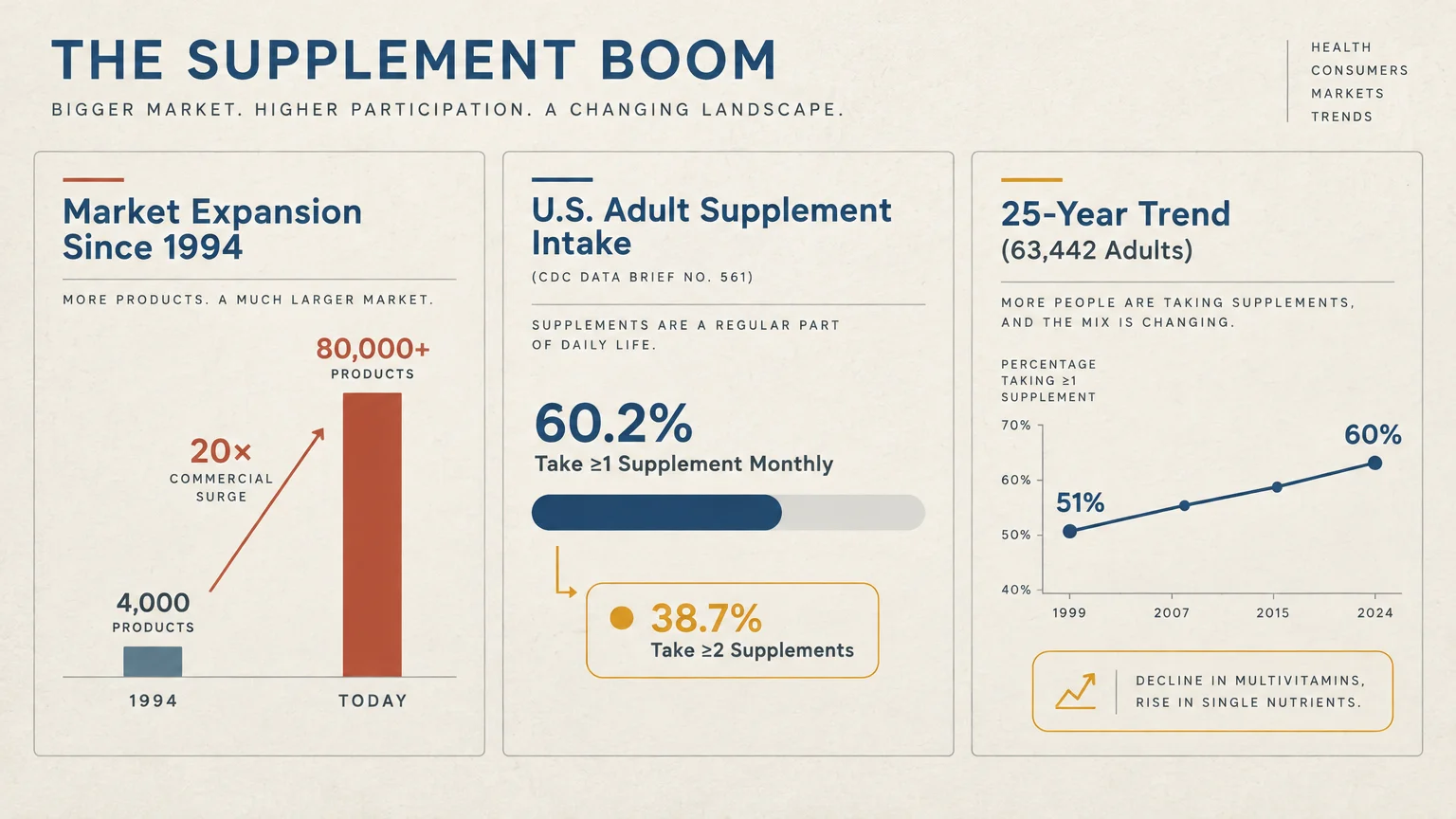
This regulatory environment triggered massive industry expansion over the past three decades. When Congress enacted the law in 1994, roughly 4,000 unique supplement products occupied store shelves.
Today, that commercial marketplace has expanded twentyfold to encompass over 80,000 distinct supplement products. Navigating this vast sea of choices requires careful discernment and clinical evidence.
Supplement consumption has reached historic levels among American households. Data from the Centers for Disease Control and Prevention highlights just how pervasive these products have become.
According to the CDC’s National Center for Health Statistics Data Brief No. 561, published in May 2026, 60.2% of American adults aged 20 and older took at least one supplement during the past month.
The same federal analysis revealed that 38.7% of adults consume two or more supplements simultaneously. Among children and adolescents up to age 19, 35.7% use dietary supplements regularly.
Long-term trends demonstrate that consumer habits are shifting rapidly. A 25-year cross-sectional study of 63,442 adults published in June 2026 documented that overall adult supplement use climbed from 51% to 60%.
Interestingly, researchers found that traditional multivitamin formulas experienced a steady decline in popularity. Meanwhile, sales of single vitamins, minerals, and targeted herbal compounds increased substantially.

Key Considerations for Older Adults
Your biological needs change significantly as you move beyond age 60. Natural physiological shifts alter how your gastrointestinal tract breaks down, absorbs, and utilizes vital nutrients.
Stomach acid production often declines with advancing age due to atrophic gastritis or regular use of acid-suppressing heartburn medications. Lower acid levels prevent your stomach from liberating essential vitamins from food proteins.
Aging skin also synthesizes vitamin D with far less efficiency when exposed to natural sunlight. Consequently, older adults experience much higher rates of clinical vitamin D deficiency than younger populations.
Your renal system experiences structural changes that influence nutrient processing. Aging kidneys convert vitamin D into its active, hormonal form more slowly and clear metabolic waste products less rapidly.
Prescription drug use represents another crucial factor for seniors. Chronic health conditions often require multiple daily medications, creating fertile ground for unintended drug-nutrient interactions.
Over-the-counter supplements can alter hepatic enzyme pathways, changing how your body metabolizes vital medications. Some common botanical extracts can dilute or amplify prescription drugs with dangerous consequences.
For instance, popular supplements marketed for memory or joint health can thin your blood unexpectedly. When combined with prescription anticoagulants, these products heighten your risk of dangerous internal bleeding.
The June 2026 25-year study observed that older adults increasingly purchase specialized products for joint health, digestion, and inflammation. Many seniors now prioritize single ingredients like probiotics, ginger, CoQ10, and fiber over generic multivitamins.
While targeted supplementation can support vitality, indiscriminate pill-taking introduces unnecessary physiological stress. Selecting only scientifically validated compounds protects your organ function and preserves your budget.
Supplements Worth Taking: The Evidence-Based List
Targeted supplementation serves a genuine medical purpose when your body cannot obtain adequate nutrition from food alone. Scientific consensus identifies several key nutrients that offer tangible benefits for older adults.
Vitamin D for Bone and Immune Health
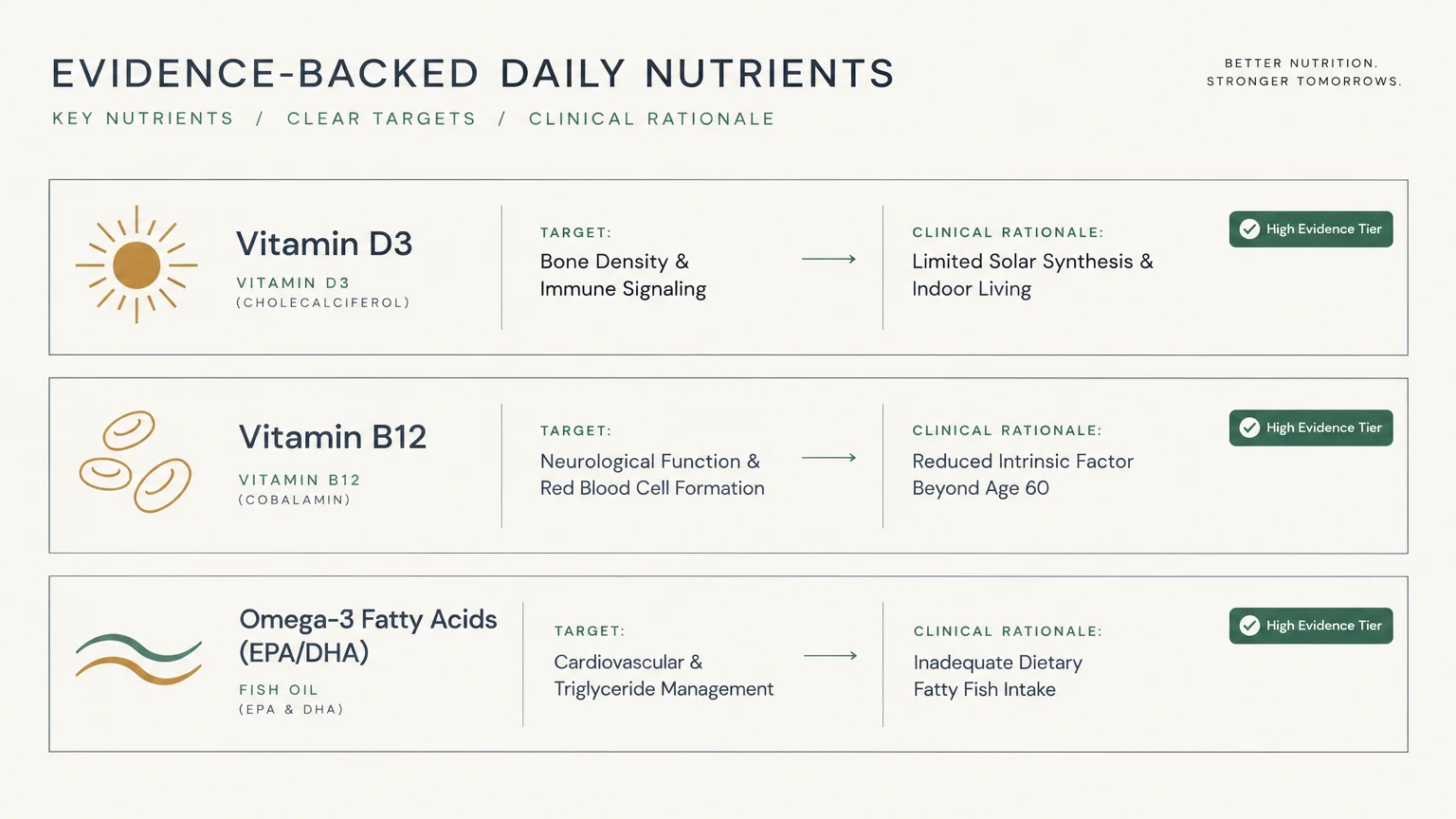
Vitamin D functions as a powerful master hormone that regulates calcium absorption, preserves bone density, and supports muscular coordination. Adequate levels significantly reduce your risk of debilitating osteoporotic fractures and balance-related falls.
Natural dietary sources of vitamin D remain extremely sparse, consisting primarily of fatty fish and fortified dairy products. Because sunlight synthesis decreases with age, natural exposure rarely satisfies daily physiological demands.
The latest edition of the Dietary Guidelines for Americans (2025–2030) explicitly designates vitamin D as a commonly underconsumed nutrient requiring focused attention. Most clinicians recommend routine blood testing to tailor your dosage accurately.
Maintaining optimal blood levels supports your innate immune defenses and regulates cellular repair processes. Asking your physician to measure your serum 25-hydroxyvitamin D level ensures you supplement safely and effectively.
Vitamin B12 for Neurological Protection
Vitamin B12 sustains healthy red blood cell formation, protects the myelin sheath surrounding your nerves, and supports cognitive processing. Deficiencies frequently cause severe fatigue, memory lapses, unsteady walking, and peripheral numbness.
Older adults struggle to absorb dietary B12 because aging stomachs produce less intrinsic factor and hydrochloric acid. Without these crucial components, your digestive tract cannot liberate B12 from animal proteins.
The Dietary Guidelines for Americans (2025–2030) specifically highlight targeted vitamin B12 supplementation for older adults and individuals following vegetarian or vegan diets. Synthetic B12 in supplements does not require gastric acid for absorption.
Taking a modest oral dose of crystalline vitamin B12 bypasses stomach acid limitations, allowing direct absorption through your intestinal walls. This simple daily step protects your cognitive faculties and maintains steady physical energy.
Omega-3 Fatty Acids for Heart and Brain Function
Omega-3 fatty acids, specifically eicosapentaenoic acid (EPA) and docosahexaenoic acid (DHA), provide potent anti-inflammatory protection throughout your cardiovascular and nervous systems. These essential fats help maintain cell membrane flexibility across every vital organ.
Clinical research confirms that omega-3 supplements lower elevated serum triglycerides and support arterial elasticity. Federal dietary guidance recognizes omega-3 fatty acids as valuable targeted supplements for adults who consume little seafood.
Older brains contain high concentrations of DHA, which supports synaptic transmission and preserves memory centers. If you consume fewer than two servings of fatty fish weekly, a purified fish oil or algal supplement offers substantial support.
Calcium: Food First with Targeted Supplementation
Calcium maintains the structural framework of your skeleton and enables proper cardiac muscle contraction. However, medical experts urge a cautious approach when considering high-dose calcium pills.
You should always prioritize dietary calcium from dairy products, fortified plant milks, leafy greens, and canned sardines. Food-derived calcium absorbs gradually, nourishing your bones without spiking blood calcium concentrations.
When dietary intake falls short, doctors recommend modest supplemental doses taken alongside vitamin D. Keeping individual supplemental doses small prevents excess calcium from accumulating in arterial walls.
Fiber and Targeted Digestive Support
Digestive sluggishness and changes in the gut microbiome commonly affect mature adults. Adequate fiber intake supports healthy bowel motility, stabilizes post-meal blood sugar levels, and nourishes beneficial gastrointestinal bacteria.
The 25-year study published in June 2026 documented a massive rise in non-vitamin supplements like soluble fiber and probiotics. Targeted fiber supplements help you bridge nutritional gaps when daily food intake remains low.
Supplements You Can Safely Skip
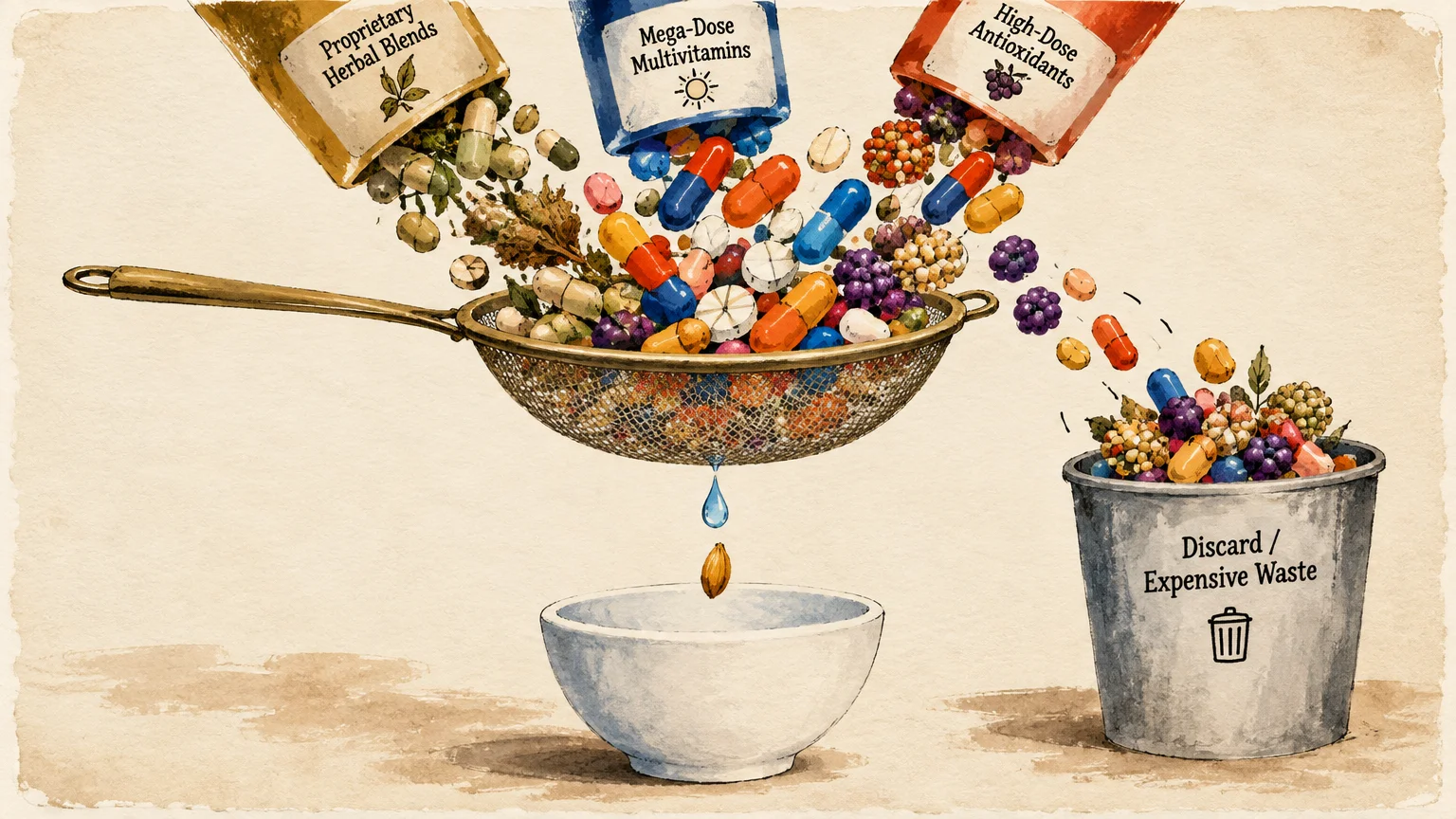
Clever marketing campaigns frequently convince seniors to buy expensive supplements that provide zero measurable health advantages. Diverting your money away from these unnecessary products protects your wallet and prevents unwanted metabolic strain.
Daily Multivitamins
Many adults take a daily multivitamin as an insurance policy against poor nutrition. However, rigorous clinical research reveals that broad-spectrum multivitamins fail to deliver meaningful protection against chronic illness.
A landmark cohort study led by the National Institutes of Health National Cancer Institute delivered definitive answers on this popular habit. Published on June 26, 2024, in JAMA Network Open, researchers evaluated 390,124 generally healthy U.S. adults.
The investigators tracked participant health outcomes over more than 20 years to assess longevity and disease incidence. The rigorous analysis revealed that daily multivitamin use does not lower the risk of heart disease, cancer, or all-cause mortality.
In fact, daily multivitamin users exhibited a slightly higher mortality risk—a 4% increase with a Hazard Ratio of 1.04—during initial follow-up periods compared to non-users. You can safely abandon generic multivitamin tablets in favor of real, wholesome foods.
Megadose Vitamin C
Pop culture claims that massive doses of vitamin C prevent viral infections, ward off common colds, and boost daily energy. Human physiology, however, strictly limits how much water-soluble ascorbic acid your intestinal tract can absorb.
Once your tissues reach full saturation, your kidneys rapidly excrete the surplus vitamin C through your urine. Taking megadoses wastes your money and significantly increases your risk of painful kidney stones and gastrointestinal cramps.
A single bell pepper, an orange, or a serving of strawberries easily supplies your body with all the vitamin C it requires. Trust whole fruits and vegetables rather than expensive chewables and fizzy drink powders.
High-Dose Vitamin E and Beta-Carotene
Manufacturers previously promoted antioxidant vitamins as miraculous shields against aging and cardiovascular decline. Decades of large-scale clinical trials have thoroughly disproven these theoretical benefits.
High-dose vitamin E supplements interfere with normal blood clotting mechanisms and correlate with elevated risks of hemorrhagic stroke. Clinical evidence demonstrates that high supplemental doses produce more cardiovascular harm than protection.
Beta-carotene supplements present even greater hazards for certain individuals. Major clinical studies revealed that synthetic beta-carotene pills significantly heighten lung cancer rates among smokers and former tobacco users.
You should consume beta-carotene safely through sweet potatoes, carrots, and spinach rather than isolated capsules. Natural food matrices allow your body to convert carotenoids into vitamin A strictly on demand.
Unregulated Memory Boosters and Vitality Pills
Television advertisements relentlessly target older adults with exotic herbal formulas promising to restore youthful memory and reverse mental decline. Ingredients like ginkgo biloba, unproven jellyfish proteins, and proprietary nootropic blends dominate these commercial pitches.
Independent clinical trials repeatedly demonstrate that these expensive concoctions fail to prevent dementia, enhance recall, or halt cognitive decline. Furthermore, these proprietary blends carry substantial risks of unlisted contaminants and dangerous medication interactions.
Benefits and Potential Risks of Supplementation
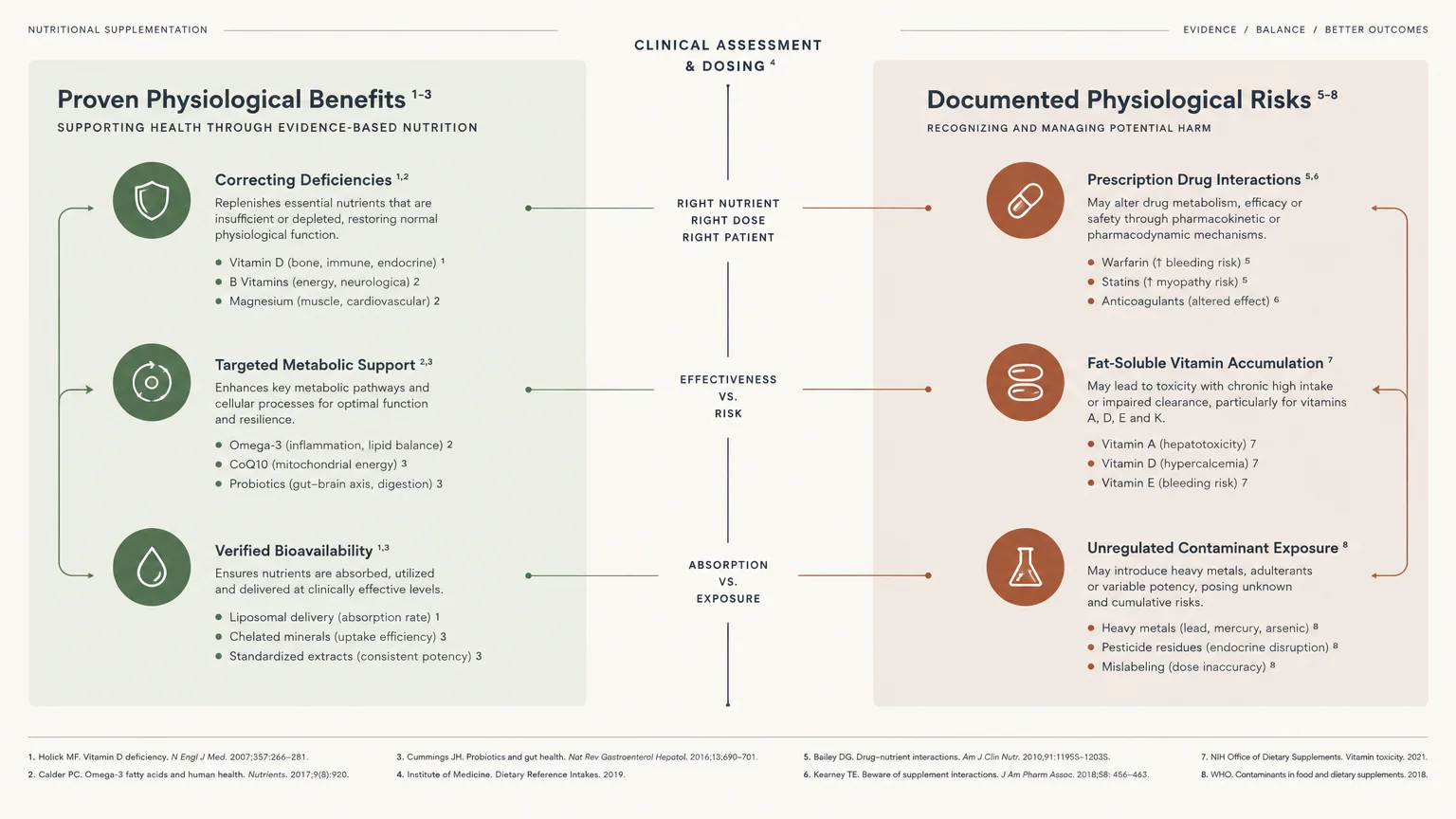
Using dietary supplements demands a clear-eyed understanding of both therapeutic value and biological hazards. When applied correctly, targeted nutrients correct clinical deficiencies and preserve physical independence.
Restoring deficient vitamin D or B12 levels reverses debilitating fatigue, strengthens fragile bones, and sharpens cognitive acuity. Targeted interventions resolve specific physiological bottlenecks without disrupting your body’s delicate internal equilibrium.
However, the physiological risks of nutrient overconsumption remain widely underappreciated. Many individuals assume that if a modest dose supports wellness, higher doses must provide superior vitality.
Nutrient overload stresses your liver and kidneys, which must constantly filter and eliminate excessive biochemical compounds. The 2026 CDC Nutrition Report revealed striking evidence of widespread over-supplementation among regular users.
According to the 2026 CDC Nutrition Report, regular supplement consumers maintained 10% to 60% higher blood biomarker concentrations of water-soluble and fat-soluble vitamins compared to non-users.
The federal report documented the most dramatic elevation in vitamin B6, scientifically measured as pyridoxal-5′-phosphate. While B6 supports metabolism, chronic excessive intake causes toxic accumulation in peripheral nerve tissues.
Excessive vitamin B6 intake triggers debilitating sensory neuropathy, resulting in burning sensations, numbness in your feet, and loss of physical balance. Many seniors unknowingly consume toxic levels because B6 appears in energy formulas, multivitamins, and fortified snacks.
Drug-nutrient interactions present another severe biological hazard for older adults. Calcium, magnesium, and iron supplements bind to synthetic thyroid medications and antibiotics, blocking your digestive tract from absorbing life-saving therapies.
Product quality and manufacturing purity also vary wildly across the commercial marketplace. Because pre-market safety testing is not mandatory under federal law, independent laboratory testing frequently uncovers mislabeled potencies, toxic heavy metals, and unlisted pharmaceuticals.
What Leading Health Organizations Recommend
The consensus among medical authorities is straightforward: prioritize nutrient-dense whole foods over manufactured pills. Every prominent clinical institution advocates for an evidence-based, conservative approach to dietary supplementation.
The federal Dietary Guidelines for Americans (2025–2030) emphasize a foundational “food-first” approach, instructing citizens to “Eat real food.” Whole foods deliver a protective symphony of fibers, minerals, and phytonutrients that no pill can replicate.
The guidelines identify specific exceptions where targeted supplementation remains essential. Older adults who absorb nutrients poorly, individuals with documented deficiencies, and people following restrictive diets benefit tremendously from precise, tailored supplementation.
Clinical experts at the Mayo Clinic recommend that seniors undergo comprehensive blood testing before purchasing over-the-counter vitamins. Objective laboratory biomarkers allow healthcare providers to prescribe therapeutic doses rather than guessing.
The World Health Organization echoes this perspective, emphasizing that isolated supplements cannot counteract the systemic damage caused by poor lifestyle habits or ultra-processed diets. Wholesome nutrition remains the cornerstone of long-term health.

Practical Steps for Smarter Supplement Decisions
Taking command of your daily supplement regimen requires an organized, proactive strategy. You can immediately implement practical habits to safeguard your health and eliminate unnecessary expenses.
Begin by conducting an honest audit of your current medicine cabinet. Gather every single prescription medication, over-the-counter pain reliever, herbal capsule, and vitamin bottle you consume on a regular basis.
Schedule an annual medication review with your primary care physician or geriatric pharmacist. Present your complete inventory so your healthcare provider can identify redundant ingredients, dangerous interactions, and unnecessary products.
Demand objective diagnostic testing before starting any new supplement regimen. Request specific blood tests, including serum 25-hydroxyvitamin D, serum vitamin B12, and a comprehensive metabolic panel, to verify biological necessity.
Inspect supplement labels for independent third-party verification seals. Reputable manufacturers submit their products to independent auditing bodies such as the United States Pharmacopeia (USP), NSF International, or ConsumerLab.
These independent quality seals certify that the product contains the exact ingredients listed on the label without dangerous contaminants or undeclared fillers. Never purchase dietary supplements that fail to provide verifiable third-party certification.
Commit to a food-first philosophy whenever you prepare your daily meals. Fill half your plate with colorful vegetables and fruits, choose whole grains, and consume high-quality proteins to obtain naturally balanced micronutrients.
Frequently Asked Questions About Dietary Supplements
Should I take a daily multivitamin just in case my diet is lacking?
No, rigorous clinical studies show that daily multivitamins do not prevent chronic illness or extend your lifespan. The landmark June 2024 NIH study of 390,124 adults confirmed that daily multivitamins do not reduce mortality risk.
Instead of relying on a broad pill, ask your physician to identify specific nutritional gaps through routine blood testing. You achieve far better health outcomes by eating nutrient-dense whole foods and supplementing only validated deficiencies.
Can taking too many supplements damage my liver or kidneys?
Yes, consuming excessive quantities of fat-soluble vitamins or concentrated herbal extracts can cause organ toxicity. Your liver and kidneys bear the heavy metabolic burden of processing and filtering surplus biochemical compounds.
The 2026 CDC Nutrition Report documented that regular supplement users maintain up to 60% higher biomarker concentrations, raising toxicity concerns. High-dose vitamin B6, fat-soluble vitamin A, and certain herbal blends pose substantial risks to organ function.
How can I verify if a supplement brand is safe and trustworthy?
Look for certification seals from independent testing organizations like the United States Pharmacopeia (USP) or NSF International on the container. These non-profit organizations test products to confirm ingredient purity, potency, and the absence of harmful contaminants.
Because the FDA does not evaluate supplements prior to commercial retail sale, third-party certification provides your strongest consumer protection. Reputable manufacturers proudly display these verified testing badges directly on their product packaging.
Does taking calcium supplements cause heart attacks or arterial disease?
High supplemental doses of calcium can cause sudden spikes in blood calcium concentrations, which may encourage arterial calcification. In contrast, dietary calcium absorbed slowly from dairy, greens, and beans supports bone strength without cardiovascular hazards.
Most cardiologists advise obtaining your daily calcium through wholesome foods rather than large tablets. If you require supplemental calcium, take modest doses alongside vitamin D under direct medical supervision.
What is the best time of day to take my vitamins?
Fat-soluble vitamins such as vitamin D and omega-3 fatty acids absorb best when you consume them alongside meals containing healthy dietary fats. Water-soluble nutrients like vitamin B12 work well taken with water on an empty stomach or with light meals.
Avoid taking calcium or magnesium supplements at the exact same moment as prescription medications or iron pills. Spacing these compounds apart by two hours prevents mineral binding that disrupts drug absorption.
Building a Safe and Effective Wellness Strategy
Navigating the sprawling world of dietary supplements does not have to feel overwhelming or confusing. You protect your longevity and financial resources when you replace marketing hype with rigorous medical evidence.
Prioritize a varied diet rich in colorful vegetables, lean proteins, healthy fats, and dietary fiber. Whole foods provide an irreplaceable symphony of protective nutrients that work together to sustain vitality.
Reserve supplementation for proven biological needs like vitamin D, vitamin B12, or omega-3 fatty acids when dietary intake falls short. Partner with your physician to test your blood levels, eliminate useless pills, and build a targeted wellness routine.
This article is intended for informational and educational purposes only and is not a substitute for professional medical advice, diagnosis, or treatment. Always consult with a qualified healthcare provider regarding any health concerns or before making any decisions related to your health or treatment.