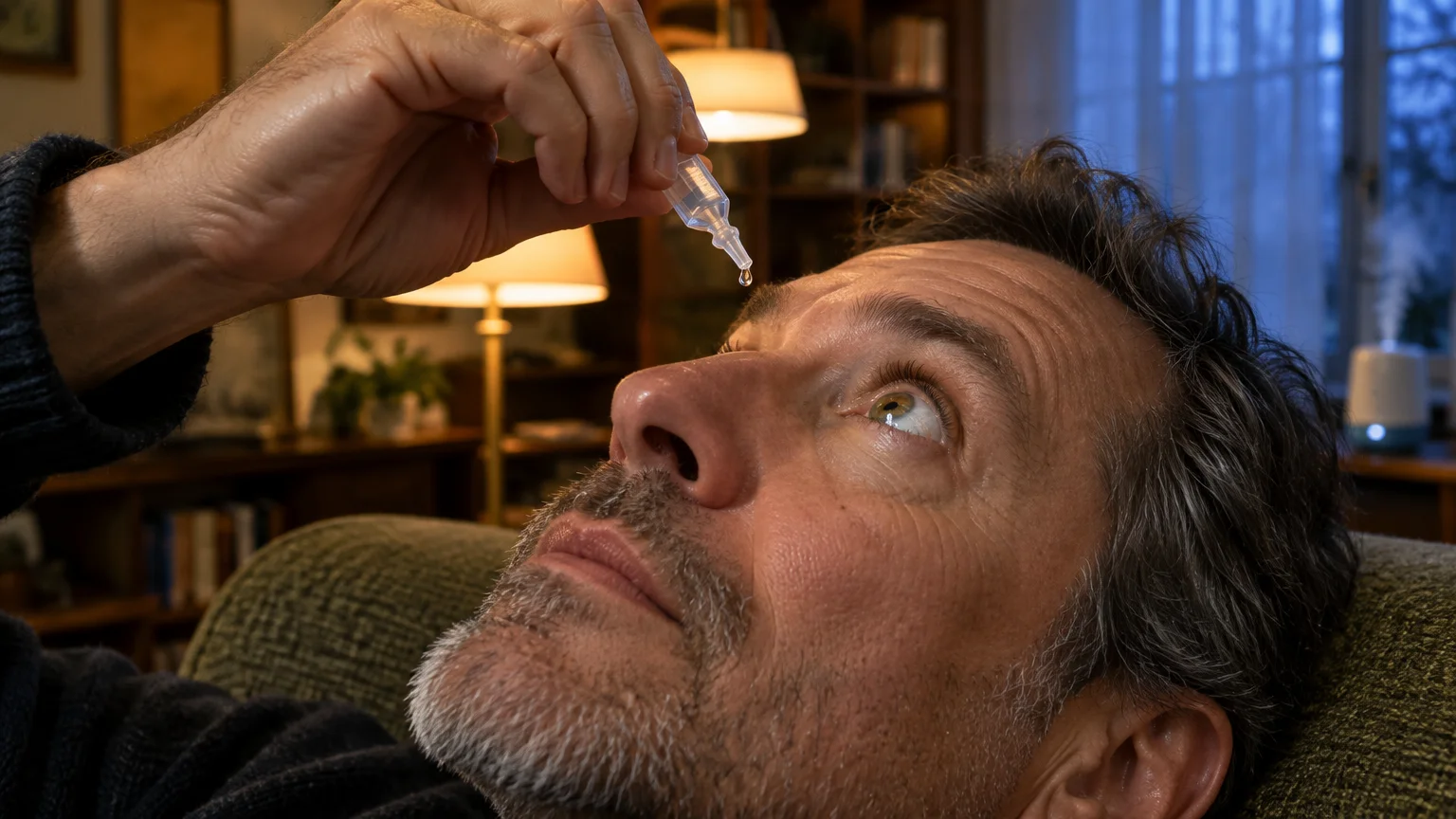
Dry indoor heating can strip moisture from your eyes within minutes, leaving them irritated, red, and strained. You can protect your eyesight this winter by recognizing subtle warning signs early and making targeted indoor adjustments.
As you age, your natural tear production declines, making forced-air furnaces particularly harsh on mature eyes. Learning how to restore ocular comfort helps you maintain sharp vision and avoid preventable corneal damage.
This guide highlights eight critical symptoms of indoor dry eye and delivers practical strategies to keep your vision comfortable all season long.

Understanding Indoor Air and Your Eye Health
Heated indoor air holds significantly less relative humidity than cool outdoor air. When forced-air heating systems warm your home, they pull ambient moisture away from your ocular tissues.
Your eyes rely on a specialized, three-layered tear film to stay lubricated and healthy. This tear film consists of a protective outer lipid layer, a watery aqueous middle layer, and a foundational mucin layer.
The oily outer layer seals in moisture and prevents tears from evaporating into the surrounding air. Tiny meibomian glands lining your upper and lower eyelid margins produce this critical oily barrier.
The middle aqueous layer supplies essential oxygen, hydration, and nutrients to the living cornea. Meanwhile, the inner mucin layer anchors the entire tear structure smoothly across the eye surface.
Each time you blink, your eyelids sweep this nourishing mixture across the front of your eye. Blinking creates a flawless optical surface that bends incoming light cleanly for crisp vision.
Dry indoor air disrupts this delicate balance by accelerating tear evaporation beyond normal rates. Heated rooms act like giant dehumidifiers, pulling water molecules off your eyes faster than glands can replenish them.
Eye care professionals describe this common seasonal condition as evaporative dry eye. Without an intact tear shield, your cornea develops microscopic dry spots that trigger inflammation and nerve discomfort.
This evaporative cycle explains why your eyes often feel worse as the winter heating season progresses. Your ocular surface is not simply fatigued; it is actively losing critical hydration to your home environment.
Chronic dryness also alters the chemical composition of remaining tears, making them abnormally salty. Hyperosmolar tears irritate corneal epithelial cells, setting off a continuous chain of localized inflammation.
Maintaining an adequate moisture layer protects both your daily physical comfort and your visual precision. Learning how dry air impacts ocular physiology helps you take control of your indoor environment.
Key Eye Health Considerations for Adults Over 60
Aging changes how your ocular system manufactures, distributes, and retains protective tears. Adults over sixty face specific physiological shifts that amplify the harsh effects of dry indoor heating.
As the body matures, the meibomian glands along your eyelid margins often become sluggish or blocked. These oil glands produce thicker secretions that struggle to flow freely onto the eye surface.
Without sufficient protective oil, your tears evaporate into dry room air almost immediately. Even if your lacrimal glands produce plenty of fluid, the tears vanish before nourishing the cornea.
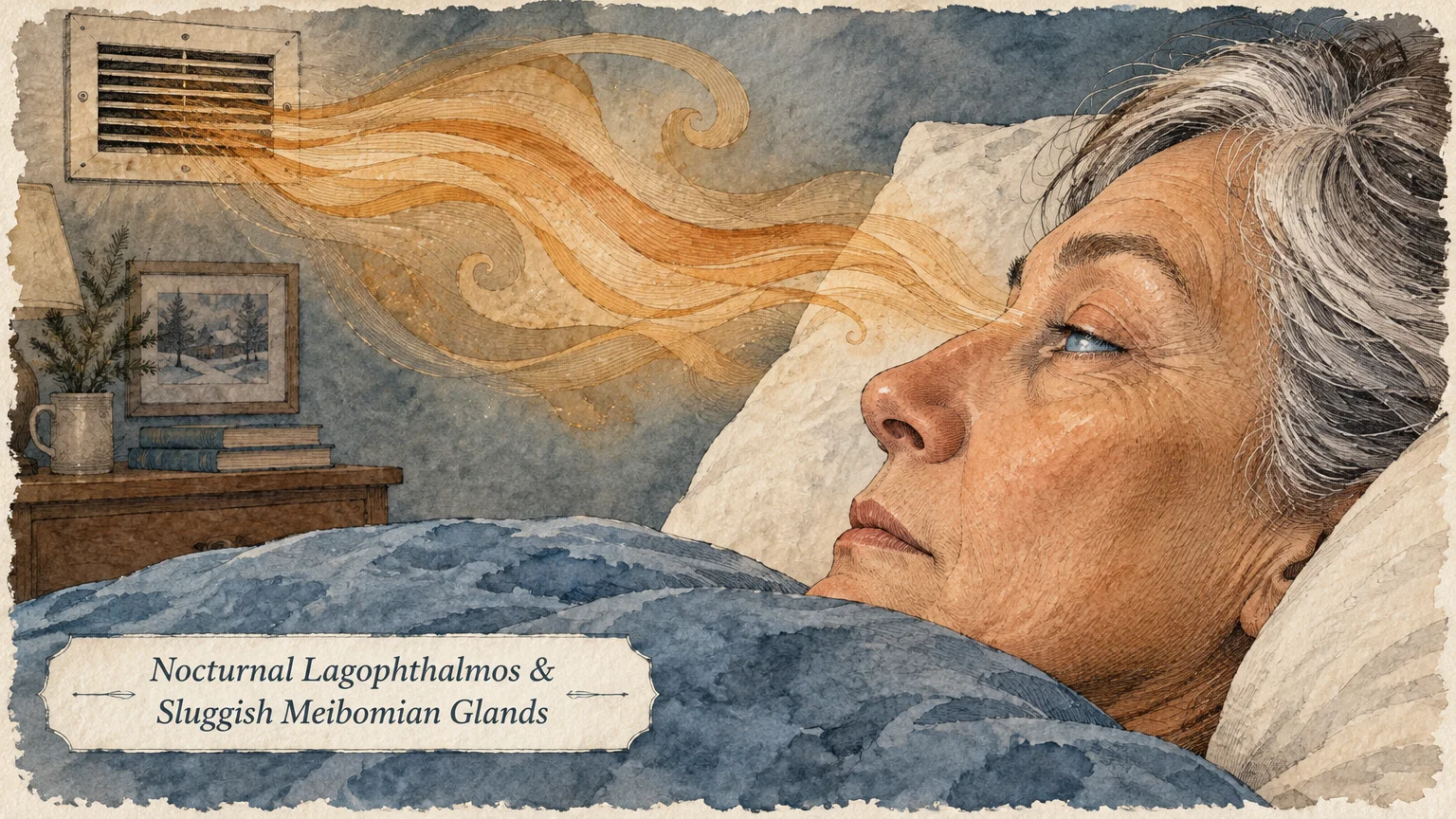
Eyelid laxity also becomes more common as facial tissues lose collagen and natural elasticity over time. When eyelids loosen, they may fail to close completely while you sleep at night.
Eye doctors call this condition nocturnal lagophthalmos, and it leaves parts of your eye exposed overnight. Waking up with intense morning dryness often stems from forced-air heat blowing across partially open eyelids.
Hormonal changes represent another major physiological factor in age-related dry eye development. Both men and women experience declining systemic androgen levels, which directly regulate tear-producing glands.
Systemic medical conditions common in older adults also interfere with healthy tear film maintenance. Autoimmune conditions, thyroid dysfunction, and diabetes can suppress tear production or damage delicate corneal nerves.
When diabetes blunts corneal nerve sensitivity, your brain fails to sense when the ocular surface dries out. Consequently, your natural blink rate slows down, leaving your eyes exposed to dry room air.
Everyday prescription medications contribute substantially to dry eye complaints among older individuals. Many essential daily prescriptions list dry eyes as an overlooked side effect that intensifies indoors.
Common blood pressure medications, including diuretics and beta-blockers, reduce the fluid volume available for tear production. Over-the-counter antihistamines, decongestants, and sleep aids similarly dry out delicate mucous membranes throughout the body.
Many seniors also use daily prescription eye drops to manage chronic conditions like glaucoma. The chemical preservatives in these medicated drops, particularly benzalkonium chloride, frequently cause ocular surface irritation.
Past surgical procedures, including standard cataract surgery, can temporarily alter corneal nerve pathways. Blunted nerve feedback reduces baseline tear flow and slows down your protective blinking reflex.
Combining mature ocular anatomy with modern furnace heating creates ideal conditions for chronic eye irritation. Acknowledging these age-related factors empowers you to manage your indoor spaces with proactive care.
8 Signs Your Eyes Need Care in Dry Indoor Air
Recognizing the initial warnings of environmental eye strain prevents minor irritation from progressing into painful inflammation. Pay close attention to these eight distinct indicators whenever indoor heating runs continuously.
1. Persistent Stinging, Burning, or Prickling
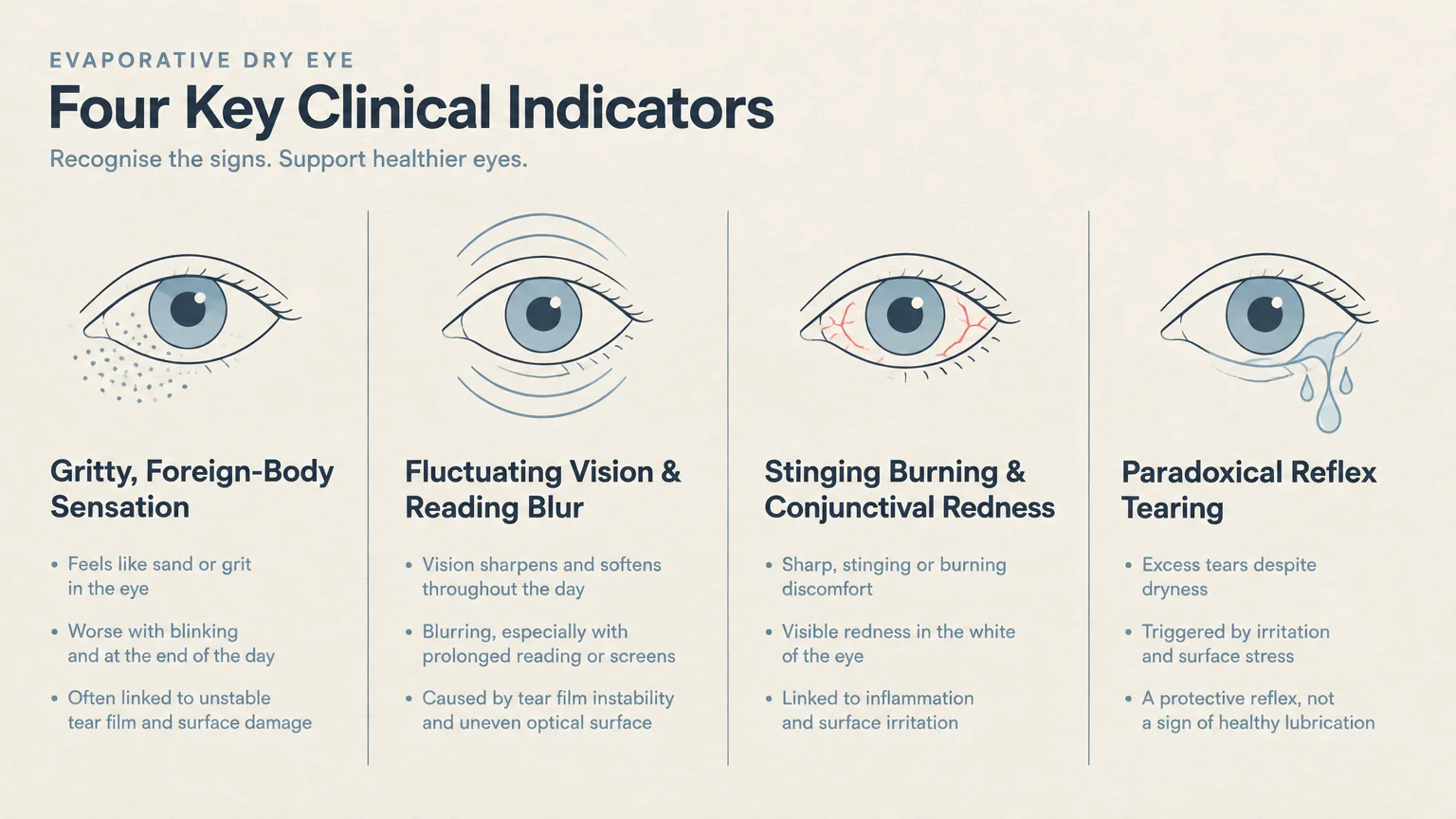
A sharp stinging or prickling sensation is frequently the first sign of tear film evaporation. You will likely notice this discomfort while watching television, reading, or sitting near heating registers.
This uncomfortable burning happens when corneal nerve endings lose their hydrating liquid shield. Exposed nerve fibers react immediately to dry, moving air currents circulating through your living room.
Rubbing your eyes might provide a fleeting moment of distraction, but friction worsens the underlying irritation. Rubbing damages vulnerable surface cells and accelerates inflammation across the delicate cornea.
Instead of rubbing, treat burning as a clear signal that your eyes need instant moisture. Applying preservative-free lubricating drops calms irritated nerves and restores temporary surface balance.
2. A Gritty Feeling Like Sand in Your Eyes
Many seniors describe indoor eye dryness as feeling like abrasive grains of sand under their eyelids. This classic symptom, known medically as foreign body sensation, makes every single blink feel uncomfortable.
As dry indoor air steals tear moisture, microscopic dry patches emerge on the smooth corneal dome. Your sensitive inner eyelid scrapes against these dry spots each time your eye closes.
This mechanical friction creates the convincing illusion that an external eyelash or dust particle is trapped inside. Looking into a mirror rarely reveals any debris because the corneal surface itself is irritated.
Washing your eyes with plain water strips away natural surface lipids and intensifies the rough grittiness. Choose lipid-based lubricating artificial tears to cushion the eyelid and eliminate that sandy sensation.
3. Watery Eyes and Excessive Tearing
Experiencing watery eyes in a dry room often seems completely contradictory to many older adults. However, eye doctors recognize excessive tearing as a classic indicator of severe evaporative dryness.
When dry indoor air dehydrates corneal nerves, the nervous system sends an urgent distress signal. In response, your lacrimal gland produces a massive flood of emergency reflex tears.
Unfortunately, these emergency reflex tears consist almost entirely of water and lack essential lubricating oils. Without protective lipids, the watery flood cannot adhere to the smooth eye surface.
As a result, tears roll harmlessly down your cheeks while your cornea remains completely parched underneath. This frustrating cycle repeats continuously until you restore balanced, lipid-rich moisture to your eyes.
4. Blurry or Fluctuating Vision
If your vision blurs while reading or watching television but clears after several deliberate blinks, investigate your air. The tear film forms the very first optical lens that incoming light passes through.
When dry indoor air breaks up the tear film, the optical surface becomes irregular and pitted. This uneven surface bends incoming light rays haphazardly, causing text and objects to appear fuzzy.
Blinking temporarily redistributes available fluid, momentarily restoring visual sharpness before the air evaporates it again. Many adults over sixty mistakenly believe their eyeglass prescription has worsened when dry air is responsible.
Tracking how your vision behaves in different rooms helps you identify problem areas in your home. Blurriness that worsens near heating ducts indicates an urgent need for environmental moisture control.
5. Bloodshot Eyes and Chronic Redness
Chronic redness develops when microscopic conjunctival blood vessels dilate in response to environmental irritation. Dry room air strips surface lubrication, forcing delicate tissues to tolerate relentless mechanical friction.
The conjunctiva responds to this ongoing friction by increasing blood flow, producing noticeable pink or bloodshot streaks. Redness often peaks late in the day after hours of furnace exposure.
Many people reach for over-the-counter decongestant eye drops that promise to clear redness within minutes. However, these vasoconstrictor drops merely squeeze blood vessels without solving the moisture deficit.
Once decongestant drops wear off, blood vessels rebound and dilate even wider than before. Relying on preservative-free artificial tears and higher room humidity addresses the true source of chronic redness.
6. Heightened Sensitivity to Indoor Light
Photophobia, or abnormal sensitivity to light, frequently accompanies advanced ocular surface dryness. You might find ordinary living room lamps, television screens, or reading lights uncomfortably intense or harsh.
When dry air causes microscopic breaks in the corneal epithelium, light scatters across the eye. Rather than focusing smoothly on your retina, scattered light overstimulates sensitive ocular sensory nerves.
This light scattering triggers an involuntary reflex to squint, blink excessively, or turn down household lamps. Squinting strains your facial muscles and can lead to dull tension headaches by late afternoon.
Wearing indoor tinted lenses may offer temporary relief, but treating ocular dryness solves the root problem. Restoring a smooth tear film stops light scattering and makes normal indoor lighting comfortable again.
7. Stringy Mucus Around Your Eyelashes
Finding sticky, stringy white or clear mucus in the corners of your eyes suggests significant dryness. When dry indoor air evaporates the watery tear layer, remaining mucin concentrates into thick, elastic strands.
These stringy fibers gather along your lower eyelid margins and tangle around your eyelashes while you sleep. You might notice them upon waking or after long periods of focused visual activity indoors.
Older adults sometimes mistake this mucus buildup for an active bacterial or viral eye infection. Unlike contagious conjunctivitis, dry eye mucus is usually clear or white rather than yellow or green.
Pulling these sticky strands out with your fingers can introduce bacteria and inflame the eyelid tissue. Use a clean, warm, damp cloth to wipe the discharge away gently from inner to outer corners.
8. Heavy Eyelids and Severe Eye Fatigue
Dry indoor air turns every simple blink into an effort by increasing friction between lid and eye. Over several hours, this continuous friction makes your eyelids feel remarkably heavy, sore, and exhausted.
You may struggle to keep your eyes open while reading evening books or watching your favorite programs. This physical heaviness stems from localized surface strain rather than genuine bodily exhaustion.
When your ocular surface dries out, the surrounding brow and eyelid muscles tense up unconsciously. This constant muscular compensation often triggers aching tension headaches around your temples and forehead.
Restoring moisture reduces eyelid friction immediately, letting your eyelids glide smoothly without resistance. When you relieve ocular strain, visual stamina returns and evening eye fatigue fades away.

Benefits of Early Care and Risks of Inaction
Taking swift action at the first sign of dryness protects your delicate ocular structures from lasting harm. Proactive eye care preserves sharp visual acuity and helps you maintain your daily independence.
A stable tear film serves as your eye’s primary biological defense against opportunistic airborne infections. Tears contain powerful antibacterial enzymes, antibodies, and proteins that actively neutralize harmful pathogens.
When indoor heating dries your tear film, your defense barrier weakens against ambient bacteria. Maintaining proper tear coverage shields your eyes from conjunctivitis and painful surface infections.
Furthermore, reliable vision directly supports balance, depth perception, and mobility as you move through your home. Clear vision helps you spot tripping hazards, preventing dangerous falls that threaten senior independence.
Conversely, ignoring chronic dryness allows surface friction to erode sensitive epithelial cells across your cornea. Over time, this constant abrasion causes painful corneal erosions that heal slowly in older adults.
Open corneal scratches create an entry pathway for aggressive bacteria, raising the risk of corneal ulcers. If left untreated, severe corneal ulcers can cause permanent scarring and irrevocable vision loss.
Chronic dryness also triggers a persistent inflammatory cycle that permanently harms your eyelid glands. Without prompt intervention, clogged meibomian glands wither away through irreversible gland atrophy.
Once these oil-producing glands atrophy, your eyes lose their natural ability to retain surface moisture. Treating dry eyes early prevents this irreversible gland loss and keeps your natural tears functioning properly.
Early care also avoids unnecessary frustration, eye fatigue, and reduced reading stamina during winter months. Protecting your eyes preserves your favorite hobbies, from needlework and reading to digital communication.
Treating dry indoor air is an investment in your visual health, physical comfort, and personal autonomy. Small daily steps yield immense benefits for your lifelong sight.

What Medical Experts and Clinical Guidelines Say
Leading healthcare organizations emphasize environmental control as the cornerstone of managing ocular surface disease. The American Optometric Association recommends modifying your immediate environment before turning to complex therapies.
Guidelines from the U.S. Environmental Protection Agency emphasize maintaining indoor relative humidity between 30% and 50%. Keeping humidity within this optimal zone prevents indoor air from pulling moisture away from your eyes.
Clinical recommendations from the Mayo Clinic emphasize that artificial tears should complement thoughtful home adjustments. Their eye specialists advise selecting preservative-free drops if you find yourself applying drops more than four times daily.
Standard chemical preservatives can damage fragile corneal epithelial cells when applied frequently throughout the day. Switching to preservative-free single-use vials prevents preservative-induced ocular surface toxicity.
Research funded by the National Institutes of Health highlights meibomian gland dysfunction as the primary cause of evaporative dryness. Their findings demonstrate that regular eyelid heat therapy melts blocked oils, improving tear film stability.
The Tear Film and Ocular Surface Society confirms in major global workshops that evaporative dry eye predominates over aqueous deficiency. Their consensus guidelines urge clinicians and patients to focus on stabilizing the tear film lipid layer.
Specialists at the Centers for Disease Control and Prevention remind adults to clean home humidifiers regularly. Cleaning prevents mold and bacteria from growing inside water reservoirs and circulating into your indoor air.
International health initiatives coordinated by the World Health Organization identify preventable vision impairment as a critical threat to healthy aging. Managing environmental triggers helps seniors maintain visual function and personal well-being.
Practical Daily Steps to Protect Your Eyes
You can take concrete, proven actions today to shield your eyes from drying indoor heating. Combining smart indoor modifications with simple daily habits delivers rapid, enduring comfort.
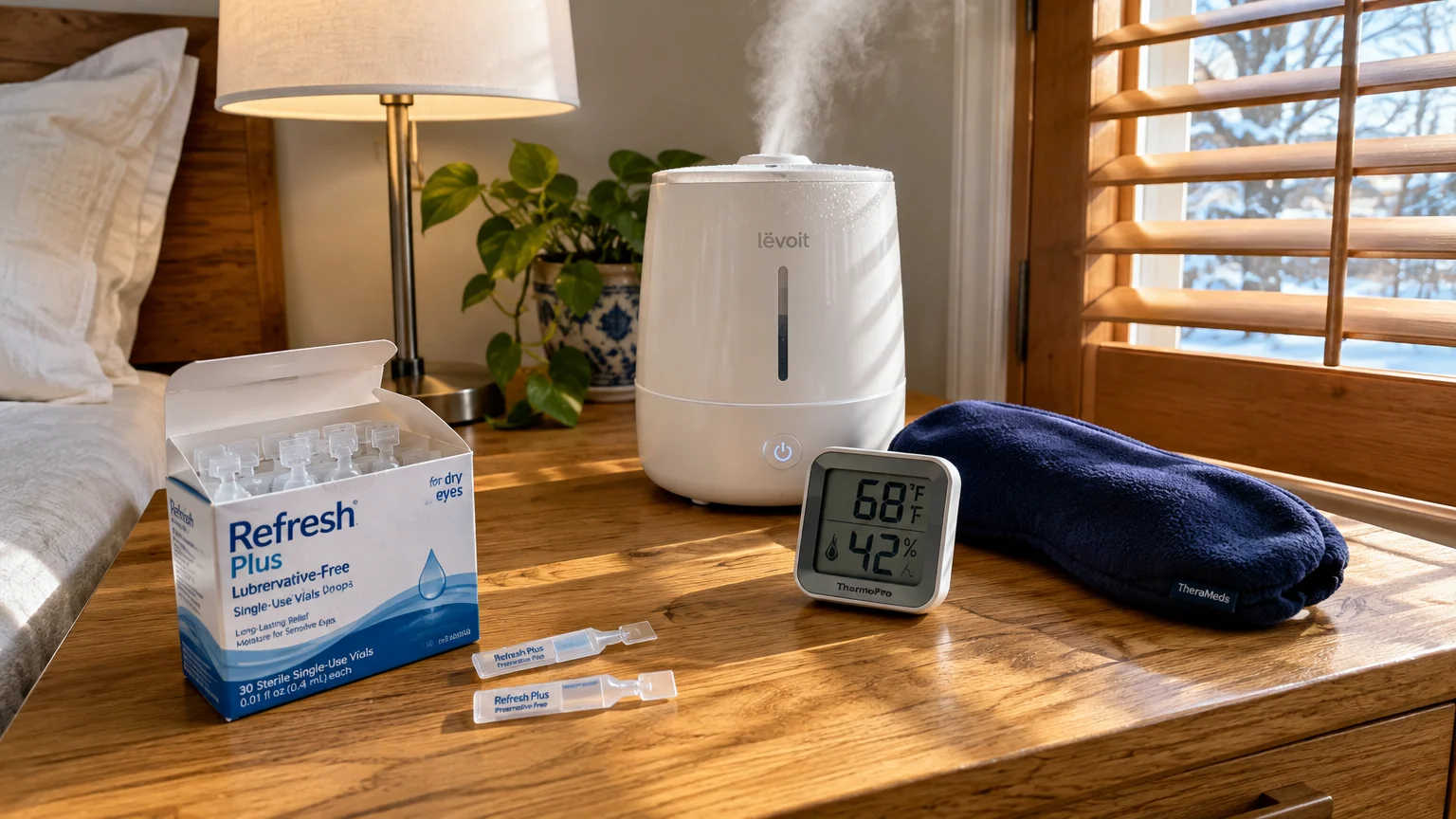
First, place a high-capacity humidifier in the rooms where you spend the largest portion of your day. Run a humidifier in your bedroom at night to replenish moisture while you rest.
Monitor your living spaces using an affordable digital hygrometer placed at eye level. Ensure your indoor relative humidity remains consistently between 30% and 50% throughout the cold winter months.
Second, inspect your heating vents and adjust their directional louvers away from your seating areas. Never allow warm, forced air from furnace registers to blow directly onto your face or eyes.
When traveling in a car, point dashboard heater vents toward your feet instead of your upper body. Foot-well heating keeps your vehicle comfortable while eliminating direct drafts that dry your ocular surface.
Third, practice the American Optometric Association’s 20-20-20 rule during screen time or extended reading. Every 20 minutes, take a 20-second break and focus on an object located 20 feet away.
Staring at screens or printed pages cuts your natural blinking rate by more than half. Taking intentional pauses lets you perform full, complete blinks that spread fresh oils across the cornea.
Fourth, apply a warm compress over your closed eyelids for ten minutes each evening. Therapeutic warmth liquefies hardened oils inside your meibomian glands, encouraging healthy oil flow onto the ocular surface.
Use a dedicated warm eye mask filled with beads rather than a damp washcloth. Heated bead masks retain therapeutic temperatures far longer, delivering the consistent heat needed to clear blocked glands.
Fifth, wash your eyelids daily with a gentle, doctor-approved eyelid cleanser or diluted baby shampoo. Cleansing removes built-up crusts, bacteria, and dried mucus that clog your oil glands.
Sixth, keep single-use vials of preservative-free artificial tears on your bedside table and near your favorite chair. Apply drops proactively before starting visual tasks rather than waiting for severe irritation to develop.
Seventh, drink fresh water steadily throughout the day to support your body’s baseline fluid reserves. Even minor systemic dehydration lowers the total volume of fluid available for healthy basal tear production.
Consider discussing dietary omega-3 fatty acid supplements with your doctor or registered dietitian. Research indicates that omega-3 fatty acids improve the quality of oils produced by your eyelid glands.
Eighth, wear wrap-around eyeglasses or sunglasses outdoors on windy days to protect your eyes from gusts. Indoors, avoid sitting beneath ceiling fans, which create continuous air drafts that speed evaporation.
Finally, schedule regular comprehensive eye exams with your optometrist or ophthalmologist. Ask your doctor about advanced options like prescription drops, punctal plugs, or specialized in-office gland clearance.
Frequently Asked Questions About Dry Indoor Air and Eye Care
Why do my eyes feel drier in the winter than in the summer?
Cold outdoor winter air cannot hold significant amounts of water vapor. When your furnace pulls this cold air inside and heats it, relative humidity plummets to desert-like levels.
In summer, the ambient air naturally holds much more moisture, which buffers your tear film. Heated winter air acts aggressively, drawing moisture directly off exposed ocular surfaces.
Can drinking extra water completely solve dry eyes caused by indoor heating?
Drinking water supports your body’s baseline hydration and provides fluid for the aqueous tear layer. However, systemic water intake cannot repair clogged meibomian glands on your eyelids.
If your eyes lack a protective oil coating, additional water simply evaporates into dry room air. You must pair good internal hydration with external humidity and proper eyelid care for real relief.
How can I tell the difference between indoor dry eye and an eye infection?
Dry eyes typically cause burning, grittiness, redness, and clear or stringy white mucus in both eyes. Symptoms often worsen later in the day after long exposure to heated indoor air.
Eye infections, such as bacterial conjunctivitis, usually produce thick yellow or green discharge. Infections often start in one eye, cause significant eyelid swelling, and require targeted medical evaluation.
Are over-the-counter artificial tears safe for daily, long-term use?
Preservative-free artificial tears are completely safe for daily, frequent application. Because they contain no chemical stabilizers, they will not harm your delicate corneal cells over time.
In contrast, bottled artificial tears with preservatives can cause chemical toxicity if applied more than four times daily. Always choose preservative-free single-use vials if you need frequent daily relief.
Can ceiling fans worsen my dry eye symptoms during the winter?
Yes, operating ceiling fans in winter circulates air currents directly across your face, accelerating tear evaporation. Even on low settings, moving air strips moisture away from your corneas rapidly.
Turn off ceiling fans in your bedroom and living areas to minimize disruptive drafts. If you need air circulation, place oscillating floor fans away from your seating areas.
When should I consult an eye doctor about my dry eye symptoms?
You should consult an eye specialist if symptoms persist despite using home humidifiers and preservative-free drops. Schedule an evaluation if you experience ongoing pain, severe redness, or sudden vision changes.
An eye care provider can examine your meibomian glands and recommend advanced clinical treatments. Prescription therapies, tear duct plugs, or specialized gland treatments can prevent permanent ocular damage.
Protecting Your Sight for the Years Ahead
Dry indoor air represents a predictable winter challenge, but chronic discomfort is never inevitable. Learning to recognize subtle warning signs empowers you to protect your vision with confidence and ease.
By optimizing home humidity, resting your eyes during focused tasks, and supporting tear glands, you preserve clear vision. These straightforward habits safeguard your visual sharpness and keep your eyes feeling refreshed.
Take proactive steps today to inspect your indoor spaces and adjust your daily routines. Your eyesight is vital to your freedom, your favorite pastimes, and your lasting independence.
Treat your eyes with the gentle care and attention they deserve throughout the winter heating season. Clear sight and soothing comfort will reward your daily efforts every step of the way.
Medical Disclaimer
This article is intended for informational and educational purposes only and is not a substitute for professional medical advice, diagnosis, or treatment. Always consult with a qualified healthcare provider regarding any health concerns or before making any decisions related to your health or treatment.