Recognizing hidden cardiovascular warnings can save your life or protect someone you love. While popular media portrays heart attacks as sudden chest-clutching events, women frequently experience far more subtle and deceptive symptoms.
These quiet signals often mimic normal aging, daily fatigue, or minor indigestion. Learning to identify these silent bodily clues empowers you to seek medical attention before severe cardiac complications develop.
Understanding your personal risk allows you to protect your long-term independence. This guide outlines eight critical signs of hidden heart trouble and details the immediate actions you should take.
Understanding Hidden Heart Trouble in Women
Cardiovascular disease remains the primary health threat for women, yet many cases progress without overt chest pressure. Hidden heart problems encompass conditions that impair cardiac function while generating deceptive physical warning signs.
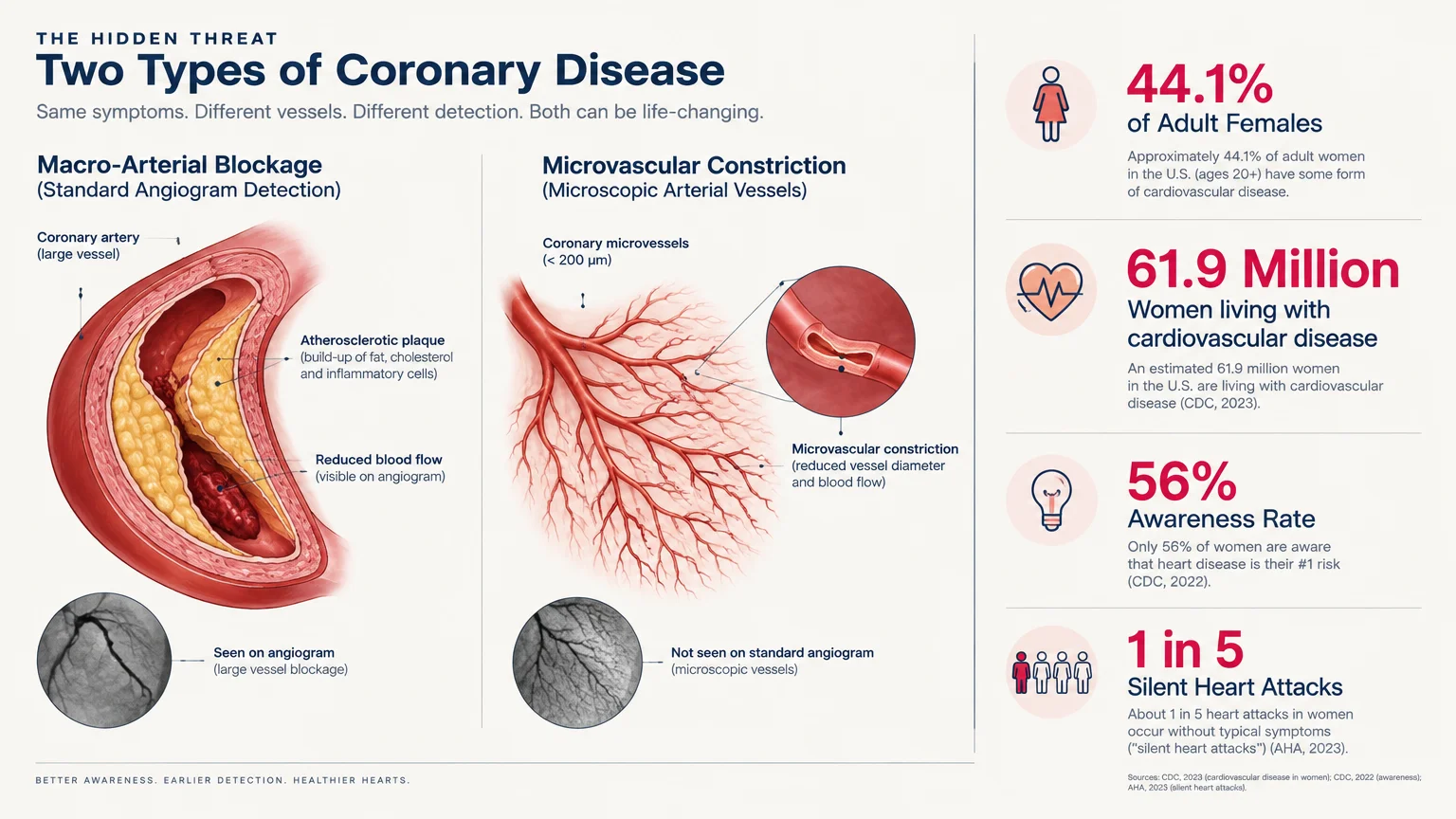
Medical specialists often highlight coronary microvascular disease when evaluating hidden heart problems in female patients. This condition damages the heart’s microscopic arterial vessels rather than blocking the main coronary arteries.
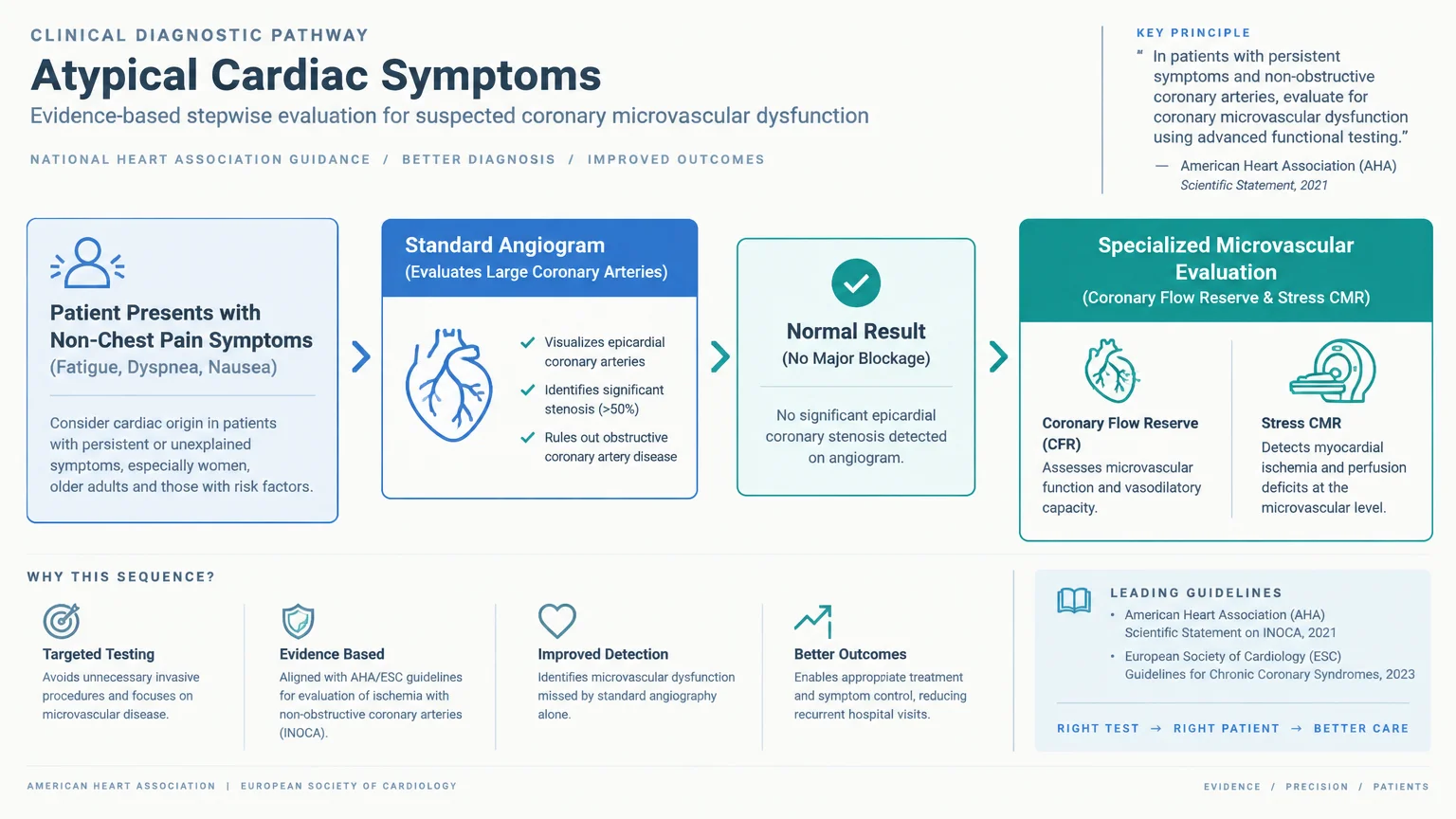
Standard diagnostic angiograms easily detect large arterial blockages, but they frequently miss constriction within microscopic vessels; consequently, many women receive normal test results despite experiencing genuine cardiac ischemia.
According to the American Heart Association, 61.9 million women in the United States live with cardiovascular disease. That figure represents 44.1% of all adult females nationwide.
Within that group, 6.0 million women live with coronary heart disease, and 2.8 million have survived a heart attack. These numbers demonstrate that cardiovascular illness is widespread rather than an isolated health concern.
Despite these figures, public awareness remains dangerously low across the country. Data from the Centers for Disease Control and Prevention shows that only 56% of women recognize heart disease as their leading killer.
This awareness gap causes dangerous diagnostic delays that can permanently damage cardiac muscle. When you overlook subtle warnings, you risk missing the optimal window for medical intervention.
Furthermore, roughly 805,000 people experience a heart attack each year in the United States. Approximately 1 in 5 of these events are silent, leaving patients unaware that their heart muscle sustained lasting damage.
A silent cardiac event can leave scar tissue that weakens your heart over time. Recognizing non-traditional symptoms helps you uncover hidden cardiovascular damage before it triggers catastrophic failure.

Key Cardiovascular Considerations for Older Adults
Advancing age alters how your cardiovascular system behaves and responds to daily physical demands. Blood vessels naturally stiffen over time, forcing your heart muscle to exert greater pumping effort during routine circulation.
The sharp decline in estrogen following menopause accelerates arterial stiffening and plaque accumulation. Estrogen provides vascular protection throughout youth, so its loss leaves postmenopausal women increasingly vulnerable to vascular dysfunction.
Aging also alters how your nervous system transmits sensory pain signals during cardiac ischemia. Nerve degradation can blunt pain receptors, transforming what might be sharp chest pressure into vague weakness or subtle discomfort.
Older women frequently manage overlapping chronic conditions like osteoarthritis, diabetes, and respiratory ailments. These preexisting illnesses often camouflage emergent cardiovascular distress, causing patients to dismiss vital warning signs.
For example, diabetic neuropathy impairs autonomic sensory nerves, muting standard cardiac pain cues. Consequently, older adults with diabetes are particularly susceptible to experiencing silent heart attacks.
Significant demographic disparities also influence cardiovascular outcomes among older women. Understanding these variations helps you and your physician gauge your baseline vulnerability more accurately.
Cardiovascular disease affects 59.5% of non-Hispanic Black women, representing the highest prevalence among American demographic groups. In comparison, prevalence stands at 43.5% among White women, 40.7% among Asian women, and 38.6% among Hispanic women.
Future projections indicate that cardiovascular challenges will expand significantly in coming decades. A landmark scientific report published in Circulation on February 25, 2026, projects that nearly 6 in 10 women will develop cardiovascular disease by 2050.
This projected 60% prevalence highlights why vigilant symptom recognition is essential throughout your senior years. Proactive monitoring helps you counter these statistical trends and preserve your vitality.

Eight Signs of Hidden Heart Trouble in Women
Classic cardiac warnings rarely tell the complete story for female patients—atypical presentations are the clinical norm rather than the exception. You must familiarize yourself with eight hidden symptoms that frequently indicate underlying cardiovascular trouble.
1. Discomfort in the Neck, Jaw, or Throat
Discomfort radiating into your lower jaw, neck, or throat can signal reduced blood flow to cardiac tissue. Women often describe this sensation as an aching tightness, cramping, or severe toothache.
This phenomenon occurs because sensory nerves originating in the heart share spinal pathways with nerves from the head and neck. Your brain misinterprets ischemic distress signals as pain originating in your jaw or throat.
You might mistakenly schedule a dental appointment or assume you slept in an awkward position. However, jaw pain that surges during physical exertion and resolves with rest strongly points toward cardiac ischemia.
Pay close attention if this discomfort arises alongside mild breathlessness or uncharacteristic anxiety. Any unexplained neck or jaw tightness requires prompt clinical evaluation from your doctor.
Never ignore throat tightness that resembles a choking sensation without an obstructive cause. This subtle symptom often heralds unstable coronary artery disease in older women.
2. Pain Between the Shoulder Blades or Upper Abdomen
Hidden cardiac ischemia frequently manifests as dull, heavy pain across your upper back or between your shoulder blades. Many women assume this aching stems from muscular strain, arthritis, or lifting household objects.
Unlike ordinary muscle tension, cardiac-related back discomfort rarely changes when you stretch, press on the area, or adjust your posture. It often presents as a deep, suffocating pressure that fluctuates without external triggers.
Similarly, upper abdominal cramping or burning can signal poor oxygenation along the inferior wall of your heart. Because the lower cardiac border rests near the diaphragm, the sensation mimics severe stomach distress.
If upper back or abdominal aching appears suddenly without prior physical exertion, take notice immediately. You should treat unexplained torso aching as a potential cardiac event until proven otherwise.
This referred discomfort can come and go in waves, creating a false sense of security. Tracking these episodes helps your physician evaluate your coronary circulation before a major event occurs.
3. Unexplained, Crushing Fatigue
Profound exhaustion that arrives suddenly and interferes with routine daily tasks represents a hallmark warning of female heart disease. You might feel drained after simple chores like making a bed or folding laundry.
This crushing fatigue occurs when a struggling heart fails to circulate oxygenated blood efficiently to your muscles and brain. Your body conserves scarce circulatory volume for essential organs, leaving your limbs feeling leaden and weak.
Unlike ordinary tiredness, this debilitating exhaustion does not improve after a full night of sound sleep. It can linger for days or weeks, serving as an early indicator of impending myocardial infarction.
Do not dismiss sudden, heavy exhaustion as an inevitable side effect of growing older. If routine physical activities suddenly leave you thoroughly incapacitated, consult your healthcare provider immediately.
Pay special attention if this fatigue surfaces alongside mild shortness of breath or lightheadedness. This combination frequently signals deteriorating ventricular function in older adults.
4. Shortness of Breath Without Chest Tightness
Struggling to catch your breath while performing light tasks or resting quietly can indicate early heart failure or coronary disease. Breathlessness often occurs in women without any accompanying sensation of chest tightness or heavy pressure.
When your heart muscle weakens, fluid can back up into pulmonary tissues, reducing oxygen exchange inside your lungs. This fluid congestion makes simple breathing feel like inhaling through a narrow straw.
You might notice this symptom most clearly when lying flat in bed at night, forcing you to prop up your head. Awakening suddenly from sleep gasping for air is a classic manifestation of nocturnal cardiovascular congestion.
Never assume unexplained dyspnea merely reflects deconditioning or respiratory allergies. Rapidly worsening breathlessness demands immediate diagnostic investigation by a qualified cardiovascular specialist.
Monitoring your breathing during basic activities, such as climbing a single flight of stairs, provides vital clues. If routine tasks suddenly leave you winded, seek medical advice promptly.
5. Persistent Indigestion, Heartburn, or Nausea
Gastrointestinal symptoms represent some of the most frequently ignored indicators of hidden heart trouble in women. Women often self-treat severe nausea, vomiting, or burning acid reflux with over-the-counter antacids for hours before seeking care.
These digestive sensations occur when compromised cardiac output stimulates the vagus nerve, which runs directly between your heart and stomach. Reduced blood supply to the stomach wall also triggers nausea and severe gastric discomfort.
You should suspect cardiac involvement if heartburn develops without a recent spicy meal or persists despite antacid therapy. Nausea accompanied by cold sweats or sudden weakness should prompt an immediate emergency call.
Treating cardiac distress as simple acid indigestion wastes valuable minutes during an active cardiac event. Always seek professional assessment when severe digestive disturbances arise without an obvious dietary cause.
Women experiencing inferior wall heart attacks frequently present with severe gastrointestinal distress rather than chest pressure. Recognizing this connection can prevent fatal treatment delays.
6. Lightheadedness, Unsteadiness, or Fainting
Experiencing sudden bouts of dizziness or feeling faint when standing can signal underlying arrhythmias or declining cardiac output. If your heart cannot pump adequate blood to your brain, neurological equilibrium deteriorates rapidly.
Syncope, the medical term for temporary fainting, should always serve as an urgent red flag for older adults. Fainting episodes often indicate dangerous structural valve problems, electrical conduction blocks, or acute arterial occlusions.
Older adults often attribute dizzy spells to mild dehydration, inner ear imbalances, or blood pressure medication adjustments. While those factors exist, your doctor must rule out cardiac dysfunction before diagnosing benign causes.
Lightheadedness accompanied by sudden sweating, confusion, or visual changes warrants urgent medical evaluation. Protect yourself from debilitating fall injuries by sitting down immediately whenever you feel unstable.
Recurrent dizzy spells during light exertion suggest your heart cannot increase its pumping volume on demand. Discuss these episodes with your cardiologist to identify any underlying mechanical or electrical deficiencies.
7. Fluttering Feelings and Heart Palpitations
A racing pulse, skipped heartbeats, or fluttering sensations in your chest or throat can indicate cardiac arrhythmia. Atrial fibrillation represents the most common rhythm disorder among seniors and significantly raises your long-term stroke risk.
Women frequently report that palpitations feel like an anxious butterfly trapped beneath their ribs. Unfortunately, clinicians and patients alike sometimes misinterpret these fluttering episodes as harmless emotional panic attacks or acute stress.
Electrical instability in your heart tissue often reflects underlying coronary ischemia, valvular disease, or hormonal shifts. When arrhythmias compromise ventricular filling, your vital organs receive inconsistent pulses of oxygenated blood.
If you notice irregular rhythms accompanied by fatigue or breathlessness, notify your cardiologist promptly. Electrocardiographic monitoring can quickly identify the exact electrical abnormality driving your symptoms.
Prompt treatment of rhythm disturbances stabilizes cardiac workload and protects brain health. Never dismiss erratic heartbeats as mere nervousness or excess caffeine intake.
8. Swelling in the Feet, Ankles, Legs, or Abdomen
Peripheral edema, or persistent swelling in your lower extremities, frequently serves as an overt warning of advancing heart failure. Gravity pulls accumulating fluid toward your ankles and feet when your heart fails to pump blood forward efficiently.
You might notice your shoes fitting tightly or deep indentations remaining in your skin after removing socks. Over time, fluid retention can also migrate into your abdomen, causing sudden abdominal bloating and rapid weight gain.
Fluid accumulation related to heart disease differs from localized swelling caused by joint injuries or superficial varicose veins. Cardiac edema generally affects both legs symmetrically and steadily worsens toward the end of each day.
Daily morning weigh-ins help you monitor subtle fluid shifts before overt swelling becomes physically obvious. Report sudden weight gains of three pounds in a single day directly to your medical provider.
Managing fluid buildup early shields your kidneys and lungs from progressive congestive strain. Timely diuretic adjustments and dietary sodium control can restore fluid equilibrium effectively.
Benefits and Potential Risks of Proactive Cardiac Care
Identifying subtle cardiac warnings early yields enormous clinical advantages for older women. Timely detection preserves precious myocardium, reduces hospitalization frequency, and prolongs your functional independence.
Prompt medical interventions, such as tailored pharmacotherapy or revascularization, stabilize unstable arterial plaques before catastrophic occlusions happen. Managing cardiovascular dysfunction early also protects renal function and reduces systemic vascular inflammation.
Early detection also allows you to make meaningful lifestyle modifications while your cardiovascular system retains functional resilience. Adopting heart-healthy habits early can halt or even reverse arterial plaque buildup.
Conversely, remaining oblivious to quiet cardiac symptoms exposes you to severe long-term health risks. Untreated microvascular ischemia steadily damages ventricular walls, eventually culminating in chronic congestive heart failure.
Delayed intervention also increases the likelihood of sudden cardiac arrest or extensive permanent myocardial necrosis. Surviving a massive heart attack often leaves patients facing lifelong physical limitations and frequent hospitalizations.
Diagnostic evaluations do carry minor considerations that you should discuss with your medical team. Certain contrast dyes used in advanced imaging can stress older kidneys, requiring prior renal function testing.
Additionally, aggressive diagnostic pathways can provoke health anxiety and lead to false-positive findings. However, the lifesaving benefits of identifying occult heart disease far outweigh the transient inconveniences of specialized cardiovascular testing.
What Leading Health Organizations Recommend
Authoritative health bodies emphasize that cardiovascular disease continues to claim more female lives than all cancers combined. According to mortality statistics from the CDC, heart disease caused 304,970 female deaths in 2023.
This statistic means heart disease accounted for approximately 1 in every 5 female deaths nationwide. When including cerebrovascular events like strokes, broader cardiovascular disease caused 433,254 female fatalities during that same year.
Those 433,254 fatalities represented 47.3% of all cardiovascular deaths across the country, equating to roughly 1 in 3 female deaths. Experts at the National Institutes of Health urge clinicians to adopt aggressive screening protocols for postmenopausal women.
The Mayo Clinic highlights that female diagnostic pathways must look beyond classic obstructive coronary artery disease. Clinicians must actively test for microvascular dysfunction, endothelial spasm, and non-obstructive myocardial ischemia.
Emerging research also demonstrates alarming generational trends that will impact future senior populations. A February 2026 report from the American Heart Association projects that nearly 1 in 3 women aged 22 to 44 will have cardiovascular disease by 2050.
That projection represents a stark climb from fewer than 1 in 4 young women currently affected. Health authorities attribute this rising trajectory to increasing rates of hypertension, diabetes, and metabolic syndrome.
These findings reinforce the need for lifelong cardiovascular vigilance across every demographic group. Early preventive interventions establish a durable physiological foundation that protects cardiovascular vitality into advanced age.
Practical Steps and Actionable Advice
Taking command of your heart health requires deliberate, consistent actions and strong self-advocacy. You can protect your cardiovascular system by implementing evidence-based strategies starting today.
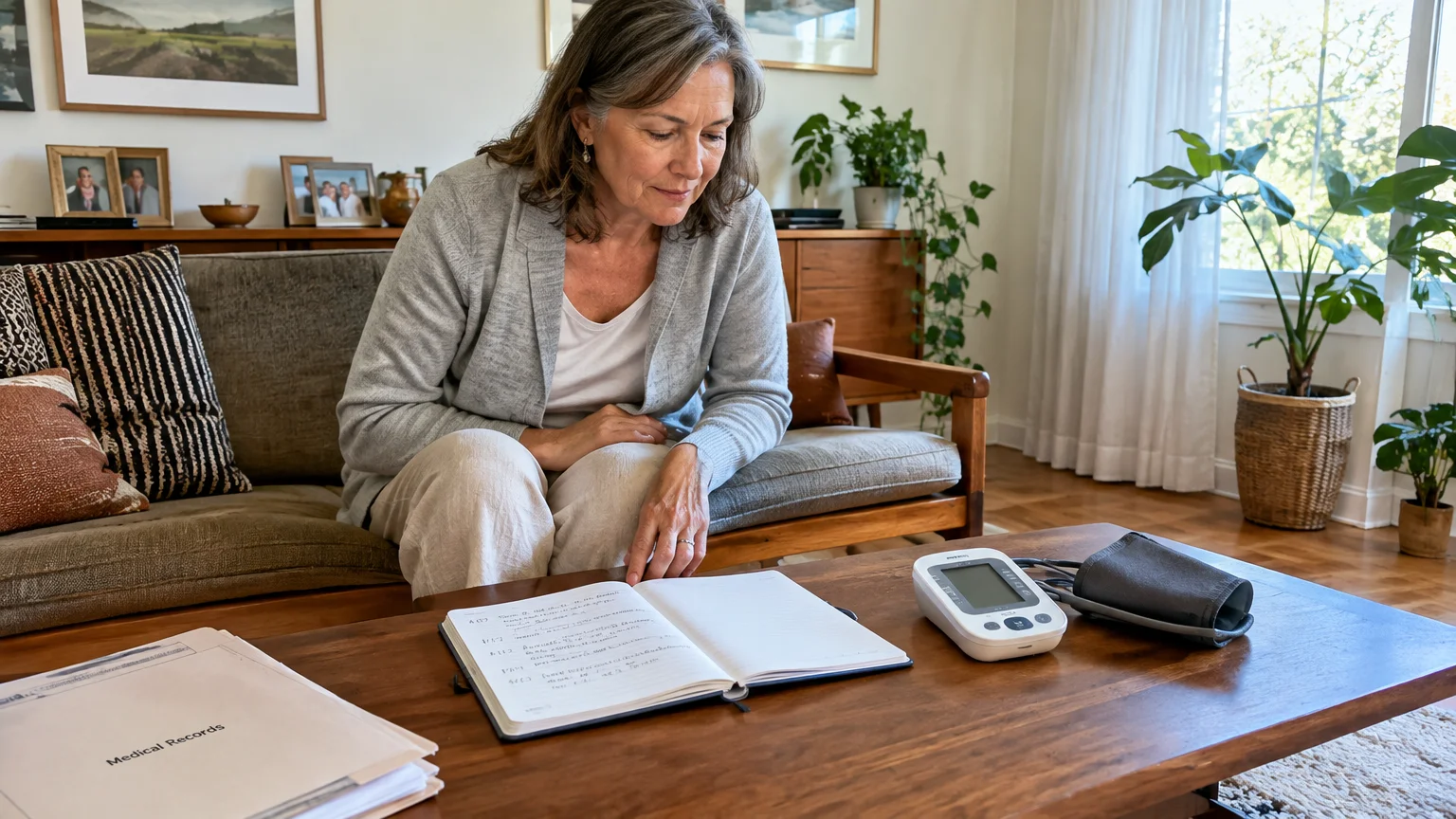
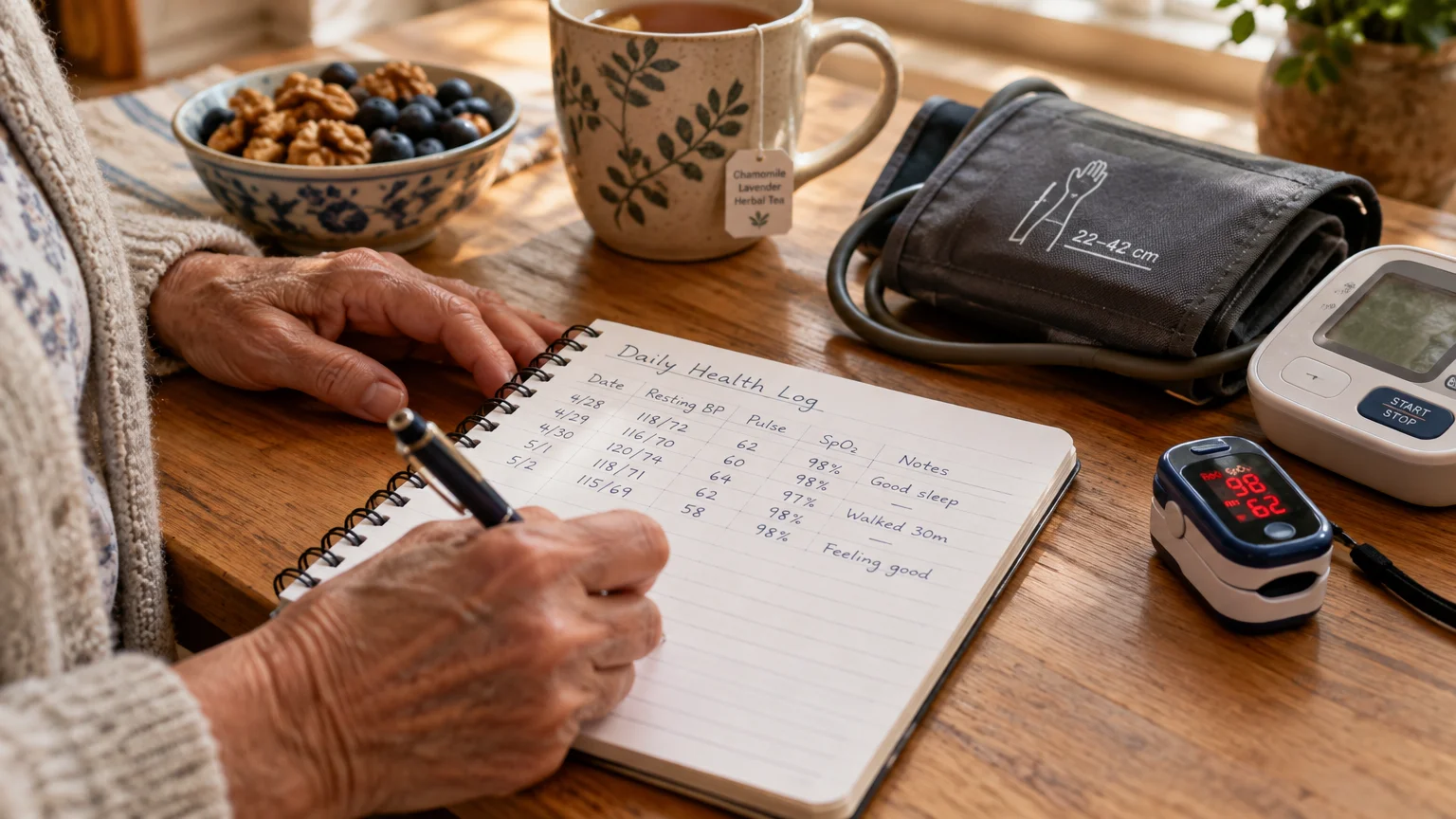
Maintain a detailed symptom diary documenting any transient episodes of jaw tightness, unexpected fatigue, or shortness of breath. Note the exact timing, duration, physical activity level, and associated sensations for each event.
Bring this documented record to your healthcare appointments to provide objective data for your physician. Clear documentation prevents busy clinicians from brushing off your concerns as subjective anxiety or stress.
Ask your doctor specific, targeted diagnostic questions during your regular annual checkups. Request an electrocardiogram, high-sensitivity C-reactive protein testing, and a comprehensive lipid profile that includes advanced particle counts.
If your symptoms persist despite normal baseline testing, advocate for advanced specialized imaging. Inquire about coronary computed tomography angiography, stress echocardiography, or specialized cardiac magnetic resonance imaging.
Adopt heart-healthy lifestyle habits that naturally support endothelial elasticity and blood pressure regulation. Emphasize a dietary pattern rich in leafy vegetables, lean proteins, fiber, and heart-healthy unsaturated fats.
Engage in regular aerobic physical movement, such as brisk walking, swimming, or stationary cycling, after obtaining medical clearance. Consistent exercise strengthens myocardial tissue and promotes collateral blood vessel growth.
Monitor your resting blood pressure and glucose numbers consistently at home using validated monitors. Catching creeping hypertension early shields delicate arterial linings from chronic microvascular damage.
Prioritize restorative sleep hygiene by maintaining consistent bedtimes and addressing loud snoring or suspected sleep apnea. Disrupted nighttime breathing accelerates arterial stiffening and elevates systemic cardiovascular inflammation.
Finally, establish an emergency action plan with your family members and trusted neighbors. Ensure everyone understands that dialing emergency services immediately is vital when atypical cardiac warning signs appear.
Frequently Asked Questions
How can I tell if fatigue is related to my heart or just normal aging?
Normal age-related fatigue develops gradually over months and improves noticeably with adequate rest and hydration. Cardiac fatigue arrives abruptly, feels debilitating, and severely hinders your ability to perform routine activities like carrying groceries.
If you suddenly find yourself unable to complete simple chores without pausing to rest, contact your doctor. Unexplained, persistent exhaustion that defies restorative sleep requires prompt cardiovascular assessment.
Why do heart disease symptoms differ between men and women?
Biological differences in vascular anatomy and hormonal balances dictate how ischemic heart disease develops in women. Men typically experience plaque ruptures in large epicardial arteries, whereas women more commonly develop diffuse microvascular dysfunction.
Additionally, female autonomic nervous system responses generate different pain referral patterns during myocardial ischemia. These anatomical and neural distinctions produce subtle symptoms like nausea and back pain rather than crushing substernal pressure.
Can high blood pressure cause subtle, hidden heart damage?
Uncontrolled hypertension damages microscopic arterial vessels silently for years without producing any obvious outward warnings. This persistent pressure forces your left ventricle to thicken, stiffening the heart muscle and impairing diastolic filling.
Over time, this unchecked strain leads directly to heart failure with preserved ejection fraction, a condition prevalent in older females. Regular blood pressure screenings remain essential for detecting this silent cardiovascular threat early.
What is a silent heart attack, and how is it detected?
A silent heart attack occurs when blood flow to cardiac muscle is restricted without triggering recognizable chest agony. Patients frequently mistake these episodes for mild flu, muscle aches, or temporary indigestion.
Physicians often discover silent heart attacks months later during routine electrocardiograms or cardiac imaging tests. These diagnostic evaluations reveal telltale electrical conduction abnormalities or localized scar tissue across the myocardium.
Should I go to the emergency room if my symptoms feel mild?
You should never hesitate to seek emergency medical attention if subtle symptoms arise suddenly or feel unusual. Because female heart attack presentations are frequently understated, delaying emergency care can lead to irreversible myocardial necrosis.
Emergency medical technicians can administer life-preserving therapies and initiate diagnostic telemetry during transit. Seeking prompt emergency care ensures that cardiac events are halted before catastrophic complications occur.
Protecting Your Heart Health Moving Forward
Recognizing the quiet, hidden signs of heart trouble gives you the power to protect your longevity and well-being. By refusing to dismiss persistent fatigue, jaw discomfort, or breathlessness, you take charge of your personal health.
Cardiovascular disease remains widespread, but awareness and timely intervention dramatically improve clinical outcomes. Speak candidly with your physician about specialized screenings, maintain heart-healthy lifestyle choices, and trust your personal instincts.
Your heart works tirelessly to sustain you through every chapter of life. Listening closely to its subtle whispers ensures it continues beating strong for decades to come.
This article is intended for informational and educational purposes only and is not a substitute for professional medical advice, diagnosis, or treatment. Always consult with a qualified healthcare provider regarding any health concerns or before making any decisions related to your health or treatment.