Recognizing dangerous health patterns can save your loved one’s life during a sudden medical crisis. Adults over sixty-five face severe risks when common physiological signals quickly combine into acute medical emergencies.
When shortness of breath pairs with chest discomfort, or sudden confusion accompanies sudden physical weakness, you must act immediately. These dual-symptom combinations represent the leading reasons older adults require urgent emergency department care.
Learning how to spot these critical pairings helps you avoid devastating delays and secure life-saving medical intervention. This guide explains the primary warning signs and how you should respond.
Understanding the Basics of Senior Emergency Department Visits
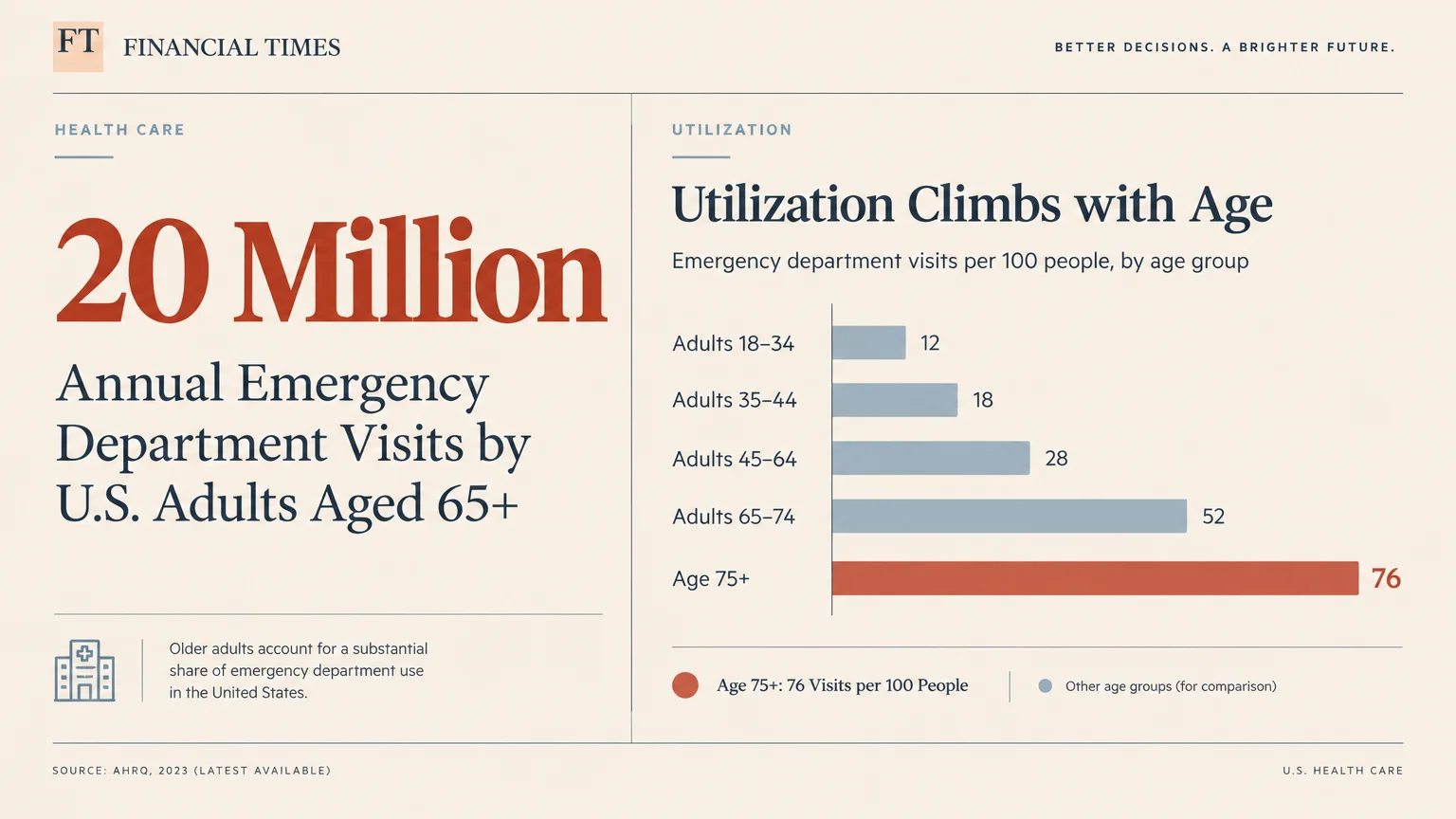
Emergency department visits among older adults represent a massive segment of modern acute healthcare. According to the CDC, adults aged sixty-five and older account for roughly twenty million emergency department visits annually across the United States.
By age seventy-five, this utilization rate climbs dramatically to approximately seventy-six visits for every one hundred people. This frequency represents the highest emergency department visit rate of any demographic outside of newborn infants.
Understanding why seniors visit the emergency room requires looking closely at how symptoms appear in mature bodies. Unlike younger individuals who often present with a single isolated complaint, older adults frequently experience complex symptom clusters.
A symptom combination occurs when two or more distinct physical or cognitive changes happen at the same time. These paired warnings often point toward acute physiological decompensation rather than an isolated, benign issue.
The underlying reason matters because single symptoms in older adults often seem mild or manageable on their own. However, when paired together, they indicate systemic organ stress, severe infection, or cardiovascular instability.
Healthcare professionals must evaluate these combinations rapidly to prevent permanent disability or death. Recognizing these patterns empowers you to seek urgent intervention before a manageable issue turns catastrophic.
Key Considerations for the Aging Body
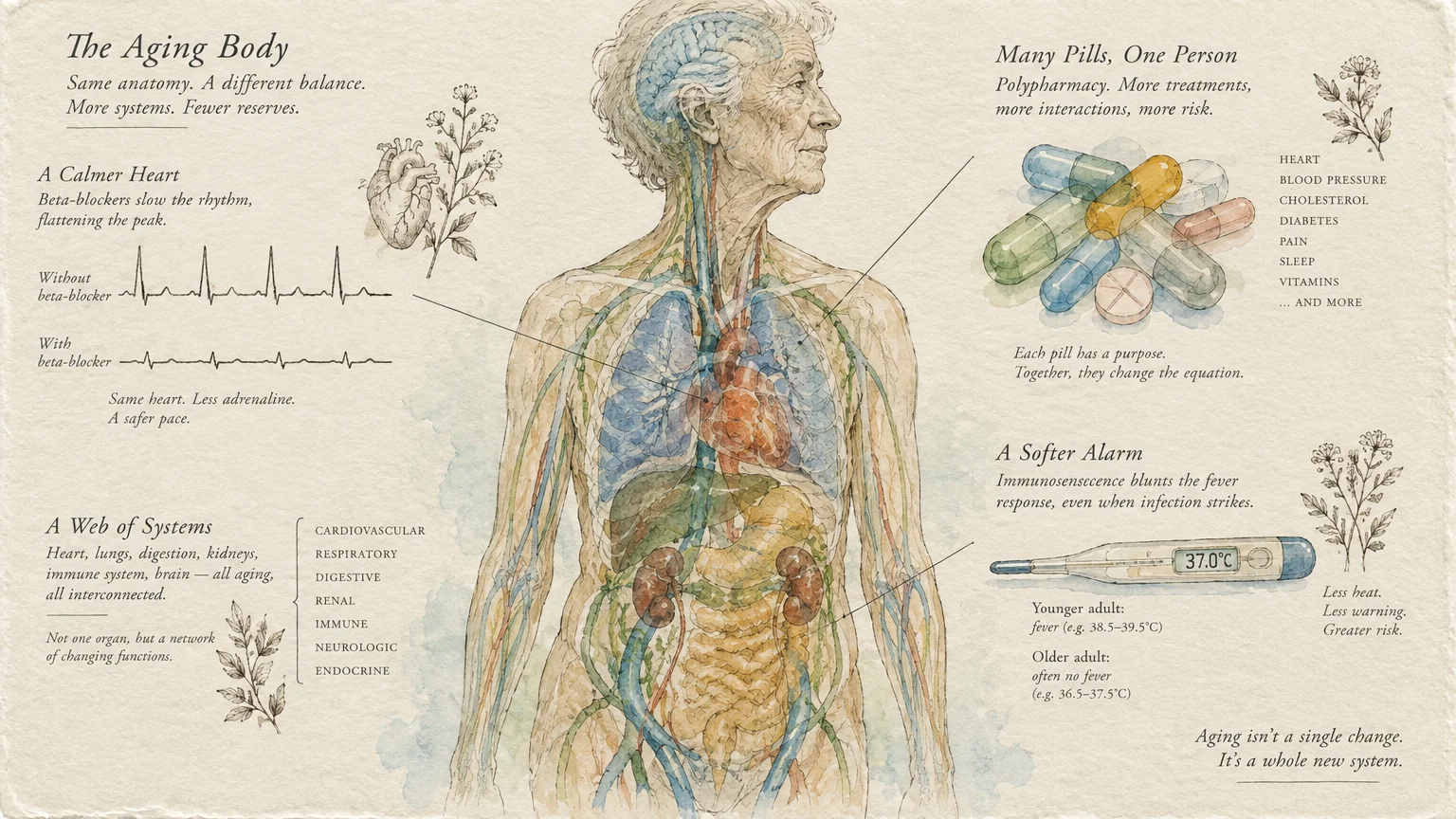
Aging changes how your physiological systems respond to illness, injury, and environmental stress. Your cardiovascular reserves naturally decline over decades, making your heart less capable of tolerating sudden hemodynamic shifts.
The immune system also undergoes immunosenescence, which blunts standard inflammatory responses like high fevers during severe infections. Consequently, a life-threatening infection may produce only subtle behavioral shifts rather than classic chills or sweating.
Chronic disease prevalence further complicates how emergencies manifest in older individuals. Healthcare survey data indicates that roughly ninety-three percent of adults aged sixty-five and older manage at least one chronic medical condition.
Nearly eighty percent of these individuals manage two or more chronic conditions simultaneously. Balancing ailments like hypertension, diabetes, and heart failure creates complex baselines that obscure new medical problems.
Polypharmacy—the regular use of multiple prescription medications—also alters clinical presentations and elevates clinical risk. Prescription drugs can interact unpredictably, masking essential warning signs or creating secondary adverse emergencies.
For example, beta-blockers prevent your heart rate from elevating during shock or internal bleeding. As a result, you might not exhibit the rapid pulse that emergency doctors typically expect during acute blood loss.
Altered pain perception represents another major factor that delays life-saving care. Age-related neuropathy, vascular disease, and cognitive changes can dull sharp sensations, converting severe acute pain into dull discomfort or vague fatigue.
The Cardiopulmonary Pairing: Chest Discomfort and Shortness of Breath
Chest pain prompts more than 6.5 million visits to emergency departments across the country each year. Yet among seniors, chest pain rarely appears as an isolated, sharp sensation.
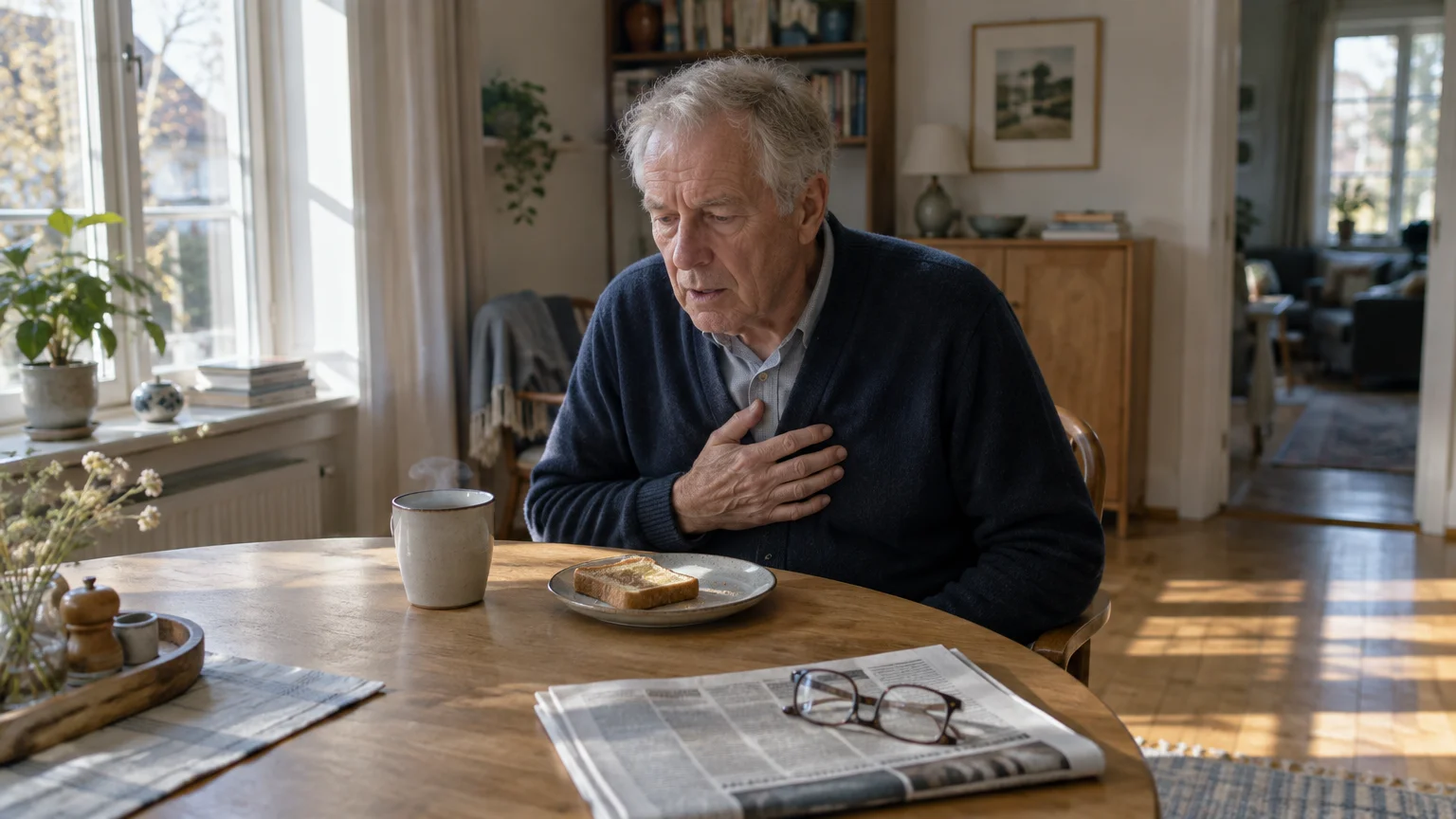
The classic combination of chest discomfort paired with acute dyspnea—or shortness of breath—represents the most lethal presentation in geriatric medicine. This dual symptom set demands immediate emergency evaluation without delay.
Clinical research shows that acute dyspnea in older patients triples the odds of immediate hospital admission. Furthermore, this breathing difficulty doubles the odds of in-hospital mortality compared to single baseline symptoms.
When you experience pressure, squeezing, or fullness in your chest alongside breathlessness, your cardiovascular system is struggling. The heart muscle may not be receiving adequate oxygenated blood through stenotic coronary arteries.
This pairing frequently signals acute myocardial infarction, acute coronary syndrome, or flash pulmonary edema. In congestive heart failure, fluid rapidly accumulates in your lungs, creating intense air hunger alongside retrosternal heaviness.
Pulmonary embolism—a blood clot traveling into your pulmonary arterial bed—presents with identical dual symptoms. The sudden blockage restricts blood flow, causing acute chest discomfort, sudden oxygen desaturation, and profound respiratory distress.
Never wait to see if chest tightness and shortness of breath subside on their own. Call 911 immediately so paramedics can begin life-saving electrocardiogram monitoring and oxygen therapy en route.

The Atypical Pairing: Sudden Confusion and Generalized Weakness
Not all senior emergencies present with dramatic chest pain or gasping breaths. In fact, up to twenty percent of older adults enter emergency departments with vague, non-specific complaints.
The most common and deceptive atypical combination involves sudden cognitive confusion paired with generalized weakness or profound fatigue. Medical professionals categorize this acute confusion as delirium.
When an older adult suddenly becomes disoriented, drowsy, or uncharacteristically agitated, their brain is reacting to systemic biological distress. Delirium paired with new muscular weakness indicates an acute medical crisis requiring immediate clinical evaluation.
Studies demonstrate that non-specific complaints are associated with a two- to three-fold higher rate of hospital admission and thirty-day mortality. Because these symptoms seem ambiguous, families often delay seeking help until organ damage advances.
Sepsis stands as one of the most critical causes behind this deceptive symptom combination. Sepsis represents a life-threatening organ dysfunction caused by a dysregulated systemic response to an underlying infection.
Urinary tract infections, bacterial pneumonia, and abdominal infections frequently manifest without localized pain or fever in seniors. Instead, bacterial toxins cross the blood-brain barrier, triggering acute delirium and profound lethargy.
Silent heart attacks also manifest through sudden confusion and weakness rather than crushing chest pain. Neuropathy in diabetic seniors can eliminate chest discomfort, leaving exhaustion and disorientation as the sole warning signs.
Acute stroke or transient ischemic attacks can also produce sudden confusion coupled with unilateral or generalized weakness. If you notice a sudden change in mental state alongside physical sluggishness, treat it as an emergency.
The Mobility Crisis: Falls Paired with Inability to Bear Weight
Falls represent a monumental health risk for older adults across the globe. Data published by the CDC reveals that more than one in four older adults falls each year.
These accidents generate approximately three million emergency department visits and nearly one million hospitalizations annually. Furthermore, unintentional falls cause between eighty-six and ninety percent of all senior injury-related visits to emergency departments.
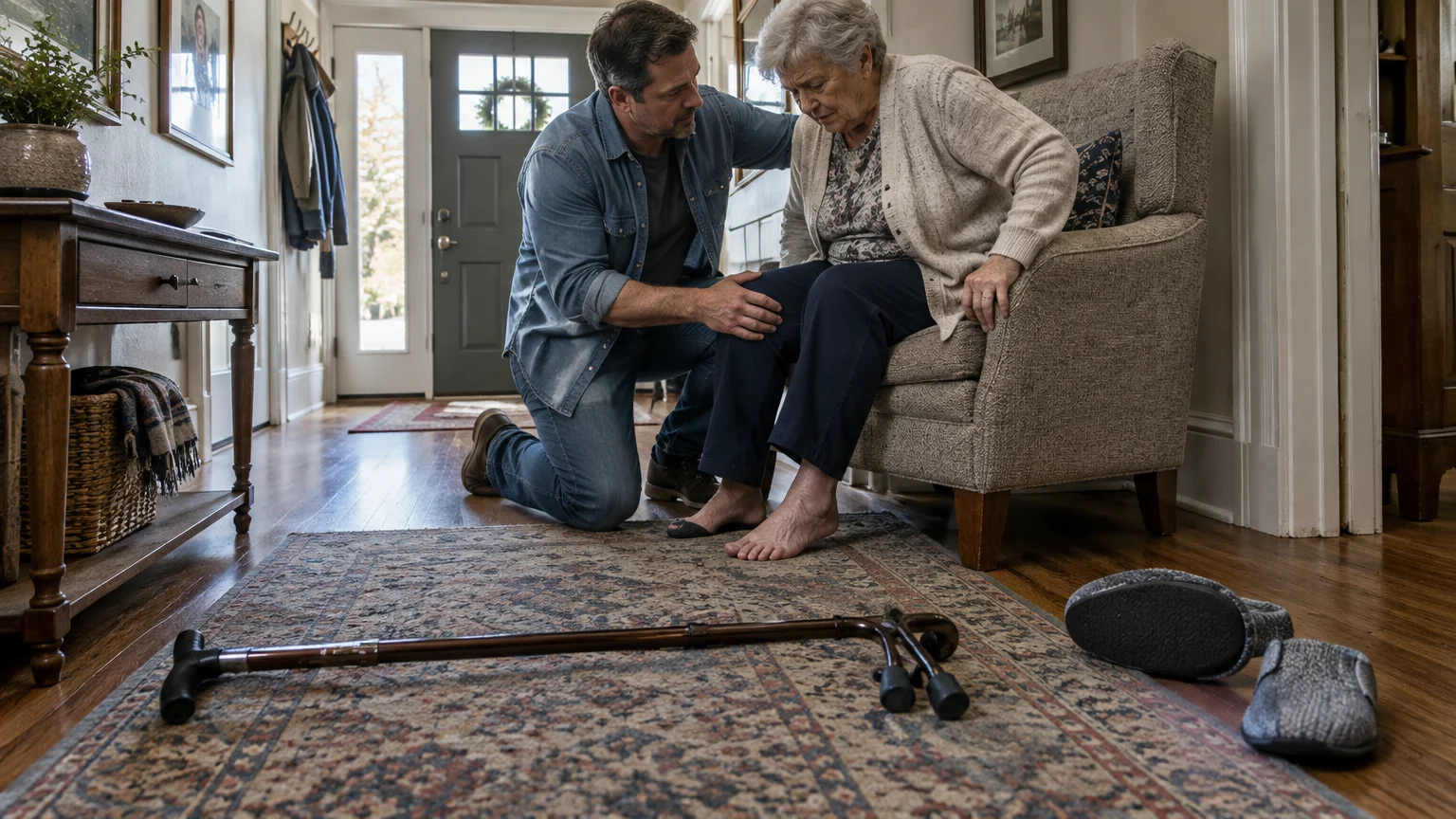
A fall becomes an absolute emergency when paired with severe localized pain or an immediate inability to bear weight. This combination strongly suggests an acute orthopedic fracture or severe structural trauma.
Hip fractures represent the most devastating outcome of low-energy falls among individuals with underlying osteopenia or osteoporosis. When a hip fractures, the affected leg often appears visibly shortened and rotated outward.
Attempting to stand or walk on a fractured pelvis, femur, or hip can displace bone fragments and cause catastrophic internal hemorrhaging. You must keep your loved one stationary while summoning emergency medical services.
Beyond mechanical fractures, the fall itself frequently stems from an underlying medical event rather than simple clumsiness. Cardiac arrhythmias, severe orthostatic hypotension, or sudden strokes frequently trigger sudden loss of balance.
When a fall pairs with the inability to stand, emergency physicians must evaluate both the orthopedic trauma and the precipitating physiological event. Prompt stabilization reduces the risk of dangerous complications like deep vein thrombosis and surgical delay.
Benefits and Potential Risks of Emergency Evaluation
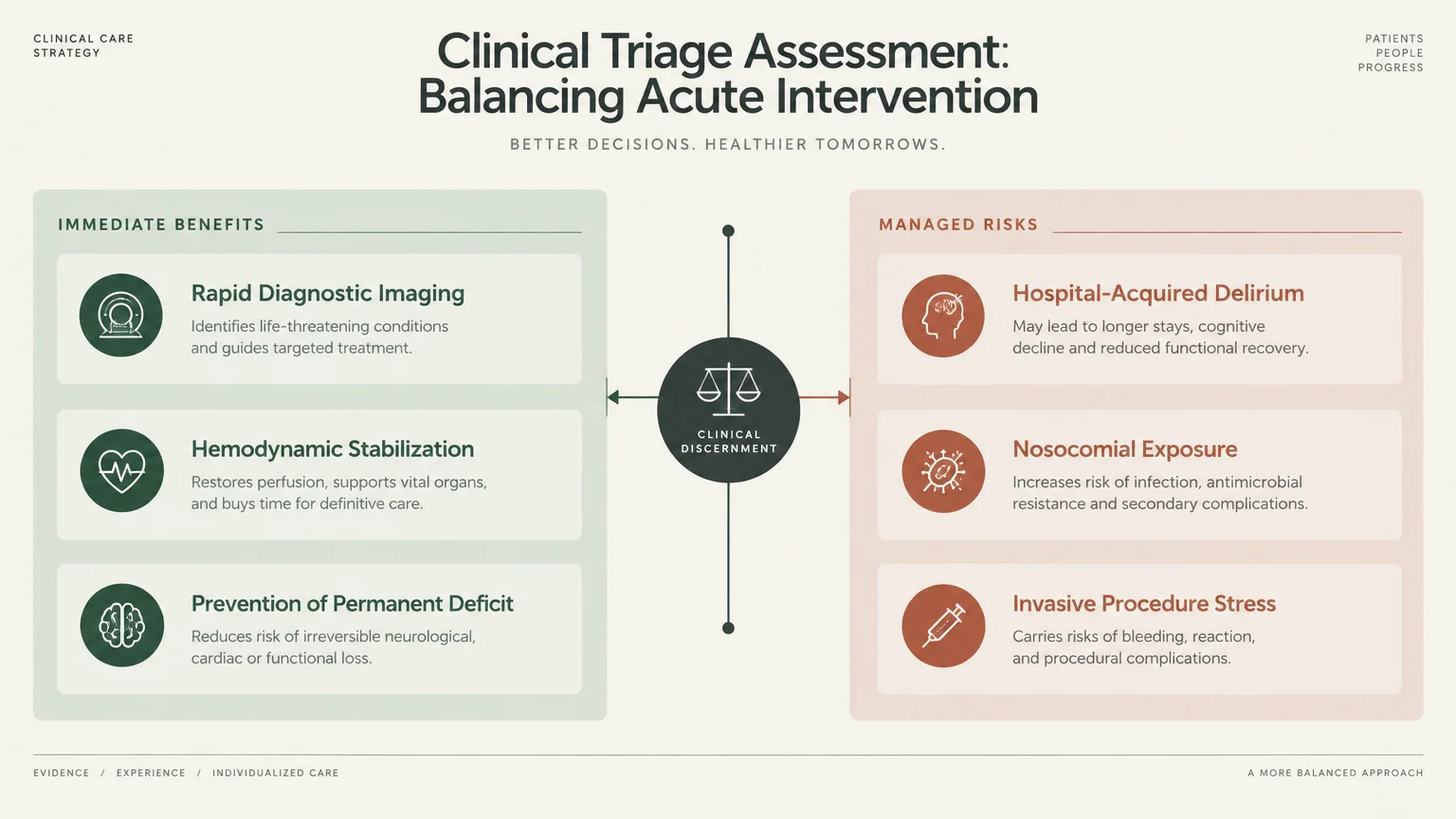
Seeking immediate emergency department care offers profound, life-saving benefits when dangerous symptom combinations arise. Emergency rooms provide continuous cardiac monitoring, advanced computed tomography imaging, rapid blood diagnostics, and board-certified emergency physicians around the clock.
Rapid medical intervention during heart attacks or strokes preserves vital organ function and brain tissue. Timely administration of clot-busting medications or emergency catheterization can mean the difference between independence and permanent disability.
Similarly, early antibiotic administration for sepsis drastically cuts mortality rates. Every hour of delay in antibiotic delivery for septic shock increases your mortality risk significantly.
Despite these crucial advantages, visiting an emergency room also carries distinct hazards for frail older adults. Busy emergency departments present bright fluorescent lights, persistent alarms, disruptive noise, and unfamiliar environments that can trigger hospital-acquired delirium.
Prolonged immobility on hard hospital stretchers can rapidly produce skin breakdown, painful pressure sores, and worsening muscular deconditioning. Older adults who spend hours waiting on gurneys face heightened functional decline.
Hospital-acquired infections also represent a genuine threat in acute emergency settings. Exposure to multidrug-resistant pathogens poses substantial danger to individuals with compromised immune defenses or invasive catheters.
Furthermore, extensive emergency workups carry risks of diagnostic cascades, unnecessary radiation exposure, and adverse reactions from intravenous contrast dyes. Balancing these hazards requires prompt action for severe symptom combinations while avoiding unnecessary visits for minor, stable complaints.
What the Leading Experts and Guidelines Recommend
Major health organizations emphasize tailored evaluation strategies for older adults presenting with acute symptoms. Researchers at the NIH advocate for specialized geriatric emergency medicine protocols.
These guidelines urge clinicians to look beyond isolated symptoms and evaluate comprehensive baseline function. Expert consensus highlights that subtle cognitive shifts often represent the earliest sign of systemic decompensation.
Clinical guidelines published by the Mayo Clinic reinforce the necessity of treating acute breathlessness as a primary cardiopulmonary crisis. Mayo Clinic cardiologists recommend immediate biomarker testing—such as high-sensitivity troponin and brain natriuretic peptide—for any older patient with dyspnea.
Geriatric emergency medicine societies also promote dedicated geriatric emergency departments across major medical systems. These specialized units feature quiet rooms, non-slip flooring, thicker mattresses, and specialized nurse navigators trained in delirium prevention.
Leading emergency physicians stress that families must act as active advocates during acute hospital evaluations. Providing an accurate list of baseline cognitive abilities and daily medications helps clinicians detect subtle clinical changes quickly.
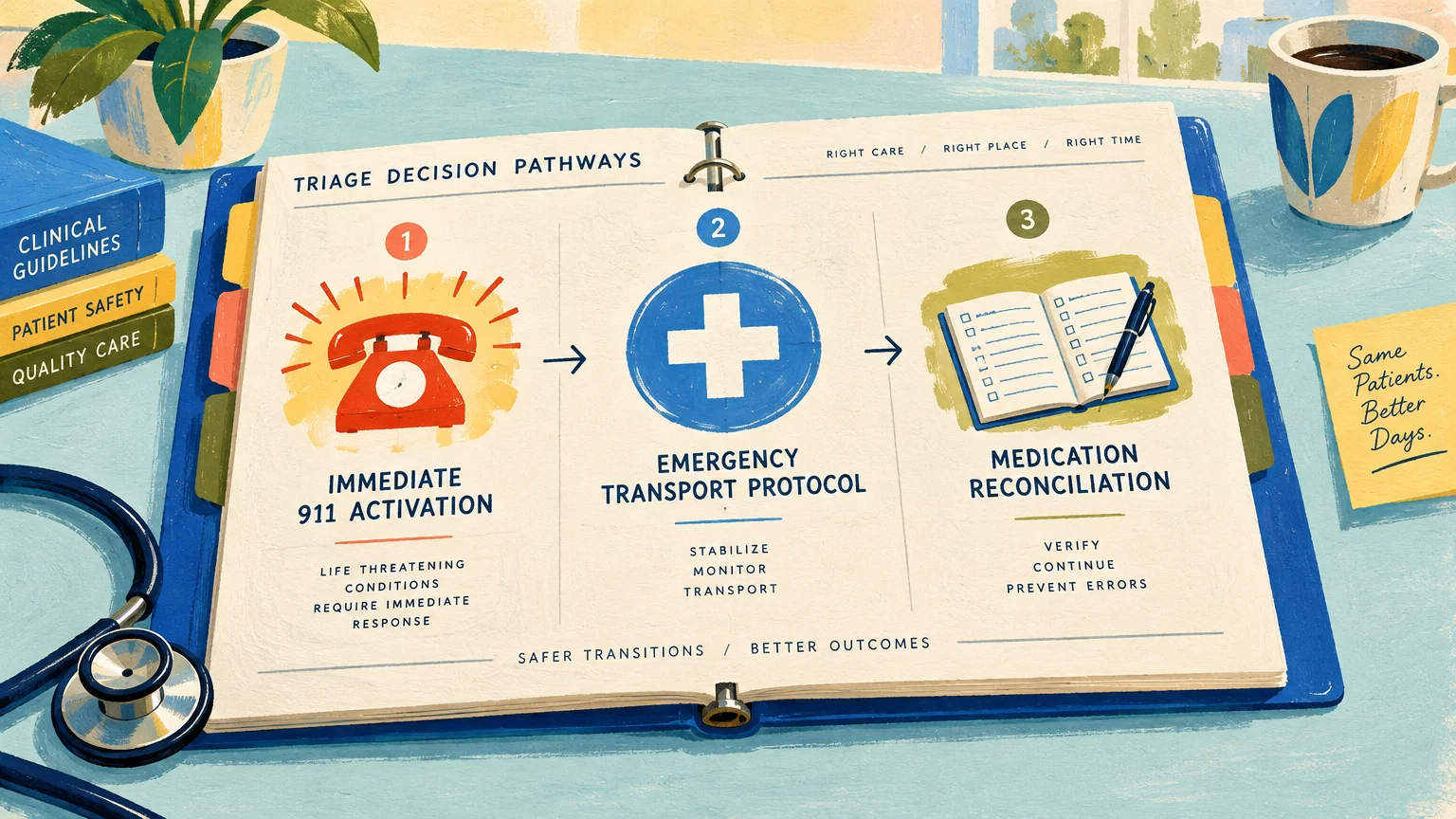
Experts universally advise against waiting for primary care office hours when red-flag symptom combinations emerge. Calling emergency services ensures immediate medical stabilization and prevents dangerous transit accidents during critical physiological crises.
Practical Steps and Actionable Advice for Families
You can protect your loved one by establishing a proactive emergency readiness plan before a sudden crisis strikes. Preparation eliminates panic, reduces transport delays, and helps emergency physicians make rapid, accurate decisions.
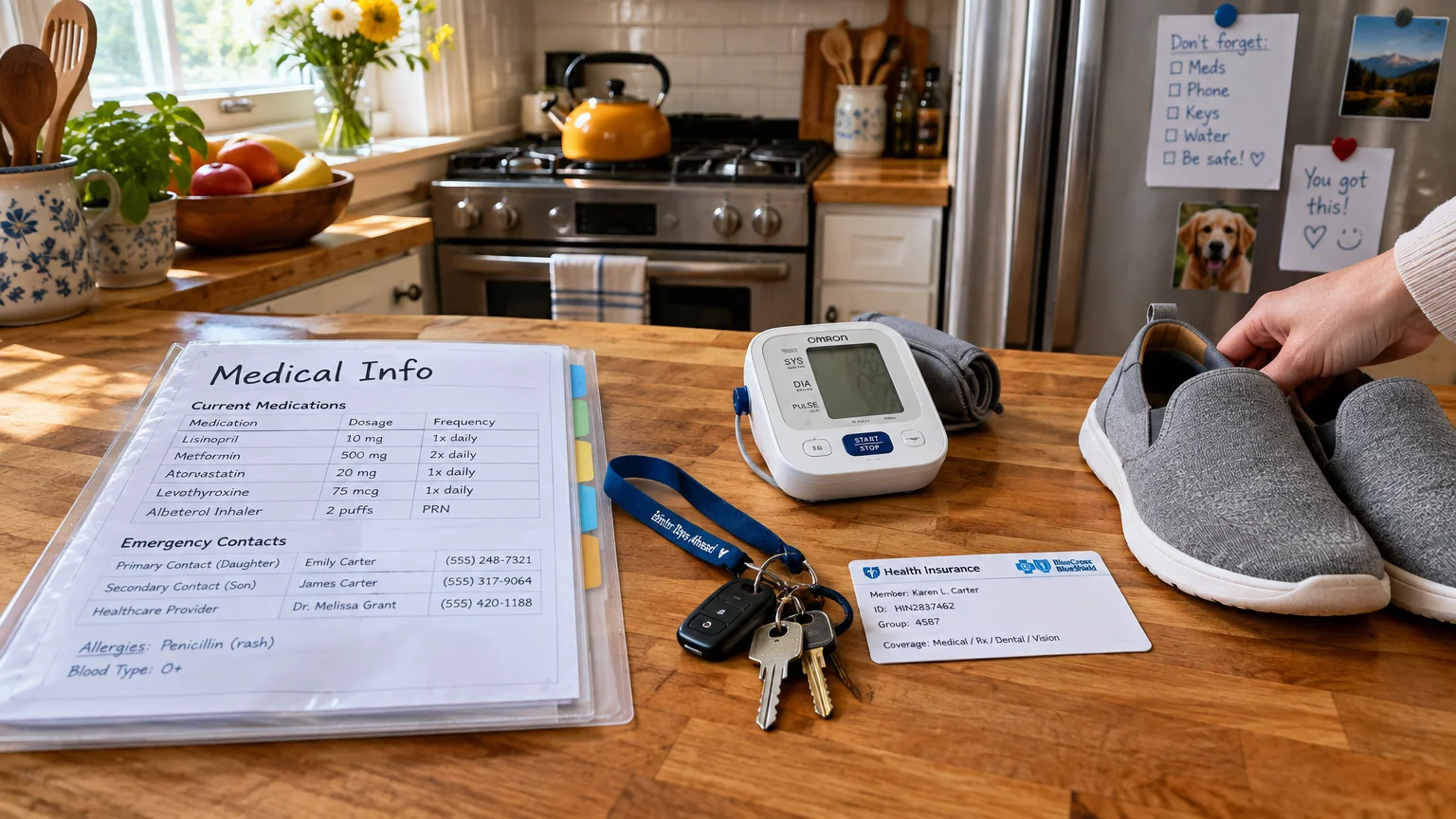
Maintain an up-to-date printed medical summary in a brightly colored folder near your home’s front entrance. Include complete medication names, exact dosages, prescribing doctors, active chronic diagnoses, prior surgeries, and known drug allergies.
Document the patient’s exact baseline functional status and typical cognitive behavior clearly in this document. When an emergency doctor asks whether your parent is normally disoriented, you can offer definitive answers.
Create an accessible legal packet containing copies of advance healthcare directives, medical power of attorney, and living wills. Having these legal documents immediately accessible ensures medical staff honor your loved one’s specific care wishes.
When evaluating concerning changes at home, assess both physical and mental capabilities systematically. Check whether your loved one can speak clearly, stand safely, answer simple orientation questions, and breathe comfortably at rest.
If you observe chest discomfort paired with breathlessness, call 911 immediately rather than driving to the hospital yourself. Paramedics can administer aspirin, perform electrocardiograms, provide supplemental oxygen, and notify the cardiac catheterization team in advance.
If you observe sudden delirium paired with extreme lethargy, check vital signs if you own home monitoring equipment. Measuring blood pressure, pulse, oxygen saturation, and body temperature provides invaluable initial data to emergency personnel.
Never allow a fallen senior who cannot bear weight to stand up unassisted. Keep them warm and calm with blankets on the floor until trained emergency medical personnel arrive to immobilize them.
Frequently Asked Questions About Senior Emergency Care
How can I tell the difference between normal forgetfulness and acute delirium?
Normal age-related forgetfulness or established dementia develops gradually over months or years, showing predictable patterns. Delirium, by contrast, develops suddenly over hours or days and causes dramatic fluctuations in attention and alertness.
If your loved one suddenly cannot focus, sees things that are not there, or becomes unusually drowsy, suspect acute delirium. This sudden transformation represents a medical emergency that warrants immediate hospital evaluation.
Should I drive my parent to the emergency room or call an ambulance?
Always call an ambulance if you observe severe symptom combinations like chest tightness, respiratory distress, sudden confusion, or severe fall injuries. Paramedics begin life-saving treatments immediately inside the ambulance before arriving at the hospital.
Emergency medical services also communicate directly with hospital triage teams, ensuring immediate room placement upon arrival. Driving yourself delays critical care and places you and your loved one in dangerous road situations.
Why do urinary tract infections cause confusion instead of painful urination in seniors?
Aging blunts local inflammatory responses in the bladder, which often eliminates classic sensations like burning urination or pelvic discomfort. Instead, the localized bacterial infection quickly triggers widespread systemic inflammation across older vascular systems.
Inflammatory chemical messengers cross the aging blood-brain barrier, altering neurotransmitter activity and causing acute cognitive confusion. Consequently, sudden disorientation is frequently the primary indicator of an underlying urinary tract infection.
What items should I bring to the emergency department for an older adult?
Bring an up-to-date medication list, photo identification, insurance cards, and copies of legal medical power of attorney documents. Having these items organized saves precious time and prevents costly administrative delays during triage.
You should also bring essential sensory aids, such as prescription eyeglasses, functional hearing aids, and dental dentures. Maintaining sensory input helps prevent hospital-acquired delirium and allows your loved one to communicate effectively with doctors.
What should I ask the emergency room doctor before my loved one is discharged?
Ask the attending physician to clarify the exact diagnosis and explain what specific symptoms require an immediate return to the hospital. Understanding these red flags ensures you monitor recovery safely at home.
Inquire about any changes made to existing prescription medications and request an updated reconciliation sheet. Ensure you know exactly which medications to resume, modify, or discontinue before leaving the facility.
Protecting Senior Health Through Vigilant Care
Recognizing dangerous symptom combinations transforms you from an anxious bystander into an effective life-saving advocate for your loved one. Prompt recognition of paired red flags ensures rapid medical evaluation when minutes matter most.
Whether facing chest pressure paired with breathlessness, sudden confusion linked to weakness, or falls with weight-bearing failure, always trust your instincts. Rapid emergency intervention protects functional independence, prevents complications, and preserves longevity.
This article is intended for informational and educational purposes only and is not a substitute for professional medical advice, diagnosis, or treatment. Always consult with a qualified healthcare provider regarding any health concerns or before making any decisions related to your health or treatment.