
Sudden stomach distress after dinner might seem like ordinary indigestion, but your immune system could be sounding an urgent alarm. Dismissing persistent nausea or cramping as a sensitive gut can hide a life-threatening food allergy.
While many people assume food allergies only appear during childhood, adult-onset food allergies increasingly affect older adults. Recognizing the critical difference between routine indigestion and an immune reaction protects your long-term independence.
Learning how food allergies mimic stomach issues ensures you receive prompt medical care before a minor meal turns dangerous. Here are the crucial warning signs you must know to safeguard your daily wellness.
Understanding the Basics: Food Allergy Versus Digestive Intolerance
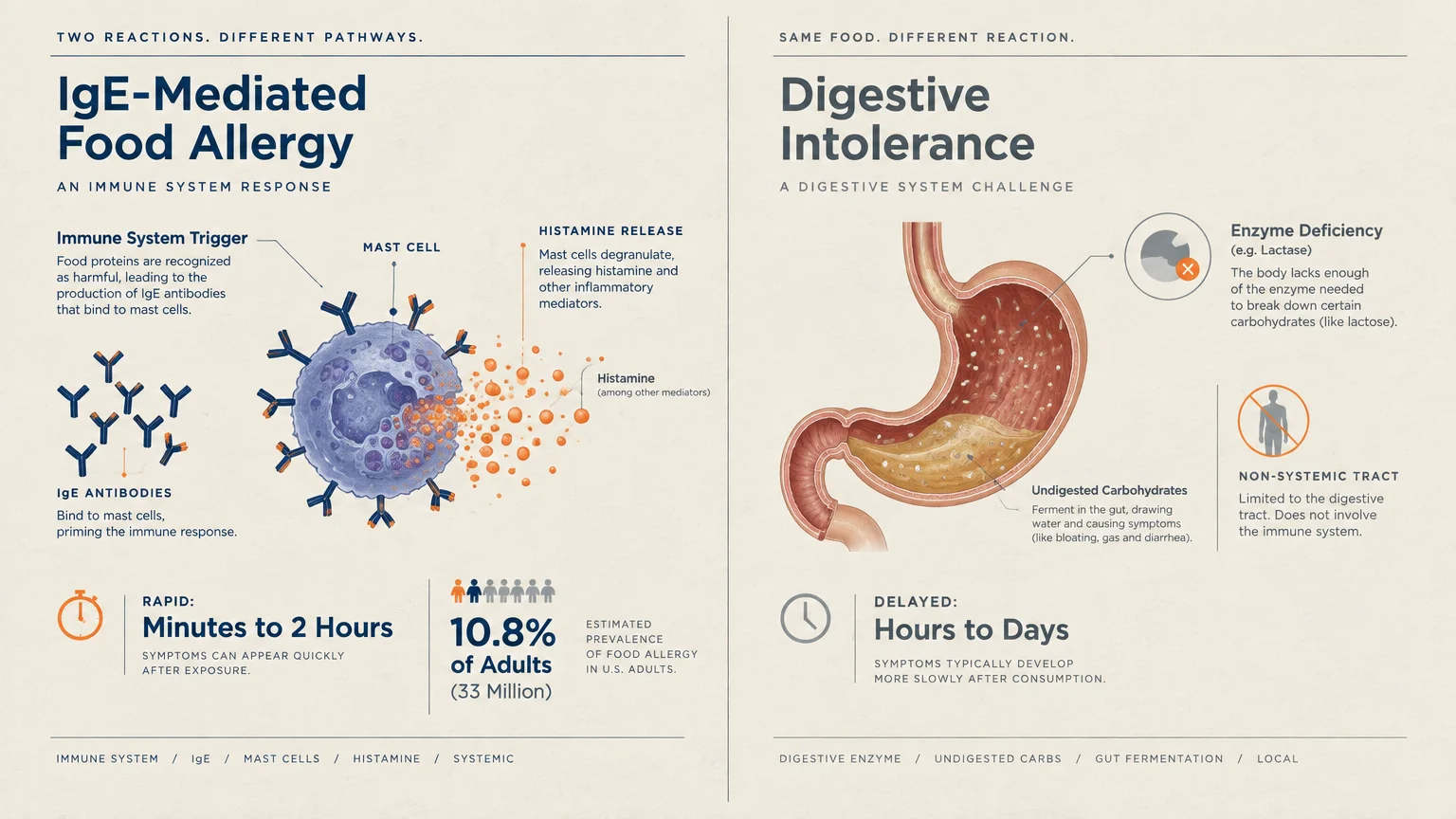
An allergic response fundamentally differs from common digestive distress. A true food allergy occurs when your immune system mistakenly identifies harmless dietary proteins as dangerous foreign threats.
When you ingest an allergen, your immune system generates specific Immunoglobulin E (IgE) antibodies. These antibodies trigger specialized mast cells to release histamine and other potent inflammatory chemicals throughout your body.
According to research documented by the National Institutes of Health, roughly 33 million Americans live with food allergies. That equates to approximately 10.8 percent of adults nationwide.
In contrast, a food intolerance does not engage your immune system or trigger systemic antibody production. Food intolerances usually stem from digestive enzyme deficiencies, such as lactase deficiency leading to lactose intolerance.
Intolerance symptoms remain confined to your digestive tract, causing gradual bloating or mild loose stools. They never produce life-threatening systemic emergencies.
Reaction timing provides another critical distinction between these two conditions. Classic IgE-mediated food allergy symptoms typically emerge rapidly, striking anywhere from a few minutes to two hours after your meal.
Food intolerance symptoms usually develop slowly over several hours or even days after eating. Understanding this fundamental timeline helps you identify whether your discomfort warrants urgent evaluation.
9 Symptoms That Could Mean a Food Allergy, Not Just an Upset Stomach
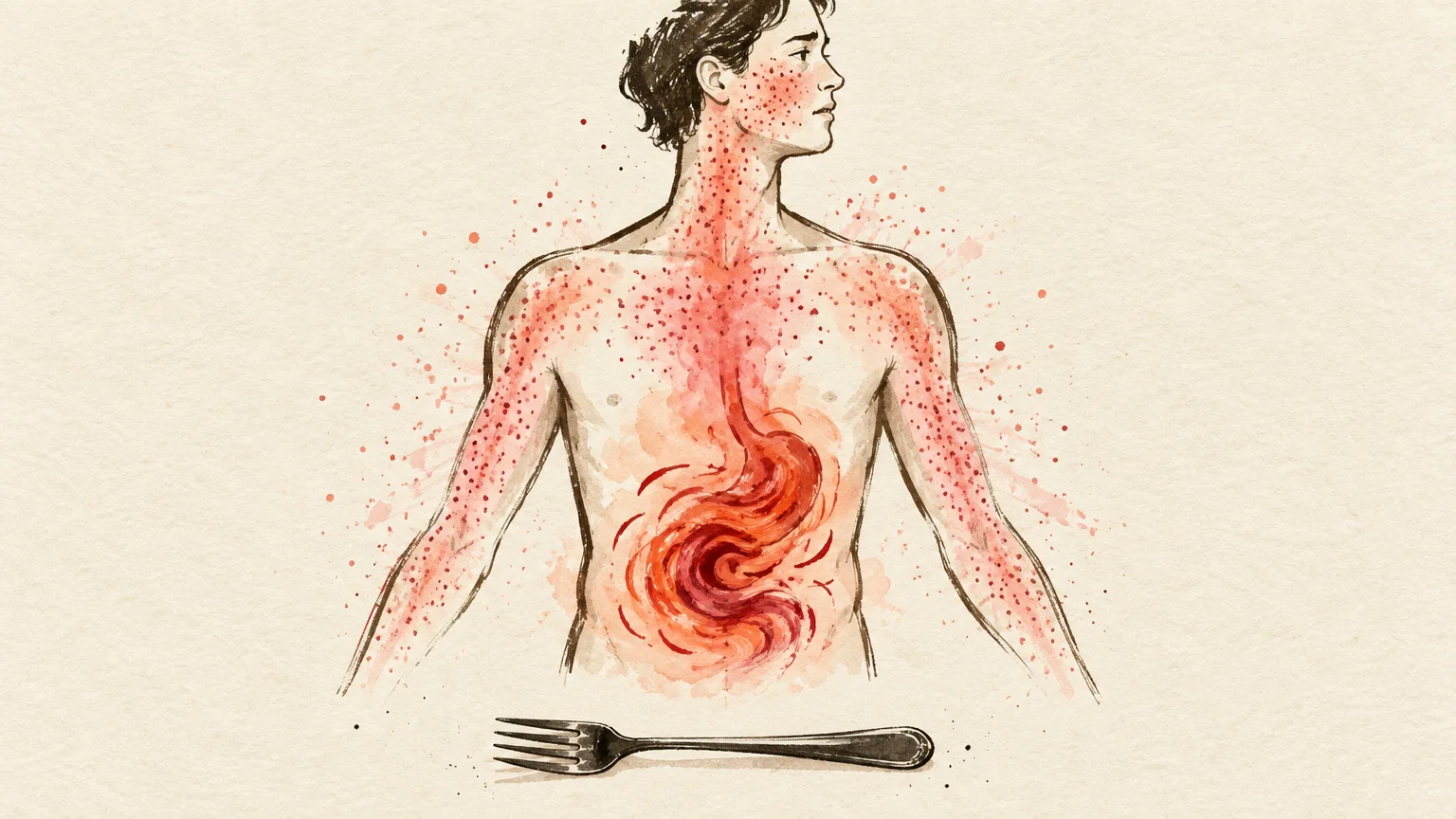
Many individuals mistakenly associate food allergies strictly with swollen throats or immediate hives. However, allergic reactions often masquerade as conventional gastrointestinal illness while silently engaging your broader immune defenses.
Pay close attention to how these symptoms present alongside other bodily changes. Experiencing digestive distress alongside any systemic reaction requires serious medical attention.
1. Sudden Nausea Accompanied by Skin Flushing or Itching
Nausea after a meal often feels like acid reflux or spoiled food. However, if that nausea arrives alongside warm, flushed skin or an itchy chest, suspect an allergy.
Histamine releases flood your circulatory system quickly during an allergic cascade. This chemical rush triggers sudden stomach turbulence while simultaneously expanding microscopic blood vessels near your skin surface.
Pay attention if a simple stomach ache feels hot, prickly, or unusually agitated. This distinct combination points directly toward an active immune reaction rather than simple indigestion.
2. Rapid-Onset Abdominal Cramping Within Two Hours
Ordinary indigestion generally builds up gradually as food slowly moves through your intestines. In contrast, allergic stomach cramps strike with shocking speed, often doubling you over within minutes of eating.
These acute spasms occur because mast cells lining your intestinal tract react instantly to food proteins. The sudden local inflammation forces your gastrointestinal smooth muscles into violent, painful contractions.
If intense stomach spasms regularly interrupt your meals before you even leave the dinner table, do not ignore them. Rapid-onset cramping serves as a primary indicator of IgE-mediated food hypersensitivity.
3. Tingling, Itching, or Tightness in Your Mouth and Throat
A classic red flag that distinguishes a food allergy from simple stomach upset occurs in your oral cavity. Before nausea begins, you might experience a strange metallic taste, scratchy palate, or subtle lip swelling.
Clinicians refer to this early warning phase as oral allergy syndrome. Your mucous membranes immediately detect offending proteins, sparking localized swelling and nerve irritation before digestion even begins.
Even mild oral tingling before a bout of stomach pain warrants thorough medical investigation. Overlooking this early clue allows dangerous immune sensitivities to escalate unnoticed.
4. Severe Vomiting Paired With Lightheadedness or Dizziness
Vomiting caused by a common stomach virus leaves you feeling weak, but food allergy vomiting often coincides with sudden dizziness. This precarious combination indicates that your cardiovascular system has become actively involved.
Systemic histamine release causes widespread dilation of your blood vessels, leading to a sudden drop in blood pressure. When your blood pressure plummets rapidly, severe lightheadedness or fainting accompanies your nausea.
Medical experts at the Mayo Clinic emphasize that vomiting combined with dizziness can signal anaphylaxis. Treat this dual presentation as a medical emergency requiring immediate intervention.
5. Sudden, Explosive Diarrhea Alongside Sweating
While food poisoning takes hours to trigger diarrhea, an allergic response acts swiftly. Your body expels allergenic proteins by flooding your bowels with fluid in a frantic purge.
This rapid fluid shift frequently causes abrupt, explosive diarrhea accompanied by cold sweats and trembling. You may feel suddenly clammy and exhausted within an hour of finishing your meal.
If a particular meal consistently sends you racing to the restroom under a cold sweat, examine your plate. Your digestive tract is likely rejecting an allergen rather than struggling with poor digestion.
6. Unexplained Wheezing or Hoarseness After Eating
Many adults fail to connect post-meal respiratory issues with their upset stomach. If you clear your throat repeatedly, develop a raspy voice, or hear a faint wheeze while feeling bloated, your airways are constricting.
Inflammatory chemicals that disturb your digestive tract easily travel through your bloodstream to bronchial tissues. This migration causes your bronchial passages to narrow, restricting airflow and straining your lungs.
Gastrointestinal symptoms combined with even mild respiratory changes form a multi-organ reaction. This multi-system involvement represents a defining feature of a serious food allergy.
7. Delayed Nighttime Stomach Agony From Alpha-Gal Syndrome
While most food allergies flare up within two hours, an important exception disrupts this standard timeline. Alpha-gal syndrome, caused by the bite of the lone star tick, triggers severe reactions to mammalian meat.
Eating beef or pork causes severe cramping and diarrhea three to six hours later. Because symptoms wake you at night, seniors often mistake it for gallbladder trouble.
If you experience agonizing midnight gastrointestinal distress hours after a steak or pork dinner, consider tick-borne meat allergy. A specialized blood test can quickly confirm this unique immune diagnosis.
8. Swelling of the Lips, Eyelids, or Facial Tissues
Facial swelling, known clinically as angioedema, frequently develops alongside gastrointestinal symptoms during an allergic reaction. You may notice your lips feeling unusually heavy or your eyelids puffing up while your stomach churns.
Unlike ordinary stomach flu, which never causes facial swelling, food allergies trigger fluid leakage into deep cutaneous tissues. This swelling can advance quickly, moving from your lips toward your tongue and throat.
Never dismiss gastrointestinal distress when your mirror reflects visible facial puffiness. This pairing confirms that your body is undergoing a systemic immune assault rather than localized digestive irritation.
9. A Sudden Feeling of Impending Doom or Extreme Anxiety
A documented sign of severe food allergies is an intense sense of impending doom. Histamine surges can provoke unexplained panic alongside acute gut pain.
Your autonomic nervous system senses acute vascular changes and sounds a systemic neurological alarm. Patients often describe feeling terrified, disoriented, or deeply uneasy right as stomach cramping starts.
If sudden terror or severe anxiety accompanies your stomach upset, trust your instincts. Your nervous system is alerting you to an acute physiological crisis that requires prompt medical evaluation.

Key Considerations for Older Adults
Aging fundamentally changes how your body metabolizes nutrients and manages immune defenses. Landmark studies reveal that nearly 48 percent of food-allergic adults developed at least one of their allergies during adulthood.
Believing you cannot develop a food allergy later in life is an outdated and dangerous myth. You can suddenly develop severe hypersensitivity to foods you enjoyed safely for decades.
As you age, your immune system experiences an ongoing remodeling process known as immunosenescence. This natural shift dysregulates immune reactions, occasionally prompting previously tolerant immune cells to treat dietary proteins as hostile invaders.
The Centers for Disease Control and Prevention highlights that most older adults manage at least one chronic health condition. Taking multiple prescription medications complicates how your body handles sudden allergic reactions.
Common cardiovascular drugs, like beta-blockers and ACE inhibitors, can blunt your body’s defenses during an allergic crisis. Beta-blockers also reduce the life-saving effectiveness of emergency epinephrine treatments.
Furthermore, age-related declines in stomach acid production allow undigested food proteins to pass directly into your intestines. This incomplete digestion increases intestinal barrier permeability, triggering late-onset immune sensitization.

Benefits and Potential Risks of Proper Diagnosis
Securing a formal allergy evaluation provides significant health benefits while preventing catastrophic medical events. Accurate testing identifies precise triggers, banishing daily digestive misery and letting you dine with confidence.
A verified medical diagnosis also ensures you receive essential emergency prescriptions, including portable epinephrine auto-injectors. Knowing you possess the tools to halt severe allergic reactions provides immense peace of mind.
However, navigating food concerns without clinical oversight introduces serious health hazards. Many older adults fall prey to unverified commercial food sensitivity tests that produce misleading results.
Eliminating multiple food groups without medical supervision frequently leads to severe nutritional deficiencies. Seniors rapidly lose essential muscle mass, bone density, and cognitive stamina when unnecessary dietary restrictions occur.
Self-managing symptoms can also obscure other progressive gastrointestinal conditions that require prompt intervention. Celiac disease, diverticulitis, and gastrointestinal cancers can present with identical early symptoms.
What the Experts and Clinical Guidelines Say
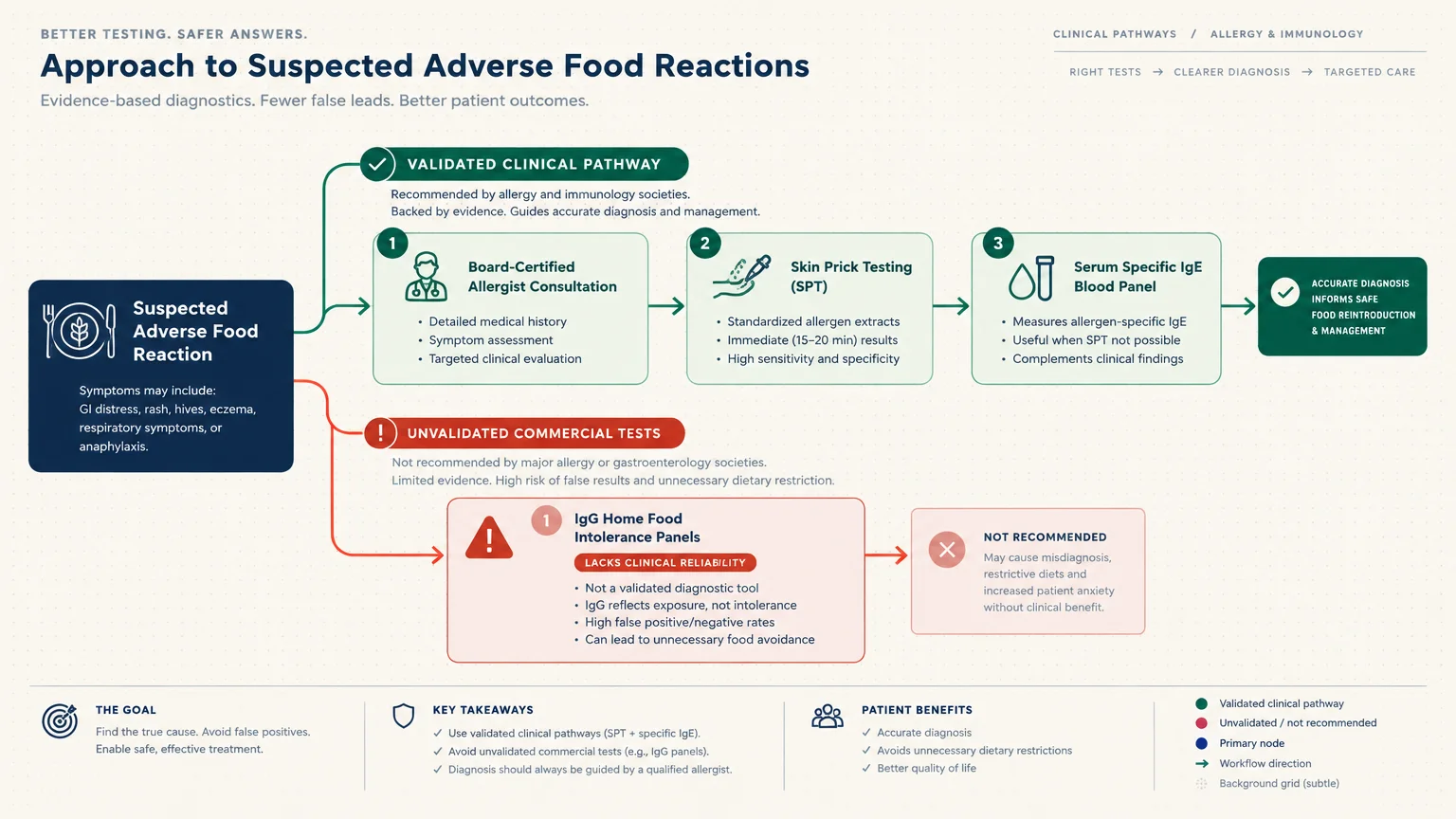
Leading medical organizations stress that multi-system symptoms remain the most critical diagnostic marker for food allergies. Health authorities caution against relying on non-standardized IgG blood tests sold online.
Federal regulatory policy achieved a significant safety milestone through the FASTER Act. On January 1, 2023, sesame officially became the ninth major allergen requiring mandatory, clear labeling on packaged foods.
The U.S. Food and Drug Administration notes nine major allergens cause 90 percent of domestic reactions. These include milk, eggs, peanuts, tree nuts, wheat, soy, fish, shellfish, and sesame.
Clinical guidelines reaffirm that epinephrine is the only first-line medication proven to stop anaphylaxis. Antihistamines cannot reverse bronchial constriction or restore crashing blood pressure during severe systemic attacks.
In February 2024, the FDA approved omalizumab, known commercially as Xolair, for food allergy management. This biologic medication reduces severe allergic reactions caused by accidental exposures across multiple food types.

Practical Steps and Actionable Advice for Daily Living
Taking organized, proactive measures helps you take control of your digestive health and safety. Implement these practical strategies to navigate potential food allergies confidently.
Maintain a Detailed Food and Symptom Journal
Record everything you eat and drink alongside physical symptoms for three consecutive weeks. Document exact meal times, specific ingredients, cooking oils, and the precise timing of any digestive distress.
This written evidence helps your physician identify subtle patterns between specific meals and delayed symptoms. Concrete data eliminates diagnostic speculation and speeds clinical decision-making.
Consult a Board-Certified Allergy Specialist
Arrange a comprehensive evaluation with an allergist rather than attempting self-diagnosis at home. Specialists utilize skin-prick testing and serum-specific IgE blood tests to identify true allergic antibodies accurately.
When clinical results remain ambiguous, an allergist can supervise an oral food challenge in an emergency-equipped clinic. This diagnostic protocol remains the gold standard for clinical allergy confirmation.
Review Prescription Medications With Your Physician
Discuss how your current blood pressure medications or acid reducers might interact with allergic reactions. Your doctor can adjust medications that could interfere with emergency treatments like epinephrine.
Ask your clinician to outline an individualized emergency action plan tailored to your health profile. Knowing exactly which symptoms require immediate emergency intervention protects your safety.
Read Ingredient Labels With Diligent Care
Inspect every grocery label for the nine federally regulated major allergens before purchasing packaged foods. Sauces, processed meats, bakery items, and salad dressings often contain hidden soy, wheat, or sesame.
Re-check ingredient lists each time you shop, even on familiar brand items you trust. Food manufacturers frequently update processing methods and recipe formulations without prior notification.
Frequently Asked Questions About Food Allergies in Seniors
Can you develop a food allergy after age 60?
Yes, adult-onset food allergies occur frequently. Nearly half of food-allergic adults developed an allergy during adulthood, commonly reacting to shellfish, fish, or tree nuts.
How quickly do food allergy symptoms appear?
IgE-mediated food allergies typically strike within minutes to two hours. In contrast, digestive intolerances and food poisoning develop much more slowly over several hours or days.
Can over-the-counter antihistamines stop severe allergic reactions?
No, antihistamines cannot halt anaphylaxis or severe systemic reactions. Only prompt administration of epinephrine can reverse airway closure and restore dangerously low blood pressure.
Why does mammalian meat cause delayed stomach distress?
Alpha-gal syndrome involves an allergy to a carbohydrate rather than a protein. Digesting this molecule takes three to six hours before severe gastrointestinal symptoms emerge.
What distinguishes celiac disease from a true wheat allergy?
A wheat allergy is an immediate immune response that can cause anaphylaxis. Celiac disease is an autoimmune condition that slowly injures the small intestine without triggering acute anaphylactic shock.
Taking Charge of Your Long-Term Digestive Wellness
Never brush aside recurring digestive distress as an inevitable consequence of aging. Your digestive vitality remains essential for an active, independent retirement.
Listening to your body’s subtle signals empowers you to seek timely medical care before minor reactions escalate. Partnering with a skilled allergist ensures you dine safely and confidently every day.
This article is intended for informational and educational purposes only and is not a substitute for professional medical advice, diagnosis, or treatment. Always consult with a qualified healthcare provider regarding any health concerns or before making any decisions related to your health or treatment.