
Occasional indigestion feels harmless, yet dismissing persistent chest discomfort as routine acid reflux can jeopardize your long-term health. Subtle sensations that mimic ordinary heartburn often signal cardiovascular emergencies or advanced digestive disorders.
Recognizing the difference between benign reflux and life-threatening illness allows you to seek timely medical intervention. For older adults, this distinction can protect cardiac function and save lives.
Your body frequently uses burning sensations in the chest to signal deeper distress. Learning these warning signs empowers you to take decisive action before minor symptoms escalate.
Understanding the Basics of Reflux and Chest Discomfort
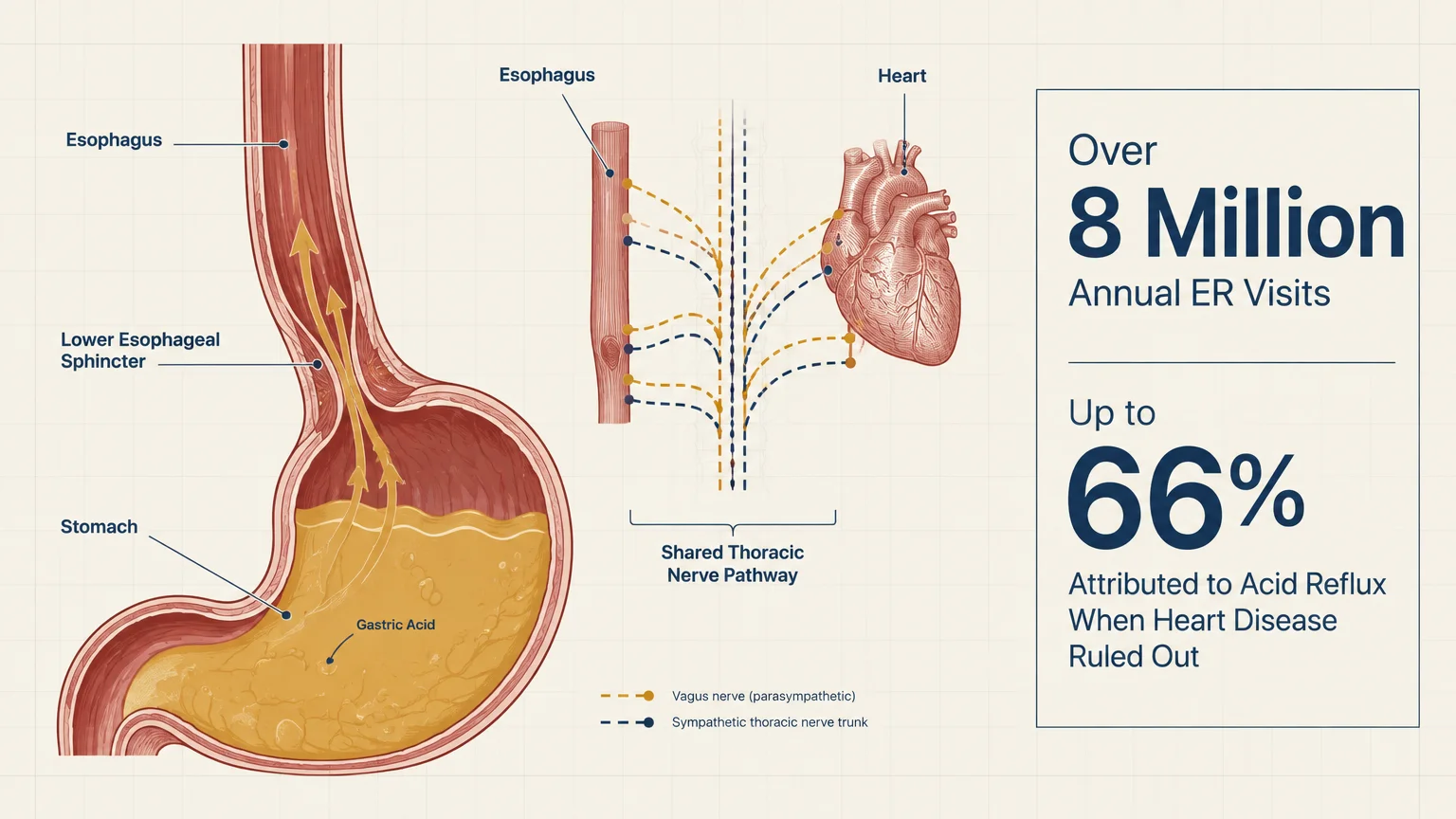
Heartburn occurs when stomach acid escapes upward into your esophagus, creating a burning sensation behind your breastbone. Medical professionals refer to chronic acid backflow as gastroesophageal reflux disease.
The lower esophageal sphincter acts as a one-way muscular valve designed to keep stomach contents contained. When this sphincter relaxes abnormally, gastric acid and digestive enzymes irritate the sensitive esophageal lining.
This burning discomfort matters because the esophagus shares nerve pathways with several vital thoracic and abdominal organs. Because your brain cannot always pinpoint the exact origin of visceral pain, varied conditions feel identical.
Sensory signals from both your food pipe and your heart travel along shared thoracic nerve trunks. Consequently, your brain easily confuses severe esophageal inflammation with acute cardiovascular distress.
Over eight million emergency room visits occur annually in the United States for acute chest pain. When doctors rule out heart disease, acid reflux accounts for up to sixty-six percent of those cases.
Relying on self-diagnosis presents severe hazards for your health. True healing begins with identifying whether your distress originates in the stomach, heart, lungs, or gallbladder.
Key Considerations for Seniors
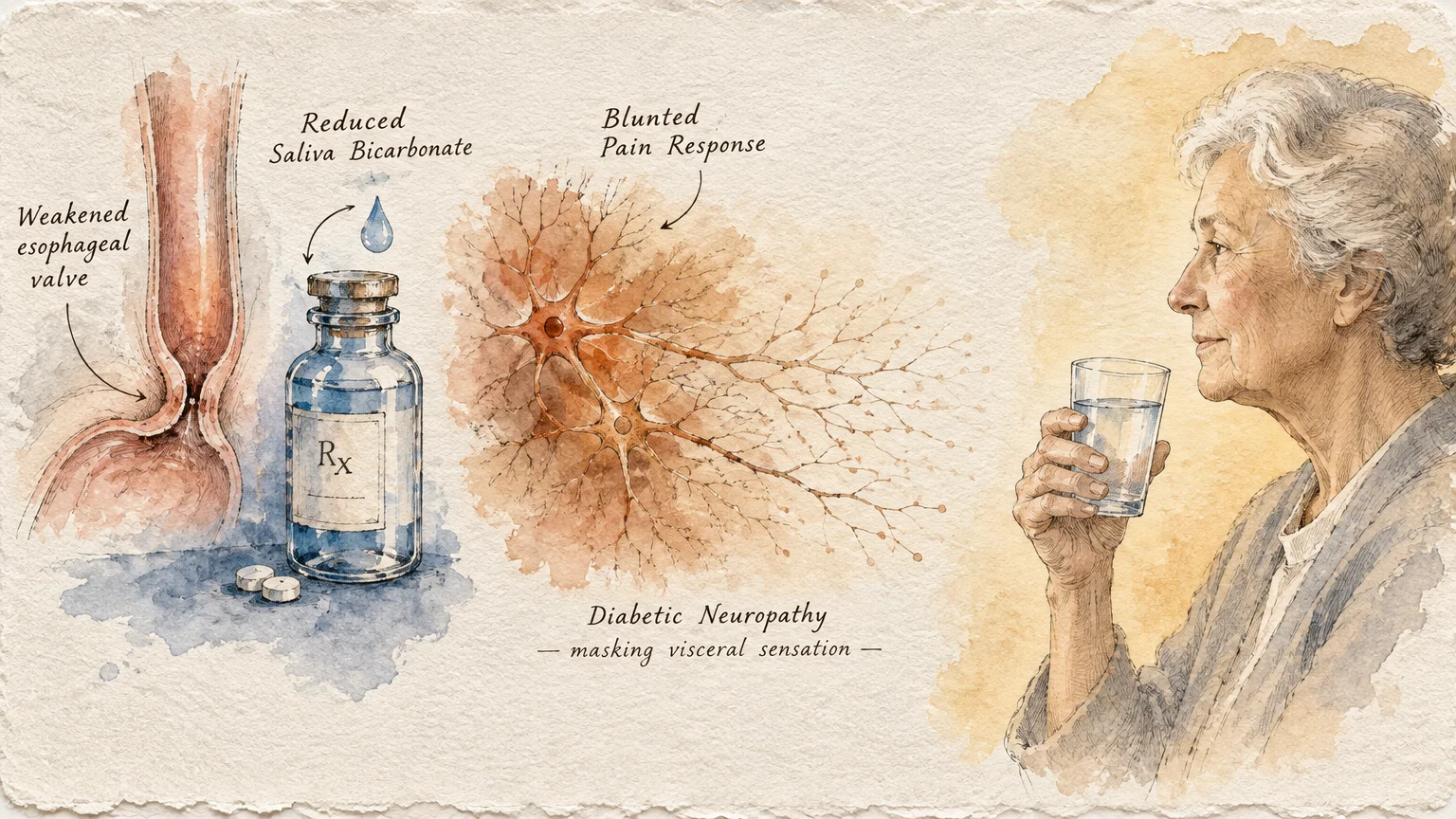
Aging alters how your nervous system perceives and communicates pain signals. Older adults frequently experience blunted pain responses, meaning a serious cardiovascular event might manifest merely as mild indigestion.
Furthermore, older adults often live with chronic conditions like diabetes that alter sensory nerve sensitivity. Diabetic neuropathy can silence classical cardiac pain, leaving mild indigestion as your only visible warning sign.
The muscular valve between your stomach and esophagus naturally weakens with advancing age. This physiological change increases your susceptibility to reflux while simultaneously masking coexisting abdominal conditions.
Older adults also experience reduced saliva production, which diminishes your body’s natural capacity to neutralize acid. Saliva contains bicarbonate, an essential compound that buffers acid washes in your food pipe.
Prescription medications common among seniors can irritate your stomach lining or relax your esophageal sphincter. Drugs for blood pressure, arthritis, and osteoporosis often trigger burning sensations that mimic ordinary reflux.
Medical research from the Centers for Disease Control and Prevention highlights that cardiovascular risks climb significantly after age sixty. Therefore, you must evaluate new digestive complaints with heightened vigilance.
Nine Symptoms Often Mistaken for Ordinary Heartburn
1. Radiating Jaw, Neck, or Arm Discomfort
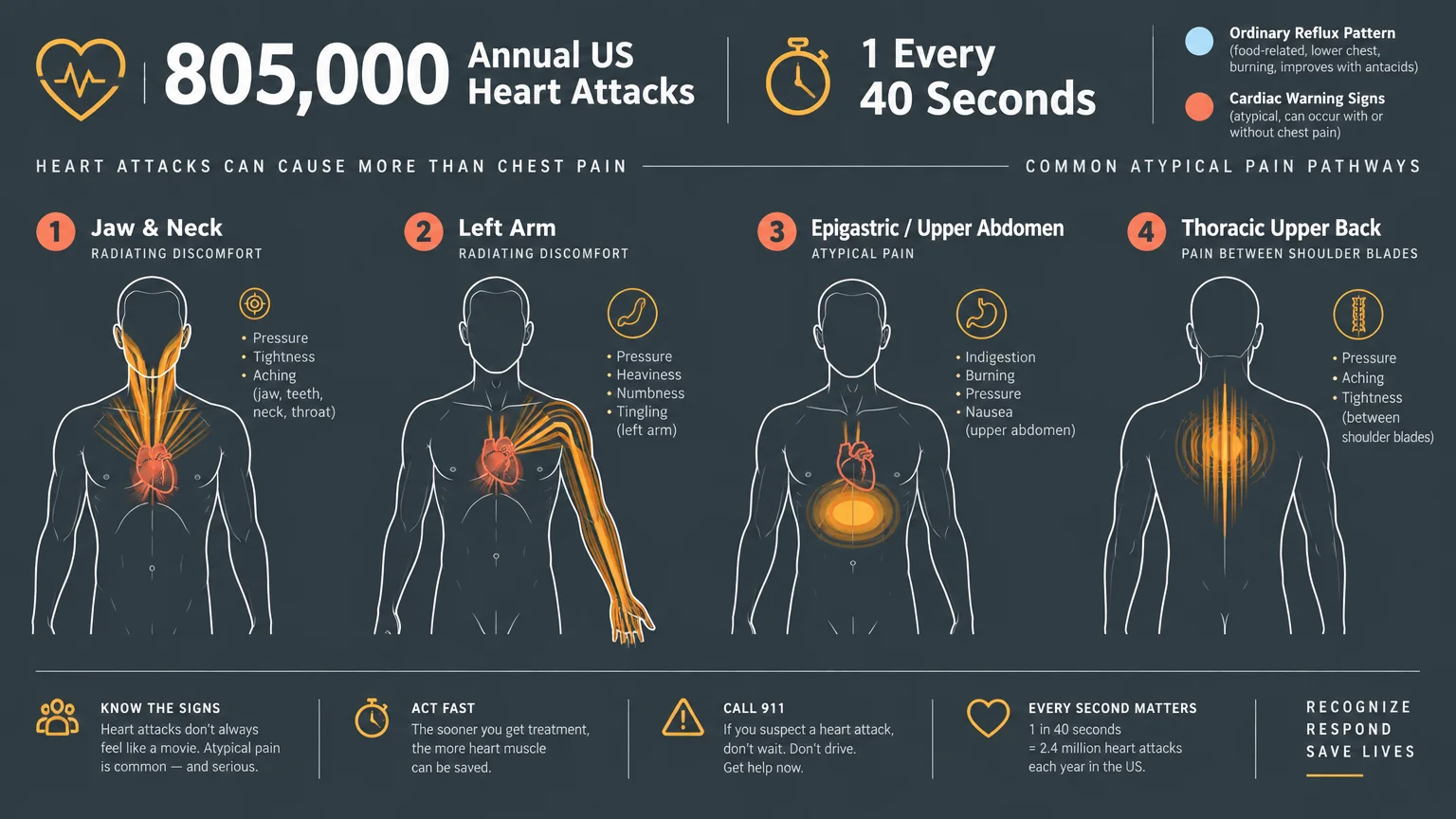
Heart attacks do not always present as crushing chest pressure. Approximately 805,000 Americans experience a heart attack every year, occurring roughly once every forty seconds.
According to the American Heart Association, women especially suffer atypical heart attack symptoms that mimic indigestion. Epigastric burning that radiates into your jaw, neck, back, or left arm warrants immediate emergency care.
If you experience nausea, cold sweats, or sudden lightheadedness alongside what feels like acid reflux, do not reach for an antacid. Dial 911 immediately to rule out myocardial infarction.
2. Difficulty or Pain When Swallowing Food
Difficulty swallowing, known clinically as dysphagia, indicates that solid food or liquids struggle to pass down your esophagus. You may feel food sticking in your throat or lower chest.
While severe acid reflux can inflame tissue, dysphagia is never a normal symptom of simple heartburn. It often indicates esophageal strictures, severe motility disorders, or expanding tumors.
The American College of Gastroenterology classifies painful or difficult swallowing as a major alarm symptom. You require an upper endoscopy to evaluate the underlying physical obstruction.
3. Severe Pain in the Upper Right Abdomen
Gallstone disease affects over twenty million American adults, with women developing the condition twice as often as men. Gallstones frequently obstruct the biliary tract after you consume fatty meals.
This obstruction triggers biliary colic, producing severe burning or cramping in your upper right abdomen. The pain frequently radiates through to your right shoulder blade, masquerading as stubborn reflux.
Unlike typical heartburn, gallbladder pain does not subside with liquid antacids. Gallbladder attacks typically peak within an hour of eating and can persist for several uncomfortable hours.
4. Persistent Dry Cough and Chronic Throat Clearing
A hacking cough that worsens when you lie flat often points to respiratory issues rather than simple heartburn. You might mistakenly assume stomach acid is simply tickling your throat.
While laryngopharyngeal reflux can irritate vocal cords, chronic coughing also signals asthma, chronic obstructive pulmonary disease, or heart failure. Fluid buildup from heart failure can easily mimic nightly reflux.
If your cough persists for weeks without gastrointestinal burning, schedule a comprehensive pulmonary assessment. Treating your respiratory system directly yields far better outcomes than self-medicating with acid blockers.
5. Sudden Spasms Relieved by Nitroglycerin
Diffuse esophageal spasms involve uncoordinated, painful muscle contractions within your food pipe. These intense contractions produce severe chest tightness that feels indistinguishable from cardiac angina.
Because esophageal muscles and coronary arteries share smooth muscle properties, both respond to nitroglycerin medication. If taking nitroglycerin eases your chest pain, you cannot automatically assume your heart caused the distress.
Shared sensory nerve pathways between your esophagus and heart complicate self-evaluation. You must undergo dedicated medical testing, such as esophageal manometry, to distinguish between these overlapping conditions.
6. Chest Burning Accompanied by Unintended Weight Loss
Losing weight without dieting while experiencing chronic chest burning signals serious pathology. Roughly ten to fifteen percent of patients with chronic reflux develop Barrett’s esophagus.
Barrett’s esophagus alters the cellular lining of your food pipe, increasing the risk of esophageal adenocarcinoma. Sudden weight loss combined with reflux demands immediate diagnostic investigation.
Leading health organizations like the National Institutes of Health urge adults over fifty to report unexplained weight reduction immediately. Targeted endoscopic screening detects malignant transformations when treatment remains most effective.
7. Gnawing Stomach Pain That Improves After Eating
A gnawing or burning sensation between your navel and breastbone often stems from peptic ulcer disease. People regularly dismiss this deep ache as standard acid reflux.
Ulcers on the stomach lining or duodenum often improve briefly after you eat food or take antacids, only to return two hours later. This fluctuating pattern differs from reflux, which typically worsens after dining.
Helicobacter pylori bacterial infections or routine nonsteroidal anti-inflammatory drug use cause most ulcers. Physicians diagnose ulcers through breath tests, stool evaluations, and upper endoscopy procedures.
8. Sharp Chest Tightness with Shortness of Breath
Sharp chest pain that escalates when you inhale deeply can stem from pleurisy or a pulmonary embolism. Many patients mistake this friction for trapped reflux gas or heartburn.
A pulmonary embolism occurs when a blood clot lodges in your lung arteries, creating a sudden life-threatening emergency. Rapid heart rates and breathless distress distinguish pulmonary events from gastrointestinal upset.
Never wait to see if an antacid relieves sudden chest tightness coupled with breathing difficulty. Seek emergency room evaluation immediately to ensure adequate pulmonary oxygenation and circulation.
9. Deep Abdominal Pain Radiating to the Spine
Pancreatitis causes severe burning and swelling in your upper abdomen that often shoots straight through to your spine. People often confuse early pancreatic inflammation with severe indigestion.
This pain frequently intensifies after heavy meals and worsens when you lie flat on your back. Leaning forward slightly often brings modest relief, which does not happen with basic acid reflux.
Acute pancreatitis requires prompt hospitalization, intravenous fluids, and targeted medical monitoring. Elevated levels of digestive enzymes like amylase and lipase in your bloodstream confirm this acute diagnosis.
Benefits and Potential Risks of Diagnostic Clarity
Seeking diagnostic clarity provides immense peace of mind and preserves your physical vitality. Pinpointing the actual culprit behind your symptoms enables targeted therapies that resolve discomfort permanently.
Early detection of cardiovascular disease or malignant esophageal changes dramatically improves clinical outcomes. When doctors intervene early, your treatment options remain broader, safer, and substantially less invasive.
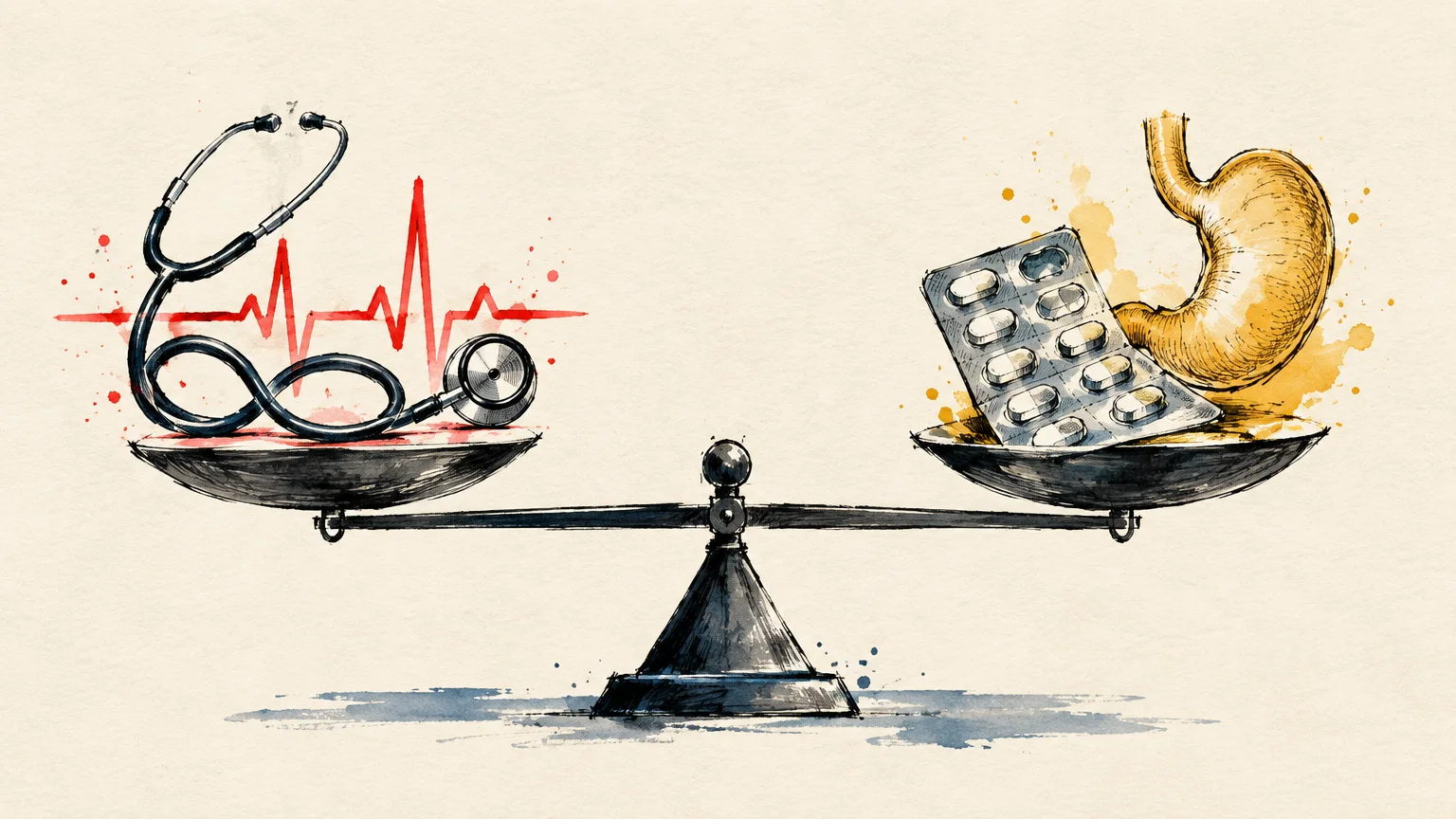
Conversely, relying on over-the-counter antacids carries substantial hidden risks for older adults. Continually masking symptoms prevents physicians from diagnosing ulcers, gallstones, or coronary narrowing.
Over-the-counter antacids may provide fast comfort, but they do not treat underlying tissue damage or systemic disease. Relying on self-medication creates a false sense of security that jeopardizes your long-term health.
Chronic proton pump inhibitor consumption can impair your body’s ability to absorb vital nutrients like calcium, magnesium, and vitamin B12. Over time, diminished nutrient absorption increases your risk of bone fractures and kidney complications.
Balancing self-care with medical oversight protects your health from avoidable pharmaceutical side effects. Open communication with your physician ensures you only take medications that address your verified diagnosis.

What the Experts Say
Gastroenterologists and cardiologists agree that new chest symptoms in seniors demand rigorous medical evaluation. The Mayo Clinic emphasizes that non-cardiac chest pain requires a systematic process of elimination.
The American College of Gastroenterology published updated clinical guidelines in 2022 warning against empirical acid-suppression therapy for patients displaying alarm symptoms. Physicians must perform prompt diagnostic endoscopies when older adults present with new digestive complaints.
The American College of Gastroenterology also advises targeted screening for older adults with long-standing reflux and additional risk factors. Routine screenings help detect precancerous esophageal lesions well before debilitating symptoms emerge.
Cardiologists warn that cardiovascular events frequently escape detection when symptoms mimic gastrointestinal distress. The American Heart Association stresses that any unexplained discomfort above your waist could represent atypical ischemia.
Public health data from the World Health Organization highlights cardiovascular diseases as the world’s leading cause of mortality. Consequently, international medical protocols mandate ruling out cardiac pathology before treating gastrointestinal disorders.
Trusting professional medical evaluations safeguards you against dangerous misattributions. Expert consensus firmly supports comprehensive diagnostic testing over prolonged self-treatment.

Practical Steps and Actionable Advice
Start by maintaining a detailed symptom log to capture the patterns behind your chest discomfort. Record precisely when episodes occur, how long they last, what you ate beforehand, and what relieves the pain.
Bring this log to your primary care appointments to provide your healthcare team with actionable data. Concrete patterns help your physician distinguish gastrointestinal flare-ups from musculoskeletal or cardiovascular issues.
Prepare specific questions for your doctor regarding your recurring chest symptoms. Inquire whether your current prescription medications could contribute to esophageal irritation or stomach lining inflammation.
Ask your physician if an upper endoscopy, abdominal ultrasound, or cardiac stress test makes sense for your profile. Direct conversations clarify whether your symptoms warrant specialized gastroenterology or cardiology referrals.
Adopt supportive lifestyle habits while awaiting diagnostic results from your physician. Elevate the head of your bed six inches and avoid consuming heavy meals within three hours of bedtime.
Limit dietary triggers such as caffeine, alcohol, peppermint, and acidic tomato products. Simple nutritional modifications often lessen true reflux without obscuring more serious underlying medical conditions.
Consult a registered dietitian to develop an anti-inflammatory meal plan that supports your digestive health. Professional dietary guidance ensures you maintain optimal nutrition without aggravating your gastrointestinal tract.
Frequently Asked Questions
Can acid reflux damage your heart over time?
Acid reflux does not cause physical damage to your heart muscle or coronary arteries. Reflux remains confined to the gastrointestinal tract, affecting your esophagus, throat, and stomach.
However, chronic reflux can cause severe esophageal inflammation, ulceration, and precancerous cellular changes. Do not let fear of heart damage prevent you from addressing esophageal health with your physician.
How can I tell if my chest pain is a heart attack or acid reflux?
Heart attack pain often presents as a heavy squeezing sensation that radiates to your arm, neck, or jaw. It frequently accompanies shortness of breath, sweating, dizziness, and cold nausea.
Reflux typically produces a sharp burning sensation that stays behind your sternum and worsens after eating or lying flat. Because symptoms overlap significantly, always seek emergency medical evaluation for new or severe chest pain.
Why do antacids sometimes relieve heart-related chest pain?
Antacids occasionally trigger a placebo effect, temporarily easing anxiety and reducing heart rate during a mild cardiac episode. Swallowing cool liquid or antacids can also briefly stimulate vagal nerve responses that calm heart rhythms.
Never rely on momentary relief from an antacid to prove your chest discomfort is harmless. If chest pain recurs or persists, contact emergency services immediately.
What alarm symptoms require an immediate endoscopy?
Key red flags include difficulty swallowing, painful swallowing, unintended weight loss, and recurring vomiting. Gastrointestinal bleeding, indicated by black tarry stools or vomiting material resembling coffee grounds, also warrants urgent evaluation.
Additionally, doctors recommend endoscopic screening if you develop new heartburn symptoms after age fifty. These indicators signal possible ulcers, strictures, or malignant transformations that demand direct visual assessment.
Can anxiety or panic attacks feel like severe heartburn?
Anxiety and panic attacks can provoke intense chest tightness, hyperventilation, and esophageal muscle spasms. Stress also elevates stomach acid secretion, creating genuine reflux sensations during periods of high tension.
Nevertheless, doctors must thoroughly rule out cardiac and gastrointestinal pathology before attributing chest discomfort solely to anxiety. Always prioritize medical evaluations before pursuing psychological or stress-reduction treatments.
Navigating Your Symptoms with Confidence
Persistent chest discomfort demands your active attention and medical respect. Mistaking cardiovascular emergencies, gallbladder distress, or ulcerations for common heartburn carries profound risks for older adults.
Paying close attention to alarm symptoms like swallowing difficulties, radiation to the jaw, and unintentional weight loss saves lives. Early diagnostic assessments give you the greatest opportunity for prompt and effective treatment.
Partner proactively with your healthcare provider to investigate recurring symptoms rather than relying on temporary drugstore fixes. Taking decisive action today protects your cardiovascular wellness and gastrointestinal health for years to come.
This article is intended for informational and educational purposes only and is not a substitute for professional medical advice, diagnosis, or treatment. Always consult with a qualified healthcare provider regarding any health concerns or before making any decisions related to your health or treatment.