
Navigating modern supermarket aisles often feels overwhelming when flashy marketing claims obscure genuine nutrition. You can easily bypass affordable kitchen staples that actually supply extraordinary health benefits for older adults.
Decades of outdated dietary dogma created unwarranted fear around everyday pantry goods like potatoes, canned seafood, and frozen vegetables. In reality, these unassuming selections deliver vital minerals, protective plant compounds, and concentrated protein.
Adding these nine nutritious store foods to your weekly shopping routine cuts your grocery bill without sacrificing essential wellness. You will protect your cardiovascular vitality, lean muscle mass, and long-term independence.
Understanding the Basics of Nutrient-Dense Grocery Shopping
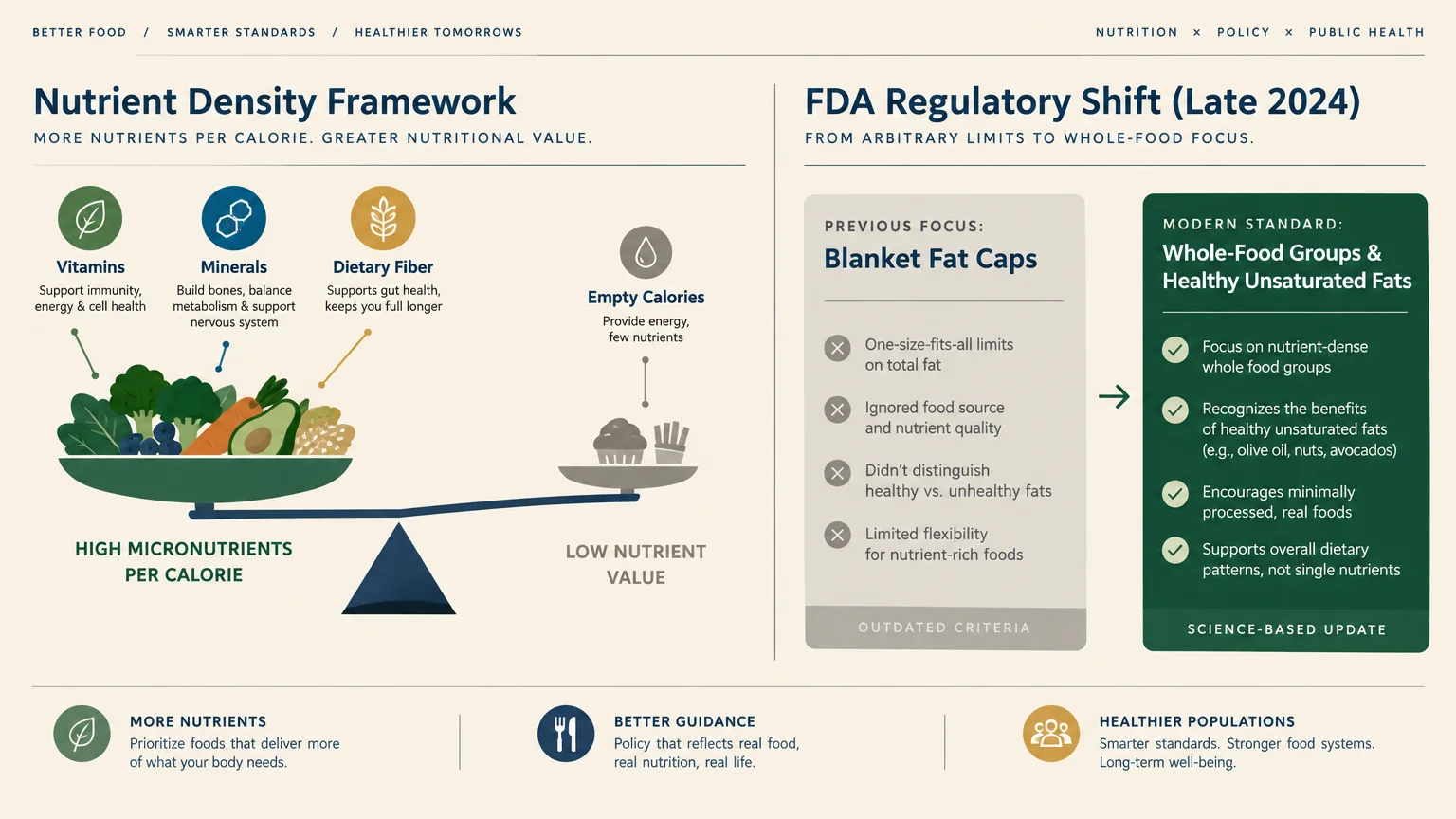
Nutrient density measures the concentration of beneficial vitamins, minerals, and fiber relative to total calories. Choosing nutrient-dense grocery items ensures your body receives maximum cellular nourishment without consuming excess empty energy.
Many shoppers assume healthy eating requires purchasing expensive specialty powders or exotic superfoods. However, nutritional science consistently demonstrates that simple, minimally processed whole foods provide superior biological value.
In late 2024, the FDA finalized a major overhaul of its healthy nutrient content claim. This modern framework shifts regulatory focus toward whole-food groups and healthy unsaturated fats rather than blanket fat caps.
Recognizing the hidden nutritional value in ordinary supermarket goods allows you to make informed, budget-conscious decisions. You can stock a resilient pantry that actively promotes daily vitality.
Key Dietary Considerations for Older Adults
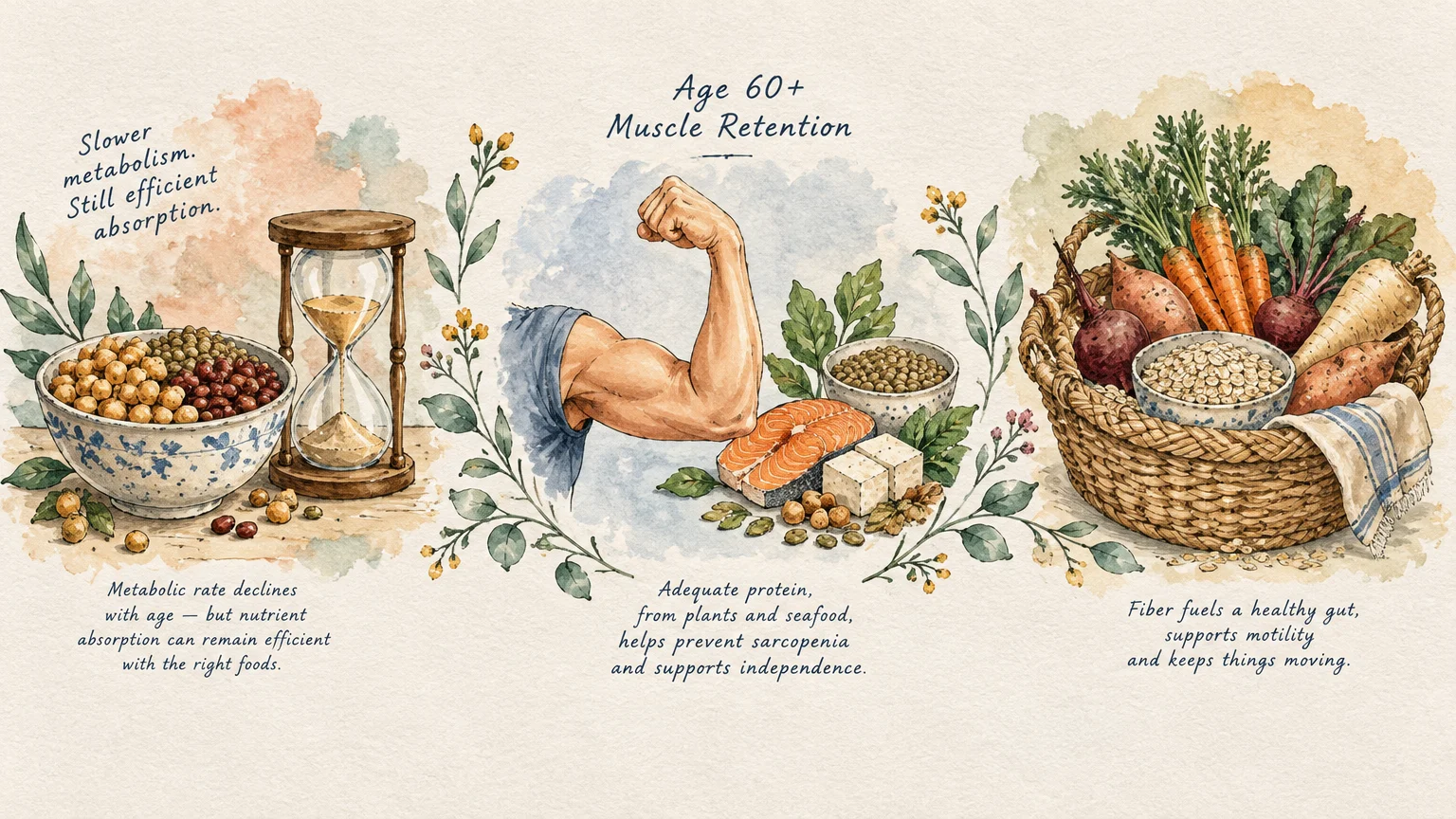
Your metabolic rate gradually decreases as you age, meaning your body burns fewer total daily calories. Consequently, every meal must deliver higher concentrations of micronutrients to sustain optimal organ function.
Age-related muscle loss, known clinically as sarcopenia, accelerates after age sixty without adequate dietary protein. Maintaining muscular strength requires accessible, easily digested protein sources across your daily meals.
Digestive motility also slows down over time, making soluble and insoluble dietary fiber essential for gastrointestinal health. Fiber feeds beneficial gut bacteria and promotes regular bowel habits without pharmaceutical intervention.
Preparing complex recipes can become exhausting when arthritis or fatigue impacts your kitchen routine. Shelf-stable and freezer-friendly ingredients eliminate complicated prep work, empowering you to nourish yourself consistently.

9 Grocery Store Items That Are Healthier Than They Look
1. Canned Beans
Canned beans frequently face unfair criticism because shoppers assume they are overly processed and saturated with sodium. In truth, legumes represent one of the most reliable longevity foods available.
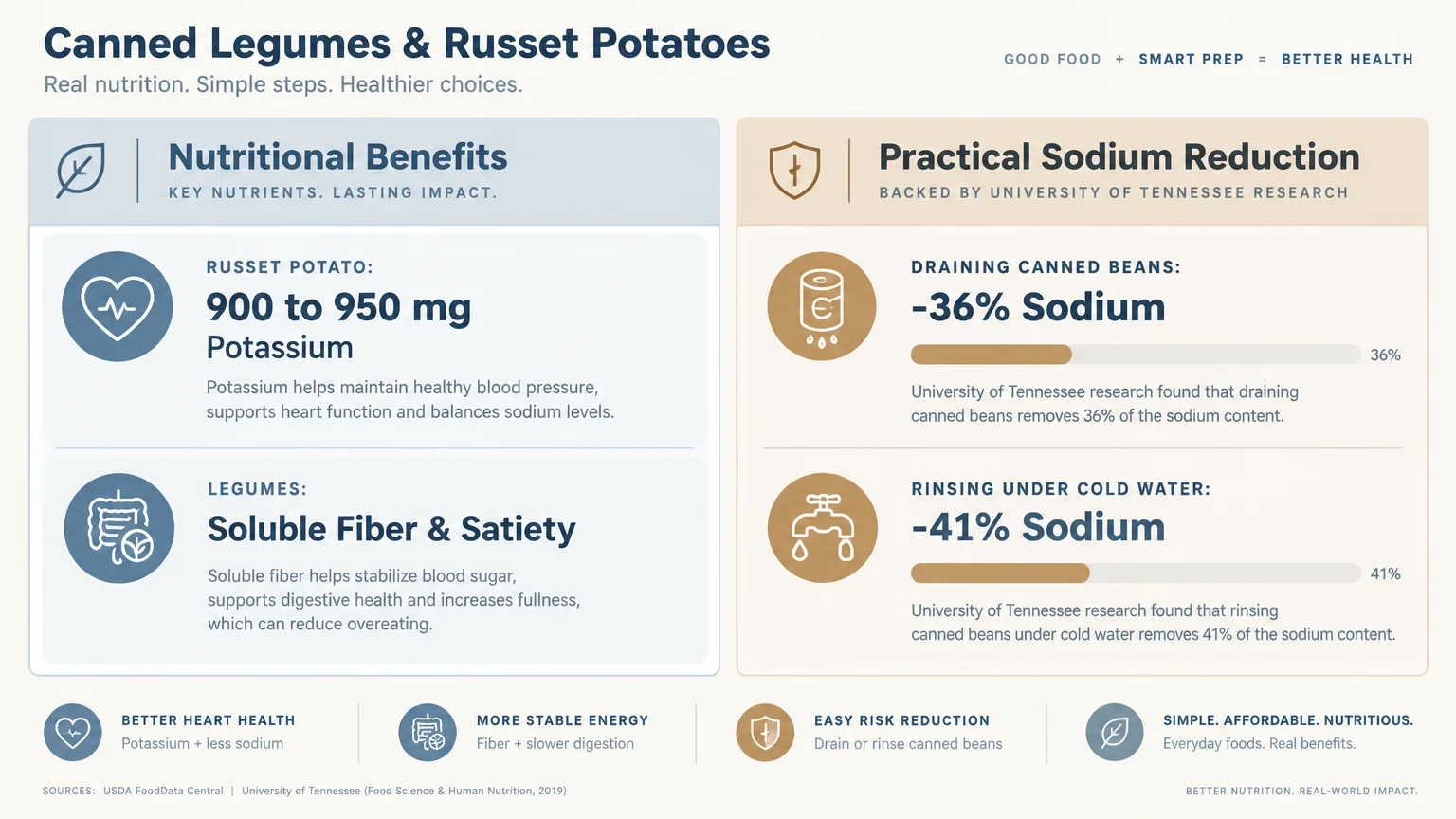
University of Tennessee research reveals that draining canned beans slashes sodium content by 36 percent. Rinsing them thoroughly under cold water removes 41 percent of the added salt.
Beyond their convenience, beans offer a potent combination of soluble fiber and complex carbohydrates. This nutritional balance stabilizes blood glucose levels and feeds beneficial gut microbes.
Stir black beans, pinto beans, or chickpeas into soups and salads for immediate satiety. They deliver lasting energy without straining your grocery budget.
2. Russet Potatoes
Potatoes often endure severe vilification from low-carbohydrate diet trends that label them as empty starch. Yet whole baked russet potatoes deliver an extraordinary spectrum of essential minerals.
According to the USDA, a medium baked russet potato supplies 900 to 950 milligrams of potassium. That is more than double the potassium provided by an average banana.
The classic University of Sydney Satiety Index ranked plain boiled potatoes highest among thirty-eight tested foods, scoring 323 percent for fullness. Their exceptional satiety prevents unnecessary overeating later in the day.
Cooling cooked potatoes creates resistant starch, which nourishes colon cells and supports healthy glucose metabolism. Enjoy baked potatoes with their nutrient-rich skins intact.
3. Flash-Frozen Produce
Shoppers often assume that produce in the freezer aisle is nutritionally inferior to fresh grocery bins. This misconception ignores the rapid nutrient decay that occurs during transit and refrigeration.
A landmark 2015 study from the University of California, Davis evaluated multiple fruits and vegetables. Researchers found that frozen produce retained equal or higher amounts of vitamins C, E, and B2 compared to refrigerated produce.
Flash-freezing crops hours after harvest effectively locks vital antioxidants in place at peak nutritional ripeness. In contrast, fresh produce stored for several days loses significant vitamin concentrations.
Frozen berries and vegetables eliminate food waste and reduce tedious chopping tasks for arthritic hands. Keep several bags handy for quick morning smoothies or evening skillets.
4. Plain Air-Popped Popcorn
Popcorn carries an unhealthy reputation because movie theaters smother it in artificial butter and heavy salt. When prepared without industrial additives, plain air-popped corn is a 100 percent whole grain.
University of Scranton research revealed that a serving of popcorn contains up to 300 milligrams of polyphenols. This antioxidant density surpasses the polyphenol content found in many fresh fruit servings.
The USDA notes that a three-cup portion delivers 3.5 grams of dietary fiber for under one hundred calories. This satisfying volume promotes abdominal fullness without driving up blood sugar.
Pop kernels in a silicone microwave bowl without added oils to create a crisp, heart-healthy snack. Season with garlic powder or nutritional yeast for savory flavor.
5. Canned Sardines
Sardines frequently intimidate consumers due to their strong aroma and visible edible bones. Overcoming that hesitation grants you access to one of the sea’s most concentrated nutritional treasures.
A standard 3.75-ounce tin of sardines supplies approximately 350 milligrams of calcium, exceeding an eight-ounce glass of milk. This calcium supports skeletal strength and guards against age-related bone mineral loss.
Sardines also deliver 1,400 to 1,800 milligrams of EPA and DHA omega-3 fatty acids. These anti-inflammatory marine fats nourish brain tissue and support cardiovascular rhythm.
Because sardines feed low on the food chain, they do not accumulate heavy metals like mercury. Mash them with lemon juice and olive oil over whole-grain toast.
6. Plain Strained Greek Yogurt
Some seniors avoid traditional Greek yogurt due to its dense texture and pleasantly tart flavor. However, this fermented dairy staple provides immense nutritional dividends that outpace standard sweet yogurts.
Traditional straining separates liquid whey, leaving behind a protein-rich dairy matrix. A 5.3-ounce serving offers 15 to 17 grams of protein, roughly doubling the protein found in unstrained varieties.
Greek yogurt also delivers active probiotic cultures that enhance digestive wellness and nutrient absorption. Furthermore, straining removes most lactose, making it gentle on delicate digestive tracts.
Use plain Greek yogurt as a wholesome alternative to mayonnaise in dressings and chicken salads. Pair it with blueberries and walnuts for a nutrient-dense morning meal.
7. Canned Crushed Tomatoes
Many people assume that factory canning strips the delicate phytonutrients found in ripe summer tomatoes. When it comes to tomatoes, culinary heat actually unlocks potent cellular defense compounds.
Thermal processing ruptures tomato plant cell walls, dramatically increasing the bioavailability of lycopene. This powerful antioxidant shields your cardiovascular system from oxidative stress and protects prostate health.
Canned tomatoes also supply significant amounts of vitamin C, potassium, and dietary fiber. They serve as a reliable, shelf-stable base for countless anti-inflammatory meals throughout the year.
Select canned tomatoes packaged in BPA-free cans without added salt or chemical preservatives. Simmer them with garlic and extra virgin olive oil to boost nutrient absorption.
8. Natural Peanut Butter
Dietary dogma once warned against peanut butter because of its high caloric density and fat content. Real peanut butter made exclusively with roasted peanuts and salt provides exceptional metabolic support.
Peanuts are packed with heart-healthy monounsaturated fats that mirror the lipid profile of olive oil. These beneficial fats support healthy lipid levels while providing steady, long-lasting energy.
Each two-tablespoon serving provides eight grams of plant protein alongside essential magnesium and vitamin E. Magnesium plays an indispensable role in maintaining steady cardiac rhythms and neuromuscular function.
Check ingredient labels carefully to avoid commercial brands containing hydrogenated oils and cane sugar. Swirl natural peanut butter into warm morning oatmeal or fresh apple slices.
9. Whole Eggs
For decades, outdated guidelines warned against eating whole eggs because of their dietary cholesterol content. Modern cardiovascular science has firmly debunked that notion for the vast majority of older adults.
Clinical trials confirm that dietary cholesterol has minimal influence on circulating blood cholesterol in most people. Discarding the egg yolk eliminates the most nutrient-rich portion of the whole food.
Egg yolks contain high concentrations of choline, an essential compound required for cognitive performance and memory. Yolks also supply lutein and zeaxanthin, two antioxidants that defend aging eyes against macular degeneration.
Eggs offer exceptionally digestible protein that supports muscle repair without causing stomach upset. Poach, boil, or scramble whole eggs for an easy, satisfying meal anytime.
Benefits and Potential Risks of These Nutritious Staples
Embracing these nine supermarket foods provides comprehensive nutritional benefits while keeping grocery spending reasonable. Their extended shelf life prevents food waste and reduces the physical fatigue of frequent market visits.
These staples supply steady micronutrients that support healthy blood pressure, bone mineralization, and muscular integrity. Protecting muscle mass prevents dangerous falls and preserves your daily physical independence.
However, you must consider individual medical circumstances and dietary restrictions when planning meals. For example, individuals with advanced chronic kidney disease must monitor their potassium and phosphorus intake carefully.
Commercial canned goods can also carry elevated sodium levels if you overlook ingredient labels. Rinsing canned beans and choosing no-salt-added tomatoes mitigates this risk effectively.
Calorically dense foods like natural peanut butter require mindful portion sizes to prevent unintended weight gain. Balancing nutrient density with proper portions ensures you achieve optimal wellness without complications.

What the Experts Say About Practical Nutrition
Leading health authorities now emphasize complete dietary patterns over restrictive nutrient rules. Research from the NIH highlights how varied, whole-food dietary choices support healthy longevity and cellular repair.
Medical specialists at the Mayo Clinic advise older adults to emphasize high-protein, fiber-rich whole foods. Their experts explain that nutrient density counteracts the natural metabolic decline that accompanies aging.
Furthermore, guidance from the CDC highlights that accessible, affordable grocery choices make sustained healthy eating achievable. Practical shopping habits ensure you maintain nutritious patterns over decades.
The overarching scientific consensus confirms that you do not need costly wellness products to thrive. Everyday grocery store staples supply the essential biochemical compounds your body requires.

Practical Steps and Actionable Advice for Shoppers
Audit Your Pantry Inventory
Review your kitchen cupboards and identify heavily processed foods containing refined sugars or hydrogenated fats. Replace them with canned black beans, canned crushed tomatoes, and natural peanut butter.
Rinse All Canned Legumes
Pour canned beans into a colander and rinse them under cool tap water for one full minute. This simple culinary habit strips away over forty percent of the preserving sodium.
Stock Up on Frozen Produce
Fill your freezer with unseasoned berries, chopped spinach, and broccoli florets. These freezer staples allow you to cook wholesome meals quickly without worrying about fresh produce spoiling.
Consult Your Medical Provider
Discuss your nutritional adjustments with your physician or a registered dietitian before making dramatic changes. They can help tailor your potassium, protein, and sodium goals to your unique health profile.
Frequently Asked Questions
Are canned vegetables as nutritious as fresh garden vegetables?
Canned vegetables retain their core minerals, dietary fiber, and fat-soluble vitamins during processing. Heat-sensitive vitamins may decrease slightly, but powerful antioxidants like lycopene become significantly more absorbable.
Choosing low-sodium varieties and rinsing them thoroughly delivers excellent nutrition without unwanted salt.
Can eating potatoes cause dangerous blood sugar spikes?
Boiled or baked potatoes eaten with their skin alongside protein and healthy fats digest slowly. This balanced combination slows carbohydrate absorption and prevents sharp glucose fluctuations.
Allowing cooked potatoes to cool before eating creates resistant starch, which supports steady insulin response.
Why does Greek yogurt contain more protein than regular yogurt?
Straining removes the liquid whey from fermented milk, concentrating the remaining casein proteins. This mechanical separation yields roughly double the protein density of standard unstrained varieties.
The concentrated protein content digests slowly, providing your muscles with sustained amino acid support.
Is making popcorn in the microwave healthy?
Commercial bag popcorn often includes hydrogenated oils and chemical linings that you should avoid. However, popping whole kernels in a plain silicone microwave bowl is exceptionally healthy and economical.
This clean method delivers whole-grain fiber and antioxidant polyphenols without any chemical additives.
Should seniors avoid the dietary cholesterol in egg yolks?
Modern scientific research shows that dietary cholesterol has minimal impact on blood cholesterol for most individuals. Egg yolks provide essential choline for brain function and lutein for vision protection.
Unless your physician specifically recommends limiting dietary cholesterol, eating whole eggs provides tremendous nutritional value.
Embracing Nutritious Simplicity at the Grocery Store
Upgrading your nutrition does not require expensive specialty markets or complicated eating plans. The most potent, health-promoting foods have been waiting on ordinary grocery store shelves all along.
Adding canned legumes, russet potatoes, frozen produce, and whole eggs gives your body premium nourishment. You simplify your daily meal preparation while protecting both your health and your budget.
Fill your shopping cart with these nine surprisingly healthy staples on your next supermarket trip. Your heart, brain, and muscles will reward you with sustained strength and energy.
This article is intended for informational and educational purposes only and is not a substitute for professional medical advice, diagnosis, or treatment. Always consult with a qualified healthcare provider regarding any health concerns or before making any decisions related to your health or treatment.