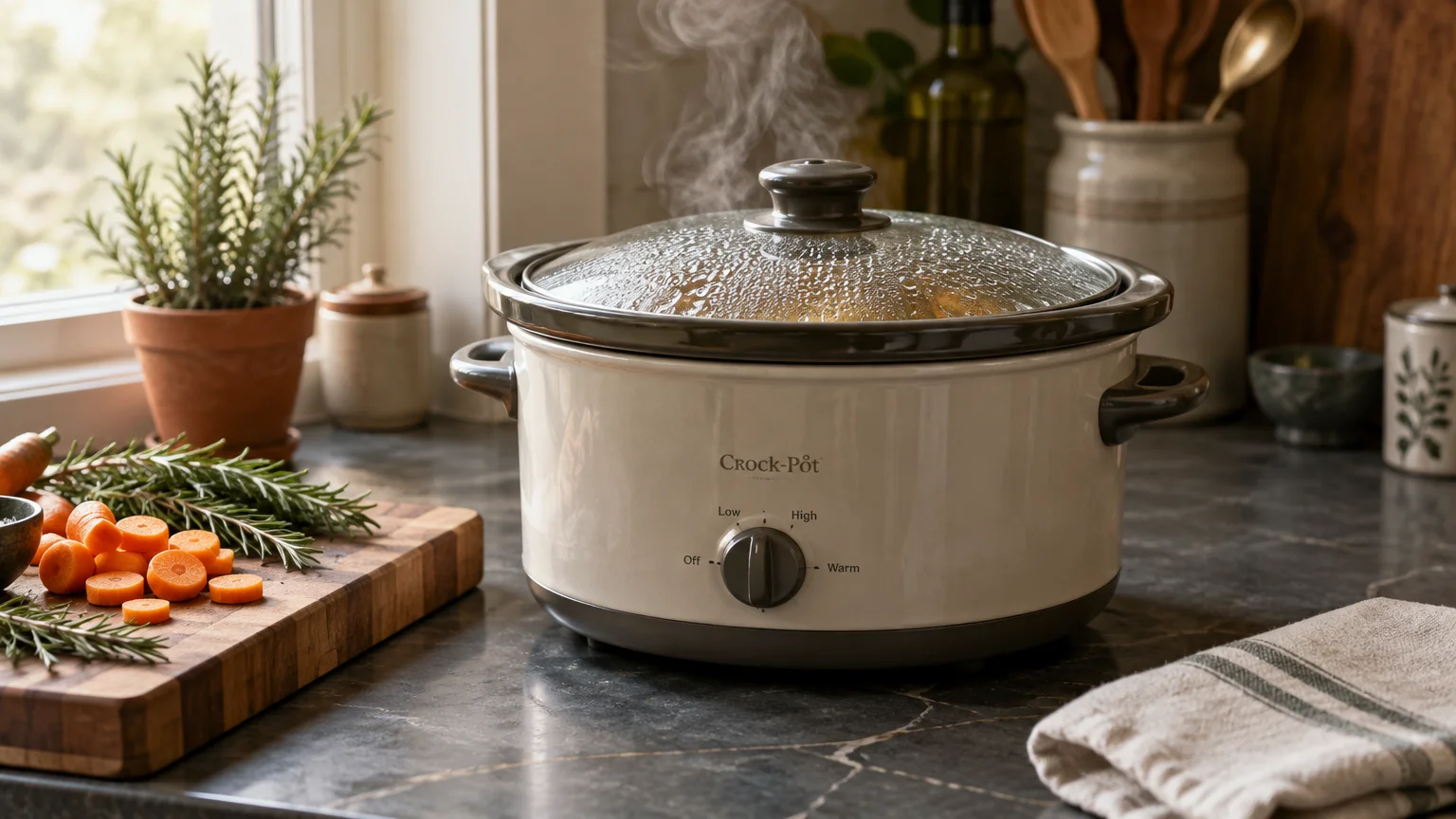
Slow cookers deliver tender meals with minimal physical effort, yet minor operational mistakes can quietly breed harmful bacteria in your dinner. Learning proper appliance safety ensures you enjoy convenient stews and soups without risking severe food poisoning.
As our bodies mature, our digestive and immune defenses become far more vulnerable to common foodborne pathogens like Salmonella and Listeria. A simple adjustment to your cooking routine protects your gastrointestinal tract and keeps your kitchen safe.
By mastering a few basic temperature habits, you can confidently prepare flavorful, nutritious dishes that support your vitality every single week.
Understanding the Basics of Slow Cooking and Food Safety
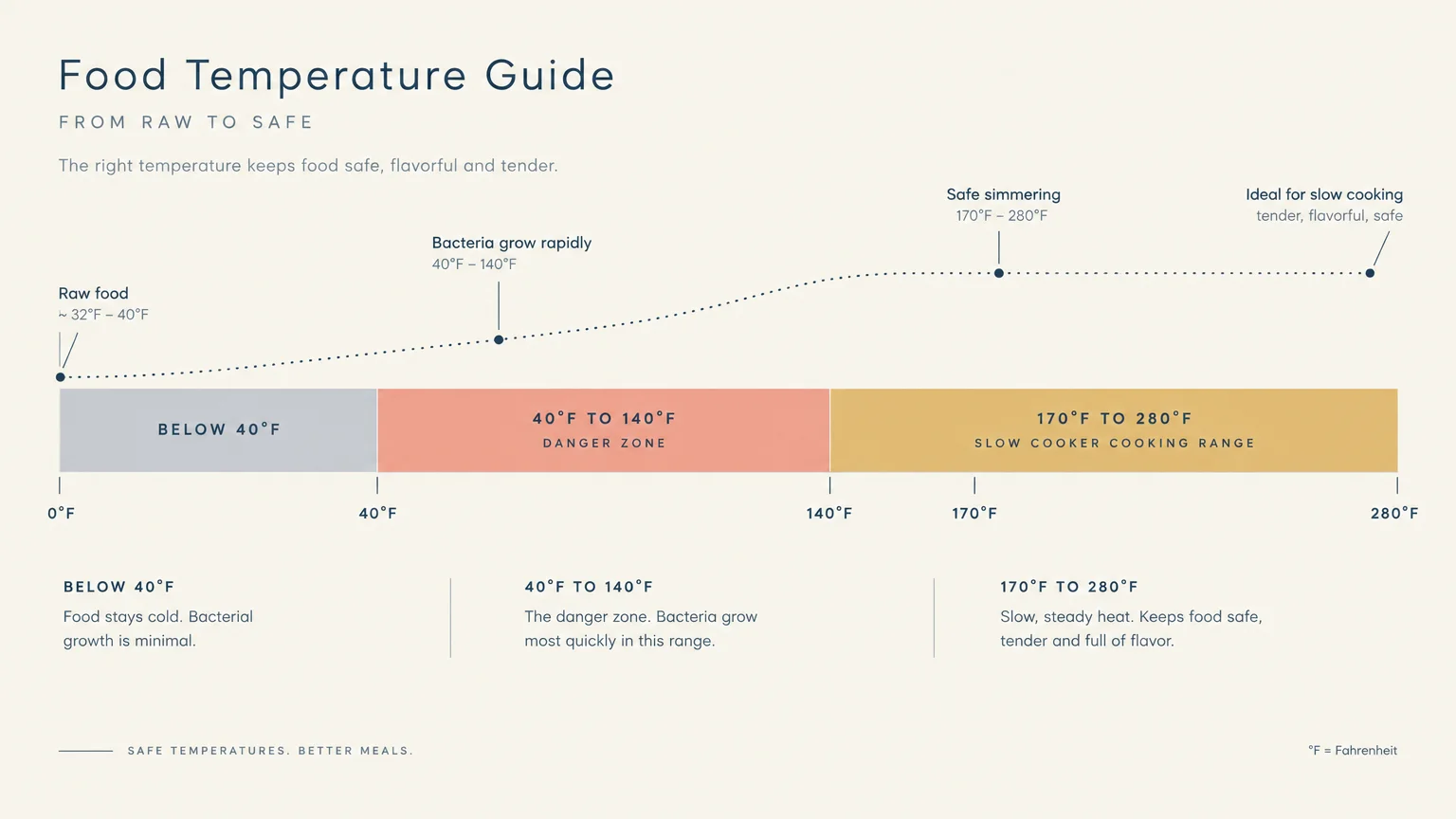
Slow cookers rely on direct base heat, prolonged steam entrapment, and steady radiant conduction through heavy ceramic walls. These countertop appliances slowly elevate raw ingredients to temperatures between 170°F and 280°F over several continuous hours.
Food safety depends entirely on how rapidly your meal transitions past the biological danger zone between 40°F and 140°F. Within that specific temperature window, common food pathogens can double their numbers in as little as twenty minutes.
Most modern units feature two primary cooking settings, Low and High, which both reach identical ultimate simmering temperatures. The High setting merely achieves that final heat point much faster than the gentle Low setting.
Because slow cookers generate low, gradual warmth, any interruption to heat distribution gives microscopic organisms an unexpected opportunity to thrive. Understanding heat conduction inside the crock guarantees that your favorite comfort recipes remain nourishing and safe.

Key Considerations for Older Adults
Your digestive physiology gradually shifts as the decades accumulate, altering how your system handles microscopic contaminants. Production of hydrochloric acid in your stomach naturally diminishes, weakening your primary chemical barrier against ingested microbes.
Public health agencies like the CDC emphasize that adults aged sixty-five and older face dramatically higher hospitalization rates from food poisoning. In fact, older adults account for nearly half of all severe Listeria infections.
Age-related declines in immune cell activity—a biological process known as immunosenescence—mean your body mounts a slower defense against bacterial toxins. An infection that causes mild discomfort in younger individuals can produce life-threatening complications for you.
Dehydration represents an additional critical concern during gastrointestinal illness, as mature kidneys conserve fluids less efficiently during acute distress. Preventing microbial exposure at your kitchen counter remains your most dependable strategy for maintaining robust health.
6 Common Slow Cooker Mistakes That Could Make You Sick
1. Adding Frozen Meat Directly to the Crock
Dropping rock-solid frozen poultry or beef roasts directly into your slow cooker represents one of the most perilous kitchen shortcuts. The appliance heats far too slowly to push dense frozen muscle tissue past dangerous bacterial thresholds promptly.
The outer layers of frozen meat thaw and linger inside the microbial danger zone for hours before interior sections begin warming. This extended window enables pathogens like Salmonella and Campylobacter to multiply across the protein surface.
According to safety guidelines from the USDA, you should always thaw meat completely inside your refrigerator before loading it into the ceramic vessel. This simple habit guarantees that thermal energy penetrates evenly from the opening minutes of cooking.
If you find yourself pressed for time, utilize your microwave defrost setting or immerse sealed meat packages in cold tap water. Never depend on a slow cooker to thaw and cook large frozen portions simultaneously.
2. Overfilling or Underfilling the Ceramic Vessel
Slow cookers require a precise balance of airspace and thermal mass to generate sufficient steam and uniform convection currents. Pack your ingredients too tightly, and the food will not achieve pathogen-destroying heat levels within safe timelines.
Conversely, placing a tiny portion of food into a massive six-quart cooker causes liquid to evaporate prematurely, scorching dinner and drying out nutrients. Uneven heating pockets may also form, leaving stubborn cool spots where bacteria comfortably survive.
Manufacturers design crock inserts to perform optimally when filled between one-half and two-thirds of their total liquid capacity. Maintaining this volume ensures that trapped steam circulates effectively around every vegetable chunk and protein cut.
If you regularly prepare single servings or small meals for two, consider purchasing a compact two-quart appliance rather than utilizing a family-sized model. Matching your recipe volume to vessel dimensions keeps every batch consistently safe and flavorful.
3. Lifting the Lid During the Cooking Cycle
Resisting the urge to peek inside the glass lid requires discipline, but lifting that cover derails your cooking process. Every time you remove the lid, trapped pressurized steam escapes into the kitchen, dropping the internal temperature significantly.
Food scientists calculate that lifting the lid a single time adds twenty to thirty minutes of necessary cooking time to your dish. If you open the crock repeatedly, the internal temperature plummets straight back into the biological danger zone.
Modern glass lids allow you to monitor bubbling liquid and ingredient tenderness without breaking the critical thermal vacuum seal. Trust the prescribed cooking timeline, and keep the heavy lid firmly anchored in place until the final hour arrives.
Only break this seal when a recipe explicitly requires mid-cycle additions, such as stirring in quick-cooking pasta or delicate leafy greens. Make those additions swiftly, and return the lid immediately to conserve vital radiant warmth.
4. Cooking Raw Kidney Beans Without Prior Boiling
Red kidney beans contain high concentrations of a natural, toxic plant glycoprotein called phytohaemagglutinin, which severely irritates human intestinal linings. Ingesting as few as four or five undercooked beans can trigger intense vomiting, abdominal cramps, and diarrhea within hours.
Slow cookers operating on Low temperatures rarely generate enough sustained heat to dismantle this potent plant toxin safely. In fact, heating raw beans at sub-boiling temperatures can actually increase toxic lectin potency fivefold compared to raw beans.
Research monitored by the FDA confirms that you must boil raw kidney beans vigorously for at least ten minutes to neutralize phytohaemagglutinin completely. Soaking the dry beans overnight in cold water serves as an essential preliminary step.
To eliminate risk entirely, simply swap dry kidney beans for commercially pre-cooked canned varieties in your favorite slow cooker recipes. Canned beans have already undergone high-pressure steam processing and remain completely safe to toss right into the crock.
5. Letting Cooked Meals Cool Inside the Ceramic Insert
Heavy ceramic stoneware acts as an exceptional thermal insulator, holding heat remarkably well while dinner rests on your counter. However, that identical heat-retention property becomes hazardous when you attempt to chill uneaten portions for future meals.
Leaving leftover chili or stew inside the unplugged crock creates an insulated incubator where ambient warmth dissipates at a sluggish pace. Food can easily spend four or five hours traversing the dangerous temperature span between 140°F and 40°F.
Spore-forming bacteria like Clostridium perfringens actively multiply in cooling stews, producing heat-resistant toxins that induce acute gastrointestinal misery. These stubborn bacterial spores survive cooking heat and germinate rapidly as the cooling liquid dips below pasteurizing thresholds.
Always transfer warm leftovers into shallow glass or plastic containers measuring no more than two inches in depth. These wide, shallow vessels allow atmospheric heat to escape quickly once you slide them directly into your refrigerator.
6. Reheating Leftovers Directly Inside the Slow Cooker
Using your slow cooker to warm up cold soup or refrigerated pulled pork creates an extended period of unsafe, lukewarm temperatures. The appliance warms contents gradually, providing lingering microbes an ideal environment to multiply before reaching a serving temperature.
Safe food handling requires reheating refrigerated leftovers rapidly to an internal temperature of at least 165°F throughout the dish. A gentle countertop cooker cannot supply the brisk heat intensity necessary to achieve this standard promptly.
Reheat your chilled meals on your stovetop burner or inside a microwave oven until bubbling hot before transferring them anywhere. Once the food reaches a verified 165°F, you may place it into a preheated cooker set on Warm for serving.
Treat the Warm function exclusively as a holding station for piping hot recipes, never as an active heating engine. This disciplined distinction guarantees that every serving maintains high microbiological safety from your first bowl to your last.
Balancing the Benefits and Hidden Risks of Slow Cooking
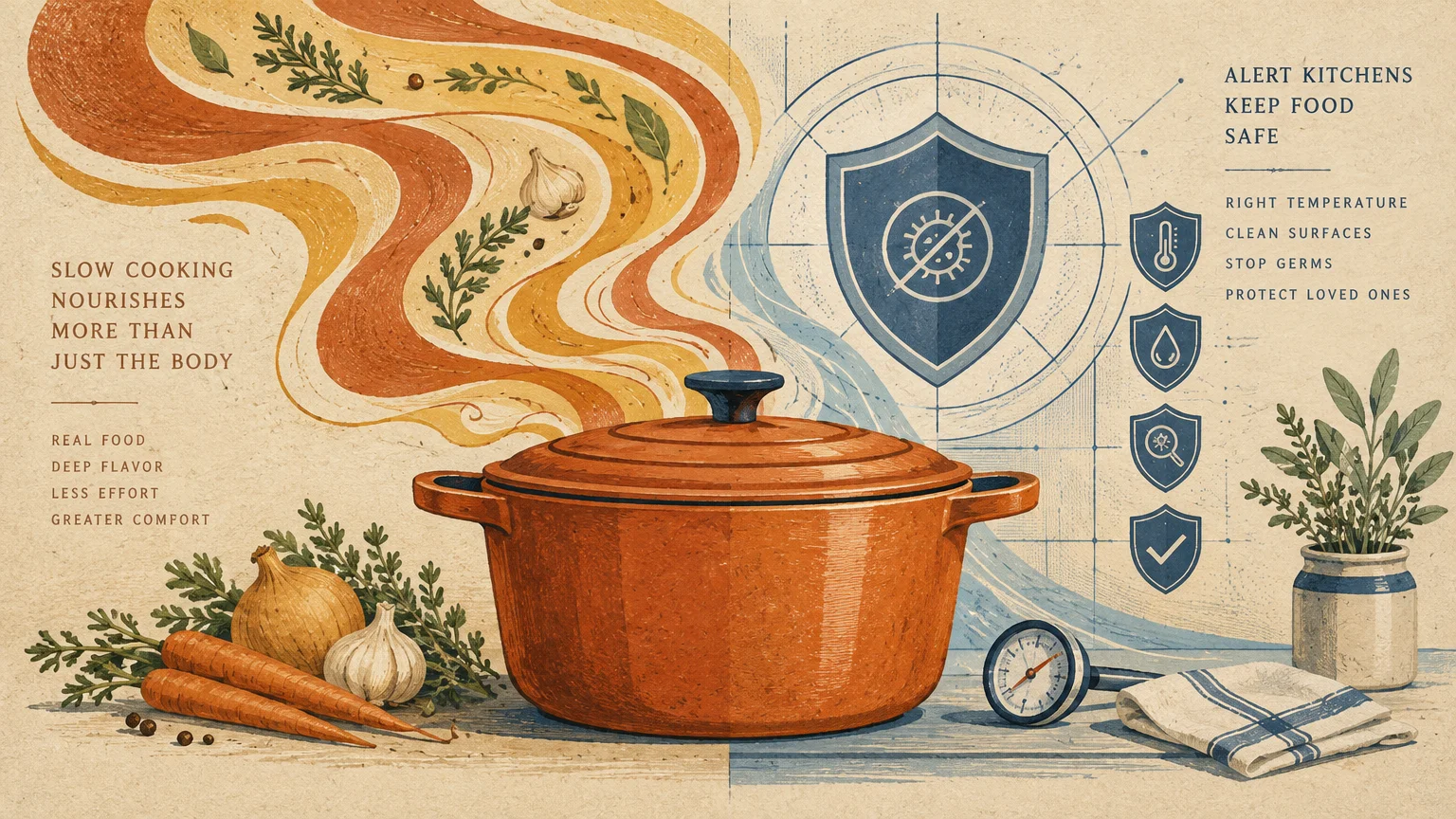
For active seniors and retirees, slow cookers provide immense nutritional and functional lifestyle advantages that support independence and healthy living. The prolonged moist cooking environment breaks down tough collagen in affordable cuts of beef and poultry, yielding tender, easily chewable proteins.
Because the appliance operates beneath a sealed lid, water-soluble vitamins, minerals, and savory cooking juices remain trapped inside the vessel. You consume all the extracted micronutrients rather than draining them down your kitchen sink alongside discarded boiling water.
Slow cooking also requires minimal standing time and wrist strain, protecting arthritic joints from repetitive chopping, stirring, and heavy pan lifting. You can assemble wholesome soups early in the morning when your physical energy peaks, leaving dinner to cook autonomously.
Despite these wonderful benefits, the gentle operating parameters demand absolute vigilance regarding mechanical reliability and ambient kitchen temperatures. Unexpected power blinks or brief electrical outages can stall cooking unnoticed, allowing raw mixtures to spoil quietly on your countertop.
What Leading Health Authorities and Food Scientists Advise
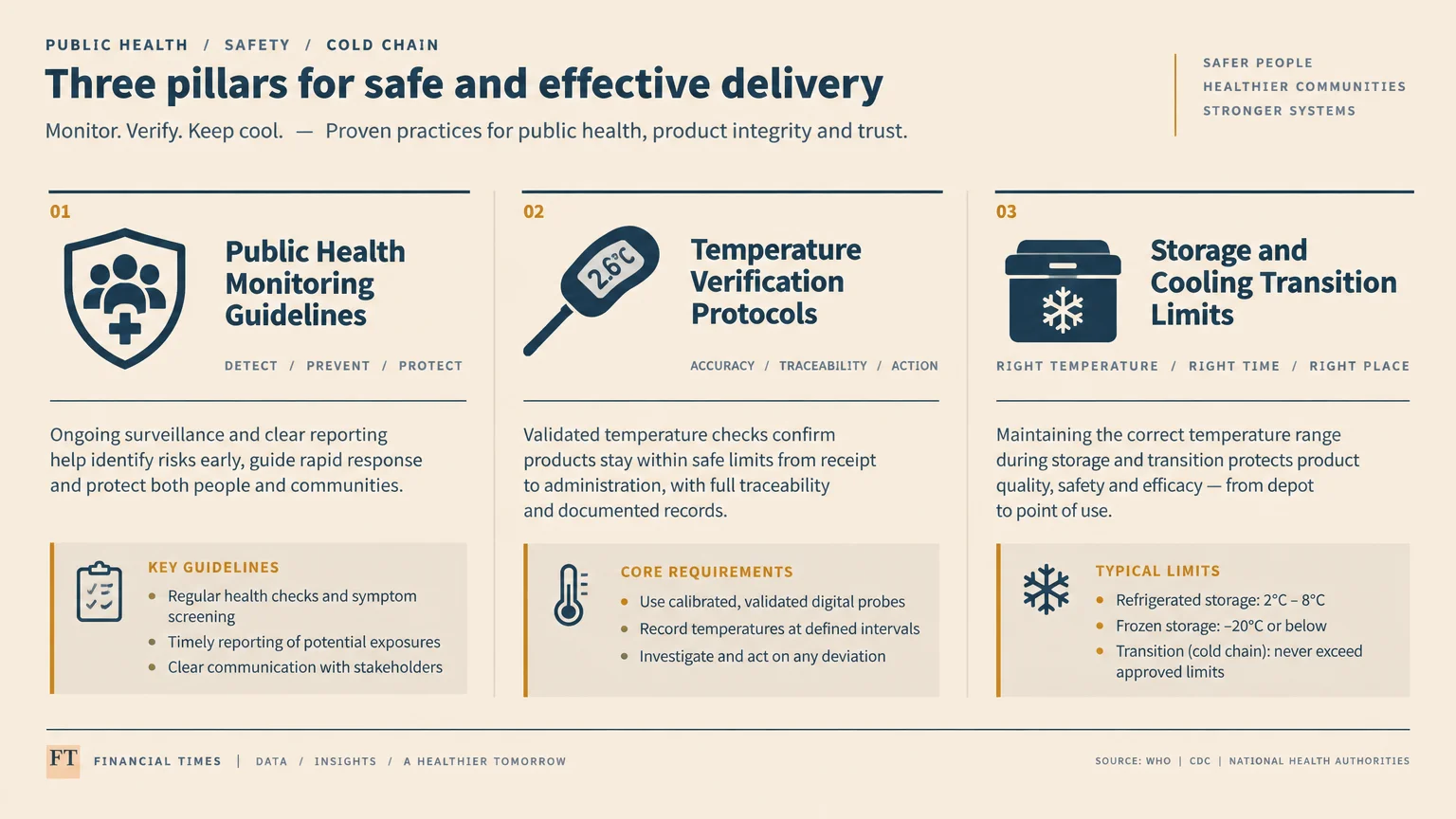
Food safety specialists at major health institutions maintain that slow cookers remain exceptionally safe when operated strictly according to microbiological standards. Clinical specialists at the Mayo Clinic emphasize that kitchen thermometers provide your only reliable defense against undercooked poultry and meat.
Relying on visual checks such as meat color or cooking time estimates frequently produces misleading and risky assumptions about doneness. Internal meat probes must verify that whole poultry cuts reach 165°F, ground meats hit 160°F, and beef reaches 145°F.
Epidemiological data compiled by the NIH demonstrates that the human body requires longer recovery intervals from food poisoning during later life stages. Organ damage, persistent arthritis, and prolonged digestive instability can follow severe bacterial infections contracted from improperly prepared home meals.
Expert consensus underscores that you should never consume food left in an unpowered slow cooker for over two hours. If an unmonitored power failure occurs while you run errands, discard the food immediately regardless of its outward appearance.
Practical Steps to Keep Every Slow-Cooked Meal Safe
You can transform your slow cooking routine today by adopting a series of simple, high-impact kitchen safety habits. These practical adjustments safeguard your household against bacterial proliferation without adding unwanted complexity to your daily cooking rituals.
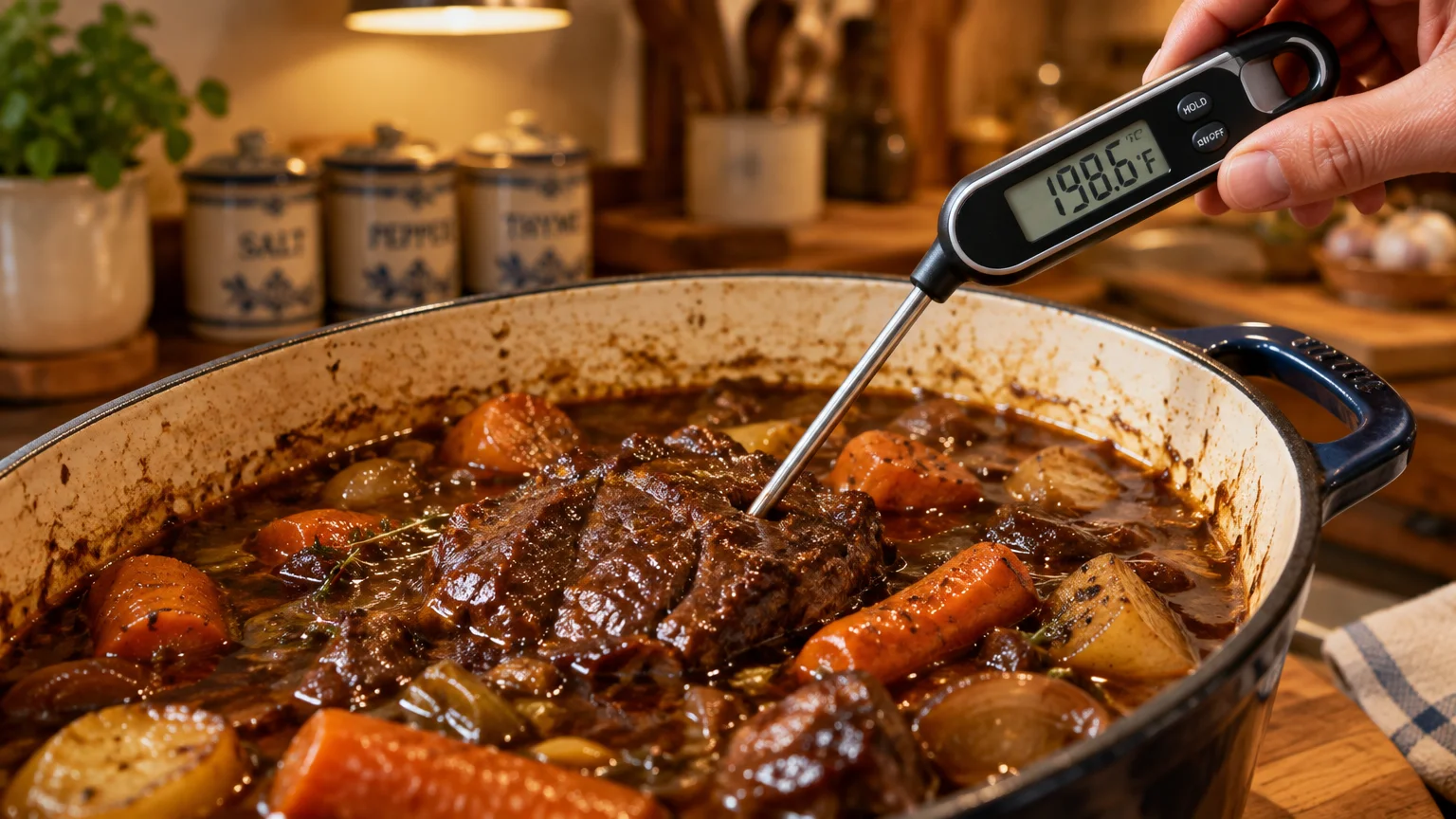
First, invest in an accurate digital food thermometer featuring an instant-read probe and an easy-to-read backlit display screen. Keep this instrument within reach, inserting the tip into the thickest section of your meat before sampling any dish.
Next, verify the heating accuracy of an older appliance by running a simple water-displacement calibration check. Fill the ceramic liner halfway with cool water, set the cooker on Low for eight hours, and verify that the water reaches 185°F.
Finally, date your leftovers with masking tape and consume all refrigerated slow-cooked portions within three to four days. If you cannot finish the meal within that timeframe, divide the stew into freezer-safe containers for long-term storage.
Frequently Asked Questions About Slow Cooker Safety
Can I put raw chicken directly into a slow cooker?
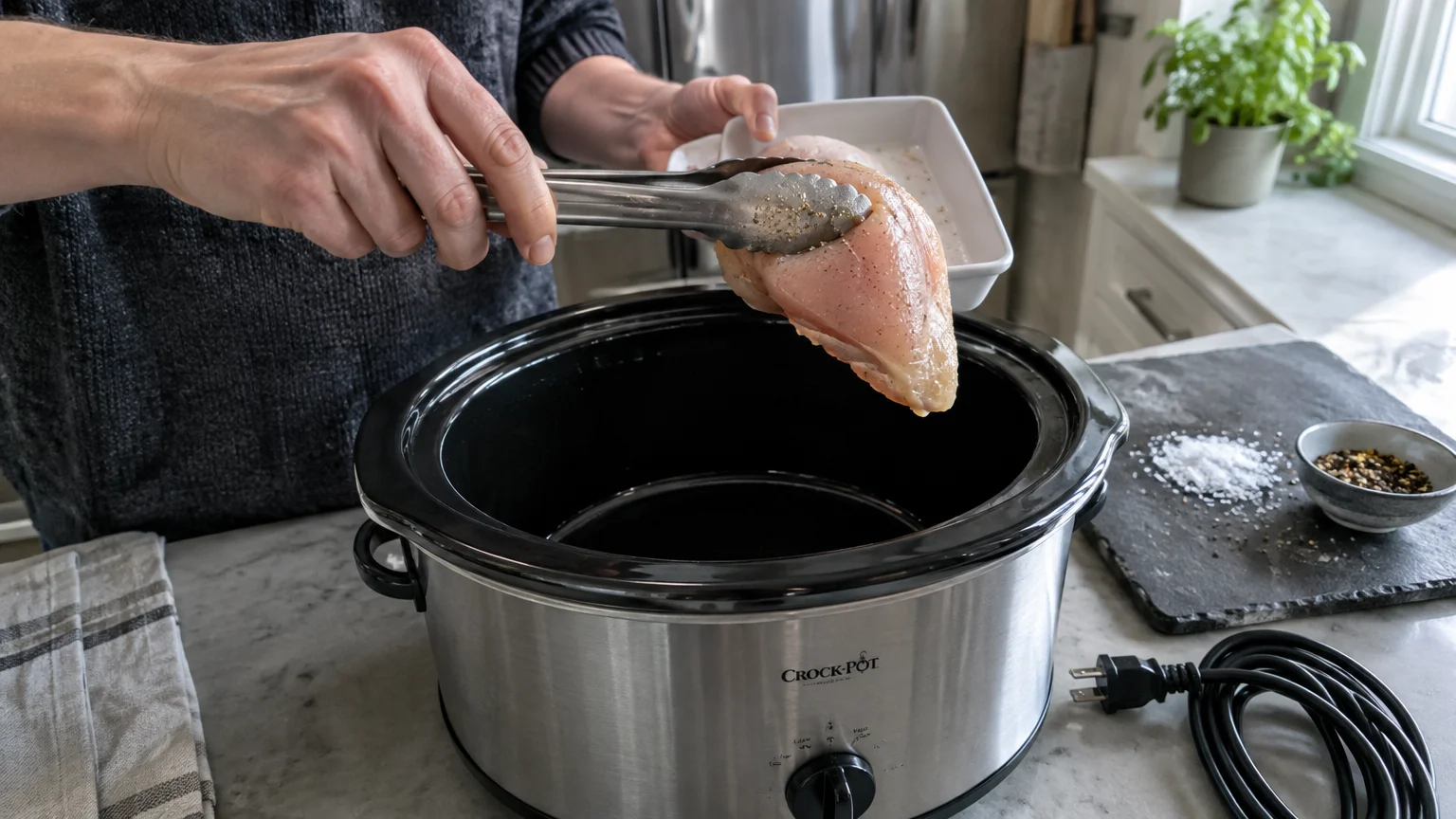
Yes, you can safely place completely thawed raw chicken directly into your slow cooker without prior searing or precooking. Ensure the poultry reaches an internal temperature of at least 165°F, verified with a dependable digital meat probe.
Always wash your hands with warm soapy water immediately after handling raw poultry to prevent cross-contaminating nearby kitchen surfaces. Never rinse raw chicken under your faucet, as running water splatters invisible bacteria across countertops and sink fixtures.
Is it safe to leave a slow cooker running while away from home?
Modern slow cookers are engineered for unattended operation when placed on flat, heat-resistant surfaces away from walls and clutter. Ensure your appliance rests on smooth granite, quartz, or tile rather than heat-sensitive laminate or wood countertops.
Inspect the electrical cord regularly for frays, cracks, or worn insulation that could pose an unexpected fire hazard. If you anticipate being away longer than the recipe specifies, use a programmable model that transitions automatically to Warm.
Do all dried beans require boiling before slow cooking?
While red kidney beans contain the highest concentration of toxic lectins, white cannellini beans and broad beans also harbor moderate levels. Boiling any dried bean vigorously for ten minutes after soaking remains the safest method for eliminating digestive toxins.
Smaller legumes such as lentils, split peas, and black-eyed peas contain negligible toxin levels and cook safely without boiling. You can toss these tender legumes directly into your slow cooker broth without any preliminary boiling treatment.
What should I do if my home loses electrical power during cooking?
If an electrical outage occurs while your slow cooker is actively running, your response depends on the duration of the interruption. When power returns quickly and food remained hot throughout, you can finish the cycle on the stovetop immediately.
However, if the power remained off for an undetermined timeframe or exceeded two hours, discard the entire contents immediately. Never taste-test suspect food, because bacterial toxins can cause severe illness even if the meal smells completely normal.
How long can I safely leave cooked food on the Warm setting?
You should restrict the Warm setting to a maximum duration of two to four hours after cooking concludes. Leaving food on Warm indefinitely degrades vegetable textures, dries out proteins, and can permit slow evaporation that cools perimeter zones.
Verify with a clean food thermometer that the Warm cycle maintains the internal food temperature safely above 140°F. Once serving wraps up, transfer remaining portions to shallow storage containers and refrigerate them without delay.
Safe Cooking Habits for Lifelong Vitality
Slow cooking represents an unmatched culinary convenience, supplying nutrient-dense, comforting dinners that nourish your body while conserving your physical stamina. Embracing fundamental temperature vigilance allows you to reap these rewards without compromising your personal digestive health.
Thawing meats fully, respecting crock capacities, avoiding mid-cycle lid lifting, and cooling leftovers rapidly will keep your meals exceptionally safe. These mindful kitchen practices safeguard your immune defenses and ensure every slow-cooked recipe supports your overall wellness.
Take time this week to calibrate your equipment, verify your food thermometer, and refresh your food handling protocols. With the right culinary safety habits firmly established, you can savor delicious, homemade comfort food with absolute peace of mind.
Disclaimer: This article is intended for informational and educational purposes only and is not a substitute for professional medical advice, diagnosis, or treatment. Always consult with a qualified healthcare provider regarding any health concerns or before making any decisions related to your health or treatment.