You can actively support your liver and restore metabolic balance simply by changing what you put on your plate each morning. Research shows that targeted dietary adjustments can halt and even reverse excess fat accumulation in your liver tissue.
When you nourish your body with the right nutrient-dense foods, you empower your liver cells to repair cellular damage and clear harmful lipids naturally.
Adding five proven, everyday kitchen staples to your daily meals gives you a direct, accessible way to enhance your longevity and regain your daily vitality.
Understanding the Basics of Fatty Liver Disease
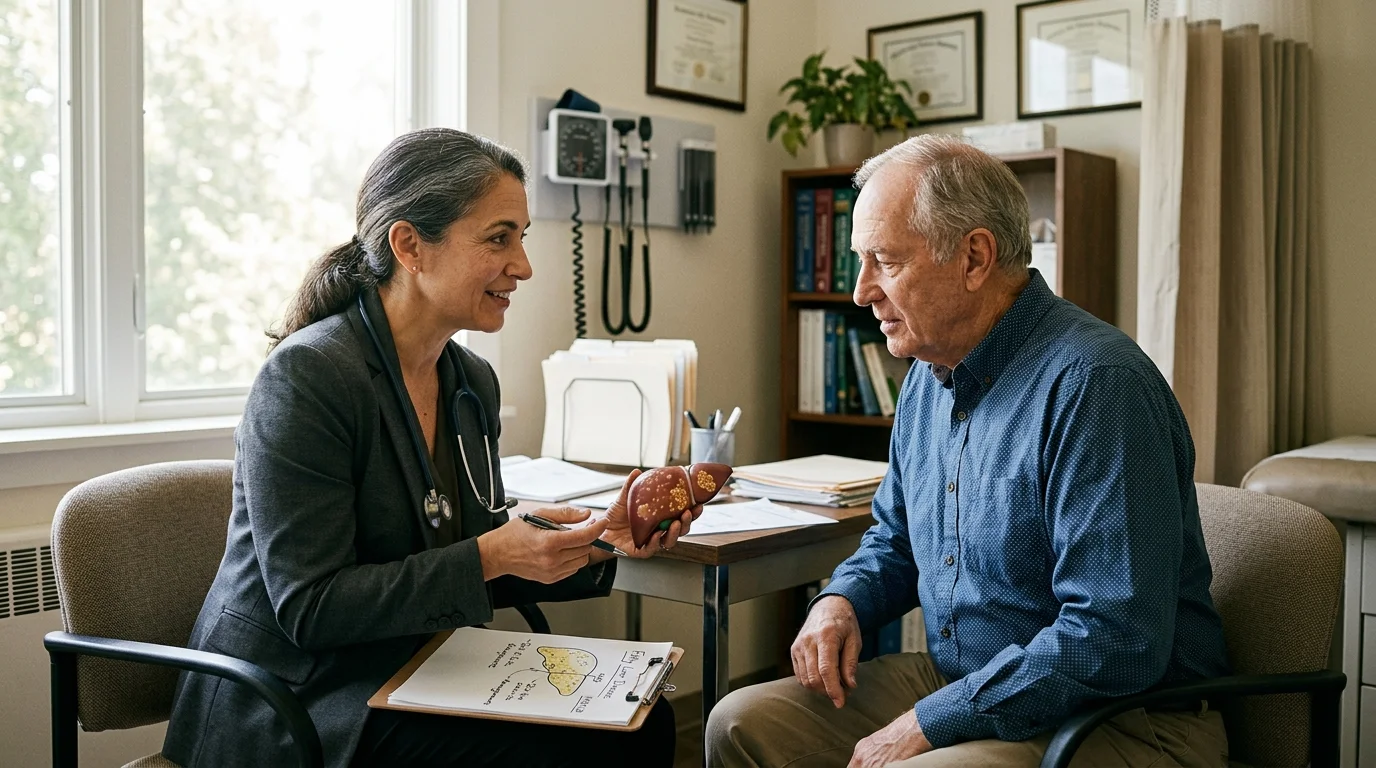
Fatty liver disease occurs when excess fat accumulates within liver cells. Clinically, doctors diagnose steatosis when fat accounts for more than 5% of hepatocytes (liver cells) in the absence of significant alcohol consumption. In June 2023, leading international liver societies—including the American Association for the Study of Liver Diseases (AASLD)—officially renamed Non-Alcoholic Fatty Liver Disease (NAFLD) to Metabolic Dysfunction-Associated Steatotic Liver Disease (MASLD). This updated terminology emphasizes the direct connection between liver fat and underlying cardiometabolic risk factors like insulin resistance, high blood pressure, and abnormal cholesterol.
MASLD currently affects roughly 38% of the global adult population, representing 1.3 to 1.5 billion people worldwide. Your liver serves as your metabolic clearinghouse, filtering toxins, balancing blood glucose, and processing dietary fats. When fat overloads hepatocytes, it creates lipotoxicity and cellular oxidative stress. Left unchecked, this chronic stress leads to inflammation and progressive scarring known as fibrosis. Fortunately, the liver possesses remarkable regenerative capacity, allowing you to reverse steatosis through targeted, consistent nutrition.

Key Considerations for Adults Over 60
Aging alters hepatic physiology and metabolic efficiency. As you age, liver volume and hepatic blood flow naturally decrease by 20% to 40%, while cellular mitochondria become less efficient at metabolizing fatty acids. Consequently, an older liver processes lipids more slowly and recovers with greater difficulty from metabolic strain, making daily dietary choices essential for maintaining organ health.
Body composition also shifts in older adulthood. The age-related loss of skeletal muscle mass—known as sarcopenia—reduces your body’s primary storage sink for circulating blood glucose. Because skeletal muscle disposes of most post-meal glucose, diminishing muscle redirects excess sugar to your liver, converting it into triglycerides via de novo lipogenesis. Furthermore, hormonal changes during and after menopause accelerate abdominal fat deposition and peripheral insulin resistance.
Seniors also face the reality of polypharmacy, taking multiple medications for cardiovascular, joint, or metabolic conditions. Because the liver metabolizes most prescription drugs, hepatic steatosis can disrupt key enzymatic pathways like cytochrome P450. Rather than adopting restrictive crash diets that cause dangerous muscle loss, seniors benefit most from incorporating wholesome kitchen staples that provide safe, sustainable liver protection.

5 Kitchen Staples That Help Reverse Fatty Liver Naturally
Reversing metabolic liver fat does not require extreme cleanses or synthetic supplements. You can achieve measurable clinical progress by stocking your kitchen with these five evidence-backed staples.
1. Coffee: Polyphenol Powerhouse for Hepatic Protection
Your daily cup of coffee provides robust protection for your liver. Observational and clinical studies confirm that drinking 2 to 3 cups of coffee daily correlates with an approximate 29% reduced risk of fatty liver disease. Regular coffee drinkers also show lower levels of elevated liver enzymes, including alanine aminotransferase (ALT) and aspartate aminotransferase (AST).
These benefits come from coffee’s rich polyphenol content, particularly chlorogenic acid. Chlorogenic acid curbs oxidative stress, suppresses inflammatory cytokines, and prevents the activation of hepatic stellate cells that cause liver fibrosis. Both regular caffeinated and decaffeinated coffee deliver these hepatoprotective effects; simply enjoy your coffee black or with a splash of unsweetened milk, avoiding sugary syrups that spike insulin.
2. Extra Virgin Olive Oil: Healthy Fats for Lipid Clearance
Extra virgin olive oil (EVOO) forms the foundation of liver-healthy Mediterranean nutrition. Clinical trials demonstrate that daily consumption of 20 to 50 grams of EVOO—roughly 1.5 to 3 tablespoons—can decrease intrahepatic liver fat by up to 40% while improving circulating ALT and AST profiles.
EVOO features high concentrations of oleic acid, a monounsaturated fatty acid that improves insulin sensitivity and reduces de novo lipogenesis. Additionally, powerful phenolic compounds like oleocanthal and hydroxytyrosol shield liver cell membranes from lipid peroxidation and mitigate tissue inflammation. Drizzle cold-pressed extra virgin olive oil over fresh salads, steamed vegetables, and whole grains to maximize its therapeutic value.
3. Garlic: Nature’s Potent Sulfur Compound
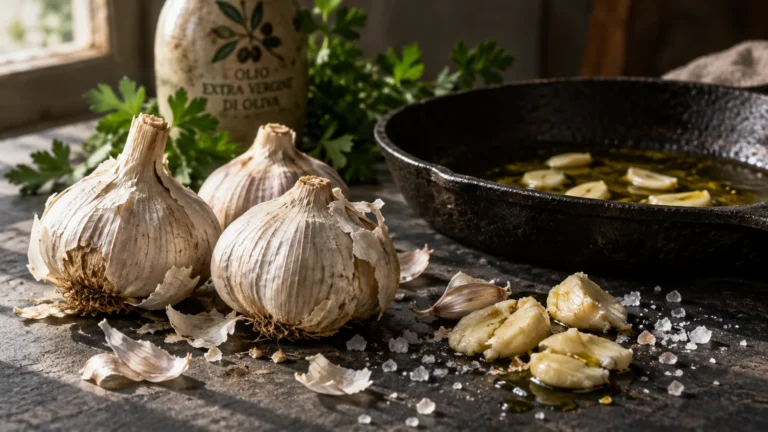
Garlic offers concentrated therapeutic benefits for metabolic liver health. In a randomized controlled clinical trial, supplementing with 800 milligrams per day of garlic powder over 15 weeks resulted in 51.1% of patients showing measurable ultrasound improvement in hepatic steatosis, compared to only 15.7% in the placebo group, alongside significant reductions in serum ALT and AST.
Garlic’s protective action stems from organosulfur compounds, especially allicin, diallyl disulfide, and S-allyl cysteine. These bioactive nutrients regulate hepatic lipid metabolism, stimulate fatty acid breakdown, and suppress pro-inflammatory pathways. To optimize allicin formation when cooking, crush fresh garlic cloves and let them rest at room temperature for 10 minutes before heating; this resting period activates the beneficial alliinase enzyme.
4. Green Tea: EGCG and Cellular Metabolic Activation
Green tea contains concentrated antioxidants that promote metabolic repair. Clinical trials evaluating green tea extracts providing 300 to 800 milligrams daily of epigallocatechin-3-gallate (EGCG) demonstrate significant reductions in liver fat accumulation, waist circumference, and elevated liver enzymes over 12 weeks.
EGCG stimulates AMP-activated protein kinase (AMPK), your body’s master metabolic sensor. Activating AMPK halts hepatic fat synthesis and accelerates fatty acid oxidation within liver cells. Furthermore, green tea catechins stimulate the Nrf2 antioxidant pathway, shielding hepatocytes against cellular injury. Brew whole-leaf green tea in hot water just below boiling for three minutes, enjoying 2 to 3 cups daily between meals.
5. Whole Oats and Oat Bran: Soluble Fiber and the Gut-Liver Axis
Whole oats and oat bran supply beta-glucan, a uniquely effective soluble prebiotic fiber. A 12-week clinical study showed that daily oat beta-glucan intake significantly reduced serum ALT and AST enzymes, body fat percentage, and visceral abdominal fat in individuals with metabolic dysfunction.
Beta-glucan supports liver function through the gut-liver axis. It forms a viscous gel in your digestive tract that binds bile acids, prompting your liver to use stored cholesterol to synthesize new bile. Moreover, intestinal microbiota ferment beta-glucan into short-chain fatty acids (SCFAs) that travel directly via the portal vein to enhance hepatic insulin sensitivity and curb fat accumulation. Opt for minimally processed steel-cut or rolled oats garnished with walnuts and berries.

Benefits and Potential Risks of Dietary Interventions
Adopting a whole-food approach to liver health delivers benefits across your entire body. Incorporating these five kitchen staples lowers blood triglycerides, improves fasting glucose, enhances arterial elasticity, and reduces systemic inflammation. Because cardiovascular disease represents the primary health concern for individuals with MASLD, these simple dietary shifts protect your heart while revitalizing your liver.
Clinical benchmarks from the American Association for the Study of Liver Diseases show that a 3% to 5% weight loss reduces hepatic steatosis, a 7% to 10% reduction resolves steatohepatitis and inflammation, and losing 10% or more can reverse liver fibrosis.
However, practical precautions remain necessary. Avoid high-dose green tea extract pills, which have occasionally caused liver toxicity in supplemental forms; stick to brewed liquid tea instead. Increase your oat fiber intake gradually with plenty of water to prevent digestive discomfort, and consult your doctor regarding concentrated garlic supplements if you take blood thinners like warfarin.

What the Experts Say: Research and Clinical Guidelines
Leading global health authorities emphasize lifestyle and nutrition as the standard of care for steatotic liver disease. The National Institutes of Health confirms that dietary modifications and physical activity form the foundation of MASLD management, as no universal pharmaceutical drug replaces a wholesome diet.
Specialists at the Mayo Clinic recommend the Mediterranean dietary pattern, highlighting that monounsaturated fats, whole grains, and antioxidant-rich plants reduce intrahepatic fat while lowering cardiovascular risks.
Furthermore, research supported by the World Health Organization and the Centers for Disease Control and Prevention underscores that addressing cardiometabolic risk factors—including high triglycerides, visceral fat, and insulin resistance—preserves organ vitality and promotes healthy longevity in older adults.

Practical Steps and Actionable Advice for Daily Living
Begin by auditing your kitchen pantry. Discard inflammatory industrial seed oils, trans fats, and foods with added sugars, replacing them with cold-pressed extra virgin olive oil, whole oats, raw garlic, and high-quality green tea and coffee.
Upgrade your daily beverage choices by replacing sugary juices, sodas, and alcohol with pure water, morning black coffee, and brewed green tea between meals to support ongoing antioxidant defenses.
Pair these dietary staples with regular physical activity. Engaging in 150 minutes of weekly moderate exercise—such as brisk walking, cycling, or light resistance training—stimulates muscle glucose uptake and accelerates liver fat oxidation.
Partner with your physician to monitor your progress. Schedule annual blood tests to evaluate your ALT, AST, lipid levels, and fasting glucose, discussing whether a non-invasive liver ultrasound or FibroScan is appropriate.
Focus on gradual, sustainable habits rather than extreme calorie restriction. Aim for a steady weight loss of one-half to one pound per week to preserve skeletal muscle and support long-term metabolic health.
Frequently Asked Questions
Can fatty liver disease be completely reversed?
Yes, early and moderate stages of fatty liver disease are fully reversible. Because the liver possesses remarkable regenerative abilities, adopting liver-healthy kitchen staples, staying physically active, and achieving modest weight loss allows liver cells to clear stored fat, resolve inflammation, and restore normal enzyme levels.
How long does it take to see improvements in liver health through diet?
You can see measurable biochemical improvements within 8 to 12 weeks of consistent dietary changes. Clinical studies show that regular intake of extra virgin olive oil, oats, and green tea quickly lowers elevated ALT and AST enzymes, while noticeable fat reduction on ultrasound typically occurs within three to six months.
Is decaffeinated coffee as beneficial for liver health as caffeinated coffee?
Yes, decaffeinated coffee provides substantial liver protection because its hepatoprotective effects stem primarily from polyphenol antioxidants like chlorogenic acid rather than caffeine. If you are sensitive to caffeine or have sleep issues, decaf coffee still helps reduce liver fat accumulation and fibrosis risk.
Do commercial liver detox cleanses or teas actually work?
Commercial detox cleanses lack scientific backing and can even harm your liver due to unregulated ingredients. Your liver does not need commercial cleanses; it is an inherently efficient detox organ that thrives on whole-food nutrients, hydration, and antioxidant support from natural kitchen staples.
Should I completely avoid alcohol if I have fatty liver disease?
Medical experts strongly advise eliminating or strictly minimizing alcohol intake if you have MASLD. Alcohol places an extra toxic and oxidative burden on vulnerable hepatocytes, speeding up the progression from simple fat accumulation to severe inflammation and fibrosis.
Empowering Your Liver Health Journey
Reversing fatty liver disease begins with simple, intentional choices made right in your kitchen. Incorporating extra virgin olive oil, whole oats, fresh garlic, green tea, and coffee into your daily routine gives your liver the essential nutrients it needs to clear accumulated fat and restore cellular vitality.
Your liver possesses an extraordinary capacity to heal when supported with consistent, nutrient-rich foods. Start adding these five kitchen staples to your meals today and take confident charge of your metabolic health, vitality, and longevity.
This article is intended for informational and educational purposes only and is not a substitute for professional medical advice, diagnosis, or treatment. Always consult with a qualified healthcare provider regarding any health concerns or before making any decisions related to your health or treatment.