
Retirement brings hard-earned freedom to enjoy life, but maintaining your vitality requires paying close attention to subtle physical changes. Recognizing critical warning signs early protects your long-term independence and overall quality of life.
Many life-threatening conditions present with subtle, unusual symptoms in women over sixty compared to men. Overlooking these nuanced red flags can delay critical medical care when early timing matters most.
Discover five vital health symptoms every retired woman should watch for, backed by recent medical evidence and clinical guidance to safeguard your wellness.
Understanding Health Changes After Sixty
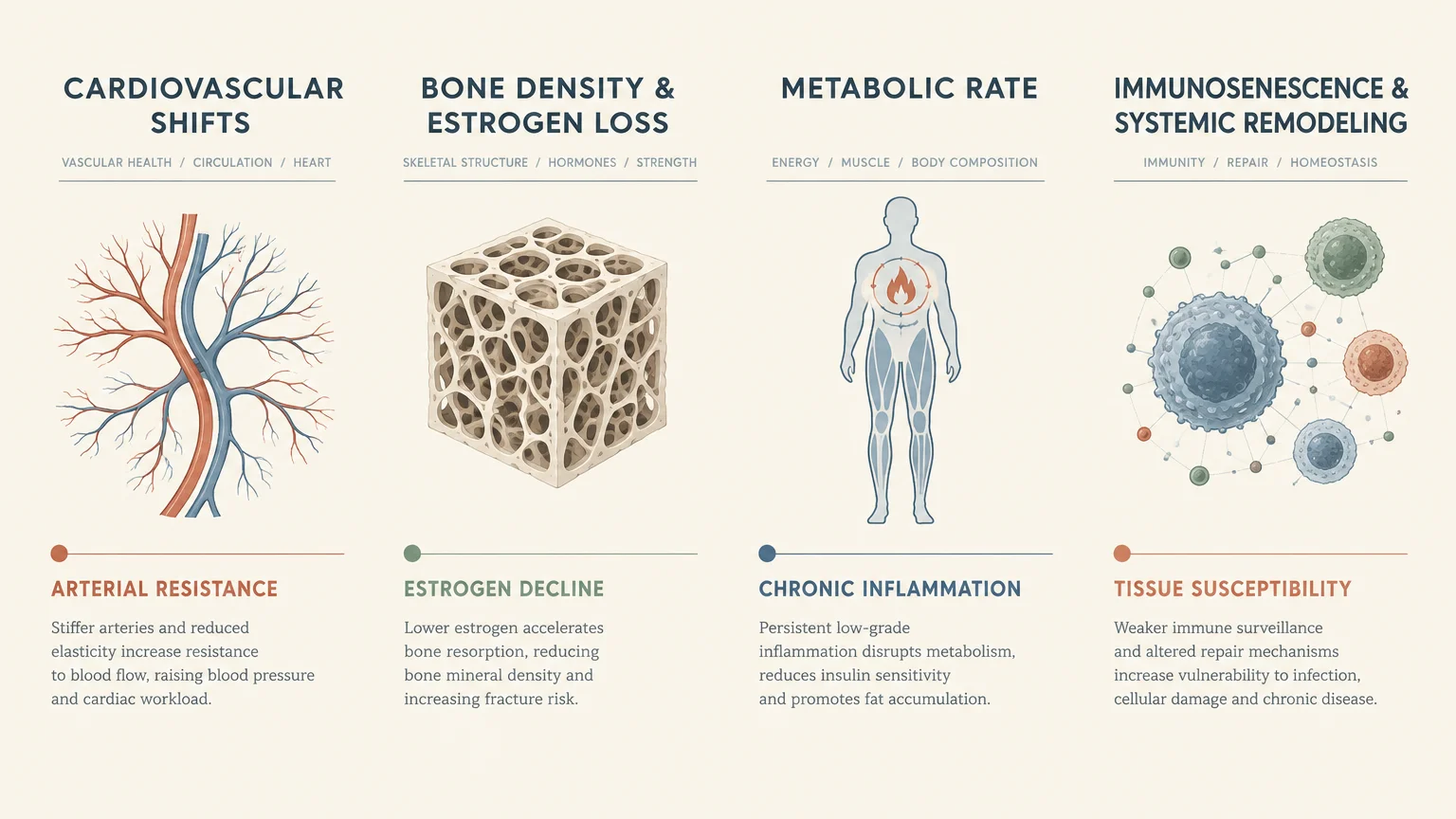
Aging involves complex biological shifts that alter how your body responds to illness and stress. As estrogen levels drop after menopause, your cardiovascular system, bone density, and metabolic rate undergo profound changes.
Your immune system also experiences gradual remodeling, a biological process known as immunosenescence. This shift makes your tissues more susceptible to chronic inflammation and systemic disorders.
Many older adults assume that feeling sluggish or experiencing discomfort is simply a normal consequence of growing older. However, dismissing genuine red flags as routine aging can lead to unnecessary complications.
Medical researchers emphasize that healthy aging does not mean living with disabling discomfort or unaddressed illness. Distinguishing between normal age-related changes and urgent pathology is vital for sustaining a vibrant retirement.
When you understand your baseline health, you can detect deviations long before they escalate into medical emergencies. Active observation gives you the power to advocate for your care with your physician.
Early detection transforms clinical outcomes across almost every major health condition affecting seniors. By learning what to watch for, you take direct control over your retirement wellness.
Regular preventive care creates an ongoing baseline record of your vital organ functions. This medical history allows clinicians to spot subtle deviations that you might otherwise overlook.

Five Health Symptoms Retired Women Should Never Ignore
Some symptoms demand immediate clinical investigation because they indicate underlying conditions that worsen rapidly without intervention. Here are five crucial warning signs that every retired woman must keep on her radar.
1. Atypical Cardiovascular Warning Signs
Heart disease remains the leading cause of death among American women, claiming roughly one in five female lives. Yet, women frequently fail to recognize heart trouble because their symptoms differ significantly from men’s symptoms.
Men often report crushing substernal chest pressure that radiates down the left arm. In contrast, women frequently experience atypical signs like sudden shortness of breath, unexplained profound exhaustion, or persistent nausea.
You might also feel an aching discomfort in your upper back, jaw, neck, or stomach. These symptoms can mimic indigestion or physical fatigue, leading many women to postpone seeking emergency medical assistance.
The Centers for Disease Control and Prevention stresses that any abrupt decline in your physical stamina warrants prompt assessment. Never write off unusual breathlessness during light activity as simple deconditioning.
Furthermore, conditions like type 2 diabetes can blunt neurological pain perception. Diabetic nerve damage often silences standard chest pain, making subtle shortness of breath or unexplained fatigue your only warning sign.
If you experience unexplained cold sweats, dizziness, or pressure across your chest, call emergency medical services immediately. Rapid treatment preserves heart muscle tissue and significantly improves long-term survival rates.
2. Postmenopausal Vaginal Bleeding or Spotting
Any vaginal bleeding that occurs after you have completed menopause is abnormal and demands immediate medical evaluation. Even a few drops of pinkish discharge or light brownish staining require thorough clinical investigation.
The American College of Obstetricians and Gynecologists reports that abnormal bleeding is the primary presenting sign in over ninety percent of women diagnosed with endometrial cancer. Fortunately, early evaluation leads to high cure rates.
Clinical practice guidelines urge clinicians to perform both a transvaginal ultrasound and an endometrial biopsy upfront. These complementary diagnostic tests identify whether endometrial thickening or malignancy is present within the uterus.
Benign conditions like endometrial atrophy or polyps can also trigger spotting, but you cannot differentiate causes at home. Schedule an urgent visit with your gynecologist whenever you observe any unexplained vaginal discharge or bleeding.
Never assume that light spotting is harmless or merely your body making an incidental hormonal adjustment. Postmenopausal bleeding always warrants a definitive tissue diagnosis to safeguard your reproductive health.
3. Unexplained Loss of Height or Sudden Back Pain
Osteoporosis is often called a silent disease because bone mineral density deteriorates without causing noticeable pain. Millions of older women remain unaware of their bone thinning until a fragile bone fractures unexpectedly.
According to federal health statistics, approximately 27.1 percent of women aged sixty-five and older have osteoporosis. A gradual height loss exceeding one inch often indicates silent vertebral compression fractures within your spine.
Similarly, sudden and severe back discomfort without an obvious traumatic injury can signal a spinal collapse. Many retired women mistake this acute pain for simple muscle strain or worsening osteoarthritis.
The U.S. Preventive Services Task Force recommends universal bone mineral density screening via dual-energy X-ray absorptiometry for all women aged sixty-five and older. DEXA scans provide painless, accurate measurements of your skeletal density.
Severe spinal compression can eventually cause progressive postural curvature, which impairs deep breathing and mobility. Preserving bone strength protects your independence and reduces the life-altering consequences of severe fractures.
4. Progressive Cognitive Changes and Executive Fog
Occasional forgetfulness, like misplacing your reading glasses, is a typical aspect of aging. However, persistent confusion, disorientation, or difficulty managing familiar tasks represents a significant warning sign that demands professional evaluation.
Data from the Alzheimer’s Association indicates that almost two-thirds of Americans living with Alzheimer’s disease are women. At age forty-five, a woman’s lifetime risk of developing Alzheimer’s is approximately one in five.
Warning signs include struggling with familiar recipes, difficulty balancing your monthly bank statement, or getting lost while driving on familiar routes. Trouble finding common words or repeating identical questions during conversations also warrants attention.
Not all memory deficits stem from neurodegenerative disease; many reversible conditions create identical symptoms. Thyroid dysfunction, vitamin B12 deficiency, sleep apnea, medication interactions, or urinary tract infections can cloud cognitive clarity.
Undergoing a formal cognitive evaluation allows medical professionals to identify treatable underlying causes or initiate targeted therapies. Modern therapeutics show greater efficacy when initiated during the earliest phases of mild cognitive impairment.
Untreated sensory deficits like uncorrected hearing loss also accelerate cognitive strain and social isolation in older adults. Protecting your auditory health directly supports brain function and helps preserve long-term cognitive clarity.
5. Unexplained Involuntary Weight Loss
Losing weight without dieting might sound welcome, but it serves as a critical clinical red flag. Physicians define clinically meaningful unexplained weight loss as shedding over five percent of body mass within six to twelve months.
This unintentional reduction in mass often signals serious underlying conditions, including hidden malignancies, gastrointestinal malabsorption, or metabolic disorders like hyperthyroidism. Chronic autoimmune conditions and hidden systemic infections can also drive involuntary weight decline.
In older adults, involuntary weight reduction frequently involves muscle mass wasting, known clinically as sarcopenia. Sarcopenia weakens your physical resilience, raises fall hazards, and impairs functional mobility during daily retirement activities.
Routine preventive cancer screenings help identify potential causes early; guidelines recommend regular colorectal screening through age seventy-five and mammography through age seventy-four. Always inform your physician if your clothes fit noticeably looser without intentional effort.
Poor dental health, ill-fitting dentures, or reduced saliva production can also cause unintended weight reduction by limiting nutrient intake. Identifying mechanical eating difficulties helps prevent avoidable nutritional declines before physical frailty develops.

Key Considerations for Aging Women
Aging changes how your body metabolizes medications and communicates distress signals. Diminished sensory perception and altered organ function can make classic symptom presentations muted or entirely atypical.
Retired women frequently take multiple maintenance medications for hypertension, cholesterol, or arthritis. This polypharmacy can mask emergent symptoms or generate new side effects that mimic underlying diseases.
Living alone after retirement can also delay care, as subtle declines in function or cognition may go unnoticed by friends. Establishing regular check-ins with family or close neighbors provides a protective safety net for your health.
Cultural tendencies to prioritize the needs of others often lead women to downplay their own discomfort. Recognizing that your health requires proactive attention is essential for enjoying the retirement years you worked hard to achieve.
Maintaining open, candid communication with your healthcare team helps bridge the gap between subtle symptoms and accurate diagnoses. You know your body best, so trust your instincts whenever something feels abnormal.
Hormonal changes also affect how your body regulates core temperature and fluid balance throughout the day. Paying attention to sudden shifts in hydration or physical endurance ensures you catch early imbalances promptly.
Benefits of Early Action and Risks of Delay
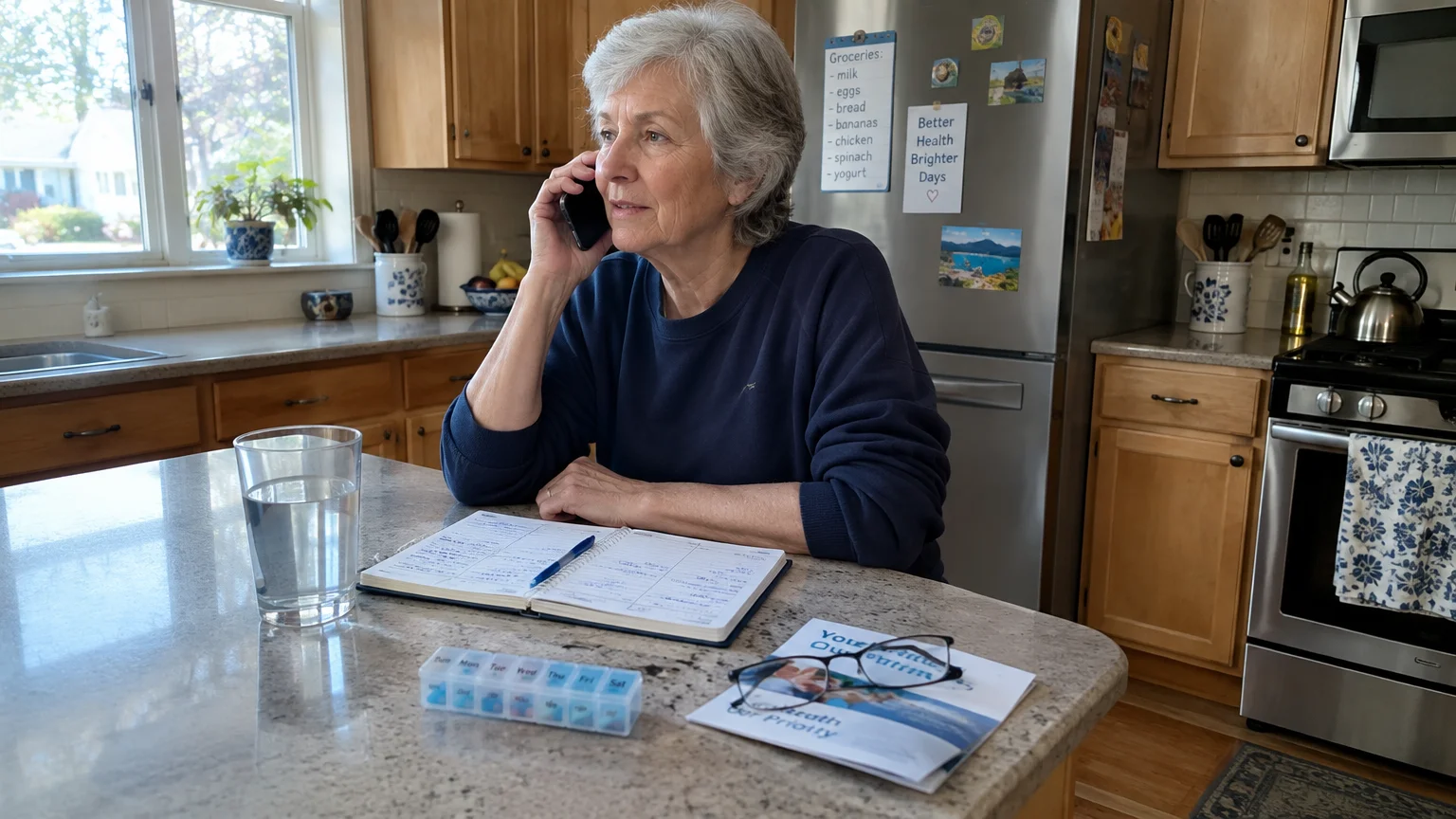
Taking immediate action when unexpected symptoms arise significantly improves your treatment options and recovery rates. Early intervention often allows for less invasive therapies, fewer hospitalizations, and better long-term functional independence.
For example, detecting endometrial changes early can eliminate cancer before it breaches the uterine lining. Similarly, catching osteoporosis before your first fracture occurs allows bone-strengthening therapies to preserve your mobility.
Conversely, waiting for symptoms to fade on their own carries severe clinical risks. Delayed diagnosis of cardiovascular ischemia can cause irreversible cardiac scarring or fatal arrhythmias that immediate care could have prevented.
Ignoring progressive cognitive shifts or unexplained weight changes can allow nutritional deficiencies or advanced diseases to worsen unchecked. Postponing medical care rarely resolves an underlying issue; instead, it magnifies diagnostic complexity and recovery times.
Prompt medical engagement protects not just your lifespan, but also your healthspan—the period of life spent free from chronic disability. Prioritizing timely assessment ensures your retirement remains active and deeply fulfilling.

What the Experts and Medical Research Recommend
Leading medical institutions like the National Institutes of Health emphasize comprehensive annual preventative assessments for all older adults. These wellness checkups serve as a cornerstone for tracking baseline health metrics over time.
Clinical experts at the Mayo Clinic advise maintaining up-to-date preventive health screenings tailored to your age and personal risk profile. This includes monitoring blood pressure, glucose levels, bone density, and lipid panels regularly.
Global guidance from the World Health Organization highlights the value of integrated healthcare that addresses functional capacity alongside disease treatment. Sustaining physical movement, cognitive engagement, and social connection supports healthy aging.
Researchers also emphasize the critical importance of reviewing your complete prescription and supplement regimen with your pharmacist annually. Identifying redundant drugs or adverse drug interactions helps prevent avoidable falls, cognitive fog, and metabolic disturbances.
Medical consensus underscores that self-advocacy is vital within modern healthcare systems. Physicians encourage retired women to bring written lists of concerns and symptoms to every scheduled clinical encounter.

Practical Steps to Protect Your Health
Taking charge of your personal wellness involves establishing consistent habits and proactive healthcare routines. Implement these concrete, evidence-backed steps to safeguard your ongoing health and independence.
Maintain a dedicated health journal where you record dates, specific symptoms, pain levels, and any triggering factors. Detailed personal tracking provides your physician with objective data rather than vague impressions during your office visits.
Schedule your universal bone density scan if you are aged sixty-five or older. Ensure you also complete recommended biennial mammograms through age seventy-four and colorectal cancer evaluations through age seventy-five.
Prepare a concise, updated medication roster that lists every prescription, over-the-counter medicine, and dietary supplement you consume. Share this accurate list with every healthcare provider you consult to minimize dangerous interaction risks.
Build a reliable medical team consisting of a primary care physician, trusted specialists, and an accessible pharmacist. Do not hesitate to seek a second opinion whenever a persistent symptom remains unexplained or uninvestigated.
Adopt daily lifestyle habits that nurture your vascular and musculoskeletal systems. Prioritize thirty minutes of moderate aerobic activity, resistance exercises twice weekly, adequate dietary protein, and restorative nightly sleep.
Frequently Asked Questions
Is light spotting really an emergency if I feel fine?
Yes, any postmenopausal bleeding requires prompt clinical investigation, even if it causes no discomfort. Early diagnostic testing rules out endometrial cancer or addresses benign polyps before complications arise.
Why do heart attacks feel different in women than in men?
Women often experience microvascular coronary disease, which affects small arterial vessels rather than primary blockages. This physiological difference produces diffuse symptoms like nausea, shortness of breath, and fatigue rather than crushing chest pain.
How can I tell the difference between normal aging and dementia?
Normal aging involves occasional memory slips, like momentarily forgetting an acquaintance’s name. Dementia disrupts daily functioning, alters executive decision-making, causes geographic confusion, and impairs familiar multi-step routines.
What should I do if my doctor dismisses my symptoms?
Advocate firmly for yourself by asking the physician to document their reasoning in your official chart. You always possess the right to seek a second clinical opinion from another qualified healthcare professional.
When should I stop routine cancer screenings during retirement?
Guidelines suggest routine mammograms through age seventy-four and colorectal screenings through age seventy-five for average-risk individuals. However, personal decisions should reflect your overall health, life expectancy, and preferences discussed with your doctor.
Can sudden joint stiffness signal something more serious than arthritis?
Yes, severe morning stiffness accompanied by persistent fatigue can indicate systemic inflammatory disorders such as polymyalgia rheumatica. A prompt medical evaluation helps clinicians distinguish between mechanical wear-and-tear and systemic autoimmune conditions.
Moving Forward With Confidence
Retirement represents an exciting chapter filled with personal exploration, family connections, and purposeful activities. Staying attuned to your physical baseline allows you to safeguard your vitality throughout these rewarding years.
Never hesitate to seek medical evaluation when you detect subtle shifts in your stamina, weight, cognition, or physical comfort. Listening to your body and taking timely action keeps you active, autonomous, and in control of your health.
Disclaimer: This article is intended for informational and educational purposes only and is not a substitute for professional medical advice, diagnosis, or treatment. Always consult with a qualified healthcare provider regarding any health concerns or before making any decisions related to your health or treatment.