
Recognizing the early signs of memory decline gives you the power to protect your brain health and preserve your independence. Spotting these subtle cognitive shifts early allows you to access effective treatments and address reversible medical conditions promptly.
While occasional forgetfulness happens naturally with age, persistent memory disruptions require medical attention. Distinguishing between normal aging and meaningful cognitive change helps you make informed, proactive decisions for your long-term wellness.
This guide explains the five critical warning signs of memory decline, highlights the latest clinical research, and outlines practical steps you can take today.

Understanding the Basics: Normal Aging Versus Memory Decline
Your brain naturally changes throughout your life. As you grow older, processing speeds slow down, and recalling specific names or dates may take slightly longer than before.
These minor lapses reflect normal aging rather than disease. You retain the ability to learn new skills, make sound decisions, and manage your daily affairs independently.
In contrast, clinical memory decline stems from progressive damage to brain cells and neural pathways. This damage impairs your ability to retain, recall, and use information effectively.
Doctors classify the transitional stage between normal aging and dementia as Mild Cognitive Impairment, or MCI. Adults with MCI experience noticeable cognitive shifts that exceed expected age-related changes.
Clinical data shows that 12% to 18% of adults aged 60 and older live with Mild Cognitive Impairment. While people with MCI manage daily life, their cognitive challenges are measurable.
Between 10% to 15% of individuals with MCI progress to dementia each year, compared to only 1% to 3% of the general older population.
Additionally, about one-third of individuals with MCI related to Alzheimer’s pathology develop dementia within five years. Recognizing these early changes gives you a crucial window for intervention.
The 5 Critical Early Warning Signs of Memory Decline
Recognizing cognitive decline requires identifying ongoing patterns rather than occasional mistakes. Medical experts emphasize five primary warning signs that warrant a professional evaluation.
1. Disruptive Memory Loss in Daily Life
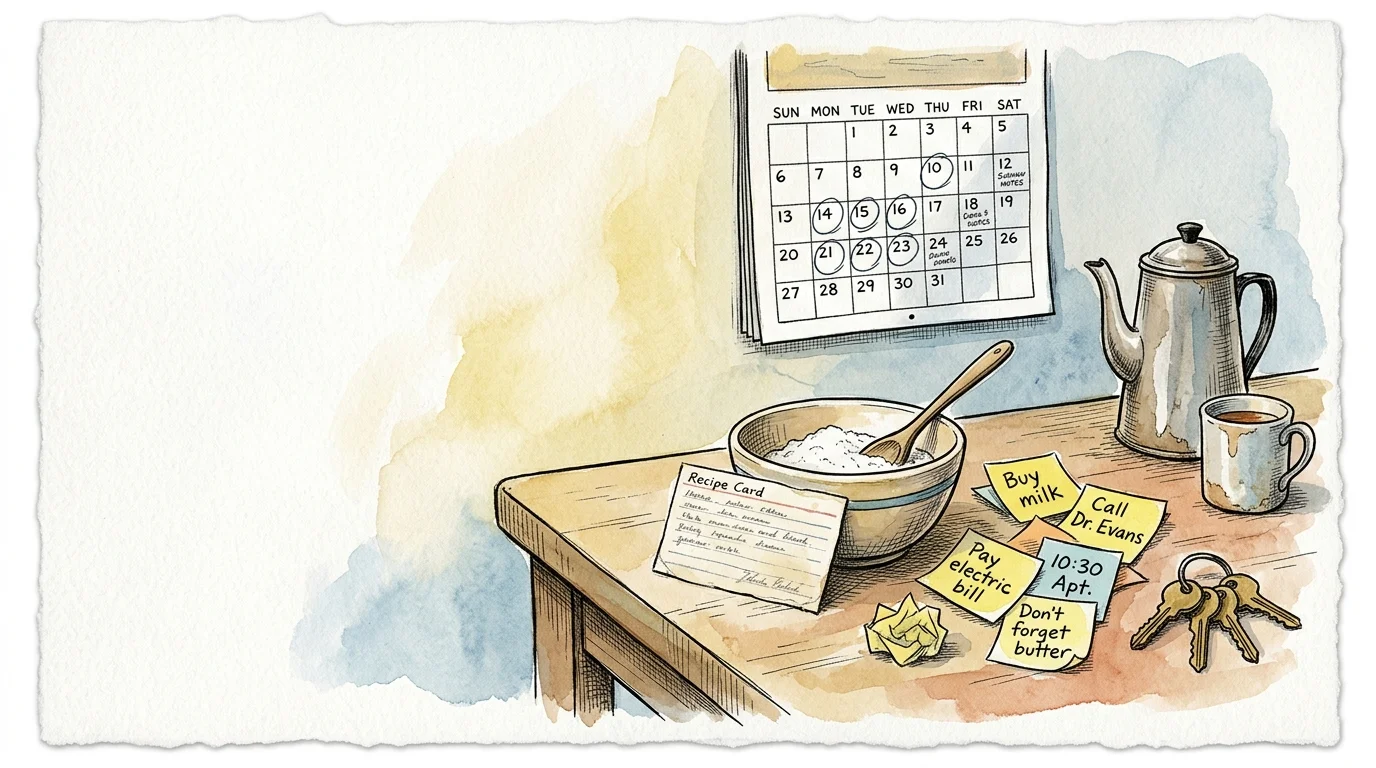
Forgetting recently learned information is one of the most common early indicators of cognitive decline. You might ask the same question repeatedly without remembering that you already received the answer.
People experiencing this sign rely heavily on reminder notes, electronic alarms, or relatives to navigate daily routines. They may also forget significant recent events entirely, such as a family wedding.
In normal aging, you might occasionally forget an appointment but remember it later. Pathological memory loss prevents your brain from retrieving that information even when you receive helpful cues.
This disruption occurs because neurodegenerative conditions often damage the hippocampus first. The hippocampus acts as the primary brain region responsible for storing new memories.
2. Difficulty Completing Familiar Daily Tasks
Struggling to perform routine, multi-step activities is another significant red flag. You might find it difficult to prepare a familiar recipe or track monthly household bills.
Similarly, driving to a familiar grocery store may suddenly feel confusing or stressful. You might also struggle to remember the basic rules of your favorite board game.
Normal aging may cause occasional hesitation when operating a new electronic device. However, true cognitive decline impairs your ability to complete long-established, practiced routines.
This struggle indicates a breakdown in executive functioning, which governs planning, problem-solving, and task sequencing. Damage to the brain’s frontal lobes typically causes these functional challenges.
3. Disorientation to Time and Place
Losing track of dates, seasons, and time passage is a classic warning sign. Individuals facing memory decline may forget where they are or how they arrived there.
You might lose awareness of the current season or mistake the present year for a past decade. Some individuals even dress in heavy winter clothing during the summer heat.
With normal aging, you might briefly forget the day of the week before checking your calendar. However, people with typical aging quickly reorient themselves once they verify the date.
Disorientation to time and location suggests that the brain’s spatial and temporal processing centers are struggling. This symptom requires prompt clinical evaluation to protect personal safety.
4. Spatial and Visual Processing Difficulties
Vision and spatial awareness problems can also signal early cognitive decline. Some individuals experience difficulty judging distances, recognizing contrasts, or interpreting spatial relationships.
These spatial challenges make driving dangerous, causing difficulty staying centered in lanes or misjudging braking distances. Navigating stairs or stepping over curbs can also become hazardous.
Normal age-related vision changes usually stem from ocular issues like cataracts or presbyopia. In cognitive decline, your eyes function normally, but your brain struggles to interpret the incoming visual signals.
When your brain cannot process visual information correctly, your balance and coordination suffer. Addressing these spatial challenges promptly helps prevent serious falls and vehicular accidents.
5. Misplacing Items and Losing the Ability to Retrace Steps
Everyone misplaces their keys or glasses occasionally. However, a person with early cognitive decline frequently leaves everyday items in unusual and inappropriate locations.
For example, you might discover your wallet in the microwave or keys inside the freezer. More critically, the individual loses the ability to retrace their steps mentally to locate the item.
As confusion grows, the person may accuse family members or caregivers of hiding or stealing their belongings. These suspicions arise from authentic confusion and memory gaps.
In normal aging, you can systematically retrace your day to locate a misplaced object. The inability to retrace steps points toward measurable deficits in episodic memory.

Key Considerations for Seniors and Their Families
Evaluating memory concerns requires patience, empathy, and careful observation. Cognitive decline impacts not just the individual, but the emotional well-being and daily dynamics of the entire family.
Many older adults avoid discussing memory lapses because they fear losing their independence or driving privileges. This fear often causes individuals to hide their symptoms, which delays necessary medical care.
Family members should observe behavioral changes gently without becoming critical or confrontational. Keeping a factual, written record of specific incidents helps physicians evaluate cognitive patterns accurately during medical visits.
Physical health also plays a major role in day-to-day cognitive performance. Chronic pain, poor sleep, and nutritional deficiencies can temporarily worsen memory lapses in seniors.
Additionally, social isolation significantly accelerates cognitive decline among older adults. Maintaining strong friendships, participating in community groups, and having daily conversations help preserve mental vitality.
Creating a predictable, organized home environment also supports cognitive function. Simple organizational systems and consistent daily schedules reduce mental fatigue and provide reassurance.
Treating cognitive health as a normal aspect of healthy aging helps reduce stigma. Open family communication empowers older adults to seek medical advice proactively.

Benefits of Early Detection and the Risks of Delay
Scheduling an early medical evaluation offers significant health and personal advantages. Early assessment allows doctors to determine whether memory issues stem from a reversible medical condition.
Several treatable health conditions produce symptoms that closely mimic dementia. Severe vitamin B12 deficiencies, thyroid disorders, normal pressure hydrocephalus, sleep apnea, and clinical depression can all impair memory.
Furthermore, side effects from sedatives, anticholinergic medications, and sleep aids frequently cloud mental clarity. Treating these underlying physical issues or adjusting medications often restores cognitive function completely.
When neurodegenerative disease is present, early diagnosis provides access to breakthrough medical treatments. The FDA has approved disease-modifying therapies, such as lecanemab and donanemab, which target amyloid plaques in the brain.
These innovative therapies require early-stage detection—specifically during Mild Cognitive Impairment or mild dementia—to be effective. Delaying a diagnosis eliminates your opportunity to qualify for these modern treatments.
Early detection also gives you and your family essential time to establish financial, legal, and care plans. You retain the full legal capacity to express your personal preferences clearly.
Additionally, an early diagnosis enables you to implement home safety modifications before accidents happen. Installing grab bars, improving lighting, and organizing prescriptions prevent dangerous injuries.
Conversely, delaying an evaluation increases your vulnerability to medication errors, falls, and financial scams. Seeking prompt medical care protects your safety and long-term autonomy.

What the Medical Experts and Scientific Research Say
Global medical authorities recognize cognitive decline as an urgent public health priority. The World Health Organization reports that more than 55 million people worldwide currently live with dementia.
The WHO also estimates that healthcare providers diagnose nearly 10 million new dementia cases each year. In the United States, over 7 million adults aged 65 and older live with Alzheimer’s, according to the Alzheimer’s Association.
Fortunately, major scientific findings demonstrate that cognitive decline is not completely inevitable. The 2024 Lancet Commission Report on Dementia Prevention revealed that modifying 14 lifestyle factors could prevent or delay up to 45% of dementia cases globally.
The 2024 Lancet report highlighted key risk factors across the lifespan, adding high LDL cholesterol and untreated vision loss. Other crucial modifiable factors include midlife hearing loss, hypertension, physical inactivity, diabetes, obesity, and social isolation.
Guidelines from the National Institutes of Health and the Mayo Clinic stress the importance of proactive cardiovascular management. Maintaining healthy blood vessels directly preserves the oxygen-rich blood flow your brain requires.
Neuroscientists emphasize that your brain maintains neuroplasticity throughout your entire life. Engaging in regular physical and cognitive activities stimulates the formation of new neural pathways and strengthens cognitive reserve.
Clinical experts agree that combining lifestyle modifications with early medical intervention provides the best defense against progressive memory loss.

Practical Steps and Actionable Advice for Brain Health
Protecting your cognitive health requires practical daily habits and regular medical care. You can take immediate, proactive steps to strengthen your memory and preserve your independence.
First, schedule a comprehensive memory evaluation with your primary physician. You can complete a formal cognitive screening during your annual Medicare Wellness Visit to establish a clear baseline.
Second, request a full medication review from your doctor or clinical pharmacist. Have them examine your prescriptions, over-the-counter sleep aids, and supplements to identify medications that impair cognitive function.
Third, protect your sensory health by getting regular vision and hearing evaluations. Research confirms that treating hearing loss with hearing aids significantly reduces your risk of cognitive decline.
Fourth, manage your vascular numbers closely. Keep your blood pressure, LDL cholesterol, and blood glucose within target ranges recommended by the Centers for Disease Control and Prevention.
Fifth, follow a nutrient-dense dietary pattern like the Mediterranean-DASH Intervention for Neurodegenerative Delay, known as the MIND diet. Eat plenty of leafy greens, berries, nuts, olive oil, and fish while limiting processed foods.
Sixth, accumulate at least 150 minutes of moderate aerobic exercise each week. Brisk walking, swimming, and cycling enhance cerebral blood flow and stimulate protective brain proteins.
Seventh, prioritize restorative sleep by keeping a consistent sleep schedule and treating sleep apnea. Deep sleep activates your brain’s glymphatic system, which clears away harmful metabolic waste.
Finally, challenge your brain through continuous learning and social activities. Take an online course, learn a musical instrument, solve challenging puzzles, or volunteer locally to build cognitive reserve.
Frequently Asked Questions About Memory Decline
What is the difference between normal forgetfulness and dementia?
Normal forgetfulness involves occasional, minor lapses, such as misplacing your glasses or temporarily forgetting a neighbor’s name. You can still recall the information later and carry out daily responsibilities independently.
Dementia causes progressive, persistent cognitive decline that disrupts your ability to manage daily tasks, communicate, and live safely. Dementia symptoms worsen continuously over time.
Can early memory loss be reversed?
Yes, memory loss can often be reversed if it is caused by treatable secondary conditions. Deficiencies in vitamin B12, thyroid disorders, sleep apnea, medication interactions, and depression can all be resolved with proper medical treatment.
While neurodegenerative diseases like Alzheimer’s have no cure, early detection allows you to access treatments that slow clinical progression.
How do doctors evaluate early cognitive decline?
Physicians use standardized screening tools, like the Montreal Cognitive Assessment, to evaluate memory, attention, and language. They also order blood tests and brain imaging to identify underlying structural or metabolic issues.
Doctors also review detailed medical histories and interview family members. This comprehensive process ensures an accurate diagnosis and rules out reversible causes.
Does Mild Cognitive Impairment always progress to dementia?
No, Mild Cognitive Impairment does not always progress to dementia. Clinical studies demonstrate that some individuals with MCI remain stable for years, and some even experience cognitive improvement.
However, because 10% to 15% of people with MCI progress to dementia each year, regular medical follow-ups remain critical.
How should I discuss memory changes with a loved one?
Approach the conversation with warmth, empathy, and specific observations rather than criticism or alarming statements. Choose a calm, private setting and express your concerns from a place of support.
Suggest scheduling a doctor’s appointment together to check for treatable issues like vitamin deficiencies or medication side effects. Framing the visit around overall wellness helps reduce apprehension.
Taking Charge of Your Cognitive Future
Noticing changes in your memory can feel overwhelming, but early awareness provides you with powerful advantages. Recognizing the early warning signs empowers you to seek timely medical care and explore effective interventions.
By managing cardiovascular health, addressing sensory changes, exercising regularly, and staying socially active, you directly protect your brain. Taking action today strengthens your cognitive resilience and preserves your quality of life.
Medical Disclaimer
This article is intended for informational and educational purposes only and is not a substitute for professional medical advice, diagnosis, or treatment. Always consult with a qualified healthcare provider regarding any health concerns or before making any decisions related to your health or treatment.